
The Future of Dating App Privacy: What To Expect

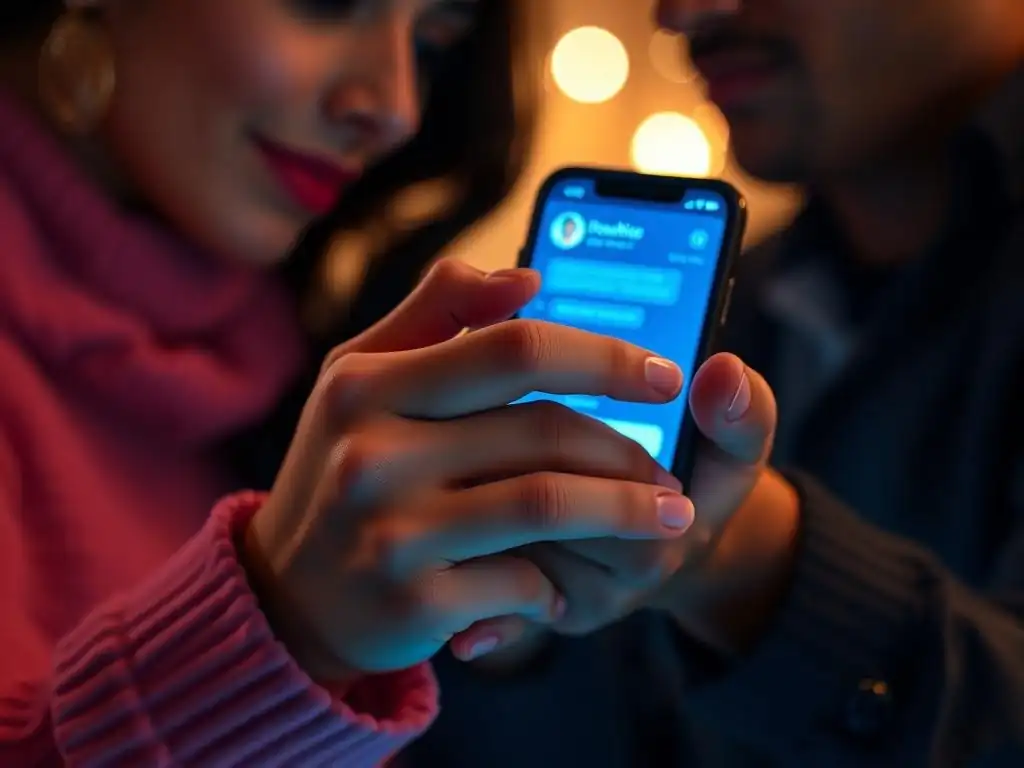
Ready to unlock the secrets to a thriving online dating experience? At OnlineDatingSuccess.org, we empower you to navigate the world of digital romance with confidence. But before you swipe right, consider this: are your dating apps truly protecting your privacy? Our latest article on Dating app privacy concerns delves into the crucial issues you need to know to stay safe and secure while searching for love online. Dive in and discover how to protect yourself – and find your perfect match.
- Understanding Current Dating App Privacy Concerns
- Emerging Privacy Regulations and Their Impact
- Technological Advancements Enhancing Privacy
- Best Practices for Protecting Your Privacy on Dating Apps
- The Future of Dating App Privacy: Predictions and Trends
- Frequently Asked Questions
- Final Reflection: Navigating the Digital Dating Landscape Responsibly
- Unlock Your Dating App Privacy Power
Understanding Current Dating App Privacy Concerns
The digital age has revolutionized dating, with online platforms becoming the primary way many singles connect. However, this convenience comes with a trade-off: the sharing of significant personal data with dating apps. This article delves into the future of dating app privacy, exploring current concerns surrounding data collection, transparency, and security.
Understanding these issues is crucial for anyone using dating apps, allowing them to make informed decisions about their online safety and privacy while navigating the search for meaningful connections. The increasing sophistication of algorithms, coupled with the vast amounts of data collected, raises legitimate questions about how this information is used, protected, and potentially misused. We'll examine the current landscape of dating app privacy, exploring both the positive steps some apps are taking and the significant areas needing improvement to better protect user data and foster trust.
The goal is to empower you with knowledge to navigate the complexities of online dating responsibly and confidently, mitigating potential risks to your personal information. This is particularly relevant given the increasing prevalence of "Dating app privacy concerns," a phrase frequently searched by users worried about their digital footprint and online security.
Data Collection Practices of Popular Dating Apps
Dating apps collect a wide range of data, often going beyond what users might initially expect. This data collection fuels the algorithms that power these platforms, enabling them to suggest potential matches and personalize the user experience. However, the extent of this collection varies significantly between apps. Some common data points collected include:
- Basic Profile Information: Name, age, gender, location, photos, and brief bios are standard.
- Communication Data: Messages sent and received, call logs (if applicable), and timestamps.
- Location Data: Precise location information, often tracked even when the app is closed.
- Device Information: Operating system, device model, IP address, and other identifiers.
- Social Media Connections: Links to other social media accounts, often used for profile verification and matching.
- Payment Information: If in-app purchases are made, this sensitive data is stored.
- Preferences and Interests: Information gleaned from user interactions, such as likes, dislikes, and swipes.
Understanding how this data is used is critical. While some data is essential for the app's functionality (e.g., location for proximity-based matching), the extent to which apps utilize other data points, particularly sensitive information like precise location data, requires careful consideration. Many apps utilize this data for targeted advertising, which while generating revenue for the app, also raises privacy concerns for users. Furthermore, the lack of clear and concise explanation about the exact extent of data collection practices in many apps' terms of service makes it difficult for users to make fully informed decisions.
Transparency and User Consent in Data Usage
A major concern surrounding dating app privacy is the lack of transparency regarding data usage. Many apps lack clear and easily understandable explanations of their data collection and usage policies. The often lengthy and complex terms of service documents frequently fail to provide sufficient detail, making it difficult for users to understand what information is being collected, how it's being used, and with whom it might be shared. This opacity undermines user trust and limits the ability to provide informed consent.
The issue of consent is particularly crucial. While many apps claim to obtain user consent for data collection, the process is often unclear and lacks granularity. Users are frequently presented with broad consent options, without the ability to selectively opt-out of specific data collection practices.
This contrasts sharply with the more nuanced consent models seen in other sectors, highlighting a need for greater clarity and user control. The industry needs to move towards more transparent and granular consent mechanisms, empowering users to have greater control over their data. This includes providing clear explanations of the purposes for which data is collected, and offering users the ability to easily withdraw their consent at any time.
Security Breaches and Data Leaks in the Dating App Industry
The sensitive nature of the data collected by dating apps makes them attractive targets for cyberattacks. While many apps invest in security measures, the risk of data breaches and leaks remains a significant concern. High-profile breaches in the past have demonstrated the potential consequences of inadequate security measures, exposing users' personal information to malicious actors. These breaches can lead to identity theft, harassment, and other forms of harm.
The impact of a data breach on a dating app can be far-reaching. Not only does it compromise user data, but it also erodes trust in the platform and can severely damage its reputation. The industry needs to prioritize robust security measures, including regular security audits, encryption of sensitive data, and multi-factor authentication, to mitigate the risk of breaches.
Furthermore, clear and timely communication with users in the event of a breach is crucial, allowing individuals to take steps to protect themselves. The lack of consistent, industry-wide standards for data security represents a significant vulnerability that needs addressing to ensure user safety and maintain public trust in online dating platforms.
The Risks of Sharing Personal Information on Dating Apps
Sharing personal information on dating apps, while seemingly innocuous in the pursuit of connection, presents significant risks to users' safety and privacy. The very nature of these platforms—designed to facilitate interaction with strangers—increases vulnerability. One of the most prevalent dangers is the potential for identity theft.
Malicious actors can harvest personal details like addresses, phone numbers, and even employment information from profiles, leading to fraudulent activities like opening credit accounts or accessing financial resources. This is further compounded by the fact that many dating apps request access to a user's contact list, potentially exposing the personal data of friends and family.
Beyond identity theft, there's the considerable threat of stalking and harassment. Sharing too much location data, for instance, can make individuals susceptible to unwanted attention or even physical harm. While many apps offer location-masking features, these aren't always foolproof and can be circumvented by determined individuals. Similarly, revealing personal details about daily routines, work schedules, or travel plans can provide stalkers with valuable information to exploit. The anonymity afforded by online platforms can embolden perpetrators, creating a sense of impunity that can have devastating consequences.
Moreover, the risk of catfishing—where individuals create fake profiles using stolen images and fabricated information—is a significant concern. Sharing personal information with a catfish can lead to emotional distress and financial scams. The emotional investment in a seemingly genuine relationship can leave individuals particularly vulnerable to manipulation and exploitation. Catfishing also highlights the importance of verifying the authenticity of profiles before engaging in any personal communication or sharing sensitive details. While dating apps implement verification measures, these are often insufficient to completely eliminate the problem. Therefore, exercising caution and practicing due diligence are crucial.
Finally, the data breach risk is ever-present. Dating apps, like any online platform, are potential targets for hackers. A data breach can expose a vast amount of personal information to malicious actors, potentially resulting in large-scale identity theft, stalking, and harassment.
The consequences of such an event can be far-reaching and long-lasting, highlighting the need for robust security measures and transparent data handling practices from dating app developers. Users must remain vigilant and informed about the risks associated with data breaches and take proactive steps to protect themselves. Regularly reviewing privacy settings and staying updated on security advisories is essential.
Emerging Privacy Regulations and Their Impact

Dating app privacy concerns are increasingly at the forefront of public discourse, fueled by growing awareness of data collection practices and security breaches. This section explores the impact of emerging privacy regulations on the dating app landscape, focusing on how these laws are reshaping the way developers handle user data. The shift towards greater transparency and user control is undeniable, and understanding these changes is crucial for both app developers and users alike.
GDPR and CCPA: Implications for Dating App Developers
The General Data Protection Regulation (GDPR) in Europe and the California Consumer Privacy Act (CCPA) in the United States represent landmark legislation in data privacy. These regulations have significantly impacted how dating apps operate, demanding greater transparency and user control over personal information. For dating app developers, compliance means implementing robust mechanisms for data minimization, obtaining explicit consent for data processing, and providing users with clear and concise information about data collection and usage.
For example, GDPR mandates that apps clearly articulate the purpose of collecting each data point, how long it will be stored, and the user's rights regarding access, rectification, erasure ("right to be forgotten"), and data portability. Failure to comply can result in substantial fines, significantly impacting a company's bottom line. The CCPA, while slightly different in its specifics, similarly emphasizes user rights and requires businesses to provide users with information about the categories of personal information collected, the sources of the information, and the purposes for which it is used.
The impact extends beyond simple compliance. These regulations are forcing dating app developers to rethink their data collection strategies, prioritizing only truly necessary data points and implementing more secure data storage and processing methods. This, in turn, benefits users by enhancing their privacy and security. The long-term effect is a more responsible and user-centric approach to data handling within the online dating industry. We are seeing a clear trend towards "privacy by design," meaning privacy considerations are integrated into the development process from the outset.
Future Regulatory Trends and Their Effect on Data Privacy
The GDPR and CCPA are not isolated incidents; they represent a global trend towards stronger data privacy protections. We can anticipate further regulatory developments in other jurisdictions, likely mirroring or even exceeding the stringency of existing laws. These future regulations may include:
- Expansion of data subject rights: Users may gain even greater control over their data, including the right to object to automated decision-making and profiling.
- Increased scrutiny of data sharing practices: Regulations may further restrict the sharing of user data with third-party companies, particularly those outside the user's jurisdiction.
- Enhanced security requirements: Developers will face stricter requirements for securing user data against breaches and unauthorized access.
- Greater emphasis on algorithmic transparency: The inner workings of matching algorithms and their potential biases may face increased scrutiny.
These evolving regulations will necessitate ongoing adaptation from dating app developers, demanding continuous investment in compliance and security infrastructure. The cost of non-compliance will likely continue to rise, incentivizing proactive measures to protect user privacy.
How New Laws Will Shape Data Handling Practices on Dating Apps
The impact of these new privacy regulations on dating app data handling practices will be profound and multifaceted. We can expect to see several key changes:
- Increased Transparency: Dating apps will need to be far more transparent about their data collection practices, providing clear and concise explanations of what data they collect, why they collect it, and how they use it. This includes clear, easily accessible privacy policies written in plain language, avoiding legalese.
- Enhanced User Control: Users will have more control over their data, with easier options to access, correct, delete, or port their data. This includes the ability to easily withdraw consent for data processing at any time.
- Data Minimization: Dating apps will likely adopt a "data minimization" approach, collecting only the data strictly necessary for their core functionality. This will reduce the amount of sensitive information stored, thereby minimizing the risk of breaches and misuse.
- Improved Security Measures: Dating apps will invest in stronger security measures to protect user data from unauthorized access, use, disclosure, alteration, or destruction. This includes implementing robust encryption protocols and conducting regular security audits.
- Algorithmic Accountability: There may be a greater emphasis on algorithmic accountability, with dating apps required to provide explanations of how their algorithms work and to address any potential biases.
The future of dating app privacy hinges on the continued evolution of these regulations and the industry's response. By understanding these trends, users can make informed decisions about which apps to use and how to manage their personal data effectively. The emphasis on user agency and data protection is not just a legal imperative; it is a critical step towards fostering trust and building more positive and secure online dating experiences.
Technological Advancements Enhancing Privacy
This section explores emerging technologies designed to bolster privacy within the online dating landscape, directly addressing prevalent dating app privacy concerns. We'll examine how these advancements are shaping the future of user data protection and fostering a safer online dating experience. The shift towards greater transparency and user control is significant, offering hope for a more secure and trustworthy digital dating environment.
Blockchain Technology and Data Security in Online Dating
Blockchain technology, renowned for its secure and transparent nature, presents a compelling solution to dating app privacy concerns. Its decentralized architecture eliminates single points of failure, making it significantly more resistant to data breaches compared to traditional centralized databases. Imagine a scenario where your profile information, including personal details and communication logs, is stored across a distributed network. Compromising this data would require simultaneously attacking numerous independent nodes – a highly improbable feat.
Furthermore, blockchain can enhance the verification of user identities, potentially reducing the prevalence of fake profiles – a major source of frustration and security risks for many users. By leveraging blockchain's immutability, dating apps can create a verifiable record of user actions and interactions, adding a layer of accountability and trustworthiness. This transparency can significantly alleviate dating app privacy concerns by providing users with greater confidence in the authenticity of the platform and its participants.
The implementation of smart contracts could further automate privacy settings and data management, empowering users with granular control over their personal information. While still in its nascent stages within the online dating industry, the potential of blockchain to revolutionize data security is undeniable.
AI-Powered Privacy Tools and Features for Dating Apps
Artificial intelligence (AI) is not just transforming how we interact on dating apps; it's also playing a crucial role in enhancing privacy. AI-powered tools can actively monitor user data for suspicious activity, flagging potentially harmful behaviors or identifying attempts at data breaches. This proactive approach is vital in addressing dating app privacy concerns and ensuring a safer user experience.
Moreover, AI can personalize privacy settings based on individual user preferences and risk profiles. For instance, an AI-powered system could automatically adjust notification settings, limit the visibility of certain profile details, or even proactively filter out potentially harmful messages. This level of customization significantly empowers users, allowing them to tailor their privacy settings to their specific needs and comfort levels.
The development of sophisticated AI algorithms capable of identifying and mitigating privacy risks in real-time is crucial for building a more secure and trustworthy dating environment. The integration of AI-driven privacy tools represents a significant step forward in addressing dating app privacy concerns and creating a safer online dating experience.
Encryption and Data Anonymization Techniques
Robust encryption and data anonymization techniques are foundational to addressing dating app privacy concerns. End-to-end encryption, where only the sender and receiver can decrypt messages, protects sensitive communications from unauthorized access, even by the app developers themselves. This is a critical feature for ensuring the confidentiality of personal conversations and preventing data leaks.
Data anonymization techniques, such as differential privacy and k-anonymity, further enhance user privacy by removing or modifying identifying information while preserving the utility of the data for analytical purposes. This allows dating apps to gather insights into user behavior and preferences without compromising individual privacy. The implementation of these techniques reduces the risk of identifying specific users from aggregated data sets, mitigating the potential for misuse or unauthorized access.
The continuous development and refinement of these techniques are crucial for maintaining user trust and addressing evolving dating app privacy concerns in the ever-changing digital landscape. The combination of strong encryption and effective anonymization strategies is paramount for ensuring a secure and private dating experience.
Best Practices for Protecting Your Privacy on Dating Apps

Dating app privacy concerns are increasingly prevalent as technology evolves. Understanding how to mitigate these risks is crucial for a safe and positive online dating experience. This section details practical strategies to safeguard your personal information while using dating apps. The goal is to empower you to make informed decisions and navigate the digital dating world with confidence.
Choosing Secure and Transparent Dating Platforms
Selecting the right dating platform is the first step towards protecting your privacy. Not all apps are created equal when it comes to data security and transparency. Look for platforms with a strong reputation for privacy and security. Consider these key factors:
- Data Encryption: A reputable app will use robust encryption methods (like TLS/SSL) to protect your data during transmission. This prevents unauthorized access to your personal information while it's traveling between your device and the app's servers. Look for statements on their website explicitly mentioning their encryption protocols.
- Privacy Policy Transparency: Carefully review the app's privacy policy. A transparent policy clearly outlines what data the app collects, how it's used, and with whom it's shared. Avoid apps with vague or overly broad privacy policies. Pay close attention to sections detailing data retention policies – how long does the app keep your information after you delete your account?
- Data Breach History: Research the app's history. Have there been any reported data breaches or security vulnerabilities in the past? A history of breaches is a significant red flag. Independent security audits can also provide reassurance.
- Two-Factor Authentication (2FA): Apps offering 2FA add an extra layer of security, requiring a second verification step (like a code sent to your phone) beyond your password. This significantly reduces the risk of unauthorized access, even if your password is compromised. Activating 2FA is a simple yet highly effective privacy measure.
- Customer Support Responsiveness: A responsive and helpful customer support team is essential. If you encounter a privacy issue or have questions, you need a reliable way to contact the app and get assistance. Check user reviews to gauge the quality of their customer service.
Managing Your Privacy Settings Effectively
Even on the most secure dating app, your privacy depends heavily on your own actions. Actively manage your privacy settings to control what information you share and who can see it. Most apps provide a range of customization options; take advantage of them!
- Photo Selection: Be selective about the photos you upload. Avoid posting images that reveal too much personal information, such as your home address, workplace, or license plate numbers. Use photos that showcase your personality without compromising your privacy.
- Profile Information: Carefully choose what personal details you include in your profile. Avoid sharing overly specific information, such as your full address, exact birthday, or place of employment. Remember, less is often more when it comes to online dating privacy.
- Location Services: Many dating apps use location services to match you with potential partners nearby. However, constantly sharing your precise location can be a privacy risk. Consider limiting location sharing to a broader radius or disabling it altogether when not actively using the app.
- Connection Requests: Be cautious about accepting connection requests from strangers. Only connect with people you feel comfortable interacting with. Review profiles carefully before accepting any requests.
- Blocking and Reporting: Use the app's blocking and reporting features to remove unwanted contacts or report inappropriate behavior. These tools are crucial for maintaining a safe and respectful online dating experience.
Beyond the app's settings, your overall online behavior significantly impacts your privacy. Be mindful of the information you share, both within and outside the dating app.
- Avoid Oversharing: Resist the urge to overshare personal details, even with someone you feel you trust. Build relationships gradually and avoid revealing sensitive information too early in the process.
- Reverse Image Search: Before meeting someone in person, perform a reverse image search on their photos to verify their identity and ensure they are who they claim to be. This can help prevent catfishing and other scams.
- Meet in Public: When meeting someone for the first time, always choose a public place for your date. Let a friend or family member know where you're going and when you expect to be back.
- Background Checks (optional): For serious relationships, consider conducting a background check on potential partners. While not always necessary, this can provide an extra layer of security and peace of mind. This is particularly important if you're considering a long-term commitment.
- Stay Alert to Scams: Be aware of common dating app scams, such as phishing attempts, financial scams, and requests for personal information. Never send money or share sensitive financial details with someone you've met online.
Remember, protecting your privacy is an ongoing process. Stay informed about the latest security threats and best practices, and adapt your approach as needed. By following these strategies, you can significantly reduce your risks and enjoy a safer and more positive online dating experience.
Recognizing and Avoiding Phishing Attempts and Scams
Dating apps, unfortunately, are fertile ground for scammers and phishers preying on vulnerable individuals seeking connection. Understanding how these attacks manifest is crucial to protecting your personal information and emotional well-being. Phishing attempts often masquerade as genuine communication from the app itself or from a seemingly legitimate profile.
They might involve urgent requests for personal data, suspicious links, or pleas for financial assistance. For example, you might receive a message claiming your account has been compromised and requiring you to click a link to verify your information – a classic phishing tactic. These links often redirect to fake websites designed to steal your login credentials, credit card details, or other sensitive data.
Always be wary of messages that seem too good to be true, especially those involving unsolicited financial requests. Legitimate dating apps rarely, if ever, require you to provide financial information directly through the app itself or via external links. Scammers often create elaborate profiles, weaving compelling stories to gain your trust before launching their scheme. They might claim to be stranded abroad, needing money for a medical emergency, or facing some other urgent financial crisis. Never send money to someone you've only met online, no matter how convincing their story seems. Remember, genuine connections don't require financial transactions.
Another common scam involves the use of fake profiles. These profiles often feature stolen images and fabricated personal details, designed to lure you into a false sense of security. Scammers might initially engage in friendly conversation, building rapport before eventually asking for personal information or money.
Therefore, it's essential to verify the authenticity of profiles by checking for inconsistencies in their information, searching for their profile picture on reverse image search engines, and carefully evaluating the overall consistency of their communication style. If something feels off, it probably is. Trust your instincts; if a profile or interaction feels suspicious, it's best to err on the side of caution and block the user.
Reporting suspicious activity to the dating app's support team is also a vital step in protecting yourself and the wider community. Staying vigilant and educated is your best defense against these insidious tactics. Remember, your safety and security are paramount.
The Future of Dating App Privacy: Predictions and Trends
This section explores the evolving landscape of dating app privacy, focusing on key trends and predictions shaping the future of how our personal data is handled within these platforms. Understanding these shifts is crucial for navigating the complexities of online dating and mitigating potential risks associated with "dating app privacy concerns." We'll examine how increased user control, data minimization, and user education are poised to redefine the privacy paradigm.
Increased User Control and Data Ownership
The future of dating app privacy hinges on empowering users with greater control over their personal data. We're likely to see a significant increase in functionalities allowing users to:
- Specify data sharing preferences: Users will have granular control over which pieces of information are shared with whom, and for what purpose. This might include toggles for sharing location data, relationship status, employment information, etc. Imagine selecting only to share your age range, instead of your exact birthdate, or opting out of location sharing entirely unless initiating a conversation.
- Manage data access and deletion: Expect easier access to download personal data and more straightforward processes for deleting accounts and associated data. Clearer explanations of data retention policies will also become the norm, accompanied by streamlined processes for requesting data removal. This increased transparency addresses a core "dating app privacy concern."
- Data portability: The ability to easily transfer personal data between different dating apps will become increasingly important. This empowers users to switch platforms without losing their information and encourages competition among apps to offer better privacy features. This mobility is a significant step towards true user ownership of their data.
The implementation of these controls will require a fundamental shift in how dating apps are designed and operated. It's no longer sufficient to simply have a privacy policy; users need intuitive tools to actively manage their privacy settings. The best apps will prioritize user-friendly interfaces that simplify these complex choices. Failure to do so will likely result in users migrating to platforms that offer superior control.
Emphasis on Data Minimization and Purpose Limitation
A key trend in data privacy regulation globally is the emphasis on data minimization and purpose limitation. This means that dating apps will be increasingly pressured to collect only the minimum necessary data to provide their core services. The collection of excessive or irrelevant personal information—a common "dating app privacy concern"—will become less acceptable.
- Reduced data collection: Expect to see a reduction in the types of data collected by dating apps. This could mean fewer requests for access to contact lists, social media profiles, or detailed location history. The apps will need to justify the necessity of collecting each data point.
- Stricter purpose limitation: Data collected will need to be used solely for the stated purpose. For example, location data might only be used to suggest nearby matches, not for broader advertising purposes. Any deviation from this principle will be subject to increased scrutiny.
- Improved data security measures: With less data collected, the impact of a potential data breach is minimized, thus reducing the risk to users. This heightened focus on security is directly addressing the growing anxieties around "dating app privacy concerns."
This shift requires a redesign of app functionalities. Features that rely on extensive data collection might need to be redesigned or removed altogether. This might involve creative solutions for matching algorithms and personalized recommendations that don't depend on extensive data profiles.
The Role of User Education in Protecting Privacy
While enhanced app features and stricter regulations are crucial, user education plays a vital role in mitigating "dating app privacy concerns." Users need to be empowered with the knowledge and skills to make informed decisions about their online safety and privacy.
- Privacy literacy programs: Dating apps should invest in educational resources and initiatives to improve user understanding of privacy settings and data handling practices. This could include interactive tutorials, FAQs, and clear explanations of privacy policies in accessible language.
- Promoting responsible online behavior: Education should also extend to responsible online behavior, including password security, avoiding sharing sensitive information prematurely, and recognizing potential scams or phishing attempts.
- Transparency and accountability: Apps should be transparent about their data practices and accountable for any breaches or misuse of data. Clear communication channels for reporting privacy concerns are essential.
Ultimately, a multi-pronged approach is needed. Dating apps must prioritize user privacy through technological enhancements and policy changes. Simultaneously, users need to actively participate in protecting their data through informed decision-making and responsible online behavior. This collaborative effort is essential to build a more secure and trustworthy online dating environment.
The Evolving Landscape of Dating App Privacy: A Look Ahead
The future of dating app privacy is a dynamic landscape shaped by evolving technologies, increasing user awareness, and stricter regulations. We can expect a multifaceted evolution, driven by both technological advancements and societal pressure. One key trend is the rise of differential privacy techniques. These methods allow developers to analyze user data for improvements and insights without compromising individual identities. This means apps can still improve their matching algorithms and personalize user experiences, but with significantly enhanced protection of personal information. This is a crucial step in addressing dating app privacy concerns.
Furthermore, expect to see a greater emphasis on data minimization. This principle suggests that apps should only collect the minimum amount of data necessary to function. This contrasts with the current practice of some apps that collect vast amounts of data, often exceeding what is truly needed for their core functionality. Moving towards data minimization will inherently improve user privacy and reduce the potential for misuse of collected information. This shift will require a fundamental change in the way many dating apps are designed and operated, but the long-term benefits for user trust and data security are substantial.
Another significant development will be the increased adoption of end-to-end encryption. This technology ensures that only the sender and recipient can access the messages exchanged within the app. Currently, many dating apps do not utilize end-to-end encryption, leaving messages vulnerable to interception and potential misuse. The widespread adoption of this technology will be a major step towards safeguarding user communication and reducing the risk of data breaches. This will be a significant development in alleviating dating app privacy concerns related to communication security.
Finally, we anticipate a surge in user control and transparency. Users will have more control over their data, including what information is collected, how it is used, and with whom it is shared. This includes clearer and more accessible privacy policies, making it easier for users to understand how their data is being handled.
Increased transparency will empower users to make informed decisions about their privacy and to hold dating apps accountable for their data practices. This shift will be partly driven by increased regulatory pressure and a growing demand for accountability from users themselves. The future of dating app privacy hinges on empowering users to actively manage their data and privacy settings.
Frequently Asked Questions
What are the biggest dating app privacy concerns?
The biggest concerns revolve around data breaches, sharing of personal information with third parties, and the potential for stalking or harassment facilitated by location data and profile information. Protecting your identity is paramount.
How can I protect my privacy while using dating apps?
Use a strong, unique password, enable two-factor authentication, and be mindful of the information you share in your profile. Avoid sharing your full name, address, or workplace. Limit access to your location services.
Do dating apps sell my data to third parties?
Many apps share user data with advertising partners and other third-party companies. Review the app's privacy policy carefully to understand exactly what data is collected and how it's used. Consider using apps with stricter privacy policies.
What can I do if I experience harassment on a dating app?
Report the harassment immediately to the dating app's support team and consider blocking the user. You might also want to report the incident to law enforcement if the harassment is severe or threatening. Document all interactions.
What is the future of dating app privacy?
The future likely involves increased regulation, stronger data encryption, and greater user control over data sharing. Expect to see more apps prioritizing transparency and user privacy to build trust and attract users.
The erosion of privacy in the digital age is not a futuristic threat; it's a present reality impacting how we connect, date, and build relationships. The increasing sophistication of dating apps, while offering convenience and expanded possibilities, simultaneously presents a complex web of data collection and potential misuse. Understanding the implications of this reality is crucial for navigating the modern dating world safely and ethically.
The pervasiveness of data collection by dating apps has profoundly altered the social landscape of romance, shifting the power dynamic between users and platforms. We've moved from a world where privacy was largely assumed to one where it's actively negotiated, often with limited transparency. This shift necessitates a critical examination of our own digital footprint and the choices we make online. The price of anything is the amount of life you exchange for it.
– Henry David Thoreau. This quote, while not directly about dating apps, speaks to the fundamental trade-off we make when we sacrifice privacy for convenience. We must carefully consider the value of our personal information and the potential costs of its exposure.
You, the reader, now hold the power to shape the future of dating app privacy. Don't passively accept the status quo. Actively research the privacy policies of the apps you use, be mindful of the data you share, and advocate for greater transparency and accountability from these platforms. By demanding better practices and making informed choices, you can contribute to a more responsible and respectful digital dating environment, one where connection thrives alongside privacy.
Unlock Your Dating App Privacy Power
Thank you for exploring the future of dating app privacy with us! We hope you found valuable insights into protecting your personal information online. Now, let's put that knowledge into practice.
- Review your dating app's privacy settings today. Take control by adjusting your visibility options, contact permissions, and how much data you share. This is the most impactful step you can take to protect your privacy.
- Share this article with your friends. Help spread awareness of these crucial privacy issues and empower others to protect themselves online.
- Visit OnlineDatingSuccess.org for more expert advice. Discover additional tips and tricks for navigating the online dating world safely and successfully, ensuring a positive and secure experience.
What's one privacy setting you're prioritizing today, and why? Let's discuss in the comments below!