
Rejection is Not Failure: Understand It and Learn from It in Dating


Welcome to OnlineDatingSuccess.org, where we empower you to navigate the world of online dating with confidence and achieve meaningful connections. Tired of feeling disheartened by rejection? This isn't the end; it's the beginning. Discover how to transform online dating rejection lessons into powerful tools for growth and success in our insightful article, "Rejection is Not Failure: Understand It and Learn from It in Dating." Dive in and unlock the secrets to building a fulfilling dating experience.
- Understanding Online Dating Rejection: It's Part of the Process
- Online Dating Rejection Lessons: Turning Setbacks into Success
- Building Resilience After Online Dating Rejection
- Learning from Rejection: Improving Your Online Dating Approach
- Moving Forward After Rejection: Finding Success in Online Dating
-
Frequently Asked Questions
- What is the most important lesson to learn from online dating rejection?
- How can I avoid future rejections in online dating?
- Is it okay to feel bad after being rejected online?
- How can I tell if my online dating profile needs improvement?
- What if I keep getting rejected despite trying different things?
- Final Reflection: Embracing Rejection, Embracing Growth
- Unlock Your Dating Potential: Turn Rejection into Growth
Understanding Online Dating Rejection: It's Part of the Process
Navigating the world of online dating can be exhilarating, filled with the potential for connection and romance. However, it's equally important to acknowledge that rejection is an inherent part of the process. This isn't a reflection of your worth or value as a person; rather, it's a common experience shared by countless individuals seeking love online.
This article aims to help you understand online dating rejection, not as a personal failing, but as a valuable learning opportunity. We'll explore how to recognize rejection, differentiate it from personal inadequacy, identify common causes, and ultimately, use these experiences to refine your approach and increase your chances of finding a meaningful connection. Learning to navigate rejection constructively is key to building resilience and achieving success in online dating.
Remember, the journey to finding love is rarely linear; embracing setbacks as stepping stones is crucial for progress. Let's delve into the specifics of understanding and overcoming online dating rejection.
Recognizing the Inevitability of Rejection in Online Dating
Rejection in online dating is practically unavoidable. Think of it like this: you're presenting yourself to a vast pool of potential partners, each with their own preferences, experiences, and relationship goals. The odds of every single person finding you compatible are statistically improbable. Many factors contribute to this: differences in desired relationship styles, incompatibility of values, geographical limitations, and even simply differing tastes in profile pictures! The key is to understand that a lack of mutual connection doesn't necessarily mean you are lacking.
It simply means that you and that particular person weren't a match. Accepting this reality is the first step toward building resilience. Remember, every "no" brings you closer to a "yes." The more you engage with the process, the more you learn about what you're looking for and what resonates with others. Embrace the learning curve; it's all part of the journey.
Differentiating Between Rejection and Personal Failure
It's crucial to distinguish between experiencing rejection and internalizing it as a personal failure. Rejection in online dating is often about incompatibility, not inadequacy. Someone might reject you because they're looking for someone with different hobbies, a different career path, or even a different sense of humor. These are preferences, not reflections of your worth. Consider this: if someone rejects you because you love hiking and they prefer staying indoors, that doesn't mean you're a bad person, just that your lifestyles aren't compatible.
This is a key difference to understanding online dating rejection lessons. Instead of dwelling on negative self-talk, focus on learning from the experience. What aspects of your profile or communication style could be improved? What did you learn about your own preferences and needs?
Identifying Common Reasons for Rejection in Online Dating
Understanding why you might experience rejection can be incredibly helpful in refining your online dating strategy. Some common reasons include:
- Lackluster Profile: A poorly written or unengaging profile can fail to capture attention. Vague descriptions, blurry photos, and a lack of personality can all contribute to rejection.
- Poor Communication: Sending generic messages, ignoring red flags, or engaging in aggressive or disrespectful behavior can deter potential matches.
- Unrealistic Expectations: Setting unrealistic standards or having rigid expectations about what a partner should be can lead to disappointment and repeated rejection.
- Inconsistent Messaging: Responding inconsistently or ignoring messages can make it difficult to build a connection.
- Poor Photo Selection: Using inappropriate or unflattering photos can significantly impact your success rate.
By analyzing these potential areas for improvement, you can actively work toward creating a more successful online dating experience. Remember, every rejection provides valuable data points for improving your approach. Learning from these experiences is far more productive than allowing them to discourage you.
Online Dating Rejection Lessons: Turning Setbacks into Success
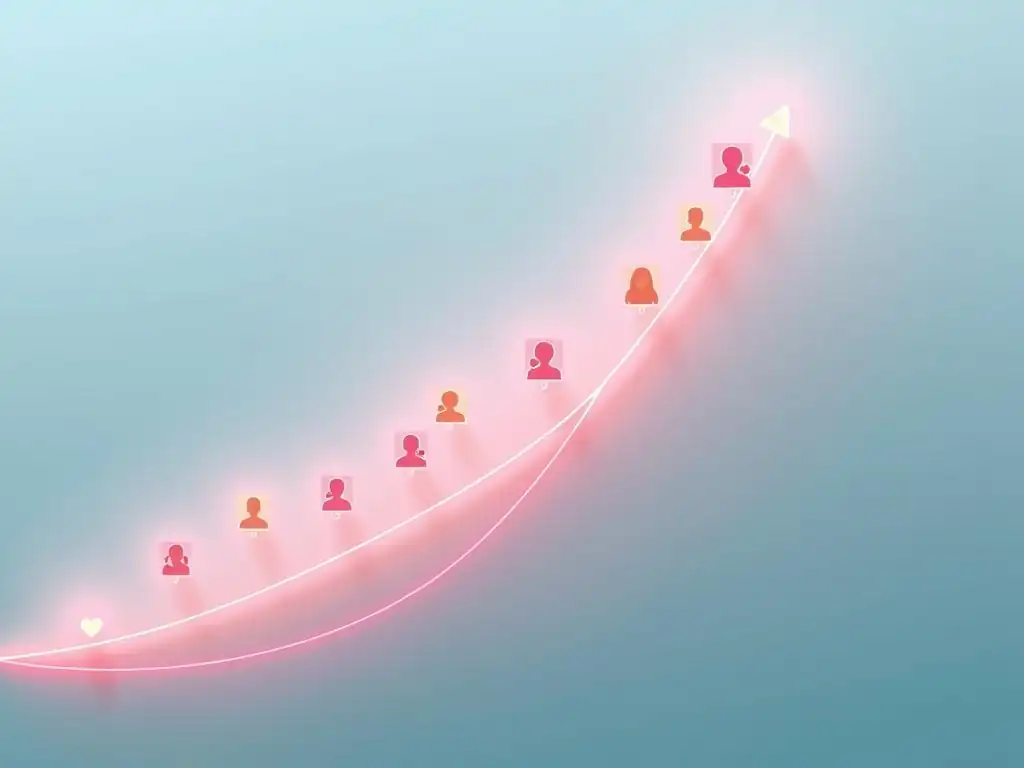
Rejection is an inevitable part of online dating. It's not a reflection of your worth, but rather a sign that you and a particular person weren't a match. Learning to navigate rejection constructively is crucial for building resilience and ultimately finding success. This section focuses on practical steps to analyze your experiences, improve your approach, and build confidence. Remember, every "no" brings you closer to a "yes."
Analyzing Your Online Dating Profile for Improvement
Your online dating profile is your first impression. A poorly crafted profile can lead to fewer matches and more rejection. Analyzing its effectiveness is key to improving your results. Consider these points:
- Photos: Are your photos high-quality, recent, and varied? Do they accurately represent your personality and lifestyle? Avoid overly filtered or misleading images. Consider professional photos if you're struggling. A strong profile needs a diverse range of pictures that highlight different facets of your personality. Think about showcasing hobbies, travel experiences, or just candid shots that capture your natural charm.
- Bio: Is your bio engaging, informative, and authentic? Does it highlight your key interests and values? Avoid clichés and generic statements. Instead, be specific! Instead of saying "I love to travel," say "I recently backpacked through Southeast Asia and am planning my next adventure to South America." This shows initiative and offers concrete talking points.
- Prompt Answers: If the platform uses prompts, are your answers thoughtful and revealing? Do they spark conversation? Avoid one-word answers or generic responses. Use these prompts as an opportunity to showcase your humor, intelligence, and personality.
- Profile Completeness: Have you completed all sections of your profile? A complete profile signals seriousness and provides potential matches with more information to assess compatibility. Leaving sections blank can suggest disinterest or lack of effort.
Let's illustrate with an example. Imagine two profiles: Profile A uses generic statements like "I love movies and going out," while Profile B says, "I'm a huge fan of independent films and love discovering hidden gems at local theaters. My ideal date involves grabbing artisanal pizza followed by a quirky indie flick." Which profile is more engaging and likely to attract meaningful interactions?
Refining Your Online Dating Communication Strategies
Even with a compelling profile, effective communication is vital. Rejection often stems from miscommunication or missed connections. Analyze your messaging style:
- Initiation: Are your opening messages engaging and personalized? Avoid generic greetings. Research suggests personalized messages, mentioning something specific from their profile, significantly increase response rates. This shows you've taken the time to learn about them.
- Conversation Flow: Do you actively listen and respond thoughtfully to their messages? Avoid dominating the conversation or sending lengthy monologues. A balanced exchange of ideas is crucial for building rapport. Remember, online dating is a two-way street.
- Pace: Are you respecting their pace and responsiveness? Avoid overwhelming them with messages or expecting immediate replies. Be patient and allow the conversation to unfold naturally. Respecting boundaries is crucial for building trust and avoiding unwanted attention.
- Red Flags: Are you aware of any potential red flags in your communication style? Are you coming across as needy, desperate, or overly aggressive? Self-reflection is key to identifying areas for improvement.
Consider using the "STAR" method (Situation, Task, Action, Result) to analyze past conversations. This structured approach helps identify specific areas for improvement in your communication skills.
Identifying and Addressing Negative Self-Talk After Rejection
Rejection can trigger negative self-talk, undermining your confidence and hindering future success. Recognizing and challenging these negative thoughts is crucial:
- Identify Negative Thoughts: After a rejection, take time to identify the specific negative thoughts that arise. Write them down. Are they realistic or based on assumptions? Often, these thoughts are irrational and fueled by insecurity.
- Challenge Negative Thoughts: Once identified, challenge the validity of these negative thoughts. Are they factual or based on feelings? Replace negative thoughts with more positive and realistic ones. For example, instead of thinking "I'm unlovable," try "This person wasn't the right match for me, and there are many other people out there who would appreciate me."
- Self-Compassion: Treat yourself with kindness and understanding. Rejection is a normal part of life, and it doesn't diminish your worth. Practice self-compassion by acknowledging your feelings without judgment. Engage in self-care activities to boost your mood and resilience.
- Seek Support: Don't hesitate to seek support from friends, family, or a therapist. Talking about your feelings can be incredibly helpful in processing rejection and building confidence. A support system can provide valuable perspective and encouragement during challenging times.
Remember, online dating rejection is a learning opportunity. By analyzing your profile, refining your communication, and addressing negative self-talk, you can transform setbacks into stepping stones towards finding a meaningful connection. Embrace the lessons, adjust your approach, and keep moving forward.
Building Resilience After Online Dating Rejection
Rejection is an inevitable part of online dating. It's crucial to understand that experiencing rejection doesn't equate to personal failure. Instead, view it as a learning opportunity, a stepping stone towards finding a compatible partner. Building resilience requires actively working on your mindset, focusing on personal growth, and seeking support.
This section will explore practical strategies to help you bounce back stronger after facing rejection in the online dating world. Mastering these techniques will equip you with the emotional fortitude needed to navigate the ups and downs of online dating and ultimately achieve your relationship goals. Remember, the path to finding love is rarely linear; setbacks are temporary, and growth is continuous.
Developing a Healthy Mindset Towards Rejection
A healthy mindset is paramount to building resilience after online dating rejection. Instead of internalizing rejection as a personal flaw, reframe it as a mismatch of compatibility. Not every connection will blossom into a relationship, and that's perfectly okay. Consider these points:
- Rejection is not a reflection of your worth: Someone's decision to not pursue a relationship with you is based on their individual preferences, experiences, and current life circumstances. It rarely reflects your overall value or attractiveness.
- Practice self-compassion: Treat yourself with the same kindness and understanding you would offer a friend going through a similar experience. Acknowledge your feelings without judgment.
- Challenge negative self-talk: Identify and challenge negative thoughts and beliefs about yourself. Replace them with positive affirmations and realistic self-assessments. For example, instead of thinking "I'm unlovable," try "I'm a valuable person, and the right person will appreciate me."
- Focus on your strengths: Remind yourself of your positive qualities and accomplishments. This helps build self-esteem and confidence, making you less vulnerable to the sting of rejection.
- Keep a rejection journal: Writing down your experiences and reflecting on them can help you gain perspective and identify patterns. This process can be surprisingly therapeutic and insightful. Note what you learned from each experience, both about yourself and about the dating process.
Focusing on Self-Improvement and Personal Growth
Online dating rejection presents a unique opportunity for self-improvement and personal growth. Instead of dwelling on the negative, use the experience as a catalyst for positive change. Consider these avenues:
- Refine your online dating profile: Review your profile photos, bio, and prompts. Seek feedback from trusted friends on how to improve your presentation. A strong profile is your first impression, and it's crucial to make it count. Consider highlighting aspects of your personality that attract your ideal partner.
- Improve your communication skills: Practice clear and concise communication. Work on expressing your feelings and needs effectively. Consider taking a communication skills course or workshop to enhance your abilities.
- Explore new hobbies and interests: Investing in yourself and your passions makes you a more well-rounded and interesting individual. This boosts self-confidence and provides more engaging conversation starters.
- Work on your physical and mental health: Regular exercise, healthy eating, and sufficient sleep are essential for overall well-being. Prioritize self-care to improve your mood and resilience. Consider mindfulness practices like meditation to manage stress and anxiety.
- Set realistic expectations: Understand that finding the right person takes time and effort. Don't get discouraged by temporary setbacks. Celebrate small victories and maintain a positive outlook.
Seeking Support and Perspective from Others
Don't hesitate to reach out to your support network for help in navigating online dating rejection. Sharing your experiences with trusted friends, family, or a therapist can provide valuable perspective and emotional support.
- Talk to trusted friends and family: Sharing your feelings with people who care about you can help you process your emotions and gain a fresh perspective. They can offer encouragement and support during challenging times.
- Consider professional help: A therapist or counselor can provide guidance and support in developing coping mechanisms for dealing with rejection and building resilience. They can help you identify negative thought patterns and develop healthier coping strategies.
- Join a support group: Connecting with others who have faced similar challenges can be incredibly helpful. Sharing experiences and offering mutual support can foster a sense of community and understanding. Online forums and support groups can be particularly beneficial.
- Remember, you're not alone: Many people experience rejection in online dating. It's a common experience, and seeking support is a sign of strength, not weakness. Reaching out to others can help you feel less isolated and more empowered to overcome challenges. The online dating experience is a journey, and building a strong support system is crucial for navigating it successfully. 🎉
Learning from Rejection: Improving Your Online Dating Approach

Rejection is an inevitable part of online dating. It's not a reflection of your worth, but rather a sign that you and another person weren't a match. Viewing rejection through this lens allows you to learn and grow, ultimately increasing your chances of finding a compatible partner.
This section focuses on turning negative experiences into positive learning opportunities, improving your online dating strategy, and fostering a resilient mindset. Mastering the art of handling rejection is crucial for success in online dating, transforming it from a source of anxiety into a stepping stone toward finding the right person. This process cultivates emotional intelligence and strengthens your ability to navigate interpersonal relationships effectively.
Analyzing Your Dating Preferences and Expectations
Understanding your dating preferences and expectations is paramount to navigating online dating successfully. Many people experience rejection because their profiles or messaging don't accurately reflect their true selves or desires. Honest self-reflection is key. Consider these questions:
- What are my non-negotiables? Are you seeking a long-term relationship, or something more casual? What are your dealbreakers? (e.g., smoking, lack of ambition, specific lifestyle choices). Clearly defining these helps filter out incompatible matches early on, reducing the potential for wasted time and emotional investment.
- Am I presenting myself authentically? Your online profile should accurately reflect your personality, interests, and values. Avoid exaggerating or presenting a false image. Authenticity attracts genuine connections.
- Are my expectations realistic? It's important to have high standards, but unrealistic expectations can lead to disappointment and repeated rejection. Focus on finding someone compatible, not someone perfect.
- Am I being too selective? While having preferences is important, being overly selective can limit your opportunities. Consider broadening your search criteria slightly to explore potential matches you might have overlooked.
Let's illustrate with an example: Someone seeking a serious relationship might unintentionally attract casual daters by emphasizing their adventurous lifestyle in their profile without clearly stating their relationship goals. Adjusting the profile to explicitly mention the desire for a committed relationship can attract more compatible matches. This targeted approach minimizes the chance of rejection based on mismatched expectations.
Strategies for Handling Rejection Gracefully
Rejection, while painful, presents an opportunity for growth. Responding gracefully, even to unkind or unexpected rejection, showcases maturity and emotional intelligence. Here are some effective strategies:
- Acknowledge your feelings: Allow yourself to feel the disappointment. Suppressing emotions is unhealthy. Acknowledge the rejection, process the feelings, and then move forward.
- Avoid dwelling on the negative: Don't replay the interaction repeatedly in your mind. Focus on what you can learn from the experience rather than dwelling on the rejection itself.
- Don't take it personally: Rejection often says more about the other person's preferences and circumstances than it does about you. Remember, incompatibility is not a personal failing.
- Maintain your self-respect: Never beg or plead for someone's attention. Respect yourself enough to move on gracefully, even if the rejection is hurtful.
- Learn from the experience: Reflect on the interaction. Did you communicate effectively? Did your profile accurately represent you? Identify areas for improvement.
Consider this: A polite "Thank you for your time, but I don't think we're a match" is far more mature than an angry or accusatory response. Maintaining composure and dignity reflects positively on your character, even in the face of rejection. This approach not only helps you process the rejection but also builds your reputation within the online dating community.
The Importance of Persistence and Positive Self-Image in Online Dating
Persistence and a positive self-image are essential for success in online dating. Rejection should not discourage you from continuing your search. Remember that finding the right person takes time and effort. Cultivating a strong sense of self-worth is crucial to weathering the inevitable setbacks of online dating.
- Focus on your strengths: Remind yourself of your positive qualities and accomplishments. Rejection doesn't diminish your value.
- Seek support: Talk to trusted friends or family members for encouragement and perspective.
- Don't give up: Persistence is key. Keep refining your profile, improving your communication skills, and actively searching for compatible partners.
- Celebrate small victories: Acknowledge your progress and celebrate even small successes, such as engaging in interesting conversations or receiving positive feedback.
For example, someone might experience several rejections before finding a match that leads to a meaningful connection. The key is to learn from each experience, adjust your approach as needed, and maintain a positive outlook. This resilient approach transforms rejection from an obstacle into a valuable learning experience, ultimately increasing the likelihood of finding a successful and fulfilling relationship. 🥂
Moving Forward After Rejection: Finding Success in Online Dating
Rejection in online dating is, unfortunately, a common experience. However, viewing each instance as a learning opportunity is crucial for eventual success. Instead of dwelling on negative experiences, focus on extracting valuable insights that can improve your future interactions. This section explores practical strategies to help you move forward constructively after encountering rejection, transforming setbacks into stepping stones towards achieving your dating goals. Mastering this process is key to building resilience and ultimately finding a fulfilling connection. Understanding how to process online dating rejection lessons is a significant step towards achieving online dating success.
Shifting Your Focus to Positive Experiences
After facing rejection, it's easy to become discouraged and lose sight of the positive aspects of your online dating journey. Actively shifting your focus is essential. Make a conscious effort to remember the enjoyable experiences, the interesting conversations, and even the small victories. For example, if you had a great conversation with someone, even if it didn't lead to a date, acknowledge that positive interaction. Keep a journal documenting these positive moments.
This helps build a more balanced perspective and prevents rejection from overshadowing your overall experience. Remember, every interaction, even those that don't result in a romantic connection, contributes to your growth and understanding of what you're looking for in a partner. Celebrate those small wins! 🎉
Recognizing Your Worth and Value Regardless of Rejection
Rejection in online dating does not reflect your inherent worth or value as a person. It's crucial to remember that compatibility is complex and multifaceted. Sometimes, a lack of connection simply means that you and the other person weren't a good match – it's not a personal failing. Remind yourself of your positive qualities and accomplishments.
Create a list of things you love about yourself, both internally and externally. This self-affirmation process is vital in building self-esteem and resilience against the sting of rejection. Remember, your worth is intrinsic and independent of any single dating experience. You are valuable, regardless of the outcome of any online interaction.
Maintaining a Healthy Approach to Online Dating for Long-Term Success
Sustaining a healthy perspective on online dating is key to long-term success. Avoid viewing online dating as a competition or a measure of your self-worth. Instead, approach it as a process of self-discovery and connection. Set realistic expectations; don't expect every interaction to lead to a relationship. Practice self-compassion; be kind to yourself during setbacks.
Engage in activities outside of online dating to maintain a balanced life and avoid becoming overly invested in the outcome of each interaction. Remember, building meaningful connections takes time and patience. Focus on enjoying the process and learning from each experience, and you'll be well on your way to finding lasting happiness in your online dating journey. This mindful approach will transform your experience from a source of anxiety to a journey of self-discovery and potential connection.
Frequently Asked Questions
What is the most important lesson to learn from online dating rejection?
The most crucial lesson is to reframe rejection as feedback, not failure. Analyze what might have been off, improve your profile or messaging, and keep trying. Don't let it discourage you!
How can I avoid future rejections in online dating?
Focus on authentic self-presentation in your profile and messages. Be clear about what you're looking for, and actively seek compatible matches. Also, practice good communication skills and be respectful.
Is it okay to feel bad after being rejected online?
Yes, it's perfectly normal to feel disappointed or even hurt after rejection. Allow yourself time to process your emotions, but don't dwell on it. Learn from the experience and move forward.
How can I tell if my online dating profile needs improvement?
If you're experiencing consistent rejection, review your photos and profile text. Is your profile engaging and accurate? Does it reflect your personality and values? Ask a friend for honest feedback.
What if I keep getting rejected despite trying different things?
Consider seeking professional advice or guidance. A dating coach can help identify areas for improvement and provide personalized strategies for success. Remember, persistence and self-compassion are key.
Final Reflection: Embracing Rejection, Embracing Growth
The sting of online dating rejection is a universal experience, yet its power to shape our self-perception and future relationships remains profoundly underestimated. We often equate rejection with failure, a narrative that hinders personal growth and perpetuates a cycle of self-doubt. This article has explored the multifaceted nature of rejection, highlighting its inevitability and, more importantly, its potential as a catalyst for self-discovery and improved dating strategies.
The impact of online dating rejection extends far beyond the immediate emotional response; it shapes our understanding of ourselves, our desires, and the type of connections we seek. It forces us to confront our vulnerabilities and reassess our approach. The journey through rejection, while often painful, is ultimately a journey of self-improvement. The only way to do great work is to love what you do. If you haven't found it yet, keep looking. Don't settle.
- Steve Jobs. This applies equally to finding fulfilling relationships; the pursuit itself, even with its setbacks, is a testament to our desire for connection and growth.
Consider the lessons learned within these pages. Reflect on your own experiences with rejection, not as failures, but as valuable data points on your path to finding a meaningful connection. Don't shy away from the discomfort; embrace it as an opportunity to refine your approach, understand your needs, and ultimately, to build a stronger, more resilient you. The journey to finding love is a marathon, not a sprint, and each rejection, however painful, brings you closer to the finish line.
Unlock Your Dating Potential: Turn Rejection into Growth
Thank you for exploring how to reframe rejection in dating! You've gained valuable insights into turning setbacks into opportunities for growth. Now, let's put that knowledge into practice.
- Focus on One Area for Improvement: Identify a specific aspect of your dating approach you'd like to refine during your next interaction. For example, you might focus on improving your online profile, enhancing your communication skills, or working on your first-date conversation starters. Write down your chosen area and create a concrete plan to address it.
- Share Your Key Insight: What was the most surprising or helpful piece of advice you gained from this article? Share your thoughts in the comments below – let's create a supportive community!
- Embrace a Growth Mindset: This week, challenge yourself to approach dating with a renewed focus on personal growth. Observe how this shift in perspective affects your interactions and overall experience.
Ready to transform your dating journey? What's the first small, yet significant change you'll implement?