
Overcoming the Fear of Rejection: A Practical Guide for Anxious Daters


Tired of dating apps leaving you feeling more anxious than excited? At OnlineDatingSuccess.org, we understand the challenges of navigating the online dating world. This is especially true when facing the ever-present fear of rejection. Discover practical strategies and expert advice to conquer your dating rejection anxiety and unlock your potential for building meaningful connections. Learn how to transform your dating experience from a source of stress into an adventure filled with possibility. Let's dive in and explore how to finally find success!
- Understanding Dating Rejection Anxiety
- Practical Strategies for Managing Dating Rejection Anxiety
- Techniques for Reducing Dating App Anxiety
- Managing Rejection When it Happens
- Seeking Professional Help for Dating Anxiety
- Building Resilience and Confidence in Dating
-
Frequently Asked Questions
- What is dating rejection anxiety?
- How can I reduce my anxiety before sending a message?
- What if I get ignored or rejected after putting effort into my profile and messages?
- How can I build resilience after facing multiple rejections?
- Are there specific online dating strategies to minimize rejection anxiety?
- Final Reflection: Embracing Vulnerability, Finding Love
- Unleash Your Dating Confidence: Take the Next Step
Understanding Dating Rejection Anxiety
Navigating the world of online dating can be exhilarating, but it also presents unique challenges. For many, the fear of rejection looms large, casting a shadow over the potential for connection and happiness. This comprehensive guide offers practical strategies and empathetic support to help you overcome dating rejection anxiety and embrace the possibilities of finding meaningful relationships.
We'll explore the root causes of this anxiety, identify its common manifestations in the online dating sphere, and provide actionable steps to build your resilience and confidence. Understanding the nuances of dating rejection anxiety is the first step towards transforming your online dating experience from one of fear to one of exciting anticipation.
This guide is specifically designed to provide "Dating rejection anxiety help," empowering you to take control of your emotional well-being and find success in the online dating world. We aim to provide a safe and supportive space where you can learn to manage your anxieties and build lasting connections.
Recognizing the Signs of Dating Rejection Anxiety
Dating rejection anxiety manifests in various ways, often subtly. Recognizing these signs is crucial for taking proactive steps towards managing your anxiety. Some common indicators include:
- Procrastination: Do you find yourself endlessly tweaking your profile, delaying sending messages, or avoiding responding to potential matches? This avoidance behavior is a classic sign of anxiety.
- Overthinking: Do you spend hours analyzing every message, every emoji, every perceived slight? This rumination can be exhausting and emotionally draining.
- Physical Symptoms: Anxiety can manifest physically as increased heart rate, sweating, difficulty sleeping, or even digestive issues. Pay attention to your body's signals.
- Negative Self-Talk: Do you engage in self-criticism and negative self-perception? This internal dialogue significantly impacts your self-esteem and confidence.
- Fear of Vulnerability: Are you hesitant to share personal information or express your true feelings for fear of judgment or rejection? Vulnerability is a key component of building meaningful connections.
Understanding these signs allows you to become more self-aware and take steps to manage your anxiety before it overwhelms you. Remember, it's perfectly normal to feel anxious at times; the key is to develop healthy coping mechanisms. This guide will provide you with the tools to do just that.
The Root Causes of Fear of Rejection in Dating
The fear of rejection in dating often stems from deeper-seated insecurities and past experiences. These root causes can be complex and intertwined, but understanding them is vital for effective management. Some common underlying factors include:
- Past Trauma: Previous negative experiences in relationships, such as heartbreak or betrayal, can significantly impact your ability to trust and open yourself up to new connections.
- Low Self-Esteem: A lack of self-confidence can make you hyper-sensitive to rejection, magnifying its impact and fueling anxiety.
- Fear of Failure: The pressure to succeed in dating can be overwhelming, leading to anxiety and fear of not meeting expectations.
- Perfectionism: Striving for unattainable standards can lead to self-criticism and fear of falling short, contributing to anxiety.
- Social Anxiety: A broader fear of social interaction can manifest as dating rejection anxiety, making it difficult to initiate contact and build relationships.
Addressing these underlying issues is key to long-term success. Therapy or counseling can provide invaluable support in exploring these root causes and developing strategies for managing them.
How Rejection Anxiety Manifests in Online Dating
Online dating presents a unique set of challenges that can exacerbate dating rejection anxiety. The impersonal nature of online interactions and the sheer volume of potential matches can amplify feelings of insecurity and self-doubt. Common manifestations include:
- Profile Paralysis: Spending excessive time perfecting your profile, fearing that any imperfection will lead to rejection.
- Message Anxiety: Overthinking every message sent and received, obsessing over the response time and tone.
- Ghosting Fear: The constant worry of being ignored or "ghosted" by potential matches, leading to avoidance behaviors.
- Comparison Trap: Constantly comparing oneself to other users, leading to feelings of inadequacy and self-doubt.
- Fear of Meeting Offline: Anxiety about transitioning from online communication to in-person dates, often leading to procrastination or avoidance.
Understanding how rejection anxiety plays out in the online dating context allows you to develop tailored coping strategies. The following sections will provide practical tips to help you navigate these challenges and build confidence in your online dating journey.
Practical Strategies for Managing Dating Rejection Anxiety

This section offers actionable strategies to help you navigate the challenges of dating rejection anxiety. Remember, experiencing rejection is a normal part of dating; it doesn't reflect your worth. The key is learning to manage your emotional response and build resilience. This guide focuses on providing "Dating rejection anxiety help" through practical techniques you can implement immediately.
Building Self-Compassion and Self-Esteem
Rejection can severely impact self-esteem, triggering negative self-talk and feelings of inadequacy. Building self-compassion is crucial in mitigating these effects. Instead of harshly criticizing yourself after a rejection, treat yourself with the same kindness and understanding you would offer a friend in a similar situation.
This involves several steps:
- Identify your inner critic: Become aware of the negative thoughts and self-deprecating statements you tell yourself. Write them down. Are they realistic or exaggerated?
- Practice self-soothing: Engage in activities that bring you comfort and relaxation. This could include taking a warm bath, listening to calming music, spending time in nature, or engaging in a hobby you enjoy.
- Focus on your strengths: Make a list of your positive qualities, accomplishments, and things you appreciate about yourself. Refer to this list regularly, especially when feeling down.
- Challenge negative self-talk: When negative thoughts arise, challenge their validity. Replace them with more balanced and realistic perspectives. For example, instead of thinking "I'm unlovable," try "This person wasn't the right match for me, and that's okay. There are others out there who will appreciate me."
- Celebrate small victories: Acknowledge and celebrate your progress, no matter how small. This reinforces positive self-perception and builds confidence.
Remember, building self-esteem is an ongoing process, not a destination. Be patient and kind to yourself.
Challenging Negative Thoughts and Beliefs About Rejection
Negative thought patterns often amplify dating rejection anxiety. Cognitive restructuring techniques can help challenge and replace these unhelpful beliefs. This involves identifying and questioning the validity of your negative thoughts.
Let's look at some common negative beliefs about rejection and how to challenge them:
| Negative Belief | Realistic Perspective | Example |
|---|---|---|
| "Rejection means I'm not good enough." | Rejection is often based on factors unrelated to your worth (e.g., incompatibility). | "Their preferences might simply not align with mine. It doesn't diminish my value." |
| "I'll never find anyone." | There are many people out there, and finding a compatible partner takes time and effort. | "This is one person. There are many others I haven't met yet." |
| "I'm destined to be alone." | Loneliness is a feeling, not a destiny. You can actively work towards building connections. | "I can focus on improving my social skills and expanding my dating horizons." |
By consistently challenging these negative thoughts and replacing them with more realistic and positive ones, you can significantly reduce your anxiety surrounding rejection.
Developing Healthy Coping Mechanisms for Rejection
Developing healthy coping mechanisms is essential for managing the emotional distress associated with dating rejection. These strategies help you process your emotions in a constructive way, preventing them from overwhelming you.
Here are some effective coping mechanisms:
- Mindfulness and meditation: Practicing mindfulness can help you become more aware of your thoughts and feelings without judgment, allowing you to manage them more effectively.
- Exercise: Physical activity releases endorphins, which have mood-boosting effects. Regular exercise can significantly reduce anxiety and improve overall well-being.
- Social support: Talking to trusted friends, family members, or a therapist can provide emotional support and perspective. Sharing your experiences can help you feel less alone and more understood.
- Journaling: Writing down your thoughts and feelings can help you process them and gain clarity. This can be particularly helpful in identifying negative thought patterns.
- Setting realistic expectations: Remember that dating involves trial and error. Not every connection will lead to a relationship, and that's okay. Focus on enjoying the process and learning from each experience.
By implementing these strategies, you can build resilience, manage your anxiety, and approach dating with a more positive and confident outlook. Remember, seeking professional help from a therapist specializing in anxiety is a valuable option if you're struggling to manage your anxiety independently. They can provide personalized guidance and support tailored to your specific needs. This is a crucial aspect of effective "Dating rejection anxiety help."
Techniques for Reducing Dating App Anxiety
Dating apps, while offering exciting possibilities, can also be a breeding ground for rejection anxiety. The constant stream of profiles, the uncertainty of matches, and the potential for unanswered messages can trigger significant anxiety for many. This section offers practical techniques to manage this anxiety and navigate the digital dating landscape with more confidence. We'll explore how to build a positive profile, communicate effectively, and set realistic expectations – all crucial components in mitigating the sting of rejection.
Remember, building resilience to rejection is a journey, not a destination. Small steps and consistent effort will lead to significant improvements in your online dating experience. This guide focuses specifically on addressing the unique anxieties associated with dating apps and provides actionable steps to alleviate the pressure and build self-assurance. The ultimate goal is to help you approach online dating with optimism and a healthier perspective on potential setbacks.
Creating a Positive Online Dating Profile to Minimize Rejection
A well-crafted online dating profile acts as your first impression. It's your digital handshake, the initial introduction that can significantly influence whether you receive responses and ultimately, reduce the likelihood of rejection. Focus on authenticity, highlighting your best qualities without exaggeration. A profile teeming with unrealistic expectations or boasting can actually attract the wrong kind of attention, increasing your chances of disappointment. Instead, concentrate on creating a profile that reflects your true personality and attracts individuals who share your values and interests.
Consider these points when building your profile:
- High-Quality Photos: Use recent, well-lit photos that showcase your personality. Avoid overly filtered or misleading images. Aim for variety – a solo shot, a group photo showing social engagement, and perhaps a picture showcasing a hobby.
- Compelling Bio: Write a concise and engaging bio that's both informative and entertaining. Avoid clichés and generic statements. Highlight your unique qualities, interests, and what you're looking for in a partner. Show, don't just tell. Instead of saying "I love to travel," describe a memorable trip and what you enjoyed about it.
- Specific Interests: Mention specific hobbies and interests. This allows potential matches to connect with you on a deeper level and initiate conversations based on shared passions. For example, instead of "I like movies," mention a specific genre or director you appreciate.
- Positive and Approachable Tone: Maintain a positive and approachable tone throughout your profile. Avoid negativity or complaints. This creates a welcoming atmosphere and attracts like-minded individuals.
Remember, your profile is a marketing tool for you. Invest time and effort in crafting a profile that genuinely represents who you are and what you're looking for. This proactive approach significantly reduces the chances of rejection by attracting compatible matches from the start.
Mastering Online Dating Communication to Reduce Anxiety
Effective communication is key to navigating the online dating world successfully. Fear of rejection often leads to hesitant or overly cautious messaging, hindering the potential for meaningful connections. Mastering online communication involves striking a balance between confidence and respect, ensuring your messages are engaging, respectful, and reflect your genuine interest.
Here are some strategies to enhance your communication skills and reduce anxiety:
- Initiate Conversations with Confidence: Don't be afraid to send the first message. Refer to something specific in their profile to show you've paid attention. A simple, genuine compliment or question related to their interests can spark a conversation.
- Ask Engaging Questions: Avoid generic questions like "How's your day?" Instead, ask open-ended questions that encourage detailed responses and reveal more about their personality and interests.
- Be Authentic and Engaging: Let your personality shine through. Be genuine, humorous, and expressive in your messages. Avoid overly formal or robotic communication.
- Respect Boundaries: Pay attention to their responses. If they seem uninterested or unresponsive, respect their boundaries and move on. Don't bombard them with messages.
- Manage Expectations: Not every conversation will lead to a date. Learn to accept that rejection is a part of the process and focus on building genuine connections rather than chasing instant gratification.
Practicing these communication skills will not only improve your chances of finding compatible matches but also build your confidence and resilience in the face of rejection. Remember, genuine connection takes time and effort.
Setting Realistic Expectations and Defining Dating Goals
One of the most effective ways to combat dating rejection anxiety is by establishing realistic expectations and clearly defining your dating goals. Unrealistic expectations often lead to disappointment and increased anxiety. By setting achievable goals and focusing on the process rather than the outcome, you can significantly reduce the emotional toll of potential rejections.
Consider these points:
- Define Your Ideal Partner: Create a clear picture of your ideal partner, but be open to possibilities. Avoid creating a rigid checklist that excludes potentially compatible individuals.
- Set Achievable Goals: Instead of focusing solely on finding "the one," set smaller, more achievable goals, such as having a certain number of meaningful conversations or going on a few dates per month.
- Focus on Self-Improvement: Use this journey as an opportunity for self-growth and personal development. Focus on improving your communication skills, building self-confidence, and exploring your own interests and values.
- Embrace the Process: View online dating as a process of learning and self-discovery. Each interaction, whether successful or not, provides valuable experience and insights.
- Practice Self-Compassion: Be kind to yourself throughout the process. Rejection is a part of dating, and it's okay to feel disappointed. Learn from your experiences and move forward with renewed confidence.
By setting realistic expectations and focusing on personal growth, you'll navigate the dating world with greater resilience and reduce the impact of rejection. Remember, the journey of finding a meaningful connection is as important as the destination. Focus on enjoying the process, and you'll find yourself better equipped to handle any setbacks along the way.
Managing Rejection When it Happens

Dating rejection is, unfortunately, a common experience. The key isn't to avoid it entirely (that's impossible! ), but to develop healthy coping mechanisms for when it occurs. This section provides practical strategies to navigate rejection with grace and resilience, building your emotional strength and confidence in the process. Remember, experiencing rejection doesn't diminish your worth; it's simply a part of the dating journey. Learning to handle it effectively is crucial for long-term success. The right mindset and techniques can transform rejection from a debilitating experience into a valuable learning opportunity.
How to Respond to Rejection in a Healthy Way
Rejection can trigger a cascade of negative emotions – sadness, anger, frustration, even self-doubt. It's important to acknowledge these feelings without judgment. Allow yourself to feel them, but don't let them consume you. Here's a structured approach to responding healthily:
- Acknowledge your emotions: Don't suppress your feelings. Journaling can be incredibly helpful. Write down what you're feeling, why you think you're feeling it, and any thoughts that come to mind. This process helps you process your emotions and gain perspective.
- Avoid rumination: Dwelling on the rejection will only amplify negative feelings. Consciously redirect your thoughts to more positive aspects of your life – hobbies, friendships, work achievements. Engage in activities that bring you joy and help you relax.
- Practice self-compassion: Treat yourself with the same kindness and understanding you would offer a friend in a similar situation. Remind yourself that rejection is a normal part of dating and doesn't reflect your inherent worth. Avoid self-criticism and focus on self-acceptance.
- Seek support: Talk to a trusted friend, family member, or therapist. Sharing your feelings can provide emotional support and a fresh perspective. Sometimes just voicing your experience can significantly reduce its impact.
- Take a break from dating: If the rejection has significantly impacted you, stepping away from online dating apps temporarily might be beneficial. Use this time for self-reflection and personal growth before re-entering the dating world.
Learning From Rejection Experiences
Rejection, while painful, offers invaluable opportunities for growth and self-improvement. Instead of viewing it as a failure, analyze the situation objectively to identify areas for improvement. This isn't about blaming yourself, but about gaining insights that will enhance your future dating experiences. Consider these points:
- Review your profile: Did your profile accurately reflect your personality and values? Were your photos engaging and representative of your current self? A fresh pair of eyes can help you identify areas for improvement.
- Analyze your communication: Did you communicate your intentions clearly? Were your messages engaging and respectful? Did you listen actively to your date's responses? Effective communication is key to successful dating.
- Reflect on your dating strategy: Did you approach dating with realistic expectations? Did you focus on building genuine connections, rather than solely pursuing a romantic relationship? Re-evaluate your approach and make adjustments as needed.
- Identify patterns: Are you repeatedly experiencing rejection in similar situations? This could indicate a pattern in your behavior or approach that needs adjustment. Identifying these patterns is crucial for making positive changes.
- Celebrate small wins: Focus on the positive aspects of your dating journey. Acknowledge the progress you’ve made, even if it hasn't resulted in a relationship yet. Every interaction is a step towards improving your dating skills and confidence.
Reframing Rejection as a Stepping Stone to Success
The most successful daters are those who view rejection not as an ending, but as a redirection. It's an opportunity to refine your approach, learn from your mistakes, and ultimately increase your chances of finding a compatible partner. Here's how to reframe rejection:
- Shift your perspective: Instead of focusing on what went wrong, focus on what you learned. Every rejection brings you closer to understanding what you're looking for in a partner and how to effectively communicate your needs and desires.
- Focus on your strengths: Remind yourself of your positive qualities and accomplishments. Rejection doesn't diminish your worth; it simply means that you and that particular person weren't a match.
- Set realistic expectations: Remember that not every connection will lead to a relationship. Dating is a process of exploration and discovery, and it's okay to experience rejection along the way.
- Maintain a positive attitude: A positive mindset is crucial for navigating the ups and downs of dating. Focus on the positive aspects of your life and maintain a hopeful outlook.
- Visualize success: Imagine yourself confidently navigating the dating world and building meaningful connections. Visualization can help build your confidence and reduce anxiety. This positive visualization can significantly reduce dating rejection anxiety help.
This process of managing rejection, learning from it, and reframing it as a stepping stone is a crucial part of building dating confidence and resilience. Remember that your worth is not determined by the outcome of a single date. Embrace the journey, learn from each experience, and continue to grow.
Seeking Professional Help for Dating Anxiety
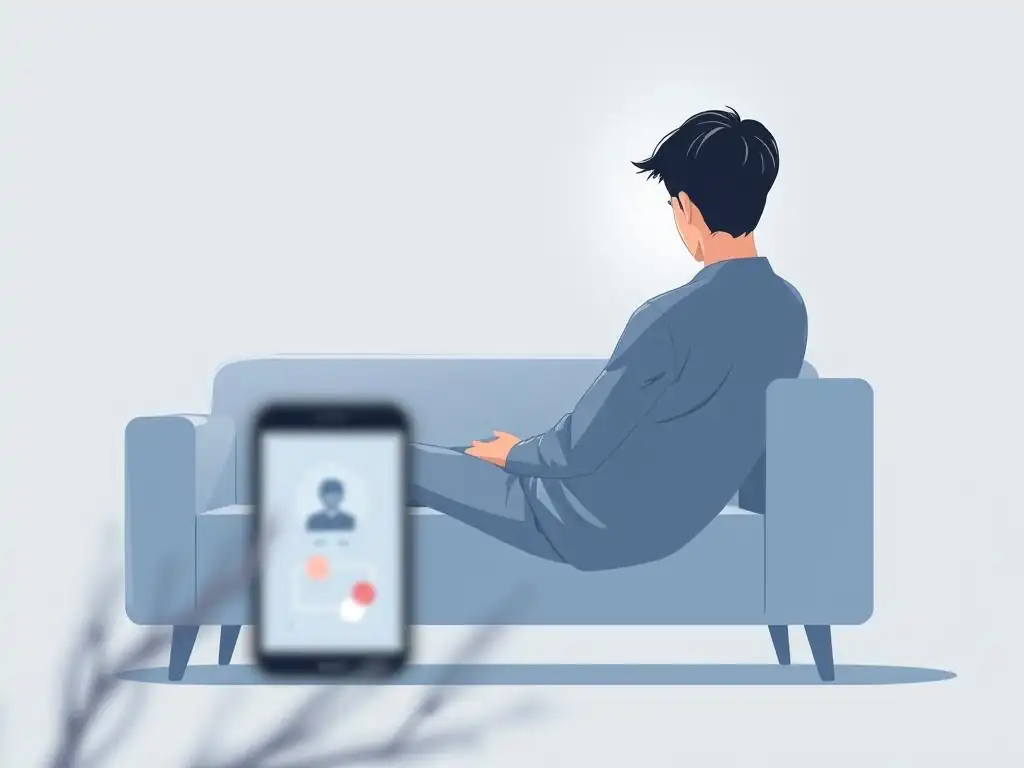
Dating can be challenging, and the fear of rejection is a common hurdle many people face. While self-help strategies and practical tips can be beneficial, sometimes professional guidance is necessary to overcome persistent dating anxiety. This section explores the role of therapy in managing dating-related anxieties and provides practical advice on finding the right professional support. Understanding when and how to seek professional help can significantly improve your dating experience and lead to more fulfilling relationships. Many people find that professional help is a crucial component in their journey to conquer dating rejection anxiety help.
Feeling anxious about dating is normal to a certain degree. However, if your anxiety significantly impacts your daily life, hindering your ability to pursue relationships or causing significant distress, it's time to consider professional help. Here are some indicators that therapy might be beneficial:
- Avoidance: Do you consistently avoid dating situations due to overwhelming anxiety?
- Intrusive Thoughts: Are you plagued by negative thoughts about potential rejection before, during, or after dates?
- Physical Symptoms: Do you experience significant physical symptoms like rapid heartbeat, sweating, or difficulty breathing when thinking about or engaging in dating?
- Impact on Daily Life: Is your anxiety interfering with your work, sleep, or other aspects of your life?
- Self-Esteem Issues: Does your dating anxiety significantly impact your self-esteem and self-worth?
If you answered yes to several of these questions, seeking professional help could be a valuable step towards managing your anxiety and improving your dating life. Remember, there's no shame in seeking support; it's a sign of strength and a proactive approach to your well-being. Many people benefit immensely from professional guidance in overcoming dating rejection anxiety help.
Finding a Therapist Specializing in Relationship Anxiety
Finding the right therapist is crucial for effective treatment. Not all therapists specialize in relationship anxiety, so it's important to do your research. Look for therapists with experience in:
- Cognitive Behavioral Therapy (CBT): CBT is a highly effective therapy for anxiety disorders, helping individuals identify and change negative thought patterns and behaviors.
- Acceptance and Commitment Therapy (ACT): ACT focuses on accepting difficult emotions and committing to valued actions, which can be particularly helpful in managing rejection sensitivity.
- Attachment-Based Therapy: This approach explores how past relationship experiences influence current relationship patterns and anxieties.
When searching for a therapist, consider the following:
- Specialization: Explicitly mention your need for a therapist experienced in relationship or dating anxiety.
- Insurance Coverage: Check if your insurance covers therapy and if the therapist is in-network.
- Reviews and Testimonials: Look for online reviews and testimonials from previous clients.
- Initial Consultation: Many therapists offer a free or low-cost initial consultation, allowing you to assess if they are a good fit for you.
Finding a therapist you feel comfortable and connected with is essential for successful therapy. Don't hesitate to try a few different therapists until you find the right match. This investment in your mental health can significantly improve your dating experiences and overall well-being.
Types of Therapy Effective for Overcoming Rejection Sensitivity
Rejection sensitivity is a common component of dating anxiety. Several therapeutic approaches effectively address this:
- Cognitive Restructuring: This CBT technique helps identify and challenge negative thoughts and beliefs about rejection, replacing them with more realistic and balanced perspectives. For example, instead of believing "If they reject me, it means I'm worthless," cognitive restructuring might lead to "This person might not be the right match for me, but it doesn't diminish my value."
- Exposure Therapy: Gradually exposing yourself to feared situations (e.g., online dating, initiating conversations) under the guidance of a therapist can help reduce anxiety over time. This might involve starting with less anxiety-provoking scenarios and gradually working up to more challenging situations.
- Mindfulness Techniques: Mindfulness practices, such as meditation and deep breathing exercises, can help regulate emotional responses and reduce the intensity of anxiety in the moment. Practicing mindfulness can increase your ability to manage your emotional responses to potential rejection.
- Self-Compassion Exercises: Cultivating self-compassion involves treating yourself with kindness and understanding, especially when facing setbacks. This can help reduce the negative self-judgment often associated with rejection sensitivity.
Remember, overcoming dating anxiety and rejection sensitivity takes time and effort. With the right support and strategies, you can build confidence, manage your anxiety, and create more positive dating experiences. Seeking professional help is a sign of strength and a proactive step towards a happier and more fulfilling relationship life. Don't hesitate to reach out for the dating rejection anxiety help you deserve.
Building Resilience and Confidence in Dating
Dating involves inherent vulnerability, and rejection is, unfortunately, a possibility. However, viewing rejection as a personal failing is a detrimental mindset. Instead, cultivating resilience—the ability to bounce back from setbacks—is crucial for navigating the dating world with greater ease and confidence. This section focuses on practical strategies to build this resilience and foster a healthier relationship with potential rejection. Understanding that rejection doesn't define your worth is the first step towards achieving dating success and overcoming dating rejection anxiety help.
Celebrating Small Victories and Progress
Many people focus solely on the "big win"—a successful long-term relationship. However, this approach often overlooks the numerous small victories along the way. These smaller achievements, while seemingly insignificant, contribute significantly to building confidence and resilience. For example, successfully crafting a compelling dating profile, initiating a conversation with someone you find attractive, or even engaging in a pleasant, respectful conversation—regardless of whether it leads to a date—are all worthy of celebration.
Consider keeping a "success journal," noting down these small wins. This positive reinforcement helps shift your focus from potential failures to your ongoing progress. Did you receive a compliment on your profile? Did you feel comfortable and confident during a conversation, even if it didn't result in a date? Record these achievements! This practice helps reframe your perspective, emphasizing your strengths and progress rather than dwelling on rejections. Remember, every step forward, no matter how small, is a step closer to your dating goals and overcoming dating rejection anxiety help.
Focusing on Personal Growth and Self-Improvement
Rejection in dating can sometimes trigger self-doubt. However, this is an opportunity for self-reflection and personal growth. Instead of letting rejection define you, use it as motivation to work on areas you want to improve. This could involve anything from pursuing a new hobby to improving communication skills or working on physical fitness.
Focusing on personal growth offers several benefits:
- Increased Self-Esteem: Working towards personal goals boosts self-confidence, making you more attractive and resilient to rejection.
- Enhanced Self-Awareness: Understanding your strengths and weaknesses helps you approach dating with greater clarity and self-acceptance.
- Improved Communication Skills: Developing better communication skills can lead to more fulfilling interactions, regardless of the outcome.
- Expanded Social Circle: Pursuing new hobbies and activities exposes you to new people and opportunities, reducing dependence on romantic relationships for validation.
For example, if you consistently struggle with initiating conversations, consider taking a public speaking course or joining a Toastmasters club. If you feel insecure about your physical appearance, focus on improving your fitness and healthy eating habits. These improvements aren't just about attracting others; they're about becoming a better version of yourself, regardless of your dating life. This approach provides significant dating rejection anxiety help.
Maintaining a Positive Mindset and Self-Care Routine
A positive mindset is paramount in overcoming dating rejection anxiety help. While it's unrealistic to expect to feel positive all the time, actively cultivating positivity through self-care practices can significantly improve your emotional resilience. This includes:
- Prioritizing Sleep: Adequate sleep is crucial for both physical and mental well-being. Aim for 7-8 hours of quality sleep each night.
- Regular Exercise: Physical activity releases endorphins, which have mood-boosting effects. Find an activity you enjoy and make it a regular part of your routine.
- Mindfulness and Meditation: Practicing mindfulness can help you manage anxious thoughts and feelings. Even short meditation sessions can make a difference.
- Healthy Diet: Nourishing your body with healthy foods provides the energy and nutrients needed to cope with stress and maintain a positive outlook.
- Social Connections: Spending time with supportive friends and family provides emotional support and reduces feelings of isolation.
Remember that self-care is not selfish; it's essential for your overall well-being. By prioritizing self-care, you build resilience and create a foundation for a healthier and more fulfilling dating experience. Prioritizing these elements significantly contributes to overcoming dating rejection anxiety help and building a stronger sense of self.
Frequently Asked Questions
What is dating rejection anxiety?
Dating rejection anxiety is the intense fear of being rejected or unliked by potential romantic partners, often stemming from past experiences or low self-esteem. This fear can significantly hinder one's ability to engage in online dating.
How can I reduce my anxiety before sending a message?
Practice self-compassion and remind yourself that rejection is a normal part of dating. Focus on sending messages that genuinely reflect your personality and interests, rather than trying to impress. Prepare a few opening lines beforehand to ease the process.
What if I get ignored or rejected after putting effort into my profile and messages?
Remember that compatibility is key. Not every connection will work out, and rejection doesn't reflect your worth. Analyze your profile and messages for areas of improvement, but prioritize self-care and don't take it personally.
How can I build resilience after facing multiple rejections?
Focus on your strengths and accomplishments outside of dating. Engage in activities you enjoy, spend time with supportive friends and family, and remember that finding the right person takes time. Consider professional help if anxiety is overwhelming.
Are there specific online dating strategies to minimize rejection anxiety?
Yes! Focus on quality over quantity, engage in meaningful conversations, and choose platforms that align with your interests and values. Gradually increase your interaction levels to build confidence. Prioritize genuine connections over the number of matches.
Final Reflection: Embracing Vulnerability, Finding Love
The fear of rejection in dating isn't just a personal hurdle; it's a widespread societal challenge impacting countless individuals' ability to form meaningful connections. This pervasive anxiety prevents many from even attempting to find love, perpetuating a cycle of loneliness and self-doubt. Overcoming this fear, as explored in this guide, is not about becoming invulnerable, but about building resilience and embracing vulnerability.
The journey to overcome dating rejection anxiety is a deeply personal one, requiring self-compassion and a willingness to confront deeply ingrained beliefs. It's about recognizing that rejection, while painful, is rarely a reflection of our inherent worth. As the poet Mary Oliver so eloquently put it: Tell me, what is it you plan to do with your one wild and precious life?
This question, applied to the dating world, encourages us to step outside our comfort zones, despite the fear, and actively pursue the connections we crave. The impact of this shift in perspective extends beyond the romantic realm, influencing how we approach all aspects of life that involve risk and vulnerability.
You now possess the tools to navigate the complexities of dating with greater confidence and self-awareness. Remember the strategies discussed – from reframing negative thoughts to practicing self-care – and apply them to your own dating journey. Don't let the fear of rejection dictate your path; instead, choose courage, embrace vulnerability, and allow yourself the opportunity to experience the joy and fulfillment that genuine connection can bring. Your wild and precious life awaits.
Unleash Your Dating Confidence: Take the Next Step
Thank you for exploring strategies to overcome dating anxieties. We hope you found valuable insights and practical tools to build your confidence. Now, let's put your newfound knowledge into action!
- Take one small step today. This could be anything from updating your dating profile picture to sending a message to someone who interests you. Even a small action builds momentum.
- Share this advice with a friend. Talking about your dating experiences with a supportive friend can be incredibly helpful.
- Consider journaling about your dating experiences to track your progress and celebrate your successes.
Ready to embrace a more confident and fulfilling dating life? What's one small thing you can do right now to move closer to your dating goals?