
Dating Anxiety and the Fear of Intimacy: Building Meaningful Connections


Welcome to OnlineDatingSuccess.org, your guide to navigating the exciting yet sometimes daunting world of online dating. Are you ready to transform your dating experience and build truly meaningful connections? This website is dedicated to helping you achieve just that. Discover practical strategies to overcome dating anxiety and the fear of intimacy, and learn how to craft a profile that attracts the right people. Dive into our insightful article, " Dating Anxiety and the Fear of Intimacy: Building Meaningful Connections," and unlock the secrets to finding lasting love. Let's embark on this journey together!
- Understanding Dating Anxiety and Its Impact on Intimacy
- The Root Causes of Dating Anxiety and Intimacy Issues
- Strategies to Overcome Dating Anxiety and Embrace Intimacy
- Managing Anxiety During the Dating Process
- Cultivating Intimacy and Building Meaningful Connections
- Seeking Professional Help for Persistent Dating Anxiety
-
Frequently Asked Questions
- How can I overcome dating anxiety before even meeting someone online?
- What if I'm afraid of getting hurt or rejected during online dating?
- How do I build intimacy online without feeling overwhelmed or vulnerable?
- My dating anxiety stems from past relationship trauma. How can online dating help me heal and move forward?
- What are some practical tips to manage intimacy anxiety during the early stages of an online relationship?
- Final Reflection: Reclaiming Connection in a World of Anxiety
- Ready to Reclaim Your Dating Confidence?
Understanding Dating Anxiety and Its Impact on Intimacy
Dating, even in the seemingly less pressured environment of online platforms, can trigger significant anxiety for many individuals. This anxiety, often intertwined with a fear of intimacy, can create a significant barrier to forming meaningful connections. This article delves into the complexities of dating anxiety, exploring its symptoms, its relationship with the fear of intimacy, and how it manifests in the online dating world. We'll provide practical strategies to help you overcome these challenges and build the confidence needed to forge genuine and fulfilling relationships.
Understanding the roots of your anxiety is the first step towards navigating the exciting, yet sometimes daunting, world of online dating and finding lasting love. We aim to provide an empathetic and informative guide to help you overcome dating anxiety and build meaningful connections. Let's explore how to effectively manage and even conquer this pervasive obstacle to finding happiness.
Recognizing the Symptoms of Dating Anxiety
Dating anxiety manifests in diverse ways, and recognizing these symptoms is crucial for addressing the issue effectively. Some common signs include: physical symptoms like increased heart rate, sweating, or trembling before or during a date; mental symptoms such as excessive worrying, negative self-talk ("I'm not good enough," "They won't like me"), or catastrophic thinking ("This date will be a disaster"); and behavioral symptoms such as avoidance of dating altogether, difficulty maintaining eye contact, or being overly self-conscious.
The intensity of these symptoms can vary greatly from person to person. For some, it might be a mild discomfort; for others, it can be debilitating and significantly impact their daily lives.
It's important to note that experiencing some nervousness before a date is perfectly normal. However, dating anxiety crosses the line when these feelings become overwhelming, persistent, and interfere with your ability to enjoy the experience and build connections. Consider keeping a journal to track your anxiety levels and identify triggers. This self-awareness can be invaluable in developing coping mechanisms. Remember, you're not alone; many people struggle with dating anxiety, and seeking help is a sign of strength, not weakness.
The Link Between Dating Anxiety and Fear of Intimacy
Dating anxiety and the fear of intimacy are often deeply intertwined. The fear of intimacy can stem from past negative experiences, such as relationship trauma or a lack of secure attachment in childhood. This fear can manifest as a reluctance to become vulnerable, a resistance to emotional closeness, or a tendency to sabotage relationships before they become too serious. For example, someone might consistently choose partners who are emotionally unavailable, subconsciously avoiding the intimacy they fear. Alternatively, they might unconsciously create conflict to push partners away.
This fear is often rooted in a deep-seated belief that intimacy will lead to pain or rejection. This belief, often unconscious, fuels the anxiety surrounding dating and relationships. Overcoming this fear requires self-reflection, identifying the underlying beliefs, and gradually building trust and emotional safety. Therapy, particularly approaches like Cognitive Behavioral Therapy (CBT) and attachment-based therapy, can be incredibly helpful in addressing these core issues.
How Dating Anxiety Manifests in Online Dating Profiles and Interactions
Dating anxiety significantly impacts how individuals present themselves online and interact with potential partners. For instance, someone with dating anxiety might create a profile that is overly cautious, vague, or even self-deprecating. They might avoid posting photos that showcase their personality, opting for generic or overly filtered images. In online interactions, they might be hesitant to initiate conversations, respond slowly, or struggle to maintain engaging dialogues.
The fear of rejection can lead to overthinking every message, anxiously awaiting responses, and interpreting neutral messages negatively. This can create a cycle of anxiety that reinforces avoidance behaviors. Moreover, the perceived anonymity of online dating might paradoxically amplify anxiety for some, as the lack of face-to-face interaction can make vulnerability feel more threatening.
Learning to manage expectations, practice mindful communication, and focus on building genuine connections, rather than solely on outcomes, can significantly ease the anxiety associated with online dating. Remember, authenticity is key; embracing your true self, anxieties included, can help attract compatible partners who appreciate you for who you are.
The Root Causes of Dating Anxiety and Intimacy Issues
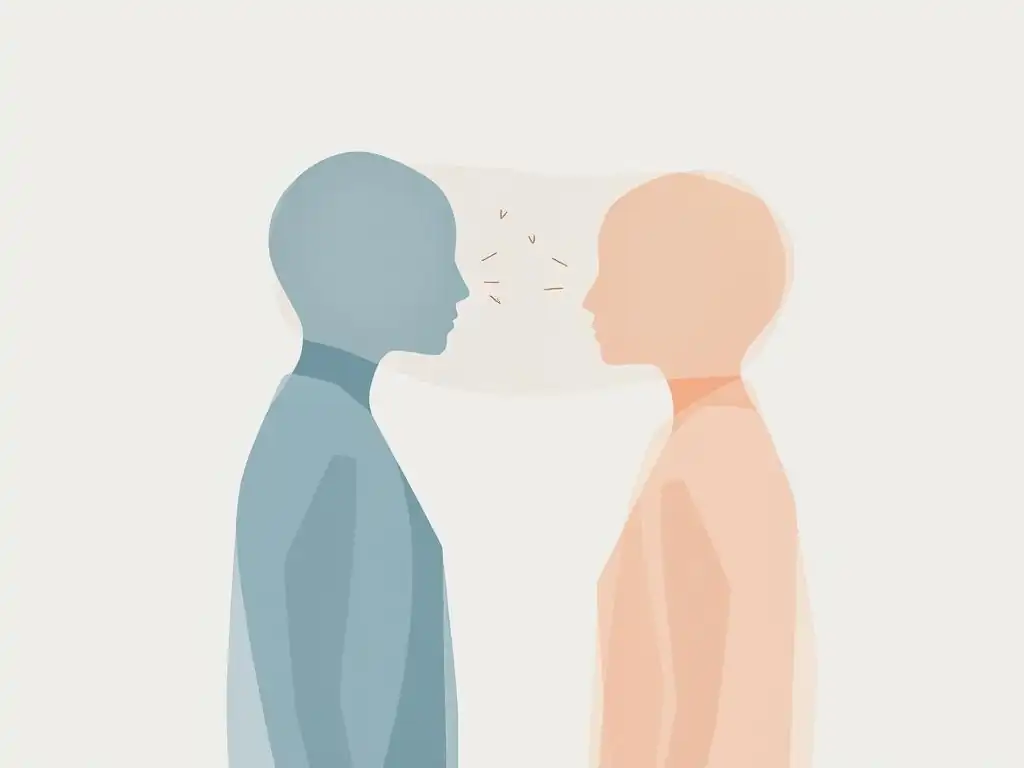
Dating anxiety, often intertwined with a fear of intimacy, can stem from a complex interplay of factors. Understanding these root causes is crucial for developing effective coping mechanisms and building healthier relationships. This section delves into some of the key contributors to dating anxiety and the difficulties many experience in forming meaningful connections. Successfully overcoming dating anxiety intimacy requires addressing these underlying issues.
Past Relationship Trauma and Its Influence on Current Dating
Past negative experiences, such as betrayal, abuse, or rejection, can significantly impact an individual's ability to form healthy relationships. The emotional wounds from past trauma can manifest as dating anxiety, making it difficult to trust potential partners and open oneself up to vulnerability. This isn't simply a matter of "getting over it"; the impact of trauma can be profound and long-lasting.
For example, someone who experienced infidelity in a previous relationship might develop a heightened fear of betrayal, leading to excessive jealousy, distrust, and difficulty forming close bonds in subsequent relationships. They might constantly analyze their partner's actions for signs of deception, hindering genuine connection and contributing to dating anxiety. Similarly, individuals who have experienced emotional or physical abuse may struggle with setting boundaries, recognizing red flags, or even believing they deserve healthy relationships.
This can lead to a cycle of choosing unhealthy partners or self-sabotaging potential connections out of fear of repeating past trauma. Therapy, particularly trauma-informed therapy, can be incredibly beneficial in processing these past experiences and developing healthier relationship patterns. Learning to identify and challenge negative thought patterns associated with past trauma is a vital step in overcoming dating anxiety intimacy.
Low Self-Esteem and Its Role in Dating Anxiety
Low self-esteem plays a substantial role in dating anxiety. Individuals with low self-worth often doubt their attractiveness, desirability, and worthiness of love. This self-doubt can manifest as a fear of rejection, making it difficult to initiate contact, maintain conversations, or even pursue romantic interests. The constant internal critique can lead to self-sabotaging behaviors, such as avoiding opportunities for connection or engaging in self-deprecating humor that pushes potential partners away.
Consider this scenario: someone with low self-esteem might avoid putting themselves out there on dating apps, fearing rejection from potential matches. Even if they do engage, they might overly analyze every message, searching for signs of disinterest or negativity. This constant self-doubt creates a cycle of anxiety and avoidance, preventing them from building meaningful connections. Building self-esteem requires a multifaceted approach, including self-compassion, positive self-talk, focusing on personal strengths, and seeking support from friends, family, or a therapist. Recognizing and challenging negative self-perceptions is essential in overcoming dating anxiety intimacy. Remember, you are worthy of love and connection. ❤️
Perfectionism and Unrealistic Expectations in Dating
Perfectionism, while seemingly positive, can be a significant contributor to dating anxiety. The pursuit of an idealized partner and a flawless relationship often leads to disappointment and frustration. Unrealistic expectations, stemming from societal pressures, media portrayals, or personal insecurities, can create a sense of inadequacy and fear of failure. This can manifest as an inability to compromise, an overly critical approach to potential partners, and a constant feeling of falling short of one's own standards.
For instance, someone with perfectionistic tendencies might spend hours crafting the perfect dating profile, only to feel disheartened if they don't receive an immediate influx of matches. They might rigidly adhere to a pre-conceived ideal of a partner, dismissing anyone who doesn't perfectly fit that image. This inflexible approach can limit their dating pool significantly and create unnecessary anxiety. Learning to embrace imperfections, both in oneself and in potential partners, is crucial.
Focusing on genuine connection rather than chasing an unattainable ideal is key to building healthy, fulfilling relationships. Accepting that relationships require compromise and effort, rather than striving for a flawless, unrealistic expectation, is a crucial step in overcoming dating anxiety intimacy. It's okay to be imperfect; it's what makes us human and relatable. 😊
Strategies to Overcome Dating Anxiety and Embrace Intimacy
Dating can be daunting, especially when anxiety and the fear of intimacy intertwine. Many individuals struggle to navigate the complexities of online dating and forming meaningful connections due to these interwoven challenges. This section outlines practical strategies to help you overcome dating anxiety and foster a healthier approach to intimacy. Remember, progress takes time and self-compassion is key. The journey towards overcoming dating anxiety intimacy is a personal one, and celebrating small victories along the way is crucial.
Building Self-Compassion and Self-Acceptance
Overcoming dating anxiety often begins with self-compassion. Many people approach dating with harsh self-criticism, expecting perfection and fearing rejection intensely. This self-criticism fuels anxiety and hinders the development of healthy relationships. Instead of focusing on perceived flaws, practice self-acceptance. Acknowledge your strengths and imperfections with kindness.
Consider keeping a journal to document your positive attributes and accomplishments. This simple exercise can significantly boost self-esteem and reduce self-doubt, paving the way for healthier relationships. Remember, you are worthy of love and connection regardless of your perceived imperfections. Treat yourself with the same kindness and understanding you would offer a close friend struggling with similar anxieties. Self-compassion isn't about ignoring problems; it's about approaching them with empathy and understanding.
For instance, instead of thinking, "I'm so awkward and no one will ever like me," try reframing the thought to: "I'm feeling anxious about dating right now, but that's okay. Everyone feels this way sometimes. I'll focus on being myself and enjoying the process." This subtle shift in perspective can make a world of difference.
Challenging Negative Thoughts and Beliefs About Dating
Negative thought patterns are a significant contributor to dating anxiety and the fear of intimacy. These thoughts often manifest as catastrophic predictions ("This date will be a disaster"), self-deprecating statements ("I'm not good enough"), or overly critical assessments of others ("They'll never be interested in me"). To combat this, it’s crucial to identify and challenge these negative thoughts.
Use cognitive restructuring techniques to reframe negative thoughts into more balanced and realistic ones. For example, if you anticipate a date going poorly, challenge that thought by asking yourself: "What evidence supports this belief? What's the most likely outcome? What's the worst that could happen, and how could I cope with it?" This process helps to de-escalate anxiety and replace fear-based thinking with more rational perspectives.
It can be helpful to keep a record of your negative thoughts and their corresponding rational responses. Over time, this practice will help you to identify recurring negative thought patterns and develop effective coping mechanisms. This approach is particularly useful in managing the fear of intimacy, as it allows you to address underlying anxieties about vulnerability and rejection. Remember, overcoming these negative thought patterns is a gradual process that requires consistent effort and self-awareness.
Developing Healthy Communication Skills for Intimacy
Effective communication is the cornerstone of any healthy relationship, and it's especially crucial when overcoming dating anxiety and the fear of intimacy. Open and honest communication allows you to express your needs and vulnerabilities, fostering trust and connection. However, many people struggle to communicate effectively due to anxiety or fear of judgment.
Practice assertive communication. This means expressing your needs and feelings clearly and respectfully, without being aggressive or passive. Learn to say "no" when necessary and to set boundaries to protect your emotional well-being. Practice active listening, paying attention not only to what your date is saying but also to their nonverbal cues. Reflect back what you hear to ensure understanding and show your engagement.
Consider practicing these communication skills with trusted friends or family members before applying them in dating situations. Role-playing can be particularly helpful in building confidence and reducing anxiety. Remember, effective communication is a skill that can be learned and improved upon with practice. The more you practice, the more comfortable and confident you'll become in expressing yourself authentically. This, in turn, will foster deeper intimacy and more meaningful connections.
Managing Anxiety During the Dating Process

Practical Techniques for Managing Dating Anxiety Before, During, and After Dates
Dating anxiety is a common experience, and learning to manage it is crucial for building meaningful connections. Many individuals struggle with feelings of nervousness, self-doubt, and fear before, during, and even after dates. Fortunately, several practical techniques can help alleviate these anxieties and foster a more positive dating experience.
Before a date, engage in calming activities like deep breathing exercises, meditation, or listening to relaxing music. These activities can help lower your heart rate and reduce feelings of overwhelm. Consider preparing some conversation starters or topics to discuss to reduce the pressure of spontaneous interaction. This proactive approach helps build confidence and reduces the fear of awkward silences. Visualization is another powerful tool; imagine the date going well, focusing on positive interactions and enjoyable moments. This mental rehearsal can significantly boost your self-assurance.
During a date, remember to practice mindfulness. Focus on the present moment, paying attention to your surroundings and the conversation. If anxiety starts to creep in, take a few deep breaths and remind yourself of your positive qualities. Engage in active listening, showing genuine interest in your date's experiences. This helps shift your focus from your own anxieties to the connection you are building. Don't be afraid to take short breaks if needed; stepping outside for some fresh air or using the restroom can provide a moment of calm and composure.
After a date, regardless of the outcome, practice self-compassion. Analyze the date objectively, focusing on what you learned and how you can improve in the future. Avoid dwelling on negative self-criticism; instead, celebrate your courage for putting yourself out there. Journaling can be a helpful tool to process your feelings and identify patterns in your anxiety triggers. Remember that every date is a learning experience, contributing to your growth and confidence in the dating world. Positive self-talk is crucial; reinforce your strengths and remind yourself of your worth, regardless of the success or failure of individual dates.
Creating a Safe and Supportive Dating Environment Online and Offline
Building a safe and supportive dating environment is paramount to overcoming dating anxiety and fostering healthy relationships. This involves proactive steps to protect your well-being both online and offline.
Online safety is crucial. Always meet in public places for first dates, and let a friend or family member know your plans, including the time, location, and your date's contact information. Thoroughly vet potential matches, checking their profiles for inconsistencies or red flags. Never share overly personal information early in the dating process, and be wary of anyone who pressures you to meet in private or share sensitive details. Utilize the safety features provided by the dating platform. Remember, your safety and comfort are non-negotiable.
Offline, prioritize self-care. Ensure you feel comfortable and confident in your appearance. Choose a date location that aligns with your comfort level, and always have a plan for transportation. Trust your intuition; if something feels off, don't hesitate to end the date early or leave the situation. Having a friend or family member available to check in on you can provide an additional layer of security and support. Remember that a safe and supportive environment is not just about physical safety, but also emotional well-being. Choose dates who respect your boundaries and make you feel valued and comfortable.
Setting Realistic Expectations and Boundaries in Dating
Overcoming dating anxiety often involves setting realistic expectations and healthy boundaries. Unrealistic expectations can lead to disappointment and intensify anxiety. Remember that not every date will lead to a relationship, and that's perfectly okay.
Focus on enjoying the process of getting to know different people and building connections. Avoid comparing yourself to others or putting pressure on yourself to find "the one" quickly. Embrace the journey of self-discovery and personal growth that dating offers. Remember that healthy relationships are built on mutual respect, trust, and open communication.
Setting boundaries is equally vital. Clearly communicate your needs and limits to potential partners. This includes defining your comfort levels regarding physical intimacy, communication styles, and time commitments. Don't be afraid to say no to dates or activities that make you feel uncomfortable. Prioritize your emotional well-being and don't compromise your values to please others.
Remember, healthy relationships are built on mutual respect for individual boundaries. Respecting your own boundaries is a key step towards overcoming dating anxiety and creating fulfilling connections. By setting clear expectations and boundaries, you create a space for authentic connection and reduce the pressure and anxiety associated with dating. This proactive approach helps foster healthier relationships and enhances your overall dating experience.
Cultivating Intimacy and Building Meaningful Connections

Overcoming dating anxiety and the fear of intimacy is a journey, not a destination. It requires conscious effort and self-compassion. Building meaningful connections hinges on our willingness to be vulnerable and authentic, qualities often stifled by anxiety. This section explores practical strategies to cultivate intimacy and foster deeper relationships. Remember, the goal isn't to eliminate anxiety entirely—it's about managing it effectively so it doesn't control your dating life.
Fostering Emotional Vulnerability and Trust in Relationships
Emotional vulnerability is the cornerstone of intimacy. It involves sharing your thoughts, feelings, and experiences with another person, even when it feels risky. This is particularly challenging for those with dating anxiety, as the fear of rejection can feel overwhelming. However, vulnerability is not weakness; it’s a sign of strength and trust.
Building trust takes time and consistent effort. It involves being reliable, honest, and respectful. Small acts of kindness, active listening, and showing empathy go a long way in fostering a sense of security and safety within the relationship. Consider these practical steps:
- Start small: Begin by sharing less personal details and gradually increase the depth of your disclosures as you feel more comfortable.
- Choose the right person: Select partners who demonstrate empathy, respect, and understanding. Not every connection will be a perfect fit.
- Practice self-compassion: Be kind to yourself if you feel hesitant or uncomfortable. Vulnerability is a skill that improves with practice.
- Recognize your triggers: Understand what situations or topics make you feel anxious, and approach them gradually. You might find journaling helpful in identifying these patterns.
- Set boundaries: Healthy relationships are built on mutual respect and clear boundaries. Communicate your needs and limits openly and honestly.
Remember, vulnerability is a reciprocal process. Observe how your potential partner responds to your openness. Do they reciprocate your vulnerability? Do they respect your boundaries? These are crucial indicators of a healthy and supportive relationship.
Identifying and Addressing Your Fear of Rejection
The fear of rejection is a powerful force that fuels dating anxiety and hinders the development of intimacy. It often stems from past experiences, negative self-perception, or a fear of being judged. Understanding the root of this fear is the first step towards overcoming it.
One effective technique is to challenge negative thought patterns. For instance, if you catch yourself thinking, "They'll definitely reject me," ask yourself: "Is this thought based on fact or fear?" Often, these thoughts are based on assumptions, not reality.
Consider these approaches to manage your fear of rejection:
- Reframe your perspective: Instead of viewing rejection as a personal failure, see it as a natural part of the dating process. Not every connection will work out, and that's okay.
- Focus on self-acceptance: Build self-esteem by focusing on your positive qualities and accomplishments. Practice self-compassion and remind yourself of your worth.
- Practice self-care: Engage in activities that bring you joy and relaxation, such as exercise, meditation, or spending time in nature. Prioritizing self-care reduces stress and enhances your overall wellbeing.
- Seek professional help: If your fear of rejection is significantly impacting your life, consider seeking support from a therapist or counselor.
Prioritizing Self-Care to Enhance Emotional Wellbeing and Dating Success
Self-care isn't selfish; it's essential. When we neglect our own wellbeing, we're less equipped to handle the challenges of dating and forming intimate relationships. Prioritizing self-care is crucial for overcoming dating anxiety and building meaningful connections.
Self-care encompasses a wide range of activities that nourish your physical, emotional, and mental health. This could include:
- Physical self-care: Regular exercise, healthy eating, sufficient sleep, and mindful movement.
- Emotional self-care: Practicing gratitude, journaling, engaging in hobbies, and spending time with loved ones.
- Mental self-care: Mindfulness exercises, meditation, cognitive behavioral therapy (CBT) techniques, and limiting exposure to negative information.
By prioritizing self-care, you'll cultivate a greater sense of self-worth, resilience, and confidence, making you better equipped to navigate the complexities of dating and build healthy, fulfilling relationships. This proactive approach will significantly contribute to overcoming your dating anxiety and fostering intimacy. Remember, self-care is an ongoing process, not a one-time fix. Consistency is key.
Seeking Professional Help for Persistent Dating Anxiety
Dating anxiety, while common, can significantly impact your ability to form meaningful connections. For many, self-help strategies and lifestyle adjustments are sufficient to manage mild anxiety. However, when anxiety becomes overwhelming, persistent, or interferes with daily life, seeking professional help is crucial. This section explores when professional intervention is necessary and the various therapeutic approaches that can effectively address dating anxiety and intimacy fears, ultimately helping you overcome dating anxiety intimacy. Remember, prioritizing your mental well-being is a sign of strength, not weakness.
Recognizing When to Seek Professional Support
Identifying the point where self-help measures are no longer sufficient requires honest self-assessment. Consider seeking professional support if your dating anxiety manifests in any of the following ways:
- Intense physical symptoms: Experiencing severe physical symptoms like rapid heartbeat, shortness of breath, trembling, or nausea consistently before, during, or after dates. These symptoms significantly impair your ability to enjoy social interactions.
- Significant avoidance behaviors: Consistently avoiding dating or social situations due to overwhelming anxiety, leading to social isolation and impacting your personal and professional life. This avoidance becomes a significant impediment to building relationships.
- Negative self-perception: Developing a negative self-image and low self-esteem directly related to dating experiences, leading to self-doubt and hindering your ability to form healthy relationships.
- Impact on daily life: Dating anxiety significantly impacting your work, sleep, appetite, or other aspects of daily functioning. This disruption indicates a need for professional intervention to manage the anxiety effectively.
- Persistent negative thoughts: Experiencing persistent and intrusive negative thoughts about dating, relationships, or yourself that are difficult to manage independently. These thoughts contribute to a cycle of anxiety and avoidance.
- Feelings of hopelessness: Feeling hopeless about ever overcoming your dating anxiety and forming a meaningful relationship. This sense of despair signals a need for professional support and guidance.
If you resonate with several of these points, it's a strong indication that professional help can provide valuable support and tools to manage your anxiety and build healthy relationships. Don't hesitate to reach out; professional guidance can empower you to overcome these challenges.
Types of Therapy Effective in Addressing Dating Anxiety and Intimacy Issues
Several therapeutic approaches have proven effective in addressing dating anxiety and intimacy issues. These therapies help individuals understand the root causes of their anxiety and develop coping mechanisms to manage their feelings. The most common and effective include:
- Cognitive Behavioral Therapy (CBT): CBT helps identify and challenge negative thought patterns and beliefs contributing to dating anxiety. It teaches practical techniques to manage anxious thoughts and behaviors, promoting healthier relationship dynamics.
- Exposure Therapy: This approach gradually exposes individuals to anxiety-provoking situations (e.g., online dating, first dates) in a safe and controlled environment, helping to desensitize them to their fears. This systematic desensitization is a key component in overcoming avoidance behaviors.
- Acceptance and Commitment Therapy (ACT): ACT focuses on accepting anxious feelings without judgment and committing to valued actions despite anxiety. This approach helps individuals to live a fulfilling life even in the presence of discomfort.
- Attachment-Based Therapy: This therapy explores how past attachment experiences influence current relationship patterns and anxieties. By addressing these past experiences, individuals can develop healthier attachment styles and improve their relationship dynamics.
Finding a Qualified Therapist or Counselor
Finding the right therapist is a crucial step in your journey to overcome dating anxiety intimacy. Here’s how to begin your search:
- Check with your insurance provider: Many insurance plans cover mental health services. Contact your provider to get a list of in-network therapists specializing in anxiety disorders or relationship issues.
- Consult your primary care physician: Your doctor can provide referrals to qualified mental health professionals in your area.
- Use online directories: Several online directories list therapists, allowing you to search by specialization, location, and other criteria. Carefully review therapist profiles and look for those with experience treating anxiety and relationship issues.
- Ask for recommendations: Talk to friends, family members, or your support network for recommendations. Word-of-mouth referrals can be invaluable in finding a good fit.
Remember that building a strong therapeutic relationship requires finding a therapist with whom you feel comfortable and safe. Don't hesitate to schedule initial consultations with several therapists before making a decision. The right therapist will provide a supportive and understanding environment to help you navigate your challenges and build meaningful connections. Taking this step is an investment in your emotional well-being and future relationships.
Frequently Asked Questions
How can I overcome dating anxiety before even meeting someone online?
Dating anxiety is common. Focus on building self-confidence through self-care and positive self-talk. Practice mindfulness techniques to manage nervous feelings.
What if I'm afraid of getting hurt or rejected during online dating?
Rejection is a possibility, but focus on self-acceptance and resilience. Remember that connection takes time, and not every match will be a perfect fit. Prioritize your well-being.
How do I build intimacy online without feeling overwhelmed or vulnerable?
Start with gradual disclosure of personal information. Engage in meaningful conversations to build trust. Respect your own boundaries and those of your potential partner.
My dating anxiety stems from past relationship trauma. How can online dating help me heal and move forward?
Online dating can offer a controlled environment to practice healthy relationship skills. Set realistic expectations and prioritize self-compassion. Consider professional support if needed.
What are some practical tips to manage intimacy anxiety during the early stages of an online relationship?
Communicate your feelings openly and honestly. Set clear boundaries. Focus on building trust through consistent communication and respectful interactions. Gradually increase intimacy as you feel comfortable.
Final Reflection: Reclaiming Connection in a World of Anxiety
The pervasive fear of intimacy, intertwined with dating anxiety, is not a personal failing; it's a shared struggle reflecting the complexities of modern connection. This article has explored the roots of this anxiety, from societal pressures to past experiences, and offered practical strategies to navigate these challenges and build meaningful relationships. The journey towards genuine intimacy is rarely straightforward, but it is undeniably worthwhile.
The impact of dating anxiety extends far beyond the realm of romantic relationships; it shapes our ability to form deep connections of all kinds. It influences how we approach friendships, family dynamics, and even professional collaborations. The fear of vulnerability can create a pervasive sense of isolation, hindering our capacity for joy and fulfillment. The greatest of follies is to sacrifice health for any other kind of happiness.
– Arthur Schopenhauer. This quote, while not directly about dating anxiety, speaks to the importance of prioritizing emotional well-being, which is crucial in overcoming this pervasive fear. Addressing dating anxiety is not just about finding a partner; it's about cultivating a healthier relationship with ourselves and the world around us.
You now hold the tools to begin dismantling the walls you've built around your heart. This isn't a quick fix; it's a process of self-discovery and conscious effort. Take the time to reflect on your own experiences with intimacy and anxiety. Identify your triggers, practice self-compassion, and implement the strategies discussed within this article. Remember, building meaningful connections is a journey, not a destination, and your vulnerability is your greatest strength. Embrace the process, celebrate your progress, and allow yourself the space to cultivate authentic, fulfilling relationships.
Ready to Reclaim Your Dating Confidence?
Thank you for exploring the complexities of dating anxiety and intimacy. We hope this article provided valuable insights and empowered you to move forward toward more fulfilling relationships. Now, let's put those insights into action!
- Take one small step this week: Identify a specific fear or anxiety you want to address, such as initiating conversations or expressing vulnerability. Then, plan a manageable action to confront it, however small. For example, send a friendly message to someone you're interested in, or share a personal detail with a close friend.
- Challenge negative self-talk: This week, actively challenge negative thoughts about dating. Write down three positive affirmations about yourself and your dating potential, and review them daily. This will help boost your self-esteem.
- Share your knowledge: Share this article with a friend who might find it helpful. Discussing these challenges with someone you trust can be incredibly supportive.
What's one small but significant step you can take today to build more confidence and intimacy in your dating life?