
Dating Anxiety and the Fear of Being Alone: Finding Happiness Within Yourself


Ready to rewrite your online dating story? At OnlineDatingSuccess.org, we understand the challenges of navigating the digital dating world. Feeling the pressure? Learn how to overcome dating anxiety alone and unlock your potential for finding meaningful connections. Discover practical strategies to build confidence, craft irresistible profiles, and connect authentically – all while prioritizing your safety and well-being. Dive in and begin your journey to finding lasting happiness, starting with yourself.
- Understanding Dating Anxiety and Loneliness
- Overcoming Dating Anxiety Alone: Self-Care Strategies
- Managing Fear of Being Alone
- Finding Happiness Within Yourself: Independent Fulfillment
- Dating with Confidence: Practical Steps
- Seeking Professional Support for Dating Anxiety
- Building a Healthy Relationship with Yourself First
-
Frequently Asked Questions
- How can I overcome dating anxiety alone?
- What if my dating anxiety stems from a fear of being alone?
- Are there specific techniques to manage dating anxiety before a date?
- How can I build confidence to approach online dating, even with anxiety?
- Can online dating really help someone overcome their fear of being alone?
- Final Reflection: Cultivating Self-Love in a World of Dating Anxiety
- Unleash Your Inner Radiance: Embrace Singlehood and Thrive
Understanding Dating Anxiety and Loneliness
Dating can be exhilarating, but for many, it's also a source of significant anxiety. The pressure to present a perfect version of oneself, the fear of rejection, and the constant uncertainty of whether a connection will blossom can lead to overwhelming stress. This article delves into the complex relationship between dating anxiety and the fear of being alone, offering insights into recognizing the symptoms, understanding the underlying causes, and ultimately, finding happiness within yourself – even without a romantic partner.
Overcoming dating anxiety alone is achievable, and this guide provides practical steps towards that goal. We'll explore strategies to manage anxiety and build self-compassion, helping you navigate the world of online dating with increased confidence and emotional well-being. Remember, your happiness doesn't depend on finding a partner; it begins with nurturing a fulfilling relationship with yourself.
Recognizing the Symptoms of Dating Anxiety
Dating anxiety manifests in various ways, and recognizing these symptoms is the first step towards managing them. Some common indicators include physical symptoms like increased heart rate, sweating, trembling, or even nausea before, during, or after a date. These physical sensations are often accompanied by mental and emotional symptoms. You might experience racing thoughts, difficulty concentrating, feelings of self-doubt, or a persistent fear of rejection.
Beyond the immediate pre-date jitters, dating anxiety can also manifest as procrastination. You might avoid creating a dating profile, delay responding to messages, or cancel dates altogether due to overwhelming anxiety. This avoidance, while seemingly protective, ultimately prevents you from experiencing potential connections and further reinforces the anxiety. It's also important to note that the intensity of these symptoms can vary greatly from person to person. Some individuals might experience mild discomfort, while others might experience debilitating panic. Understanding your individual experience and acknowledging the validity of your feelings is crucial.
Here's a table summarizing common symptoms:
| Category | Symptoms |
|---|---|
| Physical | Increased heart rate, sweating, trembling, nausea, shortness of breath |
| Mental/Emotional | Racing thoughts, difficulty concentrating, self-doubt, fear of rejection, panic |
| Behavioral | Procrastination, avoidance of dating profiles/messages/dates, social isolation |
The Link Between Dating Anxiety and Fear of Being Alone
The fear of being alone, or solitude, is often deeply intertwined with dating anxiety. For many, the prospect of not finding a partner fuels anxieties surrounding dating. This fear isn't simply about physical loneliness; it's often rooted in deeper insecurities about self-worth, validation, and the belief that happiness depends entirely on a romantic relationship.
This underlying fear can exacerbate dating anxiety, creating a vicious cycle where the fear of rejection reinforces the fear of being alone, and vice versa. This interconnectedness highlights the importance of addressing both anxieties simultaneously. Addressing the fear of being alone requires cultivating self-love, embracing solitude as an opportunity for self-discovery, and building a fulfilling life independent of romantic relationships.
The pressure to find a partner, often amplified by societal expectations and social media, can significantly contribute to this fear. This pressure can lead to a sense of urgency and desperation, which further fuels anxiety and potentially leads to unhealthy dating behaviors. It’s crucial to remember that a fulfilling life doesn’t require a romantic partner. Focusing on personal growth, cultivating meaningful friendships, and pursuing passions can significantly alleviate the fear of being alone and reduce dating anxiety.
Identifying Underlying Causes of Dating Anxiety and Loneliness
Dating anxiety and the fear of being alone often stem from a combination of factors. Past negative experiences, such as previous relationship traumas or repeated rejections, can significantly impact self-esteem and increase vulnerability to anxiety. These past experiences can create negative thought patterns and beliefs about oneself and relationships, leading to self-sabotaging behaviors in dating. Furthermore, societal pressures and unrealistic expectations about relationships, often portrayed in media and popular culture, can contribute to feelings of inadequacy and anxiety. Perfectionism, low self-esteem, and a fear of vulnerability are also common underlying causes.
Understanding these underlying causes is essential for developing effective coping mechanisms. Therapy, particularly Cognitive Behavioral Therapy (CBT), can be invaluable in identifying and challenging negative thought patterns and developing healthier coping strategies. Self-compassion, focusing on self-acceptance and kindness towards oneself, is also a crucial element in overcoming these anxieties. Remember, overcoming dating anxiety and the fear of being alone is a journey, not a destination. Progress takes time and self-compassion, and seeking professional support can significantly accelerate the process. It's about building a strong sense of self-worth independent of romantic relationships.
Overcoming Dating Anxiety Alone: Self-Care Strategies
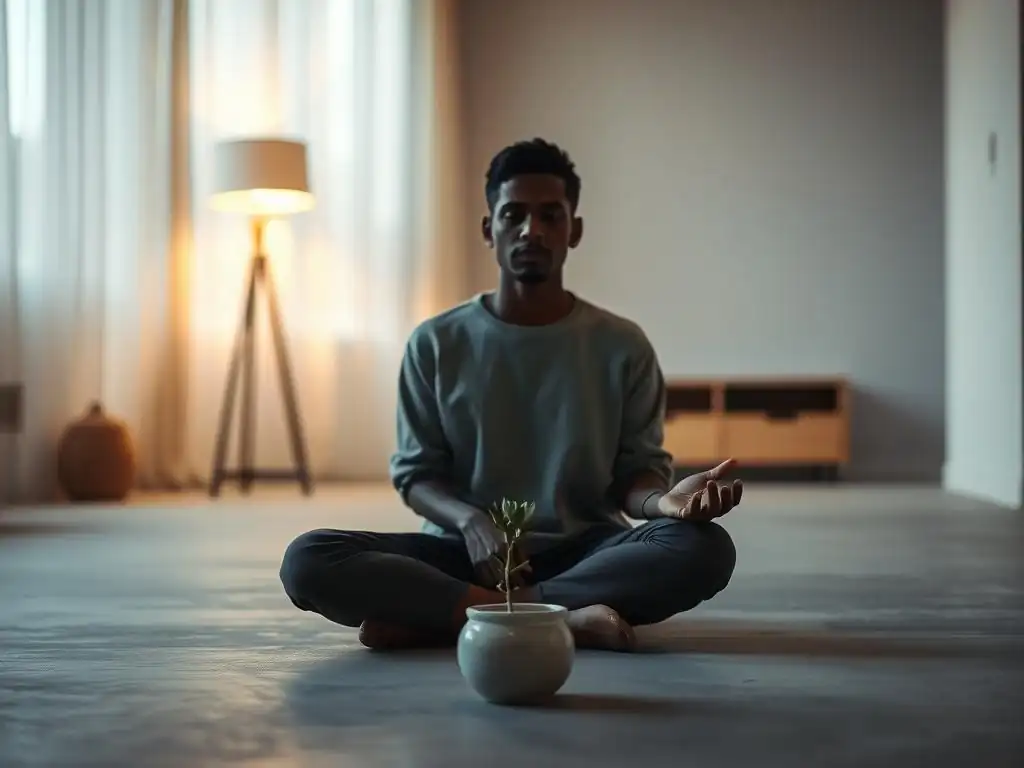
Dating anxiety can feel incredibly isolating, making the prospect of overcoming it alone seem daunting. However, focusing on self-care is a powerful tool for managing anxiety and building the confidence needed to navigate the online dating world successfully. Remember, self-care isn't selfish; it's essential for your emotional well-being and a crucial step in overcoming dating anxiety alone. This section explores practical strategies you can implement independently to nurture yourself and foster a positive self-image. The journey to overcoming dating anxiety is a personal one, and prioritizing self-care is the first step toward a happier, healthier you.
Building Self-Esteem and Confidence
Low self-esteem often fuels dating anxiety. Addressing this is key to overcoming your fears. Start by identifying your strengths and accomplishments. Write them down! This simple act can be surprisingly powerful. Consider past successes, both big and small—from acing a test to mastering a new skill, to successfully navigating a challenging situation. Celebrate these wins, no matter how seemingly insignificant they might appear. This positive self-reflection helps build a stronger sense of self-worth.
Next, challenge negative self-talk. We all have an inner critic, but learning to recognize and reframe negative thoughts is crucial. When you catch yourself thinking negatively ("I'm not good enough," "No one will ever like me"), consciously challenge that thought. Ask yourself: Is this thought truly accurate? What evidence supports it? What evidence contradicts it? Replacing negative thoughts with more realistic and positive affirmations—even small ones like "I am worthy of love and connection"—can make a significant difference over time.
Consider keeping a gratitude journal. Each day, write down three things you are grateful for. This practice shifts your focus from what's lacking to what you already have, fostering a more positive outlook and boosting your overall mood. This simple act can significantly reduce feelings of inadequacy and improve your self-esteem. Remember, building self-esteem is a process, not a destination. Be patient and kind to yourself along the way.
Practicing Self-Compassion and Acceptance
Self-compassion is crucial when overcoming dating anxiety alone. Treat yourself with the same kindness and understanding you would offer a close friend struggling with similar challenges. Acknowledge that feeling anxious about dating is normal; many people experience these feelings. Instead of judging yourself harshly for experiencing anxiety, accept it as a part of your experience.
Practice mindfulness and self-soothing techniques. When anxiety strikes, try deep breathing exercises, meditation, or progressive muscle relaxation. These techniques can help calm your nervous system and reduce the intensity of your anxious feelings. Engage in activities that bring you joy and relaxation—reading, listening to music, spending time in nature—to help manage stress and improve your overall well-being.
Remember, self-acceptance is key. Embrace your imperfections and unique qualities. You are worthy of love and connection just as you are. Focusing on self-acceptance, rather than striving for unattainable perfection, can significantly reduce anxiety and improve your self-confidence. This self-acceptance will radiate outward, making you more approachable and confident in your interactions with others. This positive self-image is a powerful tool in overcoming dating anxiety.
Developing Healthy Coping Mechanisms for Dating Anxiety
Developing healthy coping mechanisms is vital for managing dating anxiety effectively. Instead of resorting to unhealthy coping strategies like excessive drinking or isolation, focus on building positive habits. Regular exercise, for example, is a fantastic stress reliever and mood booster. Physical activity releases endorphins, which have mood-enhancing effects. Aim for at least 30 minutes of moderate-intensity exercise most days of the week. This can be anything from brisk walking to dancing to playing a sport.
Maintain a healthy diet. Nourishing your body with wholesome foods provides the energy and nutrients needed to manage stress and improve your overall well-being. Avoid excessive caffeine and alcohol, as these substances can exacerbate anxiety symptoms. Prioritize sleep. Aim for 7-9 hours of quality sleep each night. Sufficient sleep is crucial for both physical and mental health, and it significantly impacts your ability to manage stress and anxiety.
Consider journaling your feelings. Writing down your thoughts and emotions can be a therapeutic way to process your anxiety. This can help you identify triggers, understand your patterns, and develop strategies for managing your anxiety more effectively. Remember, overcoming dating anxiety is a journey, not a race.
Be patient with yourself, celebrate your progress, and remember that you are not alone in this experience. Many resources and support systems are available to help you along the way. By focusing on self-care and developing healthy coping mechanisms, you can build the confidence and resilience needed to navigate the online dating world successfully and find the happiness you deserve.
Managing Fear of Being Alone
The fear of being alone, or autophobia, often intertwines with dating anxiety, creating a vicious cycle. Overcoming dating anxiety alone starts with addressing this underlying fear. Many individuals associate loneliness with a lack of romantic partnership, believing their self-worth is intrinsically tied to their relationship status. This perception fuels anxiety, making the prospect of dating even more daunting.
Understanding this connection is crucial to breaking free from this cycle. This section will explore practical strategies to manage the fear of being alone, thereby reducing dating anxiety and fostering a healthier relationship with oneself. We'll delve into reframing negative thoughts, cultivating positive self-talk, and embracing solo activities.
Reframing Negative Thoughts About Loneliness
Negative thoughts about loneliness often manifest as catastrophic thinking – exaggerating the negative aspects of being single and minimizing the positives. For example, instead of viewing alone time as an opportunity for self-reflection and personal growth, someone might focus solely on the perceived isolation and sadness. To overcome this, we need to actively challenge these negative thought patterns. This involves:
- Identifying negative thought patterns: Keep a journal to track recurring negative thoughts about being alone. Note the situations that trigger these thoughts and the emotional responses they evoke. For example, seeing couples on social media might trigger thoughts like, "I'll always be alone." or "There's something wrong with me."
- Challenging negative thoughts: Once identified, actively question the validity of these thoughts. Ask yourself: Is this thought based on facts or assumptions? What evidence supports this thought, and what evidence contradicts it? Often, these thoughts are based on fear and lack concrete evidence.
- Reframing negative thoughts: Replace negative thoughts with more balanced and realistic ones. Instead of "I'll always be alone," try "Being single allows me to focus on my personal growth and pursue my passions." This positive reframing helps shift your perspective and reduce the emotional distress associated with loneliness.
Cultivating Positive Self-Talk and Affirmations
Positive self-talk is a powerful tool for overcoming dating anxiety and the fear of being alone. It involves consciously replacing negative self-criticism with encouraging and supportive internal dialogue. This isn't about denying your flaws or pretending everything is perfect; it's about fostering self-compassion and recognizing your inherent worth.
Here are some practical steps to cultivate positive self-talk:
- Identify your strengths: Make a list of your positive qualities, accomplishments, and things you appreciate about yourself. Focus on your strengths, your kindness, your intelligence, your sense of humor – anything that makes you unique and valuable.
- Use affirmations: Repeat positive affirmations daily, focusing on self-acceptance and self-love. Examples include: "I am worthy of love and happiness," "I am capable and strong," "I am enough." Say these affirmations aloud, write them down, or even record yourself saying them to reinforce their message.
- Practice self-compassion: Treat yourself with the same kindness and understanding you would offer a close friend. Acknowledge your imperfections without judgment and focus on self-acceptance rather than self-criticism. Remember that everyone experiences setbacks and imperfections; it's part of being human.
Embracing Solo Activities and Finding Joy in Solitude
The fear of being alone often stems from a belief that solitude is inherently negative. However, embracing solo activities can be incredibly empowering and enriching. It allows you to explore your interests, develop your independence, and cultivate a stronger sense of self. This increased self-awareness and self-confidence can significantly reduce dating anxiety.
Here are some ideas for embracing solitude and finding joy in it:
- Explore your hobbies: Dedicate time to activities you enjoy, whether it's reading, painting, hiking, playing a musical instrument, or anything else that brings you joy. This allows you to reconnect with yourself and cultivate a sense of fulfillment independent of romantic relationships.
- Practice mindfulness and meditation: Mindfulness techniques help you focus on the present moment, reducing anxiety and promoting self-awareness. Meditation can help quiet the mind and cultivate a sense of inner peace.
- Engage in self-care: Prioritize activities that nurture your physical and mental well-being. This includes getting enough sleep, eating healthy foods, exercising regularly, and engaging in activities that relax and rejuvenate you. Self-care is not selfish; it's essential for maintaining your overall well-being. Prioritizing self-care demonstrates self-respect and confidence, making you more attractive to others, even before entering the dating scene. This is a crucial step to overcome dating anxiety alone.
By actively addressing the fear of being alone, you'll significantly reduce dating anxiety and build a stronger foundation for healthy relationships. Remember, self-love and self-acceptance are not prerequisites for finding a partner; they are the cornerstones of a fulfilling life, regardless of relationship status. Learning to be happy alone empowers you to approach dating from a place of strength and confidence.
Finding Happiness Within Yourself: Independent Fulfillment

Overcoming dating anxiety often begins with cultivating a strong sense of self and finding happiness independent of romantic relationships. Focusing on personal fulfillment allows you to approach dating from a place of confidence and self-assuredness, rather than desperation or neediness. This shift in perspective can dramatically reduce anxiety and improve your dating experiences. Many people mistakenly believe that romantic love is the only source of happiness, leading to a cycle of anxiety and disappointment. This section explores practical strategies to build a fulfilling life, regardless of your relationship status, helping you overcome dating anxiety alone.
Exploring Hobbies and Interests
Rediscovering or developing hobbies and interests is crucial for building self-esteem and reducing dependence on external validation. Engaging in activities you genuinely enjoy fosters a sense of accomplishment and boosts your mood. This positive self-image translates directly into your dating life, making you more approachable and confident.
Think about activities you enjoyed in the past or have always wanted to try. Perhaps you've always dreamed of learning to play the guitar, painting landscapes, or joining a hiking club. The key is to choose activities that genuinely excite you and provide a sense of accomplishment.
Here's a table to help you brainstorm:
| Category | Examples | Potential Benefits |
|---|---|---|
| Creative Pursuits | Painting, writing, pottery, music | Self-expression, stress relief, creativity boost |
| Physical Activities | Yoga, running, swimming, team sports | Improved fitness, stress reduction, endorphin release |
| Intellectual Hobbies | Reading, learning a new language, coding | Cognitive stimulation, personal growth, new skills |
| Social Activities | Joining a book club, volunteering, gaming | Social interaction, community involvement, friendship |
Don't be afraid to experiment and try different things until you find what truly resonates with you. The process of exploration itself is rewarding and contributes to your overall sense of well-being. Remember, the goal isn't to become an expert overnight; it's about enjoying the process and discovering new aspects of yourself.
While romantic relationships are important, a robust social network provides crucial support and belonging. Strong friendships and family connections buffer against loneliness and can significantly reduce dating anxiety. These relationships offer a sense of community and belonging, reminding you that you are valued and loved, regardless of your romantic status.
Actively nurturing existing relationships and cultivating new ones is key. Schedule regular time with friends and family, participate in group activities, and engage in meaningful conversations. Consider joining clubs, volunteering for a cause you care about, or attending social events in your community.
Remember, meaningful connections don't always require grand gestures. Small acts of kindness, like sending a thoughtful text or offering a helping hand, can strengthen relationships and foster a sense of connection. Prioritizing these relationships will help you feel more secure and less reliant on romantic relationships for happiness and validation. This sense of security translates into a more confident and relaxed approach to dating.
Setting Personal Goals and Achieving Self-Growth
Setting and achieving personal goals is a powerful way to boost self-esteem and build confidence. These goals can be big or small, but they should be meaningful to you and contribute to your personal growth. The process of working towards a goal, regardless of the outcome, fosters resilience, discipline, and a sense of accomplishment. These qualities are invaluable in navigating the challenges of dating and life in general.
Consider setting goals in various areas of your life: career, fitness, personal development, or creativity. For example, you might set a goal to complete an online course, start a new exercise routine, learn a new skill, or improve your public speaking abilities.
Here's a simple framework for setting effective goals:
- Specific: Clearly define what you want to achieve.
- Measurable: Establish ways to track your progress.
- Achievable: Set realistic goals that you can accomplish.
- Relevant: Choose goals that align with your values and aspirations.
- Time-bound: Set a deadline for achieving your goal.
By focusing on personal growth and achieving your goals, you'll cultivate a sense of self-efficacy and accomplishment, making you more resilient and confident in all aspects of your life, including dating. This proactive approach to self-improvement directly combats the feelings of inadequacy and self-doubt that often fuel dating anxiety. Remember, overcoming dating anxiety alone is possible through self-love and personal growth.
Dating with Confidence: Practical Steps
Overcoming dating anxiety alone is a journey of self-discovery and empowerment. It's about building confidence not just for dating, but for life. This section provides practical steps to navigate the dating world with a renewed sense of self-worth and resilience. Remember, you are worthy of love and connection, regardless of your past experiences or current anxieties. Let's explore how to approach dating with a more positive and proactive mindset.
Preparing for Dates: Reducing Pre-Date Anxiety
Pre-date jitters are normal, but excessive anxiety can sabotage even the most promising encounters. The key is to proactively manage these feelings. Instead of letting anxiety control you, take charge by implementing practical strategies. One effective technique is mindfulness meditation. Even 5-10 minutes of focused breathing can significantly reduce stress hormones and promote a calmer state of mind. This allows you to approach the date feeling more centered and present.
Another helpful strategy involves engaging in activities that calm and relax you before the date. This could be anything from listening to your favorite music 🎶 to taking a relaxing bath 🛀 or going for a walk in nature 🌳. The goal is to shift your focus away from the impending date and onto something enjoyable and soothing. Avoid excessive caffeine or alcohol, as these can exacerbate anxiety. Instead, opt for a healthy, balanced meal to fuel your body and mind.
Finally, prepare some conversation starters. Having a few topics in mind can alleviate the pressure of spontaneous conversation. This doesn't mean scripting your entire date, but having a few open-ended questions ready can help you feel more confident and in control. Think about common interests, current events, or even light-hearted anecdotes from your day. Remember, the goal is to connect with the other person, not to impress them with your knowledge or wit.
Managing Expectations and Avoiding Pressure
One of the biggest hurdles in overcoming dating anxiety alone is managing unrealistic expectations. Often, we approach dates with idealized visions of romance, leading to disappointment if the reality falls short. Instead, approach each date as an opportunity to connect with another human being, rather than a potential soulmate. This shift in perspective can significantly reduce pressure and anxiety.
Furthermore, avoid putting excessive pressure on yourself to impress the other person. Authenticity is key. Instead of trying to be someone you're not, embrace your unique qualities and quirks. People are attracted to genuine individuals, and trying too hard can often backfire. Focus on having a good time and letting your personality shine through. Remember, a successful date isn't necessarily one that leads to a relationship; it's one where you feel comfortable and connected.
Consider keeping a journal to track your progress and identify patterns in your anxiety. Note down what triggers your anxiety, how you respond to it, and what strategies helped alleviate it. This self-reflection can provide valuable insights into your anxieties and help you develop more effective coping mechanisms. This process of self-assessment is crucial for long-term success in managing dating anxiety.
Focusing on Connection, Not Perfection
The pursuit of perfection is a recipe for disappointment and anxiety. In the realm of dating, striving for flawlessness is not only unrealistic but also counterproductive. Instead, focus on building genuine connections with others. This means being present, listening actively, and engaging in meaningful conversations. It's about finding common ground and shared interests, rather than trying to create a perfect image.
Remember, relationships are built on mutual respect, understanding, and shared experiences. Perfection is subjective and unattainable. Focus on fostering authentic connections, and allow yourself to be vulnerable and open. This vulnerability is key to forming meaningful bonds. Don't be afraid to be yourself, flaws and all. People are drawn to authenticity and genuine connection, not manufactured perfection. Embrace your imperfections; they are part of what makes you unique and lovable. This self-acceptance is a crucial step in overcoming dating anxiety and finding lasting happiness.
Seeking Professional Support for Dating Anxiety

Overcoming dating anxiety alone can be challenging, and sometimes professional help is invaluable. Many individuals find that addressing the root causes of their anxiety, rather than just managing the symptoms, leads to more lasting positive change. This section explores how professional support can help you navigate your feelings and build a healthier relationship with dating. Remember, seeking help is a sign of strength, not weakness. It demonstrates a commitment to your well-being and happiness.
When to Consider Therapy or Counseling
Deciding when to seek professional help is a personal decision. However, there are certain indicators that suggest it might be beneficial. Consider professional support if your dating anxiety:
- Significantly impacts your daily life: Is your anxiety interfering with your work, sleep, social life, or overall happiness? If dating anxiety is consuming your thoughts and preventing you from living your life fully, professional help can provide tools and strategies to manage these overwhelming feelings.
- Persists despite self-help efforts: Have you tried various self-help techniques, such as mindfulness exercises, journaling, or reading self-help books, but still struggle with intense anxiety related to dating? A therapist can offer personalized guidance and support tailored to your specific needs and challenges.
- Includes symptoms beyond anxiety: Are you experiencing symptoms like panic attacks, depression, or significant social isolation alongside your dating anxiety? These may indicate the need for a more comprehensive treatment plan that addresses multiple aspects of your mental health.
- Leads to avoidance behaviors: Are you consistently avoiding dating situations or social interactions due to overwhelming fear or anxiety? This avoidance can prevent you from achieving your relationship goals and may require professional intervention to help you gradually overcome these avoidance patterns.
It's crucial to remember that seeking help early can prevent your anxiety from escalating and impacting other areas of your life. Don't wait until you're overwhelmed to reach out for support. Even a few sessions can equip you with valuable coping mechanisms and strategies to manage your anxiety effectively.
Finding a Therapist Specialized in Dating Anxiety and Relationship Issues
Finding the right therapist is crucial for successful treatment. Not all therapists specialize in dating anxiety or relationship issues. Look for therapists with experience in:
- Cognitive Behavioral Therapy (CBT): CBT is a highly effective approach for treating anxiety disorders. It helps identify and challenge negative thought patterns and behaviors contributing to anxiety.
- Acceptance and Commitment Therapy (ACT): ACT focuses on accepting difficult emotions and committing to valued actions, which can be particularly helpful in managing anxiety related to dating.
- Relationship counseling: A therapist specializing in relationship dynamics can help you understand your relationship patterns and develop healthier communication skills.
When searching for a therapist, consider:
- Their experience: Check their qualifications and experience in treating anxiety and relationship issues.
- Their approach: Make sure their therapeutic approach aligns with your preferences and needs.
- Their availability: Find a therapist with convenient appointment times and a location that is easily accessible to you.
- Insurance coverage: Verify if your insurance covers the therapist's services.
Don't hesitate to schedule consultations with several therapists before selecting one. This allows you to assess their fit with your personality and needs, ensuring you find a comfortable and supportive therapeutic relationship. This is a vital step in your journey to overcome dating anxiety and build confidence.
Utilizing Online Resources and Support Groups for Dating Anxiety
While professional therapy offers personalized support, online resources and support groups provide additional avenues for managing dating anxiety. These resources can offer:
- Information and education: Many websites and online platforms offer valuable information about dating anxiety, its causes, and effective coping strategies. Learning more about your anxiety can help you feel more empowered to manage it.
- Community and support: Online support groups provide a safe space to connect with others who understand your experiences. Sharing your feelings and learning from others' experiences can be incredibly helpful and reduce feelings of isolation.
- Practical tips and techniques: Many online resources offer practical tips and techniques for managing anxiety, such as relaxation exercises, mindfulness practices, and communication skills training. These tools can be particularly helpful in navigating challenging dating situations.
- Anonymity and accessibility: Online resources and support groups often offer anonymity, making it easier for individuals to share their struggles without fear of judgment. They also offer accessibility regardless of geographic location.
Remember, using online resources should complement, not replace, professional help if needed. They provide valuable support and information, but for significant or persistent anxiety, professional guidance is often essential. Utilizing a combination of professional and online support can maximize your chances of overcoming dating anxiety and achieving your relationship goals. It's a journey, and you don't have to go it alone.
Building a Healthy Relationship with Yourself First
Before you can successfully navigate the world of online dating and overcome dating anxiety, it's crucial to establish a strong and healthy relationship with yourself. This isn't about vanity; it's about self-awareness, self-acceptance, and building a solid foundation of self-love that will radiate outwards, impacting every aspect of your life, including your dating experiences. Learning to be happy alone is a powerful step towards overcoming the fear of being alone, a fear often intertwined with dating anxiety. This section explores key steps in building this crucial inner strength.
Prioritizing Self-Love and Self-Respect
Self-love isn't selfish; it's essential. It's about treating yourself with the same kindness, compassion, and respect you would offer a close friend. This involves actively engaging in activities that nourish your mind, body, and soul. Think about it: would you prioritize a date over your own well-being? Probably not. So why treat yourself any differently?
Prioritizing self-love might look different for everyone. For some, it's a daily meditation practice; for others, it's spending time in nature, pursuing a hobby, or simply enjoying a relaxing bath. The key is to identify activities that bring you joy and make you feel good about yourself. This could include:
- Regular exercise: Physical activity releases endorphins, which have mood-boosting effects. Aim for at least 30 minutes of moderate-intensity exercise most days of the week.
- Mindful eating: Paying attention to your body's hunger and fullness cues, and choosing nutritious foods can significantly improve your overall well-being.
- Sufficient sleep: Aim for 7-9 hours of quality sleep per night. Sleep deprivation can exacerbate anxiety and negatively impact your mood.
- Engaging in hobbies: Dedicate time to activities you enjoy, whether it's painting, reading, playing music, or anything else that brings you pleasure.
Remember, self-love is a journey, not a destination. There will be days when you feel more self-compassionate than others. Be patient with yourself and celebrate small victories along the way. The more you prioritize self-love, the more confident and secure you'll feel, making you less susceptible to dating anxiety.
Understanding Your Needs and Boundaries
A vital component of self-love is understanding your own needs and setting healthy boundaries. Knowing what you want and need in a relationship—and equally important, what you don't want—is crucial for avoiding unhealthy relationships and managing dating anxiety. It empowers you to make choices that align with your values and protect your emotional well-being.
Many struggle to identify their needs, often due to a fear of appearing "selfish" or "demanding." However, understanding your needs is not selfish; it's essential for building healthy relationships, both with yourself and others. Consider these questions:
- What kind of partner are you looking for? What are your non-negotiables?
- What are your emotional needs in a relationship? Do you need a lot of affection, or are you more independent?
- What are your boundaries regarding communication, physical intimacy, and personal space?
- How do you handle conflict? What are your expectations in resolving disagreements?
Once you've identified your needs and boundaries, communicate them clearly and assertively. This doesn't mean being aggressive or demanding; it means expressing your needs respectfully and directly. Learning to say "no" is a powerful tool for protecting your emotional well-being and avoiding situations that trigger your anxiety.
Celebrating Your Strengths and Accomplishments
Focusing on your strengths and celebrating your accomplishments is a powerful antidote to self-doubt and anxiety. Often, dating anxiety stems from a fear of rejection or inadequacy. By acknowledging and appreciating your positive attributes, you build resilience and self-confidence.
Take some time to reflect on your strengths and accomplishments. Consider both big and small achievements. Maybe you recently completed a challenging project at work, mastered a new skill, or simply had a kind interaction with a stranger. Each accomplishment, no matter how seemingly insignificant, contributes to your overall sense of self-worth.
To further enhance this process:
- Keep a journal: Regularly write down your accomplishments, no matter how small. This helps you track your progress and recognize your achievements.
- Create a vision board: Visualize your goals and dreams. This can help you stay motivated and focused on your aspirations.
- Share your accomplishments with others: Don't be afraid to celebrate your successes with friends, family, or colleagues. Sharing your accomplishments can boost your confidence and create a sense of community.
By focusing on your strengths and celebrating your accomplishments, you build a strong sense of self-worth, which is essential for overcoming dating anxiety and building healthy relationships. Remember, you are worthy of love and happiness, starting with the love and happiness you cultivate within yourself. Overcoming dating anxiety alone is possible; it begins with self-love and self-acceptance.
Frequently Asked Questions
How can I overcome dating anxiety alone?
You can start by practicing self-compassion and self-care. Identify your anxieties and address them through techniques like meditation, journaling, or therapy. Building self-esteem is crucial.
What if my dating anxiety stems from a fear of being alone?
Acknowledge that the fear of being alone is a valid emotion. Focus on building a fulfilling life independent of a romantic partner. Engage in hobbies and activities that bring you joy.
Are there specific techniques to manage dating anxiety before a date?
Yes! Practice mindfulness and deep breathing exercises before your date. Visualize a positive experience. Remember that everyone feels some anxiety; it's normal.
How can I build confidence to approach online dating, even with anxiety?
Start small – create a compelling profile, focusing on your strengths and interests. Engage in low-pressure interactions initially. Celebrate every small success to build momentum and confidence.
Can online dating really help someone overcome their fear of being alone?
While online dating isn't a guaranteed solution, it can expose you to new people and experiences. The key is to focus on building genuine connections, not just finding a partner to alleviate loneliness. Remember to prioritize your well-being.
Final Reflection: Cultivating Self-Love in a World of Dating Anxiety
The pervasive fear of being alone often fuels dating anxiety, creating a vicious cycle of self-doubt and unmet expectations. This isn't simply a millennial problem; it's a fundamental human struggle amplified by the pressures of modern society and the ever-present digital landscape of connection and comparison. Understanding this dynamic is the first step towards breaking free.
The journey to overcome dating anxiety isn't about finding "the one" immediately; it's about cultivating a deep and abiding love for oneself. This internal work is transformative, allowing you to approach relationships from a place of strength and self-acceptance rather than desperation or neediness. As the poet Mary Oliver wisely wrote: Tell me, what is it you plan to do with your one wild and precious life?
This question, applied to our dating lives, encourages us to prioritize self-discovery and fulfillment, regardless of relationship status. The pursuit of happiness shouldn't be contingent on finding a partner; it should be the foundation upon which a healthy relationship is built.
You hold the power to rewrite your narrative. Take a moment to reflect on the ways you might nurture your inner self – explore hobbies, reconnect with old passions, prioritize self-care, and build meaningful connections with friends and family. Embrace the journey of self-discovery, for within lies the key to unlocking a fulfilling life, both with and without a romantic partner. Remember, the most important relationship you'll ever have is the one you have with yourself.
Unleash Your Inner Radiance: Embrace Singlehood and Thrive
Thank you for exploring the often-overlooked path to dating success: self-love and acceptance. You've gained valuable insights into overcoming dating anxieties and finding happiness within yourself. Now, let's put those insights into action!
- Prioritize self-care: Schedule some relaxing time this week – a long bath, a nature walk, or anything that nurtures your well-being. This is the foundation for a fulfilling life, regardless of your relationship status.
- Share your journey: Engage with our community! Post a comment below and share your key takeaway from this article – you might inspire others.
- Explore new passions: Consider taking a class or joining a group related to a hobby you've always wanted to try. Expanding your horizons can boost your confidence and lead to unexpected opportunities.
What's one small step you can take today to cultivate self-love and build a happier, more fulfilling life?