
Break Free from Anxiety: Enjoy Dating with These Simple Techniques


Ready to ditch the dating app dread and embrace genuine connection? At OnlineDatingSuccess.org, we understand the anxieties that come with navigating the online dating world. This is why we've created a wealth of resources to help you thrive. Discover proven Reduce dating anxiety techniques in our latest article, and learn how to transform your dating experience from stressful to successful. Let's unlock your dating potential – read on!
- Understanding and Managing Dating Anxiety
- Practical Techniques to Reduce Dating Anxiety
-
Preparing for a Date: Minimizing Anxiety
- Planning Your Date: Choosing Activities That Reduce Stress
- Preparing Your Outfit and Appearance: Boosting Self-Esteem
- Practicing Conversation Starters: Building Confidence in Social Interactions
- Creating a Safe and Comfortable Environment: Online and In-Person Date Safety Strategies
- Managing Unexpected Situations: Strategies for Handling Unexpected Events
-
Building Confidence for Long-Term Success in Dating
- Setting Realistic Expectations: Avoiding Perfectionism and Self-Criticism
- Focusing on Connection, Not Perfection: Shifting Your Focus from Anxiety to Enjoyment
- Learning from Past Experiences: Turning Setbacks into Opportunities for Growth
- Seeking Support: Utilizing Friends, Family, or Therapists
- Celebrating Small Victories: Recognizing and Acknowledging Progress
-
Long-Term Strategies to Reduce Dating Anxiety
- Cognitive Behavioral Therapy (CBT) Techniques for Dating Anxiety
- Exposure Therapy: Gradually Facing Your Fears
- Seeking Professional Help: When to Consult a Therapist or Counselor
- Building a Supportive Network: Examples of Support Groups and Online Communities
- Maintaining a Healthy Lifestyle: Examples of Healthy Habits to Reduce Stress
-
Frequently Asked Questions
- How can I reduce my dating anxiety before a first online date?
- What if I’m worried about saying the wrong thing on a dating app?
- I'm anxious about meeting someone in person after talking online. What should I do?
- How can I manage anxiety during the actual date?
- What techniques can I use to overcome dating anxiety long-term?
- Final Reflection: Reclaiming Joy in the Dating World
- Unleash Your Dating Confidence: Take the Next Step
Understanding and Managing Dating Anxiety
Online dating can be exhilarating, offering a chance to connect with like-minded individuals and potentially find a meaningful relationship. However, for many, the prospect of navigating the online dating world is fraught with anxiety. This article explores practical techniques to reduce dating anxiety, empowering you to embrace the online dating experience with confidence and ease.
We'll delve into recognizing the signs of anxiety, identifying your personal triggers, and understanding how anxiety impacts various aspects of online dating, ultimately helping you transform your dating journey from a source of stress into an exciting adventure. We will focus on developing coping mechanisms and strategies to manage your anxiety, allowing you to present your best self and build authentic connections.
Learning to manage dating anxiety is not about eliminating nervousness entirely—a little excitement is normal!—but about gaining control over your reactions and making the most of your online dating experience. This will enable you to build stronger, more fulfilling relationships.
Recognizing the Signs of Dating Anxiety: Physical and Emotional Symptoms
Dating anxiety manifests differently in each individual, but some common physical and emotional symptoms include:
- Physical Symptoms: Rapid heartbeat, sweating, trembling hands, shortness of breath, nausea, muscle tension, headaches, difficulty sleeping. These physical manifestations are your body's natural response to stress. Understanding these signals is the first step to managing them.
- Emotional Symptoms: Feeling overwhelmed, self-doubt, fear of rejection, nervousness, worry, irritability, low self-esteem, feelings of inadequacy. These emotional responses can significantly impact your confidence and ability to connect with others. It's crucial to acknowledge these feelings without judgment and approach them with self-compassion.
Understanding these symptoms allows you to identify when your anxiety is escalating and employ coping strategies before it becomes overwhelming. Remember that acknowledging these feelings is a sign of strength, not weakness. Many people experience dating anxiety, and you're not alone in this.
Identifying Your Dating Anxiety Triggers: People, Places, and Situations
Identifying your specific triggers is crucial for effective anxiety management. Triggers are situations, people, or places that elicit feelings of anxiety. Common dating anxiety triggers include:
- First dates: The uncertainty and pressure of a first encounter can be highly anxiety-provoking for many.
- Meeting in person after online communication: The transition from virtual interaction to a face-to-face meeting can be a significant source of anxiety.
- Large social gatherings or dating events: These environments can feel overwhelming and intensify feelings of self-consciousness.
- Specific personality types: You might find yourself feeling more anxious around certain types of people.
- Specific locations: Certain venues or settings might trigger anxiety due to past experiences or perceived social pressures.
By pinpointing your individual triggers, you can develop targeted strategies to navigate these situations more effectively. This could involve practicing relaxation techniques before a date or choosing less crowded venues for your first meetings. Keep a journal to track your anxiety levels and identify patterns.
The Impact of Anxiety on Your Online Dating Experience: Profile Creation, Messaging, and Dates
Dating anxiety can significantly impact your online dating experience in several ways:
| Aspect of Online Dating | Impact of Anxiety | Mitigation Strategies |
|---|---|---|
| Profile Creation | Difficulty choosing photos, crafting a compelling bio, feeling self-conscious about presenting oneself online. Perfectionism can lead to procrastination. | Practice self-compassion, seek feedback from trusted friends, focus on authenticity over perfection. |
| Messaging | Hesitation to initiate conversations, fear of rejection or negative responses, difficulty maintaining engaging conversations. | Start with simple, friendly messages, focus on shared interests, practice active listening. |
| Dates | Difficulty relaxing and being yourself, excessive self-monitoring, heightened self-consciousness, difficulty enjoying the experience. | Practice mindfulness, engage in relaxation techniques before the date, focus on getting to know your date. |
Recognizing how anxiety affects each stage of online dating allows you to proactively address these challenges and build confidence. Remember that progress, not perfection, is the key. Each successful interaction, no matter how small, builds your confidence and resilience.
Practical Techniques to Reduce Dating Anxiety
This section provides actionable strategies to manage and reduce dating anxiety, empowering you to approach online dating and real-life encounters with greater confidence and ease. We'll explore techniques proven to help you navigate the emotional challenges associated with dating, ultimately leading to more positive and fulfilling experiences. Remember, conquering dating anxiety is a journey, not a destination, and these techniques are tools to support your progress. The goal is to reduce dating anxiety techniques and build a healthier relationship with dating itself.
Deep Breathing Exercises for Immediate Anxiety Relief
Feeling overwhelmed by pre-date jitters? Deep breathing exercises can be your immediate lifeline. These techniques activate your parasympathetic nervous system, counteracting the "fight or flight" response triggered by anxiety. The key is to focus on slow, controlled breaths, allowing your body to naturally calm down.
Here's a simple technique you can practice anytime, anywhere:
- Find a quiet space: Even a few moments in a restroom can make a difference.
- Sit comfortably: Good posture helps with deep breathing.
- Inhale deeply: Breathe in slowly through your nose, counting to four. Feel your belly expand.
- Hold your breath: Hold for a count of two.
- Exhale slowly: Exhale through your mouth, counting to six. Feel your belly contract.
- Repeat: Repeat steps 3-5 for 5-10 minutes, or until you feel calmer.
You can also try box breathing: inhale for 4 seconds, hold for 4 seconds, exhale for 4 seconds, hold for 4 seconds. This technique is particularly effective for centering yourself before a date or during a moment of heightened anxiety. Consistent practice enhances its effectiveness. Remember, the goal is not to eliminate anxiety entirely, but to manage it effectively, allowing you to engage more fully in the dating experience. Practicing regularly will improve your ability to reduce dating anxiety techniques rapidly and effectively.
Mindfulness Meditation for Calming Your Nerves Before and During Dates
Mindfulness meditation helps you focus on the present moment, reducing the power of anxious thoughts about the future (or regrets about the past). By shifting your attention to your breath, body sensations, and surroundings, you gently detach from racing thoughts and worries.
Here's how to incorporate mindfulness into your dating routine:
- Guided meditations: Numerous apps offer guided meditations specifically for anxiety reduction. These are excellent for beginners.
- Body scan meditation: Pay attention to each part of your body, noticing any sensations without judgment. This helps to identify and release physical tension associated with anxiety.
- Mindful walking: Before a date, take a walk and pay close attention to the sensations of your feet on the ground, the rhythm of your breathing, and the sights and sounds around you.
Regular mindfulness practice can significantly reduce overall stress levels and improve your ability to manage anxiety in various situations, including dates. Even short, 5-10 minute sessions can make a noticeable difference. The more you practice, the better you become at recognizing and responding to anxious thoughts and feelings in a healthy way, thereby improving your ability to reduce dating anxiety techniques naturally.
Progressive Muscle Relaxation: Releasing Tension in Your Body
Progressive muscle relaxation (PMR) is a technique that involves systematically tensing and releasing different muscle groups in your body. This process helps to identify and release physical tension often associated with anxiety. By consciously relaxing your muscles, you send a signal to your nervous system to calm down.
Here's a step-by-step guide:
- Find a quiet, comfortable place: Lie down or sit in a relaxed position.
- Focus on one muscle group at a time: Start with your toes, tensing them tightly for 5 seconds, then releasing the tension completely for 30 seconds. Notice the difference between tension and relaxation.
- Work your way up your body: Proceed to your feet, calves, thighs, buttocks, abdomen, chest, shoulders, arms, hands, neck, and face. Pay close attention to any areas of particular tension.
- Repeat as needed: You can repeat the process for each muscle group several times, or focus on particularly tense areas.
PMR is a powerful tool for managing physical manifestations of anxiety. By regularly practicing PMR, you'll become more aware of your body's tension levels and develop the ability to release them quickly and effectively. This conscious release of tension improves your overall sense of calm and well-being, making it easier to approach dates with a more relaxed and confident attitude, ultimately contributing to your ability to reduce dating anxiety techniques and build confidence.
Positive Self-Talk and Affirmations to Boost Confidence

Negative self-talk is a major contributor to dating anxiety. Before a date, many people engage in a cycle of self-criticism, focusing on perceived flaws and anticipating rejection. This internal dialogue can be incredibly debilitating. To combat this, cultivate positive self-talk. Instead of dwelling on anxieties like, "What if they don't like me? ", replace those thoughts with positive affirmations. Start small, with simple statements like, "I am worthy of love," or "I am confident and capable."
Gradually build upon this foundation. You can create personalized affirmations based on your specific anxieties. For example, if you're worried about awkward silences, an affirmation could be, "I am a good conversationalist, and I can easily engage in interesting conversations." Repeat these affirmations throughout the day, particularly in the moments leading up to your date. The more you practice, the more ingrained these positive beliefs will become, reducing the power of negative self-doubt and boosting your confidence.
Remember to be specific and realistic. Instead of a general statement like "I'm great," try "I am comfortable expressing my thoughts and feelings." The specificity makes the affirmation more impactful. Consider writing your affirmations down and placing them somewhere visible, like your bathroom mirror, as a constant reminder.
Visualization Techniques to Prepare for Successful Dates
Visualization is a powerful technique used by athletes and performers to enhance their performance by mentally rehearsing successful outcomes. This same principle can be highly effective in reducing dating anxiety. Before your date, find a quiet space where you can relax and close your eyes. Imagine yourself on the date, feeling confident and at ease. Visualize the positive aspects – engaging in pleasant conversation, laughing together, enjoying each other's company.
Pay attention to the details: What are you wearing? What is the environment like? What are you saying? How are you feeling? The more vivid and sensory-rich your visualization, the more effective it will be. Focus on the positive emotions and sensations associated with a successful date.
Feel the warmth of a genuine connection, the joy of shared laughter, the ease of comfortable conversation. Regular practice of this technique can significantly reduce pre-date anxiety by mentally preparing you for a positive experience. It's not about creating a fantasy; it's about building confidence by mentally rehearsing a successful scenario, making the actual event feel less daunting and more manageable. Try visualizing different scenarios, such as the initial meeting, the conversation flowing smoothly, and even a pleasant goodbye. This comprehensive approach helps reduce anxiety related to various aspects of the date.
Preparing for a Date: Minimizing Anxiety
Dating can be exhilarating, but the anticipation often brings a wave of anxiety. Successfully navigating this requires proactive preparation. By implementing a few simple strategies, you can significantly reduce pre-date jitters and increase your chances of a positive experience. This section focuses on practical techniques to help you manage your anxiety before you even meet your date. Remember, feeling some nerves is normal; the goal is to manage those feelings, not eliminate them entirely. This is key to reducing dating anxiety techniques.
Planning Your Date: Choosing Activities That Reduce Stress
The type of date significantly impacts your anxiety levels. A high-pressure, formal dinner can amplify nervousness, whereas a more casual, relaxed activity can ease tension. Consider your comfort level and choose an activity that feels natural and enjoyable. For example, a coffee date provides a quick and easy escape if things don't click, reducing the pressure of a prolonged commitment. A walk in the park allows for casual conversation and a less formal setting. Consider these options:
- Low-pressure options: Coffee date, walk in the park, casual museum visit, attending a local event (farmers market, festival).
- Medium-pressure options: Dinner at a less formal restaurant, attending a movie (followed by a less formal setting for discussion), going bowling.
- High-pressure options: Formal dinner, attending a concert or show requiring tickets, a night at the theatre.
Remember to choose an activity that aligns with both your and your date's interests. A shared interest provides a natural conversation starter and reduces the pressure to come up with topics. Planning a date that caters to shared interests is a powerful technique for reducing dating anxiety. The key is to optimize for comfort and shared enjoyment to reduce the pressure to impress.
Preparing Your Outfit and Appearance: Boosting Self-Esteem
Feeling good about your appearance significantly boosts confidence. Choose an outfit that makes you feel comfortable and confident, reflecting your personal style. Avoid anything too revealing or uncomfortable, as this can increase self-consciousness. The goal is to feel good in your clothes, not to try to impress with something that feels unnatural.
- Focus on comfort: Select clothing made from breathable fabrics that feel good against your skin.
- Choose colors that flatter you: Experiment with different colors to find shades that enhance your complexion.
- Accessorize thoughtfully: Subtle accessories can add a personal touch without overwhelming your look.
- Grooming is key: Pay attention to personal hygiene and grooming details – feeling clean and well-groomed can significantly impact your self-esteem.
Remember, your outfit should reflect you. Don't try to be someone you're not to impress your date; authenticity is always more attractive. This simple act of self-care is a powerful tool in reducing dating anxiety techniques. Feeling good about how you look translates directly to feeling more confident and relaxed during the date itself.
One of the biggest sources of dating anxiety is the fear of awkward silences. Preparing a few conversation starters can significantly alleviate this concern. These don’t have to be complex or rehearsed; focus on open-ended questions that encourage your date to share their thoughts and experiences. Avoid yes/no questions that can lead to dead ends.
Here are some examples:
- "What are you passionate about right now?"
- "What's something you're looking forward to in the coming weeks/months?"
- "What's a favorite memory you have from your childhood?"
- "What's a book, movie, or show that has impacted you recently?"
Practice these conversation starters beforehand. This helps build confidence and reduces the pressure to think of something witty on the spot. The goal is to initiate a natural flow of conversation, not to deliver a perfect monologue. Remember, the most important aspect of a successful date is genuine connection, not flawless conversation. This proactive approach to reducing dating anxiety techniques allows you to focus on building rapport and enjoying the interaction rather than stressing over every word.
Creating a Safe and Comfortable Environment: Online and In-Person Date Safety Strategies
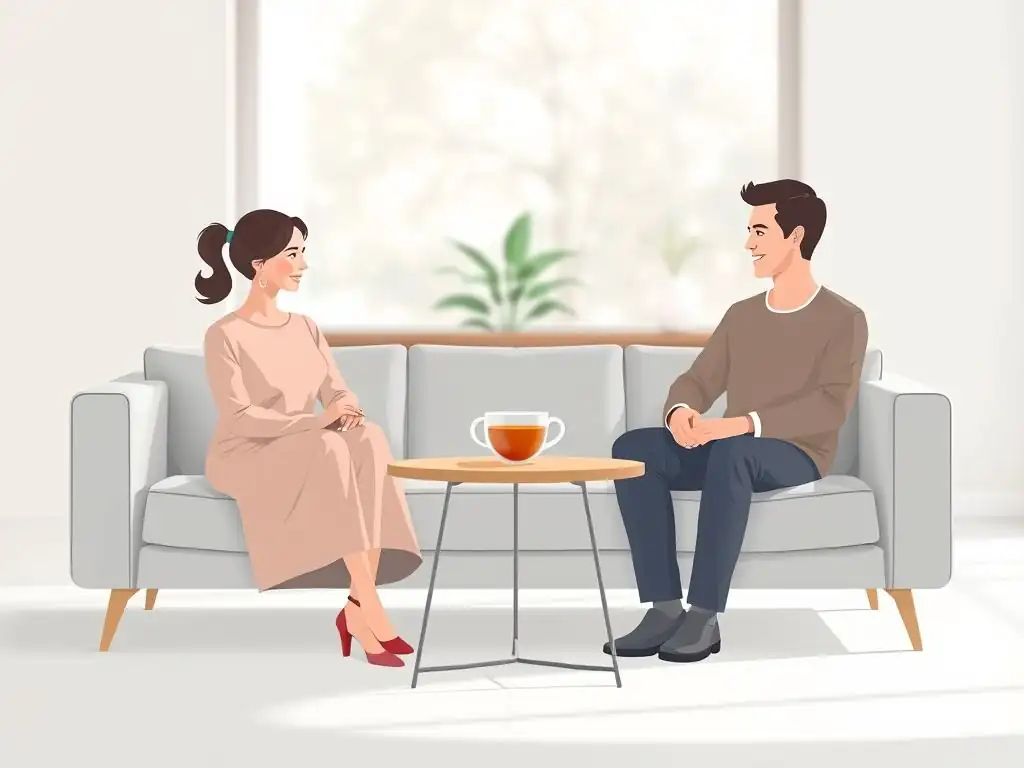
Preparing for a date, especially when anxiety is a factor, involves prioritizing safety and comfort. This begins even before you meet your date online. Thoroughly vetting potential partners online is crucial. Take time to review their profile, looking for inconsistencies or red flags.
Engage in meaningful conversation before agreeing to an in-person meeting, allowing you to assess compatibility and build rapport. This process helps to reduce uncertainty and alleviate anxiety associated with the unknown. Remember, you are in control and can end online interactions at any time if you feel uncomfortable. Trust your intuition; if something feels off, it's perfectly acceptable to disengage.
For in-person dates, always choose public places for your first few meetings. Inform a trusted friend or family member about your plans, including the time, location, and your date's contact information. Share your location with them in real-time using a location-sharing app, providing an added layer of security and peace of mind.
Having a pre-arranged escape plan, such as a code word to alert your friend if you need help, can further enhance your sense of safety and control. Remember, prioritizing your safety shouldn't diminish the excitement of a date; rather, it allows you to fully relax and enjoy the experience knowing you've taken proactive steps to protect yourself. It's about striking a balance between being open to connection and maintaining personal safety.
This proactive approach to safety can significantly reduce dating anxiety by providing a sense of control and security. Consider carrying a personal safety device, such as a personal alarm, for added reassurance.
Managing Unexpected Situations: Strategies for Handling Unexpected Events
Even with careful planning, unexpected situations can arise on a date. Perhaps your date is significantly different in person than they appeared online, or maybe the conversation takes an uncomfortable turn. Having strategies in place to handle these unexpected events is key to reducing dating anxiety. One effective technique is to practice assertive communication. Learning to clearly and calmly express your boundaries and needs is crucial. For example, if the conversation becomes inappropriate or you feel uncomfortable, politely but firmly state your feelings. A simple phrase like, "I'm not comfortable discussing this topic," can effectively redirect the conversation.
Another important strategy is to have an exit plan. This doesn't mean you anticipate things going wrong, but it's about being prepared. Knowing you have a way to leave gracefully and safely reduces anxiety. This could involve having a friend call you with a "fake emergency," or simply having a pre-arranged signal with a friend to discreetly call or text you. Remember, it's perfectly acceptable to end a date early if you feel uneasy, regardless of the reason.
Prioritizing your well-being is paramount. Practicing these strategies beforehand can significantly reduce the stress and anxiety associated with unexpected events, allowing you to focus on enjoying the date itself. Remember, your comfort and safety are the top priorities. Learning to navigate unexpected situations with confidence contributes significantly to reducing dating anxiety and building self-assurance.
Building Confidence for Long-Term Success in Dating
This section focuses on developing a robust sense of self-assurance to navigate the online dating world successfully. Reducing dating anxiety isn't just about quick fixes; it's about cultivating a mindset that supports lasting confidence and fulfilling relationships. We'll explore practical strategies to build this inner strength, enabling you to approach dating with optimism and resilience. Remember, building confidence is a journey, not a destination, and consistent effort will yield significant rewards. The techniques discussed here are designed to help you manage and reduce dating anxiety over the long term, leading to more positive dating experiences.
Setting Realistic Expectations: Avoiding Perfectionism and Self-Criticism
Many people struggle with dating anxiety because they set unrealistically high standards for themselves and their potential partners. Perfectionism is a major hurdle; it breeds self-doubt and fuels negative self-talk. Instead of striving for a flawless profile or an immaculate first date, focus on presenting your authentic self. Remember, everyone has flaws, and embracing your imperfections is key to genuine connection.
Perfectionism often leads to harsh self-criticism after a date, even if the date went reasonably well. This internal negativity undermines confidence and makes it harder to approach future dates with a positive mindset. Practice self-compassion.
Treat yourself with the same kindness and understanding you would offer a friend facing similar challenges. A helpful exercise is to identify your negative self-talk after a date and reframe it into more positive and realistic statements. For example, instead of thinking "That date was a disaster, I'm so awkward," try "I learned a few things about what I want in a partner, and I'll approach the next date with more confidence."
Let's look at a simple table illustrating this reframing process:
| Negative Self-Talk | Positive Reframing |
|---|---|
| "I messed up the conversation, I'm so boring." | "I learned some conversation starters that didn't work, I can try different approaches next time." |
| "They didn't seem interested; I'm unlovable." | "Maybe their timing or availability wasn't right, I'll keep meeting new people." |
| "I'm not good enough for anyone." | "I'm a wonderful person with a lot to offer, and the right person will appreciate me." |
This mindful approach to self-reflection helps reduce dating anxiety by shifting your focus from perceived failures to valuable learning experiences.
Focusing on Connection, Not Perfection: Shifting Your Focus from Anxiety to Enjoyment
The core of successful dating lies in genuine connection, not in achieving a flawless performance. Shifting your focus from anxiety-inducing perfectionism to the joy of human interaction is crucial. Instead of agonizing over every detail, focus on getting to know the other person. Ask engaging questions, listen actively, and share your own experiences authentically. Genuine interest in the other person naturally reduces self-consciousness and anxiety.
Consider these practical strategies for shifting your focus:
- Mindfulness exercises: Practicing mindfulness before a date can help center you and reduce pre-date jitters. Even a few minutes of deep breathing can make a significant difference.
- Positive self-talk: Replace negative thoughts with positive affirmations. Remind yourself of your strengths and accomplishments.
- Focus on the present moment: During the date, concentrate on the conversation and the person you're with rather than worrying about potential future outcomes. Enjoy the experience!
Remember, dating is a social interaction, and like any social interaction, it involves some degree of uncertainty. Embracing this uncertainty and focusing on the present moment can significantly alleviate anxiety and increase enjoyment. The goal isn't to be perfect, but to connect authentically.
Learning from Past Experiences: Turning Setbacks into Opportunities for Growth
Setbacks in dating are inevitable. However, instead of viewing these experiences as failures, reframe them as valuable learning opportunities. Analyzing past dates – both good and bad – helps you identify patterns and improve your approach. What worked well? What could you have done differently? Honest self-reflection allows you to refine your dating strategies and build resilience.
For instance, if you consistently struggle with initiating conversations, consider practicing your conversational skills with friends or family. If you feel uncomfortable on dates, explore activities that make you feel more at ease. If you find yourself attracted to unavailable people, examine your relationship patterns and explore what might be driving this choice. Each experience offers a chance to grow and develop a more effective and confident approach to dating.
This process of continuous improvement is crucial in reducing dating anxiety and fostering long-term success. By viewing setbacks as stepping stones, you transform potential sources of anxiety into catalysts for personal growth and improved dating outcomes. This proactive approach helps build confidence and resilience, leading to a more positive and fulfilling dating journey.
Seeking Support: Utilizing Friends, Family, or Therapists
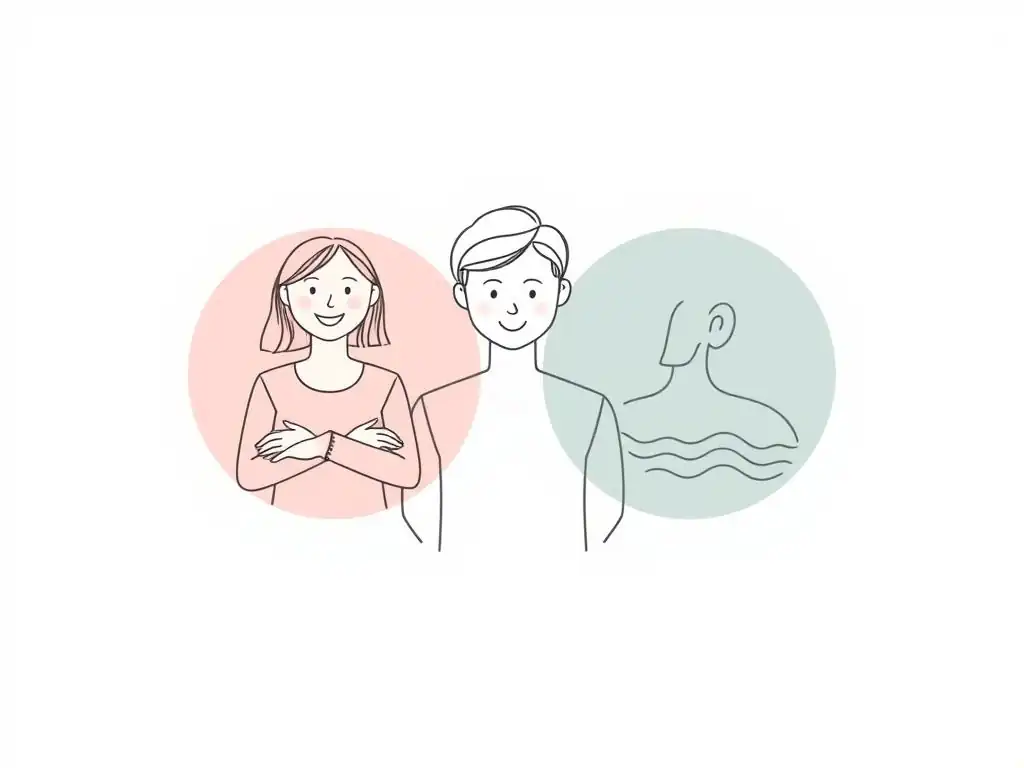
Dating anxiety can feel incredibly isolating, making it difficult to process your feelings and develop effective coping mechanisms. Reaching out to your support network is a crucial step in reducing dating anxiety and building confidence. Friends and family who understand and empathize can offer invaluable emotional support. They can listen to your concerns, offer encouragement, and even help you practice your dating skills, such as role-playing potential conversations or reviewing your dating profile.
Remember, sharing your anxieties doesn't make you weak; it shows strength and self-awareness. Choose individuals who are supportive, understanding, and non-judgmental. Their positive reinforcement can significantly boost your self-esteem and help you approach dating with a more positive outlook.
For more intense anxiety or if your support network feels insufficient, seeking professional help is highly recommended. A therapist specializing in anxiety or relationship issues can provide personalized strategies and tools to manage your anxiety effectively. They can help you identify the root causes of your anxiety, teach you relaxation techniques like mindfulness or deep breathing exercises, and equip you with techniques to challenge negative thought patterns.
Cognitive Behavioral Therapy (CBT) is particularly effective in treating anxiety disorders and can help you reframe your thinking about dating and relationships. Therapy provides a safe and confidential space to explore your emotions and develop healthy coping mechanisms, ultimately leading to greater confidence and success in your dating life.
Remember, prioritizing your mental health is a testament to your self-care and commitment to a healthier, happier you. It’s an investment in your overall well-being, benefiting not only your dating life but all aspects of your life.
Celebrating Small Victories: Recognizing and Acknowledging Progress
Progress, no matter how small, is still progress. When working on reducing dating anxiety, it's easy to focus solely on the larger goal – finding a fulfilling relationship – and overlook the many small victories along the way. However, acknowledging these small successes is crucial for maintaining motivation and building confidence. Did you successfully create a dating profile that reflects your true self?
Did you initiate a conversation with someone you found interesting? Did you go on a date without experiencing a panic attack? Each of these accomplishments, no matter how seemingly insignificant, represents a step forward in your journey.
Take the time to celebrate these wins! Reward yourself for your efforts. This could be something as simple as enjoying a relaxing bath, watching your favorite movie, or treating yourself to a small indulgence. Keeping a journal to document your progress can also be incredibly helpful.
Writing down your achievements, no matter how small, can help you see just how far you've come and reinforce your sense of accomplishment. This positive reinforcement helps build self-efficacy, the belief in your ability to succeed, which is fundamental to overcoming anxiety and achieving your dating goals. Remember, building confidence is a gradual process, and celebrating each step along the way is essential for maintaining momentum and achieving long-term success. The journey to reduce dating anxiety is a marathon, not a sprint, and celebrating small victories keeps you motivated and engaged in the process.
Long-Term Strategies to Reduce Dating Anxiety
Dating anxiety can feel overwhelming, but remember you're not alone. Many people experience similar feelings. The key is to develop long-term strategies to manage and eventually reduce this anxiety. This section focuses on techniques that provide lasting relief, moving beyond quick fixes to create a more sustainable approach to dating.
We'll explore proven methods to help you cultivate a more positive and confident dating experience. Consistent application of these strategies is crucial for seeing significant improvements over time. The journey to reducing dating anxiety is a personal one, and progress may vary, but with perseverance, you can build the confidence you deserve.
Cognitive Behavioral Therapy (CBT) Techniques for Dating Anxiety
Cognitive Behavioral Therapy (CBT) is a highly effective approach to managing anxiety, including dating anxiety. CBT focuses on identifying and challenging negative thought patterns and beliefs that contribute to anxiety. For example, someone with dating anxiety might have a negative thought like, "I'm going to be rejected." CBT helps you identify this thought, examine the evidence supporting it (often minimal), and reframe it into a more realistic and balanced perspective, such as, "It's possible I might not connect with this person, but it doesn't reflect my worth."
Here's how CBT can be applied specifically to dating:
- Identify negative automatic thoughts: Keep a journal to track your thoughts before, during, and after dates. Note any recurring negative thoughts or beliefs.
- Challenge negative thoughts: Once identified, question the validity of these thoughts. Are they based on facts or assumptions? What evidence contradicts them?
- Develop more balanced and realistic thoughts: Replace negative thoughts with more positive and realistic alternatives. Practice self-compassion and acknowledge that rejection is a normal part of dating.
- Behavioral experiments: Gradually expose yourself to situations that trigger anxiety, starting with less intense scenarios and gradually working your way up. This helps you build confidence and challenge negative beliefs through real-world experience.
For instance, if the thought of initiating conversations causes anxiety, start by practicing with friends or family members before venturing into dating app conversations. This gradual exposure will help desensitize you to the fear of rejection. Remember, progress takes time and consistent effort. Small victories build confidence and contribute to long-term success. The goal is not to eliminate anxiety entirely, but to manage it effectively and move forward confidently.
Exposure Therapy: Gradually Facing Your Fears
Exposure therapy is another powerful technique rooted in CBT. It involves systematically exposing yourself to anxiety-provoking situations in a safe and controlled manner. The idea is to gradually desensitize yourself to the feared stimuli, reducing the anxiety response over time. For dating anxiety, this could involve a series of steps, starting with less anxiety-inducing activities and gradually progressing to more challenging ones.
Here's a possible progression:
- Step 1: Online interaction: Start by engaging in online conversations with potential dates, practicing initiating conversations and responding to messages.
- Step 2: Virtual dates: Transition to virtual dates (video calls) to practice interacting in a less pressured environment than an in-person date.
- Step 3: Short, low-pressure dates: Plan short, casual dates in public places, limiting the time commitment to reduce potential anxiety.
- Step 4: Longer dates: As comfort increases, gradually extend the duration of your dates.
- Step 5: Multiple dates: Work towards the goal of going on multiple dates with the same person, building a connection and reducing anxiety surrounding repeated interactions.
Remember to celebrate your accomplishments along the way! Each step you take is a victory, regardless of the outcome of a particular date. The focus should be on facing your fears and building resilience, not on achieving immediate success. The process itself is therapeutic and contributes to long-term anxiety reduction. This structured approach can significantly reduce the intensity of your dating anxiety over time.
Seeking Professional Help: When to Consult a Therapist or Counselor
While self-help techniques can be very effective, some individuals may benefit from professional guidance. If your dating anxiety is significantly impacting your daily life, causing significant distress or impairment, seeking professional help is a wise decision. A therapist or counselor can provide personalized support, tailored strategies, and a safe space to explore your anxieties.
Consider seeking professional help if:
- Your anxiety is severe and interferes with your daily life.
- You've tried self-help techniques without significant improvement.
- You're experiencing symptoms of depression or other mental health conditions alongside your dating anxiety.
- You're struggling to manage your anxiety independently.
A mental health professional can offer various therapeutic approaches, including CBT, exposure therapy, and other evidence-based techniques. They can help you identify the root causes of your anxiety, develop coping mechanisms, and build the skills necessary to navigate dating with greater confidence and ease. Remember, seeking professional help is a sign of strength, not weakness. It's a proactive step towards improving your mental well-being and achieving a fulfilling dating life. Don't hesitate to reach out for support when you need it. Your mental health is a priority.
Building a Supportive Network: Examples of Support Groups and Online Communities
Building a strong support network is crucial for managing dating anxiety. Sharing your experiences and challenges with others who understand can significantly reduce feelings of isolation and increase your self-confidence. This doesn't necessarily mean joining formal groups; it's about finding people you trust and feel comfortable confiding in.
Several avenues exist for finding supportive communities. Formal support groups, often found through mental health organizations or community centers, offer structured environments for sharing and learning coping mechanisms. These groups provide a safe space to discuss anxieties related to dating, receive empathetic feedback, and learn from others' experiences. Some groups may focus specifically on dating anxieties, while others might address broader social anxiety issues. The key is finding a group that aligns with your needs and comfort level. The group dynamic itself can be incredibly helpful; knowing you're not alone in your struggles can be incredibly validating.
Beyond formal groups, online communities offer a vast network of support. Numerous online forums and social media groups are dedicated to dating and relationship advice, many of which include threads or discussions specifically focused on overcoming dating anxiety. These online spaces can provide anonymity and accessibility, making them particularly appealing to individuals who may feel hesitant to join in-person groups. While anonymity can be beneficial, it's important to remember to prioritize safety and be mindful of the information you share online.
Remember, the effectiveness of a support network hinges on the quality of the relationships within it. Finding people who are empathetic, understanding, and non-judgmental is key. These connections can provide emotional validation, practical advice, and encouragement as you navigate the dating world. Don't hesitate to reach out to friends, family, or therapists for additional support. A strong support system is a powerful tool in your arsenal against dating anxiety. The combination of in-person and online support can create a robust and multifaceted network, providing you with diverse perspectives and consistent encouragement.
Maintaining a Healthy Lifestyle: Examples of Healthy Habits to Reduce Stress
Maintaining a healthy lifestyle is paramount in managing dating anxiety. Stress and anxiety often feed off each other, creating a vicious cycle that can be difficult to break. By prioritizing physical and mental well-being, you can significantly reduce your overall stress levels and improve your ability to cope with dating-related anxieties.
This isn't about drastic changes; it's about incorporating small, sustainable habits into your daily routine. Regular exercise, for example, is a proven stress reliever. Even a short walk, a bike ride, or a yoga session can release endorphins and improve your mood. Aim for at least 30 minutes of moderate-intensity exercise most days of the week. Find activities you enjoy—whether it's dancing, swimming, or hiking—to make exercise a sustainable part of your lifestyle.
Alongside exercise, a balanced diet plays a crucial role. Nourishing your body with healthy foods provides the energy and nutrients needed to manage stress effectively. Limit processed foods, sugary drinks, and excessive caffeine, which can exacerbate anxiety symptoms. Focus on whole grains, fruits, vegetables, and lean proteins to fuel your body and mind. Mindful eating, paying attention to your body's hunger cues, can also help reduce stress related to food choices.
Getting enough sleep is another critical component. Lack of sleep can significantly increase anxiety levels. Aim for 7-9 hours of quality sleep each night. Establish a regular sleep schedule, create a relaxing bedtime routine, and optimize your sleep environment to promote restful sleep. Consider incorporating relaxation techniques like meditation or deep breathing exercises into your bedtime routine to further calm your mind before sleep.
Finally, remember the importance of mindfulness and stress-reduction techniques. Practicing mindfulness through meditation, yoga, or deep breathing exercises can help you become more aware of your thoughts and feelings, allowing you to manage anxious thoughts more effectively. These techniques can be incredibly powerful tools in reducing stress and improving your overall well-being, making you better equipped to navigate the challenges of dating.
Regular practice, even just a few minutes each day, can make a significant difference over time. The cumulative effect of these healthy habits will contribute to a more resilient and confident you, better prepared to tackle dating with reduced anxiety.
Frequently Asked Questions
How can I reduce my dating anxiety before a first online date?
Try deep breathing exercises before the date to calm your nerves. Visualize a positive and enjoyable experience. Remind yourself that it's just a casual meeting to get to know someone.
What if I’m worried about saying the wrong thing on a dating app?
Focus on being authentic and genuine in your messages. Keep your responses concise and positive. Don't overthink it – a simple, friendly message is usually best.
I'm anxious about meeting someone in person after talking online. What should I do?
Choose a public and well-lit place for your first date. Let a friend or family member know where you're going and when you expect to be back. Remember, you're in control of the situation.
How can I manage anxiety during the actual date?
Engage in active listening and focus on getting to know your date. Ask open-ended questions and share about yourself comfortably. Remember, it's okay to be nervous – it's natural!
What techniques can I use to overcome dating anxiety long-term?
Practice self-compassion and positive self-talk. Gradually expose yourself to dating situations. Consider seeking professional help from a therapist if anxiety significantly impacts your life.
Final Reflection: Reclaiming Joy in the Dating World
The anxieties surrounding dating are not trivial; they're a pervasive barrier preventing many from experiencing genuine connection and joy. This article explored practical techniques to navigate the often-treacherous waters of modern dating, from mindful breathing exercises to reframing negative self-talk. These aren't just fleeting solutions; they are tools for cultivating a healthier relationship with yourself and, consequently, with others.
The impact of dating anxiety extends far beyond individual experiences; it shapes our cultural understanding of relationships and self-worth. The pressure to conform to unrealistic ideals, fueled by social media and societal expectations, contributes significantly to this widespread anxiety. The greatest barrier to connection is our fear of disconnection.
This quote speaks volumes about the underlying fear that fuels so much dating anxiety. We must actively challenge these societal pressures and embrace authenticity, recognizing that vulnerability is not weakness, but a pathway to genuine connection.
Now, consider your own dating experiences. What anxieties have held you back? What small steps can you take today to implement the techniques discussed in this article? Perhaps it's practicing mindful breathing before a date, or consciously challenging negative thoughts. Remember, reducing dating anxiety isn't about eliminating nervousness entirely; it's about transforming that nervousness into excitement and anticipation. Embrace the journey, be kind to yourself, and allow yourself to experience the joy that awaits you in the world of dating.
Unleash Your Dating Confidence: Take the Next Step
Thank you for exploring practical ways to reduce dating anxiety. We hope you found valuable insights into managing your nerves and building new connections. Ready to put this knowledge into practice?
- Start with one small, manageable change: This week, focus on implementing a single anxiety-reducing technique from the article—such as deep breathing exercises, positive self-talk, or reframing negative thoughts. Small steps yield significant progress.
- Share your experience: Let us know in the comments which technique resonated most with you and how you plan to use it in your dating life. Let's build a supportive community together!
- Refer back to helpful sections: Consider bookmarking or revisiting the parts of the article you found most helpful, especially when facing challenging dating situations.
What's one small step you can take today to boost your dating confidence?