
Setting Boundaries Around Unwanted Advances and Harassment Online


Ready to transform your online dating experience? At OnlineDatingSuccess.org, we're dedicated to helping you find meaningful connections. But navigating the world of online dating requires more than just a great profile; it demands smart strategies and strong boundaries. This article on online dating safety boundaries will equip you with the knowledge and confidence to avoid unwanted advances and harassment, ensuring your journey is both rewarding and safe. Discover how to protect yourself and create a positive dating experience—read on to learn more!
- Understanding Online Dating Safety Boundaries: Defining Your Limits
- Setting Boundaries on Different Online Dating Platforms
- Practical Strategies for Maintaining Online Dating Safety Boundaries
- Maintaining Your Well-being After a Negative Online Experience
- Building Healthy Relationships Online: Respect and Reciprocity
-
Frequently Asked Questions
- How can I set boundaries with someone who's being overly forward in online dating?
- What should I do if someone sends me inappropriate photos or messages?
- How can I protect my personal information while online dating?
- Is it okay to end contact with someone if I feel uncomfortable?
- How do I balance being friendly and setting boundaries?
- Final Reflection: Reclaiming Digital Spaces Through Healthy Boundaries
- Reclaim Your Online Space: Take Control Now
Understanding Online Dating Safety Boundaries: Defining Your Limits
Navigating the world of online dating can be exciting, offering the potential to connect with new people and build meaningful relationships. However, it's crucial to remember that online interactions, while convenient, also present unique challenges. This article focuses on online dating safety boundaries, a critical aspect of protecting your well-being and ensuring positive experiences within the online dating sphere.
We'll explore how to identify unwanted advances, establish clear personal boundaries, and communicate your limits effectively. Understanding and implementing these strategies is key to creating a safe and respectful online dating experience, fostering healthier interactions, and ultimately increasing your chances of finding a fulfilling connection. Ignoring your own safety and comfort levels can lead to significant emotional distress and even physical danger.
This guide aims to empower you to take control of your online dating journey and prioritize your well-being. Remember, setting boundaries isn't about being unfriendly; it's about self-respect and maintaining a safe environment for yourself.
Recognizing Unwanted Advances: Identifying Red Flags in Online Interactions
Online dating safety hinges on recognizing potentially harmful behaviors. Unwanted advances can manifest in various ways, often subtly at first. It's vital to be vigilant and trust your instincts. Some red flags to watch out for include:
- Persistent messaging despite lack of response: Ignoring someone's messages is perfectly acceptable, and continued messaging after clear disinterest should be considered a red flag.
- Inappropriate or sexually suggestive comments or images: This is a clear violation of boundaries and should never be tolerated.
- Pressure to meet up quickly or share personal information: Take your time getting to know someone online, and never feel pressured to do anything you're uncomfortable with. Sharing too much personal information too early can also be risky.
- Aggressive or threatening language: Any form of verbal abuse or threat is unacceptable and should be reported immediately.
- Violation of privacy: Sharing private information without your consent or stalking your social media profiles is a serious breach of trust and a potential safety concern.
- Ignoring your stated preferences: If you've explicitly stated your boundaries or preferences, and someone continues to disregard them, this is a significant warning sign.
Consider this real-life example: A woman reported a user who, despite her politely declining further contact, continued to send her increasingly aggressive messages and even attempted to find her location using information from her profile. This highlights the importance of recognizing and acting on such warning signs immediately. Remember, your safety is paramount.
Establishing Clear Personal Boundaries: What You Will and Won't Tolerate Online
Defining your personal boundaries is a proactive step towards online dating safety. This involves identifying what behaviors you will and won't accept from potential matches. This is a highly personal process, and your boundaries might differ from those of others. Consider creating a mental checklist of your non-negotiables:
- Communication style: Will you tolerate aggressive or disrespectful communication? What about excessive messaging or unwanted calls?
- Sharing of personal information: How much personal information are you comfortable sharing, and at what point in the relationship?
- Speed of progression: How quickly are you comfortable escalating the relationship from online interactions to in-person meetings?
- Physical intimacy: What are your expectations regarding physical intimacy and when it should occur?
- Use of dating apps: Will you tolerate users from specific apps, or will you limit your interactions to specific platforms?
Creating a clear list of your boundaries can help you make informed decisions and communicate your expectations effectively. Remember, it's okay to change your boundaries as you gain more experience and confidence in online dating. Your comfort level is the ultimate guide.
Communicating Your Boundaries Effectively: Assertive Communication Techniques
Once you've defined your boundaries, it's crucial to communicate them clearly and assertively. This doesn't mean being aggressive or confrontational; rather, it's about expressing your needs and expectations respectfully but firmly. Here are some techniques:
| Technique | Description | Example |
|---|---|---|
| Direct and Honest Communication | Clearly state your boundaries without apology or hesitation. | "I'm not comfortable with sexually suggestive comments. Please refrain from them." |
| "I" Statements | Focus on your feelings and needs rather than blaming or accusing the other person. | "I feel uncomfortable when you repeatedly message me after I've stopped responding." |
| Setting Consequences | Clearly outline the consequences of crossing your boundaries. | "If you continue to disregard my boundaries, I will block you." |
| Blocking and Reporting | Don't hesitate to block or report users who violate your boundaries. This is a crucial safety measure. | [Specific examples of reporting mechanisms pending] |
Remember, you have the right to set boundaries and enforce them. Don't feel pressured to compromise your comfort or safety for anyone. By consistently communicating and enforcing your boundaries, you create a safer and more respectful online dating experience for yourself. Prioritizing your well-being is not selfish; it's essential.
Setting Boundaries on Different Online Dating Platforms
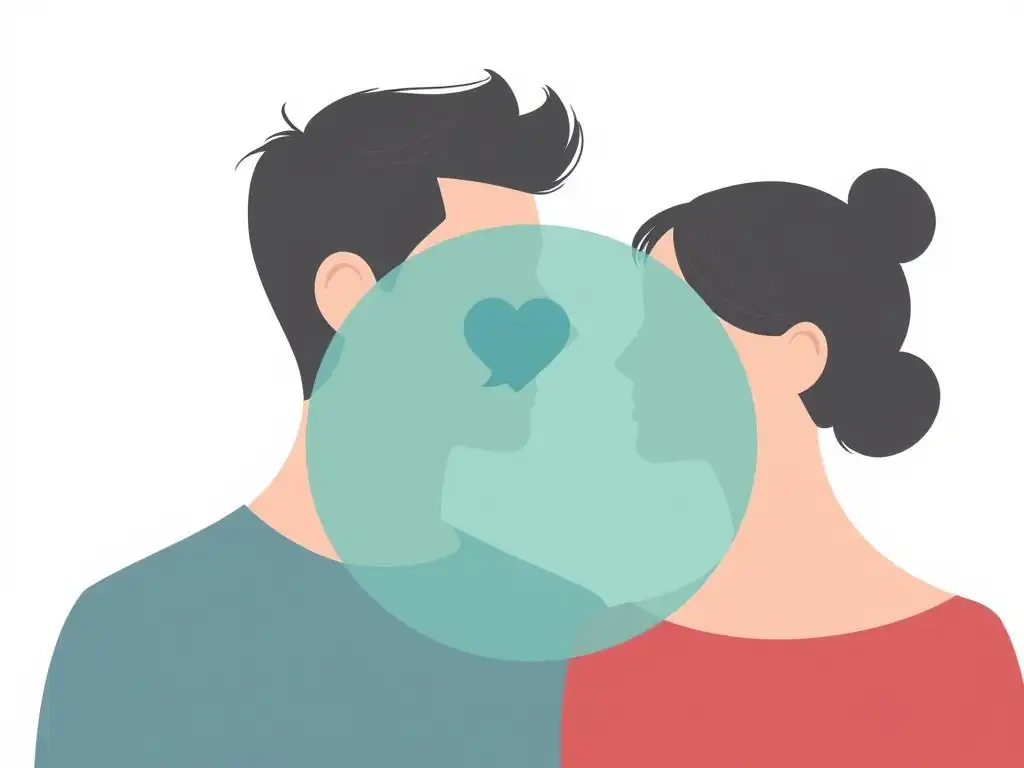
Online dating safety boundaries are crucial for a positive experience. Different platforms offer varying levels of control, so understanding these nuances is key to protecting yourself. This section focuses on proactively managing your safety and comfort across popular dating platforms. We'll examine how to leverage built-in features to minimize unwanted contact and maintain healthy online interactions. Remember, your safety and well-being are paramount.
Setting Boundaries on Dating Apps: Profile Settings and Blocking Features
Dating apps provide several tools to establish online dating safety boundaries. Proactive profile management is your first line of defense. Many apps allow you to control who can message you. For instance, you can opt to only receive messages from users you've also liked or matched with. This significantly reduces the chances of receiving unsolicited messages from strangers.
Furthermore, most dating apps offer robust blocking features. If someone sends inappropriate messages, makes you uncomfortable, or violates your personal boundaries, you can block them immediately. This prevents them from contacting you further, viewing your profile, or seeing your activity on the app. Blocking is a quick, effective way to manage unwanted attention. Don't hesitate to utilize this feature; it’s there for your protection.
Consider also utilizing the "report" function if you encounter abusive or harassing behavior. Reporting allows the app's moderators to review the user's behavior and potentially take action, such as suspending or banning their account. This contributes to a safer environment for all users. Remember to save screenshots of any inappropriate interactions as evidence when reporting. Documenting such incidents can be vital if you need to escalate the issue further.
While not solely dating platforms, social media sites often overlap with online dating interactions. It’s crucial to establish clear online dating safety boundaries here too. Social media privacy settings are your primary tool. Review your privacy settings on platforms like Facebook, Instagram, and Twitter to limit who can see your posts, contact you directly, or find your profile through searches.
For example, you might choose to make your profile "friends only" or restrict who can tag you in photos or posts. This reduces the visibility of your personal information and minimizes opportunities for unwanted contact from strangers. You can also filter out specific words or phrases in your comments section to avoid hateful or offensive language.
Beyond privacy settings, carefully consider who you interact with. Don't feel pressured to connect with someone on social media just because you met them on a dating app. You have the right to choose who you interact with and how you interact with them, even if they've expressed romantic interest. Remember, preserving your digital safety is just as important as your physical safety.
Establishing Boundaries in Online Messaging: Filtering and Reporting Mechanisms
Online messaging platforms, whether within dating apps or through separate services, require specific boundary-setting strategies. Many platforms offer filtering options to block specific words, phrases, or even entire users. This can be invaluable in preventing unwanted messages containing offensive language or sexually suggestive content. Utilize these filters proactively to create a safer messaging environment.
If you receive unwanted or inappropriate messages, don't hesitate to report them. Most platforms have clear reporting mechanisms. When reporting, provide as much context as possible, including screenshots of the messages. This helps moderators understand the situation and take appropriate action. Remember, reporting is not tattling; it’s a crucial step in maintaining a respectful and safe online community. Your proactive engagement in reporting contributes to the overall safety of the platform for everyone. Don't be afraid to use these tools; they are there to protect you.
Remember, setting boundaries is an ongoing process. Regularly review your settings and adjust them as needed to reflect your comfort level. Prioritizing your safety and well-being should always be your top priority in the online dating world.
Practical Strategies for Maintaining Online Dating Safety Boundaries
This section offers concrete steps to establish and maintain healthy boundaries while navigating the online dating world. Remember, your safety and well-being are paramount. Prioritizing your comfort and security is not selfish; it's essential. Learning to recognize and address unwanted advances is a crucial skill for successful and safe online dating. This involves proactive measures to protect yourself from harassment and abuse, as well as establishing clear communication strategies to deter inappropriate behavior. The goal is to create a positive and respectful online dating experience.
Reporting Harassment and Abuse: Procedures for Different Platforms
Different online dating platforms have varying reporting mechanisms for harassment and abuse. Understanding these procedures is key to ensuring your safety and contributing to a safer online environment for everyone. Failing to report incidents allows harmful behavior to persist. Here's a breakdown of general steps, but always consult the specific help center of each platform for the most up-to-date information:
- Gather Evidence: Before reporting, collect screenshots of messages, profiles, or any other evidence of harassment. This will strengthen your report and increase the likelihood of action being taken. Note the date and time of each incident.
- Report Through the App: Most platforms have a built-in reporting system. Look for a "report," "flag," or similar button usually found on the user's profile or within the messaging interface. Follow the platform's instructions carefully. Be detailed and factual in your report, providing all relevant evidence.
- Contact Customer Support: If the in-app reporting system is ineffective or unresponsive, contact the platform's customer support directly. They may have additional avenues for addressing your concerns.
- Consider Legal Action: In severe cases involving threats, stalking, or doxing, you may need to involve law enforcement. Document everything meticulously and contact the appropriate authorities. Remember to keep copies of all reports and communications.
| Platform | Reporting Method | Additional Notes |
|---|---|---|
| Platform A | In-app reporting button, email customer support | Often provides options to block the user simultaneously. |
| Platform B | In-app reporting, help center FAQs, phone support | May offer escalation procedures for serious offenses. |
| Platform C | In-app reporting, dedicated safety team contact | Known for proactive measures against abusive accounts. |
This table provides a general overview; specific procedures may vary. Always check each platform’s individual guidelines. Remember, reporting is a powerful tool; use it effectively to protect yourself and others. 👮♀️
Blocking and Unfriending: Strategies for Removing Toxic Individuals
Blocking and unfriending are immediate actions you can take to remove toxic individuals from your online dating experience. Don't hesitate to utilize these tools; your comfort is paramount. Blocking prevents further contact, while unfriending removes them from your network.
- Blocking: This feature prevents the individual from contacting you through messages, comments, or other interactions on the platform. It's a quick and effective way to cut off unwanted communication. Many platforms offer a simple block feature within user profiles or message threads.
- Unfriending: If you've connected with someone on a social media platform integrated with your dating profile, unfriending removes them from your friend list and prevents future interactions.
- Multiple Platforms: If you suspect the individual is using multiple platforms, consider blocking them on each one. This comprehensive approach ensures a complete severance of contact.
- Privacy Settings: Review and adjust your privacy settings regularly. Limiting who can see your profile and contact you can significantly reduce the risk of unwanted attention. Think of it as building a digital fortress around your personal information. 🛡️
Remember, blocking and unfriending are not acts of aggression but self-preservation techniques. Prioritize your emotional well-being and create a safe online space for yourself.
Protecting Your Personal Information: Safeguarding Your Privacy Online
Protecting your personal information is crucial for online dating safety. Avoid sharing sensitive details prematurely, and be cautious about the information you disclose. Here are some key strategies:
- Avoid Sharing Personally Identifiable Information (PII): Refrain from sharing your full name, address, workplace, phone number, or other sensitive information until you've established trust and met in person.
- Use a Separate Email Address: Consider creating a dedicated email address for online dating to maintain separation from your primary inbox and protect your privacy.
- Reverse Image Search: Before meeting someone in person, perform a reverse image search on their profile pictures to verify their identity and ensure they are not using fake photos.
- Be Wary of Phishing Attempts: Be cautious of suspicious links or emails requesting personal information. Legitimate dating platforms will never ask for your passwords or banking details via email.
- Review Privacy Settings Regularly: Dating apps and social media platforms regularly update their privacy settings. Regularly review and adjust your settings to ensure your information is protected.
Protecting your personal information is an ongoing process. By being proactive and vigilant, you can significantly reduce your risk of becoming a victim of online scams or harassment. Remember, it's always better to err on the side of caution. Your safety is worth it. 🤔
Utilizing Dating App Safety Features: Leveraging Built-in Protection Tools
Many online dating platforms understand the importance of user safety and have incorporated various features designed to deter unwanted advances and harassment. Learning to utilize these tools effectively is a crucial step in establishing and maintaining your online dating safety boundaries. These features aren't foolproof, but they significantly enhance your safety and provide an extra layer of protection.
For example, most popular dating apps offer blocking and reporting mechanisms. Blocking allows you to prevent a specific user from contacting you again. This is a simple yet powerful tool; don't hesitate to use it if someone makes you uncomfortable. The reporting function allows you to alert the app's moderators to inappropriate behavior, such as harassment, spamming, or the sharing of explicit content.
These reports help the platforms identify and remove problematic users, contributing to a safer environment for everyone. Remember to always report any behavior that violates the app's terms of service or makes you feel unsafe. The more users report such behavior, the more effective these mechanisms become.
Beyond blocking and reporting, some apps offer additional safety features like location sharing with trusted contacts. This allows you to share your real-time location with friends or family during a date, providing an extra layer of security and peace of mind. Consider using this feature, especially for first dates or meetings with individuals you haven't interacted with extensively.
Many apps also offer verification processes, such as photo verification or phone number verification, to help ensure that the person you're interacting with is who they claim to be. While these features aren't perfect, they can help reduce the risk of encountering fake profiles or scams.
Finally, pay close attention to the privacy settings within the app. These settings allow you to control the information you share with other users. Carefully review and adjust your settings to limit the amount of personal information you disclose publicly. For instance, you might choose to hide your exact location or limit who can see your photos.
By being mindful of your privacy settings, you can significantly reduce the chances of unwanted attention or harassment. Regularly reviewing and updating your privacy settings is crucial as apps often update their features. Staying informed and proactive in managing your privacy is key to maintaining your online dating safety boundaries. Remember, your safety is paramount, and utilizing these tools empowers you to take control of your online dating experience.
Maintaining Your Well-being After a Negative Online Experience

Navigating the world of online dating can be exhilarating, but it also presents unique challenges. Experiencing unwanted advances or harassment can significantly impact your emotional well-being. Prioritizing your mental health after a negative online interaction is crucial for maintaining a positive outlook and protecting yourself from further harm. Remember, your feelings are valid, and seeking support is a sign of strength, not weakness.
This section focuses on practical strategies to help you process difficult experiences and regain your confidence. Establishing strong online dating safety boundaries is a proactive step, but even with the best precautions, negative encounters can still occur. Let's explore how to navigate the aftermath effectively.
Managing Emotional Responses: Coping Mechanisms for Online Harassment
Online harassment can manifest in various forms, from subtle digs to overt threats. The emotional toll can be substantial, ranging from frustration and anger to anxiety, fear, and even depression. Learning to manage these responses is paramount. Effective coping mechanisms include:
- Acknowledging your feelings: Don't suppress your emotions. Allow yourself to feel the anger, sadness, or frustration. Journaling can be a helpful tool to process these feelings. Write down what happened, how it made you feel, and any thoughts or insights that emerge.
- Practicing self-compassion: Be kind to yourself. Remember that you are not alone, and many others have experienced similar situations. Avoid self-blame; you are not responsible for the actions of others.
- Limiting exposure: Immediately block and report the offending user. Avoid checking their profile or engaging in any further communication. This minimizes further emotional distress. Consider taking a break from online dating altogether if needed.
- Seeking professional help: If you're struggling to cope, don't hesitate to reach out to a therapist or counselor specializing in online harassment. They can provide personalized support and strategies to manage your emotional responses.
- Engaging in self-care activities: Prioritize activities that bring you joy and relaxation. This could include exercise, spending time in nature, listening to music, reading, or engaging in hobbies. Self-care is not selfish; it’s essential for your well-being.
Seeking Support: Resources and Help for Victims of Online Abuse
Knowing where to turn for help is crucial when dealing with online harassment. Numerous resources are available to provide support, guidance, and protection. These include:
- Online dating platforms' support systems: Most reputable online dating platforms offer robust reporting mechanisms and support systems for users experiencing harassment. Utilize these resources to report abusive behavior and seek assistance.
- Law enforcement agencies: If the harassment involves threats of violence or illegal activity, report it to the appropriate law enforcement agency. They can investigate the situation and take appropriate action.
- Support groups and helplines: Many organizations offer support groups and helplines specifically for victims of online abuse. These groups provide a safe space to share your experiences, connect with others, and receive emotional support.
- Friends and family: Lean on your support network. Talking to trusted friends and family members can be incredibly helpful in processing your emotions and receiving encouragement. Their understanding and empathy can make a significant difference.
Moving Forward: Rebuilding Confidence After a Negative Online Interaction
Rebuilding confidence after a negative online experience takes time and effort. It's essential to approach this process with patience and self-compassion. Here are some strategies to help you regain your confidence and move forward:
- Reviewing your online dating safety boundaries: Reflect on the incident and identify areas where you might strengthen your online dating safety boundaries. This could involve adjusting your profile privacy settings, being more selective in who you communicate with, or establishing clearer communication boundaries.
- Focusing on positive experiences: Remind yourself of positive interactions you've had on online dating platforms. Focus on the positive aspects of your experience and let those memories outweigh the negative ones.
- Practicing self-affirmations: Regularly remind yourself of your strengths and positive qualities. Positive self-talk can help to counter negative thoughts and feelings.
- Setting realistic expectations: Remember that online dating is a process, and not every interaction will be positive. Setting realistic expectations can help to prevent disappointment and protect your emotional well-being. Online dating safety boundaries are a crucial part of this process.
- Returning to online dating (when ready): When you feel ready, consider returning to online dating. This time, approach it with a renewed sense of confidence and a stronger set of online dating safety boundaries. Remember that your experience doesn't define you, and you deserve to find healthy and fulfilling relationships.
Building Healthy Relationships Online: Respect and Reciprocity
Building healthy relationships online hinges on establishing clear boundaries and fostering mutual respect. It's crucial to remember that online interactions, while convenient, still involve real people with real feelings. Just as you wouldn't tolerate disrespectful behavior offline, you shouldn't accept it online. This requires proactive steps to protect your emotional well-being and ensure a positive dating experience.
The key is to cultivate a sense of reciprocity—a two-way street where both parties treat each other with consideration and respect. This means valuing your own needs and limits as much as you value those of your potential partner. Remember, a healthy relationship is built on mutual respect and understanding, not on one-sided demands or pressure. Setting boundaries is not about being unfriendly; it's about self-preservation and attracting genuine connections.
Fostering Healthy Communication: Respectful Dialogue and Open Communication
Healthy communication is the bedrock of any successful relationship, online or offline. This means engaging in respectful dialogue, actively listening to your partner's perspectives, and expressing your own needs and boundaries clearly and assertively. Avoid ambiguity; direct and honest communication minimizes misunderstandings and prevents escalation of conflict. For example, if someone is making you uncomfortable, directly stating "I'm not comfortable with this conversation/request" is more effective than hinting or ignoring the issue. Practice using "I" statements to express your feelings without blaming the other person.
For instance, instead of saying "You're being pushy," try "I feel pressured when I receive multiple messages in quick succession." This approach encourages understanding and collaboration, rather than defensiveness and conflict. Remember, healthy communication is a continuous process requiring both parties' active participation and commitment to mutual respect. Regular check-ins and open discussions about boundaries are essential for maintaining a healthy online relationship.
Recognizing Healthy Relationships: Signs of Mutual Respect and Understanding
Recognizing a healthy online relationship involves identifying key indicators of mutual respect and understanding. These include consistent respectful communication, shared decision-making, and a balance of give-and-take. In a healthy relationship, both individuals feel comfortable expressing their opinions and needs without fear of judgment or retaliation. There's a clear sense of equality, where neither person dominates the conversation or decision-making process.
Respect for personal space and boundaries is paramount. A partner who consistently pushes your boundaries or ignores your requests for space is not demonstrating healthy relationship dynamics. Look for signs of genuine interest in your life, active listening, and a willingness to compromise. Conversely, red flags include controlling behavior, attempts to isolate you from friends and family, or constant criticism.
Pay attention to your gut feeling; if something feels off, it likely is. Trust your instincts and prioritize your well-being above all else. Remember, a healthy relationship should uplift and support you, not drain your energy or compromise your safety.
Maintaining Your Safety While Building Connections: Balancing Connection and Caution
Balancing connection and caution is vital in online dating. While building meaningful relationships is the goal, prioritizing your safety should never be compromised. This means being mindful of the information you share online. Avoid revealing overly personal details, such as your exact address or workplace, until you've established a high level of trust.
Always meet in a public place for your first few dates, and inform a friend or family member of your plans, including the time, location, and the person you're meeting. Utilize the safety features provided by the dating platform, such as reporting inappropriate behavior. Trust your instincts; if something feels off about a person or a situation, remove yourself from the interaction immediately. Remember that online dating safety boundaries are not just about physical safety; they also encompass emotional and psychological safety.
Protecting your emotional well-being means setting limits on the amount of time and energy you dedicate to online interactions, particularly with individuals who are not respecting your boundaries. Establishing clear boundaries and adhering to them is a critical component of online dating safety and fostering healthy relationships. Prioritizing your safety and well-being ensures a positive and fulfilling online dating experience.
Frequently Asked Questions
How can I set boundaries with someone who's being overly forward in online dating?
Be direct and assertive. Clearly state what behavior is unacceptable and what you will do if it continues (e.g., blocking, reporting). Don't feel obligated to engage beyond a polite but firm response.
What should I do if someone sends me inappropriate photos or messages?
Immediately block and report the user to the dating platform. Save any evidence (screenshots) of the harassment. Consider reporting it to the authorities if necessary.
How can I protect my personal information while online dating?
Never share sensitive details like your full address, workplace, or financial information early on. Be cautious about revealing too much personal information before meeting in person. Use a separate email address for online dating.
Is it okay to end contact with someone if I feel uncomfortable?
Absolutely! You have the right to end communication with anyone at any time, for any reason. Your safety and comfort are paramount. Don't feel guilty about prioritizing your well-being.
How do I balance being friendly and setting boundaries?
Being friendly doesn't mean you have to tolerate inappropriate behavior. You can be polite while still being firm in your boundaries. Assertiveness, not aggression, is key. Trust your instincts.
Final Reflection: Reclaiming Digital Spaces Through Healthy Boundaries
The fight for safe and respectful online interactions is far from over, and the need for clear, assertive boundaries in the digital world is more urgent than ever. The proliferation of online dating platforms and social media has created both incredible opportunities for connection and a breeding ground for harassment and unwanted advances. This article has explored practical strategies for setting and maintaining those crucial boundaries, highlighting the importance of self-respect and digital self-defense.
The impact of online harassment extends far beyond the immediate interaction; it erodes trust, diminishes self-esteem, and contributes to a climate of fear and intimidation. The internet is a powerful tool, but it's also a reflection of the world we live in. If we don't actively work to create safer spaces online, we'll continue to see the same inequalities and injustices play out in the digital realm.
This quote underscores the ongoing need for education and proactive measures to combat online harassment and foster a more inclusive digital environment. We must actively challenge the normalization of disrespectful behavior and continue to advocate for stronger policies and protections for online users.
You, the reader, now hold the power to reshape your online experiences. Consider the boundaries you've already established, and identify areas where you might need to be more assertive. Don't hesitate to utilize the strategies outlined in this article – from blocking and reporting to setting clear expectations in your profiles and conversations. Remember, setting boundaries isn't selfish; it's an act of self-preservation and a vital step towards creating a healthier, more respectful online world for everyone. Take control of your digital space, and let your voice be heard.
Reclaim Your Online Space: Take Control Now
Thank you for learning about setting healthy online boundaries. We hope this article has empowered you to navigate the digital world with more confidence and safety. Now, let's put that knowledge into action!
- Start by implementing one boundary strategy from the article today. Begin with a small step—perhaps blocking a specific user or adjusting your privacy settings. Small changes can lead to significant improvements.
- Share this article with someone who might find it helpful. A conversation about online safety can make a real difference.
- Continue learning about online safety by exploring additional resources and seeking out community support to strengthen your digital well-being.
What's one small change you can make today to feel safer and more empowered online?