
Setting Boundaries Around Online Dating Addiction: Finding Balance


Ready to transform your online dating experience from frustrating to fulfilling? At OnlineDatingSuccess.org, we empower you to navigate the world of online romance with confidence and clarity. But what happens when the thrill of the chase becomes overwhelming? This article delves into the crucial topic of online dating addiction boundaries, offering practical strategies to help you maintain a healthy balance and find genuine connection instead of endless swiping. Discover how to reclaim your time and energy, and build meaningful relationships, not just fleeting matches. Let's explore how to set healthy boundaries and find your dating success story.
- Recognizing Online Dating Addiction: Signs and Symptoms
- Understanding the Root Causes of Online Dating Addiction
-
Strategies for Setting Healthy Boundaries with Online Dating
- Defining Your Daily/Weekly Time Limits for Dating Apps
- Creating a Schedule That Prioritizes Offline Activities
- Identifying and Addressing Underlying Emotional Needs
- Building a Strong Support System for Accountability
- Setting Clear Expectations for Online Interactions
- Utilizing App Features to Manage Notifications and Time Spent
- Deleting or Deactivating Apps When Necessary
- Techniques for Managing Online Dating Cravings
- Maintaining Balance: Integrating Online Dating into a Fulfilling Life
- When to Seek Professional Help for Online Dating Addiction
-
Frequently Asked Questions
- How can I tell if my online dating habits are becoming addictive?
- What are some healthy boundaries to set around online dating?
- How do I manage the emotional rollercoaster of online dating?
- Is it possible to use online dating without becoming addicted?
- Where can I find support if I'm struggling with online dating addiction?
- Final Reflection: Reclaiming Your Life from the Scroll
- Reclaim Your Time: Step Towards a Healthier Dating Life
Recognizing Online Dating Addiction: Signs and Symptoms
Online dating, while offering exciting possibilities for connection and romance, can sometimes blur the lines into unhealthy obsession. This article explores the crucial topic of setting boundaries around online dating addiction, aiming to help you identify potential issues and cultivate a healthier relationship with the digital dating world.
We'll delve into recognizing the signs of addiction, understanding its impact on various aspects of your life, and ultimately, developing strategies to regain balance and prioritize your well-being. Maintaining healthy boundaries is not about avoiding online dating entirely, but rather about using it as a tool for connection, not a crutch to avoid real-life responsibilities or cope with negative emotions.
This guide is designed to empower you to navigate the complexities of modern dating while safeguarding your mental and emotional health. Remember, seeking help is a sign of strength, not weakness, and prioritizing your well-being is crucial for building fulfilling relationships, both online and offline.
Excessive Time Spent on Dating Apps
Many people enjoy using dating apps, but when does casual browsing turn into an addiction? Excessive time spent on dating apps is a major red flag. Consider these questions: Are you spending several hours each day, even multiple hours at a time, scrolling through profiles, messaging potential matches, or simply passively observing?
Are you neglecting other important aspects of your life, such as work, hobbies, or social interactions with friends and family, due to your preoccupation with dating apps? A healthy approach involves setting specific time limits, perhaps only checking apps for 30 minutes a day at designated times. Tracking your app usage can be a useful tool to monitor your progress and to help you see how much time you are actually spending on dating apps.
If your time spent significantly exceeds your allocated time limits consistently, it may be time to reflect on your usage habits. Remember that time spent on dating apps should be balanced with other important activities.
Neglecting Real-Life Responsibilities Due to Online Dating
Online dating addiction can manifest as a significant disruption to your daily life and responsibilities. Are you consistently late for work, neglecting household chores, or missing important appointments because you're engrossed in the online dating world? Are you prioritizing online interactions over real-life commitments? This can lead to strained relationships with family and friends, reduced work performance, and even financial difficulties.
For example, someone might consistently miss deadlines at work, leading to performance issues and potential job loss, or neglect their personal finances, leading to debt. The constant pursuit of online connections can overshadow real-life responsibilities, creating a cycle of guilt and neglect. A balanced approach involves prioritizing real-life obligations and then allocating time to online dating, rather than the other way around.
Feeling Anxious or Depressed When Not Online Dating
The feeling of anxiety or depression when not actively engaged in online dating is a strong indicator of potential addiction. Do you experience withdrawal symptoms, such as restlessness, irritability, or even panic, when you’re unable to access dating apps or engage in online communication? Do you feel a compulsive need to constantly check for new messages or matches, even when you're busy or engaged in other activities? This constant need for validation and the fear of missing out (FOMO) can significantly impact your mental well-being.
These feelings often stem from a reliance on external validation through online interactions rather than cultivating self-esteem and contentment independently. Learning to manage these feelings is essential for breaking free from the cycle of online dating addiction, and may involve seeking professional help. Remember that your self-worth is not determined by the number of matches or messages you receive online.
Prioritizing Online Interactions Over Real-Life Relationships
Many find themselves increasingly prioritizing online interactions over real-life relationships, a key sign of online dating addiction. This manifests in neglecting existing friendships and family connections in favor of spending hours scrolling through dating apps, messaging potential matches, or engaging in online flirtations. Real-world social events are missed, and personal commitments are often postponed or forgotten due to the allure of the online dating world.
For example, someone might consistently cancel plans with friends to stay home and check dating apps, or they might prioritize responding to messages from potential partners over spending quality time with their family. This shift in priorities can lead to feelings of isolation and loneliness, ironically, despite the constant engagement online. The constant pursuit of validation and connection online replaces the fulfillment derived from genuine, in-person relationships, creating a vicious cycle of addiction.
It's important to recognize this imbalance and actively work towards restoring a healthy equilibrium between online and offline interactions. The feeling of missing out on real-life opportunities because of online dating is a strong indicator that boundaries need to be set.
Withdrawal Symptoms When Limiting Online Dating Use
Attempting to reduce online dating use can trigger noticeable withdrawal symptoms, further confirming an addiction. These can range from irritability and anxiety to feelings of emptiness and restlessness. Individuals might experience intense cravings to check dating apps, feeling an overwhelming urge to engage in online interactions.
Sleep disturbances are also common, with difficulty falling asleep or staying asleep due to persistent thoughts about online dating. Some individuals might even report experiencing physical symptoms like headaches or stomach aches when attempting to limit their online dating activities. For instance, someone who usually spends five hours a day on dating apps might experience intense anxiety and restlessness if they reduce their usage to just one hour.
The intensity of these symptoms varies, but their presence often highlights the need for establishing and enforcing healthy boundaries around online dating. Recognizing these symptoms is crucial for seeking help and developing strategies to manage them effectively.
Impact on Mental and Physical Health
The detrimental effects of online dating addiction extend beyond the social sphere, significantly impacting both mental and physical health. Prolonged engagement with online dating can lead to increased stress, anxiety, and depression. The constant pursuit of validation and the potential for rejection can take a toll on self-esteem and mental wellbeing.
Furthermore, the sedentary nature of spending hours online can contribute to physical health problems, such as weight gain, poor posture, and eye strain. Lack of sleep, a common withdrawal symptom, further exacerbates these issues. For example, someone might experience a significant drop in their mood and energy levels due to sleep deprivation and the emotional toll of constantly searching for a connection online.
Ignoring physical health needs due to excessive online dating is also common, leading to a decline in overall wellbeing. Addressing the mental and physical consequences is crucial for recovering from online dating addiction and achieving a balanced lifestyle. Prioritizing self-care and seeking professional help are vital steps in this recovery process.
Understanding the Root Causes of Online Dating Addiction

Online dating, while offering exciting possibilities for connection, can also become a source of unhealthy obsession. Understanding the underlying reasons for developing an online dating addiction is crucial in setting effective boundaries. This section explores some key psychological factors contributing to this issue, helping you identify potential triggers and develop personalized strategies for healthier online dating habits. Successfully navigating the world of online dating requires recognizing and addressing these root causes, paving the way for more fulfilling and balanced relationships, both online and offline. The concept of establishing clear online dating addiction boundaries is paramount in achieving this balance.
Underlying Insecurity and Low Self-Esteem
Many individuals turn to online dating as a means of seeking external validation to compensate for feelings of insecurity and low self-esteem. The constant stream of likes, matches, and messages can become addictive, providing a temporary boost to self-worth. However, this reliance on external affirmation is unsustainable and ultimately detrimental.
This cycle often perpetuates a negative feedback loop; the more time spent chasing validation online, the less time is dedicated to self-improvement and addressing the underlying issues. This can lead to feelings of inadequacy and further reliance on online validation, intensifying the addictive cycle. Recognizing this pattern is the first step towards breaking free.
For example, someone might spend hours meticulously crafting profiles and meticulously reviewing messages, constantly seeking reassurance of their attractiveness or desirability, instead of focusing on building self-confidence through other avenues. This behavior reflects a deeper need for self-acceptance and self-love that online dating alone cannot provide. Therapy or self-help techniques focused on building self-esteem can be invaluable in combating this aspect of online dating addiction.
Fear of Rejection and Loneliness
The fear of rejection is a potent driver of online dating addiction. The anonymity and ease of interaction offered by online platforms can paradoxically increase anxiety around rejection. The constant swiping, messaging, and waiting for responses can become a way to avoid the vulnerability and potential pain of real-life interaction.
This avoidance strategy, while seemingly helpful in the short-term, reinforces the fear itself and prevents the development of healthy coping mechanisms for dealing with rejection. Individuals may find themselves trapped in a cycle of seeking superficial connections to avoid the deeper fear of loneliness and isolation. This can manifest as excessive time spent on dating apps, even when feeling emotionally drained or unfulfilled by the interactions.
Consider this scenario: someone might feel overwhelmed by the prospect of meeting someone in person, leading to a preference for the perceived safety and control of online interactions. They might spend hours on dating apps, even if they are not actively enjoying the experience, simply to avoid the perceived risk of rejection in real life. Addressing this fear requires building resilience and developing healthy strategies for managing disappointment and setbacks.
The Pursuit of Validation and Instant Gratification
Online dating platforms often operate on a system of instant gratification. The immediate feedback loop of likes, matches, and messages can trigger the release of dopamine, a neurotransmitter associated with pleasure and reward. This constant influx of positive reinforcement can be highly addictive, leading individuals to spend excessive time on dating apps, neglecting other important aspects of their lives.
This is further exacerbated by the readily available nature of the platform; the constant notifications and updates serve as constant reminders and encourage continuous engagement. For instance, someone might check their dating app multiple times an hour, constantly seeking new matches or messages, even if they are not actively looking for a relationship. This behavior is driven by the desire for instant gratification and the addictive nature of the positive reinforcement loop.
Breaking this cycle requires conscious effort to create alternative sources of reward and satisfaction, focusing on activities that provide genuine fulfillment rather than relying on the superficial validation offered by online platforms. Mindfulness techniques and developing healthier coping mechanisms for managing stress and boredom can significantly aid in this process.
Dopamine Release and Reward System
Online dating apps are meticulously designed to exploit our brain's reward system. Each notification, each like, each message triggers a dopamine release, creating a feeling of pleasure and reinforcing the behavior. This positive reinforcement loop is incredibly powerful; the more we engage, the more dopamine we receive, leading to a craving for more interaction. Think of it like a slot machine: you pull the lever (check your dating app), sometimes you win (a match, a message), sometimes you don't, but the anticipation and the occasional reward keep you coming back for more.
This unpredictable nature of rewards further strengthens the addictive cycle. The inherent uncertainty of finding a connection keeps users hooked, constantly checking for updates, even if the results are often disappointing. This constant stimulation can override our natural satiation signals, making it difficult to disengage even when we consciously want to.
The design of these apps is not accidental; it's based on a deep understanding of behavioral psychology and the power of dopamine-driven reward pathways. Understanding this mechanism is crucial in recognizing and addressing online dating addiction. Many users find themselves trapped in this cycle, spending hours scrolling and messaging, even when it negatively impacts other aspects of their lives.
The pervasive nature of social media and online dating further fuels the addictive cycle through FOMO. Constantly seeing others' seemingly perfect relationships, dates, and interactions can trigger feelings of inadequacy and a fear of missing out on potential connections. This fear drives users to spend more time on the apps, constantly refreshing their feeds and checking for updates, in a desperate attempt to keep up and avoid feeling left behind.
Social comparison also plays a significant role. Users often compare themselves to others, leading to feelings of envy, insecurity, and a constant need for validation. This constant comparison can significantly lower self-esteem and create a vicious cycle of increased app usage in an attempt to compensate for perceived shortcomings.
The curated nature of online profiles exacerbates this issue; users rarely see the full picture, leading to unrealistic expectations and further fueling the need for constant engagement. The pressure to maintain an active online presence, to appear desirable, and to avoid missing out on potential opportunities becomes overwhelming for many, contributing significantly to their addictive behavior.
Escapism and Avoidance of Real-Life Issues
For some individuals, online dating becomes a form of escapism from real-life problems and stressors. The virtual world offers a temporary distraction from anxieties, loneliness, or difficult relationships. Engaging in online dating provides a sense of control and a feeling of being in demand, offering a temporary reprieve from the challenges of everyday life.
However, this escapist behavior can become a problem when it hinders the individual from addressing the underlying issues that drive their need to escape. Instead of confronting their problems, they find themselves increasingly reliant on the temporary satisfaction provided by online interactions. This avoidance can prevent personal growth and lead to a worsening of the underlying issues, creating a vicious cycle of escapism and addiction.
Recognizing this pattern is vital in addressing the root cause of the addiction and developing healthier coping mechanisms. It's important to find alternative, healthier ways to manage stress and anxiety, rather than relying on the temporary relief offered by online dating.
Strategies for Setting Healthy Boundaries with Online Dating
This section delves into practical strategies to establish healthy boundaries around online dating, preventing it from consuming excessive time and energy. Successfully navigating the world of online dating requires self-awareness and proactive boundary setting. Ignoring potential pitfalls can lead to feelings of overwhelm, disappointment, and even a sense of addiction. These strategies are designed to help you reclaim control and foster a balanced approach to online dating. Remember, the goal is to use online dating as a tool to enhance your life, not to define it.
Defining Your Daily/Weekly Time Limits for Dating Apps
One of the most effective ways to combat online dating addiction is to explicitly define how much time you'll dedicate to it each day and week. This requires honest self-assessment. How much time are you currently spending? Is it interfering with work, sleep, social life, or personal hobbies?
Many people find it helpful to track their usage initially. Use a timer or a dedicated app to monitor your time spent on dating apps. This awareness is the first step towards change. Once you have a realistic picture of your current usage, set smaller, achievable goals. Instead of drastically cutting down your time immediately, start by reducing your daily usage by 15-30 minutes.
For example, if you're currently spending three hours a day on dating apps, aim to reduce that to 2.5 hours for a week. Then, gradually decrease it further. A sample schedule could look like this:
| Day | Week 1 (Hours) | Week 2 (Hours) | Week 3 (Hours) | Week 4 (Hours) |
|---|---|---|---|---|
| Monday | 2.5 | 2 | 1.5 | 1 |
| Tuesday | 2.5 | 2 | 1.5 | 1 |
| Wednesday | 2.5 | 2 | 1.5 | 1 |
| Thursday | 2.5 | 2 | 1.5 | 1 |
| Friday | 2.5 | 2 | 1.5 | 1 |
| Weekend | 3 | 2.5 | 2 | 1.5 |
Remember to be kind to yourself. Some days you might exceed your limit, and that's okay. The key is to acknowledge it, learn from it, and get back on track the next day. Consistency is more important than perfection. Setting these boundaries helps you manage your time effectively and prevent online dating from becoming an all-consuming activity.
Creating a Schedule That Prioritizes Offline Activities
Establishing healthy online dating boundaries isn't just about limiting your app usage; it's about actively filling your time with fulfilling offline activities. This creates a natural counterbalance and reduces the temptation to constantly check your dating apps.
Think about activities you genuinely enjoy and schedule them into your week. This could include:
- Regular exercise (yoga, running, gym) 🏃♀️
- Spending time with loved ones (family, friends) 👨👩👧👦
- Pursuing hobbies (reading, painting, playing music) 🎨
- Engaging in professional development (courses, workshops) 📚
- Volunteering in your community 🤝
By proactively scheduling these activities, you're not only enriching your life but also making it less likely that you'll turn to online dating to fill your time. A well-rounded life naturally reduces the appeal of spending excessive time on dating apps. Prioritizing offline activities fosters a sense of purpose and fulfillment that extends far beyond the confines of the digital world. This holistic approach is crucial for maintaining a balanced and healthy lifestyle.
Identifying and Addressing Underlying Emotional Needs
Often, excessive online dating usage stems from unmet emotional needs. Before you can effectively set boundaries, it's crucial to identify and address these underlying issues. Are you using dating apps to avoid loneliness, escape boredom, or seek validation?
Honest self-reflection is key. Consider journaling, meditation, or talking to a therapist to explore these emotional needs. Understanding the root causes of your behavior is the first step towards breaking the cycle of online dating addiction. Addressing these underlying issues allows you to develop healthier coping mechanisms and find more fulfilling ways to meet your emotional needs.
This might involve engaging in self-care practices, building stronger relationships with loved ones, or seeking professional support. Remember, seeking help is a sign of strength, not weakness. By addressing the emotional core, you can build a stronger foundation for a healthy and balanced relationship with online dating – and with life in general.
Building a Strong Support System for Accountability
Building a robust support system is crucial in managing online dating addiction and maintaining healthy boundaries. This isn't about confessing a "problem," but rather sharing your goals and seeking encouragement. Confiding in a trusted friend, family member, or therapist can provide invaluable accountability. Explain your intentions to limit your online dating time and activity, and ask them to check in with you regularly. This could involve a weekly check-in, where you discuss your progress and any challenges you've faced.
Their support can provide motivation when you're tempted to overindulge. Remember, choosing supportive individuals is key; selecting someone judgmental or dismissive can be counterproductive. A good support system understands your efforts and offers constructive feedback, helping you stay focused on your goals. They can also help you identify triggers and develop coping mechanisms for when you feel the urge to spend excessive time online dating.
For some, joining a support group focused on healthy relationship habits might prove extremely beneficial. The shared experiences and mutual support within such a group can significantly aid in maintaining healthy boundaries. Remember, accountability is a two-way street. Be open and honest about your struggles, and reciprocate support to those in your network.
Setting Clear Expectations for Online Interactions
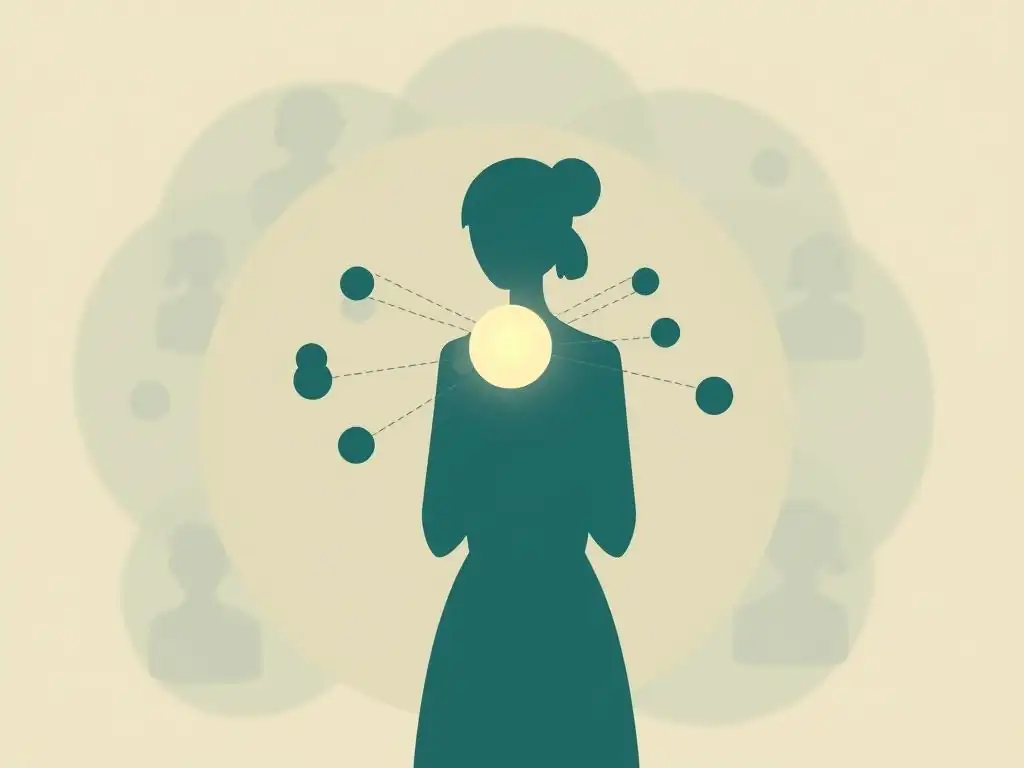
Establishing clear expectations for your online dating interactions is paramount to preventing addiction. This means defining what constitutes "healthy" engagement and sticking to it. For example, limit the number of dating apps you use, perhaps choosing just one or two that align best with your dating goals. Also, set time limits for each session. Instead of aimlessly scrolling for hours, allocate a specific amount of time – say, 30 minutes to an hour – to actively engage with the app.
After that time, close the app and switch to a different activity. Another crucial aspect is defining your interaction style. Will you only engage in brief exchanges, or will you allow longer conversations? Setting boundaries around responding to messages is also important. You might decide to respond only during specific times of the day or only to messages that genuinely pique your interest.
This prevents constant notification-driven engagement. Furthermore, be upfront about your expectations in your profile. If you're not looking for casual encounters, make that clear. This attracts like-minded individuals and reduces the likelihood of engaging in interactions that don't align with your goals. Remember, setting these expectations isn't about being rigid; it's about conscious decision-making to ensure your online dating experiences are enriching, not consuming.
Utilizing App Features to Manage Notifications and Time Spent
Most dating apps offer features designed to help manage your usage. Take advantage of them! Many apps allow you to customize notification settings. Turn off push notifications for likes, messages, or matches, especially during work hours or dedicated time away from the app. This helps minimize the constant distractions and allows you to focus on other aspects of your life.
Some apps also provide tools to track your time spent on the platform. Utilizing these features can provide valuable insights into your usage patterns, revealing areas where you might be overindulging. This data-driven approach promotes self-awareness, enabling you to make informed decisions about your online dating habits. Consider using the app's built-in timers or setting reminders to help you adhere to your predetermined time limits.
Experiment with different settings and find what works best for you. Remember, these app features are tools; their effectiveness depends on your commitment to using them strategically. Don't hesitate to explore the app's settings menu thoroughly – you might discover hidden features designed to promote responsible usage. By proactively utilizing these features, you take control of your online dating experience, transforming it from a potential addiction into a tool for meaningful connections.
Deleting or Deactivating Apps When Necessary
Feeling overwhelmed by the constant notifications and the pressure to maintain an active online dating presence? It's perfectly okay, and often beneficial, to take a break. Deleting or deactivating your dating apps isn't a sign of failure; it's a powerful tool for reclaiming control over your time and mental well-being. Many find that periods of disconnection allow them to gain clarity and perspective, returning to online dating with a renewed sense of purpose and healthier boundaries.
Consider setting specific timeframes for your app breaks. Perhaps a week-long hiatus after a particularly frustrating experience, or a month-long detox after a period of intense activity. These breaks aren't meant to be permanent, but rather strategic retreats to recalibrate your approach. During these breaks, focus on self-care activities: spend time with loved ones, pursue hobbies, or engage in activities that bring you joy and fulfillment. This helps to re-center your priorities and reminds you that your happiness doesn't solely depend on online dating success.
Remember, the goal isn't to eliminate online dating entirely, but to cultivate a healthier relationship with it. Think of app deactivation as a form of preventative maintenance—a way to avoid burnout and maintain a balanced approach. By periodically stepping away, you can return refreshed and with a renewed ability to approach online dating with intentionality and self-respect.
This act of self-regulation is a crucial component of establishing and maintaining healthy boundaries around online dating addiction. It's about prioritizing your overall well-being, recognizing your limits, and ultimately, increasing your chances of finding a fulfilling and meaningful connection. Don't underestimate the power of a digital detox in your journey towards a healthier relationship with online dating.
Techniques for Managing Online Dating Cravings
This section explores practical techniques to manage the intense cravings associated with online dating addiction, helping you regain control and find a healthy balance in your life. Understanding and implementing these strategies can significantly improve your well-being and increase your chances of forming genuine connections. We'll examine several approaches, focusing on mindfulness, healthy distractions, and the importance of social support. Remember, establishing healthy online dating addiction boundaries is a process requiring patience and self-compassion.
Mindfulness and Meditation Practices
Mindfulness and meditation are powerful tools for managing cravings and impulsive behaviors often associated with online dating addiction. By cultivating present moment awareness, you can interrupt the cycle of automatic, addictive behaviors. Instead of immediately reaching for your phone to check dating apps, you learn to pause, observe the craving, and choose a different response.
Several studies have shown the effectiveness of mindfulness-based interventions in reducing addictive behaviors. 1 These techniques help you become more aware of your triggers, emotional states, and the thoughts that precede the urge to engage in excessive online dating. This self-awareness is crucial for developing coping mechanisms.
For example, when feeling the urge to endlessly scroll through profiles, try a short mindfulness exercise: Focus on your breath, noticing the sensation of the air entering and leaving your body. Observe any physical sensations, such as tension in your shoulders or jaw. Gently acknowledge these sensations without judgment.
This simple practice can interrupt the automatic response and create space for a more conscious choice. Regular meditation practices, even for just 5-10 minutes daily, can significantly enhance your ability to manage cravings and cultivate a more balanced relationship with online dating. Consider incorporating guided meditations specifically designed for addiction recovery or stress reduction.
Example Mindfulness Exercise:
Find a quiet space. Sit comfortably with your spine straight. Close your eyes gently. Bring your attention to your breath. Notice the rise and fall of your chest or abdomen. If your mind wanders (and it will! ), gently guide your attention back to your breath. Continue this for 5-10 minutes. Notice any thoughts or feelings without judgment. Simply observe them and let them pass.
Engaging in Healthy Distractions and Hobbies
Replacing the time spent on online dating with healthy activities is crucial for managing cravings and preventing relapse. Engaging in hobbies you enjoy can provide a sense of accomplishment, boost your self-esteem, and help you disconnect from the constant stimulation of dating apps. Prioritize activities that bring you joy and fulfillment, fostering a sense of purpose beyond the pursuit of romantic relationships online.
Consider creating a list of activities you find enjoyable and rewarding. This could include anything from reading, painting, or playing a musical instrument to exercising, spending time in nature, volunteering, or pursuing a new skill. Schedule specific times for these activities, treating them with the same importance you might give to checking dating apps. The goal is to create a balanced lifestyle where online dating is just one aspect, not the dominant focus.
| Activity Category | Examples | Benefits |
|---|---|---|
| Creative | Painting, writing, playing music, photography | Stress reduction, self-expression, sense of accomplishment |
| Physical | Exercise, yoga, hiking, dancing | Improved physical and mental health, stress relief |
| Social | Spending time with friends and family, volunteering | Social connection, sense of belonging, purpose |
| Learning | Taking a class, reading, learning a new skill | Personal growth, increased knowledge, confidence boost |
This proactive approach to managing your time and energy helps you build resilience and reduces the likelihood of succumbing to cravings. Remember, establishing healthy boundaries around online dating is a journey, not a destination. Celebrate your progress and be patient with yourself during setbacks.
Connecting with Supportive Friends and Family
Building a strong support network is essential for overcoming online dating addiction. Sharing your struggles with trusted friends, family members, or a therapist can provide invaluable emotional support, accountability, and guidance. These individuals can offer encouragement, perspective, and practical strategies for managing your cravings and staying on track.
Open communication is key. Talking about your challenges can help you process your emotions, gain a fresh perspective, and feel less alone in your struggle. Consider joining a support group, either online or in person, where you can connect with others facing similar challenges. This shared experience can be incredibly validating and empowering.
A therapist specializing in addiction or relationship issues can provide personalized guidance and support tailored to your specific needs and circumstances. They can help you identify underlying issues contributing to your addictive behavior and develop strategies for long-term recovery. Remember, seeking professional help is a sign of strength, not weakness. Prioritizing your mental and emotional well-being is crucial for building healthy relationships, both online and offline.
1 [Specific study information pending]
Seeking Professional Help When Needed (Therapy, Counseling)
Online dating, while offering exciting possibilities for connection, can also become a source of significant stress and even addiction. If you find yourself struggling to control your online dating usage despite negative consequences – impacting your sleep, work, relationships, or mental health – seeking professional help is a crucial step. A therapist specializing in addiction or behavioral health can provide valuable support and guidance. They can help you identify the underlying reasons for your compulsive online dating behavior, perhaps uncovering issues like loneliness, low self-esteem, or anxiety that you're trying to address through constant engagement with dating apps.
Therapy offers a safe space to explore these deeper issues without judgment. Cognitive Behavioral Therapy (CBT) is often effective in treating addiction, helping individuals identify and change negative thought patterns and behaviors associated with their online dating habits. Through CBT, you can learn techniques to manage cravings, identify triggers, and develop healthier coping mechanisms. Moreover, a therapist can help you establish realistic expectations about online dating, separating the idealized version often portrayed in popular culture from the reality of building genuine connections.
Remember, seeking professional help is a sign of strength, not weakness, and it demonstrates a commitment to your well-being. Many therapists offer online sessions, making it convenient to access support from the comfort of your own home. Don't hesitate to reach out if you feel overwhelmed or unable to manage your online dating usage on your own. Your mental health is paramount.
Practicing Self-Compassion and Forgiveness
The journey to managing online dating addiction isn't always linear. There will be setbacks and moments where you might relapse into old patterns. Crucially, it's vital to approach these moments with self-compassion rather than self-criticism. Harsh self-judgment only exacerbates feelings of guilt and shame, making it harder to stay committed to your goals. Instead, acknowledge that setbacks are a normal part of the process. Treat yourself with the same kindness and understanding you would offer a friend struggling with a similar challenge.
Forgiveness is another critical aspect of self-compassion. Forgive yourself for past behaviors and lapses in judgment. Dwelling on past mistakes prevents you from moving forward and focusing on positive change. Remember that you are not defined by your struggles; you are capable of growth and transformation.
Practice self-forgiveness by acknowledging your imperfections, learning from your mistakes, and focusing on making healthier choices in the future. This involves actively choosing self-care activities that nurture your well-being, such as spending time in nature, engaging in hobbies you enjoy, or connecting with supportive friends and family. Remember, progress, not perfection, is the key to overcoming online dating addiction and building a healthier relationship with yourself and the online dating world. Celebrate your successes, no matter how small, and continue to move forward with self-compassion and understanding.
Maintaining Balance: Integrating Online Dating into a Fulfilling Life
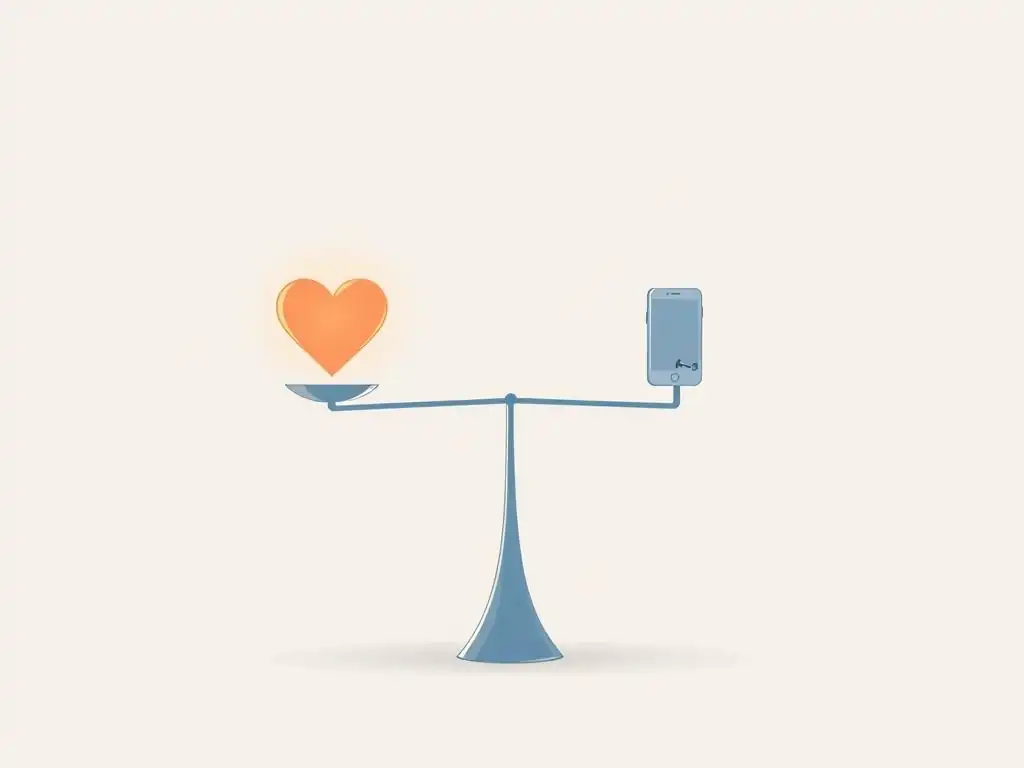
This section focuses on strategies to prevent online dating from consuming your life and to ensure it complements, rather than replaces, other vital aspects of your well-being. Successfully navigating the world of online dating requires establishing and maintaining healthy boundaries. It's about finding a balance – enjoying the process of meeting new people while prioritizing your overall happiness and personal growth. Ignoring this balance can easily lead to online dating addiction, negatively impacting your mental health and relationships. Let's explore practical steps to achieve this equilibrium.
Over-reliance on online dating can lead to social isolation. It's crucial to maintain a vibrant social life outside the digital realm. Actively engaging in activities you enjoy, with friends and family, provides a crucial counterbalance to the sometimes-consuming nature of online dating. This isn't just about filling your calendar; it's about nourishing your social and emotional well-being.
Consider scheduling regular time with loved ones. This could be a weekly coffee date, a monthly game night, or even just a phone call to check in. These interactions provide valuable human connection, reducing the urge to constantly check dating apps for messages.
Remember those hobbies you’ve neglected? Reignite your passion for painting, joining a book club, taking a dance class, or volunteering. These activities not only offer a fulfilling alternative to online dating but also boost self-esteem and provide opportunities to meet people organically. Think of it as proactively building a rich, offline social network that supports your overall happiness.
Focusing on Self-Care and Personal Growth
Self-care is paramount in preventing online dating from becoming an unhealthy obsession. When we neglect our physical and mental well-being, we're more prone to seeking validation and escape through external sources, including online dating. Prioritizing self-care helps establish healthy boundaries.
This involves establishing a routine that incorporates regular exercise, a balanced diet, sufficient sleep, and mindfulness practices like meditation or yoga. These practices reduce stress and improve emotional regulation, making you less susceptible to the addictive aspects of online dating. Furthermore, engaging in activities that promote personal growth, such as learning a new skill or pursuing a professional goal, fosters self-confidence and reduces dependence on external validation.
Think of it this way: a strong sense of self makes you less reliant on online dating for self-worth. Investing in yourself strengthens your boundaries and prevents online dating from becoming a crutch. The goal is to feel fulfilled and content independently of romantic relationships.
Cultivating Healthy Relationships Offline
While online dating can be a valuable tool for meeting potential partners, it shouldn't be your sole focus. Building meaningful relationships offline is crucial for a balanced life. These relationships provide support, companionship, and a sense of belonging that online interactions often lack.
Actively engage in activities that naturally bring you into contact with like-minded individuals. Consider joining a sports team, participating in community events, or attending workshops related to your interests. These environments offer opportunities for genuine connection, fostering healthy relationships that enrich your life beyond the digital world.
Remember, healthy relationships are built on mutual respect, trust, and shared interests, not just on fleeting online connections. Focus on nurturing these offline relationships, and you’ll find that your online dating experience becomes more balanced and fulfilling, reducing the risk of developing an unhealthy dependence. Prioritizing these real-world connections offers a natural safeguard against the pitfalls of online dating addiction.
Setting Realistic Expectations for Online Dating Success
Online dating, while offering exciting possibilities for connection, can easily become all-consuming. Many fall into the trap of believing that their ideal partner is just a swipe away, leading to disappointment and frustration when reality doesn't match this idealized vision. Setting realistic expectations is crucial in preventing online dating addiction and maintaining a balanced life. This means understanding that not every match will lead to a long-term relationship, and that rejection is a normal part of the process. It's important to remember that building genuine connections takes time and effort, both online and offline.
Don't get discouraged by a few unsuccessful dates or lack of immediate responses. Focus on building your profile authentically, engaging in meaningful conversations, and prioritizing quality interactions over quantity. Remember, the goal isn't to find "the one" immediately, but to meet interesting people and potentially form meaningful connections along the way. A healthy approach involves setting smaller, achievable goals, such as having a certain number of engaging conversations each week, rather than fixating on finding a partner quickly.
Celebrate small victories and learn from setbacks without allowing them to derail your progress or overall well-being. This balanced approach helps prevent the addictive cycle of constantly seeking validation through superficial interactions. Think of it like a marathon, not a sprint. Pace yourself and enjoy the journey!
Recognizing the Importance of Offline Relationships
While online dating expands your pool of potential partners, it shouldn't overshadow the significance of your existing offline relationships. Maintaining strong bonds with family and friends is essential for a fulfilling life and acts as a powerful buffer against online dating addiction. These relationships offer unconditional support, a sense of belonging, and a balanced perspective that online interactions often lack. When your online dating experience becomes overwhelmingly negative or time-consuming, your offline support system can provide the much-needed emotional grounding and perspective to help you re-evaluate your approach.
Prioritizing time with loved ones provides a necessary break from the constant stimulation and potential disappointments of the online dating world. Engaging in activities you enjoy with friends and family helps maintain a healthy sense of self and prevents you from becoming overly reliant on validation from online interactions. Remember, true happiness isn't solely dependent on romantic relationships.
Nurturing your existing relationships strengthens your overall well-being and provides a robust foundation for a balanced life, making you a more well-rounded and attractive individual, both online and offline. Think of your offline relationships as your anchor in the sometimes turbulent waters of online dating. They provide stability, support, and a crucial perspective that helps you navigate the online world with greater clarity and emotional resilience.
When to Seek Professional Help for Online Dating Addiction
Online dating, while offering exciting possibilities for connection, can unfortunately become addictive for some. Recognizing the signs of problematic online dating behavior is crucial for maintaining well-being and preventing negative consequences. This section focuses on identifying when seeking professional help is necessary to establish healthy online dating addiction boundaries. Ignoring warning signs can lead to a downward spiral, impacting various aspects of your life. Knowing when to seek support is a sign of strength, not weakness.
Persistent Feelings of Loss of Control
A key indicator of potential addiction is a persistent feeling of losing control over your online dating habits. This isn't just about spending a lot of time on dating apps; it's about the feeling of compulsion. Do you find yourself constantly checking dating apps, even when you've promised yourself you wouldn't? Do you feel an overwhelming urge to respond to messages immediately, regardless of the time or context?
Do you feel anxious or irritable when you can't access your dating profiles? These are all potential red flags. For example, imagine someone neglecting their work responsibilities because they're engrossed in online dating, repeatedly missing deadlines due to constant app checking.
This persistent feeling of being unable to stop, despite negative consequences, signifies a need for professional intervention. The inability to regulate one's behavior, despite clear awareness of the negative impact, is a hallmark of addiction. Consider keeping a journal to track your online dating usage and emotional responses; this can be a valuable tool in identifying patterns and triggers.
Significant Negative Impact on Daily Life
Online dating addiction doesn't exist in isolation. Its impact ripples out, affecting various aspects of your life. Are you neglecting your responsibilities at work, school, or home due to excessive online dating? Is your physical or mental health suffering?
Are you isolating yourself from friends and family in favor of virtual interactions? Are your finances strained due to spending on dating apps or related activities? These are all signs of a significant negative impact. For instance, a person might consistently miss family dinners or important social events because they're preoccupied with online dating, leading to strained relationships and feelings of isolation.
The severity of the impact is a crucial factor in determining the necessity of professional help. A significant deterioration in multiple life areas strongly suggests the need for expert guidance in establishing healthy online dating boundaries. It's important to remember that seeking help isn't a sign of failure; it's a proactive step towards regaining control and improving your overall well-being.
Inability to Set and Maintain Boundaries Independently
Even with the best intentions, setting and maintaining healthy boundaries around online dating can be challenging. If you've repeatedly attempted to limit your usage but consistently fail, it's a strong indication that you may need professional assistance. This isn't about a lack of willpower; it's about recognizing that underlying patterns and psychological factors might be contributing to the problem.
For example, someone might try to limit their daily app usage to 30 minutes, but repeatedly finds themselves exceeding that limit, despite the negative consequences. They might understand the need for boundaries but struggle to implement and stick to them consistently. This persistent inability to self-regulate, even with conscious effort, highlights the potential benefits of seeking professional guidance.
A therapist can help identify the root causes of the addictive behavior and develop effective coping mechanisms and strategies for setting and maintaining healthy online dating boundaries. They can provide tools and techniques to help you manage impulses and regain control over your online dating habits. Remember, seeking help is a sign of strength and a crucial step towards a healthier and more balanced life.
Co-occurring Mental Health Conditions
Online dating addiction rarely exists in isolation. It often co-occurs with other mental health conditions, significantly complicating the situation and demanding a more holistic approach to treatment. For example, individuals struggling with anxiety or depression may turn to online dating as a temporary escape or a means of seeking validation. The constant pursuit of connection and the potential for rejection inherent in online dating can exacerbate existing anxieties, leading to a vicious cycle.
Similarly, the dopamine rush associated with receiving matches or messages can become a maladaptive coping mechanism for those managing depression, creating a dependence that further hinders their mental well-being. This isn't to say that everyone who uses online dating to cope with mental health struggles has an addiction, but the correlation is significant and requires careful consideration. Understanding the interplay between online dating addiction and pre-existing conditions is crucial for effective intervention. A comprehensive assessment by a mental health professional is vital in these instances to accurately diagnose and address both the addiction and the underlying mental health concerns.
Treatment might involve therapy tailored to both conditions, medication to manage symptoms of the co-occurring disorder, and support groups specifically addressing the challenges faced by individuals with co-occurring mental health issues and online dating addiction. Ignoring the underlying mental health factors can render treatment for the online dating addiction ineffective, highlighting the importance of a holistic and integrated approach. Many individuals find that addressing the root causes of their addictive behaviors—such as low self-esteem, loneliness, or trauma—through therapy is a key component of long-term recovery. This integrated approach ensures a more comprehensive and sustainable solution to the overall problem.
Frequently Asked Questions
How can I tell if my online dating habits are becoming addictive?
Spending excessive time on dating apps, neglecting other aspects of your life (work, relationships, hobbies), and experiencing withdrawal symptoms when you can't access them are all signs of potential addiction. Consider seeking help if it's significantly impacting your well-being.
What are some healthy boundaries to set around online dating?
Establish time limits for app usage, designate specific days and times for online dating, and avoid using apps in situations where it could be distracting (e.g., during work or social events). Prioritize self-care and other important life commitments.
How do I manage the emotional rollercoaster of online dating?
Remember that rejection is a normal part of the process. Focus on self-compassion and avoid taking things personally. Maintain a healthy balance between online and offline interactions, building real-life connections.
Is it possible to use online dating without becoming addicted?
Yes! Mindful usage, setting clear boundaries, and focusing on building genuine connections rather than chasing validation or instant gratification can help prevent addiction. Treat it as a tool, not a primary source of fulfillment.
Where can I find support if I'm struggling with online dating addiction?
Consider reaching out to a therapist or counselor specializing in behavioral addictions. Support groups or online resources can also provide valuable tools and strategies for managing your online dating habits and establishing healthy boundaries.
Final Reflection: Reclaiming Your Life from the Scroll
The pervasive nature of online dating, coupled with its addictive potential, presents a significant challenge to mental well-being in the digital age. It's no longer a fringe issue; the constant notifications, the endless swiping, and the pursuit of validation are impacting millions, blurring the lines between healthy engagement and unhealthy obsession. We need to actively address this growing concern.
The insidious creep of online dating addiction into our lives is undeniable. It subtly chips away at our self-esteem, our time, and our relationships with the real world. The opposite of addiction is not sobriety, it's connection.
This quote highlights the crucial need to find fulfilling connections offline, to cultivate genuine relationships that nourish the soul rather than the ego. The article's exploration of setting boundaries isn't just about managing screen time; it's about reclaiming our lives and prioritizing authentic human connection.
You now possess the tools to navigate the complexities of online dating responsibly. Consider the boundaries you've established, and reflect on how they serve you. Are you prioritizing your well-being? Are you fostering genuine connections, both online and offline? Take a moment to reassess your relationship with online dating, and remember that true fulfillment lies not in the endless scroll, but in the meaningful connections you cultivate in the real world. Begin today, and reclaim your life from the scroll.
Reclaim Your Time: Step Towards a Healthier Dating Life
Thank you for exploring the complexities of online dating and finding a healthier balance. We hope you gained valuable insights into setting boundaries and reclaiming your time. Now, let's put those insights into action!
- Prioritize a digital detox: Schedule daily time away from dating apps—even just 30 minutes—to focus on other activities you enjoy. This is crucial for regaining control.
- Share your experience: Tell a friend or family member about your plans to set boundaries and ask for their support. Their encouragement can be invaluable.
- Explore alternative activities: Identify hobbies or activities that bring you joy and actively schedule time for them. This helps create a fulfilling life beyond online dating.
What small step will you take today to improve your relationship with online dating and enhance your overall well-being?