
Setting Boundaries Around Emotional Labor in Online Dating


Tired of feeling drained after navigating the world of online dating? You're not alone. At OnlineDatingSuccess.org, we understand the emotional toll it can take. This is why we’re diving deep into the crucial topic of online dating emotional labor boundaries. Discover practical strategies to protect your energy and attract genuine connections—learn how to set healthy boundaries and reclaim your time and emotional well-being. Ready to transform your online dating experience? Let's get started!
- Understanding Emotional Labor in Online Dating
-
Setting Healthy Boundaries: Practical Strategies
- Communicating Your Needs and Expectations Clearly
- Saying "No" Without Guilt or Hesitation
- Establishing Time Limits for Online Interactions
- Setting Boundaries Around Specific Behaviors (e.g., constant messaging, excessive demands)
- Recognizing and Addressing Emotional Labor Imbalance
- Establishing Clear Communication Styles and Expectations
- Protecting Your Emotional Well-being
- Navigating Difficult Conversations and Situations
- Maintaining Boundaries and Long-Term Relationships
- The Benefits of Setting Boundaries in Online Dating
-
Frequently Asked Questions
- What is emotional labor in online dating?
- How can I set boundaries around my emotional labor in online dating?
- What if someone violates my boundaries in online dating?
- How can I avoid burnout from emotional labor in online dating?
- Is it okay to be upfront about my need for boundaries in my online dating profile?
- Final Reflection: Reclaiming Your Energy in the Digital Dating World
- Unleash Your Dating Power: Set Healthy Boundaries Now
Understanding Emotional Labor in Online Dating
Navigating the world of online dating can be exhilarating, filled with the potential for connection and romance. However, it's crucial to acknowledge the often-unseen aspect of emotional labor involved. This article delves into the complexities of emotional labor within the online dating sphere, providing practical strategies for setting healthy boundaries and fostering balanced relationships.
We'll explore how to recognize the signs of excessive emotional labor, understand its impact on your well-being, and ultimately, define your personal limits to protect your emotional health while seeking meaningful connections. Successfully managing emotional labor is key to a positive and fulfilling online dating experience, preventing burnout and ensuring you attract partners who value your emotional well-being as much as you value theirs.
This is particularly important given the unique dynamics of online interactions, where misinterpretations and emotional imbalances can easily arise. Mastering the art of setting boundaries around emotional labor will not only enhance your online dating journey but also improve your overall relationship dynamics in the long run.
Recognizing the Signs of Excessive Emotional Labor
Feeling drained after online interactions is a common experience, but excessive emotional labor goes beyond simple tiredness. It manifests in several ways. Are you consistently the one initiating conversations? Do you find yourself constantly reassuring potential partners, managing their emotional states, or anticipating and addressing their needs before they are even voiced? Do you spend hours crafting the perfect messages, only to receive minimal or delayed responses? These are all potential signs that you're shouldering more emotional work than is healthy or sustainable. Consider this scenario: You spend hours meticulously crafting a thoughtful and engaging profile, only to receive superficial messages in return. You then find yourself analyzing these messages, trying to decipher their meaning and attempting to maintain the conversation despite the lack of reciprocation. This is a clear indicator of an imbalance in emotional labor. Another red flag is feeling responsible for the emotional well-being of someone you barely know.
Remember, healthy relationships are built on mutual effort and respect. A constant feeling of needing to "fix" or "manage" someone's emotions is a significant warning sign. It’s important to distinguish between genuine empathy and carrying an undue burden of emotional labor. Empathy involves understanding another person's feelings, while excessive emotional labor involves taking on their emotional burden disproportionately. Keep a journal to track your feelings and interactions. Note instances where you felt emotionally drained or manipulated. This will help you identify patterns and triggers.
The Impact of Unbalanced Emotional Investment in Online Dating
The consequences of consistently engaging in unbalanced emotional labor in online dating can be significant. Prolonged exposure can lead to emotional exhaustion, burnout, and even feelings of resentment toward potential partners. This can manifest as decreased self-esteem, anxiety, and a reluctance to engage in online dating altogether. Think about it: Constantly putting your emotional energy into conversations that yield little return is not only exhausting but also detrimental to your mental health.
It can lead to feelings of frustration and disillusionment with the entire online dating process. The impact extends beyond the immediate interactions. Unbalanced emotional investment can affect your ability to form healthy relationships offline as well, as you may carry these patterns into other areas of your life. This can lead to choosing partners who perpetuate this imbalance, creating a cycle of emotional depletion.
Moreover, neglecting your own emotional needs while prioritizing others can leave you feeling undervalued and unappreciated. It's essential to recognize that prioritizing your emotional well-being is not selfish; it's crucial for maintaining a healthy and fulfilling life. Prioritizing self-care and setting boundaries is not only beneficial for your mental health but also attracts partners who value reciprocity and mutual respect.
Identifying Your Personal Emotional Labor Thresholds
Understanding your personal boundaries is paramount to managing emotional labor effectively. What constitutes "too much" emotional labor is subjective and varies from person to person. Reflect on past relationships, both online and offline. What patterns emerge? When did you feel overwhelmed or taken advantage of? Identifying these instances can help you define your emotional limits.
Consider creating a list of non-negotiables in your online dating interactions. For example, you might decide that you won't engage in lengthy conversations with someone who consistently provides minimal responses or doesn't reciprocate your efforts. You might also decide to limit the amount of time you spend messaging before moving to a video call or in-person meeting. It's crucial to remember that setting boundaries is not about being unkind; it’s about protecting your well-being and ensuring you’re in a relationship where your emotional needs are met. Furthermore, clearly communicating your boundaries is essential.
This might involve stating directly what you need or what you're not willing to tolerate. For example, you might say, "I value open and honest communication, and I need to feel that my time and energy are reciprocated." Remember, healthy relationships are built on mutual respect and understanding. By setting clear boundaries, you're not only protecting yourself from emotional exhaustion but also attracting partners who value and respect your emotional needs. This proactive approach is essential for a fulfilling and sustainable online dating experience.
Setting Healthy Boundaries: Practical Strategies

This section focuses on developing practical strategies for managing emotional labor in online dating. It's crucial to remember that establishing boundaries isn't about being unkind; it's about self-preservation and ensuring your emotional well-being. By implementing these strategies, you'll create a healthier and more fulfilling online dating experience. Remember, you deserve to be treated with respect and consideration, and setting boundaries is a key step towards achieving that. Prioritizing your emotional health in the often-demanding world of online dating is not selfish; it's essential for a positive outcome.
Communicating Your Needs and Expectations Clearly
Effective communication is the cornerstone of healthy relationships, both online and offline. In online dating, this means clearly articulating your needs and expectations from the outset. Avoid ambiguity; directness can prevent misunderstandings and wasted time. For example, if you're looking for a long-term relationship, state this explicitly in your profile and during initial conversations. Don't assume others will understand your intentions; explicitly communicate them. This reduces the chance of mismatched expectations and emotional distress later on.
Consider using phrases like:
- "I'm looking for a serious relationship."
- "I value honesty and open communication."
- "I'm not interested in casual dating."
- "My ideal partner is..." (followed by specific qualities).
Remember to be receptive to your date's communication as well. Pay attention to their words and actions, and don't hesitate to address any inconsistencies or concerns. Open and honest dialogue is key to building trust and mutual respect. The more transparent you are about your needs and expectations, the better equipped you are to avoid unnecessary emotional investment in incompatible matches. This proactive approach minimizes the emotional labor you expend on potentially fruitless interactions.
Saying "No" Without Guilt or Hesitation
Learning to say "no" is a vital boundary-setting skill. It empowers you to protect your time, energy, and emotional well-being. Many people struggle with saying "no" due to societal pressures or a fear of disappointing others. However, in online dating, saying "no" is often necessary to protect yourself from draining interactions. Practice assertive communication, expressing your needs directly and respectfully.
Here are some examples of assertive "no" statements:
- "Thank you for the invitation, but I'm not available that evening."
- "I appreciate your interest, but I don't feel a romantic connection."
- "I'm not comfortable with that request."
- "I need some time to myself."
Remember, saying "no" doesn't require lengthy explanations. A simple, polite refusal is perfectly acceptable. Don't feel pressured to justify your decisions; your feelings and needs are valid. Prioritizing your emotional well-being doesn't make you rude; it makes you self-aware and responsible for your emotional health. Embrace the freedom that comes with setting boundaries and saying "no" without guilt. This is a powerful tool for managing emotional labor and protecting your energy.
Establishing Time Limits for Online Interactions
Online dating can be time-consuming, and setting time limits is a crucial boundary. Determine how much time you're willing to dedicate each day or week to online dating, and stick to it. This prevents burnout and ensures you're not disproportionately investing your emotional energy in a potentially unfulfilling pursuit. Consider using timers or scheduling specific times for online dating activities.
For example:
- "I will only check dating apps for 30 minutes each evening."
- "I will limit my conversations to one hour per day."
- "I will take a break from online dating for one week every month."
These time limits help you maintain balance and prevent online dating from consuming your entire life. Remember that online dating is a tool to help you find a partner, not the sole focus of your existence. Setting these boundaries helps to create a healthier relationship with the online dating process itself, reducing the emotional toll and increasing your chances of finding a compatible match. Regularly evaluate your time limits and adjust them as needed, ensuring they align with your overall well-being and goals. This proactive approach allows you to manage your emotional labor effectively and prioritize your mental health.
Setting Boundaries Around Specific Behaviors (e.g., constant messaging, excessive demands)
Online dating often involves a delicate balance between showing interest and respecting personal space. One of the biggest challenges in establishing healthy boundaries revolves around managing specific behaviors that can quickly become overwhelming. Constant messaging, for example, can be a major source of stress. While initial enthusiasm is understandable, incessant texting or messaging throughout the day can feel intrusive and suffocating.
A healthy boundary might involve setting expectations early on about response times. Instead of feeling obligated to reply instantly, you can communicate your preference for responding at specific times of the day or within a reasonable timeframe. This allows you to maintain a sense of control over your time and energy without appearing disinterested. Remember, responding promptly doesn't equate to being available 24/7.
Excessive demands are another area where boundaries are crucial. This can manifest in various ways, from expecting immediate commitment to pressuring you to share personal information prematurely. It's vital to recognize that you are not obligated to meet anyone's expectations, especially those that compromise your comfort level or personal values. For instance, if someone repeatedly pushes for a meeting despite your expressed preference to wait, it's perfectly acceptable to politely but firmly assert your boundary.
Similarly, you are entitled to control the pace of information sharing. You don't have to reveal intimate details of your life until you feel comfortable and secure in the relationship. Setting these boundaries prevents you from feeling used or pressured, helping you maintain your sense of self-worth and agency within the online dating landscape.
Remember, healthy relationships are built on mutual respect and understanding, not on compromising your personal needs and values. Saying "no" is a powerful tool for self-preservation and a sign of healthy boundary-setting in online dating. Learning to say "no" effectively protects your emotional well-being and attracts partners who respect your limits.
Recognizing and Addressing Emotional Labor Imbalance
Emotional labor in online dating often manifests as one person consistently doing more work to maintain communication and engagement. This might involve initiating conversations, suggesting dates, or constantly making plans. This imbalance can be emotionally draining and unsustainable, leaving one person feeling resentful and the other potentially oblivious. Recognizing this imbalance is the first step towards addressing it. Pay attention to the dynamics of your interactions.
Are you consistently the one reaching out? Do you feel like you're carrying the weight of maintaining the connection? If so, it's a clear indication that an emotional labor imbalance exists. This isn't about blame, but rather about acknowledging the uneven distribution of effort.
Addressing the imbalance requires open and honest communication. You might gently express your feelings, highlighting that you appreciate the connection but need a more balanced exchange of effort. This could involve suggesting that your partner take the initiative in planning a date or initiating conversations occasionally. It's crucial to approach this conversation with empathy and understanding, acknowledging that the imbalance might not be intentional.
The goal isn't to create a rigid 50/50 split, but rather to foster a more reciprocal and mutually supportive dynamic. If the imbalance persists despite your attempts at communication, it might be a sign that the relationship isn't the right fit, and setting a boundary might mean stepping away to protect your emotional well-being. Remember, healthy relationships involve shared responsibility and mutual effort, not one person consistently carrying the emotional load. Prioritizing your emotional health is key to navigating online dating successfully.
Establishing Clear Communication Styles and Expectations
Effective communication is the cornerstone of any healthy relationship, and online dating is no exception. Setting clear communication styles and expectations from the outset helps prevent misunderstandings and potential conflict later on. This involves openly discussing your preferred communication methods (text, email, calls), frequency, and response times. For example, you might prefer texting for quick updates but reserve calls for more in-depth conversations.
This helps manage expectations and prevents misunderstandings. Also, clearly stating your preferences for how much personal information you are willing to share, and when, is vital. This can range from avoiding sensitive topics early in the relationship to establishing boundaries around sharing photos or videos.
Furthermore, it’s crucial to establish expectations around the level of commitment and effort you’re willing to invest at various stages of the online dating process. This might involve explicitly stating your expectations regarding exclusivity, frequency of dates, or even simply how quickly you’re willing to move to an in-person meeting. This proactive communication minimizes the possibility of disappointment or conflict arising from mismatched expectations.
Remember, clear communication isn't just about stating your preferences; it's also about actively listening to your partner's communication style and preferences. Building a strong foundation of mutual understanding and respect through open and honest communication lays the groundwork for a more fulfilling and less stressful online dating experience. Effective communication prevents misunderstandings and fosters mutual respect, ensuring a healthier and more enjoyable online dating journey.
Protecting Your Emotional Well-being

This section focuses on safeguarding your emotional health within the often-demanding landscape of online dating. Navigating the complexities of profiles, messaging, and potential dates requires significant emotional investment. Understanding how to protect yourself is crucial for a positive and sustainable online dating experience. The key is to proactively establish and maintain healthy boundaries, preventing emotional exhaustion and fostering a more fulfilling journey. Ignoring your emotional needs can lead to burnout and a negative perception of online dating. Prioritizing your well-being should be a non-negotiable aspect of your online dating strategy.
Prioritizing Self-Care in Online Dating
Self-care isn't a luxury; it's a necessity, especially when engaging in the emotionally charged world of online dating. It's about actively nurturing your physical and mental health to build resilience against potential setbacks. This means incorporating practices that replenish your energy and emotional reserves. Consider these examples:
- Regular Exercise: Physical activity releases endorphins, improving mood and reducing stress. Aim for at least 30 minutes of moderate-intensity exercise most days of the week. Even a short walk can make a difference! 🚶♀️
- Mindfulness and Meditation: These practices help you manage stress and anxiety by focusing on the present moment. Even 5-10 minutes a day can significantly improve your emotional regulation. 🧘♀️
- Sufficient Sleep: Aim for 7-8 hours of quality sleep per night. Adequate rest is essential for emotional well-being and helps you approach online dating with a clearer mind. 😴
- Healthy Diet: Nourishing your body with a balanced diet provides the energy you need to cope with the emotional demands of online dating. Avoid excessive caffeine and alcohol, which can exacerbate stress and anxiety. 🍎
- Hobbies and Interests: Make time for activities you enjoy outside of online dating. This helps you maintain a sense of self and prevents your identity from becoming solely defined by your dating experiences. 🎸
Recognizing and Managing Online Dating Burnout
Online dating burnout is a real phenomenon, characterized by exhaustion, cynicism, and a sense of inefficacy. It often arises from investing excessive emotional energy without receiving adequate reciprocation. Recognizing the signs is the first step towards managing it. Common symptoms include:
- Feeling overwhelmed and drained after interacting with dating profiles or messages.
- Experiencing increased irritability and frustration.
- Losing interest in online dating altogether.
- Feeling hopeless about finding a meaningful connection.
- Neglecting other aspects of your life due to excessive focus on online dating.
If you identify with these symptoms, it's crucial to take a step back. Consider taking a break from online dating entirely, focusing on self-care, and reassessing your approach. Perhaps you need to adjust your expectations, refine your profile, or change your dating strategy. Remember, it's okay to prioritize your mental health over the pursuit of a relationship.
Building a Supportive Network for Emotional Support
Having a strong support network is crucial for navigating the ups and downs of online dating. Surrounding yourself with people who understand and empathize with your experiences can significantly reduce feelings of isolation and loneliness. This network could include:
- Close Friends and Family: Share your experiences (without oversharing) and seek their advice and encouragement.
- Therapist or Counselor: A professional can provide guidance and support in managing the emotional challenges of online dating.
- Online Support Groups: Connecting with others who are navigating similar experiences can create a sense of community and shared understanding.
Remember, establishing emotional boundaries in online dating is not about shutting yourself off; it's about protecting your well-being so you can approach dating with greater emotional resilience and a clearer perspective. Prioritizing your mental health ensures a more positive and sustainable online dating journey. By incorporating self-care, recognizing burnout, and building a supportive network, you can navigate the online dating world with greater confidence and emotional strength.
Seeking Professional Help When Needed
Online dating, while offering exciting possibilities, can also be emotionally taxing. The constant swiping, messaging, and navigating the complexities of building connections can lead to burnout and emotional exhaustion, especially if you're facing repeated rejection or encountering disrespectful behavior. Recognizing when you need professional help is a crucial step in protecting your emotional well-being. It's not a sign of weakness; rather, it's a sign of self-awareness and a commitment to your mental health.
Many therapists and counselors specialize in relationship dynamics and the unique challenges of online dating. They can provide a safe and supportive space to process your experiences, identify unhealthy patterns, and develop coping mechanisms. A therapist can help you unpack the emotional toll of negative interactions, such as ghosting or being subjected to unsolicited explicit content. They can also assist in developing healthier communication strategies and setting clearer boundaries, both online and offline.
Consider seeking professional help if you find yourself consistently experiencing:
- Persistent feelings of anxiety or depression related to online dating.
- Difficulty managing negative emotions associated with rejection or online interactions.
- A noticeable impact on your daily life, such as sleep disturbances, changes in appetite, or decreased productivity.
- A feeling of being overwhelmed or unable to cope with the emotional demands of online dating.
- A pattern of engaging in unhealthy coping mechanisms, such as excessive drinking or social media use.
Remember, your mental health is paramount. Prioritizing your well-being is not selfish; it's essential for navigating online dating and life in general. A therapist can provide valuable tools and support to help you manage the emotional labor involved in online dating and build healthier relationships, both online and offline. Seeking professional help is an act of self-care, empowering you to approach online dating with greater resilience and emotional intelligence. Don't hesitate to reach out for support when you need it; your emotional well-being is worth it.
Online dating, while offering exciting possibilities, frequently presents scenarios requiring assertive boundary setting. Successfully navigating these situations hinges on clear communication and a firm understanding of your personal limits. This section will explore strategies to handle challenging interactions, focusing on the emotional labor often involved in online dating. Mastering these skills is crucial for maintaining your well-being and attracting respectful partners.
Addressing Unhealthy Communication Patterns
Unhealthy communication patterns are a significant source of emotional labor in online dating. These patterns can manifest in various forms, including excessive messaging, demanding immediate responses, controlling behavior, or attempts to manipulate your emotions. Recognizing these patterns early is vital. For example, if someone consistently sends multiple messages without allowing you time to respond, this could be a red flag. Similarly, if a potential partner becomes angry or accusatory when you don't immediately agree to their requests, this indicates a lack of respect for your boundaries.
Addressing these patterns requires direct, yet empathetic, communication. Consider using "I" statements to express your feelings without placing blame. For instance, instead of saying, "You're messaging too much," try, "I feel overwhelmed when I receive so many messages at once. Could we communicate at a more moderate pace?" Setting clear expectations about response times and communication styles is crucial. It's perfectly acceptable to say, "I typically check messages once a day.
Please understand that I may not respond immediately." Remember, your time and emotional energy are valuable resources. Don't hesitate to disengage from conversations that feel draining or disrespectful. Prioritizing your well-being is paramount. The goal is not to "fix" the other person, but to protect yourself from their unhealthy behaviors.
Setting Boundaries with Individuals Who Disrespect Your Limits
Even with clear communication, some individuals may persistently disregard your boundaries. This could involve ignoring your requests for space, continuing to contact you after you've expressed disinterest, or violating your personal preferences. It's crucial to understand that this behavior is not your fault; it reflects the other person's inability to respect your autonomy. The key here is to firmly, yet politely, reassert your boundaries. Repeating your limits clearly and concisely is essential. If they continue to ignore your boundaries despite your clear communication, it's time to take decisive action. This may involve blocking their number, unmatching on the dating app, or reporting their behavior to the platform if appropriate. Remember, your safety and emotional well-being are paramount. Don't tolerate behavior that makes you feel uncomfortable or unsafe. Prioritizing your emotional health over appeasing someone who disrespects your boundaries is a sign of self-respect. This can significantly reduce your emotional labor.
Dealing with Rejection and Ghosting in a Healthy Way
Rejection and ghosting are unfortunately common experiences in online dating. These situations can be emotionally challenging, leading to feelings of self-doubt, confusion, and even anger. However, it's important to remember that rejection rarely reflects on your worth as a person. It often stems from the other person's personal circumstances, preferences, or insecurities, not a deficiency in you. Dealing with rejection healthily involves self-compassion and self-care.
Allow yourself to feel your emotions without judgment. Talk to a trusted friend or family member for support. Engage in activities that bring you joy and help you relax. Avoid dwelling on the rejection or trying to analyze it excessively. Focus on your self-worth and remember that you deserve respect and healthy relationships.
Ghosting, in particular, is often a reflection of the other person's immaturity or inability to communicate directly. While painful, it's important not to take it personally. Remember, you deserve better than someone who can't communicate respectfully. Concentrate your energy on finding someone who values open and honest communication. This proactive approach will minimise the negative emotional impact of online dating and reduce unnecessary emotional labor.
Disengaging from Toxic Online Interactions
Online dating, while offering exciting possibilities, can unfortunately expose you to negativity and toxicity. Learning to disengage from these harmful interactions is crucial for protecting your emotional well-being and maintaining a positive online dating experience. This doesn't mean ignoring all criticism or feedback; constructive criticism can be valuable. However, toxic interactions are characterized by consistent negativity, aggression, disrespect, or attempts to manipulate or control you. These interactions often leave you feeling drained, anxious, or even unsafe.
Recognizing the signs of toxicity is the first step. This can manifest in various ways: constant negativity regardless of your responses, persistent insults or personal attacks, attempts to control your behavior or opinions, gaslighting (making you doubt your own perceptions), or threats and intimidation. Pay attention to your gut feeling; if an interaction leaves you feeling consistently bad, it's likely unhealthy.
Once you've identified a toxic interaction, disengaging effectively is key. This doesn't always mean a dramatic confrontation. Often, the most effective strategy is simply to stop responding. Ghosting, while sometimes controversial, can be a legitimate self-preservation technique in situations where direct communication might escalate the negativity. If you feel comfortable and safe doing so, a brief, polite, and firm message stating that you're not interested in further communication can be sufficient. Avoid engaging in arguments or lengthy explanations; this only prolongs the interaction and gives the other person more power.
Remember, you have the right to protect your emotional well-being. Setting boundaries is not selfish; it's essential for maintaining healthy relationships, both online and offline. If you find yourself struggling to disengage from a particularly toxic interaction, consider blocking the individual. Most dating platforms offer blocking features that prevent further contact.
Furthermore, if you feel threatened or unsafe at any point, report the behavior to the dating platform and consider seeking support from friends, family, or a mental health professional. Prioritizing your emotional health in the online dating world is a sign of strength, not weakness. Remember, you deserve to be treated with respect and kindness. Don't settle for less.
Maintaining Boundaries and Long-Term Relationships
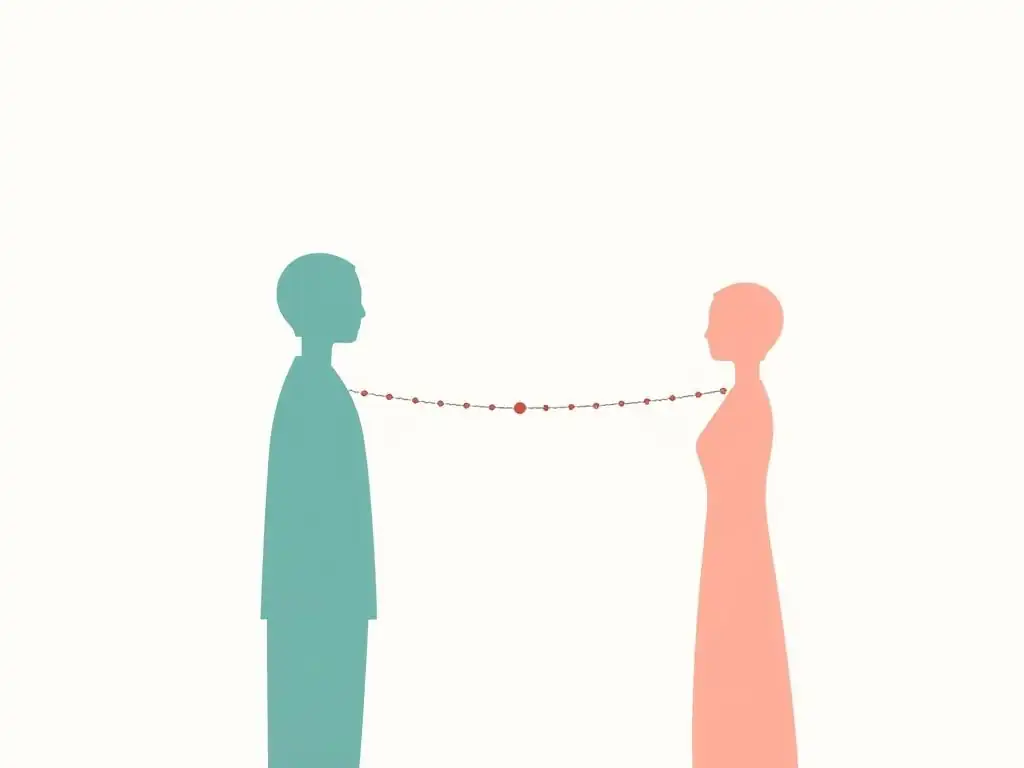
This section focuses on the crucial role of healthy boundaries in fostering successful and sustainable relationships that blossom from online connections. Successfully navigating the initial stages of online dating, while crucial, is only the first step. Maintaining clear boundaries is essential for building a healthy, long-term partnership. Ignoring your needs in the pursuit of a relationship can lead to resentment and ultimately, relationship failure. Remember, a strong relationship is built on mutual respect and understanding, not on sacrificing your well-being.
Integrating Boundaries into Developing Relationships
As your online relationship progresses offline, it's vital to continue reinforcing the boundaries you've established. This isn't about creating distance, but about ensuring both partners feel respected and valued. For example, if you've established a boundary around constant texting, maintain that even as the relationship deepens. Perhaps you agree to specific times for communication or designate certain times for focused attention on each other.
This proactive approach prevents misunderstandings and ensures both partners feel heard. Open communication is key; regularly check in with your partner to ensure your boundaries are still working for both of you. Flexibility is important too; life circumstances change, and boundaries might need adjusting occasionally through mutual agreement. The goal isn't rigidity, but a framework of mutual respect that adapts to evolving needs.
Consider this scenario: You've established a boundary around weekend commitments. Your partner understands this and respects your need for personal time. However, a spontaneous opportunity arises – a concert, a friend's wedding, etc. Instead of feeling guilty, openly communicate the situation to your partner. A collaborative approach, discussing how to best incorporate this spontaneous event into your schedule while respecting pre-established boundaries, shows emotional maturity and strengthens the relationship. This demonstrates that boundaries are not about control, but about conscious collaboration and mutual consideration.
Continuing to Prioritize Your Emotional Well-being
Even in established relationships born from online dating, prioritizing your emotional well-being remains paramount. The intensity of a new relationship can sometimes overshadow individual needs. It's crucial to maintain your independent activities, hobbies, and friendships. These aspects of your life contribute to your overall happiness and emotional resilience. Neglecting these areas can lead to feelings of being overwhelmed and resentful, impacting your relationship negatively. Remember, a healthy relationship complements your life, it doesn't consume it.
Think about incorporating self-care practices into your routine. This could involve anything from regular exercise and healthy eating to meditation or spending time in nature. These activities contribute to stress reduction and emotional regulation, making you better equipped to navigate the complexities of a relationship. It’s important to maintain a strong sense of self beyond the dynamics of the partnership. This self-awareness helps you identify and address any potential imbalances in emotional labor.
Recognizing and Addressing Shifting Emotional Labor Dynamics in Established Relationships
Emotional labor – the unseen work of managing emotions in a relationship – can shift over time. What might have felt balanced initially can become uneven as the relationship evolves. Recognizing these shifts is crucial for maintaining a healthy dynamic. Open communication is key to addressing potential imbalances.
Actively discuss the emotional demands of the relationship and identify areas where one partner might be carrying a disproportionate burden. This might involve tasks like planning dates, initiating conversations, or offering emotional support. It’s important to note that unequal distribution isn't always intentional; sometimes, it's simply a matter of unspoken expectations or unconscious habits.
Consider using a simple table to track emotional labor tasks:
| Task | Partner A | Partner B | Balanced? | Notes |
|---|---|---|---|---|
| Planning Dates | Often | Rarely | No | Partner B feels overlooked in this area. |
| Initiating Convos | Mostly A | Sometimes | No | Needs more balanced conversation initiation. |
| Emotional Support | Equally | Equally | Yes | This aspect is working well. |
Addressing imbalances requires both partners' active participation and willingness to adapt. This might involve re-negotiating responsibilities, learning to communicate needs more effectively, or seeking professional guidance if needed. Remember, a healthy relationship involves a mutual effort to maintain balance and ensure both partners feel supported and valued. The goal is not to achieve perfect equality in every aspect, but to strive for fairness and mutual respect in the ongoing negotiation of emotional labor. This ongoing dialogue is vital for long-term relationship success in the context of online dating.
Maintaining Healthy Communication Around Boundaries
Maintaining open and honest communication is crucial for establishing and upholding healthy boundaries in online dating. This doesn't mean constantly airing grievances; rather, it's about proactively and respectfully expressing your needs and expectations. For instance, if you've specified your preferred communication style (e.g., preferring texting over constant calls), gently but firmly reiterate this preference if someone consistently disregards it. Don't be afraid to say things like, "I appreciate your enthusiasm, but I find it easier to connect through texting. Would that work for you?" This approach avoids confrontation while clearly setting your boundaries.
Effective communication also involves actively listening to your date's needs and perspectives. Online dating often involves a degree of vulnerability, and respecting your date's emotional space is paramount. If they express discomfort or a need for more space, acknowledge their feelings and work collaboratively to find solutions that respect both your boundaries. For example, if your date mentions feeling overwhelmed by the frequency of your messages, adjust your communication accordingly, perhaps suggesting a less frequent check-in schedule. This demonstrates empathy and a willingness to compromise, fostering a more balanced and respectful relationship.
Remember that setting boundaries isn't about being unapproachable; it's about protecting your emotional well-being. Clear communication prevents misunderstandings and ensures both individuals feel respected and valued. If a potential partner consistently disregards your boundaries despite your attempts at clear communication, it might be a sign of incompatibility. Recognizing this early on can save you significant emotional investment down the line.
Prioritizing your emotional health is not selfish; it's essential for building healthy and fulfilling relationships. Learning to communicate your needs assertively but kindly is a crucial skill for navigating the complexities of online dating and building lasting connections. This skill translates beyond online dating into all your relationships, enriching your life overall. Remember, healthy relationships are built on mutual respect and understanding, and clear communication is the cornerstone of this foundation.
The Benefits of Setting Boundaries in Online Dating
This section explores the significant advantages of establishing clear boundaries in your online dating journey. By proactively defining your limits and expectations, you cultivate a healthier and more fulfilling experience, attracting compatible partners and fostering genuine connections. Ignoring your needs and consistently overextending yourself leads to burnout and ultimately hinders your ability to find a meaningful relationship.
Setting boundaries isn't about being unkind; it's about self-preservation and attracting partners who value and respect your well-being. This translates directly into improved mental health, increased self-respect, and a greater chance of finding a compatible partner. The investment in setting strong online dating emotional labor boundaries is an investment in yourself and your future relationships.
Improved Mental Health and Well-being
Establishing healthy boundaries in online dating significantly improves your mental health and overall well-being. Constantly responding to messages, engaging in extensive conversations with multiple people, and managing the emotional rollercoaster of online interactions can be incredibly draining. This emotional labor, if unchecked, can lead to stress, anxiety, and even depression. Setting boundaries, such as limiting the time you spend messaging, defining your availability, and refusing to engage in demanding or disrespectful conversations, allows you to prioritize your mental health.
Think of it like this: you wouldn't accept a job that demanded 24/7 availability without compensation or respect. Similarly, you shouldn't accept such treatment in your personal life, even in the context of online dating. By setting limits, you reclaim your time and energy, reducing stress and improving your overall mood.
This is crucial for maintaining a positive outlook and enjoying the process of online dating, rather than dreading it. Prioritizing self-care through healthy boundaries is not selfish; it's essential for your emotional resilience and overall success in finding a compatible partner. The reduction in stress and anxiety alone can dramatically impact your overall happiness and ability to navigate the online dating world effectively.
Increased Self-Respect and Confidence
Setting boundaries in online dating is directly linked to increased self-respect and confidence. When you consistently prioritize your needs and communicate your limits clearly, you demonstrate self-respect. This self-respect is infectious; it sends a powerful message to potential partners that you value yourself and your time. This, in turn, attracts partners who respect your boundaries and value your well-being. Conversely, consistently bending to the demands of others without asserting your needs can lead to feelings of being undervalued and depleted, eroding your self-respect and confidence.
Imagine this scenario: you're consistently messaging someone who only contacts you late at night or ignores your attempts to set up a date. By setting a boundary – for example, stating that you prefer communication during daytime hours or that you're only interested in pursuing individuals who are proactive in planning dates – you demonstrate self-respect. You're essentially saying, "I value my time and energy, and I deserve to be treated with respect."
This assertive behavior boosts your confidence and attracts partners who appreciate your self-worth. This positive feedback loop reinforces your self-respect, creating a more positive and fulfilling online dating experience. Remember, setting boundaries is a form of self-care that fosters self-respect and enhances your overall confidence.
Attraction of More Compatible Partners
Surprisingly, setting boundaries in online dating increases your chances of attracting more compatible partners. By being clear about your needs and limits, you filter out individuals who are incompatible with your values and expectations. Those who respect your boundaries are more likely to be considerate, respectful, and understanding partners. They demonstrate emotional maturity and a willingness to compromise, key ingredients in a successful relationship.
For example, if you're looking for a serious relationship and set a boundary against casual dating or hookups, you'll likely attract individuals who share your desire for a committed partnership. This process of self-selection, guided by your boundaries, ensures that you're spending your time and energy on individuals who align with your relationship goals. Conversely, consistently compromising your boundaries to appease others often leads to mismatched expectations and ultimately, disappointment.
By setting clear boundaries, you're not only protecting yourself from emotional distress, but you're also optimizing your chances of finding a partner who is genuinely compatible with you. This proactive approach increases your chances of building a meaningful and lasting connection, making the effort of setting boundaries worthwhile in the long run. It's a strategic move that ultimately benefits your online dating success.
Fostering Healthy and Respectful Relationships
Setting clear boundaries in online dating isn't just about protecting yourself from potential harm; it's a crucial step in cultivating healthy and respectful relationships. When you establish what you're comfortable with from the outset, you attract partners who value your needs and respect your limits. This proactive approach filters out individuals who might be unwilling to reciprocate effort or consider your feelings.
Imagine, for example, someone who consistently initiates conversations only when they need something, ignoring your messages otherwise. By setting boundaries around your availability and communication preferences, you'll likely weed out such individuals early on, saving yourself time and emotional distress.
Furthermore, establishing boundaries helps you avoid the trap of disproportionate emotional labor. In many relationships, one person tends to carry the weight of planning dates, initiating contact, and managing the emotional tone of the interaction. This imbalance can lead to burnout and resentment. By setting clear boundaries—such as specifying your preferred communication methods or expressing your need for equal effort in planning dates—you encourage a more balanced and equitable dynamic.
This fosters a sense of mutual respect and shared responsibility, creating a foundation for a healthier and more sustainable connection. It’s about creating a space where both partners feel valued and respected, rather than one feeling constantly responsible for the emotional well-being of the relationship. This isn't about being selfish; it's about ensuring your emotional well-being is prioritized.
The result? A relationship built on mutual respect and understanding, rather than imbalance and exhaustion. Healthy relationships thrive on equality, and setting boundaries is a significant step towards achieving that balance.
Frequently Asked Questions
What is emotional labor in online dating?
Emotional labor in online dating refers to the mental and emotional work you invest in managing your feelings and others' during interactions. This includes things like managing expectations, responding to messages, and navigating potentially difficult conversations. It's important to recognize and manage this.
How can I set boundaries around my emotional labor in online dating?
Setting boundaries involves prioritizing your well-being. This might mean limiting the time you spend messaging, declining dates that don't feel right, or clearly communicating your needs and expectations. Self-care is crucial.
What if someone violates my boundaries in online dating?
If someone disrespects your boundaries, don't hesitate to disengage. This might involve unmatching, blocking, or directly communicating that their behavior is unacceptable. Your safety and well-being are paramount.
How can I avoid burnout from emotional labor in online dating?
Prioritize self-care activities, take breaks from the apps, and focus on activities you enjoy outside of online dating. Remember that online dating is a numbers game, and not every interaction will be positive.
Is it okay to be upfront about my need for boundaries in my online dating profile?
Absolutely! Many people appreciate transparency and honesty. You can subtly integrate your preferences and expectations into your profile or directly mention your boundaries in your messaging. Clear communication prevents misunderstandings.
Final Reflection: Reclaiming Your Energy in the Digital Dating World
The emotional toll of online dating is a hidden cost, often overlooked amidst the pursuit of connection. It's a silent drain, leaving many feeling depleted and frustrated, rather than hopeful and excited. This article has explored the often-unacknowledged emotional labor involved in navigating the complexities of modern dating apps, from crafting the perfect profile to managing the constant influx of messages and the inevitable disappointments. Understanding these dynamics is crucial for fostering healthier and more sustainable dating experiences.
The impact of this emotional labor extends far beyond the individual; it shapes our collective understanding of relationships and intimacy in the digital age. The constant pressure to present a curated version of ourselves, to manage expectations, and to navigate the often-ambiguous signals of online interaction takes a significant toll. The price of connection is often emotional exhaustion,
a sentiment echoed by many who have navigated the digital dating landscape. This exhaustion impacts not only our romantic lives but also our self-esteem, mental health, and overall well-being. It's time we acknowledge this cost and actively work towards a more balanced and respectful approach to online dating.
You now possess the tools to redefine your online dating experience. Consider the boundaries you've established, or perhaps haven't yet. Actively choose to protect your emotional energy. Prioritize self-care, set clear expectations, and don't hesitate to disengage from interactions that leave you feeling drained or undervalued. Remember, healthy relationships are built on mutual respect and understanding, and that starts with respecting your own emotional well-being. Embrace the power of setting boundaries – it's not selfish; it's self-preservation, and it's the key to finding genuine connection in the digital world.
Unleash Your Dating Power: Set Healthy Boundaries Now
Thanks for exploring healthy boundaries in online dating! We hope you gained valuable insights into protecting your emotional well-being. Now let's put that knowledge into action.
Here are a few ways to start setting healthier boundaries:
- Identify your non-negotiables: Take some time to consider your dealbreakers in a partner or dating situation. For example, are you looking for someone who shares your values? What about someone who respects your time and boundaries? Identifying these key aspects will create a solid foundation for healthy relationships.
- Communicate your needs clearly and directly: Practice expressing your limits with confidence. It might feel uncomfortable initially, but remember, your well-being is paramount. For instance, if you're uncomfortable with late-night calls, communicate that clearly.
- Share this information with a friend: Discussing your experiences with boundary-setting can be incredibly helpful. A supportive friend can offer encouragement and accountability as you navigate this process.
Ready to prioritize your emotional well-being in your dating life? What's one small step you can take today to foster more balanced and fulfilling connections?