
Digital Dating Red Flags: Spotting Inconsistencies and Potential Problems


Welcome to OnlineDatingSuccess.org, your guide to navigating the exciting – and sometimes tricky – world of online dating. Are you ready to transform your dating experience? We'll help you build a compelling profile, master the art of online communication, and, crucially, spot those red flags before they derail your search for a meaningful connection. Learn to identify online dating red flag examples and avoid potential pitfalls – your path to a successful and safe online dating journey starts here. Dive in and discover how to make the most of your digital dating experience!
-
Recognizing Red Flags in Online Dating Profiles: Early Warning Signs
- Vague or Missing Profile Information: A Major Online Dating Red Flag
- Inconsistent Information Across Profiles: Cross-Checking for Deception
- Suspicious Photos: Low-Quality Images, Stock Photos, or Excessive Filters
- Lack of Personal Details: Avoiding Genuine Connection Attempts
- Excessive Self-Promotion: Bragging and Lack of Genuine Interest
-
Identifying Red Flags in Online Dating Communication: Behavioral Patterns
- Overly Aggressive or Pushy Communication: Boundary Violations in Online Dating
- Avoidance of Video Calls or In-Person Meetings: Reasons for Hesitation
- Inconsistencies in Stories and Statements: Detecting Lies in Online Dating
- Unrealistic Expectations and Demands: Identifying Controlling Behaviors
- Sudden Disappearance and Reappearance: Understanding Online Dating Ghosting
-
Online Dating Red Flag Examples: Specific Scenarios to Watch Out For
- Catfishing and Fake Profiles: Identifying Fraudulent Accounts
- Financial Requests and Scams: Protecting Yourself from Exploitation
- Pressure to Share Personal Information Too Quickly: Maintaining Privacy and Safety
- Controlling or Manipulative Behavior: Identifying Abusive Patterns in Online Dating
- Lack of Respect for Boundaries: Recognizing Disrespectful Communication
-
How to Respond to Online Dating Red Flags: Protecting Yourself
- Trust Your Instincts: Recognizing Your Intuition
- Gather More Information Carefully: Investigating Discrepancies
- Communicate Your Concerns Directly (if appropriate): Addressing Red Flags
- Block and Report Suspicious Profiles: Ensuring Your Safety
- Prioritize Your Safety and Well-being: Self-Care in Online Dating
- Moving Forward After Encountering Red Flags: Healthy Dating Practices
-
Frequently Asked Questions
- What are some common red flags to watch out for in online dating profiles?
- How can I identify inconsistencies in a potential date's online presence?
- What should I do if I encounter a red flag during online communication?
- Are there any red flags related to communication style in online dating?
- How can I protect myself from potentially harmful individuals while online dating?
- Final Reflection: Navigating the Digital Dating Landscape
- Unlock Your Dating Confidence: Spotting Red Flags with Ease
Recognizing Red Flags in Online Dating Profiles: Early Warning Signs
Navigating the world of online dating can be exhilarating, but it's crucial to approach it with caution and awareness. This article serves as your guide to identifying potential red flags in online dating profiles, helping you avoid wasted time and, more importantly, protect your safety and well-being. We'll explore common inconsistencies and warning signs that often indicate potential problems, empowering you to make informed decisions and build healthier online dating experiences.
Learning to spot these red flags is a vital skill in the quest for genuine connections, ensuring you invest your time and energy in individuals who are authentic and respectful. This guide focuses on practical examples and actionable advice to help you confidently navigate the complexities of digital dating and increase your chances of finding a meaningful relationship. Understanding these warning signals will significantly improve your online dating success and help you avoid potentially harmful situations.
Vague or Missing Profile Information: A Major Online Dating Red Flag
A profile lacking substantial detail is a significant red flag. Think of it like this: if someone isn't willing to invest the time and effort to create a comprehensive profile, what does that suggest about their commitment to building a genuine connection? Vague descriptions, such as "I'm easygoing" or "I like to have fun," offer little insight into a person's personality, interests, or values. Similarly, missing information about crucial aspects of their life, such as their profession or hobbies, raises concerns.
A complete absence of photos, or the use of only one or two blurry pictures, can also be a warning sign. This lack of transparency can indicate an unwillingness to be open and honest, or even an attempt to conceal their true identity. Look for profiles that provide specific details about their life, interests, and aspirations.
A well-developed profile demonstrates a genuine interest in connecting with others and building a relationship. Remember, meaningful connections are built on transparency and open communication. Don't hesitate to move on from profiles that lack sufficient detail, as this could be an early indicator of potential problems.
Inconsistent Information Across Profiles: Cross-Checking for Deception
One of the most effective ways to spot deception is to cross-reference information across different profiles. Many dating platforms allow users to link their profiles across multiple services. If you suspect inconsistencies, take the time to check their profiles on other platforms. Do their photos match? Is their stated age and profession consistent across all platforms? Discrepancies in basic information are a major warning sign. For example, a difference in age, profession, or even relationship status between profiles should raise serious concerns. Furthermore, be wary of profiles that seem overly polished or generic, as these may indicate a lack of authenticity. Consider using reverse image search tools to verify the authenticity of their photos. This extra step can save you time and potential heartbreak. Remember, consistency in information across different platforms is a key indicator of honesty and transparency. Inconsistencies often hint at attempts to mislead or hide crucial details.
Suspicious Photos: Low-Quality Images, Stock Photos, or Excessive Filters
The photos a person chooses to showcase on their dating profile speak volumes about their personality and intentions. Low-quality images, blurry pictures, or an excessive number of heavily filtered photos can be red flags. Low-quality photos may suggest a lack of effort or an attempt to conceal their true appearance. The use of stock photos is a blatant sign of deception and a clear indicator that the profile is likely fake.
Similarly, excessive use of filters can make it difficult to ascertain their true appearance, raising questions about their authenticity. Pay attention to the background of their photos. Do they appear in various locations, or are they all taken in the same setting? A lack of variety in their photos can be suspicious.
Furthermore, be wary of profiles that feature only photos of them alone. A genuine profile typically includes photos with friends or family, providing more context and social proof. Remember, photos should offer a realistic representation of the person, and any significant discrepancies should raise a red flag. Prioritize profiles with diverse, high-quality photos that accurately reflect the individual's appearance and lifestyle.
Lack of Personal Details: Avoiding Genuine Connection Attempts
A profile devoid of personal details is a major online dating red flag. It suggests a reluctance to connect authentically, raising concerns about the individual's intentions. Instead of sharing genuine information about their life, hobbies, or interests, these profiles often feature generic statements or lack specific details altogether. For example, a profile that simply states "I like to travel" without mentioning any specific destinations, travel experiences, or even preferred modes of transportation lacks depth and feels insincere.
Similarly, a profile that avoids mentioning their profession or educational background can be suspicious. While some individuals may prefer to maintain a degree of privacy, a complete absence of personal information often signals a desire to remain anonymous or avoid genuine interaction. This lack of transparency makes it difficult to assess compatibility and can prevent the formation of a meaningful connection.
Remember, genuine connections are built on shared experiences and mutual understanding, and a lack of personal details makes this nearly impossible. Look for profiles that provide specific examples and anecdotes—those are far more likely to lead to authentic interactions. Don't be afraid to move on from profiles that seem too vague or guarded; your time is valuable, and you deserve a genuine connection.
Excessive Self-Promotion: Bragging and Lack of Genuine Interest
Another significant online dating red flag is excessive self-promotion. While it's natural to highlight your positive attributes, an overwhelming focus on accomplishments, possessions, and physical appearance often masks a lack of genuine interest in others. Profiles filled with boastful statements, extravagant claims, or an excessive number of selfies often indicate an individual more interested in impressing others than building a relationship. For instance, a profile that lists numerous luxurious vacations, expensive cars, or boasts about professional achievements without mentioning any personal qualities or interests raises concerns.
This type of self-aggrandizement suggests a narcissistic tendency and a lack of empathy. Instead of focusing on what they can offer a potential partner, these profiles are primarily concerned with showcasing their own perceived superiority. Genuine connection requires mutual respect and a willingness to engage with another person's experiences and feelings. Excessive self-promotion, on the other hand, creates an imbalance and can lead to disappointing interactions.
Look for profiles that demonstrate a balance between showcasing achievements and expressing personal interests and values. Remember, a truly confident individual doesn't need to constantly boast; their genuine qualities will shine through. Prioritize profiles that show genuine interest in getting to know you, not just showcasing themselves.
Identifying Red Flags in Online Dating Communication: Behavioral Patterns

Online dating, while offering exciting possibilities, also presents unique challenges. Learning to recognize red flags in online communication is crucial for protecting your safety and emotional well-being. This section focuses on identifying behavioral patterns that often signal potential problems, helping you navigate the digital dating landscape with greater confidence and awareness. Understanding these warning signs empowers you to make informed decisions about who you choose to engage with further. This is especially important when searching for "online dating red flag examples."
Overly Aggressive or Pushy Communication: Boundary Violations in Online Dating
Aggressive or pushy communication is a significant online dating red flag. It manifests in various ways, from persistent messaging despite clear disinterest to demanding immediate responses or escalating conversations too quickly. For example, someone who repeatedly messages you after you've politely indicated you're not interested is exhibiting a disregard for your boundaries. Similarly, pressure to share personal information prematurely, such as your full address or financial details, is a major warning sign.
This behavior demonstrates a lack of respect for your personal space and could indicate manipulative tendencies. Remember, healthy communication involves mutual respect and consideration for each other's limits. You should never feel pressured or uncomfortable during online interactions. A healthy relationship begins with respecting boundaries from the very first message.
Avoidance of Video Calls or In-Person Meetings: Reasons for Hesitation
A consistent refusal to engage in video calls or in-person meetings should raise concerns. While some initial hesitation is understandable, particularly in the early stages of online dating, persistent avoidance can be a red flag. There are several possible reasons for this behavior, including:
- They are misrepresenting themselves: The individual might be using fake photos or concealing their true identity. A video call allows you to verify their appearance and build trust through visual confirmation.
- They have something to hide: They may be married, involved in another relationship, or have a criminal record they don't want to disclose.
- They are not who they claim to be: They might be a catfish, using a false identity for malicious purposes.
- They are uncomfortable with genuine connection: They may be looking for superficial interactions rather than a genuine relationship.
While there may be legitimate reasons for some delay in meeting, persistent avoidance, especially after building rapport, warrants caution. Trust your instincts; if something feels off, it probably is. Prioritize your safety and well-being. Remember, genuine connections thrive on transparency and openness.
Inconsistencies in Stories and Statements: Detecting Lies in Online Dating
Inconsistencies in a person's stories and statements are another common red flag. These inconsistencies can be subtle or blatant, but they always indicate a lack of trustworthiness. For instance:
- Contradictory information: Do their descriptions of their job, hobbies, or family life change over time or contradict information found on their social media profiles? This lack of consistency suggests they might be fabricating aspects of their life.
- Vague or evasive answers: Do they avoid answering direct questions or provide vague, unclear responses? This could be a sign they are hiding something.
- Unrealistic claims: Do they boast about achievements or possessions that seem exaggerated or improbable? This could be a form of embellishment or outright fabrication.
Pay close attention to details. If you notice discrepancies, don't ignore them. It’s perfectly acceptable to gently inquire about inconsistencies to clarify any misunderstandings. However, persistent evasion or increasingly elaborate explanations should be viewed with suspicion. Trust your intuition – if something doesn't feel right, it likely isn't. Remember, honesty and transparency are fundamental to healthy relationships, both online and offline. These are critical elements to consider when evaluating "online dating red flag examples."
Unrealistic Expectations and Demands: Identifying Controlling Behaviors
Online dating red flag examples often manifest as unrealistic expectations and controlling behaviors. This can subtly creep into conversations, initially seeming harmless, but escalating into problematic patterns. For instance, someone demanding constant contact, checking in multiple times a day, or expressing extreme jealousy over minor interactions with other people is a significant warning sign. These behaviors aren't about affection; they're about control. They aim to isolate you from your support network and exert dominance over your life.
A common example is someone dictating what you should wear, where you should go, or who you should spend time with, even before a first date. This kind of controlling behavior often escalates quickly. They might pressure you to make major life changes based on their desires—quitting your job, moving to a new city, or altering your appearance—without considering your own needs or goals. Remember, healthy relationships are built on mutual respect and independence, not control and manipulation.
If you notice a pattern of demands and expectations that disregard your boundaries and autonomy, consider it a major online dating red flag. Prioritize your well-being and safety. Trust your instincts; if something feels off, it likely is. Don't dismiss early warning signs hoping things will improve.
Early intervention is key. This controlling behavior is not a matter of "getting to know someone" but a clear indicator of a potentially harmful dynamic. Always prioritize your emotional and physical safety.
Sudden Disappearance and Reappearance: Understanding Online Dating Ghosting
Sudden disappearance and reappearance, often referred to as ghosting, is a pervasive online dating red flag. It involves someone abruptly ceasing all communication without explanation, only to reappear days, weeks, or even months later as if nothing happened. This inconsistent behavior is emotionally manipulative and disrespectful. They may offer flimsy excuses for their absence, but the lack of upfront honesty and communication highlights a pattern of avoidance and emotional unavailability. This behavior reflects a lack of respect for your time and feelings.
Consider the emotional toll of this inconsistent communication. The uncertainty and anxiety caused by ghosting can be incredibly damaging. The sudden return, often accompanied by apologies and promises of better behavior, is a tactic designed to reel you back in, perpetuating the cycle of emotional instability. While genuine mistakes can happen, a repeated pattern of ghosting signifies a lack of commitment to building a healthy relationship. They might be avoiding difficult conversations, struggling with commitment issues, or simply not interested in a genuine connection.
Regardless of the reason, this lack of respect and emotional consideration is a significant online dating red flag example. Don't fall for the charm or the apologies; consistent behavior speaks volumes. Prioritize your emotional well-being and choose partners who value open and honest communication. Remember, you deserve better than the rollercoaster of ghosting.
Online Dating Red Flag Examples: Specific Scenarios to Watch Out For
This section delves into specific examples of red flags you might encounter while navigating the world of online dating. Recognizing these warning signs is crucial for protecting your safety, well-being, and emotional health. Remember, your intuition is your best guide. If something feels off, it probably is. This section focuses on providing you with concrete examples of concerning behaviors and situations, helping you distinguish genuine connections from potentially harmful ones. Learning to identify these "online dating red flag examples" is a vital skill for successful and safe online dating.
Catfishing and Fake Profiles: Identifying Fraudulent Accounts
Catfishing, the creation of fake online profiles using stolen or fabricated identities, is a prevalent issue in online dating. Identifying these fraudulent accounts requires careful observation and a healthy dose of skepticism. Here are some key indicators:
- Inconsistencies in photos: Noticeable differences in appearance across multiple photos, low-quality images, or photos that appear to be professionally edited or taken from stock image websites. A lack of candid shots is also suspicious. Think about it—wouldn't a genuine profile show a variety of images reflecting their everyday life?
- Limited or vague personal information: Profiles lacking detailed biographical information, inconsistent details across different sections, or using generic phrases instead of specific details should raise a red flag. Genuine profiles tend to offer more insight into the person's life and personality.
- Avoidance of video calls: A consistent refusal to engage in video calls, despite repeated requests, is a major red flag. Legitimate daters are usually happy to confirm their identity visually. This is one of the most common online dating red flag examples.
- Overly perfect profiles: Be wary of profiles that seem too good to be true, with unrealistic claims about physical attributes, career success, or personality traits. Remember, nobody is perfect!
- Suspicious activity: Rapidly changing profile information, a sudden surge in activity followed by silence, or a profile that disappears just as quickly as it appeared are all classic signs of a fake account.
Financial Requests and Scams: Protecting Yourself from Exploitation
Financial requests early in the online dating process are a significant red flag. Scammers often target vulnerable individuals by creating false emergencies or fabricated investment opportunities. Here are some examples:
| Type of Request | Red Flag Indicators |
|---|---|
| Money for travel expenses | Vague reasons for needing money, inability to provide details about the trip. |
| Medical emergencies | Urgency, lack of proof, pressure to act quickly, requests for large sums. |
| Investment opportunities | Unrealistic returns, pressure to invest quickly, lack of transparency or details. |
| Gifts or expensive items | Unreasonable requests, especially early in the relationship, pressure to comply. |
Remember, legitimate relationships do not involve financial transactions, especially in the early stages. Never send money to someone you've only met online, regardless of their explanation. This is a crucial online dating red flag example to remember.
Sharing personal information should be a gradual process built on trust and mutual respect. Pressuring you to disclose sensitive details before you feel comfortable is a major red flag. This includes:
- Asking for your full address or workplace: This information should only be shared when you feel completely safe and comfortable with the person, and ideally, after you've met in person.
- Demanding your social security number or banking details: Never give this information to someone you've only met online.
- Pressuring you to share intimate photos or videos: This is a serious breach of trust and can lead to exploitation and blackmail.
- Ignoring your boundaries: If you express discomfort or hesitation about sharing certain information, a respectful individual will understand and respect your boundaries. Ignoring your concerns is a major red flag.
Prioritizing your safety and privacy is essential. Take your time, get to know the person, and only share information when you feel fully confident and secure. This is one of the most important online dating red flag examples to keep in mind. Trust your gut; if something feels wrong, it probably is.
Controlling or Manipulative Behavior: Identifying Abusive Patterns in Online Dating
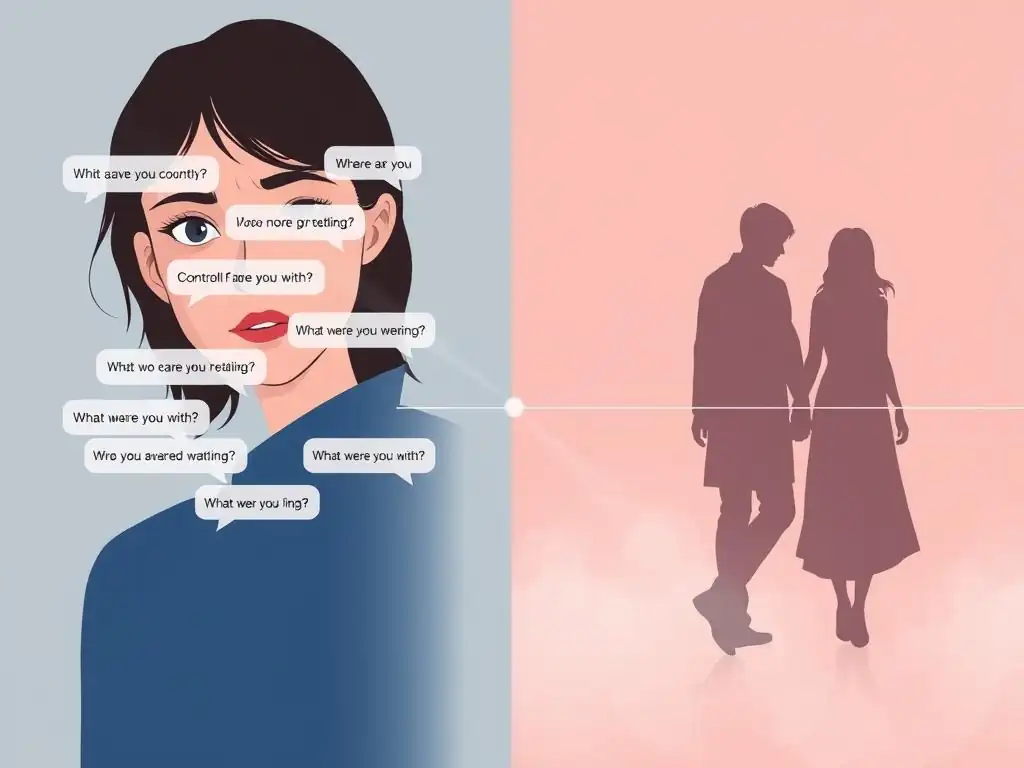
Controlling and manipulative behavior can subtly creep into online interactions, making it crucial to recognize the warning signs early on. This isn't always overt aggression; it often manifests as a gradual erosion of your autonomy and independence. One common red flag is excessive questioning or attempts to control your activities.
For example, someone constantly demanding to know your location, scrutinizing your social media activity, or criticizing your friendships could be a sign of underlying control issues. This behavior often escalates, with the individual attempting to isolate you from your support network. They may try to dictate who you can talk to, where you can go, or what you can wear, subtly undermining your self-confidence and independence.
Another significant indicator is the use of guilt trips or emotional manipulation to get their way. This might involve making you feel responsible for their feelings or actions, even if you haven't done anything wrong. They might use phrases like, "If you really cared about me, you would…" or "You're making me feel…" to manipulate your emotions and control your decisions.
Remember, healthy relationships are built on mutual respect and understanding, not on controlling or manipulating your partner. If you notice these patterns emerging early in your online interactions, it's essential to prioritize your safety and well-being and distance yourself from the situation. Trust your instincts; if something feels off, it likely is.
Remember, you deserve to be in a relationship where your feelings and boundaries are respected. Early identification of these patterns can prevent potentially harmful situations from developing further. Seek support from friends, family, or professional resources if you are experiencing this type of behavior.
Lack of Respect for Boundaries: Recognizing Disrespectful Communication
Respecting boundaries is fundamental to any healthy relationship, online or offline. A lack of respect for boundaries is a significant online dating red flag, often manifesting in various forms of disrespectful communication. This could range from ignoring your requests for space or time to outright disregard for your stated preferences.
For instance, if you explicitly state you're not comfortable discussing certain topics or sharing personal information, and they persistently push the issue, it's a clear sign of disrespect. Similarly, if you've asked them to stop sending frequent messages or calls, and they continue to do so, it demonstrates a disregard for your comfort and needs.
Another common example is the use of aggressive or insulting language. While some disagreements are inevitable in any relationship, consistent use of harsh words, name-calling, or belittling comments is unacceptable. This behavior indicates a lack of emotional maturity and empathy, and it's crucial to recognize this as a major red flag. Furthermore, consistently ignoring your attempts to communicate or engage in respectful dialogue is a significant indicator of disrespect.
Ignoring your messages or calls without explanation, or responding with curt or dismissive replies, shows a lack of consideration for your feelings and opinions. Remember that establishing and maintaining healthy boundaries is essential for your well-being. Don't tolerate disrespectful behavior; prioritize your mental and emotional health by ending communication with individuals who consistently disregard your boundaries. Learning to recognize these subtle yet important signs can significantly improve your online dating experience and protect you from potentially harmful relationships.
How to Respond to Online Dating Red Flags: Protecting Yourself
This section focuses on actionable steps you can take when you encounter red flags in your online dating journey. Remember, your safety and well-being are paramount. Navigating the complexities of online dating requires vigilance and a proactive approach to identifying and addressing potential problems. Ignoring red flags can lead to unpleasant, even dangerous, situations. Learning to respond effectively is crucial for building healthy, respectful relationships. This isn't about paranoia; it's about informed decision-making.
Trust Your Instincts: Recognizing Your Intuition
Your gut feeling is often your best guide. If something feels "off," don't dismiss it. Many online dating red flag examples stem from a mismatch between a person's online presentation and your intuitive sense of their authenticity. This might manifest as a feeling of unease during a conversation, a nagging suspicion about their story, or a general sense that something isn't quite right.
These feelings are valid and shouldn't be ignored. Pay attention to your emotional responses; they can provide valuable insights into potential dangers. For instance, if you feel pressured to share personal information too quickly or feel uncomfortable with the level of intimacy being pushed, trust your intuition and take a step back.
Remember, a healthy relationship should feel safe and comfortable, not stressful or unsettling. Ignoring those early warning signs can lead to significant problems later on. Prioritize your emotional well-being; it's a crucial aspect of online dating safety.
Gather More Information Carefully: Investigating Discrepancies
Once you've identified a potential red flag, carefully investigate. This doesn't mean becoming a detective, but it does involve thoughtful scrutiny. If their profile picture seems too perfect, or their story has inconsistencies, do some light research. This might involve reverse image searching their photos to check for authenticity or verifying details of their work or education – all easily verifiable information.
However, maintain a balance; avoid excessive investigation that could be perceived as stalking. Remember, the goal is to gather enough information to make an informed decision, not to delve into their personal life without their consent or knowledge. Look for inconsistencies in their narrative. Do their stories about their life align?
Are there any discrepancies between their profile and their communication style? These subtle inconsistencies can be significant online dating red flag examples. Documenting these discrepancies can help you make a well-informed decision about whether to proceed with the interaction.
Communicate Your Concerns Directly (if appropriate): Addressing Red Flags
In some situations, directly addressing your concerns might be appropriate. However, this should only be done if you feel safe and comfortable doing so. If you've noticed a pattern of behavior that raises concerns, and you've already tried to investigate discrepancies, you may choose to communicate your concerns directly. For example, if their stories are inconsistent, you could gently say something like, "I noticed some discrepancies in your stories, and I'm a little confused."
This approach allows them to clarify and potentially address the issues. However, if you feel unsafe or threatened at any point, cease communication immediately and report the individual to the dating platform. Remember, your safety is the priority. It's crucial to remember that you don't owe anyone an explanation for your discomfort.
If they react negatively to your concerns or try to dismiss them, it’s a significant red flag in itself. Your ability to establish boundaries and prioritize your well-being is key to a positive online dating experience. Prioritizing your safety and your comfort is paramount; your intuition and your well-being should always come first.
Block and Report Suspicious Profiles: Ensuring Your Safety

Encountering suspicious profiles is, unfortunately, a common experience in online dating. Recognizing and addressing these red flags promptly is crucial for your safety and well-being. Don't hesitate to utilize the blocking and reporting features provided by the dating platform. These tools are designed to protect users from potentially harmful individuals.
Blocking prevents further contact from a specific user, effectively removing them from your experience. Reporting, on the other hand, alerts the platform's moderators to potentially problematic behavior, allowing them to investigate and take appropriate action, such as suspending or permanently banning the offending account. This not only protects you but also contributes to a safer online dating environment for everyone.
Remember to report profiles that exhibit behaviors such as aggressive or harassing messages, requests for inappropriate photos or videos, inconsistent information in their profiles, or attempts to manipulate you financially. Detailed reports, including screenshots of messages or profile inconsistencies, are particularly helpful for moderators in their investigations. Many platforms also offer options to report profiles for suspected scams or fake profiles.
Utilizing these features responsibly helps maintain a healthier online dating community and minimizes the risk of encountering problematic individuals. Think of reporting as a proactive measure to help keep the online dating space safe and trustworthy. Your safety is paramount, and reporting suspicious activity is a vital step in ensuring a positive experience.
Prioritize Your Safety and Well-being: Self-Care in Online Dating
Navigating the world of online dating can be emotionally taxing. It's essential to prioritize your mental and emotional well-being throughout the process. Remember that online dating is a numbers game, and not every connection will lead to a successful relationship. Rejection is a normal part of the process, and it's crucial to develop resilience and self-compassion. Avoid taking rejections personally and instead focus on your own strengths and qualities.
Engage in self-care activities that help you manage stress and maintain a positive outlook. This could include spending time with loved ones, pursuing hobbies, exercising regularly, practicing mindfulness, or engaging in any activity that brings you joy and relaxation. Maintaining a healthy work-life balance is also important to avoid burnout. Set boundaries for yourself regarding the time you spend online dating. Avoid spending excessive hours scrolling through profiles or engaging in lengthy conversations that are not fulfilling or productive.
Remember that your safety and well-being are paramount. Trust your instincts – if something feels off or unsafe, remove yourself from the situation. Don't feel pressured to respond to messages or meet someone if you're not comfortable. Prioritizing your safety and well-being will ultimately lead to a more positive and rewarding online dating experience. Taking care of yourself is not selfish; it's essential for navigating the complexities of online dating successfully and maintaining a healthy perspective. Remember, your mental health is just as important as your romantic prospects.
Moving Forward After Encountering Red Flags: Healthy Dating Practices
Encountering red flags in online dating can be disheartening, but it's crucial to remember that it's a part of the process. Learning to identify and address these warning signs is key to protecting yourself and finding a healthy, fulfilling relationship. Moving forward requires a proactive approach, focusing on self-care and establishing healthy dating practices. This isn't about blaming yourself; it's about building resilience and improving your dating experience.
Learning from Experiences: Growth and Self-Reflection
Every online dating experience, positive or negative, offers valuable learning opportunities. After encountering a red flag, take time for self-reflection. Ask yourself: What were the specific red flags? How did I react? What could I have done differently? Journaling can be incredibly helpful in this process.
Analyzing your past experiences allows you to refine your discernment skills and improve your ability to identify potential problems early on. For instance, if you repeatedly encounter individuals who are vague about their personal life, you might need to adjust your communication style to encourage more transparency or focus on profiles that offer more detailed information upfront. This iterative process of learning and adapting is crucial for success in online dating. Remember, recognizing patterns in your experiences is key to avoiding similar situations in the future. This self-awareness is a powerful tool in building healthier relationships.
Maintaining a Positive Outlook: Resilience in Online Dating
Online dating can be challenging, and encountering red flags can easily lead to discouragement. Maintaining a positive outlook is essential for your well-being and your continued success. Remember that not every profile is going to be a match, and encountering red flags doesn't mean you're doing anything wrong. It simply means you've identified an incompatibility. Practice self-compassion and celebrate your ability to identify these warning signs.
Focus on the positive aspects of your online dating journey: the connections you've made, the lessons you've learned, and the potential for future success. Engage in activities that promote self-care, such as exercise, spending time in nature, or pursuing hobbies. Surround yourself with supportive friends and family who can offer encouragement and perspective. Maintaining a balanced perspective is critical in navigating the ups and downs of online dating. Remember, resilience is key to navigating the complexities of finding a meaningful connection.
Focusing on Healthy Relationships: Building Meaningful Connections
The ultimate goal of online dating is to build a meaningful and healthy relationship. After encountering red flags, refocus your energy on identifying the qualities you value most in a partner. Consider what constitutes a healthy relationship for you, focusing on qualities like honesty, respect, communication, and shared values.
Prioritize profiles that reflect these values, and don't hesitate to end communication with anyone who displays red flags, regardless of initial attraction. Remember that a healthy relationship is built on mutual respect and trust, and compromising these values for the sake of a connection is never worth it. By setting clear boundaries and prioritizing your well-being, you increase your chances of finding a compatible partner who values you for who you are.
This proactive approach, focused on self-care and healthy relationship expectations, is essential for achieving long-term success in online dating. Prioritizing healthy relationships will lead to a more fulfilling and positive online dating experience.
Frequently Asked Questions
What are some common red flags to watch out for in online dating profiles?
Several red flags include inconsistent information across a profile (age, location, etc.), lack of photos, or excessive negativity in their self-description. Beware of profiles with overly generic or unrealistic statements.
How can I identify inconsistencies in a potential date's online presence?
Cross-reference information provided on their dating profile with their social media presence. Look for discrepancies in details like employment, education, or relationship status. Reverse image search their photos to verify authenticity.
What should I do if I encounter a red flag during online communication?
Trust your instincts. If something feels off, don't ignore it. Limit further interaction and prioritize your safety. Report suspicious behavior to the dating platform if necessary.
Yes, watch out for excessive flattery or pressure to move things quickly offline. Be wary of avoiding direct questions or giving vague answers. Controlling or manipulative language is a major red flag.
How can I protect myself from potentially harmful individuals while online dating?
Always meet in a public place for your first date. Let a friend or family member know where you're going and who you're meeting. Never share sensitive personal information online before establishing trust. Trust your intuition above all.
The rise of digital dating has fundamentally altered how we connect, yet the core human need for genuine connection remains. This means that while the platforms change, the potential pitfalls – the red flags – remain surprisingly consistent. Understanding these inconsistencies and potential problems is no longer a luxury, but a necessity for navigating the modern dating world safely and effectively.
The impact of digital dating on our social landscape is profound, influencing how we perceive relationships, intimacy, and even self-worth. The pressure to present a curated online persona, often at odds with reality, creates a fertile ground for deception and disappointment. The internet is a powerful tool, but it's also a mirror reflecting our own vulnerabilities and anxieties.
This quote highlights the importance of self-awareness in the digital dating sphere, reminding us to approach online interactions with a healthy dose of skepticism and self-compassion.
Now, consider your own experiences. Have you encountered any of the red flags discussed? What strategies have you found effective in protecting yourself while still embracing the opportunities that online dating offers? I urge you to approach your online dating journey with intention, self-respect, and a critical eye. Don't let the allure of instant connection overshadow the importance of genuine compatibility and safety. Take the time to learn, adapt, and build healthy relationships, both online and off.
Unlock Your Dating Confidence: Spotting Red Flags with Ease
Thank you for learning how to recognize red flags in the digital dating world! You've gained valuable knowledge to navigate online dating more safely and confidently. Let's put this to use!
- Prioritize your safety: Review your dating profile today. Ensure there's nothing that could compromise your security. This is crucial for a safer dating experience.
- Share this article: Discuss the red flags you learned about with a friend and compare your online dating experiences. A second opinion is invaluable.
- Join our online forum to connect with other daters and share your insights. Let's build a safer and more supportive online dating community!
What's one red flag you'll watch out for in your online dating journey?