
How to Avoid Catfishing: Verifying Authenticity in Online Dating

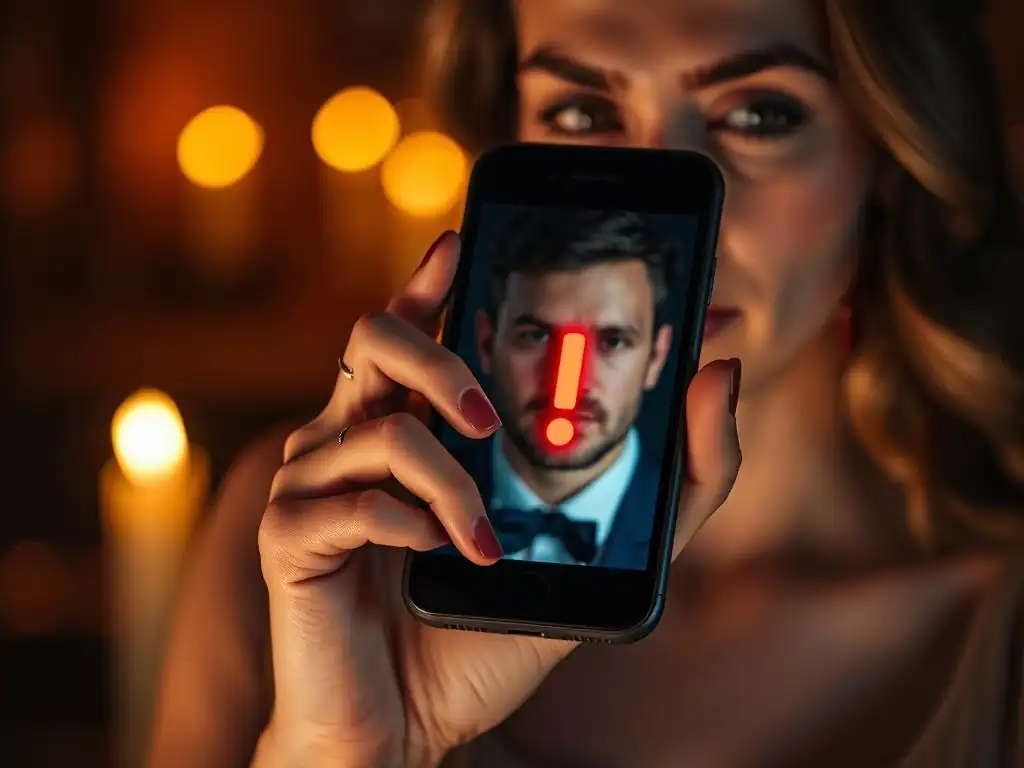
Dive into the exciting world of online dating with OnlineDatingSuccess.org, your guide to navigating the digital dating scene with confidence. Are you ready to build genuine connections, but wary of the potential pitfalls? Learn how to spot fake dating profiles and avoid becoming a victim of catfishing – crucial knowledge for anyone seeking a meaningful relationship online. Discover practical strategies to verify authenticity and ensure your safety, so you can focus on finding your perfect match. Let's embark on this journey together!
- Understanding Catfishing: Recognizing Red Flags in Online Dating Profiles
- Effective Strategies to Spot Fake Dating Profiles
- Securing Your Online Dating Experience: Safety Precautions
- Building Genuine Connections: Fostering Authentic Interactions
- Frequently Asked Questions
- Final Reflection: Navigating the Digital Seas of Love
- Unmask the Truth: Take Control of Your Online Dating Safety
Understanding Catfishing: Recognizing Red Flags in Online Dating Profiles
Navigating the world of online dating can be exhilarating, offering the chance to connect with like-minded individuals and potentially find a meaningful relationship. However, the digital landscape also presents unique challenges, one of the most significant being the risk of encountering fake profiles – a phenomenon commonly known as "catfishing." This comprehensive guide will equip you with the knowledge and strategies to effectively spot fake dating profiles and protect yourself from potential harm.
We'll delve into the common tactics used by catfishers, providing you with practical tips to verify authenticity and ensure your online dating experience remains safe and rewarding. Learning to identify red flags early on is crucial for building trust and fostering genuine connections in the online dating world.
The ability to spot fake dating profiles is not just about avoiding disappointment; it's about safeguarding your personal safety and emotional well-being. This article will empower you to navigate the complexities of online dating with confidence and discernment, ultimately increasing your chances of finding a genuine and fulfilling connection.
Identifying Fake Profiles: Common Signs of Catfishing
Spotting a fake profile often involves recognizing inconsistencies and unusual patterns. Catfishers frequently employ deceptive tactics to create a false sense of identity and trustworthiness. Some common red flags include:
- Stock Photos or Heavily Edited Images: Be wary of profiles using generic stock photos or images that appear excessively edited or filtered. A lack of natural-looking photos can be a significant indication of a fake profile. Genuine profiles usually feature a variety of photos showcasing the individual in different settings and lighting.
- Limited or Vague Personal Information: A profile lacking detail or providing vague answers to personal questions should raise suspicion. Catfishers often avoid providing specific information to avoid being exposed.
- Inconsistent Information Across Platforms: If the person's profile information doesn't match information found on other social media platforms, this could be a strong indication of a fake profile.
- Unrealistic or Exaggerated Claims: Be cautious of profiles that boast unrealistic achievements, wealth, or lifestyle. Catfishers often create idealized versions of themselves to attract attention.
- Requests for Money or Personal Information Too Early: Legitimate daters rarely ask for financial assistance or sensitive personal information early in the relationship. This is a major red flag and should be taken very seriously.
- Overly Perfect Profiles: A profile that appears too good to be true, with flawless pictures and an impeccable biography, may be a sign of fabrication. Genuine profiles often show some imperfections and inconsistencies.
Recognizing inconsistencies: Profile Picture Discrepancies and Contradictions
Inconsistencies in a dating profile can be subtle yet revealing. Pay close attention to the following:
- Reverse Image Search: Utilize reverse image search tools to check if the profile pictures are being used on other websites or social media accounts. This can help expose stolen images.
- Photo Quality Differences: Notice if the quality of photos varies significantly. A mix of high-resolution and low-resolution images can suggest a profile assembled from different sources.
- Background Inconsistencies: Examine the backgrounds in the photos. Discrepancies in location, scenery, or objects can signal that the photos are not from the same time or place.
- Body Language and Expressions: Observe the person's body language and facial expressions in the photos. Inconsistencies or unnatural poses can be indicative of a fake profile. Authentic photos usually display a natural range of emotions and postures.
- Lack of Diversity in Photos: A profile with only a few, very similar photos should raise some suspicion. Genuine profiles usually have more varied photos.
Beware of Vague or Missing Information: Incomplete Profiles and Evasive Answers
A profile lacking substantial detail or providing evasive answers warrants careful scrutiny.
- Missing or Incomplete Profile Sections: A profile with missing information, particularly in crucial sections like occupation, education, or interests, should raise concerns.
- Evasive or Contradictory Answers: Pay attention to answers that are vague, contradictory, or avoid direct questions. Catfishers often struggle to maintain consistent narratives.
- Lack of Social Media Links: While not always a red flag, the absence of links to other social media profiles can make verification more difficult.
- Unwillingness to Video Chat: A persistent unwillingness to engage in video calls can be a major red flag, as it prevents verification of identity. Genuine daters are generally more open to video communication.
- Unusual or Suspicious Language: Pay attention to grammatical errors, unusual phrasing, or inconsistent writing styles. These could indicate that the profile is not written by a native speaker or that it was created hastily.
Remember, trusting your instincts is crucial. If something feels off, it's best to err on the side of caution. By carefully examining these aspects of a dating profile, you significantly enhance your ability to spot fake dating profiles and protect yourself from potential harm. Prioritize safety and prioritize genuine connections.
Effective Strategies to Spot Fake Dating Profiles
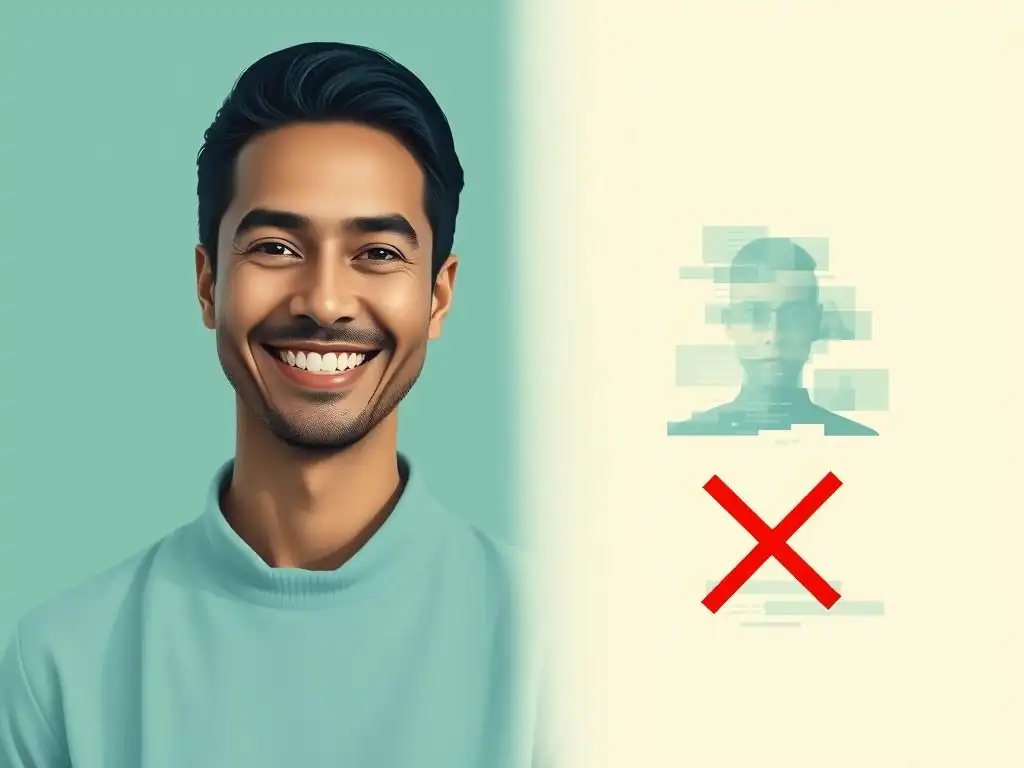
Online dating offers exciting possibilities, but it also presents risks. One significant concern is encountering fake profiles – individuals misrepresenting themselves, often with malicious intent. Learning to spot these fake profiles is crucial for protecting your safety and emotional well-being. This section details effective strategies to help you verify authenticity and avoid becoming a victim of catfishing. Remember, being cautious and proactive is key to a positive online dating experience. The ability to effectively spot fake dating profiles is a valuable skill in the digital dating world.
Reverse Image Search: Utilizing Google Images and TinEye for Verification
One of the simplest yet most powerful tools in your arsenal is the reverse image search. This technique allows you to identify if a profile picture has been used elsewhere online, potentially revealing inconsistencies or outright fraud. Services like Google Images and TinEye are readily available and easy to use.
To perform a reverse image search, simply upload the profile picture you're investigating to either Google Images or TinEye. The search engine will then display visually similar images, showing you where else that photo might appear. If the image shows up on multiple dating sites, stock photo websites, or unrelated blogs, it's a strong indicator that the profile is fake, or at the very least, using deceptive imagery.
For example, you might find a profile picture appearing on a stock photography website, clearly indicating it's not an authentic photo of the individual. Similarly, finding the same image associated with multiple different names or profiles across various dating platforms is a major red flag. Always be wary of profiles that lack diverse, naturally-lit photos. A lack of variety could suggest the profile is using a limited set of stolen images.
Pay close attention to the details – slight variations in image quality or editing can also be a clue. The more sources you find linking the image to other profiles or non-personal contexts, the higher the probability of a fake profile. Thorough verification is crucial in navigating the complexities of online dating.
Beyond image verification, cross-referencing the profile with social media platforms can provide additional layers of authentication. If the profile claims to be active on platforms like Facebook, Instagram, or LinkedIn, take the initiative to verify this claim. Look for inconsistencies between the dating profile information and the social media profiles. Do the names match perfectly? Is the age consistent across platforms? Does the overall online presence align with the persona presented in the dating profile?
Discrepancies are often a significant warning sign. For instance, a profile claiming to be a successful lawyer might lack any professional presence on LinkedIn. Or, a profile mentioning a passion for travel might have a social media history devoid of travel photos or posts. These inconsistencies raise serious doubts about the authenticity of the profile. Remember to approach this verification with caution and respect for privacy. Don't attempt to contact or interact with individuals on other platforms without their consent. The goal is to verify the provided information, not to intrude on someone's privacy.
Video Calls: The Importance of Visual Confirmation in Online Dating
While text-based communication is essential, initiating a video call can be a powerful tool for verifying authenticity. A video call provides a visual confirmation of the person's identity and appearance. This step is particularly crucial before progressing to more intimate or personal interactions.
Many fake profiles avoid video calls, often providing excuses such as "busy schedules" or "technical difficulties." While these reasons might be legitimate in some cases, persistent avoidance of video calls should raise a red flag. A genuine person is generally comfortable with a video call, as it builds trust and transparency. During the call, pay attention to the background, lighting, and overall demeanor. Does the person's appearance match their profile photos?
Is their environment consistent with what they've shared about their life? A video call enhances your ability to spot fake dating profiles by providing irrefutable visual confirmation. Remember, your safety and comfort are paramount, and a video call can significantly reduce the risks associated with online dating. Don't hesitate to initiate a video call – it's a proactive step towards building genuine connections and avoiding deception.
Background Checks: Exploring Professional Background Check Services (Optional)
While not always necessary, utilizing professional background check services can provide an extra layer of security when verifying the authenticity of online dating profiles. These services often offer detailed reports including address history, criminal records (where legally permissible), and even social media footprint analysis. This information can be invaluable in identifying inconsistencies or red flags that might otherwise go unnoticed. However, it's crucial to understand the limitations and ethical considerations involved. Not all services are created equal, and some might offer inaccurate or outdated information.
Thoroughly research any service before committing, checking reviews and comparing pricing structures. Remember that consent is key; conducting a background check without someone's knowledge or permission is a serious breach of privacy and potentially illegal. Therefore, this option should only be considered after establishing some level of trust and ideally, with the explicit consent of the individual. The cost associated with these services can also vary significantly, ranging from a one-time fee for a single report to recurring subscriptions for ongoing monitoring. Weigh the potential benefits against the costs and ethical considerations before proceeding.
Consider the potential risks involved in sharing sensitive personal information with a third-party service, and always prioritize your own online safety and security. The use of these services should be viewed as a last resort, to be employed only when significant doubts about a profile's authenticity remain after exhausting other verification methods. Ultimately, your intuition and careful observation remain the most powerful tools in spotting fake dating profiles. Using a background check service should supplement, not replace, your own due diligence.
Securing Your Online Dating Experience: Safety Precautions
This section focuses on proactive measures you can take to minimize your risk when navigating the world of online dating. Remember, while spotting fake profiles is crucial, preventative measures significantly reduce your vulnerability to catfishing and other online dangers. Protecting yourself should be your top priority when using dating apps and websites. Learning to spot fake dating profiles is only part of the equation; proactive safety is equally important.
Protecting Personal Information: Avoiding Oversharing and Data Breaches
Oversharing personal information is a major red flag and a common mistake that can lead to serious consequences. Catfishers often use the information you provide to build a more convincing fake persona or even for identity theft. Therefore, it's crucial to be mindful of what you reveal in your profile and during initial conversations.
Never share sensitive information like your full address, place of work, financial details, or social security number. Avoid posting photos that reveal too much about your daily routine, such as images showing your house number or your workplace. Even seemingly harmless details, when pieced together, can create a complete picture of your life, making you vulnerable.
Consider using a separate email address specifically for online dating. This helps to keep your personal and dating communications separate, limiting the potential damage from a data breach. Many dating platforms offer robust privacy settings; familiarize yourself with these and utilize them to control the visibility of your profile information. Remember, less is more when it comes to sharing personal data online. Think carefully before posting anything; could this information potentially be used against you? Think before you click and before you share.
Think of it this way: would you share all this information with a stranger you met in person? If not, then you shouldn't do so online. Protecting your personal information is a key element in learning how to spot fake dating profiles, as it limits the amount of information a catfish can use to impersonate someone else.
Reporting Suspicious Profiles: Utilizing the Dating Platform's Reporting Mechanisms
Most reputable online dating platforms provide mechanisms for reporting suspicious profiles. If you encounter a profile that seems fake, exhibiting inconsistencies, unusual requests, or exhibiting other red flags (discussed in the next section), don't hesitate to report it. This helps the platform's administrators investigate and take appropriate action, potentially preventing others from falling victim to the same scam.
Familiarize yourself with the reporting process on your chosen dating platform. Typically, this involves identifying the profile and selecting a reporting option, often providing a reason for your report. Be detailed and specific in your report. Include screenshots and any other evidence that supports your suspicion.
The more information you provide, the more effectively the platform can address the issue and prevent future incidents. Reporting suspicious activity is not just about protecting yourself; it's about contributing to a safer online dating environment for everyone. Taking this step is a crucial part of learning how to spot fake dating profiles effectively and helping others avoid falling prey to scams.
Trust Your Instincts: Recognizing Warning Signs and Red Flags
Learning to trust your intuition is paramount in online dating safety. If something feels off, it probably is. Pay attention to inconsistencies in a person's profile or their communication style. Red flags can be subtle or overt. For instance, be wary of profiles with few or poorly-quality pictures, generic or copied text, or inconsistent information.
Here's a table summarizing common red flags:
| Red Flag Category | Specific Example | Explanation |
|---|---|---|
| Profile Inconsistencies | Mismatched information in profile and conversation | Details about age, location, or profession don't align. |
| Communication Patterns | Pressuring for quick meetings or personal information | Avoids video calls, rushes the relationship, asks for financial assistance. |
| Image Quality | Low-resolution, stolen, or overly edited photos | Pictures are blurry, inconsistent, or show signs of digital manipulation. |
| Suspicious Requests | Asking for money or financial assistance | A clear sign of a scam. |
| Unrealistic Promises | Promises of wealth, love, or a perfect relationship | Too good to be true. |
Remember, a genuine connection takes time to develop. If someone is pressuring you to move too quickly or is overly charming from the start, proceed with caution. Your safety and well-being should always come first. Learning to spot fake dating profiles involves developing a keen eye for these inconsistencies and trusting your gut feeling. 🕵️♀️ Don't ignore those warning signs!
Building Genuine Connections: Fostering Authentic Interactions
Finding genuine connections in the world of online dating requires a proactive approach to verifying the authenticity of profiles and fostering trust. While completely eliminating the risk of encountering fake profiles is impossible, implementing strategies to spot inconsistencies and encourage transparency significantly reduces your vulnerability. This section focuses on building authentic interactions, starting with open communication and progressing to in-person meetings. Remember, your safety and well-being are paramount. Learning to spot fake dating profiles is a crucial skill for navigating the online dating landscape successfully.
Open Communication: Encouraging Transparency and Honesty
Open and honest communication is the cornerstone of any successful relationship, especially when initiated online. Don't be afraid to ask direct questions about their life, work, and hobbies. Inconsistencies or evasiveness could be red flags. For example, if someone claims to be a successful lawyer but avoids discussing their work or firm, it might warrant further investigation.
Encourage them to share details about their daily life, and pay attention to the level of detail they provide. A genuine person will likely share specifics, while someone creating a false persona might struggle to maintain consistency. Furthermore, initiating video calls early in the process can significantly increase your ability to spot fake dating profiles.
Seeing someone's face and surroundings adds a layer of verification that text-based communication alone cannot provide. Remember, a willingness to engage in open dialogue is a positive indicator of authenticity. Avoid those who are consistently vague or refuse to answer simple questions.
Gradual Information Sharing: Building Trust Over Time
Don't reveal too much personal information too soon. This is vital advice not just for avoiding fake profiles, but for building healthy relationships in general. Gradually sharing information creates a sense of trust and allows you to assess the other person's behavior and responses. Start with general details and move towards more personal information as you feel more comfortable. For instance, you might share your general location initially, avoiding precise address details until you've met in person. Similarly, discussing your profession in broad terms is preferable to providing specific company names and contact details early on.
Observe how they reciprocate your information sharing. Do they match your level of openness? Or are they overly eager to share personal details while remaining tight-lipped about themselves? This imbalance could signal a potential problem. Building trust takes time; rushing the process increases your vulnerability to deception.
Offline Meetings: The Importance of In-Person Interactions for Verification
Meeting in person is the most effective way to verify someone's identity and assess their authenticity. While online interactions are essential for initial contact, they should not replace the importance of face-to-face meetings. Plan your first meeting in a public place during the day, ensuring you have a way to contact someone you trust and let them know your location and plans. Observe their behavior in person; does it align with their online persona? Do they look like their photos?
Pay attention to small details; inconsistencies between online representation and reality are significant red flags. Remember, a genuine individual will be comfortable meeting in person, while someone with a fake profile might find excuses to avoid it. This in-person interaction is crucial for spotting fake dating profiles and ensuring your safety. Prioritize your well-being and trust your instincts; if something feels off, it probably is.
Frequently Asked Questions
How can I spot a fake dating profile?
Look for inconsistencies in photos (e.g., different backgrounds, lighting). Reverse image search photos to check for other online appearances. Be wary of profiles with limited information or overly perfect photos.
What are some red flags to watch out for in online dating profiles?
Be suspicious of profiles lacking personal details, using stock photos, or having grammatically incorrect bios. Avoid anyone who is reluctant to video chat or meet in person. Inconsistent stories are also a major red flag.
How important is verifying information found on a dating profile?
It's crucial to verify information. Don't rely solely on what's presented; use reverse image searches and try to corroborate details through other sources if possible. Protecting your safety is paramount.
What should I do if I suspect someone's profile is fake?
Immediately stop all communication. Report the profile to the dating platform using their reporting mechanisms. Do not share personal information with the suspect.
Are there any tools or resources to help me verify dating profiles?
Yes, use reverse image search engines like Google Images or TinEye. Check their social media presence (if they provide links) for consistency. Be aware that no method is foolproof, but multiple checks increase your safety.
The rise of online dating has undeniably revolutionized romance, but it's also created a treacherous landscape of deception. Catfishing, the act of creating a false online persona to lure others, remains a pervasive threat, impacting countless individuals and undermining trust in digital interactions. This reality demands vigilance and a proactive approach to online safety.
The pervasiveness of catfishing underscores a deeper societal shift – our increasing reliance on digital spaces for connection and intimacy. This reliance, while offering incredible opportunities, also exposes us to new forms of vulnerability. The emotional toll of discovering a fabricated identity can be devastating. As the poet Maya Angelou wisely stated, Nothing can dim the light which shines from within.
Protecting that inner light, that authentic self, requires us to be discerning and informed in our online interactions. We must actively cultivate a culture of digital responsibility, where authenticity is valued and deception is actively challenged.
Ultimately, the ability to spot fake dating profiles is not just about avoiding heartbreak; it's about safeguarding our emotional well-being and fostering genuine connections. I urge you to take the knowledge gained from this article and apply it to your own online experiences. Don't let fear paralyze you, but let awareness empower you to navigate the digital world with confidence and integrity. Embrace the potential for meaningful connections, but always prioritize your safety and well-being. The journey to finding genuine love, both online and offline, begins with self-protection and a commitment to authenticity.
Unmask the Truth: Take Control of Your Online Dating Safety
Thank you for learning how to avoid catfishing! We hope you feel more confident navigating the world of online dating safely. Ready to apply your new knowledge?
- Prioritize video calls early: This is the most effective way to verify someone's identity and build a genuine connection. Don't hesitate to suggest a quick video chat!
- Reverse image search profile pictures: This simple but powerful tool helps uncover inconsistencies and ensures authenticity.
- Share your experiences (positive or negative) in the comments below. Let's build a safer online dating community together.
Ready to start video chatting with your next potential match? What's your best tip for spotting a fake profile?