
The Art of Graceful Rejection: How to End Things Respectfully


Tired of awkward silences and unanswered messages in the world of online dating? At OnlineDatingSuccess.org, we empower you to navigate the digital dating scene with confidence and grace. Discover the secrets to crafting compelling profiles, mastering effective communication, and—crucially—handling the inevitable bumps in the road. Learn the art of graceful rejection and transform potentially uncomfortable situations into opportunities for respectful closure. Ready to build meaningful connections? Let's explore how to make online dating work for you.
- Understanding the Need for Online Dating Graceful Rejection
-
Strategies for a Graceful Rejection in Online Dating
- Initiating the Conversation: Timing and Setting the Tone for Online Dating Rejection
- Communicating Your Decision Clearly and Concisely in Online Dating
- Offering a Brief, Honest Explanation (Without Over-Explaining) in Online Dating
- Avoiding Blame and Accusations When Rejecting Someone Online
- Keeping it Brief and Respectful in Online Dating Rejection
- Handling Difficult Reactions to Online Dating Rejection
- Moving On After a Rejection in Online Dating
- Examples of Graceful Rejection Messages for Online Dating
- The Long-Term Benefits of Graceful Rejection in Online Dating
- Frequently Asked Questions
- Final Reflection: The Enduring Power of Respectful Closure
- Unlock Your Confidence: Master the Art of Letting Go
Understanding the Need for Online Dating Graceful Rejection
Navigating the world of online dating can be exhilarating, filled with the promise of connection and potential romance. However, it's also a landscape where rejection is a frequent, albeit often uncomfortable, reality. This article delves into the art of graceful rejection in online dating, exploring why respectful communication is paramount and providing practical strategies for ending things amicably.
Mastering the skill of graceful rejection not only protects your own emotional well-being but also fosters a healthier and more respectful online dating environment for everyone involved. We'll examine the detrimental effects of ghosting, highlight the importance of clear and compassionate communication, and offer guidance on recognizing when a relationship simply isn't working, ultimately aiming to help you navigate these challenging situations with empathy and grace.
Successfully navigating rejection is a crucial skill for building meaningful connections, and this guide provides the tools to do so with confidence and consideration. Learning to handle rejection with dignity is essential for both your mental health and building a positive reputation within the online dating community.
Why Ghosting Hurts Everyone Involved in Online Dating
Ghosting – the act of suddenly ceasing all communication without explanation – is unfortunately prevalent in online dating. It leaves the ghosted individual feeling confused, hurt, and often questioning their self-worth. The emotional impact can be significant, leading to feelings of rejection, insecurity, and even anxiety about future interactions. However, the consequences extend beyond the individual being ghosted.
A culture of ghosting erodes trust within the online dating community, making it a less welcoming and supportive space for everyone. It creates a climate of fear and uncertainty, making individuals hesitant to be vulnerable and open in their interactions. Furthermore, ghosting prevents opportunities for valuable learning and growth; both parties miss out on the chance for constructive feedback and understanding.
By choosing respectful communication over ghosting, we contribute to a more positive and supportive online dating experience for all. Consider the emotional toll; the uncertainty and unanswered questions create a far more damaging outcome than a brief, yet honest, explanation. Think of it as leaving a door slightly ajar, rather than slamming it shut.
The Importance of Respectful Communication in Online Dating Relationships
Respectful communication is the cornerstone of healthy relationships, both online and offline. In the context of online dating, it means being honest, direct, and considerate, even when delivering difficult news. This involves avoiding ambiguity and vague statements, instead opting for clear and concise language that expresses your feelings without resorting to blame or criticism.
A respectful rejection might include acknowledging the positive aspects of your interactions while clearly stating your reasons for not wanting to pursue the relationship further. Empathy is key; put yourself in the other person's shoes and consider how your words might affect them. A thoughtful and well-crafted message can significantly lessen the sting of rejection, fostering a sense of respect and closure.
Remember, even though the outcome may not be what the other person hoped for, the manner in which you deliver the news profoundly impacts their experience. Prioritizing respectful communication not only benefits the recipient but also reflects positively on you, building a reputation for integrity and kindness within the online dating community.
Recognizing When a Relationship Isn't Working in Online Dating
Recognizing when a relationship isn't progressing is crucial, both for your own well-being and for the sake of the other person. Several signs might indicate incompatibility or a lack of connection. These can include inconsistent communication, a lack of shared interests or values, or a feeling that the relationship is not progressing towards a meaningful future.
It’s important to trust your intuition; if something doesn't feel right, it likely isn't. Don't feel pressured to continue pursuing a relationship that isn't fulfilling or causing you stress. Honesty with yourself is essential; acknowledging the reality of the situation allows you to move forward with clarity and self-respect.
This self-awareness is critical for making informed decisions and avoiding wasted time and emotional energy. Remember, recognizing these signs early on allows you to address the situation respectfully and move on to find more compatible connections. Prioritize your well-being and remember that ending a relationship that isn't working is a sign of self-respect, not a failure.
Strategies for a Graceful Rejection in Online Dating
This section delves into practical strategies for navigating the often-difficult terrain of rejecting someone you've connected with online. Remember, the goal is to minimize hurt feelings while maintaining your own emotional well-being. Online dating graceful rejection requires tact and empathy. We'll explore effective communication techniques to ensure a respectful and clear conclusion to your online interactions. The key is to be direct, kind, and concise. Avoid ambiguity, which can lead to prolonged and unnecessary discomfort for both parties.
Initiating the Conversation: Timing and Setting the Tone for Online Dating Rejection
The timing of your rejection is crucial. Don't delay unnecessarily; lingering hope only prolongs the inevitable discomfort. Aim to reject someone as soon as you realize the connection isn't progressing as you'd hoped. However, avoid rejecting someone immediately after a first date – give yourself and them a little time to process the experience. Consider the platform and your interaction history; a quick message might be suitable after a few brief exchanges, while a more considered message may be needed after several dates.
The tone you set is equally important. Begin by acknowledging their time and effort. A simple phrase like, "I've enjoyed getting to know you," immediately establishes a respectful tone. Avoid overly apologetic language, as this can inadvertently create more confusion or prolong the conversation. Instead, focus on expressing your feelings directly but gently. For example, you could start with: "I've enjoyed our conversations, but I don't feel a romantic connection developing."
Consider the medium: a brief, well-worded text message is often appropriate for early-stage rejections. For more established connections, a phone call might demonstrate greater respect, though it can be more emotionally challenging.
Communicating Your Decision Clearly and Concisely in Online Dating
Once you've initiated the conversation, clarity is paramount. Avoid vague language or hinting at the reason for your rejection. Directness, while potentially uncomfortable, is significantly more respectful than leaving the other person guessing or hoping for a future that won't materialize. Be upfront about your decision to end things. Instead of saying, "Things aren't working out," try a more specific statement like, "While I've enjoyed our time together, I don't see us developing a romantic relationship."
Remember brevity is key. A long, drawn-out explanation can feel manipulative or insincere. Focus on conveying your decision clearly and concisely, without unnecessary details or justifications. Avoid blaming language or making comparisons to other people. Focus on your own feelings and experiences. For instance, instead of saying "You're too clingy," try "I'm looking for something a little different at this time."
After stating your decision, acknowledge their feelings. A simple, "I understand this might be disappointing," can go a long way in showing empathy. However, avoid over-apologizing or offering false reassurances.
Offering a Brief, Honest Explanation (Without Over-Explaining) in Online Dating
Providing a brief explanation can help the other person understand your decision without opening the door for a protracted discussion or debate. However, it's crucial to avoid over-explaining. A short, honest statement is sufficient; no need for a detailed analysis of your incompatibility. Focus on the core reason for your decision without getting into excessive detail.
For example, instead of launching into a lengthy explanation of your differing life goals, you could simply state: "I'm looking for someone with a different lifestyle at this point in my life." Or, instead of listing all the minor irritations, a simple "I don't feel a romantic connection" is sufficient. Remember, the goal is to provide context, not justification.
Finally, end the conversation gracefully. A simple "I wish you all the best in your search" or "I hope you find what you're looking for" is both polite and final. Avoid leaving the door open for future contact unless you genuinely intend to maintain a friendly relationship. Remember, a well-executed rejection is a sign of respect and maturity, showcasing your emotional intelligence in the often-challenging world of online dating. This demonstrates online dating graceful rejection at its finest.
Avoiding Blame and Accusations When Rejecting Someone Online
Rejecting someone online requires sensitivity. Accusations or blame rarely lead to a positive outcome and can even escalate the situation. Instead of focusing on the other person's flaws or shortcomings, center your message on your own feelings and experiences. For example, instead of saying, "You're too clingy," try, "I've enjoyed getting to know you, but I don't feel a romantic connection." The former places blame directly on the recipient, potentially causing hurt feelings and defensiveness.
The latter takes ownership of your feelings and avoids assigning blame. Remember, the goal is to communicate your disinterest respectfully, not to criticize or judge. Consider phrases that emphasize your personal preferences and limitations, such as, "I'm looking for something a little different at this time," or "While I appreciate your interest, I'm not feeling the same spark." Honesty is key, but it should be tempered with empathy and kindness. Avoid generalizations or harsh judgments; focus on your own feelings and the lack of compatibility, rather than perceived shortcomings in the other person.
This approach fosters understanding and minimizes potential negativity. Using "I" statements consistently helps maintain a respectful and non-accusatory tone. For instance, instead of saying "Your messages were too long," say "I found the volume of messages overwhelming." This subtle shift in perspective significantly alters the message's impact. Practicing this approach can significantly improve your online dating interactions and leave a positive impression, even in the context of rejection.
Keeping it Brief and Respectful in Online Dating Rejection
Brevity is often best when rejecting someone online. Long, drawn-out explanations can be overwhelming and may even inadvertently prolong the interaction. A concise, respectful message is both considerate and efficient. Aim for clarity and directness without being blunt or harsh. Avoid overly apologetic or lengthy justifications; a simple and sincere statement of your disinterest is sufficient.
For instance, a message like, "It's been nice getting to know you, but I don't feel a romantic connection," is perfectly acceptable. Adding phrases like "I wish you all the best in your search" or "Thank you for your time" demonstrates respect and consideration. Overly detailed explanations can feel intrusive or even condescending. It's crucial to strike a balance between being honest and being considerate. Remember, you are not obligated to provide an extensive justification for your decision.
Your feelings are valid, and you have the right to end the interaction without lengthy explanations. Avoid leaving the door open for further interaction by suggesting friendship or future contact unless you genuinely intend to follow through. This can be especially confusing and potentially hurtful for the recipient. A short, clear, and respectful message prevents misunderstandings and keeps the rejection clear and concise. This approach demonstrates respect for both your time and the other person's feelings, ensuring a graceful exit from the online dating interaction.
Handling Difficult Reactions to Online Dating Rejection

Online dating, while offering exciting possibilities for connection, also presents the challenge of navigating rejection – and sometimes, the difficult reactions that follow. Knowing how to handle these situations gracefully and safely is crucial for maintaining your well-being and protecting yourself. This section focuses on strategies for managing challenging responses to your rejection, emphasizing empathy while prioritizing your safety. Remember, your emotional well-being is paramount.
Dealing with Anger or Hostility After Online Dating Rejection
Receiving anger or hostility after rejecting someone online can be upsetting. It's important to remember that this reaction is about their feelings, not a reflection of your worth. Their anger stems from their disappointment and possibly feelings of rejection. However, this does not excuse aggressive or abusive behavior.
Here’s how to navigate such situations:
- Remain calm and composed: Avoid escalating the situation by responding in kind. A calm and measured response can de-escalate the interaction.
- Set clear boundaries: Firmly and politely state that you are not interested and will not engage in further discussion. Phrases like, "I understand you're disappointed, but I've already explained my decision," can be effective.
- Keep communication concise and factual: Avoid lengthy explanations or justifications. A simple, direct statement is sufficient.
- Document everything: Screenshot any threatening or abusive messages. This is crucial for your safety and can be helpful if you need to report the behavior to the dating platform or authorities.
- Block and report: Don't hesitate to block the individual on the dating app and report their behavior to the platform's support team if necessary. Many platforms have robust reporting mechanisms for harassment.
Remember, you have the right to feel safe and protected. Prioritizing your safety is always the correct choice. If you feel threatened in any way, contact the authorities immediately. Your safety and well-being are more important than any online interaction. You are not obligated to engage with anyone who behaves aggressively or disrespectfully.
Responding to Attempts to Change Your Mind After Online Dating Rejection
Even after a clear rejection, some individuals might try to persuade you to reconsider. These attempts can range from persistent messaging to manipulative tactics. It's crucial to maintain your boundaries and reiterate your decision firmly but kindly.
Consider these approaches:
- Reiterate your decision clearly and concisely: Avoid ambiguity. Use direct language, such as, "I appreciate your persistence, but my decision remains the same. I am not interested in a romantic relationship."
- Avoid lengthy explanations: Providing extensive justifications can prolong the interaction and embolden further attempts to change your mind.
- Be consistent: Responding inconsistently can send mixed signals and encourage further attempts. Maintain a consistent message of disinterest.
- Limit communication: Keep your responses brief and to the point. Avoid engaging in prolonged conversations.
- Block and move on: If the attempts persist despite your clear rejection, blocking the individual is a perfectly acceptable and often necessary action.
This consistent approach helps establish clear boundaries and protects your emotional energy. Remember, you are entitled to make choices about your dating life without feeling pressured.
Protecting Your Safety After Rejecting Someone Online
While most online dating experiences are positive, it's important to be aware of potential safety risks, especially when dealing with rejection. Prioritizing your safety should always be a top priority.
Here are some vital safety measures:
- Never share personal information prematurely: Avoid disclosing your address, workplace, or other identifying details until you've established trust and met in person (in a safe, public place).
- Limit personal information shared on your profile: Keep your profile information general and avoid overly specific details that could compromise your safety.
- Be cautious about meeting in person: Choose well-lit, public places for first dates. Inform a friend or family member of your plans, including the time, location, and the person you are meeting.
- Trust your instincts: If something feels off or unsafe, don't hesitate to end the interaction immediately.
- Report abusive behavior: Utilize the reporting mechanisms provided by the dating platform to report any harassment or threatening behavior. This helps protect other users and ensures accountability.
- Consider using a safety app: Several apps are designed to enhance safety during dates, allowing you to share your location with trusted contacts.
Remember, your safety is paramount. Don't hesitate to take any steps necessary to feel secure and protected. Online dating should be a positive experience, and prioritizing safety ensures it remains so.
Knowing When to Block or Report Inappropriate Behavior After Online Dating Rejection
Rejection is a part of online dating, but it should never justify harassment or abuse. Unfortunately, some individuals react poorly to being rejected, crossing boundaries into unacceptable behavior. Knowing when to block or report such behavior is crucial for your safety and well-being. This isn't about avoiding difficult conversations; it's about protecting yourself from harmful interactions.
One clear indicator that blocking or reporting is necessary is persistent, unwanted contact. This goes beyond a single, disappointed message. We're talking about repeated attempts to reach out after you've clearly stated your lack of interest. This could manifest as numerous messages, calls, or even attempts to contact you through other platforms. Don't hesitate to block these individuals; your comfort and safety are paramount. Remember, you have the right to control who interacts with you online.
Another red flag is the use of abusive or threatening language. Any form of verbal abuse, threats of violence, or intimidation warrants immediate action. This includes insults, derogatory remarks, or any language intended to cause emotional distress. Document these instances—screenshots are invaluable evidence—and report them to the dating platform. Most reputable online dating sites have robust reporting mechanisms designed to handle such situations. They often have zero-tolerance policies for harassment and take such reports seriously.
Beyond direct threats, consider subtle forms of manipulation or harassment. This can include stalking behavior, such as repeatedly viewing your profile or searching for you on social media, even after being blocked. While less overtly aggressive, these actions can still be incredibly unsettling and should not be tolerated. Report this activity immediately to the platform and, if necessary, consider reporting to law enforcement, especially if you feel genuinely threatened. Your safety is always the top priority.
Finally, remember that you are not obligated to engage with anyone who makes you uncomfortable. If someone's behavior, even if not explicitly abusive, makes you feel uneasy or unsafe, you have every right to block and report them. Your intuition is a powerful tool. Trust your gut feeling; if something feels wrong, it likely is.
Don't minimize your discomfort or feel pressured to justify your actions. Prioritizing your own well-being is always the correct choice in these situations. Online dating should be a positive experience, and you deserve to feel safe and respected throughout the process. Utilize the tools and resources provided by the dating platforms to ensure your experience remains positive and empowers you to take control of your online interactions.
Moving On After a Rejection in Online Dating
Online dating, while offering exciting possibilities, also presents the potential for rejection. Experiencing rejection can be disheartening, impacting self-esteem and motivation. However, it's crucial to remember that rejection is a normal part of the dating process, both online and offline.
The key lies in developing healthy coping mechanisms and reframing the experience as an opportunity for growth. This section focuses on strategies to help you navigate the emotional aftermath of online dating rejection and move forward with renewed confidence. Learning to manage rejection effectively is a vital skill in online dating, contributing to a more positive and successful experience overall.
Self-Care and Reflection After Online Dating Rejection
Rejection can trigger a range of emotions, from disappointment and sadness to anger and frustration. Prioritizing self-care is paramount during this time. This isn't about indulging in unhealthy coping mechanisms; instead, it's about actively nurturing your well-being. Engage in activities that bring you joy and relaxation. This could involve spending time in nature, pursuing hobbies, connecting with supportive friends and family, or practicing mindfulness techniques like meditation or deep breathing exercises.
Remember, self-compassion is crucial. Avoid self-blame or negative self-talk. Rejection doesn't reflect your worth as a person. It simply means that this particular connection wasn't meant to be. Take some time for introspection. Reflect on the experience without dwelling on negativity. What did you learn about yourself? What did you learn about your preferences in a partner? Journaling can be a helpful tool for processing these emotions and gaining valuable insights. Consider writing down your feelings, your thoughts about the experience, and what you might do differently next time. This reflective process can be surprisingly empowering.
Learning from the Experience: Improving Future Online Dating Interactions
Rejection, while painful, offers a valuable opportunity for self-improvement. Analyze your online dating profile. Is it accurately representing your personality and interests? Does it showcase your best qualities? Consider seeking feedback from trusted friends on your profile’s effectiveness. A fresh perspective can be beneficial in identifying areas for improvement.
Examine your communication style. Were your messages engaging and respectful? Did you clearly convey your intentions and expectations? Improving communication skills is essential for building meaningful connections. Perhaps you can refine your approach to initiating conversations or responding to messages.
Practicing active listening and showing genuine interest in others are key elements of successful communication. Remember, online dating is a numbers game. Don't be discouraged by a single rejection; instead, view it as a learning experience that will help you refine your strategy and increase your chances of success in future interactions. Consider focusing on building strong profiles that highlight your personality and interests authentically.
Maintaining Your Confidence After Online Dating Rejection
Maintaining confidence after rejection can be challenging, but it's achievable. Remember your strengths and accomplishments. Focus on your positive qualities and celebrate your successes in other areas of your life. Surround yourself with supportive people who uplift and encourage you. Their belief in you can help bolster your own self-esteem.
Avoid comparing yourself to others. Social media often presents a curated and unrealistic view of others' lives. Remember that everyone experiences rejection at some point. Focus on your own journey and progress rather than comparing yourself to others' perceived successes. Celebrate your resilience and your ability to learn and grow from challenging experiences.
Remember, online dating is a journey, not a race. Be patient with yourself and continue to put your best foot forward. The right connection will come along in due time. Focus on building your self-worth and confidence independently of the outcomes of online dating interactions. This will lead to healthier relationships and a more positive experience overall.
Finding the Right Online Dating Approach for You
Finding the right online dating approach is crucial for navigating the sometimes turbulent waters of virtual romance. There's no one-size-fits-all solution, and what works for one person might not work for another. Understanding your personality and dating goals is the first step towards crafting a successful strategy. Are you someone who thrives on quick, decisive interactions, or do you prefer a slower, more deliberate approach? Do you prioritize casual dating or are you actively seeking a long-term relationship? The answers to these questions will significantly influence how you approach online dating and, consequently, how you handle rejection.
For those who prefer efficiency and directness, a more upfront and transparent approach might be ideal. This involves clearly communicating your intentions early on and being prepared to move on quickly if things aren't progressing as desired. This reduces the likelihood of prolonged ambiguity and potential emotional investment, making rejection easier to manage. However, this approach requires self-awareness and the ability to assess compatibility swiftly. It's important to avoid seeming overly harsh or dismissive; directness should always be balanced with kindness and respect.
Conversely, some individuals prefer a more gradual and nuanced approach. This involves taking the time to get to know potential partners, building rapport gradually before making any significant commitments. This approach allows for a deeper connection, but it also means that rejection might sting more deeply if it occurs after a considerable investment of time and emotion. The key here is to maintain realistic expectations and to remember that not every connection will blossom into a relationship. Regular self-reflection can help manage expectations and prevent over-attachment.
Ultimately, the "right" approach is the one that aligns with your personality, values, and dating goals. Experimentation is key; try different strategies and observe what works best for you. Remember, online dating is a journey of self-discovery, and learning to navigate rejections gracefully is an important part of that process.
Don't be afraid to adjust your approach as you gain experience and learn from your interactions. The goal is to find a balance between assertiveness and empathy, enabling you to pursue meaningful connections while minimizing unnecessary emotional distress. Remember, a respectful approach to online dating, both in pursuing and rejecting, builds a positive reputation and fosters healthier interactions.
Examples of Graceful Rejection Messages for Online Dating
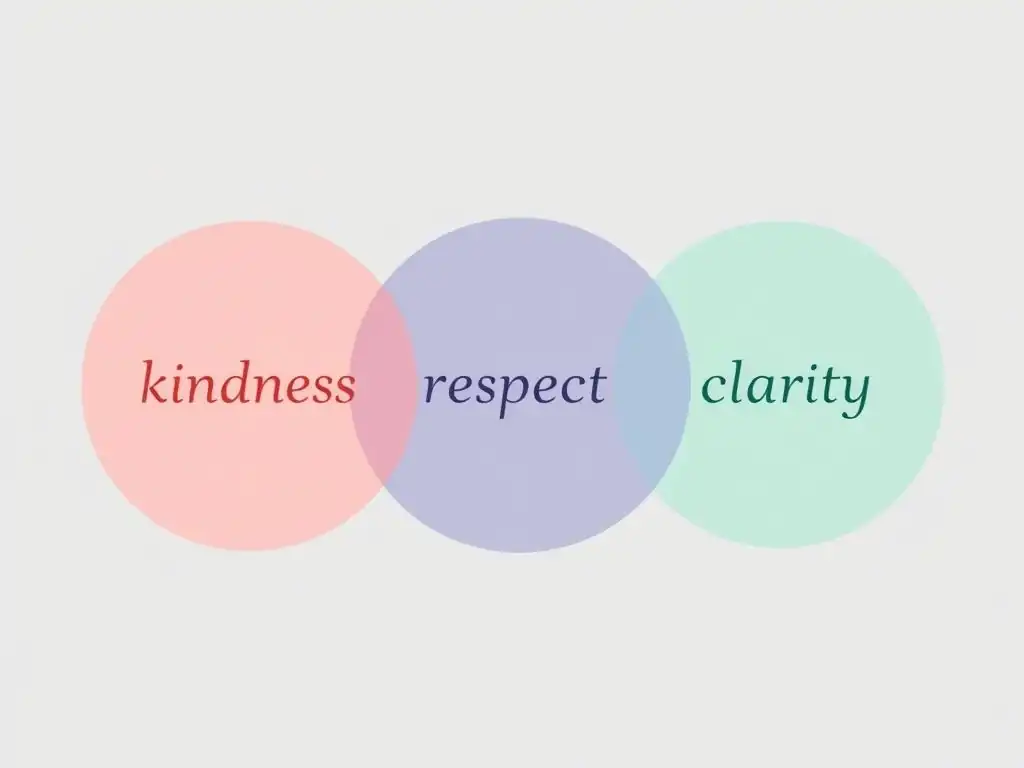
This section provides examples of how to craft respectful rejection messages in online dating, minimizing hurt feelings while maintaining your own boundaries. Remember, honesty and kindness are key, even when delivering disappointing news. The goal is to communicate clearly and concisely, avoiding ambiguity that could lead to further interaction or misinterpretation. Successful online dating graceful rejection requires empathy and consideration.
Sample Rejection Messages for Various Scenarios in Online Dating
Here are a few examples tailored to different situations you might encounter while navigating the world of online dating. Remember to personalize these templates to reflect the specific interactions you've had with the individual. Avoid generic, copy-pasted messages; sincerity is paramount.
| Scenario | Sample Rejection Message | Considerations |
|---|---|---|
| After a few messages | "Hi [Name], I've enjoyed our conversations, but I don't feel a romantic connection. I wish you all the best in your search." | Keep it brief and polite. Avoid explanations unless they are directly relevant and positive. |
| After a date | "Hi [Name], It was lovely meeting you last night. While I had a great time, I don't think we're a romantic match. I wish you all the best." | Be direct, but kind. Mentioning something positive about the date softens the blow. |
| After several dates | "Hi [Name], I've really enjoyed getting to know you these past few weeks. However, after some reflection, I don't see a future between us. I wish you happiness." | Be honest, but sensitive. This requires more explanation, but keep it concise and positive. |
| When you're not interested | "Hi [Name], Thank you for reaching out. While I appreciate your interest, I'm not feeling a connection. I wish you the best of luck." | Straightforward and polite. No need for lengthy explanations in this case. |
| If you're unsure | "Hi [Name], I've enjoyed talking to you, but I need some time to reflect on my feelings. I'll be in touch soon." (Only use if you truly need time to decide. Avoid ghosting!) | This buys you time, but follow up with a decisive message, even if it's a rejection. Avoid stringing them along. |
Remember, emojis can sometimes come across as insincere in rejection messages. Keep the tone professional and respectful. While a simple "😊" might seem harmless, it can minimize the seriousness of the situation.
Adapting the Message to the Specific Situation in Online Dating
The key to a graceful rejection is tailoring your message to the specific context of your interaction. Consider the following factors:
- Length of interaction: A brief exchange requires a shorter, simpler message than a longer, more involved relationship.
- Level of intimacy: The more intimate the interaction, the more thoughtful your rejection should be.
- Reasons for rejection: While you don't need to over-explain, understanding why you're rejecting someone can help you craft a more appropriate message. For example, if the incompatibility is based on lifestyle differences, you might subtly hint at that without being overly critical. However, avoid blaming or criticizing them.
- Their personality: Consider their communication style. Someone who is very direct might appreciate a straightforward rejection, while someone more sensitive might need a gentler approach.
Online dating graceful rejection isn't about avoiding hurt feelings entirely—it's about minimizing unnecessary pain and respecting the other person's time and emotions. By employing empathy and clear communication, you can navigate these situations with grace and integrity. The goal is to leave a positive impression, even in the context of a rejection. This contributes to a healthier and more respectful online dating experience for everyone involved.
The Long-Term Benefits of Graceful Rejection in Online Dating
Ending a budding online relationship respectfully, even if it's early on, offers significant long-term advantages. It might seem counterintuitive to invest effort in rejection, but the rewards far outweigh the perceived inconvenience. By prioritizing graceful exits, you cultivate a positive online dating reputation and attract healthier relationships. This isn't just about being nice; it's a strategic move that improves your overall online dating experience. Think of it as an investment in your future romantic success.
Building a Positive Reputation in the Online Dating Community
A reputation precedes you in the online dating world, even more so than in traditional dating. Word spreads – both positively and negatively. When you consistently practice graceful rejection, you build a reputation for being respectful, considerate, and honest. This positive image attracts like-minded individuals who value similar traits. Consider this analogy: would you rather be known as the person who always ghosts, or the person who communicates clearly and respectfully, even when things don't work out?
The answer is clear. This positive reputation extends beyond individual interactions; it influences your overall dating success. Several studies [specific information pending] suggest that users with positive feedback and fewer negative reviews tend to receive more matches and messages. This positive feedback loop creates a more encouraging and productive online dating journey.
Attracting Healthier Relationships in Online Dating
Graceful rejection is directly linked to attracting healthier relationships. By showing respect and consideration, you attract partners who value those same qualities. People who ghost or abruptly disappear often demonstrate a lack of emotional maturity and communication skills. Conversely, someone who communicates their disinterest in a respectful manner shows emotional intelligence and a willingness to engage in healthy communication patterns.
This becomes a strong indicator of their character and approach to relationships. These are crucial traits for building a lasting, fulfilling partnership. It's a self-fulfilling prophecy: by practicing respectful rejection, you attract individuals who share those same values, leading to more compatible and fulfilling connections.
Creating a More Positive Online Dating Experience for Yourself and Others
Beyond attracting better matches, graceful rejection fosters a more positive experience for everyone involved. Imagine the relief of receiving a clear, kind explanation instead of being left wondering what went wrong. This reduces the emotional turmoil and uncertainty that often accompany ghosting or abrupt rejection. For yourself, the act of communicating openly, even when difficult, can be liberating. It reduces the guilt and anxiety that may come with avoiding difficult conversations.
Moreover, it allows for personal growth and strengthens your communication skills, valuable assets in any relationship. By creating a kinder, more considerate online dating environment, we collectively improve the chances of everyone finding meaningful connections. Think of it as contributing to a more positive and supportive community. The ripple effect of respectful behavior is substantial.
Frequently Asked Questions
How do I reject someone gracefully on an online dating app?
Keep it brief and polite. Focus on your feelings and avoid blaming them. For example, "I've enjoyed getting to know you, but I don't feel a romantic connection." Honesty is key, but be kind.
What if they ask for a reason for rejection?
Offer a general and honest, yet kind response. Avoid going into excessive detail. Something like, "I'm just not feeling the connection I'm looking for in a partner," is sufficient. Don't over-explain.
Is it okay to ghost someone on a dating app?
No, ghosting is generally considered disrespectful. Even a short, polite message is better than leaving someone hanging. A brief explanation shows you value their time and feelings.
How can I reject someone without hurting their feelings too much?
Focus on your own feelings and experiences, rather than criticizing them. Use "I" statements, like "I'm not feeling a romantic connection," instead of "You're not right for me." Emphasize your appreciation for their time.
What if they become angry or upset after rejection?
Remain calm and firm but polite. Avoid engaging in a lengthy argument. If they continue to be aggressive, block them for your own safety and well-being. Prioritize your safety.
Final Reflection: The Enduring Power of Respectful Closure
The art of graceful rejection isn't just a social nicety; it's a crucial skill for navigating the complexities of modern relationships, especially in the often-anonymous world of online dating. The ability to communicate clearly and compassionately when a connection isn't there can prevent unnecessary hurt and foster a healthier dating landscape for everyone involved. It's about recognizing the inherent value in every human interaction, even those that don't lead to a romantic partnership.
The impact of how we end things ripples far beyond the immediate interaction. It shapes our own self-perception, influences how others perceive us, and contributes to the overall atmosphere of the dating world. Kindness is a language which the deaf can hear and the blind can see.
- Mark Twain. This quote perfectly encapsulates the lasting positive effect of respectful communication, even in the face of disappointment. The way we choose to end things reflects our character and contributes to a more empathetic and understanding online dating environment.
Now, consider your own experiences. Think about times you've received or given a rejection. How did it feel? What made the experience positive or negative? Take this reflection as an opportunity to commit to practicing graceful rejection in your own life. Choose kindness, choose clarity, choose respect. By doing so, you not only contribute to a more positive dating experience for yourself and others, but you also cultivate a stronger sense of self-respect and emotional intelligence that will enrich all your relationships.
Unlock Your Confidence: Master the Art of Letting Go
Thank you for exploring the art of graceful rejection! We hope you gained valuable insights into navigating difficult conversations with kindness and clarity. Now it's time to put your new knowledge into practice.
- Craft your personalized rejection message: Take a few minutes to write a short, respectful message. Consider your specific situation and tailor your approach. This is a crucial step.
- Share your experiences (anonymously, if preferred): Let's build a supportive community! Share your successes and challenges in the comments below. Learning from each other is incredibly powerful.
- Practice with a low-stakes situation: Try out a kind rejection in a casual setting, such as an online interaction. Even small steps build confidence.
Ready to confidently navigate future relationships? What small step will you take today to practice graceful rejection?