
The Secret Language of Love: How to Identify Yours on Dating Apps


Ready to unlock the secret to online dating success? At OnlineDatingSuccess.org, we help you navigate the complexities of finding love in the digital age. But have you ever considered that there's a secret language at play within your dating app interactions? Discover how understanding your Find your dating app language can transform your online dating experience and lead you to meaningful connections. Dive in and learn how to speak the language of love—it might just change everything.
-
Understanding Your Love Language in the Digital Age
- Defining Love Languages: A Quick Refresher
- Recognizing Your Primary Love Language: Self-Assessment for Online Daters
- How Your Love Language Manifests in Online Dating Profiles
- Identifying Your Love Language Preferences: Words of Affirmation Online
- Identifying Your Love Language Preferences: Acts of Service in Dating Apps
- Identifying Your Love Language Preferences: Receiving Gifts Digitally
- Identifying Your Love Language Preferences: Quality Time on Dating Platforms
- Identifying Your Love Language Preferences: Physical Touch (Challenges & Opportunities)
- Deciphering Your Match's Love Language on Dating Apps
-
Bridging the Gap: Using Love Languages to Enhance Your Online Dating Experience
- Tailoring Your Profile to Attract Compatible Partners
- Crafting Messages that Resonate with Their Love Language
- Navigating First Dates with Love Language Awareness
- Maintaining Connection: Nurturing Relationships Through Digital Communication
- Long-Term Relationship Building: Love Languages & Lasting Connections
- Find Your Dating App Language: Practical Tips and Exercises
- Frequently Asked Questions
- Final Reflection: Decoding Love in the Digital Age
- Unlock Your Love Language & Find Your Perfect Match!
Understanding Your Love Language in the Digital Age
Navigating the world of online dating can feel like deciphering a complex code. While swiping and messaging seem straightforward, true connection hinges on understanding something far more profound: your love language and how it translates in the digital realm. This article delves into the crucial intersection of love languages and online dating, equipping you with the tools to identify your unique communication style and use it to attract compatible partners.
We'll explore how to recognize your primary love language, how it manifests in your online dating profile, and how to effectively communicate your needs and desires to potential matches. Mastering this "secret language of love" significantly increases your chances of finding a meaningful, lasting connection, ultimately helping you find your dating app language and fostering authentic relationships. Let's unlock the potential for deeper connections in the digital age.
Defining Love Languages: A Quick Refresher
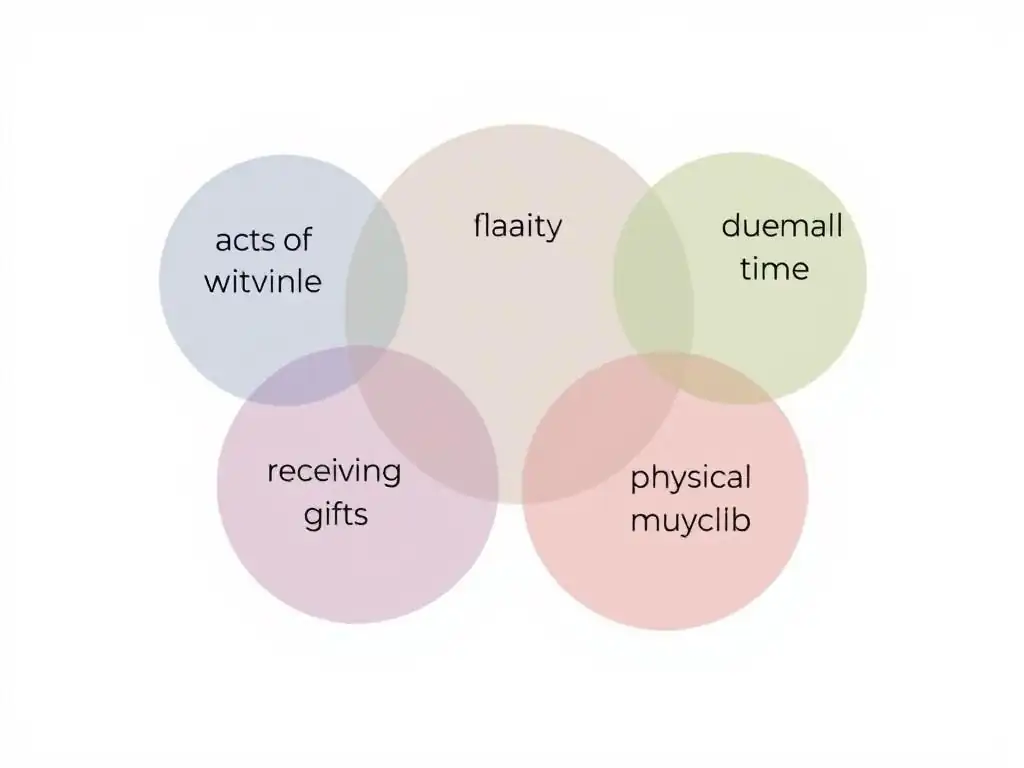
Before we dive into the online dating sphere, let's refresh our understanding of the five primary love languages, as defined by Dr. Gary Chapman:
- Words of Affirmation: These individuals thrive on verbal expressions of affection, appreciation, and encouragement. Positive feedback and compliments resonate deeply with them.
- Acts of Service: For those whose love language is Acts of Service, meaningful gestures and helpful actions speak volumes. Small acts of kindness and assistance demonstrate love and care.
- Receiving Gifts: While not necessarily materialistic, receiving thoughtful gifts symbolizes love and connection for individuals in this category. It's the thought behind the gift that truly counts.
- Quality Time: Undivided attention and dedicated time spent together are paramount for those whose love language is Quality Time. Meaningful conversations and shared experiences are deeply valued.
- Physical Touch: This love language emphasizes the importance of physical affection, such as hugs, kisses, and holding hands. Physical intimacy is a key component of expressing and receiving love.
Understanding these five categories is the foundational step towards identifying your own and recognizing it in others within the context of online dating. Knowing your love language allows you to better understand your emotional needs and communicate them effectively.
Recognizing Your Primary Love Language: Self-Assessment for Online Daters
Identifying your love language is crucial for success in online dating. It helps you create a profile that accurately reflects your needs and attracts compatible partners. Consider the following questions to help determine your primary love language:
- What makes you feel most loved and appreciated? Do you cherish verbal compliments, helpful gestures, thoughtful gifts, dedicated time, or physical affection?
- How do you typically express your love and affection? Do you frequently express your feelings through words, actions, gifts, shared experiences, or physical touch?
- What are your biggest relationship pet peeves? Do you dislike a lack of verbal affirmation, feeling neglected, receiving impersonal gifts, feeling rushed, or lacking physical intimacy?
Take some time to honestly reflect on your past relationships. Which expressions of love resonated most strongly with you? Which expressions did you find yourself naturally offering to your partners? These insights can provide valuable clues to understanding your primary love language. Remember, you might resonate with elements of several love languages, but one will likely stand out as your primary mode of giving and receiving love.
How Your Love Language Manifests in Online Dating Profiles
Your love language significantly influences how you present yourself online. Understanding this connection allows you to craft a profile that authentically reflects your needs and attracts compatible partners.
| Love Language | Profile Manifestation | Example |
|---|---|---|
| Words of Affirmation | Uses positive and encouraging language; emphasizes personal strengths and accomplishments. | "I'm a positive and supportive person, always looking for ways to encourage others." |
| Acts of Service | Highlights helpfulness and willingness to assist others; showcases volunteer work or similar activities. | "I love helping others and always try to lend a hand where I can." |
| Receiving Gifts | May subtly mention interests that suggest gift-giving (e.g., enjoying specific types of experiences). | "I love exploring new coffee shops and trying different pastries." |
| Quality Time | Emphasizes the importance of shared experiences and meaningful connections. | "I value quality time with loved ones and enjoy creating lasting memories." |
| Physical Touch | May indirectly express a preference for physical closeness (e.g., mentioning activities involving physical contact). | "I love dancing and hiking – activities that involve physical connection." |
By tailoring your profile to reflect your love language, you attract individuals who appreciate and understand your unique way of expressing and receiving love. This increases your chances of forming meaningful connections based on genuine compatibility. Remember, authenticity is key – let your true self shine through!
Identifying Your Love Language Preferences: Words of Affirmation Online
Words of affirmation, in the online dating world, translate to feeling seen, heard, and appreciated through thoughtful messages and interactions. It's not just about receiving compliments—though those are certainly welcome! It's about feeling understood and valued for your unique personality and perspectives. For someone whose primary love language is words of affirmation, a simple "I really enjoyed reading your profile; your sense of humor shines through" can mean the world. Conversely, generic or impersonal messages might feel dismissive and even hurtful.
Look for those who take the time to engage with your profile, asking thoughtful questions and responding thoughtfully to your answers. They might leave detailed and personalized comments, expressing genuine interest in your passions and experiences. On the other hand, avoid those who only send short, generic messages or focus solely on physical attributes. The quality of communication is key; a well-written, engaging message speaks volumes 🗣️. Pay attention to how your potential matches communicate.
Do they use emojis thoughtfully to convey emotion? Do their messages reflect genuine interest in your life? Do they remember details from previous conversations? These are all signs that someone values words of affirmation and might appreciate them from you as well. Remember, words hold power online, so choose them wisely and pay attention to the words others choose to share with you.
Identifying Your Love Language Preferences: Acts of Service in Dating Apps
Acts of service in the digital realm might seem counterintuitive, but it's all about thoughtful gestures that demonstrate care and consideration. For someone whose love language is acts of service, it's less about grand romantic gestures and more about the small, consistent efforts that show someone is thinking of you. This could manifest in several ways: a potential partner who proactively suggests activities or makes plans, taking the initiative to organize a virtual coffee date or suggesting a shared online game. It could also involve actively listening and remembering your preferences and needs, like suggesting a restaurant based on a previous conversation or helping you navigate a tricky app feature. These actions demonstrate a willingness to go the extra mile and show that your time and needs are valued.
Conversely, a lack of initiative or consideration can feel neglectful. Someone who consistently fails to respond promptly, forgets details, or shows little interest in your preferences might not be demonstrating this love language. Look for individuals who demonstrate proactive engagement and thoughtful consideration in their interactions. Are they suggesting activities or initiating conversations?
Do they remember details you’ve shared? These are all clear signs that someone values acts of service and is likely to appreciate them in return. Think about how you communicate your own acts of service digitally; do you offer help or support? Do you suggest activities or ideas that benefit your match?
Identifying Your Love Language Preferences: Receiving Gifts Digitally
While receiving gifts might traditionally involve physical items, the digital age offers unique opportunities for expressing affection through thoughtful virtual gifts. For those whose primary love language is receiving gifts, the focus is on the thoughtfulness and intention behind the gesture, not necessarily the monetary value. This could manifest as sending a personalized digital artwork, a subscription to a streaming service related to a shared interest, or even a carefully curated playlist reflecting your taste in music. It's about showing you've put time and effort into selecting something specific and meaningful to your partner. A simple, generic digital gift, on the other hand, can feel impersonal and lacking in genuine care.
Look for those who go the extra mile to personalize their digital gifts or gestures. Do they send you a custom meme? Do they create a digital drawing just for you? These are clear indicators of someone who understands and appreciates the “gift” of thoughtful actions. Conversely, those who only offer generic virtual gifts or neglect to express appreciation in any form might not be compatible with this love language.
Consider how you express the love language of “receiving gifts” in the digital space. Do you go above and beyond to choose something personalized for your matches? Do you show appreciation for the effort and thoughtfulness of gifts received? Remember, it's the intention behind the gift that matters most.
Identifying Your Love Language Preferences: Quality Time on Dating Platforms
Finding your dating app language often involves understanding how you best receive and give love. If your primary love language is Quality Time, you thrive on undivided attention and meaningful connections. In the digital realm, this translates to seeking out profiles and communication styles that reflect a genuine interest in getting to know you.
Avoid profiles filled with generic statements or those who only send brief, uninspired messages. Instead, look for individuals who initiate thoughtful conversations, ask insightful questions, and actively listen to your responses. They might suggest virtual dates like online games, watching a movie together remotely, or even just a long video chat where you can truly connect.
On dating apps, someone who prioritizes Quality Time will likely invest significant time in crafting detailed messages, responding thoughtfully, and scheduling virtual dates. They aren't just looking for a quick match; they are seeking a deeper connection. This isn't about quantity of messages; it's about the quality of interaction. Pay attention to the effort they put into engaging you in meaningful conversations, showing their genuine interest in learning about your personality, values, and aspirations.
This careful communication demonstrates their understanding and respect for your need for quality interaction. Conversely, if you find yourself constantly initiating conversations or feeling ignored or rushed, it might be a sign that their primary love language isn't aligned with yours. Remember, finding your dating app language is about recognizing the patterns of interaction that resonate most deeply with you.
Identifying Your Love Language Preferences: Physical Touch (Challenges & Opportunities)
Physical touch as a love language presents unique challenges in the online dating world. Since physical intimacy is inherently absent in the initial stages, identifying this preference requires a keen eye for subtle cues and a realistic approach. It's important to remember that expressing and receiving physical affection online is different than in person. While you can't physically touch someone through a screen, you can look for individuals who express warmth and connection through their words and the level of engagement they show.
Finding your dating app language when physical touch is your primary love language means recognizing the potential for misinterpretations. Someone might express affection through words—compliments, kind messages, and emotive language—but that doesn't necessarily translate directly into physical touch. However, their words can still signal a potential for future physical connection if you build a relationship based on trust and mutual respect.
On dating apps, this might manifest as someone who is very expressive in their messages, using warm and affectionate language. They might also express a strong desire to meet in person relatively quickly, indicating a need for closer physical interaction.
The opportunity lies in finding individuals who demonstrate emotional intimacy and connection online, paving the way for physical intimacy later. Look for individuals who are open and honest in their communication, who express their feelings clearly, and who demonstrate a genuine interest in getting to know you on a deeper level. Their words and the tone of their messages can offer clues about their potential to be physically affectionate in a real-life relationship.
Don't be afraid to communicate your needs openly and honestly once you feel comfortable, but remember that building trust and a strong emotional connection is crucial before any physical intimacy. This is crucial to finding your dating app language if physical touch is your priority.
Deciphering Your Match's Love Language on Dating Apps
Finding your dating app language is crucial, but understanding your match's love language is equally important for building a genuine connection. This section delves into practical techniques to decipher your match's preferred way of receiving and expressing affection within the digital dating landscape. Remember, identifying someone's love language isn't about forcing them into a box; it's about understanding their communication style to foster better interaction.
Observing Profile Clues: Words, Actions, and Preferences
Your match's dating profile offers a treasure trove of information – often unconsciously revealing their love language. Pay close attention to the details. Do they emphasize experiences and shared adventures? This might suggest Acts of Service or Quality Time as dominant languages. If their profile is filled with photos showcasing their close relationships with family and friends, they might prioritize Quality Time or Words of Affirmation. A profile filled with self-deprecating humor and a focus on self-improvement could hint at a need for Words of Affirmation or Acts of Service (seeking validation through achievement).
For instance, a profile stating "Love spontaneous weekend getaways!" clearly signals a preference for Quality Time. Conversely, a profile highlighting volunteering work or mentioning acts of kindness towards others subtly reveals a potential leaning towards Acts of Service. Look beyond the surface-level information; analyze the underlying message conveyed through their chosen words and images. The choice of photos, the tone of their bio – all offer valuable clues. Consider the following table:
| Profile Clue | Potential Love Language(s) | Example |
|---|---|---|
| Photos with friends and family | Quality Time, Words of Affirmation | "My crew is my everything!" |
| Emphasis on personal achievements | Acts of Service, Words of Affirmation | "Proud of my recent promotion!" |
| Detailed descriptions of hobbies | Quality Time, Gifts | "My passion for pottery keeps me grounded." |
| Focus on helping others | Acts of Service | "Volunteering is my happy place." |
Remember, multiple love languages can coexist. The goal is to identify the most prominent ones.
Analyzing Messaging Styles: Identifying Communication Preferences
The way your match communicates online can provide further insights into their love language. Do they respond quickly and thoughtfully, indicating a high value placed on communication? This suggests Words of Affirmation or Quality Time. Someone who consistently initiates plans and suggests activities prioritizes Quality Time and potentially Acts of Service. Conversely, someone who focuses on practical assistance or problem-solving likely values Acts of Service.
For example, someone who consistently sends encouraging messages and compliments demonstrates a preference for Words of Affirmation. Someone who offers practical advice and solutions to your problems prioritizes Acts of Service. Observe the content of their messages. Do they express feelings openly, or focus on practical matters? Do they ask detailed questions about your day, suggesting a focus on connection and Quality Time?
Pay attention to the frequency and length of their messages. Consistent communication suggests a value placed on connection and interaction, hinting at love languages like Words of Affirmation and Quality Time. Short, concise messages might not necessarily reflect a lack of interest, but could indicate a different communication style. Context is key!
Interpreting Responses: Gauging Their Appreciation
How your match responds to your efforts can also illuminate their love language. Do they enthusiastically appreciate thoughtful gestures? This is a strong indicator of Acts of Service or Gifts. Do they reciprocate with equally thoughtful messages or actions? This suggests a strong appreciation for Words of Affirmation and Quality Time. Their response, or lack thereof, provides valuable feedback.
For instance, if you send a thoughtful message and receive a short, unenthusiastic reply, it might indicate a preference for a different love language. However, it's crucial to avoid jumping to conclusions. Consider their personality and communication style. Sometimes, a lack of overt enthusiasm doesn't necessarily reflect a lack of appreciation; it might simply reflect their communication style.
However, repeated patterns of disinterest in certain forms of communication can reveal a mismatch in love languages. Pay attention to the subtle cues and consistent patterns in their responses. This will provide a clearer picture of their preferences. Remember, patience and observation are key to successfully deciphering your match's unique "dating app language."
Recognizing Red Flags: Mismatched Love Languages
Identifying potential incompatibility early on can save you heartache and wasted time. While you might find initial sparks with someone, mismatched love languages can create significant friction down the line. Look out for these red flags during your online interactions:
- Unresponsiveness to your communication style: If you consistently express affection through acts of service (e.g., suggesting thoughtful dates, offering practical help) and your match doesn't seem to appreciate or reciprocate these efforts, it's a possible indication of a mismatch. For instance, if you meticulously plan a virtual date, and they barely acknowledge your effort, it might signal that their love language isn't acts of service. Similarly, if you shower them with words of affirmation and receive little to no verbal appreciation in return, this could be a warning sign.
- Lack of Effort: A significant disparity in effort invested in communication is another red flag. If you're consistently initiating conversations, sending thoughtful messages, and making plans, while your match seems minimally engaged, it suggests a potential disconnect in how you both express and receive love. This isn't about needing constant validation; it's about a mutual exchange of effort and affection.
- Missed Opportunities for Connection: Pay attention to how your match responds to your attempts at connection. Do they seem genuinely interested in getting to know you, or are they primarily focused on superficial aspects? If your attempts to connect on a deeper level (sharing feelings, discussing values, expressing vulnerability) are met with disinterest or deflection, it suggests a potential love language clash. For example, if you express your feelings through quality time and they consistently cancel plans or seem distracted during virtual interactions, it might indicate that their love language is different and they don't value quality time as highly as you do.
- Conflicting Communication Styles: Observe if your communication styles clash significantly. For example, someone whose love language is physical touch might find it frustrating to build a connection solely through text-based interactions. Conversely, someone who values words of affirmation might feel unappreciated by someone who expresses affection primarily through gifts or acts of service, neglecting verbal validation.
Handling Mismatched Love Languages: Strategies for Success
Even if you discover a difference in love languages, it doesn't automatically mean the relationship is doomed. With understanding and effort, you can navigate these differences and build a strong connection. Here are some strategies:
- Open Communication: The foundation of any successful relationship lies in open and honest communication. Talk to your match about your love languages. Explain how you feel most loved and appreciated, and ask them to do the same. Don't be accusatory; frame it as an opportunity to learn and understand each other better. For example, you could say, "I've been reading about love languages, and I've realized that I really appreciate acts of service. What about you? What makes you feel loved?"
- Learning and Adapting: Once you understand each other's love languages, actively try to adapt and incorporate elements of your partner's preferred way of receiving affection into your interactions. This doesn't mean abandoning your own love language, but rather expanding your repertoire to better meet your partner's needs. If their love language is words of affirmation, make a conscious effort to express your appreciation and affection through verbal compliments and encouraging messages.
- Finding Common Ground: While you may have different primary love languages, you likely share some secondary ones. Focus on those shared areas to build a stronger foundation for connection. If you both value quality time, prioritize scheduling regular virtual dates or phone calls. If you both appreciate gifts, send thoughtful digital gifts or plan virtual experiences together.
- Compromise and Mutual Effort: A successful relationship requires compromise and mutual effort from both individuals. While you can't completely transform your love language, you can make a conscious effort to understand and meet your partner's needs. This reciprocal effort is crucial in bridging the gap between differing love languages. Remember, it’s not about changing who you are but about understanding and appreciating the different ways you and your partner express and receive love. This mutual understanding and effort are key to navigating potential mismatches and building a lasting and fulfilling connection.
Bridging the Gap: Using Love Languages to Enhance Your Online Dating Experience

Understanding love languages—words of affirmation, acts of service, receiving gifts, quality time, and physical touch—is crucial for building meaningful connections, both offline and online. Applying this knowledge to your online dating profile and interactions significantly increases your chances of finding a compatible partner. It's about strategically communicating your needs and recognizing those of potential matches, leading to more authentic and fulfilling relationships.
This isn't about manipulation; it's about mindful communication that fosters deeper connections. Think of it as translating your romantic intentions into a language your potential partner understands. Finding your dating app language isn't just about finding the right words, it's about choosing the right kind of words and actions.
Tailoring Your Profile to Attract Compatible Partners
Your dating profile is your first impression – your digital handshake. To attract someone who resonates with your love language, subtly incorporate elements that reflect it. For example:
- Words of Affirmation: Use positive and encouraging language in your bio. Highlight your accomplishments and positive personality traits. Avoid negativity or self-deprecating humor. A profile that exudes confidence and positivity speaks volumes.
- Acts of Service: Mention hobbies or interests that demonstrate helpfulness or a willingness to contribute. For example, "I love volunteering at the local animal shelter" subtly suggests a caring and giving nature.
- Receiving Gifts: While you can't literally give gifts online, you can hint at an appreciation for thoughtful gestures. Perhaps mention a favorite band or a unique hobby that suggests a desire for personalized experiences.
- Quality Time: Showcase your active social life and interests that involve spending time with others. Photos of you engaging in activities you enjoy, whether it's hiking, attending concerts, or simply enjoying coffee with friends, convey a desire for shared experiences.
- Physical Touch: This is the most challenging love language to convey online. However, you can subtly hint at it through carefully chosen photos. A photo showing genuine warmth and connection with friends or family can suggest a physically affectionate nature. Remember, it’s about subtlety. Avoid overly suggestive images.
Crafting Messages that Resonate with Their Love Language
Once you've identified a potential match, your messaging style should align with their apparent love language. Observe their profile carefully. What kind of communication do they use? Do they focus on achievements, express gratitude frequently, or share details about their daily life?
- Identifying their Love Language: Analyze their profile pictures and writing style. Do they prioritize achievements (Words of Affirmation), mention acts of kindness (Acts of Service), show off possessions (Receiving Gifts), focus on shared experiences (Quality Time), or have lots of close-up photos (Physical Touch)?
- Tailoring your Messages: Adapt your communication accordingly. If they seem to value words of affirmation, offer genuine compliments and express your interest in their passions. If acts of service are important to them, offer practical help or suggest activities you could do together. Remember, authenticity is key; don't try to be someone you're not.
- Example: Instead of a generic "Hey, how's it going? ", try something more specific and tailored to their profile. For example: "I saw you're a volunteer firefighter – that's incredibly admirable! It takes a lot of courage and dedication." (Appeals to Acts of Service and Words of Affirmation).
The first date is where the rubber meets the road. Your understanding of love languages should guide your behavior and choices. Continuing the mindful communication from your online interactions ensures a smoother and more enjoyable experience.
- Observing their Actions: Pay attention to how your date interacts with you. Do they offer compliments, perform acts of service (e.g., opening doors, paying for the meal), bring a small gift, focus on shared experiences, or engage in physical touch (e.g., a light touch on the arm)? This provides valuable insight into their love language.
- Reciprocity: Respond in kind. If they express appreciation for your company, reciprocate with genuine compliments. If they offer to pay, gracefully accept or offer to split the bill. Remember, finding your dating app language is about a two-way street of mutual understanding.
- Setting Expectations: Don’t expect a perfect match in love languages. Differences can be navigated with understanding and communication. The goal is to find someone whose love language is compatible enough to build a lasting relationship, even if it's not an exact mirror of your own. This requires empathy, patience, and a willingness to learn and adapt.
Maintaining Connection: Nurturing Relationships Through Digital Communication

Once you've identified your love language and, ideally, your match's, the real work begins: maintaining a strong connection through the digital realm. This requires a conscious effort to translate your understanding of love languages into meaningful online interactions. For example, if your love language is Words of Affirmation, consistently sending encouraging messages, expressing appreciation for their responses, and offering genuine compliments goes a long way.
Avoid generic phrases; instead, personalize your messages, referencing specific details from previous conversations to show you're truly listening and engaged. Remember, even a simple "I enjoyed talking to you today; your perspective on [topic] was fascinating" can be incredibly impactful.
For those whose love language is Acts of Service, offering digital assistance can be surprisingly effective. This might involve helping them troubleshoot a technical issue, sharing a helpful resource related to their interests, or even proactively suggesting a virtual activity you can both enjoy, like watching a movie together online or playing an online game. The key is to demonstrate helpfulness and consideration in a way that aligns with their digital comfort level.
If your love language or your partner's is Receiving Gifts, thoughtful digital gestures can still pack a punch. This could involve sending a digital e-card expressing your feelings, creating a personalized playlist of songs that remind you of them, or even sharing a funny meme or GIF that you think they'll appreciate. The gesture doesn't need to be extravagant; the thoughtfulness behind it is what counts.
Individuals whose primary love language is Quality Time might find success by scheduling regular virtual dates. This could be a video call to simply chat, playing an online game together, or even watching a show simultaneously. The important element is dedicated, uninterrupted time focused solely on each other. Be present and engaged during these virtual dates; avoid distractions and make an effort to truly connect.
Finally, for those who prioritize Physical Touch, the digital world presents a unique challenge. While physical touch is impossible to replicate online, expressing affection through other means is crucial. Heart emojis, virtual hugs (using emojis or text), or expressing your desire for physical intimacy when you eventually meet in person can help bridge the gap. Remember, clear and open communication about your physical affection needs is vital, even in the early stages of online dating. Finding ways to connect emotionally while acknowledging the limitations of the digital space is key.
Long-Term Relationship Building: Love Languages & Lasting Connections
Understanding love languages isn't just about the initial stages of online dating; it's crucial for building a lasting, fulfilling relationship. Successfully navigating the transition from online interactions to a real-world relationship requires consistent effort in expressing and receiving love in ways that resonate with both partners. Continuing to express your partner's love language, even after establishing a relationship offline, strengthens the bond and demonstrates ongoing commitment.
Think of love languages as a roadmap for building intimacy and trust. Regularly reflecting on your partner's love language and consciously incorporating it into your interactions helps prevent misunderstandings and fosters a deeper connection. If one partner consistently expresses love through Acts of Service, while the other prioritizes Words of Affirmation, a lack of awareness might lead to feelings of unappreciated effort or a perceived lack of emotional support. Open communication about your love languages and how you both best experience and express love is crucial for preventing such conflicts.
Furthermore, understanding your own love language helps you articulate your needs and expectations effectively. If your love language is Quality Time, for instance, clearly communicating your need for dedicated time together, both online and offline, prevents resentment and ensures your needs are met. This self-awareness is essential for building a healthy, mutually supportive relationship.
The more you understand and appreciate your partner's love language, the stronger your bond will become. This understanding lays the foundation for long-term happiness and success in your relationship, far beyond the initial excitement of online dating. Remember that love languages aren't static; they can evolve over time, so consistent communication and mutual understanding are key to maintaining a thriving relationship.
Find Your Dating App Language: Practical Tips and Exercises
This section focuses on helping you pinpoint your unique "dating app language"—the way you communicate and interact within the online dating sphere. Understanding this is crucial for attracting compatible partners and building genuine connections. Finding your dating app language isn't about changing who you are; it's about presenting your authentic self in a way that resonates with others.
Self-Reflection Questions: Uncovering Your Dating Style
Before diving into the world of online dating profiles and messages, let's take a moment for introspection. Honest self-assessment is the cornerstone of success. Consider these questions carefully, journaling your responses for clarity:
- What are your primary goals in online dating? Are you looking for a long-term relationship, casual dating, or something in between? Defining your intentions helps you tailor your approach and attract compatible individuals.
- What kind of communication style do you prefer? Are you direct and to-the-point, or do you prefer playful banter and subtle flirting? Do you enjoy lengthy conversations or prefer brief, engaging exchanges? Understanding your preferred communication style will guide how you craft your messages.
- What kind of profiles attract you? Analyze the profiles that pique your interest. What elements stand out? Is it their humor, their photos, their detailed descriptions, or something else? This insight reveals your preferences and helps you create a similarly appealing profile.
- What are your deal-breakers? Knowing your non-negotiables—whether it's smoking, a specific lifestyle, or religious beliefs—will save you time and heartache by helping you filter potential matches effectively. This is essential for optimizing your dating app experience.
- How do you react to rejection? Online dating involves some rejection. How do you handle it? Understanding your emotional response helps you maintain a healthy perspective and avoid getting discouraged. Remember, rejection is part of the process, not a reflection of your worth.
Analyzing Past Relationships: Identifying Patterns and Preferences
Reflecting on past relationships—both online and offline—can offer valuable insights into your dating patterns and preferences. This isn't about dwelling on past mistakes, but rather about identifying recurring themes and preferences that influence your approach to finding love.
Consider these points:
- What communication styles worked best in previous relationships? Did you thrive in open and honest communication, or did playful teasing bring you closer? Identifying these patterns can help you replicate successful communication strategies in your online dating journey.
- What were the key factors that contributed to the success or failure of past relationships? Understanding what aspects of your interactions resonated with your past partners—or led to conflict—provides crucial information to refine your approach.
- Did you find it easier to connect with certain personality types? Were you drawn to extroverts, introverts, or a specific personality blend? This understanding can shape your profile and messaging style to attract those who align with your preferences.
- Did you utilize specific online dating strategies in the past? If so, which strategies proved most effective? This analysis provides data points for refining your approach. For example, did using humor in your profile generate more positive responses? Documenting your experiences helps you optimize your strategy.
Experimentation: Testing Different Approaches
Once you've engaged in self-reflection and analysis, it's time to experiment! Online dating is a dynamic landscape; what works for one person might not work for another. The key is to try different approaches and observe the results.
- A/B Test Your Profile: Create two slightly different versions of your profile—one highlighting humor, the other emphasizing your intellectual side, for instance—and track the response rate for each. This data-driven approach helps refine your online persona.
- Vary Your Messaging Style: Try different conversational tones and approaches. Some days, be playful; other days, be more direct. Observe which styles generate more engaging interactions.
- Experiment with Different Dating Apps: Each platform caters to a different demographic and user base. Experimenting with various apps can broaden your reach and help you find the platform that best suits your dating style and goals. This might require some initial investment of time, but it can significantly impact your results.
- Track Your Progress: Keep a journal or spreadsheet to track your interactions, highlighting successful strategies and identifying areas for improvement. This data-driven approach allows you to refine your online dating approach continuously. Remember, finding your dating app language is an ongoing process of learning and adaptation. 🥂
Seeking Feedback: Gaining Insights from Friends and Mentors
Finding your dating app language isn't a solitary journey. Seeking feedback from trusted friends and mentors can provide invaluable insights you might miss on your own. Think of it as a quality control check for your online dating profile and communication style. Choose friends who know you well, understand your dating goals, and are comfortable offering constructive criticism. Don't just ask for general opinions; be specific. For example, instead of asking "What do you think of my profile?
", try "Does my profile accurately reflect my personality and interests? Are there any photos that could be improved or replaced?" Similarly, when reviewing your messaging style, ask for feedback on specific messages. "Does this message come across as genuine and enthusiastic? Is it too forward or too passive?" Mentors, particularly those with experience in relationships or online dating, can offer a broader perspective, helping you identify potential blind spots in your approach.
Their guidance can be especially helpful in navigating the nuances of online communication and understanding different dating app cultures. Remember, the goal is not to please everyone, but to refine your communication to resonate with the right people – those who appreciate your authentic self. This feedback process should be iterative; incorporate suggestions, test them out, and seek further feedback as you evolve your dating app strategy. The more feedback you gather, the clearer your unique dating app language will become. Don't be afraid of honest, even critical, feedback; it's crucial for growth.
Continuous Improvement: Refining Your Online Dating Strategy
Finding your dating app language is an ongoing process, not a destination. Once you've identified some initial strategies that seem to work, don't stop there. Continuous improvement is key to maximizing your success. Track your progress. Keep a simple log of your interactions—the messages you send, the responses you receive, and the overall outcome of each interaction. This data can reveal patterns and help you identify what resonates best with potential partners. Analyze your successes and failures. What worked particularly well?
What led to unsuccessful interactions? Identifying these patterns is crucial for refining your approach. For instance, you might discover that humor works better for you than long, descriptive messages, or vice versa. Experiment with different approaches. Don't be afraid to try new things, but always keep track of the results. Try varying your profile photos, adjusting your bio, or experimenting with different opening lines in your messages. Pay close attention to how different approaches are received. A/B testing different messages can be particularly helpful.
For example, you could send two different opening messages to similar profiles and observe which one receives more positive responses. Regularly review and update your profile. Your interests and goals may evolve over time, so it's important to keep your profile current and reflective of your current self. This includes updating your photos, refreshing your bio, and ensuring your preferences remain accurate. Remember, the key is to adapt and refine your strategy based on your experiences and learnings. The more you practice and adapt, the more fluent you'll become in the secret language of love on dating apps. This continuous refinement is the key to unlocking meaningful connections.
Frequently Asked Questions
What is "dating app language"?
Dating app language refers to the specific vocabulary, tone, and style you use in your profile and messages to attract the right matches. It's about crafting a unique personal brand that resonates with your ideal partner. Finding your authentic voice is key.
How do I identify my dating app language?
Consider your personality, values, and goals. What words and phrases best describe you? Analyze successful profiles that resonate with you; what language do they use? Experiment with different styles to see what attracts the most positive responses.
Is there a "right" dating app language?
There's no single "right" language, but there's a right language for you . Authenticity is key; avoid clichés and focus on expressing your true self. Experimentation and feedback will help you refine your approach.
How can I improve my dating app language?
Focus on being clear, concise, and engaging. Use active voice and positive language. Proofread carefully for grammar and spelling errors. Use specific examples to illustrate your personality and interests.
What if my dating app language isn't working?
If you're not getting the results you want, analyze your profile and messages. Seek feedback from friends or a dating coach. Don't be afraid to experiment with different approaches and adjust your strategy accordingly. Remember, consistency and persistence are crucial.
Final Reflection: Decoding Love in the Digital Age
The ability to articulate your desires and needs in online dating is no longer a luxury; it's a necessity. Finding genuine connection in the digital sphere requires a level of self-awareness and communication often overlooked. This article has explored the nuances of crafting a dating profile that authentically reflects your personality and relationship goals, highlighting the importance of understanding your "dating app language."
The impact of this "secret language" extends far beyond the confines of a dating app. It speaks to a broader cultural shift towards self-expression and the need for clear communication in all aspects of our lives. The most important thing in communication is hearing what isn't said.
- Peter Drucker. This quote rings true in the online dating world, where unspoken expectations and assumptions can lead to misunderstandings and disappointment. Understanding your own communication style, and learning to decipher that of others, is crucial for building healthy relationships, both online and offline.
Now, consider your own "dating app language." What are the subtle cues you send out? Do they accurately reflect your values and aspirations? Take a moment to reflect on your profile, your messaging style, and the overall impression you project. Are you communicating clearly and authentically? By consciously crafting your online persona and actively listening to others, you can unlock the potential for meaningful connections and find a love that resonates deeply with who you truly are.
Unlock Your Love Language & Find Your Perfect Match!
Thank you for exploring the fascinating world of love languages and how they affect your dating app experience. You've gained valuable insights into effective communication and building deeper connections. Ready to apply this knowledge?
- Identify your primary love language: Reflect on the exercises we discussed—which one resonated most strongly with you? Understanding your primary love language is key to attracting compatible partners.
- Refine your dating profile: Use this new understanding to subtly highlight your preferred ways of expressing and receiving love, attracting those who share your approach. Experiment with fresh descriptions and photos!
- Share your insights: Discuss your newfound understanding of love languages with friends, family, or on our OnlineDatingSuccess.org forum—let's build a supportive community!
How will you incorporate your love language into your next dating app interaction?