
The Power of Observation: Using Love Languages to Read Your First Date


Ready to unlock the secrets to a successful first date? At OnlineDatingSuccess.org, we empower you to navigate the world of online dating with confidence. This isn't just about finding a match; it's about building meaningful connections. Discover how understanding Love Language first date signals can dramatically improve your chances of finding lasting love. Learn to decipher the subtle cues and unlock the potential for a truly fulfilling relationship—start exploring now!
- Deciphering First Date Signals Through Love Languages
- Love Language First Date Signals: Actions Speak Louder Than Words
- Using Love Language Insights to Improve Your First Date Experience
- Beyond the First Date: Sustaining Connection Using Love Languages
-
Frequently Asked Questions
- How can I identify someone's love language on a first date?
- What if my love language is different from my date's?
- Are there specific signals to look for related to each love language?
- How can I use love language knowledge to improve my first date communication?
- Can I determine someone's love language definitively on a first date?
- Final Reflection: Deciphering the Silent Language of Love on a First Date
- Unlock Deeper Connections: Master the Art of Observational Dating
Deciphering First Date Signals Through Love Languages
Online dating can feel like navigating a minefield, especially when it comes to understanding your date's personality and compatibility. While profiles offer glimpses into potential partners, the true test lies in the first date. This article delves into the fascinating world of love languages and how recognizing them during a first date can significantly increase your chances of building a meaningful connection.
By learning to observe subtle cues in your date's communication style and body language, you can gain valuable insights into their preferred way of giving and receiving love, ultimately helping you determine if there's potential for a lasting relationship. Understanding love languages isn't about manipulating others; it's about fostering genuine connection through empathetic communication and appreciating diverse ways of expressing affection.
Mastering this skill will transform your online dating experience, moving beyond superficial interactions to deeper, more authentic connections. Let's explore how to identify these crucial signals on your next first date.
Recognizing Love Language Preferences Early On
Identifying someone's primary love language early on can be challenging, but observant daters can pick up on subtle clues. Consider these examples: Does your date enthusiastically share details about their day, their interests, or their family? This could indicate a preference for Words of Affirmation. Do they constantly check their phone and seem more interested in the setting than the conversation? This might suggest they prioritize Quality Time less than other aspects of the date.
Perhaps they insisted on choosing a restaurant, or brought a thoughtful gift. This might highlight a preference for Acts of Service or Receiving Gifts. Pay close attention to how they respond to your own expressions of affection. Do they reciprocate physical touch readily?
This suggests Physical Touch might be their primary love language. Remember, people often display multiple love languages, but one usually tends to dominate. Keeping a keen eye on these nuances will help you understand the best way to connect with them. The key is to look beyond the surface level and focus on how your date expresses themselves, not just what they say.
Observing Nonverbal Cues: Body Language and Love Languages
Beyond words, body language offers a wealth of information about your date's love language preferences. For instance, someone who frequently makes eye contact and leans in during conversation often values Quality Time and Words of Affirmation. Conversely, someone who maintains a more distant physical posture, even in a comfortable setting, may not prioritize Physical Touch. Consider these additional examples: frequent smiling and laughter might suggest a preference for Words of Affirmation or Quality Time.
Someone who consistently mirrors your body language often indicates a strong connection and possibly a preference for Physical Touch. Pay attention to subtle gestures, such as hand gestures and facial expressions. Are they open and expressive, or reserved and guarded?
These nonverbal cues can give you a better understanding of their comfort levels and potential love language preferences. Remember to observe your own body language, too. Mirroring your date's positive gestures can foster a sense of connection and understanding.
Interpreting Conversational Styles: Words and Love Languages
The way your date communicates verbally can also reveal their dominant love language. Someone who frequently uses compliments and expressions of appreciation likely values Words of Affirmation. They might also actively listen to your stories and respond with genuine interest, showing a preference for Quality Time. On the other hand, someone who focuses primarily on practical matters and offering help might prioritize Acts of Service.
Their conversations might involve offering solutions to your problems or suggesting helpful actions. Listen for keywords and phrases that hint at their values and priorities. Do they frequently talk about shared experiences or future plans? This could indicate a strong desire for Quality Time and a focus on building a lasting connection.
Conversely, a date who primarily focuses on exchanging gifts or discussing material possessions might suggest a preference for Receiving Gifts. Analyzing these conversational patterns, combined with nonverbal observations, offers a holistic picture of your date's love language preferences. Remember, these are just indicators; open communication and genuine interest are crucial to building a successful relationship. 🥂
Love Language First Date Signals: Actions Speak Louder Than Words
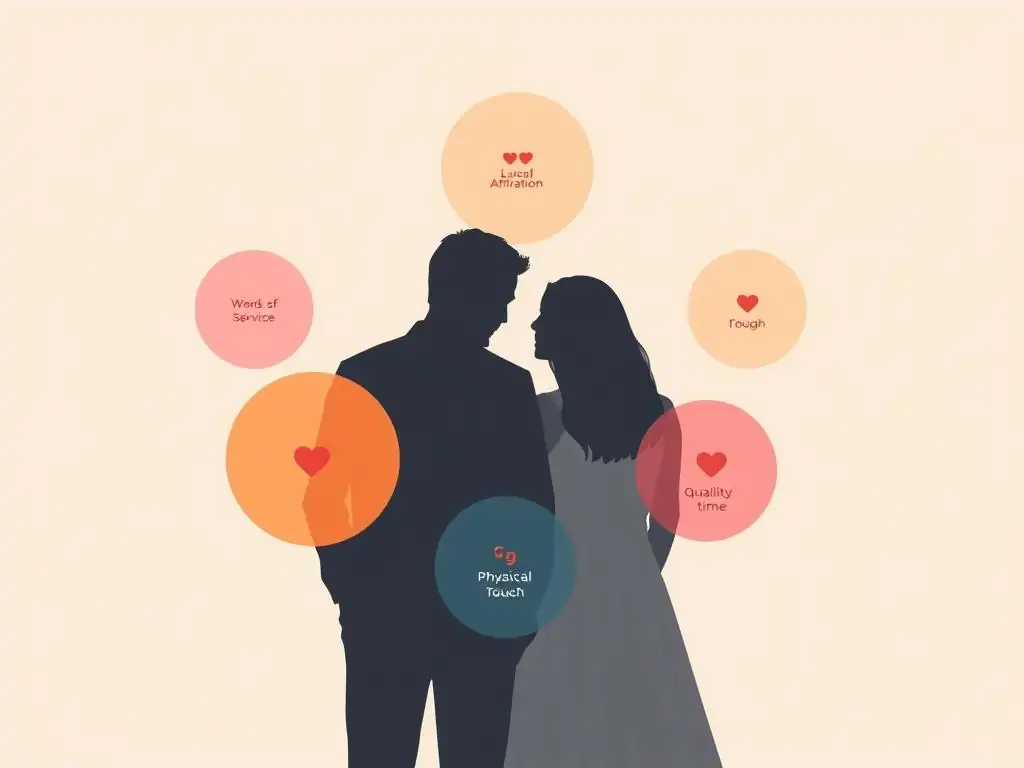
This section delves into the subtle yet powerful cues your date might unknowingly reveal about their primary love language during your first encounter. Remember, observing these signals isn't about judging; it's about understanding and fostering connection. Learning to recognize these love language first date signals can significantly improve your dating experience and help you build stronger relationships. Paying attention to these details can illuminate your date's emotional needs and preferences, paving the way for more meaningful interactions.
Acts of Service: Observing Helpful Gestures
Acts of service as a love language manifests as a desire to help and contribute to others' well-being. On a first date, this might not be overtly grand, but rather subtle gestures. Look for small acts of kindness and helpfulness. Did your date offer to pay the bill, even after you insisted on splitting it?
Did they help you with your coat or carry your bag? Did they anticipate your needs – offering water before you asked, or noticing you were cold and suggesting a warmer spot? These seemingly small acts can speak volumes about their inclination towards expressing love through practical support. For instance, a date who insists on driving you home, ensuring your safe arrival, demonstrates a strong tendency towards expressing love through acts of service.
Conversely, a date who seems oblivious to your needs or offers no assistance might indicate a different dominant love language. Analyzing these seemingly small actions provides valuable insight into their personality and how they express affection. Remember to consider the context; a busy, distracted person might not display these behaviors even if acts of service is their primary love language. However, consistent observation across several interactions can reveal a pattern.
Receiving Gifts: Note-Taking on Thoughtful Presents (or Lack Thereof)
While not every first date involves gift-giving, the thoughtfulness behind any gesture, no matter how small, reveals much about someone's love language. A small, thoughtful present – a flower, a handwritten note, even a shared dessert – speaks to a potential preference for receiving gifts as a primary love language. The key here isn't the monetary value but the intentionality. Did they choose something specific, hinting at a shared interest or remembering something you mentioned earlier?
This shows attentiveness and an effort to make you feel special. Conversely, the absence of a gift doesn't necessarily mean this isn't their love language; some people are simply less expressive or might be unsure of the appropriateness of gift-giving on a first date. However, if combined with other observations, this lack of gesture can be a piece of the puzzle.
Also note the quality of any potential gift. A hastily chosen item might contrast with a meticulously selected one, hinting at deeper thoughtfulness and care. Consider the presentation too; a simple, heartfelt note accompanying a small gift speaks volumes more than an expensive present given without thought.
Quality Time: Evaluating Focused Attention and Engagement
For those whose primary love language is quality time, undivided attention is paramount. On a first date, this translates to genuine engagement, active listening, and minimal distractions. Did your date put away their phone? Did they maintain eye contact and actively listen to your stories, asking follow-up questions?
Did the conversation feel balanced, with both of you sharing equally and genuinely interested in what the other had to say? These are strong indicators of someone who values quality time and cherishes meaningful connections. A date who constantly checks their phone or seems distracted, even if engaged in conversation, might not prioritize quality time as their primary love language. Conversely, a date who is fully present, listening intently and creating a space for genuine connection, strongly suggests that quality time is a significant factor in how they experience and express love.
The level of focused attention and genuine engagement during the conversation reveals a great deal about their communication style and their priorities in relationships. Consider not just what they say, but how they listen. Genuine interest is reflected in both verbal and non-verbal cues.
Words of Affirmation: Listening for Compliments and Encouragement
Individuals whose primary love language is Words of Affirmation thrive on verbal appreciation. On a first date, look for signs of this preference. Do they readily offer compliments, not just about your appearance but also your personality, accomplishments, or sense of humor? A person whose love language is Words of Affirmation will likely express genuine interest in getting to know you, asking thoughtful questions and actively listening to your responses. They might remember details you've shared in previous conversations (if any) and bring them up naturally, showing they value your words and experiences. Conversely, a lack of verbal affirmation, even a noticeable absence of positive feedback, might suggest this isn't their primary love language.
Pay attention to both the quality and quantity of compliments. A single, generic compliment might not be as indicative as several sincere and specific ones, highlighting your unique qualities. Remember, genuine compliments are heartfelt and specific, focusing on your personality and character rather than just physical attributes. The way they phrase their compliments also matters; are they effusive and enthusiastic, or reserved and understated? This can further illuminate their communication style and potential love language.
For example, someone might say, "I really appreciate your insightful perspective on that political issue," which is far more meaningful than a simple "You're pretty." The depth and sincerity of the words matter greatly. Observing how they respond to your compliments is equally important. Do they reciprocate with similar expressions of appreciation, demonstrating a mutual valuing of verbal affirmation? This reciprocal exchange strengthens the indication of a shared preference for this love language.
Physical Touch: Subtle and Not-So-Subtle Physical Cues
For those whose love language is Physical Touch, nonverbal communication speaks volumes. On a first date, observe subtle physical cues. Do they initiate physical contact, such as a light touch on your arm during conversation or a gentle hand squeeze? The frequency and nature of this touch are key. Casual, fleeting touches might be a sign of friendliness, but repeated, slightly longer touches, especially in moments of shared laughter or connection, are more suggestive of a preference for physical affection. Consider the context of the touch.
Is it appropriate to the setting and your relationship's stage? A lingering hand-hold might be meaningful, but a full-body hug on the first date could be premature or even off-putting, depending on individual preferences and cultural norms. However, if the date involves appropriate physical closeness, consider how they respond to your own touches. Do they lean in closer, reciprocate the touch, or subtly pull away? Their reaction will provide additional insight. Conversely, a complete avoidance of physical contact, even in situations where it would be socially acceptable (such as a light pat on the back or a high-five), could suggest that physical touch isn't a high priority for them.
Pay attention to body language as well. Are they open and relaxed in their posture around you, indicating comfort and a willingness for physical closeness? Or do they maintain a more distant, closed-off body language? This could reflect their overall comfort level and their approach to physical intimacy. Remember to respect personal space and boundaries. The interpretation of physical touch cues should always be sensitive and contextualized, remembering that cultural differences and individual comfort levels significantly impact the meaning of physical interactions.
Using Love Language Insights to Improve Your First Date Experience
Understanding love languages can significantly enhance your first date experience, transforming it from a potentially awkward encounter into a meaningful connection. By subtly observing your date's behavior and communication style, you can gain valuable insights into their primary love language and adjust your approach accordingly. This isn't about manipulation; it's about demonstrating genuine interest and creating a comfortable environment where both individuals feel understood and appreciated.
Remember, the goal is to build rapport and assess compatibility, not to "crack the code" of someone's personality. The subtle cues you observe can offer a fascinating glimpse into how your date expresses and receives affection, paving the way for a more fulfilling and potentially lasting relationship. This proactive approach can increase your chances of success in online dating by fostering deeper connections early on.
Tailoring Your Approach Based on Observed Love Languages
Observing your date's behavior during the first date is key to understanding their love language preferences. For instance, if your date frequently initiates physical touch – a hand on your arm, a gentle touch on the shoulder – they might primarily express and receive love through physical touch. Conversely, if they focus intently on listening to you, asking thoughtful questions and remembering details you share, their primary love language could be words of affirmation.
Someone who constantly brings small gifts or performs acts of service, such as offering to pay for the meal or helping you with your coat, might prioritize acts of service or receiving gifts. If your date consistently ensures you feel comfortable and cared for, prioritizing your emotional well-being above all else, quality time could be their dominant love language. These are not definitive, but strong indicators.
Remember, people often have a blend of love languages, but one usually dominates. The key is to pay attention to the consistent patterns in their behavior rather than isolated incidents. For example, a single compliment doesn't necessarily mean "words of affirmation" is their primary love language; however, consistent, thoughtful verbal expressions of appreciation might indicate this. This requires mindful observation and a genuine interest in getting to know your date beyond surface-level conversation.
Building Connection Through Understanding Love Language Preferences
Once you've identified (or at least have a strong suspicion of) your date's dominant love language, subtly incorporate it into your interaction. If you suspect physical touch is important, offer a gentle hand squeeze during conversation or maintain appropriate physical proximity. If words of affirmation seem prominent, offer sincere compliments, focusing on genuine qualities rather than superficial ones. For acts of service, offer assistance in small ways, such as carrying something or offering to help with the bill.
Show quality time appreciation by putting away your phone and giving your date your undivided attention. For those who value receiving gifts, a small, thoughtful gesture—not necessarily expensive—can go a long way. The goal isn't grand gestures, but rather a consistent demonstration of understanding and appreciation tailored to their individual preferences. This subtle adaptation can significantly improve the date's success.
It's crucial to be genuine and authentic in your approach. Forced attempts to cater to a love language will feel disingenuous and potentially backfire. The key is to observe, learn, and adapt naturally, enhancing the existing connection. Using this approach, you can build stronger rapport and create a more positive first date experience.
Avoiding Common First Date Pitfalls Based on Love Language Mismatches
Misunderstandings in love languages can lead to first date pitfalls. For example, if you prioritize quality time and your date prioritizes acts of service, you might feel neglected if they focus on practical tasks rather than deep conversation. Conversely, if you express love through physical touch and your date is uncomfortable with physical closeness, this could create awkwardness or even discomfort. These mismatches aren't necessarily deal-breakers, but recognizing them early on can prevent misunderstandings and potential frustrations. Addressing these potential conflicts early can pave the way for more successful future interactions.
A key strategy is open communication. While directly asking about love languages on a first date might feel too forward, you can subtly gauge their preferences through observation and then, if the date progresses well, gently introduce the concept of love languages in a later conversation. This approach allows you to understand your date's needs and communicate your own preferences, creating a foundation of mutual understanding and respect. This proactive communication can significantly improve the overall dating experience and increase the likelihood of forming a lasting connection. Remember, effective communication is vital for any successful relationship.
Beyond the First Date: Sustaining Connection Using Love Languages
Observing love language signals on a first date is only the beginning. Understanding how your date receives and expresses love is crucial, but equally important is integrating that knowledge into your ongoing interactions. The first date provides valuable insights; subsequent dates and the budding relationship require consistent effort to nurture the connection. This section focuses on how to translate your first date observations into a lasting, fulfilling relationship.
Integrating Love Language Understanding into Future Interactions
Successfully navigating the post-first-date phase hinges on consistently applying your newfound understanding of your partner's love language. It's not a one-time application; rather, it's an ongoing process of mindful communication and action. Consider these practical steps:
- Regular Acts of Service: If your date's primary love language is Acts of Service, don't just stop at a single thoughtful gesture. Continue showing your care through consistent helpful actions. This could be as simple as offering to run errands, helping with chores, or taking initiative in planning future dates. Think beyond grand gestures; small, regular acts hold significant weight. For example, instead of a one-time dinner, offer to cook for them once a week. This demonstrates ongoing commitment and consideration.
- Quality Time Devotion: If Quality Time resonated strongly, prioritize dedicated, uninterrupted time together. This isn't just about being physically present; it's about focused attention. Put away your phone, engage fully in conversation, and actively listen. Plan activities you both enjoy and make an effort to create a space free from distractions. Scheduling regular date nights, even if it's just watching a movie together, is crucial. The consistency demonstrates your value of their time and presence.
- Words of Affirmation Reinforcement: For those whose love language is Words of Affirmation, continue to express your appreciation and affection verbally. This isn't just about grand declarations of love; it's about consistent, genuine compliments and expressions of support. Send thoughtful texts, leave encouraging notes, and openly communicate your feelings. Specific praise, like "I really appreciate your help with [task]," is more impactful than general statements.
- Gifts and Thoughtfulness: If receiving Gifts is a key love language, small, thoughtful gifts are important, not expensive ones. It’s the thoughtfulness behind the gesture that matters. A small gift that reflects something you know they enjoy or reminds you of a shared experience shows you pay attention to their preferences and interests. Don't wait for special occasions; surprise them with small tokens of appreciation throughout the week.
- Physical Touch Continued Care: For those who thrive on Physical Touch, maintain appropriate physical affection. This doesn't necessarily mean constant physical intimacy; it's about consistent, comfortable physical contact. This could include holding hands, hugging, or simply sitting close together. The key is to be mindful and respectful of their comfort levels. Gentle touches, like a hand on their shoulder or a reassuring hug, can convey significant affection.
Long-Term Relationship Building Based on Love Language Compatibility
Understanding and actively employing love languages is not a quick fix; it's a foundational element for building a strong and lasting relationship. Compatibility in love languages doesn't guarantee a perfect relationship, but it significantly increases the chances of a healthy and fulfilling connection. Consider these aspects of long-term relationship building:
- Ongoing Communication and Adaptation: Love languages aren't static; they can evolve over time. Open communication is key to understanding any shifts in your partner's preferences. Regularly check in with each other, discussing what makes you both feel loved and appreciated. Flexibility and willingness to adapt are crucial for navigating the changing dynamics of a long-term relationship.
- Addressing Conflicts Constructively: Disagreements are inevitable in any relationship. However, understanding your partner's love language can help you navigate conflicts more constructively. For example, if your partner's love language is Words of Affirmation, focusing on validating their feelings and expressing your understanding can diffuse tension more effectively.
- Celebrating Milestones and Shared Experiences: Celebrating milestones, big and small, reinforces your commitment and strengthens your bond. Tailoring these celebrations to your partner's love language adds an extra layer of meaning. For instance, if their love language is Acts of Service, a thoughtful gesture like preparing a special meal or taking care of a household chore is a meaningful way to celebrate.
- Continuous Learning and Growth: The journey of understanding and applying love languages is a continuous process of learning and growth. Be patient with yourselves, and celebrate the progress you make together. Remember that consistent effort and mutual respect are the cornerstones of a successful and loving relationship. This ongoing process of mutual understanding and adaptation is key to nurturing a thriving, long-term partnership. The more you learn about each other's love languages, the stronger your bond will become. This continuous learning is a testament to your commitment and a powerful foundation for a lasting relationship.
Frequently Asked Questions
How can I identify someone's love language on a first date?
Observing nonverbal cues is key. Do they prioritize quality time (focused attention)? Do they give gifts or acts of service? Listen to their words and actions for clues.
What if my love language is different from my date's?
Different love languages aren't a dealbreaker. Understanding and appreciating each other's needs is crucial. Focus on communication and finding ways to show love in ways they appreciate.
Yes! Words of affirmation lovers might compliment frequently. Acts of service lovers might offer to help. Receiving gifts lovers might mention things they like. Pay attention to the little things.
How can I use love language knowledge to improve my first date communication?
Speak your date's love language! If they value quality time, be fully present. If they appreciate physical touch, use appropriate gestures. Tailoring your interactions will show you care.
Can I determine someone's love language definitively on a first date?
No, a first date offers initial insights, not definitive conclusions. Consider it a starting point for learning about your date's preferences and building a stronger connection. Continue observing over time.
Final Reflection: Deciphering the Silent Language of Love on a First Date
Understanding love languages isn't just a relationship hack; it's a key to unlocking genuine connection from the very first meeting. The ability to observe and interpret subtle cues, framed by the framework of love languages, can transform a potentially awkward encounter into a meaningful and insightful experience. This isn't about manipulation, but about fostering authentic communication and building a foundation of understanding.
The impact of recognizing and responding to someone's love language on a first date is profound. It moves beyond superficial pleasantries and delves into the core of how someone expresses and receives affection. The most important thing in communication is hearing what isn't said.
- Peter Drucker. This quote perfectly encapsulates the power of observation; often, the unspoken signals reveal more than words ever could. By paying attention to these subtle cues – a lingering touch, a thoughtful gift, a genuine listening ear – we can gain invaluable insight into another person's emotional landscape and build a stronger connection based on mutual understanding.
Now, consider your own love language. How do you express and receive love? Reflect on your past first dates. Were there missed opportunities for connection because you weren't aware of your own, or your date's, primary love language? Take this knowledge and apply it to your future interactions. Embrace the power of observation, actively listen, and watch for those subtle signals. The next first date you have could be the start of something truly special, simply by paying attention to the silent language of love.
Unlock Deeper Connections: Master the Art of Observational Dating
Thanks for exploring the world of love languages and observational dating! You now have the tools to understand subtle cues and build stronger connections from the very first date. Ready to apply your new skills?
- Identify your date's primary love language: Reflect on your date, considering the clues you observed. Did they show affection through acts of service, words of affirmation, quality time together, thoughtful gifts, or physical affection?
- Share your insights: Discuss your observations with a trusted friend or family member. A fresh perspective can often highlight patterns you might have missed.
- Challenge yourself: On your next date, pay close attention to your date's behavior, looking for subtle clues that reveal how they best receive and express love.
What insightful observation will you make on your next date, and how will you use that knowledge to strengthen your connection?