
Why Your Online Flirts Fall Flat: Love Languages & Connection

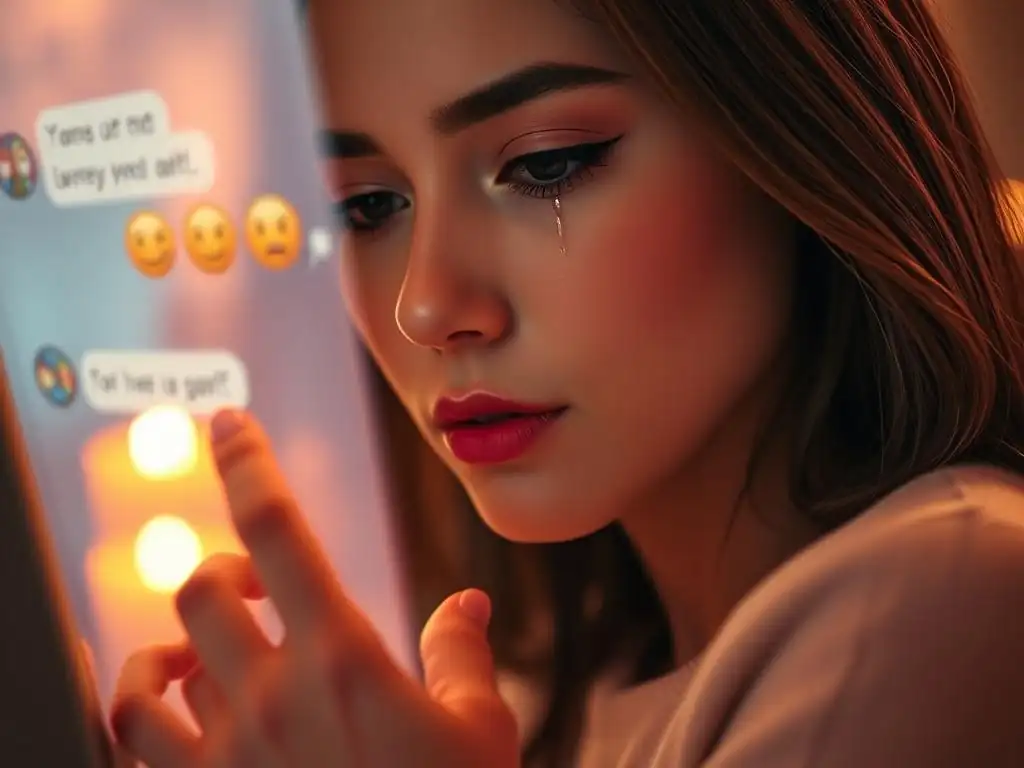
Tired of online dating feeling more like a chore than a chance to connect? At OnlineDatingSuccess.org, we believe finding love online should be exciting. This isn't just about swiping; it's about understanding the nuances of genuine connection. Discover how understanding online dating love language connection can transform your experience and finally lead you to meaningful relationships. Let's unlock the secrets to success—read on to learn more!
- Understanding Love Languages in Online Dating
- The Challenges of Expressing Love Languages Online
- Bridging the Gap: Effective Communication Strategies
- Examples of Love Language Mismatches in Online Dating
- Strengthening Online Connections Through Love Languages
- From Online Flirting to Meaningful Relationships
-
Frequently Asked Questions
- How can I identify my love language in online dating?
- What if my love language doesn't match my online date's?
- How can I express my love language effectively online?
- How does understanding love languages improve online dating success?
- Can I use love languages to build a stronger connection even after a first date?
- Final Reflection: Bridging the Digital Divide: Love Languages and Authentic Connection
- Unlock Deeper Connections: Speak Your Date's Love Language
Understanding Love Languages in Online Dating
Navigating the world of online dating can feel like deciphering a complex code. You craft the perfect profile, send engaging messages, and yet, the connection you crave remains elusive. Why?
Often, the answer lies in understanding love languages – the ways we give and receive affection – and how they manifest in the digital realm. This article delves into the crucial role of love languages in online dating success, exploring how recognizing your own love language and that of your potential matches can significantly improve your chances of forming meaningful connections. We'll uncover how misinterpretations of online communication can lead to misunderstandings and missed opportunities, ultimately helping you build stronger, more authentic relationships through a deeper understanding of emotional expression online.
Ignoring the nuances of love languages in online dating is like trying to speak a foreign language without a translator; you might get the gist, but genuine connection is unlikely. Let's unlock the secrets to successful online dating by understanding how we communicate love digitally.
Identifying Your Online Dating Love Language
Understanding your own love language is the first step towards online dating success. While the five main love languages – Words of Affirmation, Acts of Service, Receiving Gifts, Quality Time, and Physical Touch – remain consistent, their online expressions differ.
- Words of Affirmation: Online, this translates to thoughtful messages, compliments, and encouraging words. Do you thrive on receiving virtual roses, heartfelt emojis like 😍, or personalized messages expressing admiration for your profile? If so, Words of Affirmation is likely your primary love language.
- Acts of Service: In the online world, Acts of Service might manifest as someone taking the initiative to plan a virtual date, suggesting activities, or proactively offering help or support. Do you appreciate when someone goes the extra mile to make your online experience smoother or more enjoyable?
- Receiving Gifts: While not necessarily literal gifts, this could involve sending virtual gifts on dating apps, sharing interesting articles or links tailored to your interests, or expressing generosity in other digital ways. Do small digital gestures make a big difference to you?
- Quality Time: Online, Quality Time involves dedicated, focused communication. Do you value engaging conversations, video calls, or even just consistent, meaningful messaging over a period of time? This indicates Quality Time as a significant love language.
- Physical Touch: This is the most challenging love language to translate online. While physical touch is impossible in the initial stages, the desire for it might be expressed through warm, affectionate messaging, the use of emojis conveying closeness (like 🤗), or a clear interest in planning an in-person meeting. Pay attention to the longing for physical intimacy in your communication style.
Take some time for self-reflection. Consider which actions in the online dating sphere make you feel most loved and appreciated. This self-awareness will guide your interactions and help you attract compatible partners. Remember, it's okay to have multiple love languages; identify your primary one and then consider the others.
Recognizing Your Match's Online Love Language Preferences
Just as crucial as understanding your own love language is recognizing your match's preferences. Observing their communication style and online behavior provides valuable clues.
- Look for patterns: Do they prioritize sending lengthy, heartfelt messages (Words of Affirmation)? Do they offer practical suggestions or help navigate the app (Acts of Service)? Do they share fun links or virtual gifts (Receiving Gifts)? Do they initiate video calls or engage in extended conversations (Quality Time)? Do their messages convey warmth and affection, even without physical contact (Physical Touch)?
- Pay attention to their profile: Their profile might subtly hint at their preferences. Someone who emphasizes their values and accomplishments might prioritize Words of Affirmation. Someone who showcases their adventurous side might value Quality Time and shared experiences.
- Observe their responses: How do they react to your messages? Do they reciprocate the type of communication you're using? If you send a thoughtful message and receive a brief, transactional response, it might indicate a mismatch in love languages.
- Don't be afraid to ask (subtly): After some initial interaction, you could subtly gauge their preferences. For example, you could say, "I really appreciate your thoughtful messages – they make my day!" This subtly probes their preference for Words of Affirmation without being overly direct.
Misunderstandings often arise when individuals express love in their dominant language while failing to recognize their partner's preferences. For example, someone whose primary love language is Acts of Service might constantly offer practical advice or suggestions, while their match, whose primary love language is Words of Affirmation, feels unappreciated and overlooked. By consciously tuning into your match's communication style and adapting your approach, you can foster a more fulfilling and successful online dating experience. The key is mutual understanding and respectful communication. Learning to speak each other's "love language" is the key to unlocking a truly meaningful connection.
The Challenges of Expressing Love Languages Online
Online dating presents unique hurdles when it comes to expressing and understanding love languages. The digital realm lacks the richness of in-person interactions, making it difficult to convey nuances and subtleties crucial for genuine connection. This section delves into specific challenges related to nonverbal communication, textual misinterpretations, and the impact of delayed responses.
Mastering these aspects is vital for building meaningful relationships in the online dating world, improving your chances of finding a compatible partner who understands and appreciates your unique way of showing and receiving affection. Successfully navigating these challenges will significantly increase your chances of finding a fulfilling connection. Understanding how your love language manifests online is key to online dating success.
Nonverbal Communication Gaps in Digital Interactions
Nonverbal cues, which form a significant part of expressing love languages in real life, are severely limited in online interactions. Think about it: a warm smile, a gentle touch, or even the tone of voice—all crucial elements of expressing love languages like Physical Touch and Words of Affirmation—are lost in the translation to text or video calls. For instance, someone whose primary love language is Physical Touch might struggle to feel truly connected through solely text-based communication.
Their attempts at flirting might seem less intense or even awkward to a recipient whose love language is differently oriented. Similarly, someone whose love language is Quality Time might find it difficult to convey the depth of their connection through fleeting messages, craving more sustained virtual interaction. This gap in nonverbal communication can lead to misunderstandings and frustration, hindering the development of a meaningful connection.
The absence of these cues makes it harder to gauge genuine interest and emotional depth, potentially leading to misinterpretations and missed opportunities. Data suggests that couples who successfully transition from online dating to in-person relationships often prioritize video calls early on to bridge this nonverbal communication gap.
Misinterpretations of Text-Based Flirting
Text-based flirting, the cornerstone of many online dating interactions, is rife with potential for misinterpretation. The lack of tone and body language can easily lead to misreads. A seemingly innocuous comment could be interpreted as flirtatious by one person and platonic by another. This is especially true when considering different love languages.
For example, someone whose love language is Acts of Service might express affection through offering help or support, which could be easily overlooked or misinterpreted as mere politeness in a text message. Conversely, someone whose love language is Gifts might interpret a simple compliment as a lack of effort, even if the sender intended it as a genuine expression of appreciation. The ambiguity of text creates fertile ground for missed signals and ultimately, failed connections.
Careful consideration of word choice, the use of emojis (used sparingly and appropriately! ), and proactive clarification are crucial to mitigate these risks. Remember, the goal is to convey your genuine affection, and understanding your own love language and your partner's potential love language will help you avoid misunderstandings.
The Impact of Delayed Responses and Limited Context
The asynchronous nature of online communication can significantly impact the perception of affection and connection. Delayed responses, often unavoidable in busy lives, can be misinterpreted as disinterest or lack of affection, particularly for those whose love languages prioritize Quality Time or Words of Affirmation. A swift, thoughtful reply might be interpreted as a sign of genuine interest by someone whose love language is Words of Affirmation, while a delayed response could be perceived as a lack of care.
Similarly, the limited context of online interactions can lead to misinterpretations. A joke might fall flat without the accompanying nonverbal cues, or a heartfelt message might be lost in a flurry of notifications. Managing expectations around response times and ensuring clear communication is vital.
Proactive communication about availability and setting realistic expectations can help to avoid misunderstandings and build trust. Open communication about these issues is essential for fostering a successful online dating experience. Learning to navigate these complexities is paramount for building strong, meaningful relationships in the online dating world.
Bridging the Gap: Effective Communication Strategies
Understanding love languages is only half the battle; effectively communicating them online requires a different set of skills. This section focuses on practical strategies to bridge the communication gap and foster genuine connections, regardless of your or your match's primary love language. Successful online dating hinges on clear, empathetic communication, and adapting your style is key to building rapport. The key is to translate the essence of your love language into the digital realm.
Tailoring Your Online Communication to Different Love Languages
Different love languages require different approaches in online communication. Let's examine how to adjust your messaging for each:
- Words of Affirmation: For those who value verbal appreciation, focus on expressing sincere compliments and positive feedback. Instead of generic "you're beautiful," try specific compliments like, "I love your sense of humor in your profile – it really shines through." Regularly express your interest and appreciation for their thoughts and perspectives.
- Acts of Service: While physical acts of service are impossible online, you can offer digital acts of service. This could involve helping them research something they mentioned, sharing relevant articles, or even offering technological assistance if they mention a tech problem. These small gestures demonstrate thoughtfulness and care.
- Receiving Gifts: While you can't send physical gifts immediately, you can offer virtual "gifts" like sharing a playlist of songs you think they'd enjoy, recommending a book or movie based on their profile, or sending a digital e-card. These small tokens of thoughtfulness show you're paying attention and value them.
- Quality Time: Schedule virtual dates! Propose a video chat, an online game session, or even a shared online activity like watching a movie simultaneously and discussing it afterward. Dedicated, focused time, even virtually, is highly valued by those who prioritize quality time.
- Physical Touch: This is the most challenging love language to translate online. While physical touch is impossible, you can compensate with warm, engaging language. Use descriptive words that evoke warmth and intimacy in your messages. Expressing excitement about a future in-person meeting where physical touch would be possible can also be meaningful.
Using Emojis and GIFs to Convey Emotion Effectively
Emojis and GIFs can significantly enhance online communication, especially when love languages are involved. They add layers of emotional nuance that text alone often lacks. However, it's crucial to use them thoughtfully and appropriately:
- Context is Key: A laughing emoji might be perfect for a lighthearted joke, but inappropriate in a serious conversation. Choose emojis that align with the tone and context of your message.
- Cultural Sensitivity: Be aware that the meaning of emojis can vary across cultures. Avoid those that could be misinterpreted.
- Avoid Overuse: Too many emojis can be overwhelming and detract from your message. Use them sparingly and strategically to emphasize key points or emotions.
- GIFs for Emotional Depth: GIFs offer a more dynamic way to express emotions than static emojis. A GIF of a couple cuddling could subtly communicate affection if physical touch is a significant love language for you or your match.
Actively Listening and Responding Meaningfully in Online Conversations
Active listening isn't just about reading messages; it's about understanding and responding thoughtfully. This is crucial for building a strong connection, regardless of love languages.
- Ask Follow-Up Questions: Show genuine interest by asking questions about their responses. This demonstrates that you're paying attention and valuing their input.
- Summarize and Paraphrase: Occasionally summarize their points to ensure you've understood correctly and to show that you were listening attentively.
- Avoid One-Word Responses: Short, perfunctory responses can convey disinterest. Take the time to craft thoughtful and detailed replies.
- Be Mindful of Timing: Responding promptly shows respect for their time and interest. However, avoid constantly messaging; give them space to respond.
Remember, successful online dating requires empathy, understanding, and the ability to adapt your communication style. By tailoring your approach to different love languages and utilizing effective communication strategies, you can significantly increase your chances of forming genuine connections. The key is to be authentic and responsive, ensuring your online interactions reflect your true self and your genuine interest in getting to know your match.
Examples of Love Language Mismatches in Online Dating

Online dating presents unique challenges when it comes to expressing and receiving love languages. The digital realm lacks the nuanced nonverbal cues and spontaneous interactions that facilitate effortless connection in real life. Understanding these limitations is crucial for avoiding frustrating misunderstandings and building genuine connections. This section will explore common love language mismatches encountered in online dating, highlighting the potential for misinterpretations and offering strategies for navigating these complexities. Successfully navigating the online dating world often hinges on recognizing and adapting to these differences in how people express and experience love.
Words of Affirmation vs. Acts of Service in Online Profiles
Many online daters prioritize showcasing their accomplishments and positive qualities, inadvertently emphasizing "Words of Affirmation." A profile filled with boasts about career success or intellectual achievements might resonate strongly with someone whose primary love language is also Words of Affirmation. However, it may fall flat with someone who values "Acts of Service" more deeply. This individual might be more drawn to profiles subtly highlighting acts of kindness, helpfulness, or community involvement.
For example, a profile boasting about a recent promotion might attract someone who appreciates confident self-expression. But a profile mentioning volunteering at an animal shelter or helping an elderly neighbor might resonate more powerfully with someone who finds acts of service incredibly romantic. The key is to find a balance.
While highlighting achievements is fine, incorporating subtle cues showcasing acts of service can broaden your appeal and demonstrate a more well-rounded personality. This nuanced approach can significantly enhance your chances of attracting someone whose love language aligns with yours, or at least someone who appreciates a diverse range of expressions of affection. Consider adding details about your hobbies or interests that showcase your willingness to help others, even in small ways.
Receiving Gifts vs. Quality Time in Virtual Interactions
The challenge of expressing "Receiving Gifts" online is significant. While sending virtual gifts within dating apps is possible, it often lacks the personal touch and emotional weight of a thoughtfully chosen physical gift. Conversely, someone whose love language is "Quality Time" might struggle to feel truly connected through superficial online interactions.
Consider this scenario: A user sends numerous virtual gifts, believing this demonstrates affection. However, their match, who prioritizes Quality Time, feels overwhelmed and unappreciated. The abundance of virtual gifts doesn't translate into a meaningful connection; instead, it may feel impersonal and even slightly overwhelming.
For those whose love language is Receiving Gifts, finding creative ways to express affection online is key. Perhaps sending a personalized video message, creating a digital scrapbook of shared interests, or planning a virtual date with a shared activity could better convey affection. For those who value Quality Time, focusing on meaningful virtual interactions, such as engaging in video calls, playing online games together, or sharing personal stories, is crucial for building a strong connection.
Physical Touch and its Limitations in Online Dating
Physical touch, as a love language, presents perhaps the most significant hurdle in online dating. The inherent lack of physical proximity makes expressing and receiving this love language virtually impossible. While video calls offer some visual connection, they cannot replicate the intimacy of physical touch. This limitation requires a mindful approach from users whose primary love language is Physical Touch.
This doesn't mean that those who prioritize Physical Touch are destined for online dating failure. The key lies in focusing on other ways to foster intimacy and connection. Prioritizing meaningful conversations, sharing vulnerabilities, and creating a strong emotional bond can compensate for the absence of physical touch.
Furthermore, understanding that physical touch is not the only way to express and receive love can help manage expectations and avoid disappointment. Remember, building a genuine connection online requires patience, understanding, and a willingness to adapt to the limitations of the digital world. Focusing on building emotional intimacy through other love languages can pave the way for a fulfilling relationship, even in the absence of physical touch in the initial stages.
Strengthening Online Connections Through Love Languages

Understanding love languages is crucial for navigating the complexities of online dating and fostering genuine connections. The five love languages – Words of Affirmation, Acts of Service, Receiving Gifts, Quality Time, and Physical Touch – represent different ways people express and experience love. Ignoring these nuances can lead to misunderstandings and ultimately, failed connections. Many online daters unintentionally project their own love language preferences, expecting others to respond in kind, which often falls flat.
This section explores how to leverage this knowledge to enhance your online dating experience and build meaningful relationships. Successfully integrating your understanding of love languages into your online dating strategy significantly increases your chances of finding a compatible partner. The key lies in recognizing and respecting the diverse ways people express and receive affection in the digital realm.
Creating a Profile that Reflects Your Love Language
Your online dating profile is your first impression, a crucial element in attracting compatible partners. Tailoring it to reflect your love language subtly yet effectively can significantly improve your chances of attracting the right people. For example:
- Words of Affirmation: Use positive and descriptive language in your profile. Instead of simply saying "I like hiking," try "I find immense joy and peace in exploring nature through hiking, and I love sharing those moments with others." Focus on expressing your positive qualities and aspirations.
- Acts of Service: Highlight your helpful nature and willingness to assist others. Mention volunteering experiences or instances where you've gone above and beyond for someone. Phrases like "I enjoy helping others achieve their goals" or "I'm always happy to lend a hand" subtly communicate this love language.
- Receiving Gifts: This doesn't mean you need to explicitly state your desire for gifts! However, you can subtly hint at your appreciation for thoughtful gestures. Mentioning hobbies that involve collecting items or appreciating craftsmanship can be a good way to signal this. For example, "I appreciate handcrafted items and enjoy collecting vintage maps."
- Quality Time: Emphasize your desire for meaningful connections and shared experiences. Highlight activities you enjoy doing with others, focusing on the quality of the interaction rather than the activity itself. Phrases such as "I value deep conversations and meaningful connections" or "I love spending quality time with people who share my passions" directly communicate this preference.
- Physical Touch: While this is the most difficult love language to convey through a profile, you can subtly hint at your affectionate nature by emphasizing your warmth and approachability. Use photos that show you interacting positively with others, showcasing your genuine smile and easygoing demeanor.
Initiating Conversations that Resonate with Your Match's Preferences
Once you've matched with someone, initiating a conversation that aligns with their love language is paramount. Carefully reviewing their profile for clues is key. Look for keywords and phrases that hint at their preferences. For example:
- Identifying Love Languages: Someone who frequently uses positive and encouraging words in their profile likely appreciates Words of Affirmation. Someone who mentions volunteering or helping others might value Acts of Service. Someone who showcases their collections or enjoys receiving gifts might appreciate Receiving Gifts. Someone who emphasizes shared experiences and meaningful conversations likely values Quality Time. Someone whose photos show them being physically affectionate might value Physical Touch.
- Tailoring Your Approach: Once you've identified their potential love language, tailor your opening message accordingly. For instance, compliment their writing style ( Words of Affirmation), offer to help them with something ( Acts of Service), mention a shared interest and suggest a specific activity ( Quality Time), or ask a thoughtful question about their profile ( Words of Affirmation).
Building a Deeper Connection Through Meaningful Online Interactions
Sustaining a connection requires consistent effort and understanding. Continuously paying attention to your match's responses and adapting your communication style is vital. This is not about manipulation, but thoughtful consideration and genuine engagement. Remember:
- Active Listening: Pay close attention to their responses, both verbal and nonverbal. Are they responding enthusiastically to your messages? Do they seem engaged in the conversation? Adjust your approach based on their feedback.
- Reciprocity: The key to a successful online dating experience lies in reciprocity. If someone consistently expresses their love through Acts of Service, reciprocate by offering your support and assistance. If someone values Quality Time, plan virtual dates or engage in meaningful conversations. It's about creating a balanced exchange of affection.
- Patience & Understanding: Building trust and intimacy takes time, especially online. Be patient, understanding, and respectful of their communication style and preferences. Remember, connecting with someone online requires effort, empathy, and a willingness to learn and adapt. This process is about finding a genuine connection, and understanding love languages significantly improves your odds of success. 🥂
From Online Flirting to Meaningful Relationships
Transitioning from Online Communication to Offline Dates
Successfully navigating the online dating world often involves a delicate dance between playful flirting and genuine connection. While witty banter and engaging conversations are crucial for initial attraction, the transition to offline dates requires a strategic approach. Many online flirts fizzle out because the initial spark isn't translated into real-world chemistry. This isn't necessarily a reflection of incompatibility; instead, it often highlights a gap in understanding how to bridge the digital divide.
The key lies in gradually moving the conversation offline. Avoid abrupt suggestions; instead, subtly plant the seed by mentioning shared interests that could translate into a date. For example, if you both express a love for craft beer, suggest checking out a local brewery. This approach feels natural and avoids the pressure of a direct "let's go on a date" request, which can be intimidating early on. Remember, the goal is to build anticipation and excitement, not pressure.
Another crucial element is establishing a shared understanding of expectations. Before suggesting an offline meeting, subtly gauge their comfort level and availability. Are they busy? Do they seem open to the idea of moving beyond online communication? Paying attention to these cues will minimize awkwardness and potential rejection. Clear, concise communication is paramount. Saying something like, "I've really enjoyed our conversations, and I'd love to get to know you better in person sometime. Are you free next week?" shows genuine interest while respecting their boundaries. Remember to always prioritize safety and meet in public places for initial encounters.
Maintaining Connection Through Consistent and Authentic Communication
Even after successful offline dates, maintaining a strong connection requires consistent effort and authentic communication. The initial online flirtation might have been fueled by witty banter, but long-term relationships thrive on deeper, more meaningful interactions. Understanding and actively nurturing each other's love languages is critical for building a lasting bond, even in the context of online dating.
Think about this: Someone whose primary love language is words of affirmation might appreciate frequent text messages expressing affection and appreciation. Neglecting this need, even after an initial connection, can lead to feelings of insecurity and disconnect. Conversely, an individual whose love language is acts of service might feel more loved through small gestures, like sending a thoughtful article or offering help with a task. Ignoring these subtle cues can unintentionally damage the connection.
Regular communication is crucial, but the quality of communication matters more than the quantity. Avoid generic messages; instead, personalize your interactions by referencing shared experiences, inside jokes, or ongoing conversations. This demonstrates genuine interest and strengthens the bond. Remember, consistency and authenticity are key to nurturing a meaningful online dating love language connection. Regular check-ins, even brief ones, can go a long way in maintaining closeness.
Nurturing Love Languages in Long-Term Online Relationships
Maintaining a healthy long-term relationship, even online, requires intentional effort to understand and nurture each other's love languages. The initial excitement of online flirting might fade, but the foundation of a strong connection hinges on consistent affirmation and appreciation. This is especially true for geographically distant couples, where physical affection might be limited.
For example, a couple where one partner's primary love language is physical touch might need to find creative ways to express affection remotely. Regular video calls, sending care packages, or even planning virtual dates can help compensate for the lack of physical proximity. Similarly, if one partner's love language is quality time, scheduling dedicated time for virtual conversations or online games can foster intimacy and connection.
Understanding and adapting to each other's love languages is a continuous process. Open and honest communication is essential. Regularly check in with your partner to see how they're feeling and what they need. Ask questions like, "How can I best show you my love and appreciation?"
or "Is there anything I can do to make you feel more connected?". Active listening and a willingness to adapt are crucial for nurturing a long-term online dating love language connection that thrives on mutual understanding and support. Remember, a successful online relationship requires effort, empathy, and a commitment to understanding each other's unique needs. 🥂
Frequently Asked Questions
How can I identify my love language in online dating?
Consider how you show and receive affection. Do you prefer words of affirmation, acts of service, receiving gifts, quality time, or physical touch? Reflect on your past relationships and what made you feel loved. Understanding this will help you attract compatible matches.
What if my love language doesn't match my online date's?
Different love languages don't automatically mean incompatibility. Open communication is key. Discuss how you each feel loved and appreciated, and find ways to bridge the gap. Compromise and understanding are crucial.
How can I express my love language effectively online?
Tailor your communication to your date's preferred love language. If they value words of affirmation, send thoughtful messages. For acts of service, offer virtual assistance. Show them you care in a way they understand.
How does understanding love languages improve online dating success?
Knowing your love language helps you choose compatible partners and communicate your needs clearly. It also allows you to better understand your date's needs and actions, leading to more meaningful connections.
Can I use love languages to build a stronger connection even after a first date?
Absolutely! Continue to express your love language and actively listen to your date's. Consistent effort in showing affection, aligned with their preferences, will strengthen the bond and improve the chances of a lasting relationship.
Final Reflection: Bridging the Digital Divide: Love Languages and Authentic Connection
Understanding your love language is no longer a niche concept; it's a crucial key to unlocking meaningful connections in our increasingly digital world. The prevalence of online dating means that initial interactions, often devoid of non-verbal cues, hinge even more heavily on effective communication. Failing to recognize and express your love language online can lead to frustrating miscommunications and ultimately, failed connections.
The impact of love languages extends far beyond the realm of romantic relationships; it shapes how we connect with friends, family, and even colleagues. Understanding how others best receive and express affection allows for deeper, more fulfilling interactions across all aspects of life. The most important thing in communication is hearing what isn't said.
- Peter Drucker. This quote highlights the importance of paying attention to unspoken cues, even in the digital space, and understanding how those unspoken needs manifest as love languages. It's a challenge, but one that rewards those willing to put in the effort.
Now, consider your own love language. How do you express and receive affection? Are you effectively communicating this in your online interactions? Take the time to reflect on this, and actively work to integrate your understanding of love languages into your online communication. Don't let the digital divide prevent you from forming genuine connections; use this knowledge to build bridges of understanding and create meaningful relationships in the online world and beyond.
Unlock Deeper Connections: Speak Your Date's Love Language
Thanks for exploring the world of online dating and love languages! You now have the tools to understand why your messages might not be connecting—and how to improve them. Ready to elevate your online dating game?
- Master the art of personalized communication: Identify your date's love language and tailor your messages to resonate with their needs. Show, don't just tell, them you're interested.
- Share this article with a friend: Discuss your dating experiences through the lens of love languages and support each other in finding compatible partners.
- Experiment with a new approach this week: Craft three messages, each focusing on a different love language. Analyze the responses and adjust your strategy accordingly.
What's one small change you can make today to better connect with your date?