
Love Languages and First Date Communication: Speaking Their Language of Love


Ready to unlock the secrets to amazing first dates? At OnlineDatingSuccess.org, we're dedicated to helping you navigate the world of online dating with confidence. Forget awkward silences and missed connections; learn how understanding first date love language communication can transform your dating experience and lead to more meaningful relationships. Discover the strategies to speak their love language from the very first meeting – and get ready to find your perfect match. Let's dive in!
- Understanding Love Languages and Their Impact on First Dates
-
First Date Communication Strategies Based on Love Languages
- Words of Affirmation: Expressing Appreciation and Building Connection
- Acts of Service: Showing Care Through Thoughtful Gestures
- Receiving Gifts: The Significance of Meaningful Tokens on a First Date
- Quality Time: Prioritizing Undistracted Connection and Meaningful Conversation
- Physical Touch: The Non-Verbal Communication of Intimacy
-
Practical Tips for First Date Love Language Communication
- Pre-Date Planning: Setting the Stage for Success
- Active Listening and Empathetic Responses: Showing You Understand
- Non-Verbal Cues: Reading Body Language and Interpreting Signals
- Post-Date Follow-Up: Reinforcing Connection Based on Their Love Language
- Handling Disagreements and Misunderstandings Respectfully
- Case Study: Successful First Dates Using Love Language Awareness
-
Frequently Asked Questions
- How can I discover my date's love language before the first date?
- What if our love languages are completely different on a first date?
- How can I incorporate love languages into first date communication?
- Are there specific conversation starters related to love languages for a first date?
- What if the first date doesn't go well because of love language differences?
- Final Reflection: Unlocking Connection Through Love Language Awareness
- Unlock Deeper Connections: Speak Your Date's Love Language!
Understanding Love Languages and Their Impact on First Dates
Online dating presents a unique challenge: building connection and chemistry with someone you've only interacted with virtually. Before you even think about planning that all-important first date, understanding love languages can significantly increase your chances of success. This article delves into the crucial role of love language communication on first dates, providing practical strategies to identify your own and your date's preferences, and navigate potential mismatches for a more meaningful and enjoyable experience.
Mastering this aspect of communication can transform your online dating journey, leading to deeper connections and potentially lasting relationships. We'll explore how recognizing and respecting different love languages can pave the way for a more fulfilling and successful first date, fostering genuine connection and laying the groundwork for a potentially thriving relationship. Understanding love languages isn't just about romance; it's about building strong, empathetic connections based on mutual understanding and appreciation.
Identifying Your Own Love Language: A Crucial First Step
Knowing your own love language is the cornerstone of effective communication in dating. The five main love languages— Words of Affirmation, Acts of Service, Receiving Gifts, Quality Time, and Physical Touch—represent different ways people experience and express love. Which one resonates most strongly with you?
Consider these questions to help you pinpoint your primary love language:
- Do you feel most loved when someone tells you how much they appreciate you? (Words of Affirmation)
- Do you value practical help and gestures of service more than grand declarations of love? (Acts of Service)
- Do thoughtful gifts, big or small, make you feel especially cherished? (Receiving Gifts)
- Do you prioritize undivided attention and meaningful time spent together above all else? (Quality Time)
- Is physical affection—hugs, kisses, holding hands—essential to your feeling loved and connected? (Physical Touch)
Many individuals may identify with a blend of love languages, with one often dominating. Understanding your primary love language allows you to communicate your needs more effectively and recognize how you best express affection to others. This self-awareness is crucial for setting healthy expectations and communicating them clearly to your date. For example, if your love language is "Quality Time," you'll likely appreciate dates that focus on shared experiences and meaningful conversations, rather than just a quick coffee.
Recognizing Your Date's Love Language: Subtle Clues and Open Communication
Identifying your date's love language requires keen observation and open communication. While you can't definitively know someone's love language without direct conversation, paying attention to their words and actions can provide valuable clues.
Here are some indicators to look for:
| Love Language | Potential Clues |
|---|---|
| Words of Affirmation | Compliments others frequently, expresses appreciation easily, values verbal affection. |
| Acts of Service | Offers help readily, performs thoughtful gestures, prioritizes practical support. |
| Receiving Gifts | Appreciates thoughtful presents, notices small details, enjoys giving gifts, too. |
| Quality Time | Prioritizes spending time together, values meaningful conversations, dislikes interruptions. |
| Physical Touch | Enjoys physical affection, uses physical touch frequently in conversation, seeks closeness. |
Remember, subtle cues can be misleading. The most reliable way to understand your date's love language is through direct and open communication. Try subtly incorporating questions about their preferences into your conversations. For instance, casually ask, "What's the best way for someone to show you they care?" or "What kind of dates do you usually enjoy the most?". Approaching this topic with genuine curiosity and respect will make your date feel valued and understood.
Even with careful observation and communication, you might find yourself on a first date with someone whose love language differs significantly from your own. This doesn't necessarily spell disaster, but it does require understanding and adaptability. A mismatch isn't a dealbreaker; it's an opportunity to learn and grow.
For example, if your love language is "Words of Affirmation," and your date's is "Acts of Service," you might initially feel undervalued if they don't verbally express their affection as readily. However, their actions—helping you with a task, planning a thoughtful date—could be their way of showing love. The key is to appreciate their efforts and communicate your needs respectfully.
Explain that while you appreciate their actions, hearing verbal affirmations would also make you feel loved and understood. Conversely, if your love language is "Acts of Service," you might need to adjust your expectations if your date expresses love primarily through words. Learning to appreciate their verbal affirmations while also continuing to express your love through acts of service can bridge the gap.
Open communication, empathy, and a willingness to adapt are key to navigating these differences and building a successful relationship, even with differing love languages. Remember, the goal is mutual understanding and appreciation, not a perfect match in love language expression.
First Date Communication Strategies Based on Love Languages
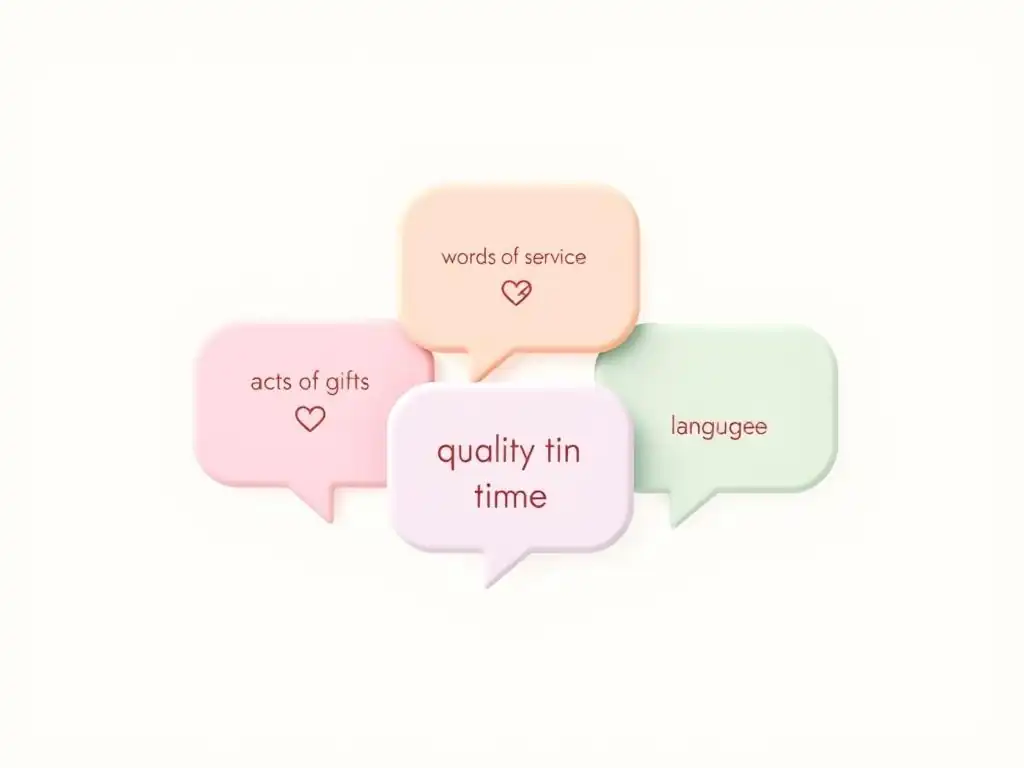
This section delves into practical communication strategies for first dates, tailored to the five love languages: Words of Affirmation, Acts of Service, Receiving Gifts, Quality Time, and Physical Touch. Mastering these nuances can significantly improve your connection and chances of a second date. Understanding your date's primary love language is key to making a positive and lasting impression. Effective "first date love language communication" hinges on this awareness.
Words of Affirmation: Expressing Appreciation and Building Connection
Individuals whose primary love language is Words of Affirmation thrive on verbal appreciation and encouragement. For a first date with someone who values this, focus on sincere compliments. Instead of generic praise ("You look nice"), opt for specific observations reflecting genuine appreciation. For example, "I love your sense of humor; you made me laugh the whole way here," or "That's a fascinating story about your travels – I'm impressed by your adventurous spirit."
Remember, sincerity is paramount. Avoid showering them with excessive or insincere flattery. Authenticity is key. Throughout the date, sprinkle in positive comments about their personality, intelligence, or achievements. Active listening and showing genuine interest in their responses is crucial. This demonstrates respect and validates their feelings and experiences. A simple, "I really enjoyed hearing about that," or "That's insightful," goes a long way. After the date, a thoughtful text message expressing your enjoyment of their company reinforces the positive affirmation. This strategy builds a strong foundation based on mutual respect and appreciation, enhancing the likelihood of a successful connection.
Acts of Service: Showing Care Through Thoughtful Gestures
For those whose love language is Acts of Service, demonstrating care through actions speaks louder than words. While verbal communication remains important, thoughtful gestures significantly impact your date's perception of you. Before the date, consider a small, unexpected act of service. Perhaps you researched a restaurant they'd enjoy, made a reservation, or planned a fun activity tailored to their interests. During the date, subtle acts of service can make a big difference. Offering to get the door, pulling out a chair, or helping them with their coat are simple yet meaningful gestures.
Paying attention to their needs without being asked also demonstrates care. For example, if they seem cold, offer your jacket. If they're struggling with something, offer assistance. These small acts communicate that you are attentive and considerate of their comfort and well-being. These thoughtful gestures demonstrate respect and care, showing that you value their time and appreciate their presence. Remember, it's the thoughtfulness, not the grand gesture, that truly counts. The key is to anticipate their needs and proactively address them, creating a positive and memorable experience centered on care and consideration.
Receiving Gifts: The Significance of Meaningful Tokens on a First Date
While not everyone values material possessions highly, for those whose primary love language is Receiving Gifts, a small, thoughtful token can communicate care and attention profoundly. This doesn't necessitate an extravagant present; a simple, well-chosen gift speaks volumes. Consider a small item reflecting something you learned about their interests during pre-date conversation. A book by their favorite author, a small piece of art aligning with their aesthetic taste, or a local delicacy they mentioned enjoying are all thoughtful options.
The importance lies not in the monetary value but the thoughtfulness behind the selection. The gift should be something that shows you were paying attention and wanted to do something special for them. Presenting the gift at the beginning or end of the date can be a significant gesture, creating a memorable and positive association with the experience.
Avoid overly expensive or impersonal gifts, as these can feel forced or disingenuous. The objective is to demonstrate you value them and were thinking about them before and during the date; a small, personalized gift can powerfully communicate this. This thoughtful gesture can significantly enhance their overall impression of the date and leave a lasting positive feeling.
Quality Time: Prioritizing Undistracted Connection and Meaningful Conversation
For those whose primary love language is Quality Time, a first date is less about grand gestures and more about focused, uninterrupted connection. These individuals deeply value undivided attention and meaningful conversations. Think less about the where of the date and more about the how. A bustling, noisy restaurant might be a recipe for disaster; instead, opt for a quieter setting where you can truly engage with each other. Consider a walk in a park, a cozy coffee shop with comfortable seating, or even a museum visit, allowing for natural pauses in conversation and opportunities for genuine interaction.
The key here is to minimize distractions. Putting away your phones is crucial. Resist the urge to constantly check notifications or engage in other activities that might detract from the conversation. Active listening is paramount; show genuine interest in what your date has to say, ask follow-up questions, and share your own experiences authentically. Remember, it’s about creating a shared experience and building a connection through sincere communication.
The goal isn't just to talk at each other, but to truly listen and understand one another. This creates a foundation of trust and mutual respect, essential elements for building a meaningful relationship. A successful first date for someone who values Quality Time often feels less like a formal event and more like a comfortable, intimate exchange. They'll remember the feeling of being truly seen and heard, more so than a lavish, yet superficial, experience.
Physical Touch: The Non-Verbal Communication of Intimacy
Physical touch, as a love language, speaks volumes on a first date, even if it's subtle. It's not necessarily about overtly romantic gestures; rather, it's about the gentle, respectful ways in which physical contact conveys warmth and connection. A light touch on the arm during a point of agreement, a brief hand-hold while crossing the street, or even a comforting pat on the back can communicate volumes to someone whose primary love language is physical touch. These small, considerate gestures demonstrate genuine care and build rapport more effectively than words alone can sometimes manage.
However, it's crucial to be mindful and respectful of personal boundaries. What might feel comfortable to one person could be uncomfortable or even off-putting to another. Observe your date's body language carefully. If they seem hesitant or withdraw from physical contact, respect their space immediately. Consent is paramount in all aspects of dating, and this is especially true when physical touch is involved.
The goal is to create a comfortable and safe environment where both individuals feel respected and understood. Successful first date communication for those who value physical touch hinges on sensitivity and attentiveness. It's about recognizing and responding appropriately to non-verbal cues, demonstrating care and respect through mindful physical interaction. Remember, the power of touch lies in its subtlety and respect for boundaries. A gentle touch can speak volumes, while an inappropriate touch can instantly damage the connection.
Practical Tips for First Date Love Language Communication

This section delves into practical strategies for effectively communicating your love language and understanding your date's on that all-important first encounter. Mastering this crucial aspect of dating can significantly increase your chances of forming a meaningful connection. Remember, successful first date love language communication isn't about perfectly mirroring your date's language; it's about demonstrating understanding and creating a safe space for genuine connection. The goal is to build rapport and establish a foundation for future interactions.
Pre-Date Planning: Setting the Stage for Success
Before even thinking about meeting your date, understanding love languages is paramount. Take some time for self-reflection – what’s your primary love language? Are you someone who thrives on Words of Affirmation, feeling cherished through verbal expressions of affection? Or perhaps Acts of Service resonate most deeply with you, finding joy in thoughtful gestures? Do you prioritize Receiving Gifts, valuing the symbolic meaning behind presents? Is Quality Time your key, craving undivided attention and meaningful conversations? Or do you feel most loved through Physical Touch, appreciating hugs, hand-holding, and other forms of physical affection?
Knowing your love language helps you anticipate your needs and desires during the date. Equally important is researching your date’s preferences, if possible. Subtle clues on their dating profile or previous conversations might hint at their preferred way of receiving affection. For example, someone who frequently posts pictures of them enjoying activities with loved ones might value Quality Time, while someone who frequently shares inspirational quotes might prioritize Words of Affirmation.
Consider creating a mental checklist before your date. Think about how you can subtly incorporate elements of your date's potential love language into the date itself. This doesn't mean grand gestures; small, thoughtful actions can make a big difference. For example, if you suspect Acts of Service is important to them, offering to pick them up or make a reservation demonstrates consideration. If Receiving Gifts seems relevant, a small, thoughtful present – not extravagant, but personal – could be a great icebreaker.
Remember, pre-date planning for first date love language communication isn't about manipulation; it’s about thoughtful consideration and setting a positive tone for the interaction.
Active Listening and Empathetic Responses: Showing You Understand
Active listening is the cornerstone of successful communication, especially when navigating the complexities of love languages. It goes beyond simply hearing what your date says; it involves truly understanding their perspective and feelings. Pay attention not only to their words but also to their tone of voice and body language. Reflect back what you hear to ensure you're on the same page. For instance, if your date mentions feeling stressed about work, you might say, "It sounds like you've had a really demanding week." This shows you're actively engaged and empathetic to their experience.
Empathetic responses are crucial for demonstrating understanding and validating your date's feelings. Avoid interrupting or offering unsolicited advice. Instead, focus on creating a safe space where your date feels comfortable expressing themselves. If their primary love language is Words of Affirmation, offer genuine compliments and positive feedback. If it appears to be Quality Time, make sure to give them your undivided attention, putting away your phone and focusing solely on the conversation.
Consider using open-ended questions to encourage your date to elaborate on their thoughts and feelings. Instead of asking "Did you have a good day? ", try "What was the highlight of your day?" This type of questioning encourages deeper conversation and reveals more about their personality and preferences. This shows you are genuinely interested in getting to know them on a deeper level, which is key to building a connection. Remember, successful first date love language communication involves showing genuine care and interest.
Non-Verbal Cues: Reading Body Language and Interpreting Signals
Beyond words, non-verbal cues play a significant role in first date love language communication. Body language can reveal a lot about someone's feelings and comfort level. Observe your date's posture, eye contact, and facial expressions. Are they leaning towards you, indicating engagement and interest? Or are they leaning away, suggesting discomfort or disinterest? Maintaining appropriate eye contact shows engagement and respect, while avoiding prolonged staring can feel intrusive.
Interpreting these signals requires sensitivity and awareness. For example, someone might fidget or avoid eye contact if they're feeling nervous, not necessarily because they're uninterested. Similarly, someone might touch their hair or adjust their clothing if they're feeling attracted to you. However, these are subtle cues that require careful observation and interpretation. Don't jump to conclusions based on a single gesture; consider the overall context and body language patterns.
Understanding non-verbal cues is crucial for adapting your communication style and ensuring you're creating a positive and comfortable environment. If you notice your date seems uncomfortable or withdrawn, try adjusting the conversation topic or offering a reassuring touch (if appropriate, and considering their potential love language). This demonstrates your awareness and sensitivity to their needs, which is essential for fostering a meaningful connection. Pay attention to the subtleties; these small details can often speak volumes.
Post-Date Follow-Up: Reinforcing Connection Based on Their Love Language
Following up after a first date is crucial, and tailoring your approach to their love language can significantly impact the chances of a second date. If you discovered their primary love language is Words of Affirmation, a heartfelt text message expressing your enjoyment of their company and highlighting a specific positive quality you observed is ideal. Something like, "I had such a wonderful time last night! I especially appreciated your insightful perspective on [topic discussed]." Avoid generic messages; personalize it to resonate with their unique personality.
For those whose love language is Acts of Service, a small, thoughtful gesture can speak volumes. This could be as simple as sending them an article related to a topic they mentioned, or offering to help them with a task they'd previously discussed. The key is to show you were listening and are willing to contribute to their life beyond the date itself. Remember, it's about showing you care through practical actions, not grand gestures. A small act, genuinely performed, carries more weight.
If their love language is Receiving Gifts, a small, thoughtful present related to something you discussed during the date can be a charming way to continue the connection. This doesn't have to be expensive; a book they mentioned wanting to read, a small plant, or even a handwritten note can be deeply meaningful. The emphasis is on the thoughtfulness behind the gesture, demonstrating you were paying attention and put effort into choosing something they would appreciate.
For those who value Quality Time, a follow-up should focus on planning another date. Suggest a specific activity, demonstrating you're actively seeking to spend more time together. Suggesting a specific activity demonstrates genuine interest and initiative. Avoid vague suggestions; instead, propose a concrete plan that aligns with their interests, shown through your attentiveness during the first date.
Finally, if their love language is Physical Touch, a friendly hug at the end of the date might not be enough. A light, appropriate touch during the date and a warm, genuine hug goodbye could be a good start. However, respect boundaries, and gauge their comfort level carefully. A simple, "I really enjoyed our time together," accompanied by a warm hug can leave a lasting positive impression. Always remember to be mindful and respectful of personal space and boundaries.
Handling Disagreements and Misunderstandings Respectfully
Even the most compatible couples experience disagreements. Learning to navigate these conflicts constructively, especially on a first date, is vital for building a healthy relationship. The key is respectful communication, adapting your approach based on their love language. If their love language is Words of Affirmation, focus on validating their feelings and expressing your understanding. Phrases such as, "I understand why you feel that way," or "I appreciate you sharing your perspective," can go a long way in de-escalating the situation. Avoid accusatory language and maintain a calm, empathetic tone.
For those whose love language is Acts of Service, showing willingness to compromise and find a solution is key. Offer to do something to address their concerns, demonstrating that you value their needs and are willing to put in the effort to resolve the conflict. Actions, in this case, truly speak louder than words. Focus on what you can do to rectify the situation, making it clear that you value their feelings and want to find a positive resolution.
If their love language is Receiving Gifts, a small, symbolic gesture of apology can be effective, but only if the disagreement was significant enough to warrant it. This shouldn't be a replacement for sincere words of apology but rather a thoughtful addition. Choose something small and meaningful, reflecting your understanding of their feelings and your desire to make amends. The gesture should convey empathy and a commitment to better communication.
For those who prioritize Quality Time, actively listening and engaging in open, honest conversation is crucial. Set aside dedicated time to discuss the issue without distractions. Focus on understanding their perspective, asking clarifying questions, and expressing your own feelings openly and honestly. Quality time spent addressing the issue directly demonstrates your commitment to resolving the conflict and strengthening the connection.
Finally, if their love language is Physical Touch, a gentle touch (only if appropriate and comfortable for both parties) combined with verbal reassurance can help soothe tensions. A reassuring touch, such as a hand on their arm or a comforting hug (if appropriate), can convey empathy and support. However, physical touch should never be used to manipulate or force agreement; it should be a genuine expression of comfort and understanding. Ensure the touch is appropriate and consensual. Respect boundaries.
Case Study: Successful First Dates Using Love Language Awareness
This section details real-world examples of how understanding and applying love language principles can significantly impact the success of first dates, leading to more meaningful connections. We'll examine scenarios where couples exhibited similar and contrasting love languages, highlighting the strategies employed to foster positive communication and build rapport. Remember, effective "first date love language communication" is key to establishing a strong foundation for a potential relationship.
A Couple Who Both Value Quality Time
Sarah and Mark, both identifying "Quality Time" as their primary love language, experienced a remarkably smooth first date. Their initial online conversations hinted at this shared preference – they both expressed a desire for meaningful interactions and genuine connection over superficial exchanges. This understanding translated into a date centered around a long walk in a scenic park followed by a quiet dinner conversation.
They engaged in deep, uninterrupted dialogue, focusing on shared interests, dreams, and life experiences. The absence of distractions allowed for a genuine connection to flourish. Their date wasn't about extravagant gestures; it was about the quality of their time spent together, a shared value that instantly fostered a sense of comfort and understanding.
The success of their date underscores the importance of aligning date activities with shared love languages. They intuitively understood and met each other's needs for focused, uninterrupted attention, laying a strong foundation for future interactions. This illustrates how recognizing and responding to a shared love language can significantly enhance the first-date experience, building a strong connection from the start.
A Couple with Different Dominant Love Languages
Emily's primary love language is "Words of Affirmation," while David prioritizes "Acts of Service." Their first date presented a unique challenge, highlighting the necessity of conscious effort and adaptation in communicating across different love language preferences. Emily appreciated David's thoughtful gesture of picking her up and taking her to a nice restaurant, but she craved more verbal validation.
David, on the other hand, felt frustrated that his actions weren't met with the same level of overt enthusiasm as he'd hoped. However, by being mindful of each other's preferences, they navigated this potential pitfall. David made a conscious effort to express his appreciation for Emily verbally throughout the date, showering her with compliments and expressing his enjoyment of her company.
Emily, in turn, expressed her gratitude for his thoughtfulness in choosing the restaurant and arranging transportation. While their love languages differed, their willingness to adapt and communicate effectively led to a successful and enjoyable first date. This example showcases that differing love languages don't preclude a successful first date; rather, it highlights the importance of mutual understanding and a willingness to communicate effectively, adapting your communication style to suit your date's needs.
Overcoming a Mismatch in Love Languages
Consider the case of Jessica and Michael. Jessica's dominant love language is "Gifts," while Michael's is "Physical Touch." Their initial online interactions didn't reveal this significant difference. Their first date, a formal dinner, felt slightly strained. Jessica, expecting a thoughtful gift, felt disappointed by the lack of a tangible present.
Michael, on the other hand, felt somewhat awkward, unsure how to express his affection beyond polite conversation. This scenario underscores the potential pitfalls of neglecting love language awareness. However, the date wasn't a complete failure. Recognizing their communication disconnect afterward, they made adjustments. Michael made a point of incorporating more physical touch – a gentle hand-hold, a reassuring touch on the arm – during their second date, which resonated deeply with Jessica.
Jessica, in turn, learned to express her appreciation for Michael's actions and companionship, understanding that his love language manifested differently. This highlights the crucial role of communication and subsequent adaptation in navigating love language differences. Successful "first date love language communication" isn't about forcing conformity; it's about understanding and appreciating diverse expressions of affection. This couple's experience demonstrates that even a mismatch in dominant love languages can be overcome with self-awareness, open communication, and a willingness to adapt and learn.
Frequently Asked Questions
How can I discover my date's love language before the first date?
This is tricky! You can subtly try to glean information from their online dating profile, looking for clues about their values and interests. However, direct conversation after a few messages is often more effective.
What if our love languages are completely different on a first date?
Don't panic! Differences don't automatically mean incompatibility. Focus on active listening and showing genuine interest in your date's needs and preferences. Flexibility and compromise are key.
How can I incorporate love languages into first date communication?
Tailor your communication to their love language. For example, if they value words of affirmation, offer sincere compliments. If it's acts of service, offer to help with something. Observe their reactions to gauge what resonates.
While not directly asking "What's your love language?", you can subtly explore their values. Ask about how they show affection to loved ones, what makes them feel appreciated and loved, or their ideal romantic gestures.
What if the first date doesn't go well because of love language differences?
It's okay if it doesn't click! Not every date will be a match. Learn from the experience, focusing on improving your communication skills and understanding your own love language better for future dates.
Final Reflection: Unlocking Connection Through Love Language Awareness
Understanding your date's love language is not just a romantic ideal; it's a practical key to successful first date communication and building meaningful connections. Ignoring this crucial element can lead to misunderstandings and missed opportunities, leaving both parties feeling unheard and unappreciated. The impact of effectively communicating your needs and recognizing those of your date is profound, setting the stage for a potentially fulfilling relationship.
The exploration of love languages has significantly shifted how we approach dating and relationships in modern society. It moves beyond superficial interactions, encouraging a deeper level of understanding and empathy. We're moving away from a purely transactional approach to dating and embracing a more authentic and emotionally intelligent one. The most important thing in communication is hearing what isn't said.
- Peter Drucker. This quote highlights the importance of observing nonverbal cues and understanding unspoken needs, which are central to recognizing and responding to someone's love language. This shift towards emotional intelligence in dating is a positive development, fostering healthier and more fulfilling relationships.
Now, consider your own love language and how you express and receive affection. Reflect on your past dating experiences: were there instances where miscommunication stemmed from a lack of love language awareness? Take this knowledge and actively incorporate it into your future interactions.
Pay attention to your date's actions and words; look for clues that reveal their preferred ways of receiving love. By consciously speaking their love language, you'll not only increase your chances of a second date but also cultivate a deeper, more meaningful connection built on mutual understanding and respect. The journey to meaningful connection begins with understanding – and speaking – the language of love.
Unlock Deeper Connections: Speak Your Date's Love Language!
Thanks for exploring the world of love languages and how they impact first date communication! You now have the tools to build more meaningful connections. Ready to put your new knowledge into action?
- Master the art of the first date: Before your next date, try to identify your date's primary love language and subtly incorporate expressions of it throughout the evening. For example, offer a sincere compliment, listen attentively, or plan a fun and memorable activity together.
- Share your insights: Discuss this article with friends or family who are also navigating the dating scene. Sharing experiences fosters growth and understanding.
- Uncover your own love language: Take an online quiz to confirm your understanding of love languages and see how your preferences might influence your communication style on dates.
What small change will you implement to improve your next first date based on what you've learned?