
First Date Red Flags: Spotting Incompatibility Through Love Language Clues


Ready to unlock the secrets to finding lasting love online? At OnlineDatingSuccess.org, we empower you to navigate the world of online dating with confidence. But how do you know if your connection is truly compatible? Learn to identify crucial Love Language red flags in dating and avoid costly dating mistakes. Discover how understanding your own and your potential partner's love language can be the key to building a meaningful relationship. Dive in and uncover the insights you need to find your perfect match!
- Understanding Love Languages and Their Role in Dating
-
Love Language Red Flags on a First Date: What to Watch For
- Acts of Service: Absence or Misinterpretation as a Red Flag
- Words of Affirmation: Lack of Positive Reinforcement and Validation
- Receiving Gifts: Materialism vs. Thoughtful Gestures: A Love Language Discrepancy
- Quality Time: Disrespect of Boundaries and Lack of Engagement
- Physical Touch: Unwanted Advances and Discomfort
- Deciphering Incompatibility Through Love Language Cues
- Navigating Love Language Differences After a First Date
- Love Language Compatibility and Long-Term Relationship Success
-
Frequently Asked Questions
- What are love languages, and why are they important in dating?
- How can differing love languages be a red flag on a first date?
- What are some red flags related to love languages to watch out for on a first date?
- Can I still have a successful relationship with someone who has a different love language than me?
- Where can I learn more about love languages and how to apply them to dating?
- Final Reflection: Deciphering the Language of Love—Before It's Too Late
- Unlock Your Dating Potential: Decode First Date Clues
Understanding Love Languages and Their Role in Dating
Navigating the world of online dating can feel like deciphering a complex code. While attractive photos and witty bios are important, true connection hinges on something far deeper: understanding and aligning love languages.
This article delves into the crucial role love languages play in successful dating, focusing specifically on identifying potential incompatibility during that all-important first date. We'll explore how recognizing your own love language and understanding the subtle cues indicating mismatches can save you time and heartache, ultimately leading you towards more meaningful relationships.
Learning to spot love language red flags early on is a powerful tool in the online dating arsenal, helping you filter out potential incompatibilities and focus your energy on individuals who genuinely resonate with you. By the end of this guide, you'll be equipped to navigate first dates with greater confidence and clarity, using love language insights to assess compatibility and build stronger, more fulfilling connections.
Identifying Your Own Love Language: A Crucial First Step
Before you can identify red flags in others, you must understand your own love language. The five main love languages, as defined by Dr. Gary Chapman, are: Words of Affirmation, Acts of Service, Receiving Gifts, Quality Time, and Physical Touch. Each represents a unique way individuals feel loved and appreciated.
To identify your primary love language, consider which expressions of affection resonate most deeply with you. Do you cherish heartfelt compliments and encouraging words? Do you feel most loved when someone helps with chores or runs errands for you? Do you value thoughtful gifts, big or small? Do you thrive on dedicated, uninterrupted time with your partner? Or is physical affection, such as hugs and cuddles, your primary way of feeling loved and connected?
Take some time for honest self-reflection. Consider past relationships and how you felt most appreciated and loved. Numerous online quizzes can help clarify your primary love language, but ultimately, your own honest assessment is key. Understanding your own preferences will provide a crucial benchmark when assessing potential partners. This self-awareness is the cornerstone of successful dating, allowing you to communicate your needs effectively and identify potential mismatches early on.
Recognizing Love Language Differences: The Foundation of Compatibility
Recognizing that you and a potential partner may have different love languages is paramount. Understanding these differences is not about finding someone identical to you, but rather about finding someone who is compatible and willing to learn and adapt. While you may primarily express and receive love through Acts of Service, your date might prioritize Quality Time. This isn't inherently a problem; it simply highlights the need for open communication and a willingness to meet each other's needs.
For example, if your love language is Words of Affirmation, and your date consistently neglects verbal expressions of affection, despite demonstrating love through other means (like Acts of Service), it could be a red flag. Similarly, if your love language is Physical Touch and your date avoids physical intimacy, it may signal a fundamental incompatibility. The key lies in recognizing these patterns early on, rather than ignoring them or hoping they'll change. Open communication about your love languages can prevent misunderstandings and build a foundation of mutual respect and understanding.
Common Love Language Mismatches in Online Dating Profiles
While online dating profiles rarely explicitly state love languages, certain cues can hint at potential mismatches. For instance, a profile filled with lavish compliments and promises might suggest a Words of Affirmation focus. Someone who boasts about their helpfulness and willingness to assist others might prioritize Acts of Service. A profile showcasing numerous gifts or experiences might indicate Receiving Gifts or Quality Time. Pay attention to the type of content shared; it can reveal a lot about their priorities and preferred forms of affection.
However, remember that online profiles often present an idealized version of someone. Therefore, it is crucial to look beyond superficial cues and observe their actions and communication style during your interactions. A first date provides a valuable opportunity to observe their behavior and assess whether their actions align with their online persona. Discrepancies could signal potential red flags related to love language compatibility, indicating a need for further discussion and assessment. Remember, consistent patterns of behavior are more telling than isolated instances. Be patient, observant, and communicate openly to build a strong foundation for a lasting relationship.
Love Language Red Flags on a First Date: What to Watch For
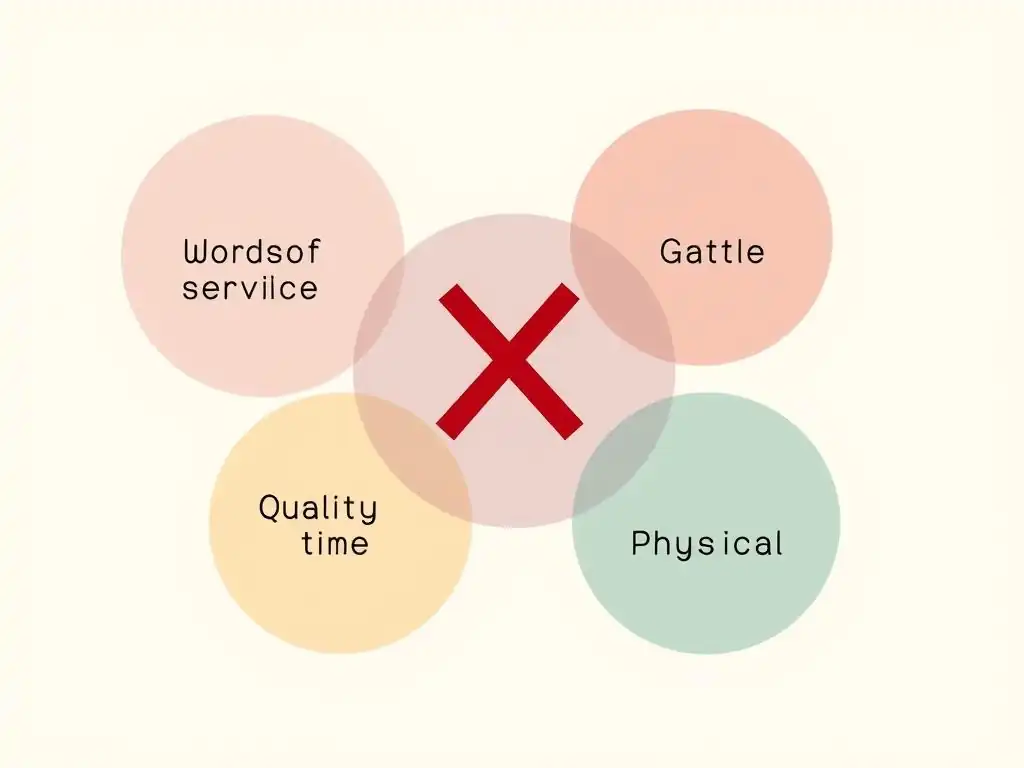
This section dives deep into recognizing potential incompatibility on a first date by observing how your date expresses and receives love, specifically through the lens of the five love languages. Understanding these subtle cues can save you time and heartache by identifying potential red flags early on. Recognizing discrepancies between your love language and your date's can be a crucial indicator of long-term compatibility. Remember, the goal isn't to find a perfect match, but to find someone whose love language aligns with yours, or at least shows a willingness to understand and appreciate yours.
Acts of Service: Absence or Misinterpretation as a Red Flag
For those who prioritize "Acts of Service" as their primary love language, seeing tangible acts of kindness and helpfulness is paramount. A first date is a great opportunity to subtly assess this aspect. Does your date offer to help you with your coat, pull out your chair, or offer to drive? These small gestures, while seemingly insignificant, reveal a lot about their inclination towards expressing love through action.
However, the absence of these actions isn't always a definitive red flag. Some people are naturally less outwardly demonstrative. The crucial element is interpretation. If you mention needing help with something (e.g., carrying a heavy bag) and your date completely ignores your request, that's a more significant issue than a simple lack of spontaneous acts of service.
It suggests a lack of attentiveness to your needs. Furthermore, if they do offer help but do it in a way that feels rushed, dismissive, or resentful, it might signal that acts of service are not a genuine expression of their affection, but rather a performative act. Conversely, if you express your appreciation for their actions, and they seem surprised or uncomfortable with the positive reinforcement, it could also highlight a mismatch in love languages. Pay close attention to the quality of the service, not just the quantity.
Consider this example: You mention you're tired after a long day. A positive response would be an offer to help you with something specific, like ordering takeout or getting you a drink. A negative response might be a dismissive comment like, "Yeah, I'm tired too," without any attempt to alleviate your burden. This subtle difference can reveal a lot about their capacity for empathy and their willingness to show love through acts of service.
Words of Affirmation: Lack of Positive Reinforcement and Validation
For those whose primary love language is "Words of Affirmation," hearing verbal expressions of love, appreciation, and support is crucial. On a first date, look for signs of genuine encouragement and positive feedback. Do they offer compliments that feel authentic and not forced? Do they actively listen to what you have to say and show interest in your life? Do their words match their actions? Inconsistencies here can be a major red flag.
A significant red flag involves a lack of positive reinforcement or validation, even when you share something personal or vulnerable. For instance, if you discuss a personal accomplishment and they offer minimal or lukewarm acknowledgment, it could indicate a lack of emotional investment. Similarly, constant criticism or negativity, even in a seemingly lighthearted way, can be detrimental. Remember, genuine words of affirmation build you up; dismissive or critical words tear you down.
A first date should feel supportive and encouraging, not draining or discouraging. Look for constructive feedback, and be wary of excessive negativity or a lack of genuine praise, especially if you've shared something important to you. This is particularly true if their words of affirmation are only present when seeking something from you.
Receiving Gifts: Materialism vs. Thoughtful Gestures: A Love Language Discrepancy
While "Receiving Gifts" might seem superficial, it’s not about the monetary value but the thoughtfulness behind the gesture. A small, meaningful gift shows that your date pays attention to your interests and preferences. On a first date, this might be something as simple as a small flower, a handwritten note, or a thoughtful treat. However, the absence of a gift isn’t necessarily a red flag; some cultures are less inclined towards gift-giving. The crucial element here is differentiating between materialism and genuine thoughtfulness.
A major red flag is excessive focus on material possessions or extravagant displays of wealth. This can indicate a lack of emotional depth, and a tendency to equate love with material things. Conversely, someone who is genuinely thoughtful might offer a small, inexpensive gift that holds personal significance, demonstrating that they've paid attention to your personality and preferences. The key is the intention behind the gift, not its price tag.
If the gift feels impersonal or forced, it could suggest they are trying to impress rather than connect emotionally. If your date prioritizes expensive gifts over meaningful gestures, it might highlight a conflict in love languages and a potential incompatibility in the long term. Observe whether the gift is a genuine expression of affection or simply a superficial attempt to impress.
Quality Time: Disrespect of Boundaries and Lack of Engagement
Understanding someone's love language can illuminate a lot about their behavior on a first date. If their primary love language is Quality Time, you might expect focused attention and genuine engagement. However, red flags can arise when this desire for connection is unmet or manipulated. A significant red flag is a blatant disregard for your boundaries. For instance, if you've clearly expressed a need to leave by a certain time, and they pressure you to stay longer despite your discomfort, that's a major warning sign.
This demonstrates a lack of respect for your autonomy and preferences, which is crucial for any healthy relationship. Furthermore, look for signs of disengagement during the date itself. Are they constantly checking their phone? Do they seem distracted, failing to actively listen to what you're saying? This lack of present engagement speaks volumes about their ability to prioritize and value your time and conversation.
Remember, a true appreciation for Quality Time means being fully present and respectful of your boundaries. A first date should feel like a shared experience, not a one-sided performance. Consider a scenario where you've planned a specific activity, and your date consistently shows a lack of enthusiasm or disregards your suggestions. This is another subtle but important indicator that their actions don't align with their professed love language. Ultimately, consistent disengagement or boundary-pushing is a significant “love language red flag” pointing to potential incompatibility.
Physical Touch: Unwanted Advances and Discomfort
Physical touch, as a love language, manifests differently for everyone. Some individuals are naturally more tactile than others, but consent and respect should always be paramount. On a first date, unwanted physical advances are a major red flag, regardless of the individual's professed love language. This goes beyond simple flirting; it encompasses any physical contact that makes you uncomfortable, regardless of how seemingly innocent it might be. For example, an overly familiar touch, such as placing a hand on your knee without invitation, or lingering hugs that overstep your personal space, are clear signs of disrespect.
These actions indicate a disregard for your boundaries and could be a precursor to more serious issues down the line. It's important to remember that consent is not something that can be assumed or extracted; it must be freely given and enthusiastically expressed. If your date pushes past your limits, despite your verbal or nonverbal cues of discomfort, it’s a significant “love language red flag” and a clear sign of incompatibility. A healthy relationship is built on mutual respect and understanding, and respecting personal space is a fundamental component of that.
Furthermore, consider the context of the physical touch. Even seemingly innocuous gestures can become problematic if they are excessive or inappropriate for the setting. A date who consistently seeks physical contact without gauging your comfort level might be exhibiting signs of a disregard for your boundaries and personal space, demonstrating a lack of emotional intelligence and respect for your feelings. This behavior can be a strong indicator of future potential problems in a relationship.
Deciphering Incompatibility Through Love Language Cues
This section delves into how observing love language preferences during a first date can reveal potential incompatibilities, offering valuable insights for navigating the complexities of online dating and building meaningful relationships. Understanding your own and your date's primary love languages is crucial; mismatches can lead to significant relationship friction down the line. By paying close attention to subtle cues, you can identify potential red flags early on, saving yourself time and emotional investment in ultimately incompatible pairings.
Recognizing these cues empowers you to make informed decisions, fostering healthier and more fulfilling romantic connections. This approach allows for a more proactive and conscious approach to dating, significantly improving your chances of finding a compatible partner.
Missed Opportunities for Connection: A Sign of Incompatible Love Languages
Missed opportunities for connection are subtle yet powerful indicators of potential love language incompatibility. For example, if your primary love language is Words of Affirmation, and your date consistently fails to offer compliments or express appreciation, this could be a significant red flag. Similarly, if your love language is Acts of Service and your date makes no effort to assist you, even in small ways, it suggests a fundamental difference in how you experience and express affection.
These seemingly minor oversights can accumulate, leading to feelings of unappreciation and emotional distance. Consider this scenario: You meticulously planned a romantic dinner, demonstrating your Gifts love language, but your date shows little enthusiasm or appreciation, prioritizing conversation instead (perhaps their love language is Quality Time).
This lack of reciprocal effort highlights a potential incompatibility that could hinder future connection. Analyzing these missed opportunities reveals underlying preferences and can help you determine if your love languages align sufficiently for a long-term relationship.
Frustration and Misunderstanding: Indicators of Love Language Conflict
Frustration and misunderstanding often stem from conflicting love languages. Imagine a situation where one partner prioritizes Physical Touch while the other primarily values Quality Time. The touch-oriented partner might feel neglected if their attempts at physical affection are not reciprocated with similar enthusiasm. Conversely, the quality-time-oriented partner might feel pressured or overwhelmed by constant physical contact, leading to resentment and withdrawal.
This conflict can manifest as arguments, misunderstandings, or a general sense of dissatisfaction. For instance, consistent complaints about a lack of physical intimacy from one partner, despite the other's efforts to spend quality time together, indicates a clash in love languages. Similarly, frequent complaints about insufficient attention or disinterest in shared activities point towards a potential mismatch, highlighting the need for open communication and understanding of each other's love language needs. Recognizing these frustrations early on during the dating process helps manage expectations and avoid future conflicts.
Feeling Unseen or Unheard: A Major Red Flag in Dating
Feeling unseen or unheard is a significant red flag in dating, often rooted in love language incompatibility. If your primary love language is Quality Time, and your date consistently cancels plans or seems distracted during your interactions, you might feel undervalued and unappreciated. This feeling of being overlooked is a clear indicator that your needs are not being met. If your love language is Acts of Service, and your date consistently fails to offer help or support, even in minor ways, you might feel as if your efforts are not reciprocated and your needs are ignored.
This can lead to feelings of resentment and frustration. The same is true for those whose love language is Gifts. A consistent lack of thoughtful gestures can leave them feeling unloved and unappreciated.
Feeling unseen or unheard doesn't necessarily mean the person is a bad person; it simply suggests a fundamental incompatibility in how you both express and receive love. Identifying this red flag early on in the dating process allows for a more honest assessment of the relationship's potential for long-term success. Pay attention to these subtle cues; they often speak volumes about the future of a potential relationship.
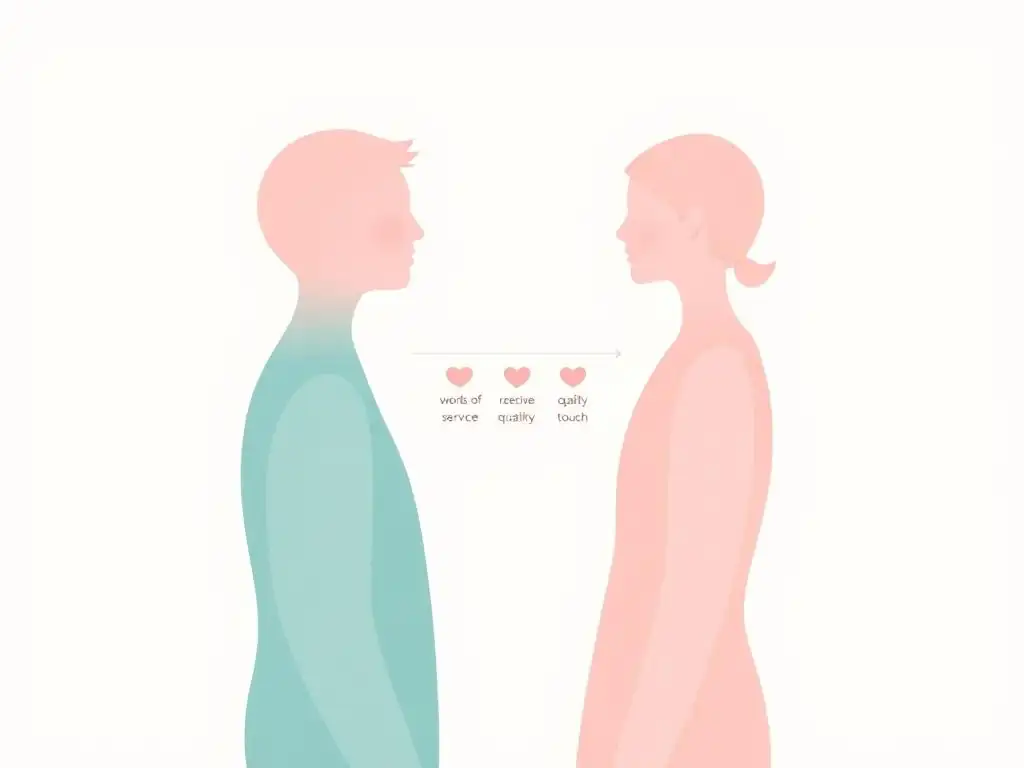
Understanding love languages is crucial for building healthy relationships, and the first date offers a valuable glimpse into your potential partner's primary love language. However, recognizing discrepancies between your own and your date's love language isn't necessarily a dealbreaker. Instead, it presents an opportunity for growth and understanding, paving the way for a more fulfilling connection. This section explores strategies for navigating these differences effectively, fostering open communication, and building a strong foundation for lasting compatibility. Identifying love language red flags dating early on can prevent future misunderstandings and relationship stress.
Open Communication: Addressing Love Language Discrepancies
Open and honest communication is paramount after a first date where love language differences become apparent. Avoid accusatory language; instead, focus on sharing your observations and feelings constructively. For example, if you primarily express and receive love through words of affirmation (your love language), and your date seems less receptive to verbal compliments, you might gently say, "I noticed that while I enjoy expressing my affection through words, you might prefer a different way of showing and receiving love. Can we talk about this?"
This approach invites dialogue rather than confrontation. Remember, understanding each other's love language is key to avoiding misinterpretations. It's a process of mutual learning and adjustment. Some couples find journaling helpful; reflecting on the date and noting specific instances where love language differences were apparent can aid in future conversations.
Finding Common Ground: Building Connection Despite Differences
Even significant differences in love languages don't preclude a successful relationship. The key is to find common ground – areas where you both feel understood and appreciated. If one partner prioritizes acts of service while the other values quality time, for example, they can find common ground by incorporating both elements into their relationship. Perhaps the partner who values acts of service could plan a special outing (quality time) to show their appreciation, or the partner who cherishes quality time could offer practical help (acts of service) as a gesture of love.
This mutual effort demonstrates commitment and a willingness to meet each other's needs, strengthening the bond. Consider creating a shared "love language calendar" to schedule specific activities that cater to each other's preferences. This proactive approach minimizes misunderstandings and cultivates a sense of mutual understanding and appreciation.
Compromise and Understanding: Essential for Long-Term Compatibility
Successful long-term relationships often involve compromise and a willingness to understand and adapt to your partner's needs. Recognizing and addressing love language differences is a significant step in this process. It's about finding creative solutions that satisfy both partners' needs without sacrificing your own identity. For instance, if one partner feels overwhelmed by frequent physical touch (physical touch love language), while the other expresses love primarily through this means, they can negotiate a comfortable level of physical affection that works for both.
This might involve setting boundaries or finding alternative ways to express physical intimacy. Remember, love language red flags dating are not insurmountable obstacles. Instead, they represent opportunities for mutual growth and deeper understanding, strengthening the relationship's foundation and fostering long-term compatibility. The willingness to learn, adapt, and compromise demonstrates a mature and committed approach to building a lasting, loving relationship.
When to Walk Away: Recognizing Irreconcilable Differences in Love Languages
Understanding your own love language and that of your date is crucial for a healthy relationship. However, sometimes, despite initial attraction, the differences are simply too vast to bridge. Recognizing these irreconcilable differences is key to avoiding wasted time and emotional investment. It's not about finding a perfect match in love languages; it's about finding compatibility. Significant discrepancies can signal deeper incompatibility.
For instance, if you thrive on Acts of Service (your primary love language), and your date primarily expresses love through Words of Affirmation, you might find yourself constantly feeling unappreciated, despite their verbal expressions of affection. They might shower you with compliments, but fail to assist with practical tasks you find important. This isn't necessarily a sign of malice, but a fundamental difference in how you both experience and express love.
This difference can lead to ongoing frustration and resentment if not addressed honestly and proactively. Open communication is vital, but sometimes, even with honest communication, the core differences remain insurmountable.
Another example: imagine you prioritize Quality Time (your primary love language), craving focused, undivided attention. Your date, however, prioritizes Physical Touch, showing affection primarily through physical intimacy. While physical touch is important, your need for dedicated time together might remain unmet, leading to feelings of neglect and loneliness. This isn't about one love language being "better" than another; it's about recognizing fundamental differences in how you experience connection and intimacy. If these core needs consistently clash, it's a strong indicator that the relationship might not be a good fit long-term, despite initial chemistry.
Consider a scenario where one partner prioritizes Receiving Gifts (their primary love language) and views thoughtful presents as significant expressions of affection. Their partner, however, struggles with expressing affection through material gifts, preferring Acts of Service or Quality Time. This disparity can create a persistent imbalance, with one partner feeling undervalued and the other feeling pressured or misunderstood. While compromise is possible, the ongoing effort required to bridge such a fundamental difference in love language expression can be emotionally draining and unsustainable over time.
In such cases, recognizing the incompatibility early on can prevent prolonged unhappiness and heartache. It is important to remember that there's no "right" or "wrong" love language; it's about compatibility and understanding. Sometimes, that understanding leads to the realization that the relationship is not the right fit.
Ultimately, the decision to walk away is a personal one. However, persistent, significant incompatibilities in love languages can be a clear signal that the relationship is not built on a foundation of mutual understanding and fulfillment. Learning to recognize these red flags early on can save you considerable emotional distress in the long run. Remember, compatibility in love languages is just one piece of the puzzle, but a crucial one nonetheless. Prioritizing your emotional well-being is paramount.
Love Language Compatibility and Long-Term Relationship Success
Understanding love languages is crucial for building and maintaining healthy, fulfilling relationships. While initial attraction might be based on other factors, long-term compatibility often hinges on how well partners understand and meet each other's emotional needs. This section explores how aligning love languages contributes to relationship success, and conversely, how mismatches can lead to conflict and dissatisfaction.
Ignoring love language compatibility can be a significant red flag in dating, often leading to future disappointments. The key is proactive identification and understanding, not just of your own love language, but of your potential partner's. This proactive approach drastically increases the chances of a successful and lasting relationship.
Building a Strong Foundation: Understanding Love Language Needs
The foundation of any successful relationship rests on mutual understanding and respect. This includes understanding how your partner best receives and expresses love. Are they a Words of Affirmation person, needing frequent verbal reassurance and compliments? Or perhaps they're an Acts of Service individual, finding love expressed through helpful actions and gestures. Maybe they prioritize Receiving Gifts, valuing thoughtful presents as demonstrations of affection. Conversely, some might be Physical Touch oriented, seeking intimacy and connection through physical closeness. Finally, some prioritize Quality Time, valuing undivided attention and shared experiences above all else.
Before embarking on a relationship, understanding these fundamental needs is paramount. During the initial dating phase, subtle cues often reveal a person's primary love language. For example, someone who constantly compliments you might be a Words of Affirmation type. Someone who frequently offers help with tasks might be an Acts of Service person. Paying close attention to these behavioral patterns is crucial in gauging compatibility and identifying potential red flags early on. Ignoring these cues can lead to misunderstandings and unmet emotional needs down the line, making the relationship far more challenging to sustain.
Consider this example: A Physical Touch individual dating someone who avoids physical affection might experience frustration and feel unloved, regardless of the other partner's intentions. This incompatibility, if not addressed, could eventually lead to conflict and relationship breakdown. Early identification of such differences allows for open communication and potentially finding ways to bridge the gap, or accepting that the love languages might be fundamentally too incompatible.
Sustaining a Healthy Relationship: Prioritizing Love Language Expression
Once you've identified your and your partner's love languages, actively expressing love in ways they appreciate becomes crucial for sustaining a healthy relationship. This isn't about changing who you are, but rather about consciously tailoring your expressions of affection to resonate most deeply with your partner.
For instance, if your partner's love language is Acts of Service, regularly performing small acts of kindness, like doing the dishes or running errands, will demonstrate your love more effectively than lavish gifts. Similarly, if their love language is Words of Affirmation, regular compliments and expressions of appreciation will be far more meaningful than grand gestures. Consistent effort in this area demonstrates care and understanding, strengthening the bond and creating a secure and loving environment.
Failing to prioritize your partner's love language can lead to feelings of neglect and unappreciation, even if you’re expressing love in ways that feel natural to you. This is a common pitfall, and a significant red flag in a relationship. Remember, the goal is not just to feel loved, but to ensure your partner feels loved in a way they understand and appreciate. Regularly checking in and confirming that your efforts are resonating can prevent future misunderstandings and maintain a healthy dynamic. Open communication about love languages is a crucial element of a strong, long-lasting relationship.
Avoiding Future Dating Disappointments: Using Love Languages as a Screening Tool
Love languages offer a powerful framework for assessing compatibility early in the dating process. By understanding your own love language and actively observing your date's communication style and actions, you can identify potential incompatibilities before investing significant time and emotional energy.
For example, if you're a Quality Time person and your date consistently cancels plans or seems disengaged during your time together, it's a clear indication of potential incompatibility. Similarly, if you value Words of Affirmation and your date rarely offers compliments or positive feedback, it might signal a lack of emotional connection. These are crucial red flags that should not be ignored. These early indicators can save you from future heartache by helping you make informed decisions about whether to pursue a relationship.
Using love languages as a screening tool isn't about finding a perfect match, but about finding someone whose love language aligns well enough with yours to build a healthy and fulfilling relationship. It's about identifying potential areas of conflict early on and deciding whether those differences are manageable or deal-breakers. It's a proactive approach to dating that significantly reduces the risk of future disappointments and increases the odds of finding a truly compatible partner. Remember, recognizing and understanding these love language red flags is key to navigating the dating world successfully.
Frequently Asked Questions
What are love languages, and why are they important in dating?
Love languages are five ways people primarily express and experience love: words of affirmation, acts of service, receiving gifts, quality time, and physical touch. Understanding your own and your date's love language is crucial for compatible communication and relationship satisfaction. Ignoring differences can lead to misunderstandings and conflict.
How can differing love languages be a red flag on a first date?
Differing love languages aren't inherently red flags, but incongruence in how you express and receive love can be. For example, if you value quality time and your date only shows affection through gifts, it suggests potential incompatibility in how you'll show affection and feel loved. This may lead to feeling unappreciated or unloved.
Red flags include a complete disregard for your expressed needs, consistent contradictory actions to their stated love language, or dismissive comments about your preferred ways of showing and receiving love. These behaviors may indicate a lack of empathy or willingness to compromise.
Can I still have a successful relationship with someone who has a different love language than me?
Absolutely! Successful relationships require understanding and compromise. Learning each other's love languages and making a conscious effort to express love in ways your partner appreciates is key. Open communication and a willingness to adapt are essential.
Where can I learn more about love languages and how to apply them to dating?
You can find extensive resources online, including the book "The 5 Love Languages" by Gary Chapman. OnlineDatingSuccess.org also provides practical tips and advice on navigating online dating and building meaningful relationships, including information on identifying and understanding love languages in the context of dating.
Final Reflection: Deciphering the Language of Love—Before It's Too Late
Understanding love languages isn't just a dating tip; it's a key to unlocking healthy, fulfilling relationships. Ignoring these crucial communication styles can lead to misunderstandings, resentment, and ultimately, relationship failure. The prevalence of dating apps and the fast-paced nature of modern romance only amplify the need to identify incompatibility early on.
The impact of recognizing and respecting different love languages extends far beyond the initial date. It shapes how we navigate friendships, family dynamics, and even professional collaborations. Understanding these nuances allows for greater empathy and connection in all aspects of life. The most important thing in communication is hearing what isn't said.
- Peter Drucker. This quote highlights the subtle yet powerful cues we often miss, especially when our own love language differs significantly from our partner's. Learning to truly listen, beyond the spoken word, is paramount.
Now, consider your own love language and how you express affection. Reflect on past relationships – were there recurring patterns of conflict stemming from mismatched communication styles? Moving forward, actively seek to understand your potential partner's love language, and be mindful of how you express your own. Don't just look for red flags; cultivate a deeper understanding of the green flags – the signs of compatibility and mutual respect. This conscious effort will pave the way for more meaningful and lasting connections.
Unlock Your Dating Potential: Decode First Date Clues
Thanks for exploring the world of love languages and recognizing potential relationship dealbreakers! You now have the tools to navigate early dating with more confidence and clarity. Ready to apply your newfound knowledge?
- Understanding your own primary love language and those of potential partners is key. This self-awareness will significantly improve your communication and understanding on future dates.
- Share this article with friends who are also navigating the dating world. Discussing love languages can be a fun and insightful way to support one another!
- Pay close attention to communication cues on your next date. Don't just look for major red flags; subtle details often reveal the best indicators of compatibility.
Are you ready to approach your next date with a sharper eye and a more open heart, ready to build deeper connections?