
Decoding Digital Affection: How Love Languages Clash Online


Ready to unlock the secrets to finding lasting love in the digital age? At OnlineDatingSuccess.org, we empower you to navigate the complexities of online dating with confidence. But have you ever considered how your love language impacts your online interactions?
Our latest article, "Decoding Digital Affection: How Love Languages Clash Online," explores the fascinating connection between online dating love language compatibility and relationship success. Discover how understanding your own and your potential partner's love language can transform your online dating experience – and lead you to a more meaningful connection. Dive in and start your journey to online dating success!
- Understanding Love Languages in the Digital Age
- Common Love Language Conflicts in Online Relationships
- Bridging the Gap: Strategies for Online Love Language Compatibility
- Case Studies: Navigating Love Language Challenges in Online Relationships
- Cultivating Compatibility: Tips for Long-Term Success Online
-
Frequently Asked Questions
- How does my love language affect my online dating experience?
- Can I identify someone's love language through online dating profiles?
- What if my love language and my online date's don't match?
- Are there specific online dating strategies for different love languages?
- How can I find out my own love language and use it to improve my online dating success?
- Final Reflection: Bridging the Digital Divide in Love
- Unlock Deeper Connections: Take Your Online Dating to the Next Level
Understanding Love Languages in the Digital Age
Navigating the world of online dating can feel like deciphering a complex code, especially when it comes to understanding and expressing affection. While romantic connections thrive on genuine emotional connection, the digital realm introduces unique challenges to conveying our love languages—the ways we prefer to give and receive affection. This article delves into the fascinating intersection of love languages and online dating, exploring how these communication styles manifest digitally and how understanding them can significantly improve your online dating experience and ultimately lead to more fulfilling relationships. We'll equip you with the knowledge to recognize your own digital love language profile, identify your potential partner's preferences, and navigate potential compatibility clashes for a smoother and more rewarding journey towards meaningful connections.
Successfully navigating the complexities of online dating love language compatibility can dramatically increase your chances of finding a lasting relationship. Let's decode digital affection together! 🎉
Defining the Five Love Languages and Their Online Expressions
Gary Chapman's five love languages—Words of Affirmation, Acts of Service, Receiving Gifts, Quality Time, and Physical Touch—provide a valuable framework for understanding how people express and experience love. However, their expression in the digital sphere requires a nuanced understanding. Let's explore how each manifests online:
- Words of Affirmation: This translates digitally as thoughtful messages, encouraging comments, personalized emojis expressing support, and expressing appreciation through virtual gifts. Think heartfelt messages, not just quick "hey" texts. A well-crafted profile showcasing positive personality traits also falls under this category.
- Acts of Service: Online, this might involve offering technical assistance, helping create a dating profile, sharing helpful resources related to online dating safety, or even proactively scheduling virtual dates. It's about showing support and willingness to help.
- Receiving Gifts: While not literally physical, this can manifest as sending virtual gifts within dating apps, paying for a subscription for your partner, or sending thoughtful e-cards or digital tokens of affection.
- Quality Time: In the online world, this translates to dedicated virtual dates, engaging conversations, consistent messaging, and truly listening during interactions. It's about prioritizing focused attention and shared experiences, even if digital.
- Physical Touch: This is the most challenging love language to express online. While physical touch is inherently absent, it can be partially mirrored through video calls demonstrating warmth and connection, choosing profile pictures that convey approachability, and expressing affection through emojis representing physical closeness (hugs, kisses, etc.). However, it's crucial to proceed with caution and respect boundaries.
Recognizing Your Online Love Language Profile
Understanding your own digital love language profile is crucial. Ask yourself:
- How do you show affection online? Do you prioritize thoughtful messages, virtual gifts, or scheduling virtual coffee dates?
- How do you receive affection online? Does a virtual compliment resonate more with you than a digital gift?
- What online behaviors make you feel loved and appreciated? Analyzing your reactions to different interactions can illuminate your preferences.
Reflecting on these questions will provide valuable insight into your own primary and secondary online love languages. This self-awareness allows you to communicate your needs effectively and appreciate how others express their affection digitally. Remember, there is no "right" love language; understanding your own preferences is key to finding compatibility.
Identifying Your Partner's Digital Love Language Preferences
Identifying your potential partner's digital love language preferences requires keen observation and open communication. Pay attention to:
- Their messaging style: Are their messages short and sweet, or long and detailed? Do they use emojis frequently? Do they initiate conversations often?
- Their profile: What aspects of their profile do they emphasize? Do they highlight achievements, photos with friends, or showcase their interests?
- Their responses to your actions: How do they react to your messages, virtual gifts, or proposed virtual dates? Do they reciprocate your efforts?
By observing patterns in their communication and reactions, you can start to identify their preferred methods of giving and receiving affection online. Open and honest communication is vital; don't hesitate to gently explore how they best experience love and appreciation in the digital sphere. This understanding fosters mutual respect and strengthens the foundation for a meaningful connection. Remember, successful online dating requires empathy and understanding—understanding love languages is a significant step in that direction.
Common Love Language Conflicts in Online Relationships
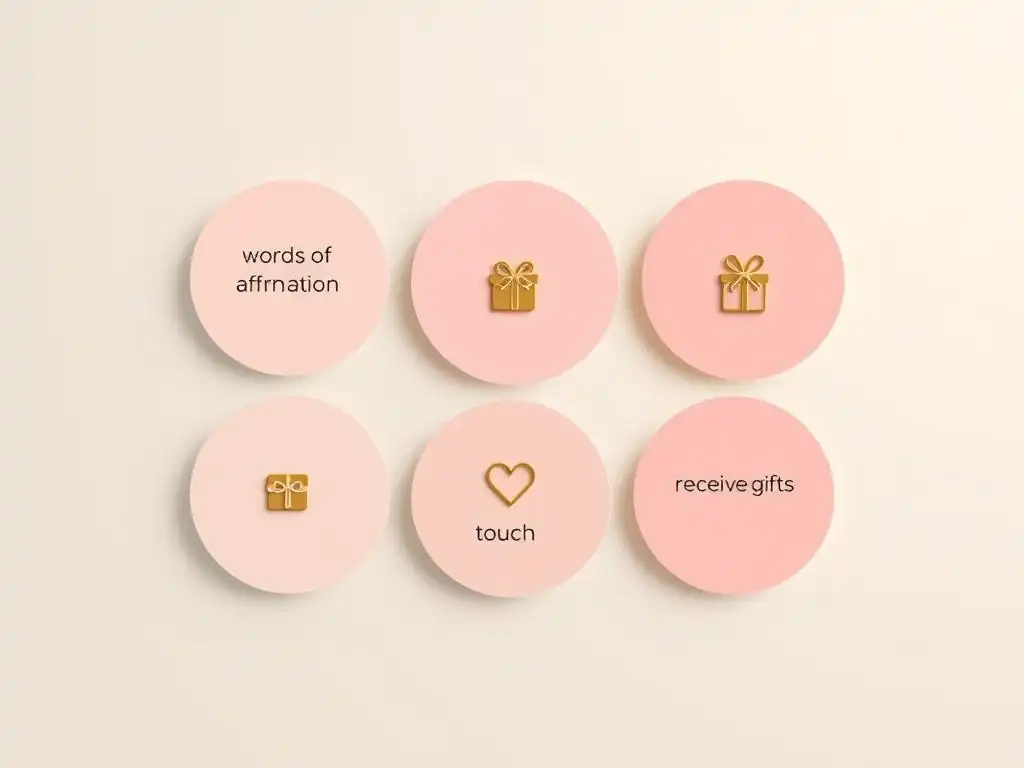
Online dating introduces a unique layer of complexity to the already nuanced world of love languages. The digital realm, while offering unprecedented connection opportunities, can simultaneously hinder the authentic expression and reception of affection. Understanding these challenges is crucial for navigating online relationships successfully and fostering genuine connections. Misinterpretations and unmet needs frequently stem from the limitations of digital communication, leading to misunderstandings and potential relationship breakdowns. Mastering online dating love language compatibility is key to building a strong foundation.
Words of Affirmation vs. Acts of Service: A Digital Divide
The contrast between "Words of Affirmation" and "Acts of Service" becomes particularly pronounced in online dating. Individuals who prioritize Words of Affirmation crave verbal expressions of love and appreciation – compliments, encouraging messages, and heartfelt declarations. In the online space, these are readily available: a thoughtful text, a carefully crafted email, or a positive comment on a social media post. However, the absence of physical presence can diminish the impact. A simple "I love you" typed on a screen may lack the emotional weight of the same phrase spoken in person, accompanied by a tender touch or loving gaze.
Conversely, those who value Acts of Service demonstrate love through actions rather than words. This presents a significant challenge online. The inability to physically assist, perform tasks, or offer practical help can lead to feelings of unappreciated effort or a perceived lack of care, even if the intentions are good.
For example, a person might spend hours researching potential date locations, meticulously planning a virtual date, or sending thoughtful gifts, only to feel their efforts are overlooked by a partner who values spoken affirmation more. The disconnect arises from different ways of expressing and experiencing care, highlighting the importance of clear communication and mutual understanding of each other's love language preferences in the online context. This requires conscious effort and a willingness to adapt.
The Challenges of Expressing Physical Intimacy Virtually
Physical touch, a cornerstone of many love languages, presents the most significant hurdle in online dating. The virtual world inherently lacks the tactile element crucial for individuals whose primary love language is Physical Touch. While virtual hugs and kisses are attempted through emojis or virtual reality, they are pale imitations of the real thing. This deficiency can lead to feelings of isolation, unmet needs, and even frustration for those who require physical intimacy to feel loved and connected.
The digital space, however, isn't devoid of ways to bridge this gap. Creative virtual interactions, such as shared online games, watching movies together remotely, or even engaging in virtual reality experiences, can offer a sense of shared presence and connection, albeit a substitute for physical closeness. Open communication about these needs and exploring alternative ways to express affection is crucial for establishing healthy boundaries and expectations within the relationship. Remember, understanding and adapting is vital for online dating love language compatibility. Finding common ground and exploring creative alternatives are key to success.
Quality Time vs. Receiving Gifts: Balancing Virtual and Physical Connection
The dichotomy between "Quality Time" and "Receiving Gifts" also presents unique challenges in online relationships. Those who cherish Quality Time crave undivided attention and meaningful interactions. While video calls and virtual dates can provide quality time, the distractions of the digital world and the lack of physical presence can diminish the intimacy and connection. A constant barrage of notifications, background noise, or the presence of other people in the virtual space can significantly detract from the experience.
On the other hand, those who prioritize Receiving Gifts might find it easier to express and receive this love language online. Sending virtual gifts, thoughtful messages, or even sending a small physical gift through the mail can be a powerful gesture of affection. However, it's crucial to remember that gifts alone cannot replace the value of shared experiences and dedicated time. A balance is essential.
The ideal scenario involves combining thoughtful virtual gifts with planned virtual dates and consistent communication to nurture the relationship and meet the needs of both partners, regardless of their primary love languages. This nuanced understanding of online dating love language compatibility will significantly improve the overall relationship dynamic. The key is to find creative ways to bridge the gap between the virtual and the physical, making conscious efforts to demonstrate appreciation and understanding.
Bridging the Gap: Strategies for Online Love Language Compatibility
Online dating presents unique challenges to expressing and understanding love languages. The absence of physical cues and the reliance on text-based communication can easily lead to misinterpretations and misunderstandings, especially when individuals have differing primary love languages. Successfully navigating this requires a conscious effort to bridge the gap between intended meaning and received interpretation.
This section offers practical strategies to foster compatibility and build stronger connections in the digital realm. Understanding and adapting to your partner's online love language is key to forming a successful online relationship and ultimately transitioning to a fulfilling offline connection. This involves more than just recognizing your own preferences; it demands active listening and a willingness to adjust your communication style.
Improving Communication Through Love Language Awareness
The first step towards improved online dating communication is recognizing your own and your potential partner's love languages. Are you a words of affirmation person, showering your partner with compliments and encouraging messages? Or perhaps you're an acts of service type, showing affection through thoughtful gestures and helpful actions, something harder to directly convey online? Understanding these nuances is crucial.
For example, someone whose primary love language is physical touch might feel neglected in an exclusively online relationship, as the lack of physical intimacy can be profoundly felt. Conversely, someone whose love language is quality time might find frequent, short messages less satisfying than longer, more involved conversations. Regularly checking in with your partner about their feelings and needs, actively asking "How are you feeling today?" or "What can I do to make you feel loved?"
can significantly improve communication. This open dialogue helps avoid assumptions and fosters mutual understanding. Remember, effective communication is a two-way street; pay close attention to their responses and adapt your approach accordingly.
Adapting Your Online Communication Style for Diverse Preferences
Adapting your communication style to accommodate different love languages requires flexibility and empathy. Consider these examples: If your partner prioritizes gifts, sending a digital gift card or a thoughtful e-card can be a meaningful gesture. For those who value acts of service, offering to help with a task (even a small one like scheduling a virtual meeting) can demonstrate your care.
For those who cherish words of affirmation, ensure your messages are filled with genuine compliments and expressions of appreciation. Don't just say "You're great," but specify what you admire: "I really appreciate your insightful comments on that article." For those who need quality time, schedule regular virtual dates, such as watching a movie together online or playing an online game.
This dedicated time strengthens your bond and demonstrates your commitment. Remember to balance these efforts with your own needs and preferences to maintain authenticity and prevent exhaustion. It's a process of mutual adjustment and compromise.
Leveraging Technology to Enhance Love Language Expression
Technology itself can be a powerful tool to express love languages online. While the absence of physical presence is a limitation, it can also be creatively overcome. Here are some examples: Using video calls allows for non-verbal communication, fostering a stronger sense of connection for those who value physical touch or quality time.
Creating personalized playlists or digital scrapbooks can cater to those who appreciate gifts. Scheduling regular video game sessions or watching movies together online can strengthen the connection for those who prioritize quality time. Sending voice notes instead of text messages adds a personal touch, appealing to those who value words of affirmation or feel a stronger connection through auditory communication.
Explore different apps and platforms to find the right tools to enhance your expression of love, remembering that the best approach is always tailored to your specific relationship dynamics and your partner’s unique needs. Experimentation and open communication are key to finding what works best for both of you. The goal is to find ways to translate the essence of each love language into the digital sphere, fostering a deeper and more meaningful connection.
Setting Realistic Expectations Based on Love Language Differences
Understanding that your love language might differ significantly from your online dating match's is the first step towards successful communication. It's crucial to temper initial excitement with realistic expectations. Online dating, by its nature, presents a curated version of ourselves. We often highlight our best qualities and downplay less desirable traits.
This can lead to misinterpretations of love languages, especially in the early stages. For instance, someone whose primary love language is words of affirmation might shower their match with compliments and encouraging messages, only to feel disappointed by a less verbally expressive partner whose love language is acts of service. The initial enthusiasm may wane if these differences aren't acknowledged and addressed proactively. Remember, consistent communication, even about seemingly minor things, is key.
It's important to remember that love languages aren't static; they can evolve over time and within different relationships. What resonates deeply with one partner might not be as impactful with another. Setting realistic expectations means accepting that you might not always receive love in the way you prefer, and that's okay. The goal isn't to change your partner's love language but to understand how they express affection and appreciate those efforts.
This understanding fosters empathy and prevents disappointment stemming from unmet expectations. For example, if your partner's primary love language is physical touch, don't expect constant verbal affirmations; instead, focus on appreciating their physical displays of affection. This involves paying attention to their non-verbal cues and responding in kind, perhaps with a gentle touch or a warm embrace.
Furthermore, managing expectations involves recognizing that online interactions are inherently limited. You can't fully grasp someone's love language through text messages or video calls alone. It requires patience, open communication, and a willingness to learn. Avoid placing undue pressure on your online match to conform to your preferred love language expression.
Instead, aim for mutual understanding and compromise. A healthy relationship built on online dating love language compatibility necessitates conscious effort and a willingness to adapt. The journey towards understanding each other's love languages is an ongoing process, not a destination. Embrace this journey and celebrate the small victories along the way.
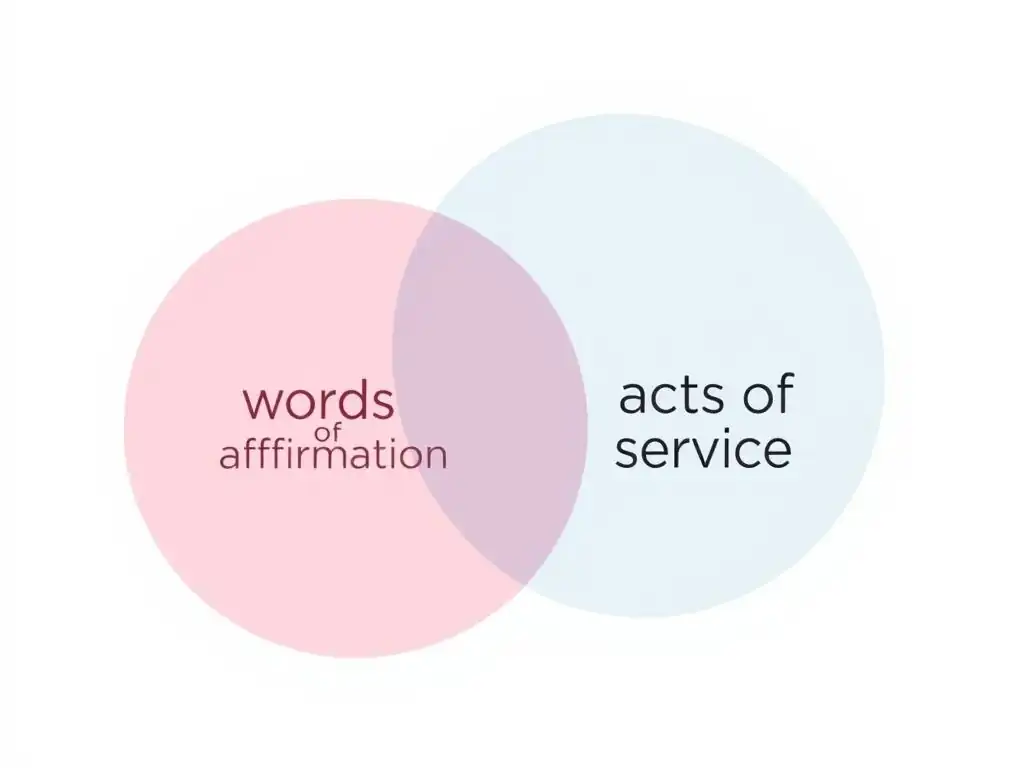
This section delves into real-world examples illustrating how love language compatibility, or the lack thereof, impacts online dating success. We'll examine scenarios where couples successfully navigate differences and others where mismatches lead to relationship breakdown. Understanding these case studies can provide valuable insights for improving your own online dating experiences and fostering healthier connections. Remember, recognizing and adapting to different love languages is crucial for online dating success, as it is in any relationship. Effective communication is key to bridging the gap between expectations and reality.
Case Study 1: Successful Adaptation Through Communication
Sarah, a 32-year-old marketing executive, identified as having a primary love language of Words of Affirmation. She thrives on compliments, encouragement, and heartfelt messages. Mark, her partner of six months whom she met on a dating app, primarily expressed love through Acts of Service. He showed his affection by taking out the trash without being asked, running errands for her, or fixing things around her apartment.
Initially, Sarah felt undervalued. Mark's acts of service, while thoughtful, didn't quite resonate with her need for verbal validation. She felt a disconnect, mistaking his actions for a lack of romantic interest. However, through open and honest communication, they resolved this issue. Sarah explicitly expressed her need for verbal affection, explaining that while she appreciated his practical help, she also craved words of affirmation to feel truly loved and appreciated.
Mark, in turn, understood and actively worked on improving his communication style. He began incorporating more verbal compliments and expressions of affection into their interactions. He'd text her sweet messages during the day, leave loving notes, and verbally express his appreciation for her. This conscious effort, combined with Sarah's understanding of Mark's love language, led to a stronger, more fulfilling relationship.
Their success highlights the importance of clearly communicating your needs and actively adapting to your partner's primary love language. This proactive approach significantly improved their online dating experience and transformed their initial misunderstandings into a foundation of mutual understanding and affection. This example perfectly demonstrates how understanding online dating love language compatibility can lead to a thriving relationship.
Case Study 2: Relationship Breakdown Due to Love Language Mismatch
David, a 28-year-old software engineer, prioritized Quality Time as his primary love language. He cherished uninterrupted, focused time spent with his partner. Conversely, Jessica, a 30-year-old freelance writer, expressed love primarily through Gifts. She believed thoughtful presents demonstrated care and affection.
Their online dating connection started strong, filled with exciting messages and virtual dates. However, as their relationship progressed, cracks began to appear. David felt neglected when Jessica focused on buying him gifts instead of dedicating quality time to him. He craved deep conversations and uninterrupted moments of shared attention, which were scarce due to Jessica's focus on material gestures.
Jessica, in turn, felt misunderstood. She felt her efforts to show affection through gifts were unappreciated. The lack of open communication exacerbated the problem. David interpreted her gift-giving as a superficial expression of love, while Jessica felt David’s desire for quality time was demanding and unromantic. This fundamental mismatch in love languages, coupled with a failure to communicate effectively, ultimately led to their breakup.
Their story serves as a cautionary tale – highlighting the potential pitfalls of neglecting love language compatibility in online dating and emphasizing the crucial role of open communication in navigating these complexities. The failure to understand each other's needs led to a frustrating and ultimately unsuccessful online dating experience. This case underscores the vital role of "online dating love language compatibility" in creating lasting connections. Ignoring these differences can have severe consequences.
Cultivating Compatibility: Tips for Long-Term Success Online
This section delves into practical strategies for navigating the complexities of love language compatibility within the online dating sphere. Successfully integrating understanding of your and your partner's love languages can significantly enhance your chances of building a lasting, fulfilling relationship. Remember, online dating presents unique challenges, but with the right approach, you can overcome these hurdles and foster a strong connection. The key lies in proactive communication, leveraging available tools, and establishing healthy boundaries.
Prioritizing Open Communication About Love Language Needs
Open communication is paramount in any relationship, but it's especially crucial in the context of online dating, where nonverbal cues are often limited. Early and honest conversations about love languages can prevent misunderstandings and build a solid foundation of mutual understanding. Don't shy away from directly discussing your needs and preferences.
For instance, if your love language is words of affirmation, explicitly state your appreciation for receiving encouraging messages and compliments. Conversely, if your partner's primary love language is acts of service, demonstrate your care through thoughtful gestures, even small ones like offering to schedule their next date or sending a virtual gift card.
Consider using specific examples from your own experiences. For example: "I really value feeling appreciated, so receiving thoughtful messages means a lot to me. How about you?" This direct approach avoids ambiguity and encourages reciprocal honesty. Remember, it's a two-way street; actively listen to your partner's needs and validate their feelings.
This creates a safe space for vulnerability and strengthens the bond between you. This open dialogue should extend beyond the initial stages of dating; consistent communication is key to maintaining compatibility over time. Regularly checking in with each other about your love language needs ensures that both partners feel understood and appreciated. This proactive approach can significantly reduce conflict and strengthen your connection.
Utilizing Online Tools to Strengthen Connection
The digital landscape offers a surprising array of tools to enhance your connection and cater to different love languages. While physical acts of service might be limited online, creative alternatives abound. For example, if your partner's love language is acts of service, you might offer to help them with a task – perhaps booking a reservation for a virtual event or assisting with online shopping. Similarly, gifts can be easily expressed through digital means; sending e-cards, virtual gifts, or even curated playlists demonstrate thoughtfulness.
For those whose love language is quality time, scheduling regular virtual dates, even brief ones, can be invaluable. This could involve watching a movie together using a synchronized video player, playing online games, or simply having a video call while enjoying a shared activity. Remember to be intentional; it's not just about being together, but about engaging together. Think about shared interests and plan activities that you both genuinely enjoy.
Table 1: Online Tools for Different Love Languages
| Love Language | Online Tool Examples | Specific Example |
|---|---|---|
| Words of Affirmation | Text messages, emails, social media comments | "I love your sense of humor! You always make me laugh." |
| Acts of Service | Online calendar scheduling, virtual assistance | "I've booked a virtual cooking class for us!" |
| Receiving Gifts | Digital gift cards, online subscriptions, e-cards | "I got you a subscription to that streaming service you mentioned!" |
| Quality Time | Video calls, online games, virtual movie nights | "Let's play that game online tonight!" |
| Physical Touch | (Limited online, focus on verbal affirmation) | "I miss your hugs! Can't wait to see you soon." |
Maintaining Healthy Boundaries in Virtual Relationships
Navigating the boundaries of virtual relationships requires careful consideration. While online dating offers convenience, it also presents unique challenges regarding emotional intimacy and personal space. Establishing and respecting boundaries is crucial for a healthy relationship, regardless of how you meet. This involves setting clear expectations about communication frequency, sharing personal information, and respecting each other's time and energy.
Avoid over-communication, which can be overwhelming and lead to feelings of suffocation. Respect your partner's need for personal space and avoid constantly checking in or demanding immediate responses. Similarly, be mindful of what personal information you share online, particularly in the early stages of a relationship. Remember that online interactions are not a replacement for in-person connections, and healthy boundaries are essential for building a sustainable relationship.
Prioritize maintaining a balance between online and offline interactions to ensure a strong and healthy connection. Remember, online dating is a tool to connect, not a substitute for genuine human interaction. Building a strong foundation requires clear communication, mutual respect, and a healthy balance between the virtual and physical worlds.
Frequently Asked Questions
How does my love language affect my online dating experience?
Your love language significantly impacts how you express and receive affection online. Understanding your own and potential partners' love languages helps you interpret messages and build stronger connections. Mismatched love languages can lead to misunderstandings if not addressed.
Can I identify someone's love language through online dating profiles?
While not explicitly stated, you can often infer someone's love language through their profile content and communication style. Look for clues in their photos, descriptions, and how they interact with you. It's best to have open communication.
What if my love language and my online date's don't match?
Differences in love languages don't mean incompatibility. Open communication and a willingness to learn each other's preferences are key. Focusing on understanding and adapting can create a stronger connection.
Are there specific online dating strategies for different love languages?
Yes! For example, if you're an Acts of Service person, focus on practical gestures. If you value Words of Affirmation, express your appreciation clearly. Tailoring your approach to their love language increases your chances of success.
How can I find out my own love language and use it to improve my online dating success?
Take the official Love Languages quiz online! Once you know your love language, focus on expressing affection in ways that resonate with you and learn to recognize it in others. This will improve your communication and connection.
Final Reflection: Bridging the Digital Divide in Love
The way we express and receive affection online significantly impacts our dating experiences, and understanding these nuances is crucial for navigating the complexities of modern romance. Misinterpretations of digital communication can lead to misunderstandings and fractured connections, highlighting the urgent need for greater awareness of online love language compatibility. The digital world, while offering unprecedented connection, also presents unique challenges to authentic expression.
The exploration of love languages in the digital sphere reveals a fascinating interplay between our inherent communication styles and the limitations of online interaction. The impersonal nature of screens can easily distort the subtleties of affection, leading to feelings of disconnect or even rejection. As we increasingly rely on digital platforms for connection, understanding these dynamics becomes paramount. The most important thing in communication is hearing what isn't said.
- Peter Drucker. This quote underscores the challenge of interpreting unspoken cues, a challenge amplified tenfold in the digital realm where nonverbal communication is severely limited.
Consider the implications of this exploration. How can you consciously adapt your communication style to better connect with potential partners online? Take the time to reflect on your own love language and how it manifests digitally.
Are you prioritizing quality time through virtual dates, or are you struggling to express acts of service or words of affirmation through a screen? By understanding these nuances and actively working to bridge the digital divide in your approach to love, you can foster more meaningful and fulfilling relationships in the online dating world. The future of connection lies in our ability to translate our hearts' language across the digital divide.
Unlock Deeper Connections: Take Your Online Dating to the Next Level
Thanks for exploring the world of online relationships! You now understand how different communication styles impact online interactions and how to navigate them effectively. Ready to put this knowledge into practice?
- Identify your and your partner's primary communication styles. This is key to building stronger, more meaningful connections. Take time for self-reflection and open communication with your partner.
- Share this article with anyone who might benefit from understanding how communication styles affect online relationships. Spread the word!
- Experiment with expressing affection in new ways. Try a different approach based on what you've learned and see what resonates. Surprise yourself and your partner!
How will you nurture your online connections now that you understand the importance of effective communication?