
Are You on the Same Page? Defining Relationship Expectations for LongTerm Compatibility


Ready to ditch the dating app carousel and find lasting love? At OnlineDatingSuccess.org, we empower you to navigate the world of online dating with confidence. This isn't just about swiping right—it's about building genuine connections. Discover how clearly defining your relationship expectations from the start can dramatically increase your chances of finding long-term compatibility. Dive into our expert advice and learn the secrets to building meaningful relationships that truly last. Let's unlock your potential for online dating success—read on to learn more!
- Understanding the Importance of Defining Relationship Expectations in Dating
- Identifying Your Own Relationship Expectations
- Communicating Your Expectations Effectively in Online Dating
- Navigating Differences in Relationship Expectations
- Maintaining Open Communication About Relationship Expectations
- Defining Relationship Expectations for Long-Term Compatibility: A Summary
-
Frequently Asked Questions
- How important is defining relationship expectations early in online dating?
- What are some common relationship expectations people have in online dating?
- How do I define my own relationship expectations before starting online dating?
- How can I effectively communicate my relationship expectations to a potential partner online?
- What should I do if my relationship expectations don't align with my date's?
- Final Reflection: Cultivating Compatibility: A Foundation for Lasting Love
- Unlock Lasting Love: Define Your Relationship Blueprint Today!
Understanding the Importance of Defining Relationship Expectations in Dating
Navigating the world of online dating with the goal of finding a long-term partner requires more than just a captivating profile picture and witty opening messages. True success hinges on clear communication and a shared understanding of relationship expectations. This article delves into the crucial role of defining these expectations early on, focusing on how open dialogue can prevent future conflicts and foster a more fulfilling and lasting relationship.
Understanding what you seek in a partner and ensuring that your potential match is on the same page is paramount to building a strong foundation for long-term compatibility. We'll explore the "why" behind proactive expectation-setting, providing practical strategies and real-world examples to help you define your relationship goals and find a partner who aligns with your vision for the future.
Ignoring this crucial step often leads to misunderstandings, disappointments, and ultimately, relationship failure. Let's dive in and learn how to effectively define relationship expectations for lasting compatibility, using the power of clear communication and proactive planning.
Why Clear Communication is Crucial for Lasting Relationships
Effective communication is the bedrock of any successful relationship, and this is especially true when it comes to defining expectations in dating. Openly discussing your relationship goals, values, and lifestyle preferences from the outset prevents misunderstandings and sets a healthy precedent for future conversations. Think of it as building a house – you wouldn't start construction without blueprints, would you? Similarly, a strong relationship requires a clear plan, established through honest and transparent communication.
This includes discussing everything from desired level of commitment (casual dating vs. serious relationship) to long-term life goals (marriage, children, career aspirations). Failing to have these conversations can lead to resentment and conflict down the line. For example, one partner might assume a casual relationship will eventually become serious, while the other has no such intention.
This discrepancy in expectations can lead to hurt feelings and ultimately, the end of the relationship. Clear communication, however, allows both partners to understand each other's needs and desires, creating a space for mutual respect and understanding. This proactive approach fosters a stronger, healthier, and more compatible relationship.
Avoiding Future Conflicts Through Early Expectation Setting
Proactive expectation setting is a powerful tool for preventing future conflicts. By addressing potentially sensitive topics early in the dating process, you create a foundation of trust and understanding. This doesn't mean you need to have a formal "contract" with your date, but rather engage in open and honest conversations about your values, beliefs, and expectations regarding various aspects of a relationship. This might include discussions about finances, family, personal space, and even how you prefer to handle conflicts.
Consider creating a shared understanding of communication styles. Do you prefer frequent check-ins or more independent space? Are you both comfortable with open and honest communication, even when discussing difficult topics?
Addressing these issues early can significantly reduce the likelihood of future disagreements and misunderstandings. For instance, if one partner values frequent communication while the other prefers more independence, establishing these preferences early avoids the frustration and resentment that could arise later. Early communication prevents these potential issues from escalating into larger conflicts.
The Impact of Unmet Expectations on Relationship Satisfaction
Unmet expectations are a significant contributor to relationship dissatisfaction and ultimately, failure. When individuals enter a relationship with unspoken assumptions or differing viewpoints on key aspects of partnership, the likelihood of conflict and disappointment increases dramatically. This can manifest in various ways, from feeling undervalued or unappreciated to experiencing a sense of disconnect and loneliness.
Consider a scenario where one partner envisions a future with marriage and children, while the other is not ready or willing to commit to such a significant step. This fundamental difference in expectations, if left unaddressed, can lead to considerable resentment and strain on the relationship. The absence of open communication surrounding expectations creates fertile ground for misunderstandings and conflict.
Research consistently shows that couples who openly discuss their expectations and needs report higher levels of relationship satisfaction and stability. Addressing unmet expectations requires active listening, empathy, and a willingness to compromise. It’s about finding common ground and building a relationship based on mutual understanding and respect, rather than assumptions.
Identifying Your Own Relationship Expectations

Before you can effectively communicate your expectations to a potential partner, you need a clear understanding of what you yourself desire in a relationship. This self-awareness is crucial for finding someone truly compatible and avoiding future misunderstandings. Defining your expectations isn't about creating a rigid checklist, but rather about identifying your core values and needs so you can attract and connect with the right person.
This process involves introspection and honest self-assessment; it's about understanding your own "relationship blueprint." The more clearly you define your expectations, the better equipped you'll be to navigate the complexities of online dating and build a lasting, fulfilling relationship. Remember, defining relationship expectations for dating is a journey of self-discovery leading to a more successful and satisfying romantic life.
Defining Your Values and Priorities in a Partner
What truly matters to you in a partner? This goes beyond superficial preferences. Consider your core values: Are you prioritizing someone with strong family values? Do you value intellectual stimulation, shared hobbies, or a similar sense of humor? Perhaps financial stability or a commitment to personal growth are high on your list. Listing these values helps you filter potential partners who align with your vision of a long-term relationship.
For example, if community involvement is a core value, you might prioritize partners who volunteer or actively participate in social causes. Similarly, if intellectual curiosity is important, you might look for partners who engage in stimulating conversations or pursue lifelong learning. Don't shy away from the less conventional values either. Perhaps you prioritize environmental consciousness or a commitment to ethical consumption. Identifying these values allows you to craft a dating profile that attracts like-minded individuals and engage in meaningful conversations that reveal compatibility early on. This upfront clarity saves time and emotional energy in the long run.
Assessing Your Needs for Intimacy, Communication, and Commitment
Beyond values, consider your needs for intimacy, communication, and commitment. These are the foundational elements of any successful long-term relationship. Understanding your needs in each area is critical for successful dating.
- Intimacy: This encompasses emotional, physical, and intellectual intimacy. What level of physical intimacy are you comfortable with? How important is open and honest emotional sharing? Do you value intellectual connection and stimulating conversations? Defining your needs will help you avoid mismatches and potential disappointments.
- Communication: How do you prefer to communicate? Are you someone who needs frequent check-ins, or do you prefer more independent space? What's your communication style – direct, indirect, expressive, reserved? Recognizing your communication preferences will help you identify partners who communicate in a way that resonates with you. Open and honest communication is the bedrock of any healthy relationship.
- Commitment: What does commitment mean to you? Are you looking for a monogamous relationship? What are your expectations regarding exclusivity and long-term goals? Clearly defining your commitment expectations will help avoid misunderstandings and ensure you're on the same page with your potential partner.
Recognizing Your Relationship Dealbreakers and Non-Negotiables
While defining your values and needs paints a positive picture of what you desire, it's equally important to identify your relationship dealbreakers—those aspects that are absolute non-negotiables. These are the red flags that, if present, would make a relationship incompatible.
These dealbreakers can be anything from substance abuse or a lack of ambition to incompatibility regarding family planning or lifestyle choices. For example, if you strongly value monogamy, infidelity would be an absolute dealbreaker. Similarly, if financial security is a priority, significant financial irresponsibility might be a non-negotiable.
Understanding your dealbreakers allows you to make informed decisions throughout the dating process. It empowers you to eliminate potential partners who are fundamentally incompatible with your vision of a long-term relationship, saving you valuable time and emotional investment. It's about setting healthy boundaries and prioritizing your own well-being. Remember, defining your dealbreakers is not about being inflexible, but about being realistic and protecting your emotional health. Having this clarity will lead to more fulfilling and successful dating experiences.
Communicating Your Expectations Effectively in Online Dating
Defining relationship expectations in dating is crucial for long-term compatibility. Open and honest communication from the outset significantly increases your chances of finding a partner who aligns with your vision for a relationship. This section focuses on practical strategies to effectively communicate your expectations, ensuring you attract compatible partners and avoid wasted time and emotional energy. The key is to be upfront, yet approachable, conveying your values and desires without alienating potential matches. Remember, attracting someone who shares your vision isn't about being demanding; it's about being clear.
Crafting Your Dating Profile to Reflect Your Relationship Goals
Your dating profile is your first impression – make it count. It's not just about showcasing your best photos; it's about subtly, yet strategically, hinting at your relationship aspirations. Instead of simply stating "looking for a serious relationship," which can sound cliché and even off-putting, weave your desires into the narrative of your profile.
For example, instead of: "Seeking a serious relationship," try: "I'm looking for a partner to share adventures with, build a life alongside, and create lasting memories. Someone who values [mention key values like honesty, family, adventure, etc.] as much as I do."
This approach paints a picture of your ideal future with a partner, rather than just stating your desire for a partner. Consider using action words that subtly convey your long-term vision. Do you envision building a family? Mention your love for children or your close relationship with your family. Do you value travel and exploration? Highlight your adventurous side and your desire to share those experiences.
Remember to be authentic. Don't portray an idealized version of yourself; instead, showcase your genuine personality and aspirations. Inconsistency between your profile and your actual self will only lead to disappointment later. Think of it as subtle relationship expectation marketing – attracting the right kind of people. The goal is to attract individuals who resonate with your values and long-term goals, filtering out those who are seeking something different.
Initiating Conversations That Explore Compatibility and Expectations
Once you've crafted a compelling profile, the next step is initiating conversations that explore compatibility and expectations. Avoid generic opening lines; instead, try to connect with potential matches on a deeper level. Refer to something specific in their profile – a shared interest, a travel photo, or a mention of a favorite book – to demonstrate genuine interest and initiate a meaningful conversation.
After the initial pleasantries, subtly introduce your relationship expectations. You can do this by asking open-ended questions that encourage them to share their perspectives. For example, instead of asking "Are you looking for a serious relationship? ", try: "What are you hoping to find in a relationship right now?". This allows them to express their desires without feeling pressured.
Another effective approach is to share your own perspectives in a casual way, observing their reactions. For example: "I'm really focused on building a strong and lasting relationship right now, and prioritizing someone who shares that goal. What are your thoughts on that?" This opens a dialogue about your shared vision without being overly direct or demanding. Remember to listen actively and pay attention to their responses – both verbal and nonverbal cues – to gauge their level of alignment with your expectations. Inconsistencies or evasiveness might indicate a mismatch in desired relationship timelines or goals.
Asking Direct Questions to Gauge Alignment of Values and Desires
While subtle approaches are important, don't be afraid to ask direct questions to gauge alignment on key values and desires. It's better to know early on if you're on the same page than to invest time and energy in a relationship that's ultimately incompatible. However, remember to phrase these questions thoughtfully and respectfully.
Instead of blunt questions like "Do you want kids? ", try: "What are your thoughts on having a family in the future?" or "How important is family to you?". These questions allow for a more nuanced response and avoid putting them on the defensive. Similarly, instead of "Are you looking for marriage? ", consider asking "What are your thoughts about long-term commitment?" or "What does your ideal long-term relationship look like? ".
Remember to create a balanced conversation, sharing your own perspectives while actively listening to theirs. The goal is not interrogation, but open and honest dialogue. This process allows both of you to assess compatibility and determine if you share a similar vision for the future. The more open and honest you are, the higher your chances of finding a long-term partner who shares your values and relationship goals. This proactive approach to defining relationship expectations in dating significantly improves your chances of finding lasting compatibility and building a meaningful connection.
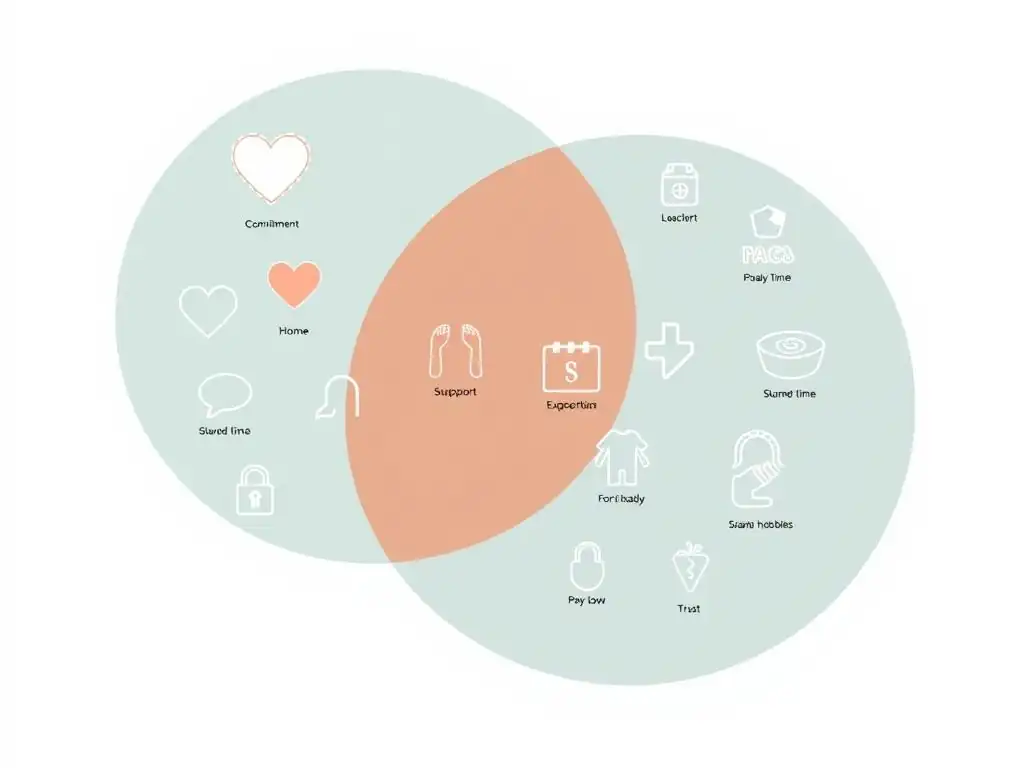
Defining relationship expectations early in dating is crucial for long-term compatibility. Many relationships falter not because of fundamental incompatibility, but because unspoken expectations create misunderstandings and resentment. This section explores strategies to navigate these differences and build a strong foundation based on mutual understanding and compromise. Successfully defining relationship expectations in dating significantly improves your chances of finding a lasting, fulfilling partnership.
Identifying Discrepancies in Expectations During the Dating Process
The early stages of dating often involve a delicate dance of getting to know someone. It's easy to overlook subtle differences in expectations, especially when the excitement of a new connection is high. However, proactively identifying these discrepancies is paramount. Consider these common areas where expectations can clash:
- Frequency of contact: Do you envision daily communication, or are you comfortable with less frequent check-ins? One person might prefer constant texting, while the other values more focused, less frequent interactions. This difference, if left unaddressed, can lead to feelings of neglect or being smothered.
- Relationship progression: What constitutes a "serious" relationship for each person? For one, it might be exclusivity; for another, it might involve meeting the family or moving in together. These milestones are deeply personal and should be discussed openly.
- Level of commitment: Are you both seeking a long-term, committed relationship, or are you exploring different options? Openness about your commitment level is vital to avoid wasting time and causing emotional distress. Understanding whether you are both seeking the same level of commitment is crucial.
- Lifestyle and values: Do your lifestyles complement each other? Do your values align, especially concerning significant aspects like family, career, and personal growth? Differing views on these areas can create conflict if not addressed early.
Example: Imagine two individuals: one envisions a relationship involving frequent date nights and public displays of affection, while the other prefers more introverted dates and less outward demonstration of affection. This discrepancy, if not acknowledged, could lead to one feeling undervalued or the other feeling pressured. Open communication about comfort levels and preferences prevents such misunderstandings. Early identification and discussion of these differences are essential for a healthy relationship.
Having Open and Honest Conversations About Relationship Goals
Open and honest communication is the cornerstone of any successful relationship. It's not enough to simply assume you're on the same page; you must actively verify your understanding. Here's how to foster these crucial conversations:
- Choose the right time and place: Select a comfortable, private setting where you both feel relaxed and can focus on the conversation. Avoid stressful environments or times when you're rushed.
- Use "I" statements: Frame your thoughts and feelings using "I" statements to avoid sounding accusatory. For example, instead of saying, "You never call me," try, "I feel a little neglected when I don't hear from you for a few days."
- Active listening: Pay close attention to your partner's responses, ask clarifying questions, and show genuine interest in their perspective. Active listening is just as important as expressing your own needs.
- Be patient and understanding: These conversations can be challenging, and it's natural to have disagreements. Approach the discussion with patience, empathy, and a willingness to understand your partner's viewpoint, even if it differs from your own.
- Seek professional help if needed: If you struggle to have these conversations independently, consider seeking guidance from a relationship counselor or therapist. A neutral third party can help facilitate open and honest communication.
Finding Common Ground and Compromising on Expectations
Even with open communication, differences in expectations are inevitable. The key is to find common ground and be willing to compromise. This doesn't mean sacrificing your values or settling for less than you deserve. Rather, it means finding creative solutions that respect both partners' needs and desires.
- Identify shared values: Focus on the areas where your expectations align and build upon those shared values. This common ground provides a strong foundation for compromise.
- Explore alternative solutions: If your expectations directly conflict, explore alternative solutions that meet both partners' needs. This might involve finding creative compromises or adjusting your expectations to accommodate your partner's needs.
- Practice empathy and understanding: Put yourself in your partner's shoes and try to understand their perspective. Empathy fosters compromise and strengthens the relationship.
- Regularly revisit expectations: Relationship expectations are not static; they evolve over time. Regularly revisit your expectations to ensure they still align with your evolving needs and desires. This ongoing dialogue prevents misunderstandings and maintains a healthy relationship dynamic. Regular check-ins on expectations are essential for long-term compatibility and satisfaction.
Defining relationship expectations requires effort, but the investment is invaluable for building a strong and lasting connection. By proactively addressing differences, communicating openly, and finding common ground, you significantly increase your chances of finding long-term compatibility and achieving relationship success.
Knowing When to Walk Away from an Incompatible Match
Defining relationship expectations in dating is crucial, but equally important is recognizing when those expectations are irreconcilable. Sometimes, despite careful communication and a genuine connection, fundamental differences in desired lifestyles, future goals, or values become apparent. This isn't necessarily a failure; it's a natural part of the process of finding a compatible partner. Understanding your own non-negotiables is paramount.
Are you seeking a partner who shares your ambition for a large family, while your date envisions a child-free life? Do you prioritize financial security above all else, while your potential partner advocates for a more minimalist, experiential lifestyle? These seemingly small discrepancies can escalate into significant conflicts down the line.
The ability to recognize incompatibility early on saves both parties time and emotional investment. It's better to acknowledge these differences and respectfully move on than to persist in a relationship destined for disappointment. Think of it like trying on a pair of shoes – if they pinch from the start, forcing yourself to wear them will only lead to blisters. Similarly, ignoring significant incompatibility in a relationship will likely lead to greater pain and heartache in the long run.
Identifying these dealbreakers requires honest self-reflection. Before embarking on a new relationship, take time to clearly define your personal values and priorities regarding relationships. What are your must-haves? What are your compromises? Creating a mental checklist—or even a physical one—can help you objectively evaluate potential partners.
This proactive approach allows you to assess compatibility more effectively and avoid wasting time on relationships that are fundamentally mismatched. Remember, recognizing incompatibility isn't a sign of failure; it's a sign of self-awareness and respect for your own needs and desires. It's a crucial step in the journey towards finding a truly compatible and fulfilling long-term relationship. The process of defining relationship expectations in dating isn't just about finding someone who meets your criteria, but also about having the courage to walk away when the fit isn't right. This self-respect is an essential component of building a healthy and successful relationship.
Maintaining Open Communication About Relationship Expectations

Defining relationship expectations in dating is crucial for long-term compatibility, but it's not a one-time conversation. Maintaining open communication requires consistent effort and a willingness to adapt. Think of it as tending a garden – you need to regularly water and weed to ensure healthy growth. Similarly, your relationship needs consistent nurturing through honest conversations about your evolving needs and desires.
Ignoring potential issues or avoiding difficult discussions will only lead to resentment and misunderstandings down the line. This proactive approach significantly increases your chances of building a strong, lasting partnership. Remember, clear communication isn't just about talking; it's about listening and truly understanding your partner's perspective.
Regularly Checking In and Discussing Relationship Goals
Regular check-ins are essential for maintaining open communication about relationship expectations. These aren't formal meetings; rather, they are informal opportunities to connect and discuss how you're both feeling about the relationship. Schedule dedicated time, perhaps once a week or every other week, to have these conversations. Even 15-20 minutes can make a significant difference. During these check-ins, discuss your individual and shared goals. Are you both on the same page regarding career aspirations, family planning, financial stability, or lifestyle preferences?
Consider using specific questions to guide the discussion. For example:
- "How are you feeling about our relationship currently?"
- "Are there any areas where you feel we could improve our communication?"
- "What are your short-term and long-term goals for our relationship?"
- "Are there any unmet needs or concerns you want to address?"
Remember to actively listen to your partner's responses, validating their feelings and concerns, even if they differ from your own. The goal isn't to always agree, but to understand and find common ground. This consistent dialogue helps prevent misunderstandings from escalating into larger conflicts. The key is to create a safe and supportive space where both partners feel comfortable expressing their thoughts and feelings honestly. This proactive approach to defining relationship expectations significantly boosts the likelihood of a successful, long-term relationship.
Adapting Expectations as the Relationship Evolves
Relationships are dynamic; they change and evolve over time. What you both valued and expected at the beginning might shift as you navigate different life stages and experiences. Rigidly clinging to initial expectations can be detrimental to the relationship's growth. Therefore, regularly reassessing and adapting your expectations is vital for long-term compatibility. Life throws curveballs – job changes, family emergencies, personal growth – and these events can impact your relationship dynamics.
For example, early in a relationship, spontaneous weekend getaways might be a priority. However, as responsibilities increase – perhaps with children or demanding careers – those spontaneous trips might become less frequent. Adapting your expectations to accommodate these changes doesn't mean compromising your needs; it means finding new ways to connect and maintain intimacy within the evolving context of your lives.
Openly discussing these shifts and finding compromises is crucial for navigating these changes successfully. Flexibility and understanding are key to maintaining a healthy, thriving relationship. Remember, adapting your expectations isn’t about giving up on your needs, but about finding creative solutions that work for both of you.
Seeking Professional Guidance When Needed
Even with the best intentions and communication skills, couples may encounter challenges that require external support. Seeking professional guidance from a relationship counselor or therapist isn't a sign of failure; it's a proactive step towards strengthening the relationship. A therapist can provide a neutral space for open dialogue, help identify communication patterns, and offer strategies for resolving conflicts constructively. They can also help you both to better understand and define your individual needs and how these needs can be met within the context of your relationship.
Consider seeking professional help if you notice recurring patterns of conflict, difficulty communicating effectively, or a consistent feeling of disconnect. Don't wait until problems become insurmountable. Early intervention can prevent small issues from escalating into major relationship problems. A therapist can provide valuable tools and techniques to improve communication, manage conflict, and build a stronger, more fulfilling relationship. Remember, prioritizing your relationship's health is an investment in your future happiness. Seeking professional help is a sign of strength, not weakness, and can be invaluable in navigating the complexities of defining and maintaining relationship expectations.
Defining Relationship Expectations for Long-Term Compatibility: A Summary
This section summarizes key considerations for defining relationship expectations early on in online dating, fostering long-term compatibility and minimizing future disappointments. Successfully navigating the world of online dating hinges on clear communication and a realistic understanding of what you seek in a partner and a relationship. Defining these expectations upfront, even before a first date, can significantly increase your chances of finding a compatible, long-term partner.
Key Takeaways for Successful Relationship Building
Defining your relationship expectations involves introspection and honest self-assessment. What are your non-negotiables? What are your dealbreakers? What kind of relationship are you seeking – casual, committed, marriage-oriented? Understanding these aspects of yourself is the first crucial step.
Consider these key takeaways:
- Values Alignment: Prioritize partners who share your core values. This includes religious beliefs, political views, family values, and life goals. Discrepancies in fundamental values can lead to significant conflict later on. For example, if you prioritize family and long-term commitment, and your partner is ambivalent about marriage or children, incompatibility is likely.
- Communication Styles: Open and honest communication is the bedrock of any healthy relationship. Are you comfortable expressing your needs and emotions? Do you prefer direct or indirect communication? Understanding your communication style and seeking a partner with a compatible style is essential for effective conflict resolution and mutual understanding.
- Lifestyle Compatibility: Consider your lifestyles. Are you an introvert or an extrovert? Do you prefer quiet evenings at home or bustling social events? Significant differences in lifestyle preferences can create friction and strain the relationship. Think about your daily routines, hobbies, and social preferences. Do these align with your ideal partner's?
- Financial Expectations: Money is a frequent source of conflict in relationships. Discuss financial goals, spending habits, and expectations about financial contributions early on. Are you both comfortable with your individual financial situations and how they might intertwine? Transparency and open communication are vital here.
- Emotional Needs: What are your emotional needs? Do you require a lot of affection and reassurance, or are you more independent? Understanding your emotional needs and communicating them clearly is crucial for building a secure and fulfilling relationship. Unmet emotional needs are a major cause of relationship dissatisfaction.
- Long-Term Goals: Discuss your long-term goals, including career aspirations, family plans, and where you see yourselves in 5, 10, or 20 years. Alignment on long-term goals is crucial for long-term compatibility. Discrepancies here can lead to resentment and conflict down the line.
Here's a simple table summarizing these key areas:
| Area of Expectation | Importance for Long-Term Compatibility | Questions to Ask Yourself |
|---|---|---|
| Values | Fundamental for shared understanding and avoiding major conflicts | What are my non-negotiable values? Do I prioritize family, career, spirituality, etc. ? |
| Communication | Essential for healthy conflict resolution and mutual understanding | What is my communication style? What communication style do I find most compatible? |
| Lifestyle | Impacts daily routines and shared activities | What is my ideal lifestyle? How much alone time do I need? |
| Finances | Prevents financial stress and conflict | What are my financial goals? What are my spending habits? |
| Emotional Needs | Crucial for emotional security and fulfillment | What are my emotional needs? How do I best express them? |
| Long-Term Goals | Ensures alignment on life direction | Where do I see myself in 5, 10, or 20 years? |
Remember, defining expectations is not about creating a rigid checklist. It's about fostering open dialogue and ensuring both partners are on the same page about the direction of the relationship. It's about building a strong foundation for a lasting, fulfilling partnership.
Resources for Further Learning and Support
While this article provides valuable insights into defining relationship expectations in online dating, further exploration can be beneficial. Consider exploring resources dedicated to relationship counseling, communication skills, and building healthy relationships. Many online and offline resources are available to help individuals improve their understanding of themselves and their relationship needs. Remember, seeking professional guidance can be invaluable in navigating the complexities of relationships and ensuring long-term compatibility. This proactive approach can enhance your chances of finding and maintaining a fulfilling and lasting relationship.
Frequently Asked Questions
How important is defining relationship expectations early in online dating?
Defining relationship expectations early is crucial for long-term compatibility. It prevents wasted time and emotional investment if you're seeking different things. Open communication from the start is key.
What are some common relationship expectations people have in online dating?
Common expectations include the desired relationship type (casual, serious, marriage), level of commitment, frequency of contact, and expectations regarding exclusivity. These vary greatly depending on individual preferences.
How do I define my own relationship expectations before starting online dating?
Consider your values, goals, and lifestyle. What kind of relationship are you looking for? What are your non-negotiables? Writing these down can help clarify your needs and desires.
How can I effectively communicate my relationship expectations to a potential partner online?
Start with casual conversation, gradually revealing your expectations as you get to know each other. Be honest and direct, but avoid being demanding or pressuring. Choose the right timing and context.
What should I do if my relationship expectations don't align with my date's?
Honest and respectful communication is paramount. If the differences are irreconcilable, it's okay to end things amicably. Don't try to force compatibility; it's better to move on and find someone more aligned with your needs.
Final Reflection: Cultivating Compatibility: A Foundation for Lasting Love
Understanding and articulating relationship expectations is not merely a dating tip; it's the cornerstone of a thriving, long-term partnership. Failing to define these expectations early can lead to misunderstandings, resentment, and ultimately, heartbreak. The clarity gained through open communication and shared understanding is invaluable, paving the way for a more fulfilling and sustainable relationship.
The journey of defining relationship expectations is a deeply personal one, constantly evolving as we grow and change. It's a process that requires vulnerability, honesty, and a willingness to compromise. The impact of this process extends far beyond the individual couple; it shapes the very fabric of our society, influencing how we view commitment, intimacy, and the pursuit of lasting love. The most important thing in a relationship is communication. Without it, there is nothing.
This simple truth underscores the critical role of defining expectations in fostering genuine connection and understanding.
So, as you reflect on your own relationships – past, present, and future – consider the power of open communication and clearly defined expectations. Take the time to understand your own needs and desires, and then courageously share them with your partner. Don't shy away from difficult conversations; embrace them as opportunities for growth and deeper intimacy. The journey towards lasting love is paved with honest dialogue and a shared vision for the future. Are you ready to build that foundation?
Unlock Lasting Love: Define Your Relationship Blueprint Today!
Thank you for exploring the importance of clear relationship expectations! You've gained valuable insight into building a strong foundation for lasting love. Now, let's put this knowledge into action.
- Craft your ideal relationship vision: Take some quiet time to honestly reflect on your key expectations regarding communication, commitment, and future goals. This will serve as your personal blueprint for a successful partnership.
- Share your vision: Discuss your expectations with your partner (or potential partner)—it's a fantastic way to start a meaningful conversation. Open communication is essential.
- Embrace growth: Identify one area where you could be more flexible or understanding. Even a small adjustment can significantly improve your relationships.
What aspect of your relationships are you most excited to improve using this new perspective? Share your thoughts in the comments below!