
The Importance of Reciprocity: Giving and Receiving Equally


Tired of swiping left and feeling disheartened? At OnlineDatingSuccess.org, we believe finding genuine connection is possible. This isn't about games; it's about building meaningful relationships. Discover the secret to unlocking a more rewarding online dating experience with our practical advice, starting with our essential guide on online dating reciprocity tips. Learn how to cultivate a balanced give-and-take that fosters genuine connections and leads to long-term success. Ready to rewrite your online dating story? Let's begin!
- Understanding Online Dating Reciprocity: The Foundation of Trust
- Practical Online Dating Reciprocity Tips: Fostering Mutual Engagement
- Building Trust Through Reciprocal Actions: Cultivating Authentic Connections
- Recognizing Red Flags: Identifying Lack of Reciprocity in Online Dating
- Cultivating Healthy Reciprocity for Long-Term Online Dating Success
-
Frequently Asked Questions
- What is reciprocity in online dating, and why is it important?
- How can I tell if there's a lack of reciprocity in my online dating interactions?
- What are some practical tips for fostering reciprocity in online dating?
- How do I handle situations where my online dating efforts aren't reciprocated?
- What if I'm unsure if my efforts are being reciprocated? How can I assess the situation?
- Final Reflection: The Enduring Power of Balanced Giving and Receiving
- Unlock Deeper Connections: Cultivate the Art of Giving and Receiving
Understanding Online Dating Reciprocity: The Foundation of Trust
Navigating the world of online dating requires more than just a captivating profile picture and a witty bio. Building genuine connections and fostering long-term relationships hinges on a crucial element often overlooked: reciprocity. This article delves into the importance of balanced give-and-take in online dating, exploring how recognizing and cultivating reciprocity can significantly impact your success in finding a meaningful connection. We'll examine what constitutes healthy reciprocity in online interactions, how to identify imbalances, and the potential consequences of unequal exchange.
Ultimately, understanding and practicing online dating reciprocity is key to building trust and creating a foundation for lasting relationships. Mastering this skill will significantly improve your chances of finding a compatible partner who values you and your efforts equally. Let's explore how to cultivate this crucial element in your online dating journey.
Defining Reciprocity in Online Interactions: A Balanced Exchange
Reciprocity, in the context of online dating, signifies a balanced exchange of effort, attention, and emotional investment between two individuals. It's not simply about mirroring actions; it's about a mutual understanding and willingness to contribute to the relationship's growth. This includes consistent communication, active listening, showing genuine interest in your partner's life, and responding appropriately to their messages and efforts. A healthy exchange involves both giving and receiving in equal measure.
Think of it as a dance—a graceful back-and-forth where both partners are actively participating and contributing to the rhythm. This isn't about keeping score, but rather about fostering a sense of mutual respect and valuing each other's contributions. For example, if one person consistently initiates conversations and plans dates while the other offers minimal effort, this signals an imbalance that needs to be addressed. A balanced exchange ensures that both individuals feel valued, heard, and appreciated.
Recognizing Signs of Imbalance: One-Sided Efforts in Online Dating
Identifying imbalances in online dating reciprocity can be crucial to avoiding frustration and potential heartbreak. Signs of an unequal exchange can manifest in various ways. For instance, one person might consistently initiate conversations, send thoughtful messages, and suggest dates, while the other responds minimally or inconsistently. Another indicator could be a significant disparity in the level of emotional investment. One person might share personal details and vulnerabilities, while the other remains guarded and reserved.
Perhaps one person is always making plans, while the other is constantly canceling or offering vague excuses. Even subtle cues, such as infrequent or brief responses, can point towards an imbalance. It's vital to pay attention to these patterns, as they can indicate that one person is carrying the weight of the interaction, leading to feelings of resentment and exhaustion. Remember, healthy relationships are built on mutual effort and a shared desire to connect.
The Impact of Unequal Exchange: Frustration and Relationship Failure
Ignoring or tolerating an imbalance in online dating reciprocity can have significant negative consequences. The person consistently putting in more effort may experience feelings of frustration, resentment, and even self-doubt. They might question their worthiness or wonder if their efforts are appreciated. This can lead to decreased self-esteem and a reluctance to engage in future online dating endeavors. Furthermore, an unequal exchange can hinder the development of trust and intimacy.
Without a sense of mutual investment, a genuine connection becomes difficult, if not impossible, to establish. Ultimately, an imbalanced dynamic can significantly increase the likelihood of relationship failure. Recognizing and addressing these imbalances early on is essential for fostering healthy, fulfilling relationships in the online dating sphere. Remember, a successful online dating experience is about finding a partner who values you and your contributions as much as you value theirs.
Practical Online Dating Reciprocity Tips: Fostering Mutual Engagement

Reciprocity is the cornerstone of any successful relationship, and online dating is no exception. It's about a balanced exchange of effort, attention, and emotional investment. Ignoring this crucial element can lead to one-sided interactions and ultimately, disappointment. This section provides practical online dating reciprocity tips to help you foster mutual engagement and build meaningful connections. Mastering these skills will significantly increase your chances of finding a compatible partner. Remember, online dating reciprocity tips aren't about manipulation; they're about creating a healthy, balanced dynamic where both individuals feel valued and respected.
Effective Communication: Active Listening and Meaningful Responses
Effective communication is the lifeblood of any relationship, online or offline. Online dating reciprocity tips often center around this crucial aspect. It's not enough to simply respond; you need to actively listen and provide meaningful responses. This means going beyond simple "yes" or "no" answers. Consider the following:
- Read carefully: Before responding, take the time to fully understand the message. What are they trying to convey? What are their feelings and intentions?
- Ask clarifying questions: If something is unclear, don't hesitate to ask for clarification. This shows genuine interest and prevents misunderstandings. For example, instead of just saying "That's cool," you could ask, "That sounds like an amazing experience! Tell me more about it."
- Offer thoughtful responses: Your responses should reflect genuine engagement. Share your own experiences and perspectives, relating them to what your match has shared. Avoid generic or superficial replies.
- Use emojis thoughtfully: Emojis can add personality and warmth to your messages, but use them sparingly and appropriately. Overusing emojis can come across as insincere or even childish.
- Match the energy: If your match is sending short messages, don't bombard them with lengthy essays. Conversely, if they're engaging in deep conversation, reciprocate with similar depth and detail.
Showcasing Genuine Interest: Asking Engaging Questions and Sharing Personal Details
Showing genuine interest is paramount in establishing online dating reciprocity. This goes beyond simply complimenting their profile picture. It involves actively seeking to learn about them as a person and sharing relevant aspects of your own life.
- Go beyond the surface: Don't just ask generic questions like "What do you do?" Instead, try more engaging questions like, "What's the most rewarding part of your job?" or "What are you passionate about outside of work?"
- Ask open-ended questions: Open-ended questions encourage detailed answers and facilitate deeper conversations. Avoid questions that can be answered with a simple "yes" or "no."
- Share personal details strategically: Reciprocity involves a balanced exchange of information. Share relevant details about yourself, but avoid oversharing, especially in the early stages of online dating. This shows vulnerability and builds trust.
- Listen actively to their answers: Don't just wait for your turn to speak. Show genuine interest by actively listening to their responses and asking follow-up questions. Remember, effective listening is key to building strong connections.
- Find common ground: Look for shared interests or experiences to build rapport and create a stronger connection. This can provide a natural starting point for deeper conversations.
Balanced Initiative: Initiating Contact and Responding Promptly
A healthy balance in initiating contact and responding promptly is essential for online dating reciprocity. It's about showing interest without appearing overly eager or desperate.
- Don't always wait for them to message first: While it's important to respect their space, don't be afraid to initiate contact. This shows confidence and interest.
- Respond promptly: Try to respond to messages within a reasonable timeframe. Ignoring messages can be interpreted as disinterest. However, don't feel obligated to respond instantly; take your time to craft a thoughtful reply.
- Vary your initiation methods: Don't always use the same approach to initiate contact. Mix things up by sending different types of messages – a casual hello, a question about something specific in their profile, or a thoughtful comment on a recent post.
- Respect their pace: If they respond slowly, don't bombard them with messages. Respect their pace and give them the space they need. Remember, online dating reciprocity is not a race.
- Recognize signs of disinterest: If you're consistently initiating contact and receiving minimal or delayed responses, it may be a sign that the other person isn't as interested as you are. It's okay to move on.
By following these online dating reciprocity tips, you'll be well-equipped to navigate the world of online dating with confidence and build meaningful, mutually fulfilling relationships. Remember, genuine connection thrives on balanced effort and mutual respect.
Respectful Boundaries: Understanding and Honoring Personal Limits
Respecting boundaries is paramount in building trust and fostering healthy online dating interactions. It's about recognizing and honoring your own limits, as well as those of your potential partner. This isn't just about avoiding overtly inappropriate behavior; it's about cultivating a sense of mutual respect from the outset. Ignoring boundaries can quickly derail even the most promising connections. Think of it as building a house – a strong foundation of respect is essential for a lasting structure.
For example, if you've stated you prefer communicating primarily through the dating app for the first week or two, respect that preference. Don't bombard your match with multiple messages across various platforms. Similarly, if your date expresses discomfort with a certain topic of conversation, gracefully change the subject. Persistent attempts to push past these limits will likely be perceived as disrespectful and intrusive, potentially causing your match to lose interest or even block you.
Defining your own boundaries is just as crucial. Are you comfortable with video calls after a certain number of messages? Do you prefer to keep your personal information private until you feel more secure? Communicating these boundaries clearly and assertively empowers you to protect your emotional and physical well-being.
Remember, healthy relationships are built on mutual respect and understanding, and clearly established boundaries are a critical component of that foundation. It's about creating a safe space for both individuals to connect authentically without feeling pressured or violated. This proactive approach to setting and respecting boundaries is one of the most effective online dating reciprocity tips you can implement.
This ensures a positive and respectful experience for everyone involved, increasing the chances of building a meaningful connection. Failure to respect boundaries can lead to negative experiences and could even create safety concerns in online interactions. Therefore, establishing and communicating your limits is a crucial step in building trust and fostering successful online relationships.
Building Trust Through Reciprocal Actions: Cultivating Authentic Connections

Online dating reciprocity is the cornerstone of building genuine, lasting connections. It's not just about receiving messages and dates; it's about a balanced exchange of effort, emotional investment, and mutual respect. Ignoring this principle can lead to unbalanced relationships where one person feels used or unappreciated, ultimately hindering the chances of long-term success. This section will explore practical strategies to foster reciprocity in your online dating interactions, leading to more fulfilling and trusting relationships. Mastering the art of online dating reciprocity tips is key to finding that special someone.
Maintaining Consistent Engagement: Regular Communication and Mutual Effort
Consistent engagement is crucial for establishing trust and demonstrating interest. This doesn't mean bombarding your match with messages, but rather maintaining a regular, meaningful dialogue. Think of it as a dance – you need a give-and-take to keep the rhythm going. If you're consistently initiating conversations and your match rarely responds or contributes equally, it might be a sign of imbalance. A healthy exchange involves both parties actively participating in the conversation, suggesting activities, and showing genuine interest in each other's lives. Consider the following:
- Frequency: Aim for a balance. Too few messages can seem disinterested, while too many can feel overwhelming. Find a rhythm that feels natural and comfortable for both of you.
- Quality over Quantity: Focus on meaningful conversations rather than superficial small talk. Ask open-ended questions, share your thoughts and feelings, and actively listen to your match's responses.
- Initiation: While it's great to be proactive, make sure your match is also initiating conversations and suggesting activities. A one-sided effort is unsustainable.
- Mutual Planning: Suggesting dates and activities demonstrates initiative and a willingness to invest time and effort in the relationship. Reciprocity involves both parties actively participating in planning future interactions.
Reciprocal vulnerability is a powerful tool for building emotional intimacy. Sharing personal experiences, within safe boundaries, allows you to connect on a deeper level and fosters trust. This doesn't mean revealing everything at once; it's about gradually sharing aspects of your life and personality, while also being receptive to your match's vulnerability. Remember that trust is built incrementally.
- Start Small: Begin by sharing less sensitive details about your hobbies, interests, or daily life. As you get to know each other better, you can gradually share more personal experiences.
- Listen Actively: When your match shares something personal, listen attentively and respond empathetically. Showing genuine interest in their experiences is vital for building trust.
- Match the Level of Vulnerability: Don't overshare or undershare. Try to match the level of vulnerability your match is comfortable with. This ensures a balanced and healthy exchange of emotional intimacy.
- Respect Boundaries: Always respect your match's boundaries. If they seem hesitant to share certain aspects of their life, don't pressure them. Trust is built on mutual respect and understanding.
Showing Appreciation: Expressing Gratitude and Acknowledging Efforts
Expressing gratitude and acknowledging your match's efforts is essential for fostering reciprocity. Small gestures of appreciation can go a long way in building a strong and healthy relationship. This could involve thanking them for a thoughtful message, complimenting them on something they shared, or simply expressing your enjoyment of spending time with them. Remember that even small acts of kindness can significantly impact your connection.
- Verbal Appreciation: Express your gratitude directly. A simple "Thank you for the wonderful date" or "I really enjoyed our conversation" can make a big difference.
- Non-Verbal Appreciation: Use emojis or other non-verbal cues to express your appreciation. A simple 😊 or 👍 can communicate your positive feelings.
- Consistent Recognition: Make a conscious effort to regularly acknowledge your match's efforts, whether big or small. This shows that you value their contributions to the relationship.
- Return the Favor: If your match does something thoughtful for you, try to reciprocate in some way. This creates a positive feedback loop that strengthens the bond between you. This is a key online dating reciprocity tip for long-term success.
Remember, online dating reciprocity is a two-way street. By consistently engaging, sharing vulnerability, and showing appreciation, you can cultivate authentic connections and build trust in your online relationships. These online dating reciprocity tips will help you find genuine connections and build lasting relationships.
Recognizing Red Flags: Identifying Lack of Reciprocity in Online Dating
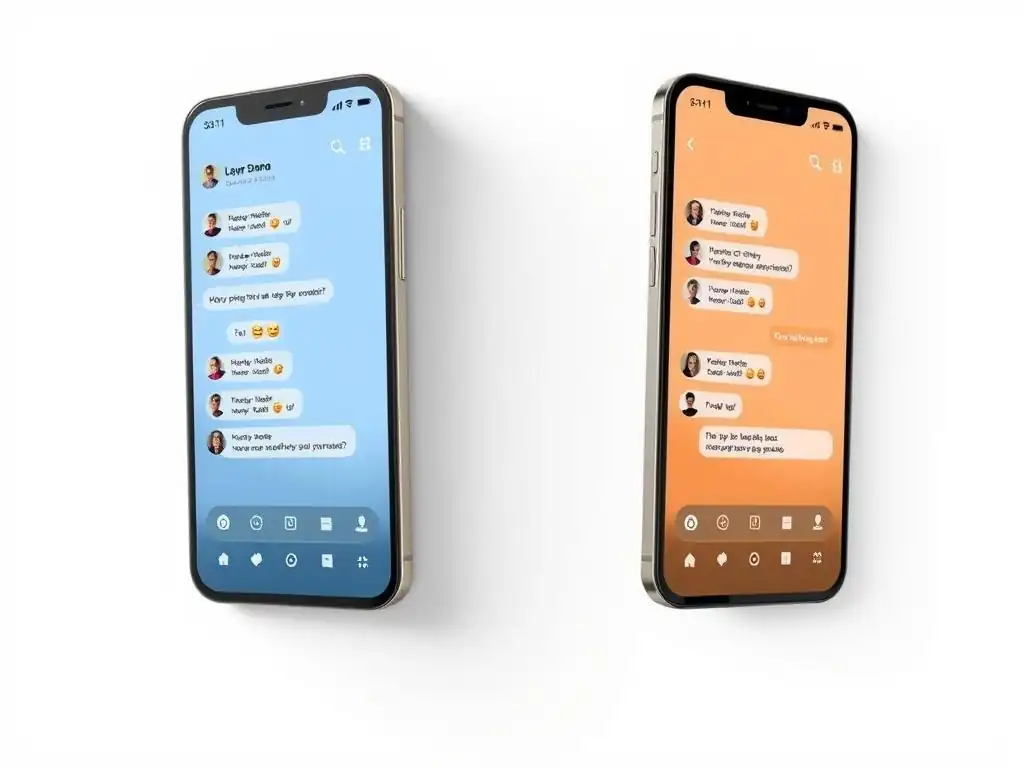
Reciprocity is the cornerstone of any healthy relationship, and online dating is no exception. Spotting a lack of reciprocity early on can save you time and emotional energy. This section will help you identify key red flags that signal an imbalance in giving and receiving, allowing you to make informed decisions about whether to continue pursuing a connection.
Understanding these signs is crucial for navigating the complexities of online dating and fostering genuinely reciprocal relationships. This is especially important when considering the many "Online dating reciprocity tips" available, but often overlooked. Learning to identify these imbalances early is key to your online dating success.
One-Sided Conversations: Dominating the Conversation or Ignoring Your Contributions
One of the most glaring signs of a lack of reciprocity is a one-sided conversation. This isn't merely about the number of messages sent; it's about the quality and nature of the interaction. A truly reciprocal conversation involves a back-and-forth exchange of ideas, feelings, and experiences. Look for these warning signs:
- Monopolising the conversation: Do they consistently dominate the conversation, rarely asking you questions or showing interest in your responses? Do their messages consist primarily of lengthy monologues rather than engaging dialogues? This often indicates a lack of interest in truly getting to know you.
- Ignoring your contributions: Do they frequently ignore or dismiss your points, changing the subject abruptly or failing to acknowledge your thoughts and feelings? This demonstrates a lack of respect and consideration for your perspective.
- Superficial engagement: Do their responses feel superficial, lacking in depth or genuine curiosity? Are their questions perfunctory or generic? A genuine connection requires more than just surface-level exchanges.
- Lack of follow-up: Do they initiate conversations but fail to respond to your follow-up messages or questions? This inconsistent communication shows a lack of investment.
For example, imagine a conversation where you share a detailed anecdote about your weekend, only to receive a brief, non-committal response like "Cool." This lack of engagement should be a warning sign. Conversely, a reciprocal conversation would involve follow-up questions, showing genuine interest in your experience.
Inconsistent Communication: Sporadic Contact and Unreliable Responses
Inconsistent communication is another significant red flag. While everyone has busy periods, a consistent pattern of sporadic contact and unreliable responses indicates a lack of commitment and investment in building a connection.
- Erratic messaging: Do they communicate frequently for a few days and then go silent for extended periods, without explanation? This inconsistency can be emotionally draining and create uncertainty.
- Delayed responses: Do they consistently take an unreasonably long time to respond to your messages, sometimes leaving you waiting for days or even weeks? This lack of promptness can suggest a lack of prioritization.
- Unclear communication: Do they provide vague or unclear responses to your questions, avoiding direct answers or providing inconsistent information? This lack of transparency can be a significant issue.
- Ghosting: The sudden and unexplained cessation of all communication is a clear indication of a lack of reciprocity and respect.
Consider the difference between occasional delays due to a busy schedule and a consistent pattern of delayed or missed responses. The former is understandable; the latter should raise concerns. Consistent, reliable communication is a hallmark of a reciprocal relationship.
Lack of Effort: Minimal Investment of Time and Energy in the Relationship
A lack of effort is another subtle but significant indicator of an unbalanced dynamic. Building a meaningful connection requires time, energy, and a willingness to invest in getting to know the other person.
- Superficial interactions: Do their messages lack depth and personal detail? Are they hesitant to share personal information or engage in meaningful conversations? This suggests a lack of willingness to invest emotionally.
- Limited planning: Do they avoid suggesting specific dates or activities, or consistently cancel plans at the last minute? This lack of planning shows a lack of commitment to the relationship.
- Unwillingness to compromise: Are they inflexible and unwilling to compromise or meet you halfway in terms of location, activities, or schedules? This lack of compromise can hinder relationship growth.
- Lack of initiative: Do they rarely initiate contact or suggest activities? A reciprocal relationship involves mutual effort and initiative from both parties.
For example, a person who consistently waits for you to suggest dates or activities, rarely initiates conversations, and provides minimal personal details, is demonstrating a lack of effort. A reciprocal relationship requires mutual investment and willingness to contribute equally to the connection. Remember, healthy relationships are built on mutual respect, effort, and a willingness to give and receive equally. By understanding these red flags, you can better navigate the online dating world and build more fulfilling and reciprocal relationships.
Cultivating Healthy Reciprocity for Long-Term Online Dating Success
Online dating reciprocity is crucial for building genuine connections and fostering long-term success. It's not just about a simple exchange of messages; it's about a balanced give-and-take that reflects mutual respect, interest, and investment in the relationship. This section explores key strategies to cultivate this healthy dynamic and avoid common pitfalls that can lead to imbalance and ultimately, disappointment. Understanding and implementing these online dating reciprocity tips will significantly increase your chances of finding a meaningful and lasting relationship.
The Role of Patience: Allowing Relationships to Develop Naturally
Patience is paramount when cultivating reciprocity in online dating. Many users fall into the trap of expecting immediate responses and rapid progression. This creates an imbalance, where one person invests more time and energy than the other. A healthy relationship blossoms organically, taking time to grow and deepen. Think of it like nurturing a plant; you wouldn't expect a flower to bloom overnight. Similarly, you shouldn't expect instant connection and commitment in online dating.
Instead of bombarding your matches with messages, allow the conversation to unfold naturally. Respond thoughtfully to their messages, showing genuine interest in what they have to say. Don't feel pressured to constantly initiate contact; allow them the space to contribute equally to the conversation. This approach demonstrates respect for their time and allows for a more authentic connection to develop.
Remember, quality over quantity is key. A few meaningful interactions are far more valuable than a flurry of superficial exchanges. This fosters a sense of anticipation and excitement, further enriching the relationship's development. Patience, therefore, is a critical online dating reciprocity tip.
Reciprocity thrives on shared ground. Finding common values and interests is crucial for building a strong foundation for any relationship, especially in the online dating sphere. It's not just about finding someone who enjoys the same hobbies; it's about discovering shared life philosophies, goals, and perspectives. This shared understanding creates a sense of connection and mutual respect, laying the groundwork for balanced give-and-take.
For example, if you value honesty and transparency, look for someone who demonstrates these qualities in their profile and communication. If you're passionate about environmental sustainability, connect with someone who shares similar concerns. Actively seeking out these shared values and interests will naturally lead to more balanced interactions. Engage in conversations that explore these commonalities, actively listening and contributing your own perspectives. This mutual exploration creates a sense of shared journey, fostering a deeper connection based on genuine understanding and respect – vital components of online dating reciprocity.
Maintaining Open Communication: Addressing Imbalances and Addressing Concerns
Open and honest communication is the cornerstone of any healthy relationship, and online dating is no exception. It's essential to address any imbalances or concerns that may arise promptly and directly. If you feel like you're putting in more effort than your match, don't be afraid to express your feelings constructively. This doesn't necessarily mean accusing them of imbalance; instead, focus on expressing your own needs and desires within the relationship.
For instance, you could say something like, "I've really enjoyed getting to know you, and I value our conversations. I've noticed I've been initiating contact more often lately, and I'd love to see a more balanced exchange." This approach avoids blame and encourages open dialogue. Similarly, if your match expresses concerns, listen attentively and respond empathetically.
Work together to find solutions that address both your needs and foster a more balanced and reciprocal relationship. Open communication isn't just about resolving conflicts; it's about nurturing a safe space where both partners feel comfortable expressing their feelings and working together to build a stronger connection. This proactive approach is a crucial online dating reciprocity tip for ensuring a healthy and fulfilling relationship.
Frequently Asked Questions
What is reciprocity in online dating, and why is it important?
Reciprocity in online dating means equal exchange of effort, attention, and interest. It's crucial for building healthy, balanced relationships and avoiding one-sided interactions. Without it, you risk feeling frustrated or taken advantage of.
How can I tell if there's a lack of reciprocity in my online dating interactions?
Look for unequal effort in messaging, initiating dates, or showing interest. If you're consistently putting in more effort than your match, that's a sign of imbalance. Consider if your messages are met with short, infrequent, or unenthusiastic replies.
What are some practical tips for fostering reciprocity in online dating?
Be clear about your intentions and availability. Don't over-invest in someone who isn't reciprocating your energy. Match their level of effort – if they send short messages, respond similarly until you feel a better connection. Also, be upfront about what you're looking for.
How do I handle situations where my online dating efforts aren't reciprocated?
If you've tried to foster reciprocity and it's still one-sided, it's okay to move on. Don't waste your time and energy on someone who isn't interested in building a connection with you. It's important to prioritize your own emotional well-being.
What if I'm unsure if my efforts are being reciprocated? How can I assess the situation?
Pay attention to the overall pattern of your interactions. Does the conversation flow naturally? Do they actively participate, ask questions, and show genuine interest in you? Trust your gut feeling; if something feels off, it probably is.
Final Reflection: The Enduring Power of Balanced Giving and Receiving
The principles of reciprocity, so often overlooked in the whirlwind of modern online dating, are the bedrock of truly fulfilling connections. Ignoring this fundamental truth leads to unbalanced relationships, leaving one party feeling depleted and the other unappreciated. This imbalance, whether in the form of excessive messaging without response or a consistent lack of effort, ultimately undermines the potential for genuine intimacy.
The impact of reciprocity extends far beyond the digital realm of online dating; it shapes our interactions in all aspects of life. It's a subtle yet powerful force that influences how we build trust, foster collaboration, and cultivate meaningful relationships. As the philosopher Immanuel Kant wisely stated, Act only according to that maxim whereby you can at the same time will that it should become a universal law.
This principle of universalizability perfectly encapsulates the importance of balanced giving and receiving – a dynamic that ensures fairness and mutual respect within any interaction, romantic or otherwise.
Now, consider your own online dating experiences. Have you felt the sting of imbalance? Or perhaps the joy of a reciprocal exchange? Reflect on these moments. Moving forward, actively cultivate reciprocity in your interactions. Be mindful of the effort you put in and the effort you receive. Strive for balance, not perfection. By consciously practicing this principle, you'll not only increase your chances of finding a fulfilling connection but also enrich your overall approach to relationships, fostering a more genuine and satisfying experience in all areas of your life.
Unlock Deeper Connections: Cultivate the Art of Giving and Receiving
Thank you for exploring the vital role of reciprocity in building meaningful relationships. You've gained valuable insights into fostering genuine connections through balanced giving and receiving. Ready to apply this knowledge?
- Prioritize acts of kindness: This week, perform at least three selfless acts for others. Notice how this subtly shifts your interactions. For example, you could offer a helping hand to a colleague, send a thoughtful note to a friend, or simply offer a genuine compliment.
- Learn to graciously receive: Don't dismiss gestures of kindness or appreciation. Express gratitude openly and sincerely. This demonstrates that you value the effort others make. Receiving graciously is just as important as giving.
- Share your experiences: Share a time when you experienced the powerful impact of reciprocity in a relationship. Let's build a supportive community of shared learning!
What small act of kindness or generosity will you commit to today to strengthen your relationships?