
Beyond the Romance: Setting Realistic Expectations for a LongTerm Partnership


Tired of swiping and still searching for that connection? At OnlineDatingSuccess.org, we understand the challenges of navigating the online dating world. This isn't just about finding a date; it's about building a meaningful, long-term relationship. Discover how setting realistic online dating expectations, as discussed in our insightful article "Beyond the Romance: Setting Realistic Expectations for a Long-Term Partnership," can transform your online dating experience and finally lead you to lasting love. Let's unlock the secrets to success together.
- Understanding Realistic Online Dating Expectations: A Foundation for Lasting Love
- Navigating the Initial Stages: Managing Expectations in Early Interactions
- Building a Solid Foundation: Long-Term Relationship Expectations
-
Maintaining a Healthy Relationship: Realistic Expectations for the Long Haul
- Maintaining Commitment and Effort in a Long-Term Relationship
- Strategies for Successful Long-Distance Relationships
- Balancing Individual Needs with Shared Goals in a Committed Relationship
- Understanding the Cyclical Nature of Healthy Relationships
- Accepting Imperfection: Embracing Your Partner's Flaws
- Prioritizing Open Communication and Active Listening
- Cultivating Realistic Expectations for Online Dating Success
-
Frequently Asked Questions
- What are some unrealistic expectations people often have about online dating?
- How can I avoid getting discouraged if I don't find success quickly?
- How can I set realistic expectations for finding a long-term partner online?
- What is a healthy approach to online dating that promotes realistic expectations?
- How do I recognize and avoid potentially harmful relationships that may stem from unrealistic expectations?
- Final Reflection: Cultivating Lasting Love Beyond the Initial Spark
- Uncover Your Path to Lasting Love: Ready to Build a Stronger Relationship?
Understanding Realistic Online Dating Expectations: A Foundation for Lasting Love
Finding lasting love in the digital age requires more than just a captivating profile picture and witty opening message. Navigating the world of online dating successfully hinges on establishing realistic expectations—expectations that align with your personal values, goals, and understanding of healthy relationships.
This article will guide you through the process of setting realistic goals for your online dating journey, helping you to avoid common pitfalls and ultimately increasing your chances of finding a meaningful, long-term partnership. We'll explore how media often presents a skewed view of relationships, the importance of self-reflection in defining your ideal partner, and how to translate those ideals into a successful online dating strategy.
Ultimately, embracing realistic expectations isn't about lowering your standards; it's about setting yourself up for success by approaching online dating with clarity, self-awareness, and a healthy dose of optimism. Let's embark on this journey together, focusing on building a solid foundation for lasting love.
Recognizing Unrealistic Portrayals of Relationships in Media
Modern media, from romantic comedies to social media influencers, often portrays relationships in a highly idealized and unrealistic light. These portrayals frequently showcase instant connections, effortless compatibility, and conflict-free partnerships. This can lead to unrealistic expectations in online dating, setting individuals up for disappointment when their experiences don't match these fictional narratives.
For example, the "meet-cute" scenario, so prevalent in movies, rarely mirrors real-life experiences. Instead of a whirlwind romance, building a meaningful connection usually involves time, effort, and navigating disagreements. Furthermore, the curated perfection often presented on social media can create a sense of inadequacy and pressure to present a flawless version of oneself, which can be both exhausting and counterproductive.
Recognizing this discrepancy between media portrayals and reality is the crucial first step in cultivating realistic expectations. Remember that healthy relationships are built on mutual respect, open communication, and shared values, not on a fairytale narrative. The reality is often less glamorous, but far more fulfilling.
Identifying Personal Relationship Goals and Values
Before diving into the world of online dating, it's essential to understand your own relationship goals and values. What are you looking for in a partner? What are your non-negotiables? What kind of relationship dynamic are you seeking?
Consider aspects like shared interests, life goals, communication styles, and personal values. Are you looking for someone to share adventures with, build a family with, or simply enjoy companionship? Perhaps you prioritize intellectual stimulation, emotional intimacy, or shared hobbies.
Taking the time to thoroughly assess your own needs and desires will help you identify compatible partners and avoid wasting time on those who are fundamentally incompatible. This self-awareness is crucial in filtering potential matches and focusing your energy on individuals who align with your vision of a fulfilling relationship. A clearly defined set of personal values will act as your compass, guiding you towards compatible partners and away from those who might lead to disappointment.
Self-Reflection and Goal Setting for Online Dating Success
Once you've identified your personal relationship goals and values, it's time to translate them into actionable goals for your online dating journey. This involves a significant amount of self-reflection. Ask yourself: What are my strengths and weaknesses in relationships? What are my dating patterns?
What are some areas where I can improve my communication skills or approach to dating? Honest self-assessment is critical. Setting realistic goals might involve committing to a specific amount of time spent on online dating each week, focusing on quality over quantity in interactions, or setting clear boundaries to protect your emotional well-being. It could also mean being open to different types of relationships and recognizing that finding "the one" might take time and effort.
Remember that setbacks are a normal part of the process, and learning from them is key to your growth and eventual success. By consistently reflecting on your experiences and adjusting your approach as needed, you'll significantly improve your chances of finding a long-term, fulfilling relationship. This process requires patience, self-compassion, and a commitment to continuous self-improvement.

Finding a long-term partner online requires a nuanced understanding of realistic online dating expectations. The initial stages, often filled with excitement and anticipation, can also be a breeding ground for unrealistic hopes and disappointments. Managing these expectations is crucial for a healthy and successful online dating journey. It's easy to get swept away by the initial charm, but remember that a profile is just a snapshot – a carefully curated presentation of someone's life. The real person is a far more complex and multifaceted individual, and discovering that takes time and patience.
Effective Communication Strategies for Online Dating
Clear and open communication is paramount in navigating the early stages of online dating and managing realistic online dating expectations. Avoid making assumptions. Instead, ask direct questions to clarify intentions and expectations. For example, instead of assuming someone is looking for a long-term relationship, directly ask: "What are you looking for in a relationship right now?". This simple question can prevent misunderstandings and wasted time. Furthermore, be mindful of your own communication style.
Are you being overly enthusiastic or perhaps too reserved? Striking a balance is key. Remember, effective communication isn't just about what you say, but also how you say it. Tone, empathy, and active listening are crucial components of healthy communication. Pay attention to the other person's responses, both verbal and non-verbal, to gauge their genuine interest and compatibility. Effective communication helps in setting realistic online dating expectations by ensuring transparency and mutual understanding.
Establishing Healthy Boundaries in Online and Offline Interactions
Setting healthy boundaries is essential for protecting your emotional well-being and fostering a respectful relationship from the outset. This involves defining your comfort zones and communicating them clearly. For instance, determine how much personal information you're comfortable sharing early on and stick to it. Similarly, establish boundaries regarding frequency of communication and the pace of the relationship.
Don't feel pressured to respond instantly or engage in activities that make you uncomfortable. Remember, respecting your own boundaries demonstrates self-respect and encourages the other person to do the same. This is especially important in the initial stages, where the temptation to rush into intimacy can be strong.
Maintaining healthy boundaries helps manage realistic online dating expectations by preventing disappointment and promoting mutual respect. It also signals that you value yourself and are not easily swayed by superficial charm. Consider creating a personal checklist of your boundaries before each date to remind yourself of your comfort levels.
Identifying Red Flags in Early Dating Interactions
While initial interactions can be exciting, it's crucial to remain vigilant and identify potential red flags. These are warning signs that might indicate incompatibility or even potential danger. Some common red flags include inconsistencies in their profile or story, pressure to move too quickly, controlling behavior, or excessive negativity. For example, if someone consistently avoids answering direct questions about their life or past relationships, that could be a red flag.
Similarly, if they pressure you to meet in person very quickly or make you feel uncomfortable in any way, it's important to trust your instincts. Ignoring these red flags can lead to disappointment and even harm. Learning to recognize and address these red flags early on is a vital part of managing realistic online dating expectations.
Remember, your safety and well-being are paramount. Trust your intuition; if something feels off, it probably is. Prioritize your emotional and physical safety above all else.
Building a Solid Foundation: Long-Term Relationship Expectations
This section focuses on establishing realistic expectations for long-term partnerships cultivated through online dating. Understanding what constitutes a healthy and sustainable relationship is crucial for navigating the complexities of modern romance, especially when initial connections are formed virtually. Successfully transitioning from online interactions to a lasting commitment requires a clear understanding of shared goals, a willingness to compromise, and effective communication strategies. Ignoring these fundamental aspects can lead to disappointment and ultimately, relationship failure. Let's delve into the key elements.
Finding a partner who aligns with your long-term vision is paramount for a successful, enduring relationship. This goes beyond superficial preferences; it’s about identifying core values and life goals that create a solid foundation for a shared future. Consider these questions:
- Career aspirations: Do your professional ambitions complement each other, or are there potential conflicts? For example, one partner might prioritize a nomadic lifestyle while the other desires stability in a single location. Addressing these differences early is crucial.
- Family planning: Do you both envision having children? If so, what are your thoughts on timing and family structure? Differing desires regarding parenthood can be a significant source of conflict down the line. Open and honest conversations are essential.
- Financial goals: How do you approach money management? Are you both savers or spenders? Shared financial values are essential for avoiding future disagreements regarding budgeting, investments, and major purchases.
- Lifestyle preferences: Do you share similar interests and hobbies? While complete alignment isn't necessary, having common ground and a willingness to explore each other's interests fosters connection and shared experiences.
Understanding these fundamental aspects early in the relationship, even during the online dating phase, significantly increases the likelihood of long-term compatibility. Openly discussing these potentially sensitive topics demonstrates maturity and commitment to building a sustainable partnership. Remember, honesty and transparency are key to fostering trust and avoiding future misunderstandings.
Cultivating Compromise and Flexibility in a Partnership
Long-term relationships necessitate a healthy balance between individual needs and shared goals. Compromise is not about sacrificing your identity; it's about finding creative solutions that accommodate both partners' needs and desires. Flexibility is equally crucial, especially when navigating unexpected life events or evolving personal preferences.
Consider this scenario: One partner might prioritize a career opportunity that requires relocation, while the other prefers to stay in their current city. A successful couple would explore options that address both needs, perhaps through a compromise like a temporary relocation or a job search in a mutually agreeable location. The willingness to adapt and find mutually beneficial solutions reflects a commitment to the relationship's longevity.
A lack of compromise and inflexibility can lead to resentment and conflict. Understanding that relationships require constant negotiation and adaptation is essential for long-term success. Cultivating a mindset of mutual respect and understanding will significantly enhance your ability to navigate challenges effectively. Remember, it’s about finding a balance, not about one partner always giving in.
Effective Communication and Conflict Resolution Techniques
Open and honest communication is the bedrock of any successful relationship, especially one formed through online dating. Learning how to express your needs and listen actively to your partner's concerns is crucial for resolving conflicts constructively. Here are some effective techniques:
| Technique | Description | Example |
|---|---|---|
| Active Listening | Paying full attention to your partner without interrupting or judging. | Instead of interrupting, summarize your partner's point: "So, you're feeling frustrated because..." |
| "I" Statements | Expressing your feelings without blaming your partner. | "I feel hurt when..." instead of "You always..." |
| Empathy | Trying to understand your partner's perspective, even if you don't agree. | "I can see why you're upset about that." |
| Finding Common Ground | Focusing on shared goals and values to find mutually acceptable solutions. | "We both want a clean house, let's figure out a cleaning schedule that works for both of us." |
| Taking Breaks | Stepping away from a heated argument to cool down before continuing the discussion. | "I need a few minutes to calm down before we continue this conversation." |
Mastering these communication skills is vital for navigating disagreements and building a strong, resilient relationship. Remember, conflict is inevitable, but how you handle it determines the health and longevity of your partnership. Prioritizing open communication and a willingness to understand each other's perspectives are key to building a lasting connection. The investment in learning these skills is an investment in the future of your relationship.
Adapting to Life Changes and Personal Growth as a Couple
Navigating the journey of a long-term relationship necessitates a profound understanding of the inevitability of change. Both partners will undergo personal growth, experiencing shifts in careers, hobbies, and even core values over time. The key to maintaining a strong bond lies in embracing these changes as opportunities for mutual support and evolution, rather than viewing them as threats to the relationship's stability. Successful couples aren't static; they adapt and grow together.
One common example is career transitions. A promotion requiring a relocation, a career change leading to increased stress, or even unemployment can significantly impact the dynamics of a relationship. Open communication is paramount during such times. Partners need to actively listen to each other's concerns, offer emotional support, and collaboratively find solutions that accommodate the changes while minimizing negative effects on the relationship. This might involve adjusting household responsibilities, creating more time for shared activities, or seeking professional support to manage stress. Remember, supporting each other's personal and professional growth strengthens the bond, showcasing mutual respect and understanding.
Personal growth, beyond career changes, also plays a crucial role. As individuals mature, their interests, values, and priorities may evolve. What resonated deeply five years ago might hold less significance now. This isn't necessarily a negative development; it's a natural process.
The ability to adapt to these evolving preferences and support each other's individual pursuits is vital. For instance, if one partner develops a new passion for marathon running, the other should show encouragement and understanding, even if it means adjusting their own schedules or expectations. This mutual support fosters a sense of individual autonomy within the partnership, enriching the relationship rather than hindering it. A healthy relationship allows for individual growth while nurturing the bond between partners.
It’s about celebrating each other's successes, both big and small, and offering unwavering support during challenges. This shared journey of growth solidifies the foundation of a lasting partnership, showcasing the resilience and adaptability crucial for long-term success in online dating and beyond. Remember that "realistic online dating expectations" include anticipating and embracing change as a couple.
Maintaining a Healthy Relationship: Realistic Expectations for the Long Haul

Building a successful long-term relationship requires more than just initial attraction; it necessitates realistic expectations and consistent effort. Navigating the complexities of a committed partnership involves understanding that passionate love evolves, and commitment requires conscious nurturing. Many people enter online dating with idealized notions of romance, often fueled by media portrayals.
Understanding the reality of long-term relationships, particularly those forged online, is crucial for building a strong foundation. This involves acknowledging that challenges are inevitable and focusing on developing resilience and effective communication strategies. The transition from the initial excitement of online dating to the sustained commitment of a long-term relationship often requires adjusting expectations and proactively addressing potential conflicts.
Maintaining Commitment and Effort in a Long-Term Relationship
Maintaining commitment in a long-term relationship requires consistent effort and a willingness to adapt. It's not a passive state but an active choice made daily. Think of it like tending a garden; you can't just plant seeds and expect a bountiful harvest without regular watering, weeding, and nurturing. Similarly, a relationship needs consistent attention and care. This involves prioritizing quality time together, engaging in meaningful conversations, and actively listening to each other's needs.
One significant aspect of maintaining commitment is prioritizing open and honest communication. This means expressing your feelings, needs, and concerns openly and respectfully, even when it's difficult. Avoid bottling up emotions, as this can lead to resentment and conflict. Regular check-ins, even short ones, can help ensure you're both on the same page and address any issues before they escalate.
Consider scheduling dedicated date nights, even if it's just an hour a week, to reconnect and strengthen your bond. Remember, small gestures of affection and appreciation go a long way in fostering a sense of connection and commitment. Studies have shown that couples who engage in regular acts of kindness and appreciation report higher levels of relationship satisfaction. For example, a simple "thank you" or a small thoughtful gift can significantly impact your partner's feelings of love and appreciation.
Strategies for Successful Long-Distance Relationships
Long-distance relationships present unique challenges, requiring even more intentional effort and creative communication strategies. The absence of physical proximity necessitates a higher level of proactive communication to maintain intimacy and connection. Regular video calls, spontaneous text messages, and planned virtual dates can help bridge the physical distance. Scheduling regular visits is also crucial, even if they are short. These visits provide opportunities for quality time and physical intimacy, which are essential components of a healthy relationship.
However, it's crucial to acknowledge that maintaining a long-distance relationship requires both partners to be fully committed and willing to invest the necessary time and effort. Lack of physical intimacy can be challenging, so couples should find creative ways to maintain emotional intimacy, such as sharing personal thoughts and feelings through regular communication. Trust and honesty are paramount; any suspicion or lack of transparency can easily erode the foundation of the relationship.
Establishing clear communication protocols and expectations can prevent misunderstandings and conflicts arising from the distance. For example, agreeing on how often you'll communicate and how you'll handle disagreements can help build a strong and resilient relationship despite the geographical separation. Remember, open and honest communication is key for navigating the challenges of a long-distance relationship.
Maintaining a healthy long-term relationship involves finding a balance between individual needs and shared goals. It's vital to recognize that both partners are individuals with unique aspirations, interests, and personal growth goals. Trying to merge completely into one entity can lead to resentment and a sense of losing oneself in the relationship. Respecting each other's independence and supporting each other's individual pursuits is crucial for fostering a healthy dynamic.
This balance is achieved through open communication and compromise. Regularly discussing individual goals and aspirations allows for understanding and support. This doesn't mean sacrificing personal ambitions; rather, it involves finding ways to support each other's growth while maintaining a strong shared foundation.
For instance, if one partner wants to pursue further education, the other partner can provide emotional support and create a conducive home environment. Conversely, if one partner prioritizes a demanding career, the other might take on more household responsibilities. The key is to find a balance that works for both individuals while still maintaining a shared sense of purpose and direction within the relationship.
This might involve setting shared goals, such as buying a house or starting a family, while still allowing space for individual pursuits and personal growth. Successful navigation of this delicate balance is a key indicator of a thriving, long-term relationship built on mutual respect and understanding. Remember, a strong relationship thrives on mutual support and shared growth, not on sacrificing individual identities.
Understanding the Cyclical Nature of Healthy Relationships
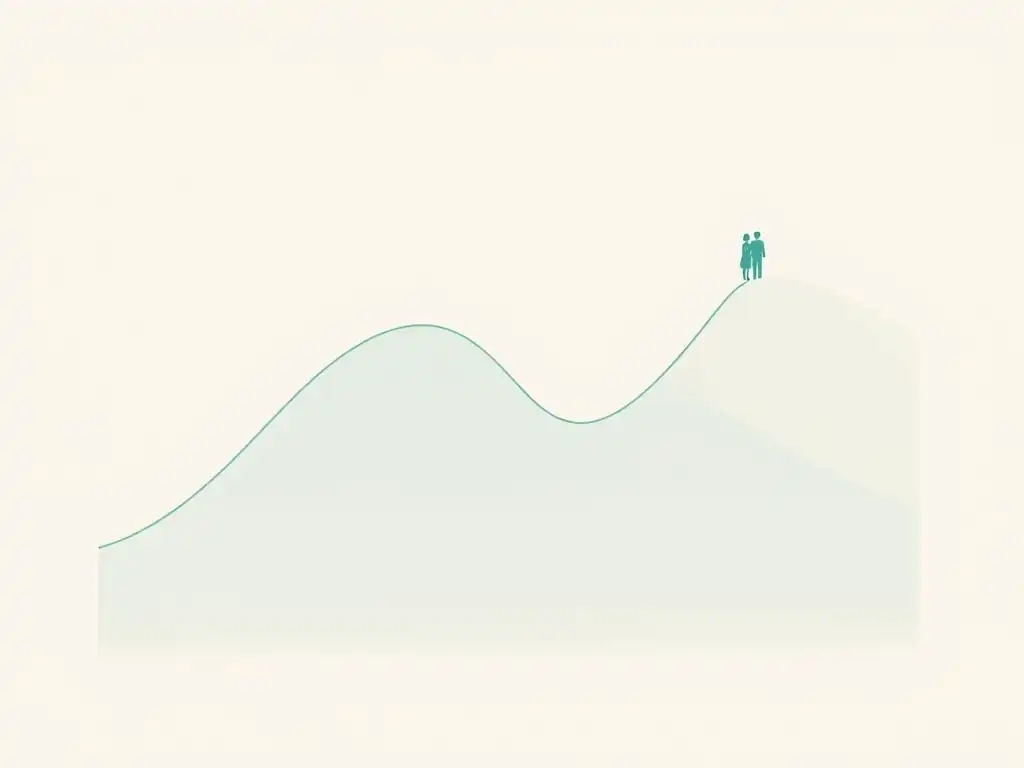
Healthy relationships aren't static; they're dynamic and evolve over time. Think of it like the seasons – there will be periods of intense passion and excitement (spring), followed by times of deeper connection and intimacy (summer). Autumn might bring a period of reflection and reassessment, a time for both partners to consider what's working and what needs adjustment. Winter, while potentially seeming colder, can be a time of quiet comfort and shared resilience, strengthening the bond through shared experiences and overcoming challenges.
Understanding this cyclical nature is crucial for managing expectations. Expecting constant fireworks and passionate displays of affection is unrealistic and can lead to disappointment. Instead, focus on appreciating the different phases and recognizing that the ebb and flow is a natural part of a healthy, long-term relationship. Learning to navigate these cycles together, communicating openly, and supporting each other through the various seasons strengthens the foundation of your partnership.
Remember that even during quieter periods, the underlying love and commitment remain. This understanding fosters patience, empathy, and a more realistic perspective on the journey of a lasting relationship. It's not a straight line upwards; it's a beautiful, sometimes challenging, dance of growth and connection.
Accepting Imperfection: Embracing Your Partner's Flaws
No one is perfect, and expecting your partner to be flawless is a recipe for disaster. In the initial stages of online dating and even early relationships, the focus is often on showcasing the best versions of ourselves. However, lasting relationships are built on acceptance, not perfection. Embracing your partner's flaws, quirks, and imperfections is key to building a strong, resilient bond.
This doesn't mean tolerating abusive or harmful behavior; rather, it means acknowledging that everyone has weaknesses and learning to navigate them together. For example, if your partner is messy, instead of constantly criticizing, consider finding a compromise or even humor in their habits. If they struggle with communication, work together to find better ways to express your needs and understand theirs.
Accepting imperfection doesn't mean condoning negative behaviors, but rather focusing on the positive aspects of your relationship and working through challenges collaboratively. This creates a safe space for vulnerability and fosters a deeper level of intimacy and trust. Remember, loving someone means accepting them for who they are, flaws and all.
Prioritizing Open Communication and Active Listening
Open and honest communication is the bedrock of any successful relationship, especially one cultivated through online dating. It's not just about talking; it's about truly listening and understanding your partner's perspective. In the context of realistic online dating expectations, this means being willing to discuss your needs, desires, and concerns openly and honestly, even when it's difficult. Active listening goes beyond simply hearing words; it involves paying attention to your partner's body language, tone of voice, and unspoken emotions.
This requires empathy and a willingness to see things from their point of view. Regular check-ins, whether through dedicated conversations or casual chats, are crucial for maintaining open communication. These conversations can focus on everything from daily happenings to deeper emotional needs and long-term goals.
Prioritizing open communication helps prevent misunderstandings and fosters a stronger sense of connection and intimacy. It allows you to navigate challenges collaboratively and build a stronger foundation for a lasting relationship. Remember, effective communication is a skill that requires continuous practice and effort.
Cultivating Realistic Expectations for Online Dating Success
Finding a long-term partner through online dating requires a shift in perspective. Many enter the online dating world with unrealistic expectations, often fueled by idealized portrayals in media. This section focuses on developing a healthy mindset to navigate the challenges and maximize your chances of finding a compatible partner. Remember, "realistic online dating expectations" are key to a successful and fulfilling experience.
Developing a Healthy Approach to Rejection and Disappointment
Rejection is an inevitable part of online dating. It's crucial to develop coping mechanisms to handle it constructively. Avoid taking rejection personally; it rarely reflects your worth as a person. Instead, view each interaction as a learning opportunity. Analyze what might have contributed to the lack of connection, focusing on aspects you can control, such as your profile presentation or communication style.
Many people experience disappointment when a promising connection fizzles out. This is normal. Acknowledge your feelings, allow yourself time to process them, and then move forward. Journaling can be a helpful tool to manage these emotions. Writing down your thoughts and feelings can provide clarity and help you gain perspective. Remember, the goal is not to find the perfect person immediately, but to learn and grow with each interaction, improving your approach and increasing your chances of finding a compatible partner. Focusing on self-improvement and personal growth will build resilience and enhance your overall dating experience.
The Importance of Patience and Persistence in Online Dating
Finding a meaningful, long-term relationship takes time. Avoid the trap of expecting instant gratification. Patience is paramount. Building genuine connections requires getting to know someone, understanding their values, and sharing experiences. This takes time and consistent effort. Think of online dating as a marathon, not a sprint. There will be slow periods, and you may experience setbacks.
But persistence is key. Don't get discouraged by temporary lulls in activity or unsuccessful matches. Keep refining your profile, engaging authentically with potential partners, and maintaining a positive attitude. The right person is out there, and with patience and persistence, you'll increase your chances of finding them. Data shows that successful long-term relationships formed through online dating often involve months, even years, of communication and interaction before the couple becomes exclusive. Therefore, fostering realistic online dating expectations regarding the timeline is crucial.
Determining When to Move On from a Dating Prospect
Knowing when to move on from a dating prospect is crucial for avoiding wasted time and emotional investment. There's no magic formula, but several indicators can signal it's time to reconsider the connection. These include:
- Lack of consistent communication: If communication is sporadic, infrequent, or requires excessive effort from your end, it may indicate a lack of genuine interest.
- Inconsistent actions: Do their actions align with their words? If they express interest but don't follow through on plans or show consistent effort, this should raise a red flag.
- Feeling undervalued or disrespected: A healthy relationship should be built on mutual respect and appreciation. If you consistently feel undervalued or disrespected, it's essential to prioritize your well-being and move on.
- Lack of shared values or goals: Fundamental differences in values, life goals, or future aspirations can make a long-term relationship challenging. Honest self-reflection and a willingness to move on when incompatibility is clear are vital aspects of realistic online dating expectations.
- Gut feeling: Trust your intuition. If something feels "off," don't ignore that feeling. Your gut feeling is often a powerful indicator of incompatibility.
Moving on doesn't mean failure. It means you're prioritizing your time and emotional energy, making space for a more compatible connection. Remember, the goal is a fulfilling and healthy relationship, and sometimes that means recognizing when a particular path isn't leading you there. This is a crucial element of cultivating realistic online dating expectations.
Celebrating Personal Growth and Milestones in the Dating Process
Online dating, while aimed at finding a partner, is also a journey of self-discovery. It's crucial to acknowledge and celebrate the personal growth that occurs throughout the process, regardless of whether you find "the one" immediately. Each date, each conversation, each connection—successful or not—offers valuable learning experiences. These experiences contribute to a better understanding of your preferences, needs, and communication styles. Think of it as a personal development program disguised as a search for love! 🎉
For example, perhaps you initially struggled with expressing your feelings openly. Through online dating interactions, you might have gradually become more comfortable and confident in communicating your needs and desires. Or maybe you learned to identify red flags earlier in the dating process, saving yourself time and heartache. These are significant achievements that deserve recognition. Keep a journal to track your progress, noting small victories along the way. This positive reinforcement can significantly boost your confidence and resilience.
Consider setting small, achievable goals for yourself within the online dating journey. These could include: improving your profile picture, crafting a more engaging bio, initiating more conversations, or simply going on one date per week. Each milestone reached should be celebrated as a step towards self-improvement. Even if you don't find a long-term partner immediately, you'll have gained valuable skills and a heightened sense of self-awareness. This personal growth is a valuable reward in itself, and it will undoubtedly enrich your future relationships, whether found online or offline.
Remember, the path to finding a long-term partner is often paved with personal growth and self-discovery. Embrace the journey, celebrate the milestones, and trust the process. The right person will appreciate the amazing person you've become along the way. 💖
Frequently Asked Questions
What are some unrealistic expectations people often have about online dating?
Many have unrealistic expectations about finding instant love or a perfect match immediately. Remember, online dating is a process requiring time and effort. Patience is key.
How can I avoid getting discouraged if I don't find success quickly?
Focus on building your profile, improving your communication skills, and learning from each experience. Online dating is a numbers game; don't get disheartened by a few unsuccessful dates.
How can I set realistic expectations for finding a long-term partner online?
Understand that building a meaningful connection takes time. Focus on genuine compatibility and shared values, not just initial attraction. Be prepared for some disappointments along the way.
What is a healthy approach to online dating that promotes realistic expectations?
Maintain a balanced perspective. Don't let online dating consume your life. Prioritize self-care and maintain your social life outside of the app. Remember it's one tool, not the only way to find a partner.
How do I recognize and avoid potentially harmful relationships that may stem from unrealistic expectations?
Be wary of individuals who pressure you or try to move too quickly. Trust your instincts and prioritize your safety and well-being. Never feel obligated to do anything you're uncomfortable with.
Final Reflection: Cultivating Lasting Love Beyond the Initial Spark
The idealized romance portrayed online often clashes sharply with the realities of long-term partnerships. Finding lasting love requires a conscious shift from fairytale fantasies to a grounded understanding of commitment, compromise, and the inevitable ebbs and flows of any relationship. This isn't about dimming the romance; it's about building a sustainable foundation for genuine connection.
The pressure to present a perfect online persona often obscures the messy, beautiful truth of real relationships. We're bombarded with curated images of effortless bliss, creating unrealistic expectations that can lead to disappointment and disillusionment. As the poet Mary Oliver wisely reminds us, Tell me, what is it you plan to do with your one wild and precious life?
This question extends beyond individual pursuits to encompass the choices we make in our relationships, urging us to prioritize authenticity and genuine connection over fleeting infatuation.
So, as you navigate the complexities of modern dating, remember this: true love isn't a destination; it's a journey requiring consistent effort, open communication, and a willingness to embrace both the joy and the challenges that come with sharing your life with another person. Dare to be vulnerable, embrace imperfection, and cultivate a relationship built on mutual respect, understanding, and a shared vision for the future. Your journey to lasting love begins with setting realistic expectations and embracing the beautiful, messy reality of a long-term partnership.
Uncover Your Path to Lasting Love: Ready to Build a Stronger Relationship?
Thank you for exploring the realities of long-term partnerships! You've gained valuable insights into building a more fulfilling and sustainable connection. Now let's put this knowledge into practice.
- Identify a key area from the article that resonates most with your current relationship. Take a small, actionable step this week to improve it. For example, schedule a dedicated time to connect with your partner, try a new activity together, or have an open and honest conversation about your expectations.
- Share your key takeaway or most significant realization from the article on social media and tag a friend who might find this information helpful.
- Consider exploring the recommended resources in the article for further reading or inspiration to enhance your partnership.
What's one small change you're committed to making in your relationship based on today's reading? Let's build a supportive community and share our journeys together!