
First Date Safety: Verify Your Date's Identity Before Meeting

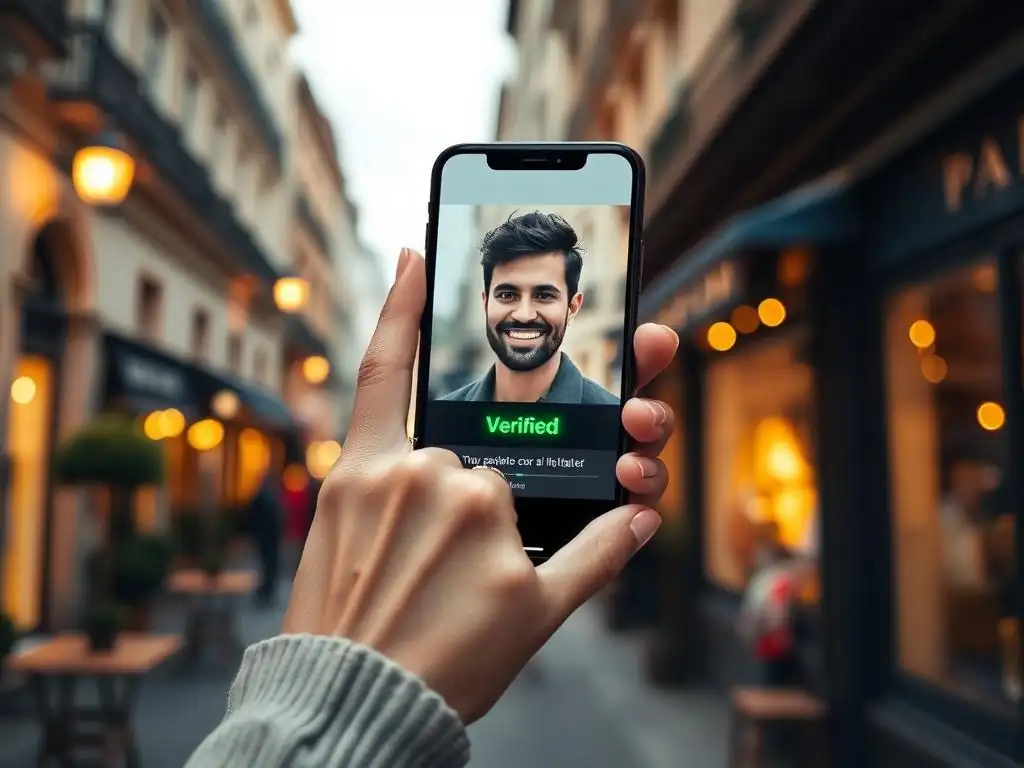
Ready to ditch the dating app anxieties and dive into meaningful connections? At OnlineDatingSuccess.org, we're dedicated to helping you navigate the world of online dating with confidence. But before you even think about that first date, it's crucial to prioritize your safety. Learn how to perform online dating safety verification and take control of your dating journey. Discover practical strategies for a secure and successful experience—your perfect match awaits, but your safety comes first.
- Understanding Online Dating Safety Verification: Protecting Yourself
-
Practical Steps for Verifying Your Date's Identity
- Utilizing Social Media for Identity Verification: A Cautious Approach
- Reverse Image Search: Confirming Profile Picture Authenticity
- Checking for Online Presence: Consistent Information Across Platforms
- Phone Verification: Confirming Contact Details and Voice
- Video Calls Before Meeting: A Crucial Safety Measure
- Advanced Online Dating Safety Verification Techniques
- First Date Safety Tips Beyond Identity Verification
- Handling Suspicious Behavior and Safety Concerns
-
Frequently Asked Questions
- How can I verify my date's identity before meeting them in person?
- What are some red flags to watch out for when verifying someone's identity online?
- Is it safe to share my personal information during the online dating verification process?
- How important is verifying someone's identity before a first date, especially considering online dating safety verification?
- What should I do if I suspect someone is using a fake profile or identity on an online dating site?
- Final Reflection: Securing Connections in the Digital Age
- Take Control: Secure Your First Date
Understanding Online Dating Safety Verification: Protecting Yourself
Online dating offers exciting possibilities for connection, but it's crucial to prioritize safety. Navigating the world of online romance requires a proactive approach to risk mitigation, and a key element of that is verifying your date's identity before your first meeting. This article delves into practical strategies for online dating safety verification, helping you make informed decisions and protect yourself from potential harm.
We'll explore the importance of identity verification, common risks associated with meeting strangers online, and how to identify red flags in online profiles. Ultimately, our goal is to empower you to create a safer and more positive online dating experience, leading to meaningful connections without compromising your well-being. Remember, a little precaution can go a long way in ensuring a successful and secure first date.
The Importance of Identity Verification in Online Dating
Identity verification in online dating isn't just about avoiding awkward encounters; it's about safeguarding your physical and emotional safety. Meeting someone you've only interacted with online carries inherent risks. Without verifying their identity, you're essentially meeting a stranger, potentially exposing yourself to various dangers, including: catfishing (where someone misrepresents their identity), scams, stalking, or even physical harm. Verifying a date's identity, however, significantly reduces these risks.
This involves taking steps to confirm that the person you're communicating with is who they claim to be. This can involve cross-referencing information provided on their profile with publicly available information, such as social media profiles (with caution, of course! ), or even subtly asking for details that would be difficult for someone fabricating a profile to know.
Remember, a proactive approach to verification is key to mitigating risks and building trust in the online dating space. Taking the time to verify your date's identity shows you value your safety and demonstrates respect for yourself. This is a crucial step in responsible online dating.
Common Risks of Meeting Strangers from Online Dating Sites
The digital world presents unique challenges when it comes to meeting people. While online dating offers convenience and expands your dating pool, it also introduces several potential risks. One significant concern is the prevalence of catfishing, where individuals create fake profiles using stolen photos and fabricated information.
This can lead to disappointment, emotional distress, and even financial loss if you become a victim of a romance scam. Additionally, meeting strangers from online dating sites increases the risk of encountering individuals with malicious intentions, ranging from harassment and stalking to more serious threats to personal safety. Some individuals may use online dating platforms to target vulnerable people for scams or other criminal activities.
Understanding these risks is the first step towards mitigating them. This awareness allows you to approach online dating with a heightened sense of caution and take appropriate safety measures. Remember, being cautious isn't about being cynical; it’s about being responsible and protective of your well-being.
Recognizing Red Flags and Warning Signs in Online Dating Profiles
Identifying red flags in online dating profiles is crucial for protecting yourself. While not every red flag indicates malicious intent, paying attention to inconsistencies and suspicious behavior can help you avoid potentially dangerous situations. Some common red flags include: overly perfect profiles with unrealistic photos; vague or contradictory information about their life; reluctance to provide personal details or engage in video calls; overly aggressive or pushy communication; requests for money or financial assistance; and a lack of online presence beyond the dating platform. Additionally, be wary of profiles that seem too good to be true.
If something feels off, trust your instincts. It's always better to err on the side of caution. Remember, a healthy relationship should be built on trust and transparency.
If you encounter any red flags, consider reporting the profile to the dating platform and ending communication immediately. Prioritizing your safety and well-being is paramount in the online dating world. Your intuition is your best tool; learn to trust it.
Practical Steps for Verifying Your Date's Identity

Online dating safety verification is paramount before meeting anyone you've connected with online. While building a connection is exciting, prioritizing your safety shouldn't be compromised. This section details practical steps you can take to verify your date's identity and reduce potential risks. Remember, a little caution can go a long way in ensuring a positive and safe first date experience. Don't rush the process; thorough verification is key to online dating safety.
Social media can be a valuable tool for online dating safety verification, but proceed with caution. Don't rely solely on information presented on a dating profile; cross-reference it with their social media profiles. Look for consistency in their name, photos, and biographical information across different platforms. Discrepancies could be a red flag.
For instance, if their dating profile states they're a software engineer, verify if their LinkedIn profile reflects the same occupation and work history. Similarly, compare photos; a lack of matching images across platforms might indicate a fake profile. However, remember that even consistent information doesn't guarantee authenticity. Some individuals are skilled at crafting convincing fake profiles.
Consider the following points when using social media for verification:
- Privacy Settings: Be mindful of your own privacy settings while conducting this research. Avoid revealing too much personal information yourself.
- Public vs. Private Profiles: Public profiles offer more information, but private profiles may indicate a desire for privacy, which isn't necessarily a negative sign.
- Profile Age: A recently created profile with minimal activity could be suspicious. Look for established profiles with a history of activity.
- Friend Network: Examine their friend network. A large and diverse network may indicate a more genuine profile, but this is not foolproof.
Remember, social media verification is just one piece of the puzzle. Don't solely rely on it to confirm your date's identity. Combine this method with other verification techniques for a more comprehensive approach to online dating safety.
Reverse Image Search: Confirming Profile Picture Authenticity
Reverse image searches are a powerful tool in online dating safety verification. Many dating profiles use stolen or manipulated photos. A reverse image search allows you to check if the profile picture appears elsewhere online. This can help uncover inconsistencies or reveal the true source of the image.
To perform a reverse image search, upload the profile picture to a search engine like Google Images or TinEye. The search engine will then show you other websites where the same image appears. If the image shows up on multiple unrelated dating profiles or stock photo websites, it's a strong indication of a fake profile.
This method helps identify:
- Stolen Photos: Quickly identifies if the picture has been taken from another person's profile or a stock photo website.
- Manipulated Images: While not always detectable, significant alterations might be noticeable through inconsistencies or unnatural aspects of the image.
- Catfishing: This method can help uncover instances of catfishing, where someone uses a fake identity and photos to deceive others.
The results should be interpreted carefully. A single occurrence on a legitimate website doesn't automatically invalidate the profile. However, multiple appearances on unrelated dating sites or stock photo websites are a significant red flag requiring further investigation.
Checking for Online Presence: Consistent Information Across Platforms
Beyond social media, look for consistent information across various online platforms. Does their email address, phone number (if provided), or other contact details match the information on their dating profile? A lack of consistency across different platforms could signal a potential problem.
Consider these aspects when verifying online presence:
- Professional Websites: Check for their presence on professional networking sites like LinkedIn. Does their professional background align with their dating profile?
- Personal Websites or Blogs: Some individuals maintain personal websites or blogs. Cross-referencing information from these sources with their dating profile helps verify the consistency of their details.
- News Articles or Mentions: An extensive online presence beyond dating platforms could provide further confirmation of their identity.
This process of cross-referencing information across different online platforms provides a holistic view of your date's online presence, contributing significantly to your online dating safety verification efforts. Remember, a comprehensive approach that combines several methods is the most effective way to ensure your safety. Prioritizing your safety before meeting anyone from an online dating platform is crucial for a positive experience.
Phone Verification: Confirming Contact Details and Voice
Before arranging an in-person meeting, a simple yet effective online dating safety verification step is to engage in a phone call. This isn't just about confirming their number is legitimate; it's about getting a sense of their voice and personality. Does their voice match their profile? Do they sound genuine and approachable?
Discrepancies between their online persona and their phone demeanor should raise a red flag. Furthermore, a phone call allows you to casually check details mentioned in their profile. For example, if they claim to work at a specific company, you could subtly inquire about their work, gauging their response for authenticity. Remember, the goal isn't to interrogate, but to engage in a natural conversation that allows for subtle verification of their claims.
Pay attention to inconsistencies; if their story changes or they seem evasive, it's a sign to proceed with caution. This seemingly small step offers a surprisingly effective layer of online dating safety verification. Consider scheduling a shorter call initially, to gauge comfort levels before a longer conversation. This approach prioritizes your safety while allowing for a more natural interaction.
Video Calls Before Meeting: A Crucial Safety Measure
Taking online dating safety verification a step further, consider a video call before your first in-person date. This is a crucial step, offering a far more robust verification than just phone calls or text messages. Video calls allow you to visually confirm their identity, matching their profile picture to the person on the screen. This helps prevent catfishing, where individuals use fake profiles and photos.
Pay close attention to the background of their video call; does it match the information they’ve provided about their lifestyle or living situation? Inconsistencies here can be another warning sign. Moreover, a video call allows you to assess their body language and overall demeanor, further confirming their authenticity. The interaction should feel natural and comfortable.
If they are reluctant to have a video call, consider this a significant red flag and reconsider the date. Remember, your safety is paramount. This method enhances online dating safety verification dramatically, providing a crucial layer of protection before meeting in person. Prioritize your safety and comfort; a video call is a small inconvenience that can prevent significant risks.
Advanced Online Dating Safety Verification Techniques

This section delves into sophisticated methods beyond basic profile checks to enhance your online dating safety verification strategies. Remember, your safety is paramount, and thorough verification significantly reduces risks associated with meeting strangers from the online world. These techniques offer layers of protection, helping you make informed decisions before committing to a first date. Effective online dating safety verification is proactive, not reactive.
Background Checks: Utilizing Professional Services for Enhanced Safety
Employing professional background check services offers a robust layer of online dating safety verification. These services provide detailed reports encompassing criminal records, civil judgments, and sometimes even social media activity. While not foolproof, a background check can uncover red flags that might otherwise go unnoticed.
Consider the potential benefits: A comprehensive report can reveal past convictions for violent crimes, fraudulent activities, or other concerning behaviors. This information empowers you to make an informed decision about whether to proceed with a date. Think of it as an additional layer of due diligence, similar to what you might do when hiring a contractor or renting a property.
However, it’s crucial to choose reputable background check services. Research different providers, compare their offerings, and read reviews before committing. Privacy concerns are paramount; ensure the service adheres to strict data protection regulations. Remember, you're entrusting sensitive information, so thorough vetting of the service itself is just as important as vetting your potential date. The cost varies depending on the depth of the report; weigh the cost against the potential benefits to your safety and peace of mind. A small investment in your safety can be invaluable.
Leveraging shared connections on social media platforms is a surprisingly effective online dating safety verification strategy. If you share mutual friends with your potential date, you can subtly inquire about them through those connections. This doesn't need to be overt; a simple, "Hey, I met [date's name] on [dating app]. Do you know them?" can be enough to gather valuable information.
This approach offers several advantages. Firstly, it provides an independent source of verification. Your mutual friends can offer insights into your date's character and behavior that might not be apparent from their online profile. They might share anecdotes or observations that help you gauge their trustworthiness. Secondly, it can help identify potential inconsistencies or fabricated information. If your mutual friends express surprise or uncertainty about your date's claims, it warrants further investigation.
Remember, discretion is key. Avoid directly accusing your date of deception. Frame your inquiries casually and focus on gathering information rather than making judgments. The goal is to gain a more complete picture, not to start a conflict. This method is particularly useful for verifying details like employment or educational background, as mutual friends might have firsthand knowledge.
Location Verification: Ensuring Consistent Location Information
Inconsistencies in location information can be a significant red flag in online dating. Verifying your date's location is a crucial aspect of online dating safety verification. While many profiles list a city or region, it's important to try and confirm this information independently.
Pay attention to subtle details. Does the location mentioned consistently appear in their profile, photos, and communications? Be cautious if their location information changes frequently or seems deliberately vague. Look for contextual clues within their profile or conversations. For example, a photo showing a specific landmark can be cross-referenced with publicly available information.
Remember that even seemingly minor discrepancies can indicate a potential problem. A mismatch between stated location and the location implied by their photos or work information warrants further investigation. While it is not always indicative of malicious intent, inconsistent location information can indicate a lack of transparency or a potential attempt to conceal their true identity. Prioritizing location verification adds a valuable layer to your overall online dating safety verification strategy. Your safety and well-being depend on it.
Public Profile Analysis: Assessing Online Reputation and Behavior
Analyzing your date's public online presence is a crucial step in online dating safety verification. Don't just rely on their dating profile; delve deeper to uncover inconsistencies or potential red flags. This involves a multifaceted approach, going beyond a simple Google search. Think of it as a thorough background check, but one you conduct yourself, focusing on publicly available information.
First, perform a comprehensive Google search using their full name, any known usernames, and even their profession if it's listed on their dating profile. Look for news articles, blog posts, social media profiles (beyond the ones they've shared with you), and professional profiles on sites like LinkedIn. Discrepancies between their online profiles and what they've told you should raise immediate concerns. For example, if their dating profile states they're a software engineer but their LinkedIn profile shows them working in a completely different field, that warrants further investigation.
Second, pay close attention to the content of their public profiles. Are their posts consistently positive and upbeat, or do they exhibit signs of anger, aggression, or negativity? While a few negative posts aren't necessarily cause for alarm, a pattern of such behavior could indicate potential problems. Look for red flags like excessive complaining, hateful speech, or a history of online arguments. Remember, online behavior often reflects offline behavior.
Third, consider the consistency of their online presence. Do their various profiles tell a cohesive story, or are there significant contradictions? Inconsistent information across multiple platforms can suggest an attempt to create a false persona. For example, different ages, locations, or relationship statuses across profiles should trigger caution. A lack of photos or a significant absence of personal information on seemingly public profiles can also be suspicious.
Finally, utilize reverse image search tools. This powerful technique allows you to upload a picture from your date's profile and search for where else it appears online. This can help identify if the photos are stolen or if they're using someone else's image. Be vigilant; a simple reverse image search can uncover a lot of hidden information and help you verify the authenticity of your date's online presence. Remember, online dating safety verification is a process, not a single action. The more information you gather, the safer your first date will be.
First Date Safety Tips Beyond Identity Verification

Even after verifying your date's identity, several other crucial steps can significantly enhance your safety and peace of mind during a first date. Remember, online dating safety verification is just one piece of a larger puzzle. Proactive measures taken before, during, and after the date are essential for a positive and secure experience. Let's delve into some additional safety precautions.
Meeting in Public Places: Choosing Safe and Well-Lit Locations
Choosing a public location for your first date is paramount. Avoid secluded spots or places where you might feel isolated or vulnerable. Opt for well-lit areas with ample foot traffic. Think bustling coffee shops, popular restaurants, or even a museum – places where others are present and you can easily attract attention if needed. Consider the accessibility of the location; ensure it's easily reachable by public transport or has readily available taxi services.
The environment significantly impacts your safety. A dimly lit bar tucked away on a side street presents a higher risk than a bright, lively café in a shopping mall. Before agreeing to a location, take a moment to consider the potential risks. Does the location feel comfortable and safe to you? If not, don't hesitate to suggest an alternative. Trust your instincts; they're often right. Remember, a safe environment contributes to a more relaxed and enjoyable date.
Informing Friends and Family: Sharing Your Plans and Location
Before heading out, share your date's profile information (name, photo, and any other relevant details you've verified), the date, time, and location with at least one trusted friend or family member. Consider using a location-sharing app that allows them to track your whereabouts in real-time. This simple act provides an extra layer of security. If something unexpected happens, your loved ones will know where to find you and who to contact.
It’s equally important to check in with your support network after the date. A quick text message saying you arrived home safely is a reassuring way to close the loop. This proactive communication not only protects you but also reassures those who care about your well-being. Open communication and transparency are key aspects of online dating safety. Don't feel embarrassed or overly cautious; your safety is paramount.
Setting Time Limits: Avoiding Extended First Dates
Keep your first date relatively short. A couple of hours is usually sufficient to gauge compatibility and assess your comfort level with the person. Avoid extending the date indefinitely, especially if you're feeling uncomfortable or unsure. Having a pre-determined timeframe helps you maintain control and provides a natural exit strategy.
If the date is going well, you can always suggest a second meeting. However, limiting the first encounter to a manageable duration minimizes risk and allows you to prioritize your safety. Remember, you're under no obligation to stay longer than you feel comfortable. It's perfectly acceptable to politely excuse yourself if the date isn't going as planned or if you feel uneasy for any reason. Prioritizing your safety and wellbeing is always the right choice. A successful online dating experience prioritizes safety alongside connection.
Trusting Your Instincts: Recognizing Discomfort and Taking Action
Your gut feeling is a powerful tool. Online dating safety verification is crucial, but even with meticulous checks, something might feel off during your interactions. Learning to recognize and act on discomfort is paramount to your safety. Don't dismiss a nagging feeling of unease; it's your body's way of signaling potential danger. Perhaps their responses are inconsistent, their stories don't quite add up, or their communication style makes you feel uneasy. These are all valid reasons to proceed with caution or, if necessary, cancel the date.
Remember, there's no shame in prioritizing your safety. A successful online dating experience hinges on mutual respect and comfort. If you feel uncomfortable at any point—before, during, or after the initial contact—trust your instincts. This might involve limiting personal information shared, choosing a public place for your first meeting, or even ending the conversation altogether. Your well-being is more important than any potential romantic connection.
Many people underestimate the power of intuition. It’s often based on subtle cues we may not consciously register, but our subconscious mind processes information that our conscious mind might miss. For example, you might feel uneasy about a date's excessive flattery, evasiveness about personal details, or a sudden change in their demeanor. These seemingly small details can be warning signs. Learning to listen to your intuition and act accordingly is a skill that will serve you well, not just in online dating, but in all aspects of your life.
Consider creating a "safety plan" before embarking on a first date. This could involve sharing your location with a trusted friend or family member, setting a time limit for the date, and having a pre-arranged escape route if needed. These proactive measures can significantly reduce anxiety and provide a sense of control, ultimately empowering you to make informed decisions about your safety and well-being. Remember, online dating safety verification is a crucial first step, but trusting your instincts is the ultimate safeguard.
Handling Suspicious Behavior and Safety Concerns
Online dating safety verification is paramount, but even with thorough checks, you might encounter suspicious behavior. Knowing how to react is crucial for your well-being. This section outlines strategies for navigating potentially dangerous situations and ensuring your safety throughout the online dating process. Remember, your safety is the top priority. Trust your instincts; if something feels off, it probably is.
Reporting Suspicious Profiles: Utilizing Dating Site Reporting Mechanisms
Many dating sites offer robust reporting mechanisms to flag suspicious profiles or behavior. These mechanisms are designed to help identify and remove individuals who violate the platform's terms of service, engage in scams, or exhibit predatory behavior. Don't hesitate to use them! Reporting a suspicious profile isn't tattling; it's a proactive step towards making the online dating environment safer for everyone.
Detailed reporting often involves providing specific examples of concerning behavior. This might include:
- Fake profiles: Obvious inconsistencies in photos, biographical information, or a lack of genuine engagement. For example, a profile with stock photos and generic answers to prompts.
- Suspicious requests: Requests for money, inappropriate or overly personal questions, or pressure to meet in person too quickly. Red flags include unusually urgent requests for financial assistance or overly complimentary messages that seem too good to be true.
- Harassment or abuse: Any form of online harassment, including unwanted messages, threats, or stalking behavior. This can range from verbal abuse to threats of violence.
Effective reporting usually involves providing screenshots or links as evidence. The more detail you provide, the better equipped the dating site is to take appropriate action. Remember to keep a record of your interactions with suspicious individuals for your own safety and to facilitate the reporting process. Always prioritize your safety and well-being.
Blocking and Ignoring Unsuitable Individuals: Protecting Yourself Online
Blocking and ignoring are powerful tools for managing unwanted interactions. If someone makes you uncomfortable, don't feel obligated to engage. Use the block feature provided by the dating platform to prevent further contact. This immediately cuts off communication and offers a sense of control. Blocking is a simple yet highly effective method of online dating safety verification – preventing further interaction with potentially harmful individuals.
Ignoring unwanted messages is equally important. Responding, even negatively, can escalate the situation. Simply ignoring messages from unsuitable individuals can often deter further contact. Remember, you have the right to control your online interactions and choose who you communicate with. This is a key element of maintaining your online safety.
Consider these scenarios:
- Persistent unwanted attention: If someone continues to contact you despite being blocked, report their behavior to the dating platform and consider contacting law enforcement if the harassment is severe.
- Aggressive or threatening behavior: If someone sends threatening messages or exhibits aggressive behavior, document everything and report it to the dating platform and the appropriate authorities.
Remember, you are not obligated to engage with anyone who makes you feel uneasy. Prioritizing your safety and well-being is paramount.
Seeking Support: Resources and Help for Online Dating Safety Concerns
If you've experienced any form of online harassment or abuse, or simply need guidance on online dating safety verification, remember that you're not alone. Several resources are available to provide support and assistance:
- Dating site help centers: Most dating platforms offer dedicated help centers with resources and guidelines on safety and security. These resources often include FAQs, articles, and contact information for support teams.
- Online safety organizations: Many organizations specialize in online safety and security, offering advice and support to victims of online harassment and abuse. These organizations can provide valuable guidance and resources.
- Law enforcement: If you experience severe harassment, threats, or stalking, contact your local law enforcement agency immediately. They can provide support and investigate any criminal activity.
Remember, seeking help is a sign of strength, not weakness. Prioritizing your safety and well-being is crucial. Utilizing available resources can significantly improve your online dating experience and help ensure your safety. Don't hesitate to reach out for support when needed.
Frequently Asked Questions
How can I verify my date's identity before meeting them in person?
You can verify your date's identity by comparing their online profile photos with their social media profiles. Also, engage in video calls before arranging an in-person meeting to confirm their appearance and identity. Reverse image searching their photos can also help.
What are some red flags to watch out for when verifying someone's identity online?
Be wary of inconsistent information across different profiles or a lack of online presence altogether. Avoid dates who are reluctant to share identifying details or engage in video chats. Vague or missing information in their profile should raise concerns.
No, do not share sensitive personal information like your full address or social security number during the verification process. Stick to publicly available information and use caution when sharing anything online. Only share information when you feel completely comfortable and safe.
How important is verifying someone's identity before a first date, especially considering online dating safety verification?
Verifying someone's identity is crucial for your safety and security. It significantly reduces the risk of meeting someone who is not who they claim to be. Prioritizing verification is a key step in online dating safety.
What should I do if I suspect someone is using a fake profile or identity on an online dating site?
Immediately report the profile to the dating site's administrators. Stop all communication with the individual and block them from contacting you further. Consider also reporting any suspicious activity to the appropriate authorities if needed.
Final Reflection: Securing Connections in the Digital Age
The ease and accessibility of online dating have revolutionized how we meet, but this convenience comes with a crucial caveat: safety. Ignoring the potential risks can have devastating consequences, highlighting the urgent need for proactive measures to protect ourselves and others in the virtual and physical realms of romance.
The impact of online dating safety, or the lack thereof, reverberates far beyond individual experiences. It shapes our collective understanding of trust and vulnerability in the digital age, influencing how we navigate relationships and interact online. The internet is a powerful tool, but it's a tool that can be used for good or ill. We must be vigilant in protecting ourselves and others from those who would misuse it.
This quote underscores the importance of continuous education and awareness, fostering a culture of responsible online interactions.
Now, consider your own online dating habits. Do you prioritize verification? Do you feel empowered to make informed choices about your safety? Take a moment to reflect on your personal approach to online dating safety. Make a conscious decision today to prioritize your well-being and implement the verification strategies discussed in this article. Your safety is paramount, and by taking proactive steps, you can build healthy, secure connections in the digital world.
Take Control: Secure Your First Date
Thank you for taking the time to learn about first date safety! We hope this article has given you the confidence and tools you need to feel secure on your next date. Now, let's put that knowledge into practice.
- Verify your date's identity: Don't rely solely on their dating profile. Cross-reference their information by checking their social media profiles, conducting an online search, and, if possible, connecting through mutual acquaintances. This extra step significantly enhances your safety.
- Share your plans with someone you trust: Inform a friend or family member of your date's name, the location, and your expected return time. This simple precaution is incredibly important.
- Establish a check-in system: Arrange to text a trusted friend during your date to confirm everything is going well. This provides an added layer of security and peace of mind.
What other safety measures will you prioritize on your next date?