
First Date Safety: Recognizing and Avoiding Catfishing


Ready to transform your online dating experience from frustrating to fulfilling? At OnlineDatingSuccess.org, we empower you to navigate the world of online romance with confidence. But before you dive into that first date, it's crucial to prioritize your safety. This is why we're diving deep into online dating safety tips, starting with a crucial guide on recognizing and avoiding catfishing. Discover how to protect yourself and build genuine connections—read on to unlock the secrets to a safer and more successful dating journey!
- Understanding Catfishing in Online Dating
-
Protecting Yourself from Catfishing Scams: Online Dating Safety Tips
- Verify Profiles: Cross-Referencing Information from Dating Profiles
- Slow Down Communication: Avoid Rushing into Personal Details
- Video Calls: The Importance of Visual Confirmation
- Reverse Image Search: Utilizing Online Tools to Verify Photos
- Background Checks: Exploring Resources for Background Verification (if applicable)
-
Safe First Date Practices: Minimizing Risk
- Choosing Public Places for First Dates: Safety in Numbers
- Informing Friends and Family: Sharing Your Plans and Location
- Setting Boundaries: Maintaining Control During the Date
- Trust Your Instincts: Recognizing Warning Signs During a First Date
- Reporting Suspicious Behavior: Using Dating Site Reporting Mechanisms
- Moving Forward After a Catfishing Experience: Online Dating Safety Tips After a Negative Experience
- Resources for Online Dating Safety: Additional Tips and Support
- Frequently Asked Questions
- Final Reflection: Navigating the Digital Dating Landscape Safely
- Unmask Your Next Date: Take Control of Your Online Safety
Understanding Catfishing in Online Dating
Navigating the world of online dating can be exciting, but it's crucial to prioritize your safety and well-being. This article focuses on a significant threat in online dating: catfishing. We'll delve into what catfishing is, how to identify potential catfish profiles, and the common tactics employed to deceive individuals. Understanding these aspects is paramount for ensuring a safe and positive online dating experience.
Learning to recognize and avoid catfishing is a key component of effective online dating safety tips, helping you build meaningful connections while protecting yourself from potential harm. This guide provides practical advice to empower you to make informed decisions and navigate the online dating landscape with confidence. Remember, your safety is your priority, and knowledge is your best defense.
What is Catfishing and Why is it Dangerous?
Catfishing, in the context of online dating, refers to the deceptive practice of creating a false online persona to lure someone into a relationship. This involves using fabricated photos, biographical information, and even impersonating someone else entirely. The motivations behind catfishing vary, but often include seeking emotional validation, financial gain, or simply the thrill of deception.
Why is it dangerous? The risks associated with catfishing extend beyond emotional distress. Catfish may manipulate their victims into sharing personal information, leading to identity theft or financial fraud. In more extreme cases, catfishing can lead to dangerous in-person encounters, potentially putting individuals at risk of physical harm. The emotional toll of discovering a fabricated relationship can be significant, causing feelings of betrayal, confusion, and self-doubt. Understanding the potential dangers is the first step in protecting yourself. Remember, genuine connections are built on trust and authenticity – red flags should never be ignored.
Identifying Red Flags: Signs of a Potential Catfish
Identifying a catfish early on can save you considerable emotional distress and potential harm. Several red flags can signal a potentially deceptive profile. Pay close attention to inconsistencies in their profile, such as:
- Lack of personal photos: A profile with very few or no personal photos, or photos that are all professionally done or heavily filtered, could be a sign of deception.
- Vague or inconsistent biographical information: Inconsistencies in their stories, difficulty answering basic questions about themselves, or a lack of detail in their profile should raise suspicion.
- Avoidance of video calls: A persistent refusal to engage in video calls, despite repeated requests, is a major red flag. This makes it very difficult to verify their identity.
- Unrealistic or overly perfect profiles: Profiles that seem too good to be true often are. Be wary of profiles that showcase only positive attributes with no mention of flaws or imperfections. Everyone has flaws!
- Requests for money or personal information: A catfish might try to manipulate you into sending money or sharing sensitive personal information under various pretexts. Never send money or personal information to someone you haven't met in person and thoroughly verified.
- Sudden intense emotions: Beware of profiles exhibiting unusually intense emotions or declarations of love very early in the "relationship". Genuine connections develop gradually.
Remember, trusting your gut feeling is crucial. If something feels off, it probably is. Don't hesitate to investigate further before meeting someone in person.
Common Catfishing Tactics Used in Online Dating
Catfish employ various tactics to maintain their deception. These include:
- Using stolen photos: Many catfish use photos stolen from other online profiles, often from social media accounts. Reverse image searching can help identify stolen photos.
- Creating fake social media profiles: Catfish often create fake profiles on multiple social media platforms to bolster their fabricated persona and make it appear more legitimate.
- Inventing elaborate backstories: They may construct elaborate and often unrealistic backstories to explain inconsistencies or avoid being questioned.
- Controlling communication: Catfish might limit communication to specific platforms or times to avoid detection and maintain their control.
- Gaslighting: They may try to manipulate your perception of reality by making you question your own judgment and memories. This is a form of emotional abuse and a serious red flag.
Being aware of these common tactics will help you better recognize and avoid becoming a victim of catfishing. Prioritize your safety and always be vigilant when interacting with people online. Remember, a genuine connection will never require you to compromise your safety or well-being.
Protecting Yourself from Catfishing Scams: Online Dating Safety Tips
Catfishing, the act of creating a fake online profile to deceive others, is a serious concern in the world of online dating. While the thrill of connecting with someone new is exciting, prioritizing your safety and well-being should always come first. This section provides crucial online dating safety tips to help you recognize and avoid catfishing scams, ensuring a more secure and positive online dating experience.
Remember, a cautious approach significantly reduces your risk of falling victim to deceptive profiles and protects your emotional and personal safety. These tips are essential for navigating the complexities of online dating and building healthy, authentic connections.
Verify Profiles: Cross-Referencing Information from Dating Profiles
One of the most effective online dating safety tips is thorough profile verification. Don't rely solely on the information presented on the dating platform. Many catfish meticulously craft elaborate profiles, making it challenging to immediately spot inconsistencies. However, with a little detective work, you can significantly reduce your chances of encountering a fake profile.
Here's how to effectively cross-reference information:
- Reverse Image Search: Use a reverse image search engine (like Google Images or TinEye) to check if the profile pictures appear elsewhere online. If the same images show up on multiple profiles or unrelated websites, it's a strong red flag. Catfish often steal images from models, actors, or even random people online.
- Social Media Check: If the profile provides social media handles (Facebook, Instagram, etc. ), carefully examine their accounts. Look for inconsistencies between the dating profile and their social media presence. Do the photos match? Does the timeline align with the information provided on the dating site? Be wary of profiles with limited social media activity or those that are recently created.
- Check for inconsistencies: Pay close attention to details. Do the profile's claims about their job, education, or hobbies align with their online presence? Discrepancies are a key indicator of a potentially fake profile. For example, a claimed "doctor" with a suspiciously generic LinkedIn profile should raise immediate concerns.
- Ask specific questions: Don't be afraid to ask questions that require specific answers. For instance, instead of asking "What do you do for work? ", try "What's the name of the company you work for, and what's your role there?". A catfish might struggle to answer such pointed questions convincingly.
Slow Down Communication: Avoid Rushing into Personal Details
Another crucial aspect of online dating safety tips is pacing your communication. Catfish often try to rush the relationship, pushing for quick intimacy and avoiding deeper conversations. They might bombard you with compliments, profess strong feelings prematurely, and pressure you to share personal details.
- Resist the urge to overshare: Avoid divulging sensitive information like your full address, workplace, or financial details too early in the communication process. Even seemingly innocuous details can be pieced together by malicious individuals to build a comprehensive picture of your life.
- Focus on getting to know them: Engage in meaningful conversations that explore their personality, interests, and values. Be observant and look for inconsistencies or evasiveness in their responses.
- Be wary of overly perfect profiles: While everyone wants to present their best self, a profile that seems too good to be true often is. A profile with no flaws or imperfections might be a carefully constructed facade.
- Don't rush into meeting in person: Take your time to get to know the person online before considering a face-to-face meeting. This allows you to build a better understanding of who they are and assess their authenticity.
Video Calls: The Importance of Visual Confirmation
The most effective way to verify someone's identity and avoid catfishing is through a video call. While text and voice calls can be easily manipulated, a video call offers visual confirmation. This is a critical online dating safety tip that should never be overlooked.
- Propose a video call early: Don't be afraid to suggest a video call relatively early in the conversation. A genuine person will usually be happy to comply. A catfish will often find excuses to avoid it.
- Observe their appearance: Compare their appearance during the video call to the photos on their profile. Are they consistent? Look for any discrepancies, such as different hairstyles, facial features, or clothing.
- Pay attention to their background: The background in a video call can provide additional clues about their environment. Does it match the information they've provided on their profile?
- Be aware of potential manipulation: Even with video calls, there's a small chance of sophisticated manipulation. However, it significantly reduces the risk of being catfished compared to relying solely on text or voice communication. Be observant and trust your instincts; if something feels off, it probably is.
Remember, prioritizing your safety is paramount when navigating the world of online dating. By implementing these online dating safety tips, you can significantly reduce your risk of encountering catfishing scams and create a safer and more positive dating experience. Trust your instincts and always err on the side of caution.
Reverse Image Search: Utilizing Online Tools to Verify Photos
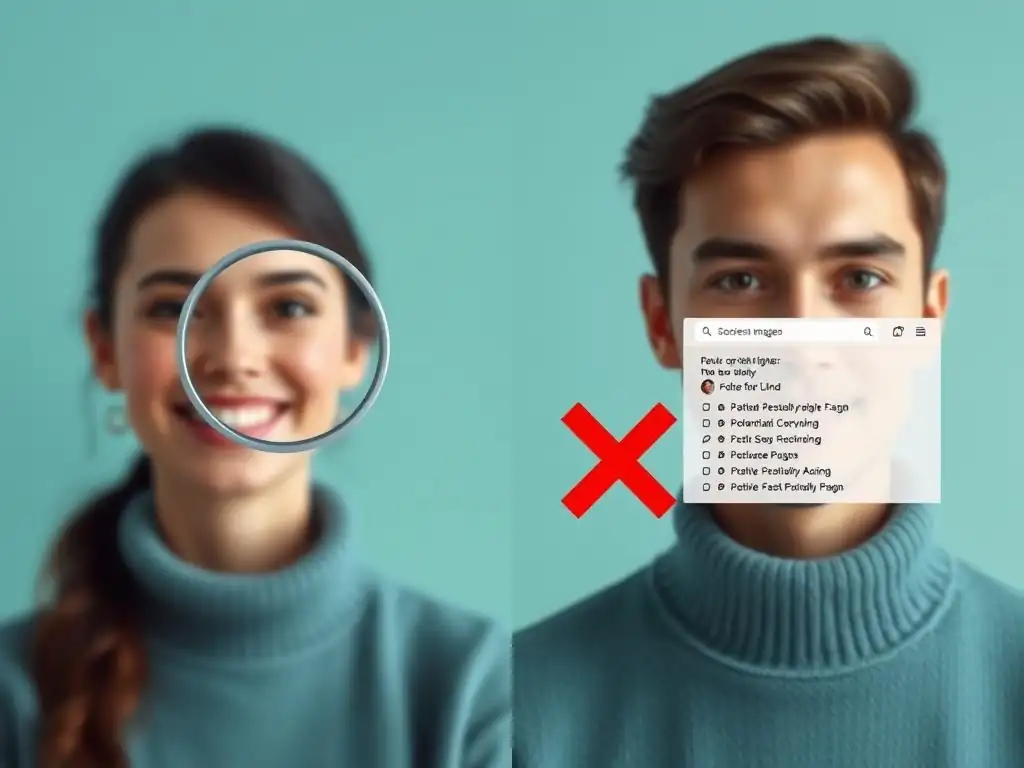
Reverse image searching is one of the most effective online dating safety tips for verifying a potential partner's identity. Catfishers often use stolen or heavily edited photos. A simple reverse image search can quickly reveal if a profile picture appears elsewhere online, potentially under a different name or in a different context. This process involves uploading the image to a search engine like Google Images, TinEye, or Yandex Images.
The search engine will then display all instances of that image across the web. If the image appears on multiple unrelated websites or profiles with inconsistent information, it's a major red flag. For example, if a profile picture shows someone claiming to be a doctor but the same photo appears on a stock photo website, it’s a clear indication of potential deception. Remember to always be cautious—even if the image doesn't show up in a reverse image search, it doesn't automatically mean the person is genuine; they could be using a unique, never-before-seen photo.
However, a reverse image search significantly increases your chances of spotting inconsistencies and potentially identifying a catfish. Don't rely solely on this method, but use it as a valuable tool in your online dating safety arsenal. Thoroughly examining multiple photos on a profile, looking for inconsistencies in lighting, background, or even the person's appearance across different pictures, can also be incredibly insightful. This multifaceted approach offers a more comprehensive assessment of profile authenticity.
Background Checks: Exploring Resources for Background Verification (if applicable)
While performing a full background check on every online dating match might seem excessive, in certain situations, it can be a prudent online dating safety tip, especially if you've developed a strong connection and are considering meeting in person. Before taking this step, carefully consider the ethical implications and legal restrictions surrounding background checks. Many resources exist for conducting background checks, ranging from free, limited services to paid, comprehensive options. Free options might offer limited information, such as criminal records in public databases (availability varies by location).
Paid services often provide more detailed reports, potentially including addresses, aliases, employment history, and other relevant information. Remember to always respect the individual's privacy and only conduct background checks if you have a legitimate safety concern and have already taken other preliminary steps to verify their identity. The information obtained should be used responsibly and ethically, focusing solely on safety and avoiding any misuse. It's crucial to remember that background checks aren't foolproof; they might not reveal all relevant information, and a clean record doesn't guarantee a person is safe or trustworthy.
Use background checks as one piece of a larger puzzle, combining them with other verification methods like reverse image searches and open communication to make informed decisions about your safety in online dating. Always prioritize your safety and well-being. If something feels off, trust your instincts and proceed with caution.
Safe First Date Practices: Minimizing Risk
This section focuses on proactive strategies to mitigate risks associated with online dating first dates, contributing to your overall online dating safety. Remember, prioritizing your safety shouldn't diminish the excitement of a potential connection; rather, it enhances it by allowing you to enjoy the date without unnecessary worry. Taking these precautions demonstrates self-respect and empowers you to make informed decisions. These online dating safety tips are crucial for a positive experience.
Choosing Public Places for First Dates: Safety in Numbers
The location of your first date significantly impacts your safety. Public places offer several advantages: increased visibility, readily available assistance if needed, and a sense of security. Avoid secluded spots, private residences, or poorly lit areas. Opt for well-populated cafes, restaurants with bustling atmospheres, or even daytime activities like museum visits or walks in a park during peak hours. The more people around, the safer you'll feel and the less likely someone is to attempt harmful behavior.
Consider these factors when choosing a location:
- Accessibility: Ensure the venue is easily accessible via public transport or has ample parking. This gives you flexibility and control over your departure.
- Ambiance: Select a place with a positive atmosphere that allows for easy conversation and observation of your surroundings. Avoid excessively loud or dimly lit environments that could hinder your awareness.
- Escape routes: Subconsciously note possible escape routes in case you feel uncomfortable. This planning can provide a sense of control and confidence.
Remember, a safe and enjoyable first date should feel comfortable and empowering, not threatening. Prioritizing a public setting is a significant step towards achieving this. This is a key online dating safety tip to remember.
Informing Friends and Family: Sharing Your Plans and Location
Transparency with your support network is a crucial aspect of online dating safety. Before your date, inform a trusted friend or family member about your plans. Share the following information:
- The person's name: Provide the name and possibly a photo of the person you're meeting, along with their contact information (if you feel comfortable sharing it).
- The date, time, and location: Be specific about where you'll be meeting and when.
- Expected return time: Give an estimated time for when you expect to be home.
- A way to check in: Agree on a method to check in with them during or after the date, perhaps a text message or a quick phone call.
Consider using a location-sharing app to provide real-time updates on your whereabouts. This allows your friend or family to monitor your location and intervene if necessary. This proactive measure provides peace of mind for both you and your loved ones, reinforcing a crucial online dating safety tip. It's better to be over-prepared than underprepared when it comes to your well-being.
Setting Boundaries: Maintaining Control During the Date
Maintaining personal boundaries is paramount for a safe and respectful date. This involves asserting your needs and preferences throughout the interaction. This is integral to your online dating safety.
- Control the pace: Don't feel pressured to exceed your comfort level. If something feels wrong, trust your instincts and don't hesitate to leave.
- Limit alcohol consumption: Drinking excessively can impair your judgment and make you more vulnerable.
- Be assertive: If the person behaves inappropriately, or you feel unsafe, don't be afraid to speak up and express your discomfort.
- Have an exit strategy: Always have a plan for leaving the date if needed, whether it's calling a friend, ordering a ride, or having a pre-arranged signal with your support network.
- Trust your gut: Your intuition is a powerful tool. If something doesn't feel right, don't ignore it. Prioritize your safety above all else.
By practicing these online dating safety tips and setting clear boundaries, you're taking control of your dating experience and ensuring a safer and more positive outcome. Remember, your safety and well-being are paramount.
Trust Your Instincts: Recognizing Warning Signs During a First Date

Your gut feeling is a powerful tool. Online dating safety tips often emphasize trusting your intuition, and for good reason. If something feels off during your first date, it probably is. Don't dismiss those uneasy feelings; they're often a sign of potential danger.
Let's explore some specific warning signs to watch out for: Inconsistencies in their story are a major red flag. Do their online profile and their in-person demeanor match? Are there discrepancies in their account of their life, job, or hobbies? Pay attention to body language; excessive defensiveness, evasiveness, or unwillingness to answer simple questions can indicate deception.
Similarly, a controlling or overly possessive attitude from the outset should be a serious concern. They might try to dominate the conversation, dismiss your opinions, or pressure you into doing things you're uncomfortable with. This is a crucial online dating safety tip to remember.
Remember that a first date is about getting to know someone, not being pressured into anything. If your date is pushing boundaries or making you feel uncomfortable, it's perfectly acceptable, and indeed recommended, to end the date early. Prioritize your safety and well-being above all else. A truly respectful individual will understand your need to feel safe and secure. Trust your instincts; they are there to protect you. This is paramount in navigating the complexities of online dating.
Reporting Suspicious Behavior: Using Dating Site Reporting Mechanisms
If you encounter suspicious behavior, don't hesitate to report it. Most reputable online dating platforms have robust reporting mechanisms in place to help protect their users. These mechanisms are a vital part of online dating safety tips and should be used without hesitation. These mechanisms aren't just for catching catfish; they're for reporting any behavior that violates the platform's terms of service, including harassment, threats, or scams.
Knowing how to use these tools effectively is crucial. Familiarize yourself with your dating site's reporting procedures before you start actively dating. Usually, there's a clear pathway to report profiles or messages that raise concerns. This often involves providing specific details about the suspicious activity, including screenshots or timestamps if possible. The more information you provide, the better equipped the platform is to investigate the report and take appropriate action.
Remember, reporting suspicious behavior is not only protecting yourself but also contributing to a safer online dating environment for everyone. Don't be afraid to use these tools; they're there to help. It's a key aspect of practicing good online dating safety. Ignoring suspicious behavior could potentially put you and others at risk.
Moving Forward After a Catfishing Experience: Online Dating Safety Tips After a Negative Experience

Experiencing catfishing can be incredibly jarring and emotionally draining. It's crucial to remember that you are not alone, and that recovering and moving forward is entirely possible. This section provides practical online dating safety tips to help you navigate the aftermath and build stronger, safer online dating practices. Remember, the goal is to learn from this experience and emerge stronger, with a renewed commitment to your online safety and well-being. This is a common experience, and understanding how to process it is key to future success in online dating.
Processing the Emotional Impact: Coping with Deception
The emotional fallout from catfishing can range from disappointment and frustration to anger, betrayal, and even embarrassment. Allow yourself time to grieve the loss of what you believed to be a genuine connection. Don't minimize your feelings; acknowledge the hurt and allow yourself to process it. Consider journaling your feelings, talking to a trusted friend or family member, or seeking professional support from a therapist or counselor. Many find that talking to someone who understands helps tremendously.
Remember, feeling these emotions is a normal part of the healing process. It's not a sign of weakness; it's a sign of strength to acknowledge your feelings and seek support. Prioritizing self-care is critical during this time. Engage in activities that bring you joy and comfort, such as spending time in nature, pursuing hobbies, or connecting with supportive friends. Remember to be patient with yourself; healing takes time.
Learning from the Experience: Improving Online Dating Safety Practices
Catfishing serves as a harsh but valuable lesson in online dating safety. Moving forward, it's essential to implement stronger safety measures. This involves proactively verifying profiles and engaging in cautious communication. Here are some practical steps:
- Verify profile details: Don't just rely on what's presented on the dating profile. Use reverse image searches on pictures to ensure authenticity. Look for inconsistencies in their profile information. Is their location consistent with their stated job? Does their writing style match their self-described personality?
- Slow down communication: Don't rush into deep conversations or sharing personal information too quickly. Take your time getting to know someone, even if the connection feels strong.
- Video chat: This is a crucial step in verifying someone's identity. A video call can help confirm their appearance and personality matches their profile.
- Meet in public: When you finally decide to meet in person, always choose a public place for your first date. Let a trusted friend or family member know where you're going and when you expect to be back.
- Trust your gut: If something feels off, it probably is. Don't ignore your intuition; it's often a reliable indicator of potential danger.
Seeking Support: Utilizing Resources for Victims of Online Dating Fraud
If the catfishing involved financial fraud or other illegal activities, reporting it to the appropriate authorities is crucial. This might involve contacting your local police department, the Federal Trade Commission (FTC), or other relevant agencies. Numerous online resources and support groups are available for victims of online dating fraud. These resources can provide emotional support, practical advice, and guidance on reporting the incident. Remember, seeking help is a sign of strength, not weakness.
Don't hesitate to reach out for support and guidance as you navigate this challenging experience. You deserve to feel safe and secure in your online interactions. Many organizations offer confidential support and can help you process your experience and develop strategies for future safety. Remember, rebuilding trust and confidence takes time, but it is absolutely achievable.
Resources for Online Dating Safety: Additional Tips and Support
This section provides additional resources to help you stay safe while navigating the world of online dating. Remember, your safety and well-being are paramount. Utilizing these resources can significantly reduce your risk and empower you to make informed decisions. These online dating safety tips are crucial for a positive experience.
Recommended Online Safety Tools and Websites
Beyond the core principles of online dating safety, several tools and websites can bolster your protection. These resources offer features designed to help you verify profiles, detect potential scams, and enhance your overall online security. It's important to remember that no single tool guarantees complete safety, but using a combination can significantly improve your chances of a safe and positive experience.
Several reputable websites offer resources to help you assess the legitimacy of online profiles. These websites often utilize reverse image search technology to help you determine if a profile picture is authentic or has been stolen from another source. This is a crucial step in avoiding catfishing.
Furthermore, consider utilizing privacy-enhancing tools. These tools can help you manage your online presence and limit the amount of personal information you share online. This includes tools that mask your IP address and encrypt your online communications. Think of it as adding an extra layer of protection to your online dating journey.
Here's a table summarizing some potential categories of helpful tools:
| Tool Category | Description | Example (Note: No specific websites or tools are named here to avoid endorsement.) |
|---|---|---|
| Reverse Image Search | Helps identify if a profile picture is authentic or stolen. | [Specific tool example pending] |
| Privacy-Enhancing Tools | Masks IP address, encrypts communication, helps manage online presence. | [Specific tool example pending] |
| Profile Verification Sites | Offer tools to help you verify the authenticity of online profiles. | [Specific tool example pending] |
Remember to always exercise caution and thoroughly research any tool before using it. Always prioritize your safety and well-being.
Reporting Mechanisms for Dating Platforms
Most reputable online dating platforms have robust reporting mechanisms in place to handle suspicious activity and potential scams. Knowing how to utilize these mechanisms is a vital part of online dating safety. These platforms often have dedicated teams that investigate reported profiles and accounts.
It's crucial to understand the specific reporting procedures for each platform you use. These procedures typically involve flagging a profile or message as suspicious. Often, you'll be able to provide detailed information about why you suspect foul play, including screenshots and specific examples of suspicious behavior. This detailed reporting helps the platform's investigation team to act quickly and effectively. The more information you provide, the better equipped the platform is to take appropriate action.
Don't hesitate to report anything that makes you feel uncomfortable or unsafe. This proactive approach contributes to a safer online dating environment for everyone. Remember, your safety is a priority, and reporting suspicious activity is a critical step in protecting yourself and others.
Support Groups and Counseling Services for Victims of Online Dating Fraud
Being a victim of online dating fraud can be a deeply distressing experience. It's important to know that you are not alone, and there are resources available to help you cope with the emotional and financial fallout. Seeking support is a sign of strength, not weakness.
Many support groups and counseling services specialize in assisting victims of online scams and fraud. These organizations offer a safe and supportive environment where you can share your experience, receive emotional support, and learn coping mechanisms. They can also provide valuable guidance on how to recover from the financial and emotional impacts of the fraud.
Professional counseling can be particularly helpful in processing the trauma and regaining a sense of control. A therapist can provide a safe space to discuss your feelings, develop healthy coping strategies, and work towards healing. Remember, seeking help is a crucial step in your recovery journey. You deserve support and understanding during this challenging time. Reaching out is a powerful step towards healing and rebuilding your confidence. It's essential to prioritize your mental and emotional well-being.
Frequently Asked Questions
How can I spot a catfish on an online dating site?
Catfishing involves false profiles using stolen photos and fabricated information. Look for inconsistencies in photos, limited personal information, or a reluctance to video chat. Reverse image search photos to verify their authenticity.
What are some red flags to watch out for during online dating communication?
Be wary of users who are excessively complimentary early on, avoid conversations that quickly become intensely personal, and be cautious of those who pressure you to meet offline quickly or share personal financial information.
What safety precautions should I take before a first date?
Always meet in a public place for your first date. Let a friend or family member know where you're going, who you're meeting, and when you expect to be back. Share your date's profile and contact information with your trusted contact.
How can I stay safe during a first date?
Maintain control over your transportation and avoid excessive alcohol consumption. Trust your instincts; if something feels off, leave the date. Have a pre-arranged escape plan in case you need to leave quickly.
What should I do if I suspect I'm being catfished or feel unsafe?
Immediately cease all contact with the suspicious individual. Report the profile to the dating site and consider blocking them. If you feel threatened, contact the authorities for assistance.
The rise of online dating has fundamentally changed how we connect, but it's crucial to remember that the virtual world isn't always a reflection of reality. The ease and accessibility of online platforms, while offering incredible opportunities for connection, also present unique challenges, particularly the pervasive threat of catfishing. Understanding and mitigating these risks is not just about avoiding heartbreak; it's about prioritizing personal safety and well-being in the digital age.
The impact of catfishing extends far beyond a single disappointing date; it can erode trust, cause emotional distress, and even lead to financial or physical harm. The insidious nature of this deception underscores the importance of vigilance and critical thinking when navigating online relationships. The internet is a powerful tool, but it's also a place where deception can thrive. We must equip ourselves with the knowledge and skills to navigate it safely.
This quote highlights the need for proactive measures to protect ourselves and others from the dangers lurking within the digital dating world.
You, the reader, now hold the power to shape your online dating experiences. Don't let the fear of catfishing prevent you from exploring the possibilities of connection, but instead, arm yourself with the knowledge and tools discussed in this article. Take the time to verify profiles, proceed slowly in building trust, and always prioritize your safety and well-being. Embrace the potential of online dating while remaining vigilant and empowered. Your safety and happiness are paramount.
Unmask Your Next Date: Take Control of Your Online Safety
Thanks for exploring safe online dating! You've learned how to identify fake profiles and protect yourself. Let's build on that.
- Craft a safe and authentic profile: Review the tips in this article to ensure your profile reflects your commitment to safety and genuine connections. Subtly include details that verify your identity, such as mentioning a unique hobby or a favorite local restaurant.
- Share this information with a trusted friend: While self-protection is crucial, having a supportive network is even more valuable. Share this article with someone you trust—it's a great way to start a conversation about online safety.
- Explore additional safety resources: OnlineDatingSuccess.org offers many resources to help you navigate the dating world confidently and securely.
Ready to enhance your online dating experience? What specific safety precaution will you take today?