
First Date Safety: How to Maintain Your Privacy Online and Offline


Welcome to OnlineDatingSuccess.org, your guide to navigating the exciting yet sometimes daunting world of online dating. Are you ready to ditch the dating app anxieties and unlock genuine connections? We'll equip you with the knowledge and confidence you need to thrive. But before you dive into that first date, let's prioritize safety. Our in-depth article on "Online Dating Safety First Date" will empower you with essential tips to protect yourself both online and offline, ensuring a positive and secure experience. Read on to discover how to build trust and stay safe while finding love!
- Online Dating Safety First Date: Protecting Your Information Before You Meet
-
First Date Safety: Offline Precautions for a Successful Meeting
- Choosing a Public Place: Safety in Numbers and Visibility
- Letting Someone Know Your Plans: Sharing Your Itinerary for Peace of Mind
- Transportation Safety: Planning Your Commute Securely
- Trust Your Instincts: Recognizing Warning Signs on a First Date
- Setting Boundaries and Saying No: Assertiveness for Safety
- Online Dating Safety First Date: Post-Date Security Measures
- Online Dating Safety First Date: Creating a Safer Online Dating Experience
-
Frequently Asked Questions
- How can I ensure my safety during my first online dating meeting?
- What information should I avoid sharing online before a first date?
- What are some red flags to watch out for during online communication?
- How can I verify the identity of someone I met online before meeting in person?
- What should I do if I feel unsafe on a first date?
- Final Reflection: Navigating the Modern Romance Landscape Safely
- Ready to Date Safely and Confidently?
Online Dating Safety First Date: Protecting Your Information Before You Meet
Navigating the world of online dating can be exciting, but it's crucial to prioritize your safety, especially when it comes to that first date. This article focuses on practical strategies to protect your personal information both online and offline, ensuring a safer and more positive experience. We'll explore how to manage the information you share on dating profiles, protect your location details, and even verify your date's identity using simple yet effective techniques.
Remember, a little precaution can go a long way in building confidence and fostering a secure environment for potential relationships. Taking these steps demonstrates self-respect and empowers you to take control of your online dating journey. Let's delve into the specifics to help you enjoy the thrill of meeting someone new without compromising your safety and well-being.
Your online dating profile is your first impression. While you want to showcase your personality, it's equally important to be mindful of the information you share publicly. Avoid posting details that could easily compromise your safety or privacy. This includes:
- Full address: Never include your full street address, apartment number, or any other precise location information.
- Workplace details: Sharing your exact place of employment can make you more vulnerable. A general industry or field is sufficient.
- Phone number: Avoid posting your personal phone number directly on your profile. Wait until you've established trust and comfort with a potential date before exchanging contact information.
- Specific identifying information: This includes your driver's license number, social security number, and other unique identifiers. These should never be shared online under any circumstances.
- Children's information: If you have children, avoid mentioning their names, ages, schools, or other identifying details to protect their privacy.
Remember, less is more. Focus on creating an engaging profile that highlights your personality and interests without revealing sensitive information. Think of it as carefully curating a snapshot of yourself, rather than an open book. A vague location like "near the city center" is perfectly acceptable and prevents unwanted attention. The goal is to spark interest and conversation, not to broadcast your entire life story.
Protecting Your Location: Safeguarding Your Privacy Online
Even seemingly innocuous details can reveal more than you intend. Avoid geotagging your photos, which automatically embeds location data. Be cautious about sharing details about your daily routines, such as your typical commute or favorite hangouts. This information could be used by malicious individuals to track your movements or predict your whereabouts.
When arranging a first date, suggest a public place where you'll feel comfortable and safe. Let a trusted friend or family member know where you're going, who you're meeting, and when you expect to be back. Consider sharing your location with them in real-time using a location-sharing app. This provides an extra layer of security and peace of mind. Prioritize your safety first, and remember that it's always okay to decline a date if you feel uncomfortable or unsafe with the arrangements.
Reverse Image Searching: Verifying Your Date's Identity
Before meeting for a first date, consider performing a reverse image search on your date's profile picture. This can help verify their identity and ensure that the person you're interacting with online is who they claim to be. There are several free online tools available that allow you to upload an image and search for matching results across the internet. While this isn't foolproof, it can provide valuable insights and help you identify any inconsistencies or potential red flags.
Remember that discrepancies don't automatically mean something is wrong, but they warrant further investigation or caution. Trust your instincts; if something feels off, it's always best to err on the side of caution. Prioritizing your safety and well-being should always be your top priority.
First Date Safety: Offline Precautions for a Successful Meeting
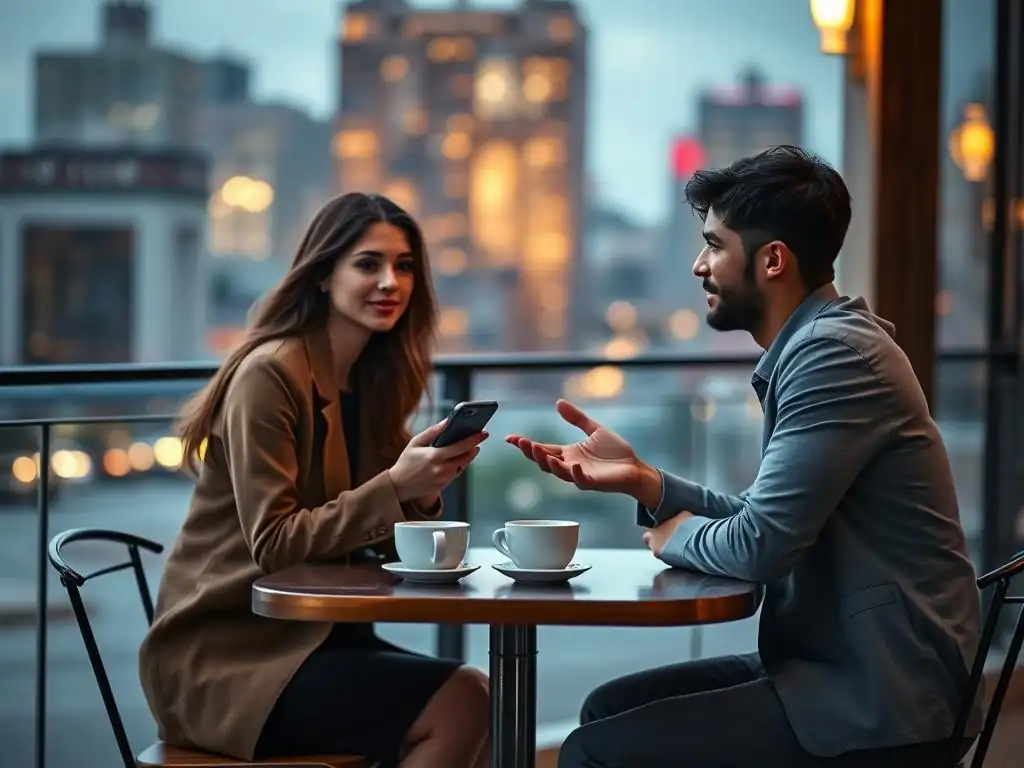
This section focuses on the crucial offline safety measures you should take before and during your first date, building upon the online safety precautions already discussed. Remember, a successful first date is one where you feel comfortable and safe. Prioritizing your well-being is paramount. Let's delve into practical steps to ensure a positive and secure experience.
Choosing a Public Place: Safety in Numbers and Visibility
The location of your first date significantly impacts your safety. Opting for a well-lit, public place is crucial for minimizing risks. Think bustling coffee shops, popular restaurants with outdoor seating, or even a museum. These locations offer several advantages related to online dating safety first date:
- Increased Visibility: The higher the foot traffic, the more likely it is that someone will notice any unusual behavior. This acts as a powerful deterrent against potential harm.
- Easy Escape Route: A public place provides numerous exit strategies should you feel uncomfortable. You're not trapped in a secluded area.
- More Witnesses: In case of an emergency, there's a greater chance that witnesses can intervene or assist you.
Avoid secluded spots, private residences, or poorly lit areas on your first date. Remember, your safety and comfort should always be the top priority. Consider the overall atmosphere – a place where you feel relaxed and confident adds to the positive experience. Trust your instincts; if a location doesn't feel right, don't hesitate to suggest an alternative.
Letting Someone Know Your Plans: Sharing Your Itinerary for Peace of Mind
Before your first date, share your itinerary with a trusted friend or family member. This simple step provides an extra layer of security and peace of mind. Provide them with:
- The name of the person you're meeting: Include their phone number and any other contact information you've exchanged.
- The date, time, and location of the date: Be specific about the venue and any planned activities.
- Your expected return time: Let them know when you anticipate being home.
- A way to check in: Agree on a method for you to check in during or after the date. This could be a simple text message, a phone call, or using a location-sharing app.
This isn't about being overly cautious; it's about proactive safety. Keeping someone informed allows them to intervene if you don't check in as planned. This proactive approach significantly enhances online dating safety first date. Consider this a crucial aspect of responsible dating.
Transportation Safety: Planning Your Commute Securely
How you get to and from your date is another critical aspect of online dating safety first date. Avoid relying on your date for transportation, especially on a first meeting. Maintain your independence by driving yourself, using ride-sharing services, or taking public transportation.
- Driving Yourself: This gives you complete control over your departure and arrival.
- Ride-Sharing Services: Use reputable apps and share your trip details with your trusted contact.
- Public Transportation: Choose well-lit and populated routes, and be aware of your surroundings.
If your date offers to pick you up, politely decline, emphasizing your preference for independent transportation. Your safety shouldn't be compromised for politeness. Remember, prioritizing your well-being is a sign of self-respect and responsible decision-making. This contributes to a more positive and secure online dating experience.
Trust Your Instincts: Recognizing Warning Signs on a First Date
Your gut feeling is a powerful tool. Don't dismiss it! If something feels off, even subtly, during your first date, it's crucial to acknowledge that feeling and prioritize your safety. This could manifest in various ways. Perhaps their behavior doesn't align with their online profile, or maybe they're overly aggressive or controlling in their conversation, even subtly pressuring you to do something you're uncomfortable with.
Remember, a healthy relationship is built on mutual respect and trust, and any red flags should be taken seriously. For example, if your date consistently ignores your boundaries or tries to steer the conversation towards topics you've explicitly stated you're not comfortable discussing, this is a major warning sign. Another potential red flag is a significant discrepancy between their online persona and their in-person behavior. Perhaps their online profile portrays a charming, considerate individual, but in person, they exhibit arrogance or a lack of empathy. These inconsistencies can be indicators of manipulation or dishonesty.
Trust your intuition; it's there to protect you. If you feel uneasy, don't hesitate to end the date early, regardless of how polite or accommodating you might feel obligated to be. Your safety and well-being are paramount. Remember, a first date should be enjoyable and reassuring, not a source of anxiety or discomfort.
Setting Boundaries and Saying No: Assertiveness for Safety
Setting clear boundaries is non-negotiable for online dating safety, especially on a first date. This means communicating your comfort levels proactively and assertively. Before the date, decide on your limits regarding physical contact, alcohol consumption, location, and the length of the date itself. Communicate these boundaries clearly and directly to your date, preferably before the date itself, but certainly early in the interaction if not pre-arranged. For example, you might say, "I'm not comfortable going back to your place on our first date," or "I'd prefer to keep our drinks to a moderate level."
Saying "no" firmly and confidently is equally important. If your date suggests something that makes you uncomfortable, don't hesitate to refuse. A simple, direct "No, thank you," is often sufficient. If they pressure you further, it's a sign that they are disregarding your boundaries, which is a significant red flag. Remember, you are not obligated to justify your decisions or apologize for prioritizing your safety and comfort.
Assertiveness doesn't mean being rude; it means being clear and firm about your needs and limits. Practicing these skills beforehand will empower you to navigate potentially challenging situations with confidence and protect yourself. Your personal safety is your responsibility, and setting boundaries is a crucial step in maintaining it. Don't be afraid to end the date if your boundaries are consistently ignored or disrespected. This demonstrates self-respect and sends a clear message that you will not tolerate disrespectful behavior.
Online Dating Safety First Date: Post-Date Security Measures

This section focuses on the crucial steps to take after your first date, ensuring your online and offline safety remains a priority. Remember, even a seemingly perfect date can harbor unforeseen risks. Proactive measures are key to maintaining your privacy and well-being in the online dating world. The goal is to navigate the post-date phase with confidence and control, minimizing potential vulnerabilities. Let's delve into specific strategies to protect yourself.
After a first date, it's essential to review the information you shared. Did you reveal your full address, workplace, or other sensitive details? Many people inadvertently overshare, especially when feeling a connection. Consider the information disclosed and assess its potential impact. For example, casually mentioning your daily commute might inadvertently reveal your home location to someone you don't fully trust.
It's also important to analyze your online presence. Did you tag the location of your date on social media? If so, consider removing the tag or adjusting your privacy settings to limit who can see your location history. Even if you felt comfortable sharing certain details during the date, reassessing this information afterward allows for a more considered approach to your privacy.
Remember, the goal isn't to be paranoid, but to be proactive. A thorough review of shared information and online activity helps you maintain control over your personal data and minimizes potential risks. Think of it as a routine security check—essential for navigating online dating safely. This practice reduces your vulnerability and empowers you to maintain a sense of control.
Maintaining Privacy After the Date: Protecting Your Personal Data
Following a first date, consciously manage the information you share online. Avoid posting pictures or details that could easily identify your home or workplace. This includes avoiding geotagging your photos and being mindful of the background in any pictures you share on social media.
Consider reviewing your privacy settings on all social media platforms. Ensure only trusted individuals can access your location, contact information, and other personal details. Regularly reviewing and adjusting these settings is crucial to maintaining a strong privacy shield.
Furthermore, be cautious about sharing personal information through messaging apps. Avoid sending sensitive details, such as your full address or financial information, even if you feel a connection with the person. Remember, online interactions don't always accurately reflect offline reality. A cautious approach protects your privacy and well-being.
Reporting Suspicious Behavior: Knowing Where to Turn for Help
If you experience any suspicious or concerning behavior during or after a date—whether it's online harassment, unwanted contact, or threatening behavior—report it immediately. Most dating platforms have robust reporting mechanisms. Utilize these features to flag inappropriate behavior and ensure the platform takes appropriate action.
Beyond the dating platform, consider reporting concerning behavior to the relevant authorities. If the behavior constitutes harassment or a threat, contact your local law enforcement or relevant support organizations. Don't hesitate to seek help; your safety is paramount. Remember, you're not alone, and there are resources available to support you. Taking this step is crucial for your safety and well-being. Knowing where to turn for help empowers you and ensures appropriate action is taken.
Online Dating Safety First Date: Creating a Safer Online Dating Experience
This section focuses on proactive strategies to enhance your safety when embarking on a first date stemming from an online connection. Remember, prioritizing your well-being is paramount. The goal is to enjoy the experience while minimizing potential risks. This isn't about being paranoid, but rather intelligent and prepared. Let's explore practical steps to navigate the online dating world with increased confidence.
Vetting Profiles: Identifying Potential Red Flags
Thoroughly reviewing profiles is the first line of defense in online dating safety. Don't rush this process; take your time and look for inconsistencies or warning signs. A profile lacking photos, offering vague descriptions, or filled with generic statements should raise a red flag. Be wary of profiles that seem too good to be true – unrealistic perfection is often a mask.
Pay close attention to the language used. Aggressive, overly possessive, or controlling language is a major red flag. Similarly, profiles that excessively focus on material possessions or boast about wealth may indicate ulterior motives. Look for inconsistencies – a person claiming to be a doctor but with a profile picture that looks nothing like a professional photo.
Here's a handy checklist for profile vetting:
| Feature | Red Flag | Green Flag |
|---|---|---|
| Photos | Few or no photos; overly filtered images | Multiple, natural-looking photos |
| Bio | Vague, generic, or inconsistent information | Detailed, honest, and specific information |
| Language | Aggressive, possessive, or controlling tone | Respectful, friendly, and open communication |
| Information | Missing or contradictory details | Consistent and verifiable information |
Remember, your intuition is a powerful tool. If something feels off, it likely is. Trust your gut feeling and don't hesitate to move on to another profile. A little skepticism can save you a lot of potential trouble. Prioritizing your safety in online dating is key to a positive experience.
Slow and Steady Communication: Building Trust Gradually
Don't divulge personal information too quickly. Avoid sharing your full name, address, workplace, or other sensitive data until you've had several conversations and feel comfortable with the person. Start with general topics and gradually reveal more about yourself as you build trust.
Consider using a separate email address or phone number specifically for online dating to maintain your privacy. This creates a buffer between your personal life and your online dating interactions. This simple strategy significantly reduces the risk of unwanted contact or harassment.
Avoid sharing intimate details or personal photos prematurely. Remember, building a genuine connection takes time. Rushing the process can compromise your safety and hinder the development of a healthy relationship. Online dating safety necessitates patience. Take things slow, and don't feel pressured to share more than you're comfortable with.
Video Chatting Before Meeting: Adding an Extra Layer of Verification
Before agreeing to an in-person date, suggest a video chat. This allows you to verify the person's identity and appearance, ensuring they match their online profile. A simple video call adds a significant layer of security and helps to reduce the risk of catfishing or encountering someone who misrepresented themselves.
During the video chat, pay attention to their demeanor and body language. Are they responsive and engaging? Does their personality align with their online persona? If anything feels inconsistent or makes you uncomfortable, trust your instincts and reconsider the date. Remember, your safety is the priority.
Video chatting is a proactive step towards ensuring a safe and positive first date. It's a simple yet effective way to verify the person you're communicating with and protect yourself from potential harm. Prioritizing online dating safety should always be a top concern.
Frequently Asked Questions
How can I ensure my safety during my first online dating meeting?
Always choose a public place for your first date where you can easily leave if needed. Let a friend or family member know where you're going, who you're meeting, and when you expect to be back. Trust your instincts; if something feels off, leave.
What information should I avoid sharing online before a first date?
Avoid sharing personal details like your full address, workplace address, or exact location until you've met and feel comfortable. Don't post pictures that reveal too much about your daily routine. Protect your privacy as much as possible.
What are some red flags to watch out for during online communication?
Be wary of anyone who is vague about their personal details, pressures you to meet quickly, or asks for financial assistance. Inconsistencies in their story or overly aggressive or demanding behavior are also significant red flags.
How can I verify the identity of someone I met online before meeting in person?
Try to verify information they've shared through social media or other online sources. A quick online search can sometimes reveal inconsistencies or red flags. Video chatting before an in-person meeting can also help build trust and verify their identity.
What should I do if I feel unsafe on a first date?
Have an exit strategy planned. Call a friend or family member and let them know you need help. If you feel truly threatened, contact the authorities immediately. Your safety is paramount.
The ease of connecting online has revolutionized dating, but it's also introduced new complexities and potential dangers. Maintaining safety, both online and offline, is no longer a luxury but a necessity for anyone navigating the world of modern romance. This isn't about fear-mongering; it's about empowerment – equipping ourselves with the knowledge and tools to make informed choices and protect ourselves.
The impact of online dating on our social landscape is undeniable, shaping how we meet partners and build relationships. It's a double-edged sword: offering incredible opportunities for connection while simultaneously presenting unique challenges to our privacy and safety. The constant evolution of technology demands constant vigilance. As the poet Maya Angelou wisely said, Nothing can dim the light which shines from within.
Protecting ourselves allows that inner light to shine brightly, free from the shadows of fear and exploitation. We must remain proactive in our approach to safety, adapting to the ever-changing digital world.
Consider the information shared in this article – from verifying profiles to choosing safe meeting places – and integrate these practices into your dating life. You deserve to feel safe and empowered on your dating journey. Don't let fear dictate your choices, but let knowledge guide your decisions. Take control of your online presence, be mindful of your personal information, and prioritize your well-being above all else. Embrace the exciting possibilities of modern dating, but always remember to prioritize your safety and security.
Ready to Date Safely and Confidently?
Thank you for learning about first date safety! We hope you feel empowered to navigate the dating world with confidence. Let's put this knowledge into practice.
- Prioritize your safety: Before your next date, review the safety tips you've learned and create a personalized safety plan. This could involve sharing your location with a friend or family member, or setting up a check-in system.
- Share your insights: Have you developed other valuable safety strategies? Share your tips in the comments below – your experience could help others feel safer and more confident.
- Explore further: Consider researching additional resources on online safety and building healthy relationships. Continuously learning about safety is crucial.
What's one small step you can take today to improve your first-date safety?