
First Date Compatibility: Understanding the Nuances of a Good Fit


Ready to unlock the secrets to a thriving online dating experience? At OnlineDatingSuccess.org, we empower you to build meaningful connections. Navigating the world of online dating can be tricky, but it doesn't have to be. This site is your guide to crafting a compelling profile, mastering effective communication, and, most importantly, identifying first date compatibility signs that signal a genuine connection. Are you ready to discover if your next date holds the potential for something truly special? Let's dive in!
- Recognizing Early Signs of Compatibility on a First Date
- Beyond the Surface: Deeper Compatibility Factors
- First Date Compatibility: Red Flags to Watch Out For
- Building a Strong Foundation: Fostering Compatibility After the First Date
- First Date Compatibility: When to Move On
-
Frequently Asked Questions
- What are some early signs of compatibility on a first date?
- How can I tell if someone's being genuine on a first date?
- What if I don't feel a spark on the first date? Is it a lost cause?
- What are some dealbreakers to watch out for on a first date?
- How important is physical attraction in determining first date compatibility?
- Final Reflection: The Enduring Quest for Connection
- Unlock Your Dating Potential: Find Your Perfect Match
Recognizing Early Signs of Compatibility on a First Date
Navigating the world of online dating can feel like deciphering a complex code, but the ultimate goal remains the same: finding a meaningful connection. While a successful online profile and engaging communication are crucial first steps, the true test often lies in that first date. This article delves into the subtle yet significant signs of compatibility that can emerge during this initial encounter, helping you discern whether you've found a potential match or not.
Understanding these nuances can alleviate the anxieties often associated with first dates and empower you to make informed decisions about pursuing a relationship. We'll explore key indicators, from shared values and communication styles to nonverbal cues, equipping you to assess first date compatibility with confidence and clarity.
Remember, recognizing these signs isn't about ticking boxes; it's about feeling a genuine connection and assessing the potential for long-term compatibility. Let's dive into the essential elements of a successful first date and what they might reveal about your connection.
One of the strongest indicators of long-term compatibility lies in the alignment of core values and life goals. A first date provides a valuable opportunity to subtly explore these areas. Do you find yourselves naturally agreeing on fundamental principles regarding family, career aspirations, or personal philosophies? Do your visions for the future resonate with each other, suggesting a shared path?
For example, if one partner prioritizes extensive travel and the other dreams of settling down in a quiet suburb, a significant incompatibility might emerge. Conversely, discovering shared passions, such as a love for hiking, volunteering, or a particular type of music, can signal a deeper connection. Pay attention not just to what your date says, but also how they say it. Passion and conviction in their responses can indicate a strong sense of self and commitment to their beliefs – qualities that often translate into strong relationships.
Consider carefully how their values align with your own, and note any significant discrepancies. This initial assessment can provide valuable insight into the potential for long-term harmony. Remember, it's not about finding a perfect mirror image, but rather someone whose values complement and enrich your own.
Assessing Communication Styles and Conversational Flow
Effective communication is the bedrock of any successful relationship. A first date offers a microcosm of how future interactions might unfold. Observe the ease and fluidity of your conversation. Is the dialogue balanced, with both parties contributing equally and actively listening? Or does the conversation feel one-sided, dominated by one person?
A comfortable, engaging exchange suggests a potential for open and honest communication in the long run. Pay close attention to the quality of the conversation, not just the quantity. Do you feel understood and heard? Does your date demonstrate genuine interest in your thoughts and feelings? Conversely, is there a feeling of forced conversation, or a lack of genuine connection?
Consider also the type of humor shared. Does your sense of humor align? Do you find yourselves laughing together naturally? Shared laughter is a powerful bonding experience, and a shared sense of humor can often predict a harmonious future. The absence of easy and natural conversation, however, should be a red flag suggesting a potential incompatibility in communication styles.
Observing Body Language and Nonverbal Cues: First Date Compatibility Signals
Beyond words, nonverbal cues often reveal a deeper layer of connection or incompatibility. Observe your date's body language: Do they maintain eye contact, suggesting engagement and interest? Is their posture open and relaxed, or tense and closed off? Mirroring—subconsciously mimicking each other's body language—is a strong indicator of rapport and connection.
Are you both naturally mirroring each other's postures and gestures? Notice also small gestures like smiling, leaning in during conversation, and gentle touches. These subtle signals can speak volumes about their level of comfort and attraction. Conversely, crossed arms, averted gaze, or fidgeting might suggest discomfort or a lack of interest.
Remember that body language is complex and can vary based on individual personalities and cultural backgrounds. However, paying attention to these nonverbal cues can provide valuable insights alongside verbal communication, offering a more holistic understanding of your date’s feelings and potential compatibility. Consider the overall impression their body language conveys; does it align with their verbal communication? Inconsistencies here might warrant further consideration.
Evaluating Mutual Respect and Interest: Key First Date Compatibility Indicators
Respect and genuine interest form the bedrock of any successful relationship, and their presence (or absence) often becomes strikingly clear on a first date. Observing these crucial compatibility signs can save you time and heartache in the long run. A lack of respect can manifest in various subtle ways, from interrupting constantly to dismissing your opinions or experiences. Conversely, genuine interest is shown through active listening, thoughtful questions, and a willingness to engage in open and honest conversation.
For example, consider a date where one person dominates the conversation, barely allowing the other to speak. This imbalance immediately signals a potential incompatibility, suggesting a lack of respect for the other person's thoughts and feelings. Alternatively, a date where both individuals actively listen, ask insightful questions about each other's lives, and show genuine curiosity about their partner's passions and perspectives indicates a strong foundation of mutual respect and interest. This reciprocal engagement is a powerful indicator of first date compatibility.
Beyond just listening, look for evidence of empathy. Does your date seem genuinely interested in understanding your perspective, even if it differs from their own? Do they validate your feelings, even if they don't necessarily agree? These empathetic responses are vital in building a strong connection based on mutual understanding and respect. Conversely, a dismissive or condescending attitude, even in seemingly small ways, could be a red flag suggesting a lack of respect and potential incompatibility.
Remember, respect and interest aren't just about grand gestures; they're reflected in the small details. Did your date remember something you mentioned earlier in the conversation? Did they make an effort to engage with your interests, even if they weren't personally familiar with them? These small acts of consideration demonstrate a level of respect and interest that speaks volumes about their potential as a long-term partner.
Paying attention to these subtle cues can significantly improve your ability to identify potential first date compatibility. The absence of these indicators doesn't necessarily mean the relationship is doomed, but it warrants careful consideration before proceeding. Ultimately, cultivating a relationship built on mutual respect and interest is far more likely to lead to a fulfilling and lasting connection.
Beyond the Surface: Deeper Compatibility Factors

Finding someone attractive and engaging on a first date is exciting, but true compatibility goes far beyond initial sparks. This section delves into the deeper aspects of connection, helping you identify those crucial compatibility signs that often get overlooked in the initial flurry of first-date excitement. Understanding these nuances can significantly increase your chances of building a lasting and meaningful relationship. Recognizing these "first date compatibility signs" is key to navigating the complexities of modern dating.
Shared interests are often cited as a cornerstone of successful relationships. However, the depth and quality of these shared passions are crucial. It's not simply about listing similar hobbies; it's about understanding why you enjoy them and how those activities contribute to your overall well-being. Do you both enjoy hiking because you love nature, or is it more about the social aspect? Do your shared interests provide opportunities for shared experiences and growth, or are they merely superficial similarities?
Consider this example: Two individuals might both list "reading" as a hobby. However, one might prefer literary fiction, while the other enjoys graphic novels. While both involve reading, the depth of connection and potential for shared activities might be limited. Conversely, if both enjoy a specific genre, author, or even a book club, the potential for shared experiences and deeper connection is significantly higher. This nuanced understanding of shared interests reveals a more profound level of compatibility than a simple checklist of similar activities. Pay attention to the quality of shared interests, not just the quantity.
To assess this, try asking open-ended questions on your first date. Instead of simply stating your hobbies, ask your date about theirs, focusing on the reasons behind their enjoyment. This encourages deeper conversation and reveals the underlying values and motivations that drive your shared passions. This provides a more accurate measure of "first date compatibility signs" related to shared interests.
Assessing Emotional Intelligence and Empathy
Emotional intelligence (EQ) is often overlooked but plays a crucial role in relationship success. It's about understanding and managing your own emotions, as well as recognizing and responding appropriately to the emotions of others. A high EQ suggests self-awareness, empathy, and the ability to navigate conflicts constructively. On a first date, observe how your date handles moments of stress or disagreement. Do they respond defensively, or do they demonstrate self-control and understanding?
Look for signs of empathy. Do they actively listen and show genuine interest in your thoughts and feelings? Do they validate your experiences, even if they don't necessarily agree with them? Conversely, a lack of empathy might manifest as dismissive behavior, interrupting, or a failure to acknowledge your emotional state. These are important "first date compatibility signs" that can predict the potential for future conflicts and the overall health of the relationship. Recognizing these subtle cues can help you assess the emotional compatibility you seek.
For instance, consider a situation where the conversation turns to a sensitive topic. Does your date respond with understanding and compassion, or do they become dismissive or judgmental? This can be a telling indicator of their emotional intelligence and ability to empathize. This is a key element in the "first date compatibility signs" checklist when building a healthy and supportive relationship.
Understanding Personal Boundaries and Expectations
Healthy relationships are built on mutual respect and clear communication. This includes respecting each other's personal boundaries and having realistic expectations. During a first date, pay close attention to how your date communicates their limits and preferences. Do they express their needs assertively and respectfully, or do they seem hesitant or passive? Similarly, observe how they respond to your boundaries. Do they respect your limits, or do they try to push or ignore them?
Consider this scenario: You express a preference not to discuss past relationships on a first date. A compatible partner will respect that boundary, even if they are curious. Conversely, someone who ignores your boundaries or attempts to pressure you into uncomfortable conversations might not be a good fit.
This demonstrates a critical aspect of compatibility: the ability to respect each other's autonomy and personal space. Observing these "first date compatibility signs" relating to boundaries can be highly predictive of future relationship dynamics. Understanding and respecting boundaries is a fundamental element of building a successful and healthy relationship, hence a vital component of first date compatibility.
Evaluating Long-Term Compatibility Potential: Beyond the First Date
First date compatibility signs often focus on immediate chemistry and connection. However, true compatibility extends far beyond the initial spark. Identifying long-term potential requires a more nuanced approach, looking beyond surface-level attractions to assess deeper values, life goals, and communication styles. This isn't about predicting the future, but rather gathering insightful information to make informed decisions about pursuing a relationship. Consider it an investigative process, not a judgment call.
One key aspect is understanding each other's values. Do you share fundamental beliefs about family, career, and personal growth? Discrepancies aren't necessarily deal-breakers, but significant differences in core values can lead to friction down the line. For instance, if one person prioritizes financial security above all else while the other values experiences and travel, potential conflict arises regarding resource allocation and life choices. Openly discussing these values, even if it feels slightly uncomfortable, is crucial for assessing long-term compatibility. The goal isn't to find a perfect match, but to understand potential areas of synergy and divergence.
Another crucial factor is examining your communication styles. Did you feel comfortable expressing your thoughts and feelings on the first date? Was there mutual respect and understanding during conversations? Effective communication is the bedrock of any lasting relationship. Observe how your date responds to differing opinions or challenging situations. Are they defensive, dismissive, or open to constructive dialogue? The ability to navigate disagreements respectfully and constructively is a strong indicator of long-term potential. Consider how the conversation flowed; did it feel forced, or did it progress naturally and easily?
Furthermore, it's important to assess your life goals and aspirations. Do your individual visions for the future align, at least in broad strokes? While it's unlikely that two people will have identical life plans, a significant clash in long-term ambitions can create conflict. For example, if one person dreams of a nomadic lifestyle while the other desires a settled family life in a specific location, this incompatibility could become a major point of contention.
Honest discussions about career goals, desired family size, and long-term geographical preferences are essential for gauging long-term compatibility. Remember, it's about finding common ground and understanding potential challenges proactively. This stage involves a bit of self-reflection too; do your long-term goals align with what you're observing in your date?
Finally, pay attention to how you feel after the date. Did you feel energized and inspired, or drained and uncertain? Intuition plays a significant role in assessing compatibility. Listen to your gut feeling, and don't dismiss subtle cues that might indicate a mismatch in values or communication styles.
Trust your instincts – they often provide valuable insights that rational analysis might miss. A healthy relationship should leave you feeling supported, understood, and optimistic about the future, not anxious or apprehensive. The first date is just the beginning of a longer journey; understanding the signs of long-term compatibility will help you navigate that journey with greater clarity and confidence.
First Date Compatibility: Red Flags to Watch Out For
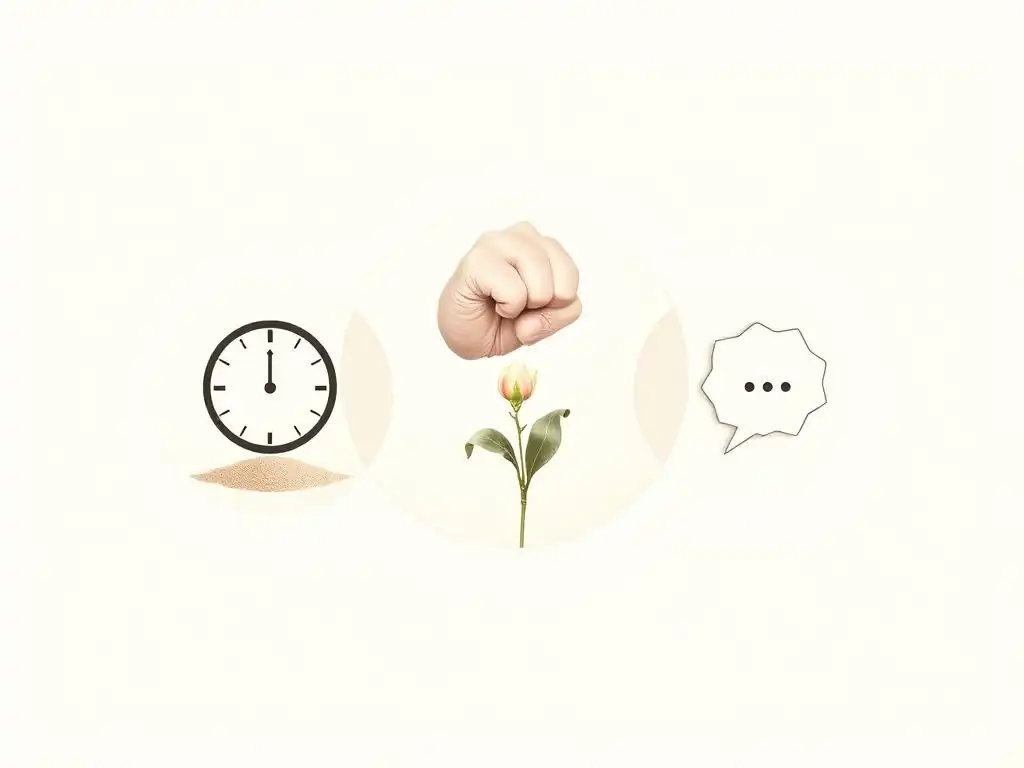
Finding compatibility on a first date is crucial for building a meaningful connection. While initial attraction is important, paying attention to certain red flags can save you time and potential heartache. Understanding these warning signs can help you assess first date compatibility signs more accurately, leading to better relationship choices. This section focuses on identifying potential incompatibilities early on, empowering you to make informed decisions about pursuing a relationship.
Inconsistent Words and Actions: Recognizing Discrepancies
One of the strongest indicators of incompatibility is a mismatch between what someone says and how they behave. This discrepancy reveals a potential lack of integrity or self-awareness. For example, someone might profess a love for outdoor activities but spends their weekends glued to the TV. Or, they might talk about valuing honesty and trustworthiness, yet you notice inconsistencies in their stories or a tendency to exaggerate. These discrepancies aren't always intentional lies; sometimes, they reflect a disconnect between their ideal self and their actual behavior.
Pay close attention to these subtle inconsistencies. Do their actions align with their words? If not, it's a significant first date compatibility sign indicating potential incompatibility. Consider these examples:
- Example 1: They express a deep commitment to environmental sustainability but drive a gas-guzzling SUV and show no interest in recycling.
- Example 2: They claim to be highly organized and efficient but arrive late to the date without explanation or apology.
- Example 3: They vehemently denounce gossiping but spend a significant portion of the date talking negatively about others.
Remember, these inconsistencies aren't necessarily deal-breakers, but they warrant careful consideration. They might indicate a lack of self-awareness or a tendency toward superficiality. A healthy relationship requires congruence between words and actions, building a foundation of trust and reliability.
Negative or Disrespectful Behavior: Identifying Warning Signs
Negative or disrespectful behavior, even in seemingly minor ways, can be a major first date compatibility sign. This includes being rude to service staff, making demeaning comments about others, or displaying a generally cynical or pessimistic outlook. Such behavior often reveals deeper personality traits that might be difficult to change. For instance, someone who is consistently critical or dismissive of others might bring that negativity into the relationship. Consider these warning signs:
- Consistently complaining: Do they find fault with everything around them, from the restaurant to the weather? Chronic complaining is exhausting and rarely a good sign.
- Disrespectful language: Do they use offensive language or make derogatory comments about people based on their background, appearance, or beliefs?
- Lack of empathy: Are they unable or unwilling to show understanding or compassion towards others, even in simple situations?
These behaviors are not simply bad manners; they often reflect a lack of respect for others and a difficulty in building healthy relationships. While a single instance of rudeness might be excusable, a pattern of negative or disrespectful behavior is a strong indicator of incompatibility.
Lack of Genuine Interest or Engagement: A Sign of Incompatibility
A lack of genuine interest or engagement is another critical first date compatibility sign. This might manifest as disinterest in getting to know you, interrupting frequently, or constantly checking their phone. These actions suggest a lack of respect for your time and a disinterest in building a connection. Consider these indicators:
- Minimal eye contact: Avoiding eye contact can signal disinterest or discomfort. While some people are naturally shy, persistent avoidance of eye contact can be a red flag.
- Dominating the conversation: Do they primarily talk about themselves, rarely asking you questions or showing interest in your responses?
- Frequent interruptions: Do they repeatedly interrupt you, showing a lack of respect for your thoughts and feelings?
- Distracted behavior: Are they constantly checking their phone or looking around the room, clearly not fully present in the conversation?
These behaviors are significant first date compatibility signs suggesting a lack of genuine interest and investment in getting to know you. While nerves can play a role, a persistent lack of engagement points to a potential incompatibility. Building a successful relationship requires mutual interest and a willingness to invest time and energy in getting to know each other. If you feel consistently unheard or unseen, it's a clear signal that the connection might not be a good fit.
Feeling Pressured or Uncomfortable: Prioritizing Your Well-being
Feeling pressured or uncomfortable on a first date is a significant red flag, indicating a potential incompatibility or, worse, a dangerous situation. Your safety and emotional well-being should always be your top priority. A successful date should leave you feeling positive and excited, not stressed or anxious. Genuine compatibility fosters a sense of ease and mutual respect, not coercion or manipulation.
Consider the subtle cues: Is your date pushing you to share more personal information than you're comfortable with? Are they ignoring your boundaries or trying to subtly control the conversation? Do you feel rushed or pressured into making decisions you're not ready for, like committing to a second date before you've even finished the first? These are all warning signs that the dynamic isn't healthy. Trust your instincts; if something feels off, it probably is. Remember, a good date involves mutual respect for personal space and boundaries. A date should never leave you feeling violated or disrespected.
It's crucial to remember that you have the right to leave a date at any time, regardless of the circumstances. Your comfort and safety are paramount. If you feel uncomfortable, don't hesitate to excuse yourself politely and leave. Having a pre-arranged safety plan, such as letting a friend know your date's details and your estimated return time, can also provide extra peace of mind. Prioritizing your well-being doesn't make you hesitant or picky; it makes you smart and self-aware.
A healthy relationship begins with respecting your own needs and boundaries. Don't compromise your well-being for a date, no matter how charming they may seem. Remember, true compatibility involves mutual respect and consideration. A first date should be enjoyable and leave you feeling empowered, not depleted.
Building a Strong Foundation: Fostering Compatibility After the First Date
First date compatibility signs aren't always immediately obvious. A successful first date is just the beginning; building a strong foundation requires conscious effort and understanding. It's about recognizing the subtle cues and actively nurturing the connection established during that initial meeting. This section explores key strategies for fostering compatibility beyond the first date, transforming a promising encounter into a potentially meaningful relationship. Remember, genuine connection takes time and consistent effort.
Maintaining Open and Honest Communication
Open and honest communication is the bedrock of any successful relationship, and this is especially crucial in the early stages. After a first date, don't shy away from expressing your thoughts and feelings, both positive and negative. Did you enjoy the date? What aspects resonated with you? What, if anything, felt off? Sharing these observations, even if they’re not overwhelmingly positive, allows for a deeper understanding and helps build trust.
Avoid playing games or sending mixed signals. Direct and respectful communication fosters a healthy dynamic, paving the way for a more fulfilling relationship. For example, instead of saying "I had a great time, maybe we could do this again sometime? ", try something more specific like: "I really enjoyed our conversation about [shared interest]. I'd love to explore that further.
Are you free for coffee next week?". This shows genuine interest and sets clear expectations. Honest communication also means being receptive to your date's feedback. Actively listen to their perspective and respond thoughtfully. This mutual exchange of honesty is a significant indicator of long-term compatibility.
Following a successful first date, planning subsequent dates is crucial for maintaining momentum and deepening the connection. Instead of simply suggesting another generic dinner date, focus on activities that reflect shared interests identified during the first meeting. Did you both express a love for hiking? Plan a hike! Are you both passionate about a specific type of music? Attend a concert or explore a local music venue.
Tailoring dates to shared interests demonstrates attentiveness and strengthens the bond. This approach ensures you're not just spending time together, but actively engaging in experiences you both genuinely enjoy. For instance, if you discovered a shared love for independent films, consider attending a film festival or visiting an art house cinema. This thoughtful approach shows you value their preferences and are invested in building a connection beyond superficial interactions. Remember, compatibility is often built through shared experiences and meaningful interactions.
Respecting Each Other's Needs and Boundaries
Respecting each other's needs and boundaries is paramount for fostering a healthy and sustainable relationship. Even in the initial stages, it's important to be mindful of individual preferences and comfort levels. Don't push for more intimacy than your date is comfortable with. Pay attention to their verbal and nonverbal cues. Are they hesitant to share certain information?
Do they seem uncomfortable with certain topics of conversation? Respect their space and boundaries. Open communication about boundaries is essential. For example, if one person is not ready for a physical relationship, that should be respected without pressure or judgment.
Similarly, respecting each other's schedules and commitments demonstrates consideration and maturity. This mutual respect is a cornerstone of long-term compatibility, building a foundation of trust and understanding that extends beyond the first date. Ignoring these signals can lead to misunderstandings and potentially damage the developing relationship. Prioritizing mutual respect is a strong indicator of a healthy and lasting connection.
Assessing Long-Term Potential and Relationship Goals
Understanding long-term potential on a first date isn't about predicting the future; it's about discerning compatibility in core values and life aspirations. This involves subtle observation and insightful questioning, rather than direct interrogation. Do their responses regarding future plans align with your own? For example, if you envision a family and a stable home life, and they express a desire for constant travel and career-focused independence, a fundamental incompatibility might emerge. It's not about finding an identical match, but identifying a shared vision for the future, however broad.
Observe how they talk about their ambitions – are they realistic and grounded, or overly idealistic and detached from reality? This can reveal much about their approach to life and relationships. Consider their responses to hypothetical scenarios, such as unexpected life changes or career setbacks. Do they display resilience and adaptability, qualities crucial for navigating the ups and downs of a long-term relationship? A compatible partner will share your values regarding family, finances, and personal growth, even if the specifics of how those values manifest differ.
Look for signs of emotional maturity and a willingness to compromise – essential ingredients for a lasting relationship. Remember, this isn't about ticking boxes; it's about feeling a sense of shared direction and mutual respect for each other's aspirations. The first date is a starting point, offering glimpses into the potential for a harmonious future together. Pay attention to the subtle cues: do their words and actions suggest a compatible path towards a shared future?
First Date Compatibility: When to Move On

Finding a romantic partner in the online dating world can be exhilarating, but it also requires discernment. Knowing when to move on after a first date is crucial for saving time and emotional energy. While initial attraction is important, true compatibility goes much deeper. This section focuses on identifying those subtle, yet significant, signs that a second date might not be necessary, helping you navigate the complexities of first date compatibility signs.
Recognizing Irreconcilable Differences
Sometimes, the incompatibility is glaring. Perhaps their values clash significantly with yours—for example, you're passionate about environmental sustainability, while they openly dismiss climate change concerns. Or maybe their life goals are diametrically opposed to your own—you envision a family and a stable home life, while they prioritize travel and a nomadic lifestyle. These fundamental differences are often difficult, if not impossible, to bridge. Don't waste time trying to force a connection where none truly exists. Recognizing these irreconcilable differences early on is a sign of self-respect and a key element in assessing first date compatibility signs.
Consider this example: You're a vegetarian committed to animal welfare, and your date casually mentions their love for foie gras. This seemingly small detail might reveal deeper inconsistencies in your values and lifestyles. It's not about judging their choices, but about recognizing whether those choices align with your own. Similarly, if their political views are radically different from yours and these views are fundamentally important to you, that's a major first date compatibility sign to consider.
Another crucial area to examine is communication styles. If your date consistently interrupts you, dismisses your opinions, or demonstrates a lack of active listening, it could signal a problematic communication pattern. Effective communication is the cornerstone of any healthy relationship, and a first date offers a valuable glimpse into this dynamic.
Understanding Your Own Needs and Desires
Before even embarking on a first date, taking the time for self-reflection is invaluable. What are your non-negotiables in a partner? What are your dealbreakers? Understanding your own needs and desires allows you to assess a potential match more objectively. Are you seeking a long-term partner, a casual relationship, or something in between? Being clear about your goals helps you filter potential partners and avoid wasting time on dates that are unlikely to lead to what you want. This self-awareness is critical in identifying first date compatibility signs.
For instance, if you value intellectual stimulation and your date spends the entire evening scrolling through their phone, that’s a significant indicator. Similarly, if you crave adventure and your date expresses a preference for staying home every night, it might signal a mismatch in lifestyles. These seemingly small discrepancies can point toward larger compatibility issues. Prioritize those aspects of a relationship that are deeply important to you.
Prioritizing Your Emotional Well-being
Dating can be emotionally taxing. Remember to prioritize your own well-being throughout the process. If a first date leaves you feeling drained, uncomfortable, or disrespected, that's a crucial first date compatibility sign. Don't force a connection out of obligation or fear of missing out. Trust your intuition; your feelings are valid indicators of compatibility.
Sometimes, the "red flags" are subtle—a dismissive tone, an unwillingness to compromise, or a lack of genuine interest in getting to know you. These subtle yet significant cues can often be overlooked, but they are essential in assessing first date compatibility signs. Don't minimize these feelings; they are important signals guiding you toward relationships that nourish your emotional well-being.
Prioritizing your emotional health means knowing when to gracefully exit a situation that isn't serving you. Remember, a successful date isn't just about finding a potential partner; it's about respecting yourself and your emotional needs. This self-respect is paramount in the journey of finding genuine compatibility.
Knowing When to End a Relationship that Lacks Compatibility
Recognizing incompatibility early on can save you significant emotional investment and heartache down the line. While initial attraction is important, lasting compatibility hinges on shared values, life goals, and communication styles. Many people mistakenly cling to a relationship hoping things will magically change, but ignoring persistent incompatibility often leads to resentment and unhappiness. It's crucial to understand that wanting something to work doesn't always make it so. Sometimes, the best course of action is to acknowledge the mismatch and move forward.
This isn't about giving up easily; it's about self-respect and recognizing your worth. Consider the frequency and intensity of disagreements. Are you constantly finding yourselves at odds over fundamental aspects of life, such as career aspirations, family planning, or financial habits? Persistent conflict, even over seemingly minor issues, can signal a deeper incompatibility. These conflicts aren't merely disagreements; they represent fundamental differences in perspectives that are unlikely to reconcile themselves. Remember, a healthy relationship shouldn't feel like a constant battle.
Furthermore, pay close attention to your emotional well-being. Do you consistently feel drained, anxious, or unhappy after interacting with your date? A relationship should be a source of support and joy, not stress and negativity. Ignoring these feelings in the hope that things will improve is a common mistake. Instead, consider the cumulative effect of these negative emotions. Are you starting to doubt yourself or question your own judgment? These are significant red flags suggesting the relationship may be fundamentally unhealthy for you.
Finally, evaluate the level of effort required to maintain the relationship. Are you constantly compromising your values or needs to accommodate your date? A healthy relationship involves mutual respect and compromise, but it shouldn't feel like you're constantly sacrificing your own happiness or identity.
If you find yourself consistently bending over backward to appease your partner, it's a clear indication that the relationship is imbalanced and unsustainable in the long run. Remember, recognizing incompatibility doesn't mean failure; it means making a conscious choice to prioritize your own well-being and find a relationship built on mutual respect and understanding. The ability to recognize and act upon incompatibility is a sign of emotional maturity and self-awareness—qualities that are essential for building truly fulfilling relationships.
Frequently Asked Questions
What are some early signs of compatibility on a first date?
A good sign is easy conversation and a shared sense of humor. If you feel comfortable and genuinely enjoy each other's company, that's a positive indicator. Mutual respect and genuine interest in getting to know each other are also key.
How can I tell if someone's being genuine on a first date?
Observe their body language; are they engaged and making eye contact? Listen for consistency between their words and actions. Do their stories seem authentic and relatable? Be mindful of any red flags.
What if I don't feel a spark on the first date? Is it a lost cause?
Not necessarily. Sometimes, a connection develops gradually. Consider if there were any positive aspects to the date, such as shared interests or values. Honest self-reflection can help determine if a second date is warranted.
What are some dealbreakers to watch out for on a first date?
Major red flags include disrespect, dishonesty, or controlling behavior. Pay attention to how they treat service staff and listen carefully to their values and beliefs. Trust your instincts; if something feels off, it probably is.
How important is physical attraction in determining first date compatibility?
Physical attraction is important, but it shouldn't be the only factor. Stronger connections often develop when there's a blend of physical attraction, shared interests, and mutual respect. Emotional compatibility is crucial for long-term success.
Final Reflection: The Enduring Quest for Connection
The search for compatibility on a first date isn't just about finding a fleeting spark; it's about laying the groundwork for meaningful connection. Understanding the subtle signs of compatibility—from shared values to complementary communication styles—can significantly impact the trajectory of a relationship. This isn't merely a dating game; it's a fundamental aspect of human interaction, influencing our happiness and well-being.
The exploration of first-date compatibility has profoundly shaped my understanding of relationships, highlighting the importance of self-awareness and genuine communication. It's not simply about ticking boxes on a checklist; it's about recognizing the nuances of human interaction and appreciating the unique tapestry of each individual. The most important thing in communication is hearing what isn't said.
– Peter Drucker. This quote underscores the need to observe body language, unspoken cues, and the overall energy exchange during a first date, often revealing more than words alone.
So, as you reflect on your own dating experiences, consider the subtle signs you've encountered. What resonated with you, and what felt off? Don't be afraid to trust your intuition and prioritize genuine connection over superficial attraction. Embrace the journey of self-discovery and the ongoing quest for compatibility, knowing that finding a good fit is a process of learning, growing, and ultimately, celebrating the unique beauty of human connection. The right connection is worth the effort, and understanding the signs can make all the difference.
Unlock Your Dating Potential: Find Your Perfect Match
Thank you for exploring the world of first-date compatibility! We hope you've gained valuable insights into building stronger, more meaningful connections. Now it's time to put that knowledge into action.
Here's how you can take the next step:
- Reflect on your ideal partner: Identify your three most important non-negotiable qualities in a partner and consider past dating experiences, using the tips provided as a guide. This self-reflection is crucial for future success.
- Update your dating profile: Highlight the qualities you value most to attract compatible matches from the outset. This will ensure you connect with people who share your priorities.
- Share your key takeaway: Let's learn from each other! Share your biggest "aha!" moment from today's discussion in the comments below.
What's one small change you'll make to improve your dating experience, based on what you've learned?