
Healthcare Professionals & Online Dating: Finding Balance Between Work and Love


Ready to find love without compromising your career? At OnlineDatingSuccess.org, we understand the unique challenges healthcare professionals face when navigating the world of online dating. Dating safely as a healthcare professional requires a different approach, and we're here to equip you with the practical strategies you need to succeed. Discover how to craft a compelling profile, communicate effectively while respecting boundaries, and prioritize your safety—all while building meaningful connections. Dive in and learn how to balance your demanding career with a thriving love life!
- Navigating the Challenges: Online Dating for Healthcare Workers
-
Strategies for Successful Online Dating as a Healthcare Professional
- Creating a Compelling Profile: Highlighting Your Personality Beyond Your Profession
- Choosing the Right Dating Platform: Finding a Match for Your Lifestyle and Preferences
- Communicating Effectively: Balancing Professionalism and Personal Connection
- Setting Boundaries: Protecting Your Time and Energy While Dating
- Managing Online Safety Concerns: Protecting Yourself from Scams and Harassment
- Dating Safely Healthcare Professionals: Practical Tips and Advice
-
Building Healthy Relationships While Maintaining a Professional Life
- Balancing Work and Relationship Time: Effective Time Management Strategies
- Communicating Openly with Your Partner About Your Career
- Seeking Support: Utilizing Resources for Healthcare Professionals
- Prioritizing Self-Care: Maintaining Wellbeing in a Demanding Profession
- Long-Term Relationship Strategies for Healthcare Professionals
-
Frequently Asked Questions
- How can healthcare professionals stay safe while online dating?
- What are some effective strategies for balancing a demanding healthcare career with online dating?
- How can I create an online dating profile that attracts other healthcare professionals?
- What are some conversation starters suitable for healthcare professionals on dating apps?
- Are there any specific online dating platforms better suited for healthcare professionals?
- Final Reflection: Bridging the Gap: Healthcare, Hearts, and Healthy Relationships
- Ignite Your Love Life: Finding Balance and Connection in a Demanding Career
The demanding world of healthcare often leaves little room for personal life, making the pursuit of romance a significant challenge. For healthcare professionals, finding time for dating, let alone building meaningful relationships, can feel like an uphill battle. This article explores the unique hurdles faced by doctors, nurses, and other medical professionals navigating the online dating landscape, offering practical strategies to balance demanding careers with the search for love.
We will delve into the specific challenges inherent to this profession, providing actionable advice on managing time constraints, maintaining patient confidentiality, and ultimately, dating safely while prioritizing your well-being. This guide aims to empower healthcare workers to successfully integrate their personal lives with their professional commitments, fostering a healthier work-life balance and increasing the chances of finding a fulfilling relationship.
Successfully navigating online dating as a healthcare professional requires careful planning, effective communication, and a strong commitment to both your career and your personal happiness. This article focuses specifically on strategies to help you achieve just that, addressing the keyword "Dating safely healthcare professionals" and offering practical solutions to common concerns.
The Unique Demands of Healthcare Careers and Their Impact on Dating Life
The healthcare profession is notorious for its long hours, irregular schedules, and high-stress environment. These factors significantly impact the dating lives of professionals in this field. Long shifts, on-call duties, and emergency situations often disrupt planned dates or leave little energy for social interactions. The emotional toll of dealing with sick and injured patients can also lead to exhaustion and a reduced desire for dating.
Furthermore, the emotional burden of witnessing suffering and loss can make it difficult to connect emotionally with potential partners. This emotional exhaustion can manifest as reduced interest in socializing, making it challenging to meet new people, both online and offline. Finding a partner who understands the unique demands of this career path is crucial.
This understanding needs to extend beyond simply acknowledging long hours; it requires empathy for the emotional and mental toll of the job. For example, a partner who is supportive and understanding of the unpredictable nature of the work schedule will be more likely to foster a successful relationship. The need for flexibility and compromise is paramount in navigating the complexities of dating within the healthcare profession.
Time Constraints and Irregular Schedules: Balancing Work and Personal Life
Balancing a demanding healthcare career with a personal life, especially dating, requires meticulous planning and effective time management. Many healthcare professionals find themselves working extended hours, including weekends and holidays, leaving little time for socializing or pursuing romantic interests. The unpredictable nature of healthcare work often necessitates working extra shifts or responding to emergencies, further complicating dating efforts. To overcome these challenges, consider strategies such as:
- Scheduling dedicated "me time": Even small blocks of time, strategically scheduled, can make a big difference.
- Utilizing online dating strategically: Leveraging features like messaging and scheduling can help maximize limited free time.
- Communicating openly and honestly: Setting clear boundaries and expectations with potential partners regarding work schedules is essential.
- Prioritizing self-care: Maintaining a healthy work-life balance through exercise, relaxation techniques, and adequate sleep is crucial for energy and emotional well-being.
Failure to effectively manage time can lead to burnout and negatively impact both professional and personal life. Prioritizing self-care and actively managing time are key to successfully navigating the challenges of dating while working in healthcare.
Maintaining Confidentiality and Protecting Patient Privacy Online
Dating safely as a healthcare professional requires a heightened awareness of patient privacy and confidentiality. Sharing personal experiences or even seemingly innocuous details about patients online, even in seemingly anonymous settings, can be a serious breach of confidentiality and have legal ramifications. This is especially crucial in the age of social media and online dating.
Therefore, it's essential to practice extreme caution and avoid discussing any patient-related information, even in a generalized context. This includes refraining from sharing work-related anecdotes that could potentially identify patients, even indirectly. This awareness should extend to all online interactions, including profile information and online dating conversations.
Remember, even seemingly insignificant details can sometimes be pieced together to reveal confidential information. Maintaining professional boundaries and upholding patient privacy is paramount, both ethically and legally, and should always be a top priority. Protecting patient privacy online is not just a matter of professional ethics; it's a legal obligation and a key aspect of dating safely as a healthcare professional.
Dealing with Compassion Fatigue and Burnout: Its Effect on Dating
Compassion fatigue and burnout are significant challenges faced by many healthcare professionals, and these can profoundly impact their approach to online dating. The demanding nature of healthcare work often leads to emotional exhaustion, leaving individuals with limited energy and emotional resources for personal relationships. This can manifest in several ways within the online dating sphere.
For example, someone experiencing burnout might find themselves less motivated to create a compelling dating profile. The effort required to craft engaging descriptions and select appealing photos might feel overwhelming when already grappling with exhaustion from long shifts and emotionally taxing patient interactions. This lack of motivation can lead to a less successful dating experience, as a half-hearted profile is less likely to attract the attention of potential partners.
Furthermore, compassion fatigue can significantly impact communication and interaction on dating platforms. Individuals experiencing this may find themselves less empathetic or patient in their interactions with potential matches. The emotional toll of their work might make it difficult to engage in lighthearted conversations or build rapport. They may even withdraw from interactions altogether, hindering their ability to form meaningful connections.
The emotional exhaustion associated with burnout can also lead to decreased self-esteem and a negative self-image. This can affect how individuals present themselves online, potentially leading to a lack of confidence in their profiles and interactions. They may hesitate to put themselves out there, fearing rejection or feeling unworthy of a relationship. This self-doubt can create a vicious cycle, making it more challenging to find success in online dating.
It's crucial for healthcare professionals to recognize these challenges and prioritize self-care to mitigate their impact on their dating lives. Strategies like setting boundaries, practicing mindfulness, and seeking professional support can help manage compassion fatigue and burnout, allowing them to approach online dating with renewed energy and a more positive outlook. Prioritizing self-care isn't selfish; it's essential for maintaining both professional and personal well-being, leading to a more balanced and fulfilling life, including a healthier approach to finding love. Remember, taking care of yourself is the first step in “dating safely healthcare professionals”.
Strategies for Successful Online Dating as a Healthcare Professional

Healthcare professionals often face unique challenges when it comes to online dating. Long hours, demanding schedules, and the need to maintain professional boundaries can make finding time and energy for dating difficult. This section offers practical strategies to navigate these complexities and increase your chances of finding a meaningful connection while prioritizing your well-being. Successfully navigating the world of "dating safely healthcare professionals" requires a thoughtful and strategic approach.
Creating a Compelling Profile: Highlighting Your Personality Beyond Your Profession
Your online dating profile is your first impression. While mentioning your profession can be a conversation starter, avoid making it the sole focus. Potential partners are interested in you, not just your job title. Instead of leading with "Busy neurosurgeon looking for...", try something like "Adventurous and compassionate doctor with a passion for [hobby] seeking a genuine connection." This approach showcases your personality and interests, inviting engagement beyond your profession.
Consider these tips for crafting a compelling profile:
- Use high-quality photos: Choose photos that show you in various settings, showcasing your hobbies and interests. Avoid overly professional or clinical-looking images. A genuine smile goes a long way! 😄
- Write a concise and engaging bio: Highlight your passions, values, and what you're looking for in a partner. Be authentic and let your personality shine through. Avoid clichés and generic statements.
- Mention your interests: What do you enjoy doing outside of work? This helps potential matches connect with you on a personal level and find common ground. Examples include hiking, cooking, reading, volunteering, etc.
- Be specific: Instead of saying "I like to travel," say "I've backpacked through Southeast Asia and dream of exploring South America next." Specific details make your profile more engaging and memorable.
Choosing the Right Dating Platform: Finding a Match for Your Lifestyle and Preferences
Not all dating platforms are created equal. Some cater to specific demographics or interests, while others are more general. Choosing a platform that aligns with your lifestyle and preferences is crucial for maximizing your chances of success. Consider the following factors when selecting a platform:
| Platform Type | Pros | Cons | Ideal for Healthcare Professionals? |
|---|---|---|---|
| Niche Dating Sites | Targeted audience, increased chances of finding compatible matches | Limited pool of potential partners | Potentially, depending on the niche |
| General Dating Apps | Large pool of potential partners, diverse range of personalities | Can be overwhelming, more time-consuming to find matches | Moderately, if you have time to sift through profiles |
| Professional Networking Sites (with dating features) | Potential for meeting individuals within similar fields | May feel less focused on dating, more professional interactions | Possibly, depending on the site's features |
Think about your available time and the type of relationship you're seeking. A platform with a smaller, more curated user base might be preferable if you have limited time for online dating.
Communicating Effectively: Balancing Professionalism and Personal Connection
Maintaining professional boundaries while building a personal connection online requires careful communication. Avoid discussing work-related details excessively, especially sensitive patient information (this is crucial for "dating safely healthcare professionals"). Instead, focus on building rapport by sharing personal experiences, hobbies, and interests.
- Start with casual conversation: Avoid jumping into deep or sensitive topics too early. Keep the initial interactions light and fun.
- Be mindful of your time: Let your potential partner know about your busy schedule upfront. This manages expectations and prevents misunderstandings.
- Respect boundaries: If a potential match makes you uncomfortable, don't hesitate to end the conversation. Your safety and well-being are paramount. Remember that "dating safely healthcare professionals" also means protecting your personal boundaries.
- Schedule dates strategically: Consider your work schedule when planning dates. Suggest activities that fit within your availability, ensuring you have enough time to relax and recharge.
Remember, building meaningful connections takes time and effort. Be patient, persistent, and prioritize your well-being throughout the process. Finding a balance between your professional life and your personal life is achievable with a thoughtful and strategic approach to online dating.
Setting Boundaries: Protecting Your Time and Energy While Dating
Dating, especially online dating, can be incredibly time-consuming. Healthcare professionals, already juggling demanding schedules and high-stress environments, need to be particularly mindful of setting healthy boundaries to avoid burnout. This isn't about being unapproachable; it's about prioritizing your well-being and ensuring you have enough energy for both your professional and personal life.
One effective strategy is to schedule dedicated dating time. Instead of passively scrolling through profiles whenever you have a free moment, allocate specific time slots for online dating activities. This could be an hour after work on Tuesdays and Thursdays, or perhaps a couple of hours on the weekend. By setting aside specific times, you're less likely to let dating consume your entire evening or bleed into your work hours.
Another crucial aspect is being upfront about your availability. When communicating with potential partners, clearly communicate your work schedule and limitations. Don't feel obligated to respond instantly to every message; it's perfectly acceptable to say, "I'm busy at work right now, but I'll get back to you later." This sets a healthy expectation and prevents unrealistic demands on your time.
Furthermore, don't be afraid to decline dates or end conversations that aren't a good fit. Your time is valuable, and it's okay to prioritize your needs. If you feel a connection isn't developing or if a date isn't aligning with your values or expectations, politely bow out.
It's better to invest your time in individuals who genuinely respect your boundaries and appreciate your time. Remember, finding the right person takes time, and being selective is a key component of successful dating. Prioritizing self-care and setting boundaries is not selfish; it's essential for maintaining a healthy work-life balance and a fulfilling dating experience.
Managing Online Safety Concerns: Protecting Yourself from Scams and Harassment
Online dating presents unique safety challenges, and healthcare professionals, often possessing sensitive personal information, need to be extra vigilant. Protecting yourself from scams and harassment requires proactive measures and a healthy dose of skepticism.
One critical step is verifying profiles. Don't solely rely on the information presented on dating profiles. Do some independent research. Try searching the person's name and any details they provide on Google or other search engines. Look for inconsistencies or red flags that might indicate a fake profile. Be wary of overly perfect profiles or those lacking personal details. A genuine profile will usually show some imperfections and vulnerability.
Another important precaution is slowing down the pace of communication. Don't rush into sharing personal information, especially sensitive details like your work address, your exact location, or details about your workplace. Scammers often try to establish trust quickly and then exploit that trust for financial gain or other malicious purposes. Take your time getting to know someone before disclosing sensitive information.
Furthermore, be aware of red flags. These might include overly aggressive or possessive behavior, requests for money or financial assistance, inconsistent stories, or a reluctance to meet in person. If something feels off, trust your instincts and end the communication. There are many other potential matches, and prioritizing your safety is paramount.
Consider using a separate email address and phone number for online dating to further protect your privacy. Remember, your safety and well-being are the top priority in the online dating world. If you encounter any harassment, report it immediately to the dating platform and consider seeking support from trusted friends, family, or professional resources. Dating safely as a healthcare professional requires vigilance and a proactive approach to safeguarding your personal information and well-being.
Dating Safely Healthcare Professionals: Practical Tips and Advice

Healthcare professionals face unique challenges when navigating the world of online dating. The sensitive nature of their work necessitates a heightened awareness of privacy and security, both for themselves and their patients. This section provides practical advice on maintaining a balance between personal life and professional responsibilities while dating online, focusing on strategies for dating safely as a healthcare professional. The goal is to help you find love without compromising your ethical obligations or personal security.
Protecting Patient Confidentiality in Online Interactions
Maintaining patient confidentiality is paramount for healthcare professionals, even in the context of online dating. Sharing any identifiable information about patients, even seemingly innocuous details, is a serious breach of ethics and could have legal ramifications. This extends to photos, anecdotes, or even general descriptions that could inadvertently reveal patient identities.
Consider these points:
- Never discuss specific patient cases: Avoid mentioning any details, however vague, that could identify a patient. This includes age, gender, medical condition, or even the type of treatment received.
- Be mindful of your location: Avoid posting photos or mentioning locations that could inadvertently reveal where you work. For example, avoid using location tags near your workplace or hospital.
- Review your social media profiles: Ensure that your online profiles, including social media and dating apps, do not contain any information that could compromise patient confidentiality. Remove any photos or posts that could potentially reveal sensitive information.
- Use a separate device: Consider using a separate device for online dating, keeping your professional and personal lives distinctly separate. This limits the risk of accidental disclosure of sensitive information.
Remember, protecting patient confidentiality is not just an ethical obligation; it's a legal requirement. A single slip-up can have severe consequences for your career and reputation. Err on the side of caution and avoid any discussion that could even remotely compromise patient privacy. The potential risks far outweigh any perceived benefits of sharing such information.
Avoiding Discussions About Work on First Dates
While it's natural to want to share aspects of your life with a potential partner, avoid overly detailed discussions about your work on first dates. Focusing too heavily on your profession can overshadow the opportunity to get to know each other on a personal level. Furthermore, discussing work-related stressors or challenges can create an unbalanced dynamic early in the relationship.
Instead, focus on getting to know your date's interests and hobbies. Share information about your personal life, your passions, and your goals outside of work. If the conversation naturally turns to your profession, keep it concise and avoid sensitive details. For example, instead of detailing specific patient cases, you might mention your area of expertise or the rewarding aspects of your work in general terms. This allows you to share something about yourself without compromising confidentiality or overwhelming the date with professional details. Remember, the goal is to build a connection, not to conduct a job interview.
Using Discernment When Sharing Personal Information Online
Sharing personal information online requires careful consideration, especially when dating. Avoid disclosing overly personal details early in the relationship. This includes your full address, your work schedule, or other information that could compromise your safety or security.
Consider this:
| Information Type | Risk Level | Recommendation |
|---|---|---|
| Full Address | High | Avoid sharing until you know the person well. |
| Work Schedule | Medium | Avoid detailed information on first few dates. |
| Phone Number | Low | Share after you've built some trust. |
| Social Media Profiles | Medium | Be selective about which profiles you share. |
| Photos of your home/car | High | Avoid sharing until you've established trust. |
Remember, building trust takes time. Don't feel pressured to disclose more information than you're comfortable with. Your safety and security should always be your top priority. By exercising discernment and protecting your personal information, you can create a safer and more positive online dating experience. This cautious approach will help you date safely while still enjoying the process of meeting new people.
Recognizing and Avoiding Red Flags in Online Dating Profiles
Healthcare professionals, often juggling demanding schedules and high-stress environments, may be particularly vulnerable to online dating scams or unhealthy relationships. It's crucial to develop a keen eye for red flags in profiles to protect your safety and well-being. Look beyond the charming photos and carefully assess the information provided. Inconsistencies in a profile—such as a discrepancy between the age stated and the apparent age in photos, or a lack of detail about their life and interests—should raise concerns. Be wary of profiles that seem too good to be true, boasting unrealistic accomplishments or an excessive focus on financial wealth.
Avoid profiles that lack personal photos or use stock images, as this often indicates an attempt to conceal identity. Remember, a genuine connection requires transparency and authenticity. Pay attention to the language used; overly aggressive or demanding language should be a major warning sign. Similarly, profiles that exhibit an excessive need for validation or constant attention should be treated with caution.
Consider the overall tone and content of the profile—does it feel genuine, or does it seem forced or insincere? Trust your intuition; if something feels off, it probably is. Protecting yourself starts with careful observation and a healthy dose of skepticism. Prioritizing your safety is paramount in the online dating world, especially for those in demanding professions like healthcare.
Establishing Healthy Communication Boundaries
Open and honest communication is the cornerstone of any healthy relationship, and this is especially important in the context of online dating for healthcare professionals. The demanding nature of your profession can lead to blurred boundaries, so establishing clear expectations early on is vital. Define your availability for communication upfront. It's perfectly acceptable to state that you have limited availability due to work commitments, and that you prefer to communicate during specific times or on certain days. This sets realistic expectations and prevents misunderstandings.
Furthermore, avoid oversharing personal details, especially those related to your work or location, in the early stages of online communication. Protecting your privacy is crucial, and revealing too much too soon can make you vulnerable. Be firm in declining inappropriate or overly personal requests. Maintaining professional boundaries in online communication mirrors the professional boundaries you maintain in your work environment. This ensures that your personal life remains separate from the demands of your career, protecting your mental and emotional well-being.
If someone pressures you to share more information than you're comfortable with or disregards your boundaries, it’s a significant red flag. Remember, healthy relationships are built on mutual respect and understanding, and that includes respecting each other's boundaries. Prioritize your safety and well-being, and don't hesitate to end communication with anyone who disrespects your limits. Dating safely as a healthcare professional requires a proactive approach to communication, setting firm boundaries, and prioritizing your own needs.
Building Healthy Relationships While Maintaining a Professional Life
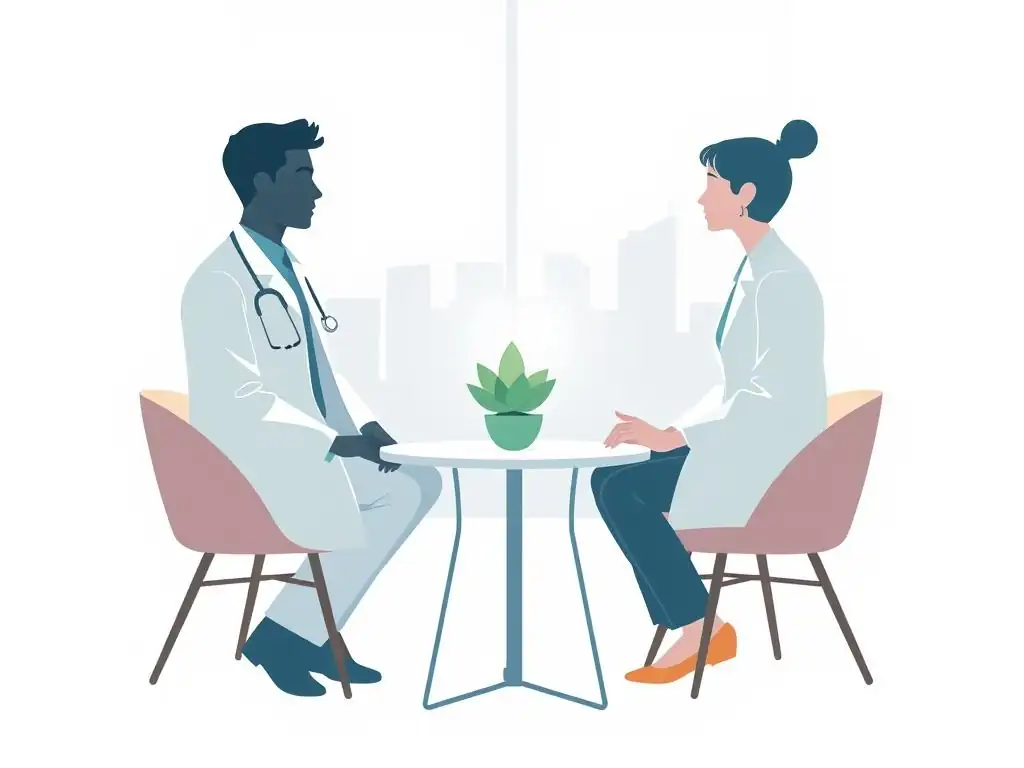
Healthcare professionals often face unique challenges when it comes to balancing their demanding careers with their personal lives, especially when navigating the world of online dating. Finding a partner while maintaining professional integrity and avoiding burnout requires careful planning and effective strategies. This section explores practical techniques for successfully navigating this delicate equilibrium, focusing on time management, communication, and seeking support. Dating safely as a healthcare professional requires proactive measures to protect both your personal and professional life.
Balancing Work and Relationship Time: Effective Time Management Strategies
Juggling long shifts, on-call duties, and the demands of a budding relationship can feel overwhelming. Effective time management is crucial. Consider these strategies:
- Prioritize and Schedule: Treat dates as important appointments, blocking them out in your calendar just like you would a surgery or patient consultation. This prevents spontaneous work conflicts and shows your partner you value their time. This commitment to scheduling is key to dating safely as a healthcare professional, ensuring you have dedicated time for your relationship without compromising your professional responsibilities.
- Utilize Downtime Wisely: Even short breaks during long shifts can be used for quick check-ins with your partner – a text message, a quick call. These small gestures maintain connection without significantly impacting your workflow.
- Batch Similar Tasks: Group similar tasks together to increase efficiency. For example, respond to all emails at once instead of sporadically throughout the day. This frees up more time for other activities, including personal time.
- Set Boundaries: Learn to say "no" to extra shifts or commitments when necessary to protect your personal time. This is crucial for preventing burnout and maintaining a healthy relationship. Establishing these boundaries is a vital aspect of dating safely as a healthcare professional, preventing overcommitment and ensuring you have the energy and focus needed for both your career and your relationship.
- Weekends: Dedicated Relationship Time: Designate specific weekend time for uninterrupted quality time with your partner. This scheduled time is crucial for building intimacy and a strong relationship.
Communicating Openly with Your Partner About Your Career
Open and honest communication is the bedrock of any successful relationship, especially when one partner works in a demanding field like healthcare. Transparency about your work schedule, on-call duties, and potential emergencies is paramount.
- Explain Your Work Demands: Don't shy away from explaining the realities of your job to your partner. They need to understand the long hours, stressful situations, and potential for unexpected disruptions. This understanding is crucial for building empathy and fostering a supportive relationship.
- Set Realistic Expectations: Be upfront about the limitations your work imposes on your availability. This prevents misunderstandings and resentment down the line. Dating safely as a healthcare professional means managing expectations from the outset to avoid future conflicts.
- Active Listening: Listen actively to your partner's concerns and perspectives. They might need reassurance or understanding of your career's demands. Open dialogue helps build trust and strengthen the relationship.
- Shared Calendar: Consider using a shared calendar to keep track of both your work and personal schedules. This promotes transparency and minimizes scheduling conflicts. This collaborative approach is a key component of dating safely, especially in demanding professions.
Seeking Support: Utilizing Resources for Healthcare Professionals
Healthcare professionals face unique stressors that can impact their relationships. Recognizing this and seeking support is a sign of strength, not weakness.
- Peer Support Groups: Connecting with colleagues who understand the challenges of balancing work and personal life can provide invaluable emotional support and practical advice.
- Employee Assistance Programs (EAPs): Many healthcare organizations offer EAPs, providing confidential counseling and support services for employees dealing with work-related stress or personal issues. Utilizing these resources is a crucial aspect of dating safely and maintaining a healthy work-life balance.
- Mental Health Professionals: Don't hesitate to seek professional help from a therapist or counselor if you're struggling to manage stress or relationship challenges. Prioritizing your mental health is essential for overall well-being and successful relationships. This proactive approach is vital for dating safely and maintaining your mental and emotional health.
Remember, building a healthy relationship while maintaining a demanding career is achievable with proactive planning, open communication, and a commitment to self-care. Dating safely as a healthcare professional involves prioritizing your well-being and setting boundaries to create a fulfilling personal and professional life.
Prioritizing Self-Care: Maintaining Wellbeing in a Demanding Profession
Healthcare professionals often face incredibly demanding schedules, long hours, and high-pressure situations. This can significantly impact their emotional and physical wellbeing, making it challenging to dedicate time and energy to dating and relationships. Prioritizing self-care is not a luxury; it's a necessity for maintaining a healthy work-life balance and fostering fulfilling relationships. This involves actively making time for activities that promote relaxation and rejuvenation.
Think about incorporating mindfulness practices like meditation or yoga into your routine. Even 10-15 minutes a day can make a significant difference in reducing stress and improving focus. Regular exercise is equally crucial, not just for physical health but also for boosting mood and reducing anxiety. Finding a workout buddy can add an element of social interaction and accountability, making it easier to stick to your fitness goals.
And don't underestimate the power of sleep! Aim for 7-8 hours of quality sleep each night to allow your body and mind to fully recover. Adequate rest is fundamental for effective stress management and improved emotional regulation, both crucial for healthy relationships.
Furthermore, setting boundaries is essential. Learning to say "no" to extra shifts or commitments that drain your energy is vital for preventing burnout and protecting your personal time. This is particularly important when navigating the demands of online dating, where managing messages, scheduling dates, and building connections requires significant mental and emotional investment.
By establishing clear boundaries, you can safeguard your well-being and ensure you have the energy to dedicate to both your professional and personal life. Remember that self-care is not selfish; it’s an investment in your overall health and happiness, enabling you to be a more present and engaged partner. Prioritizing self-care allows healthcare professionals to navigate the complexities of dating safely while maintaining their professional integrity.
Long-Term Relationship Strategies for Healthcare Professionals
Maintaining a long-term relationship while working in healthcare requires careful planning, open communication, and mutual understanding. The demanding nature of the profession often necessitates flexibility and adaptability from both partners. Open and honest communication about work schedules, stress levels, and personal needs is key to preventing misunderstandings and resentment. Regular check-ins, even brief ones, can help maintain a sense of connection and intimacy amidst busy schedules.
Consider utilizing technology to stay connected. Quick text messages, video calls, or even sharing photos throughout the day can help bridge the distance when long shifts or on-call duties keep you apart. Planning dedicated quality time together, free from work distractions, is vital. This might involve scheduling regular date nights, weekend getaways, or even just an hour of uninterrupted conversation each evening. These moments of focused connection are essential for nurturing the relationship and reinforcing your commitment to one another.
It's also important to involve your partner in your professional life, to a degree that feels comfortable for both of you. Sharing stories about your work, successes, and challenges can foster empathy and understanding. However, maintaining appropriate boundaries is also crucial. Avoid oversharing sensitive patient information or bringing the stresses of work home excessively.
Finding a balance between sharing and maintaining professional confidentiality is essential for a healthy relationship. Remember, building a strong, lasting relationship requires effort and commitment from both partners. By actively prioritizing communication, dedicated time together, and mutual support, healthcare professionals can successfully navigate the challenges of balancing a demanding career with a fulfilling long-term relationship, all while practicing safe dating habits.
Frequently Asked Questions
How can healthcare professionals stay safe while online dating?
Prioritize safety above all else. Verify profiles, meet in public places for first dates, and always let a friend or family member know your plans. Trust your instincts – if something feels off, it probably is.
What are some effective strategies for balancing a demanding healthcare career with online dating?
Time management is crucial. Schedule dedicated time for dating, just like you would any other important appointment. Utilize efficient communication methods like messaging to connect between busy shifts. Prioritize self-care to avoid burnout.
How can I create an online dating profile that attracts other healthcare professionals?
Highlight your professional achievements subtly, focusing on your interests and passions outside of work. Use keywords related to healthcare or related fields to attract similar profiles. Be authentic and showcase your personality.
What are some conversation starters suitable for healthcare professionals on dating apps?
Avoid work-related topics initially. Instead, focus on shared interests or current events. Ask open-ended questions to encourage engaging conversations. Show genuine interest in learning about your match's personality and life outside of work.
Are there any specific online dating platforms better suited for healthcare professionals?
While no platform is exclusively for healthcare professionals, niche dating apps focusing on professionals or those with similar lifestyles may yield better results. Consider using advanced search filters on mainstream apps to find matches with shared interests and values.
Final Reflection: Bridging the Gap: Healthcare, Hearts, and Healthy Relationships
The relentless demands of healthcare professions often leave little room for personal life, yet the desire for connection remains a fundamental human need. Finding a balance between the crucial work of caring for others and nurturing one's own well-being, including romantic relationships, is a challenge that deserves ongoing attention and innovative solutions. This is especially true in the current climate of burnout and increased stress within the healthcare sector.
The impact of this imbalance extends far beyond individual struggles; it shapes the very fabric of our society. The dedication and sacrifice of healthcare professionals are invaluable, but their well-being is equally crucial. A culture that prioritizes only professional success at the expense of personal fulfillment is unsustainable. The best way to find yourself is to lose yourself in the service of others,
but this service shouldn't come at the cost of one's own happiness and ability to form meaningful relationships. Finding safe and effective ways to navigate the dating world while maintaining professional boundaries is not a luxury, but a necessity for a healthier, more compassionate healthcare system.
Consider the implications of this discussion for your own life. Are you a healthcare professional struggling to find time for love? Or perhaps you're dating someone in the field and want to understand their unique challenges better?
Take a moment to reflect on the importance of self-care and boundary setting in both your professional and personal lives. Prioritize your well-being, explore resources that promote healthy relationships, and remember that seeking connection is not a weakness, but a testament to the richness of the human experience. Let's work together to create a supportive environment where healthcare professionals can thrive both professionally and personally.
Ignite Your Love Life: Finding Balance and Connection in a Demanding Career
Thank you for exploring the unique challenges and rewards of balancing a demanding healthcare career with a fulfilling personal life. You've gained valuable insights into building healthy relationships while navigating the complexities of your profession. Now, let's put that knowledge into action!
- Prioritize self-care and schedule dedicated time for dating: Even 30 minutes a week to actively browse dating profiles or respond to messages can make a difference. Treat it as a non-negotiable appointment with yourself!
- Share this article with your colleagues: Help your fellow healthcare professionals navigate this important aspect of their lives and foster a supportive community.
- Explore dating platforms designed for professionals: Many platforms offer specialized features that can help you connect with like-minded individuals who understand your busy lifestyle.
What small step will you take this week to prioritize your personal life and build meaningful connections?