
Dating After Divorce in Your 40s: Transitioning from Casual Dating to a Committed Relationship


Ready to rewrite your dating story? At OnlineDatingSuccess.org, we empower you to navigate the world of online dating with confidence. Are you ready to find a committed relationship after divorce in your 40s? Our expert advice on dating after divorce in your 40s committed will guide you through every step, from crafting an irresistible profile to building a meaningful connection. Discover the secrets to transforming casual dating into something truly lasting – let's get started!
- Re-Entering the Dating Scene After Divorce in Your 40s
- Navigating Online Dating in Your 40s After Divorce
- Transitioning from Casual Dating to a Committed Relationship
- Balancing Your Life and a New Relationship in Your 40s
- Long-Term Relationship Success After Divorce in Your 40s
- Finding Support and Resources for Dating After Divorce
-
Frequently Asked Questions
- How can I transition from casual dating to a committed relationship after divorce in my 40s?
- What are some common challenges faced when dating after divorce in your 40s?
- Is it realistic to find a committed relationship after divorce in my 40s?
- How do I create a dating profile that attracts someone looking for a committed relationship?
- How can I stay safe while dating after divorce in my 40s?
- Final Reflection: Redefining Love and Commitment in Your Second Chapter
- Rediscover Dating: Craft Your Ideal Relationship
Re-Entering the Dating Scene After Divorce in Your 40s
Dating after divorce in your 40s presents a unique set of challenges and opportunities. This stage of life often brings a blend of newfound freedom and the lingering emotions from a past relationship. Many individuals find themselves navigating the complexities of casual dating while simultaneously yearning for a committed, long-term partnership. This article will guide you through the process of transitioning from casual dating to a committed relationship after divorce in your 40s, focusing on self-assessment, defining your ideal partner, and overcoming emotional hurdles.
We'll explore practical strategies to help you build confidence, attract the right person, and foster meaningful connections that lead to lasting love. Successfully navigating this transition requires self-awareness, clear communication, and a willingness to embrace vulnerability – all crucial elements for building a fulfilling and committed relationship. Let's begin! 🎉
Assessing Your Readiness for a Committed Relationship After Divorce
Before diving back into the world of dating, it's crucial to honestly assess your readiness for a committed relationship. Are you truly ready to open your heart again? Have you processed the emotions surrounding your divorce? Consider these key questions:
- Emotional Healing: Have you fully processed the emotions associated with your divorce? Are you able to discuss your past relationship without intense negativity or lingering resentment?
- Self-Awareness: Do you have a clear understanding of your needs, values, and relationship patterns? Are you aware of any past behaviors that may have contributed to the breakdown of your previous marriage?
- Personal Growth: Have you used this time to focus on personal growth, pursuing hobbies, and strengthening your support system? A strong sense of self is essential for a healthy relationship.
- Time Commitment: Are you prepared to invest the time and energy required to nurture a new relationship? A committed relationship demands dedication and consistent effort.
- Financial Stability: Are you financially secure and independent? This is crucial for reducing potential stressors within a new relationship.
Many find journaling helpful in this process. Reflecting on these questions in writing can provide valuable insights into your emotional state and readiness for a serious relationship. Remember, there's no rush. Taking the time to heal and grow is essential before seeking a committed partnership. 🧘♀️
Defining Your Ideal Partner Post-Divorce: Beyond the Checklist
Creating a "checklist" of desired traits can be tempting, but it's essential to move beyond superficial attributes. Instead, focus on defining your core values and needs in a partner. What qualities are truly non-negotiable for you? What kind of companionship are you seeking?
Consider these points:
- Shared Values: What are your core values (family, spirituality, career aspirations, etc.)? Finding someone who shares these values is crucial for long-term compatibility.
- Communication Style: What kind of communication style do you value in a partner? Open, honest, and respectful communication is the foundation of any healthy relationship.
- Emotional Intelligence: Do you value emotional intelligence and empathy in a partner? The ability to understand and respond to emotions is key to navigating relationship challenges.
- Life Goals: Are your life goals and aspirations aligned? Compatibility in life goals significantly impacts long-term relationship success.
- Personality Traits: What personality traits do you find attractive and compatible with your own? Consider aspects like humor, kindness, and emotional stability.
Remember, your ideal partner is not a perfect person; they are someone who complements you and shares your core values. Focus on finding someone who supports your growth and shares your vision for the future. 💖
Overcoming the Fear of Vulnerability After Divorce
One of the biggest hurdles after divorce is overcoming the fear of vulnerability. Opening your heart again after heartbreak takes courage. It's essential to acknowledge and address this fear:
- Acknowledge your feelings: Don't suppress your emotions. Allow yourself to grieve the loss of your marriage and process the associated feelings of sadness, anger, or fear.
- Build self-confidence: Focus on self-care and activities that boost your self-esteem. This will help you approach dating with confidence and self-assurance.
- Start small: Begin by engaging in low-pressure social interactions. This can help you gradually rebuild your comfort level with intimacy and vulnerability.
- Seek support: Lean on your support network – friends, family, or a therapist – for emotional support and guidance.
- Practice self-compassion: Be kind to yourself throughout this process. Healing takes time, and it's okay to make mistakes along the way.
Remember, vulnerability is not weakness; it's a sign of strength. By embracing vulnerability, you open yourself up to the possibility of finding a deep and meaningful connection. Dating after divorce can be challenging, but with self-awareness, emotional resilience, and a willingness to take risks, you can find lasting love. ❤️

Dating after divorce in your 40s presents a unique set of challenges and opportunities. You're likely more self-aware, have a clearer understanding of your needs and wants, and possess a wealth of life experience. However, navigating the online dating landscape after a significant relationship can feel daunting.
This section focuses on strategies to make the transition smoother and more successful, specifically targeting those seeking a committed relationship after divorce in their 40s. We'll delve into crafting compelling profiles, mastering effective communication, and identifying potential red flags. Remember, patience and self-compassion are key ingredients in this journey towards finding lasting love.
Creating a Compelling Dating Profile that Attracts the Right Partner
Your online dating profile is your first impression – make it count! In your 40s, authenticity resonates more strongly than trying to appear younger or more carefree than you are. Avoid clichés and generic statements. Instead, highlight what makes you unique and what you're looking for in a partner.
Here's a breakdown of what to include:
- Photos: Choose recent, high-quality photos that showcase your personality and interests. Include a variety of shots – solo shots, shots with friends (showing your social side), and pictures that highlight your hobbies. Avoid overly filtered or heavily edited images. A genuine smile goes a long way!
- Bio: Write a concise and engaging bio that reflects your personality, values, and interests. Instead of simply listing hobbies, share anecdotes or stories that illustrate your passions. For example, instead of "I like hiking," try "My favorite hiking trail is [Trail Name] – the view from the summit is breathtaking!" Mention your career (briefly) and what you find fulfilling about it. Be upfront about wanting a committed relationship. For example, you could say something like, "Seeking a genuine connection with someone who values [values], and is ready for a committed relationship."
- Keywords: Strategically incorporate keywords relevant to your goals. Phrases like "seeking long-term relationship," "committed partnership," "serious dating," and "dating after divorce" can attract those with similar intentions. Avoid overly casual language.
- Interests: Highlight activities that genuinely interest you and that could potentially lead to shared experiences with a potential partner. This helps attract individuals with compatible lifestyles.
Remember, your profile is a reflection of you. Embrace your age and experience – it's a valuable asset! Consider getting a friend to review your profile before publishing it for an unbiased perspective.
Effective Communication Strategies for Online Dating Success in Your 40s
Once you start receiving messages, effective communication is crucial. Remember that first impressions are easily made and broken online. Here are some tips for successful communication:
- Be responsive: Aim to respond to messages within a reasonable timeframe. Ignoring messages can send the wrong message.
- Ask engaging questions: Don't just answer questions – ask thoughtful questions in return to show genuine interest. Go beyond surface-level conversations.
- Be clear about your intentions: Early on, communicate your desire for a committed relationship. This saves time and prevents misunderstandings.
- Maintain respectful and courteous communication: Avoid overly casual or informal language.
- Initiate conversations: Don't wait for others to always start the conversation. Show initiative and demonstrate your interest.
- Keep it concise and focused: Avoid lengthy, rambling messages. Get to the point and keep the conversation flowing naturally.
- Be yourself: Authenticity is key. Don't try to be someone you're not.
Effective communication is a two-way street. If you find someone isn't reciprocating your efforts, don't hesitate to move on. Remember, you deserve someone who values your time and communication.
Identifying Red Flags and Avoiding Dating Scams
Online dating, while offering great opportunities, also presents potential risks. It's crucial to be aware of red flags and protect yourself from scams.
- Inconsistencies: Be wary of profiles with inconsistencies or vague information. If details don't add up, or if their story changes, proceed with caution.
- Pressure for personal information: Legitimate daters won't pressure you to share sensitive information, such as your bank details or social security number, early on.
- Requests for financial assistance: This is a major red flag. A genuine partner won't ask you for money.
- Excessive flattery or unrealistic promises: Be suspicious of individuals who shower you with excessive compliments or make unrealistic promises early in the dating process.
- Avoid meeting in secluded locations: Always meet in a public place for your first few dates. Inform a friend or family member about your plans and share the location.
- Trust your instincts: If something feels off, it probably is. Don't ignore your intuition.
Remember, safety should always be your priority. If you encounter any suspicious behavior, report it to the dating platform immediately. Dating after divorce in your 40s can be an exciting new chapter. By employing these strategies, you can navigate the online dating world with confidence and increase your chances of finding a committed and fulfilling relationship.
Transitioning from Casual Dating to a Committed Relationship
After navigating the sometimes turbulent waters of casual dating post-divorce in your 40s, the desire for a committed relationship often emerges. This transition requires self-awareness, careful consideration, and a willingness to embrace vulnerability. Many individuals in their 40s, having experienced the complexities of a long-term marriage and subsequent separation, approach this stage with a blend of excitement and apprehension. Understanding your own readiness and identifying compatible partners is key to successfully making this leap. This section will explore practical steps to navigate this transition effectively, focusing on recognizing potential partners, building trust, and fostering open communication.
Recognizing the Signs of a Potential Long-Term Partner
Identifying a potential long-term partner after divorce requires careful observation and honest self-reflection. It's not just about physical attraction; it's about compatibility on a deeper level. Look beyond the initial spark and consider these key indicators:
- Shared Values and Life Goals: Do you share fundamental values regarding family, career, finances, and lifestyle? Alignment in these areas is crucial for long-term compatibility. For example, if one partner prioritizes a large family and the other desires a child-free life, conflict is likely.
- Emotional Maturity and Emotional Intelligence: Observe how your date handles stress, conflict, and emotional vulnerability. Are they empathetic, understanding, and able to communicate their feelings constructively? Someone with high emotional intelligence is more likely to navigate the complexities of a committed relationship successfully.
- Respect and Appreciation: Does your date treat you with respect, both in public and private? Do they appreciate your strengths and support your aspirations? Respect is the cornerstone of any healthy relationship.
- Open and Honest Communication: Do you feel comfortable sharing your thoughts and feelings with them? Is communication reciprocal and free-flowing, or is it one-sided and strained? Open communication is vital for building trust and resolving conflicts effectively.
- Similar Communication Styles: Consider whether your communication styles complement each other. Do you both value open dialogue, or does one prefer indirect communication? Understanding these differences and finding ways to bridge them is crucial.
Consider this example: Sarah, a 45-year-old woman dating after a 20-year marriage, initially connected with Mark based on shared interests. However, she soon noticed inconsistencies in his actions and words, and a lack of empathy when discussing her past experiences. Recognizing these red flags, Sarah wisely chose to end the relationship, focusing her energy on finding a partner with greater emotional maturity and honesty. This proactive approach saved her time and emotional investment in the long run.
Building Trust and Emotional Intimacy After Divorce
Rebuilding trust and emotional intimacy after divorce can be challenging, especially in your 40s. The wounds of past relationships may linger, creating barriers to vulnerability. However, with conscious effort and patience, it is possible to foster deep connection.
- Self-Reflection and Healing: Before seeking intimacy with a new partner, it’s crucial to address any unresolved emotional baggage from your previous marriage. Therapy, journaling, or self-help resources can be valuable tools in this process. Addressing past hurts allows you to approach new relationships with a more open and healthy perspective.
- Gradual Disclosure: Don't feel pressured to share your entire life story on the first few dates. Gradually disclose personal information as you build trust and feel comfortable with your partner. This measured approach allows for a more secure and organic development of intimacy.
- Active Listening and Empathy: Truly listen to your partner and show empathy for their experiences. Create a safe space for open and honest communication. Demonstrate that you value their feelings and perspectives. This reciprocal exchange fosters a sense of security and strengthens the bond between you.
- Quality Time and Shared Experiences: Invest time in shared activities that foster connection. This could involve anything from cooking together to engaging in shared hobbies. These shared experiences create lasting memories and strengthen your bond.
Remember, building trust takes time. Be patient with yourself and your partner as you navigate this important phase. Don't rush the process; allow intimacy to unfold naturally.
Open and Honest Communication: The Foundation of a Successful Relationship
Open and honest communication is the bedrock of any lasting relationship, particularly after divorce in your 40s. It allows for vulnerability, conflict resolution, and the development of deep intimacy. However, effective communication requires active listening, clear expression, and a willingness to address difficult topics.
- Active Listening: Truly listen to your partner, paying attention not only to their words but also their body language and tone. Avoid interrupting or formulating your response while they are speaking. Show genuine interest in their perspective.
- Clear and Assertive Communication: Express your needs and feelings clearly and directly, using "I" statements to avoid blaming or accusations. For example, instead of saying "You always make me feel ignored," try "I feel unheard when..."
- Conflict Resolution: Disagreements are inevitable in any relationship. Develop healthy strategies for resolving conflicts, such as active listening, compromise, and seeking mediation if necessary.
- Regular Check-ins: Schedule regular time to discuss your relationship, both the positive aspects and areas needing improvement. These check-ins ensure that you're both on the same page and addressing any potential issues proactively.
Effective communication doesn't just happen; it's a skill that requires conscious effort and practice. By prioritizing open and honest dialogue, you create a strong foundation for a committed relationship that thrives on mutual understanding and respect. The ability to communicate effectively is a key indicator for successful dating after divorce in your 40s committed to a long-lasting relationship.
Managing Expectations and Avoiding Past Relationship Patterns
Dating after divorce in your 40s, especially after a period of casual dating, requires a conscious effort to manage expectations. The excitement of re-entering the dating scene can be intoxicating, but it's crucial to avoid rushing into a serious commitment before you're ready. Many individuals in their 40s, having experienced the highs and lows of long-term relationships, may find themselves subconsciously repeating past patterns. This can manifest in various ways, from choosing partners with similar flaws to repeating unhealthy communication styles.
It's vital to acknowledge these tendencies and actively work towards breaking free from them. Self-reflection is key; consider journaling about past relationships, identifying recurring issues, and consciously choosing different behaviors. Therapy or counseling can be incredibly beneficial in this process, providing a safe space to explore these patterns and develop healthier coping mechanisms.
Remember, a committed relationship built on a solid foundation of self-awareness and healthy boundaries is far more likely to succeed than one rushed into based on fleeting feelings or a desire to avoid loneliness. The journey towards a committed relationship after divorce requires patience and self-compassion. Don't compare your journey to others; everyone's timeline is unique.
Consider seeking professional guidance. A therapist specializing in relationship dynamics can help you identify and address any underlying emotional baggage that might be hindering your progress. This is especially important if you find yourself repeatedly drawn to partners who mirror the negative aspects of your previous marriage. Understanding your attachment style and learning healthy communication techniques are crucial steps in building a fulfilling and lasting relationship.
The goal isn't to erase your past but to learn from it and build a healthier future. This involves setting realistic expectations about the pace of dating and recognizing that finding a committed relationship takes time and effort. It's a process of growth and self-discovery, not just a search for a partner.
Balancing Your Life and a New Relationship in Your 40s
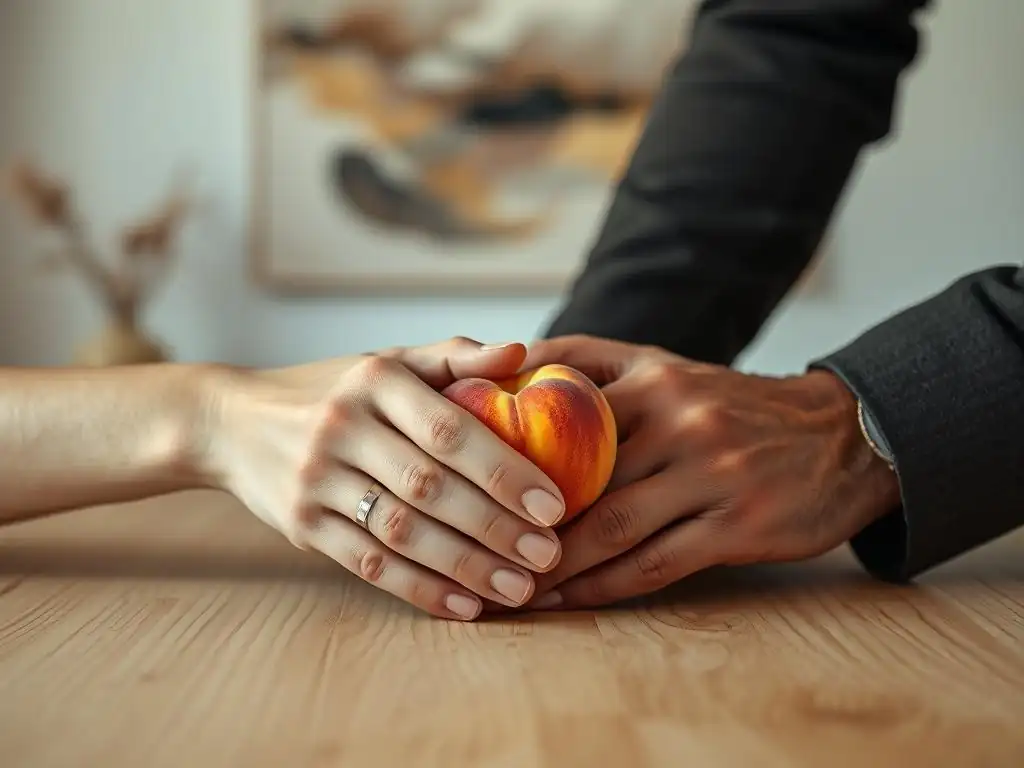
Dating after divorce in your 40s presents a unique set of challenges and opportunities. You're likely juggling a career, possibly children, friendships, and personal pursuits. Successfully navigating the transition from casual dating to a committed relationship requires careful consideration of how a new partner fits into this already established, and often busy, life.
Finding that balance is key to creating a healthy and fulfilling relationship without sacrificing your personal well-being or existing commitments. Successfully integrating a new relationship into your life at this stage demands conscious effort and strategic planning. The following sections offer practical advice on how to achieve this delicate balance.
Integrating Your Children into a New Relationship
Introducing a new partner to your children after a divorce can be a sensitive and complex process. It's crucial to approach this with patience, sensitivity, and a child-centered approach. Remember, your children are experiencing their own adjustments after the divorce, and introducing a new significant other should be handled thoughtfully.
Avoid rushing the process. Initial meetings should be casual and low-pressure. Perhaps a simple family activity like a picnic or a casual get-together. Gauge your children's reactions carefully and respect their feelings. It's okay if they need time to adjust. Forcing interaction can backfire, leading to resentment and resistance.
Open communication is vital. Talk to your children honestly and age-appropriately about your new partner. Answer their questions openly and honestly, addressing any concerns they may have. Reassure them that your love for them remains unwavering and that this new relationship doesn't diminish their importance in your life.
Consider seeking professional guidance. A therapist specializing in family dynamics can provide invaluable support and strategies for navigating this transition smoothly. They can help facilitate healthy communication and address any potential conflicts that may arise. Remember, professional help isn't a sign of weakness, but rather a proactive step towards creating a healthy family dynamic.
Prioritize your children's emotional well-being. Their needs should always come first. This may mean setting boundaries with your new partner to protect your children's emotional space. It's a balancing act, but a necessary one to ensure a successful integration.
Time Management and Prioritizing Your New Relationship
Juggling work, children, personal time, and a new relationship requires exceptional time management skills. Dating after divorce in your 40s often means you have less free time than you did in your younger years. Effective prioritization is crucial to avoid feeling overwhelmed and resentful.
Create a realistic schedule. Allocate specific times for your new relationship, ensuring it doesn't encroach on essential commitments. This might involve scheduling regular date nights, even if they're just short periods of quality time together. Consistency is key to building a strong connection.
Learn to say "no." It's okay to decline social invitations or commitments that conflict with your relationship or personal well-being. Protecting your time is essential for maintaining a healthy balance. Don't overcommit yourself; your well-being is paramount.
Utilize technology to your advantage. Use calendars and scheduling apps to coordinate your time effectively. This helps minimize conflicts and maximizes efficiency. This can help you better manage your time and ensure you're consistently making time for your partner without neglecting other important aspects of your life.
Prioritize quality over quantity. Focus on creating meaningful moments with your new partner, rather than striving for constant togetherness. Small gestures of affection and quality conversations can be more impactful than extended periods of time spent together.
Maintaining Your Independence and Identity Within a Partnership
Entering a new relationship after divorce, particularly in your 40s, doesn't mean sacrificing your independence or identity. Maintaining a strong sense of self is vital for a healthy and fulfilling partnership.
Continue pursuing your hobbies and interests. Don't let a new relationship overshadow your personal passions. Maintaining your individuality contributes to a more vibrant and engaging partnership. Make sure to carve out time for activities you enjoy independently.
Maintain your friendships and social connections. Your network of friends provides support and a sense of belonging outside of your relationship. Nurturing these relationships is essential for maintaining a balanced and fulfilling life.
Avoid becoming overly dependent on your partner. Maintain your financial independence and continue to manage your own affairs. This ensures that you retain your autonomy and self-reliance within the partnership.
Communicate your needs and boundaries clearly. Openly discuss your need for personal space and time apart. A healthy relationship respects individual needs and allows for personal growth. This open communication ensures mutual understanding and respect within the relationship.
Remember, dating after divorce in your 40s, aiming for a committed relationship, is a journey, not a race. Patience, self-awareness, and a proactive approach to balancing your life are crucial for creating a fulfilling and sustainable partnership.
Long-Term Relationship Success After Divorce in Your 40s

Dating after divorce in your 40s, especially aiming for a committed relationship, presents unique challenges and opportunities. This stage of life often involves navigating complex emotions, managing co-parenting responsibilities, and re-entering the dating scene with a renewed sense of self. Successfully transitioning from casual dating to a committed relationship requires self-awareness, intentional action, and a willingness to embrace vulnerability. This section will explore key strategies for building lasting love after divorce in your 40s, focusing on addressing past relationship trauma, establishing a strong foundation, and fostering continued growth within the partnership.
Addressing Past Relationship Trauma and Baggage
Entering a new relationship after a divorce often means carrying emotional baggage from the past. Unresolved issues, lingering hurt, and negative relationship patterns can significantly impact your ability to build a healthy, committed relationship. Successfully navigating this requires proactive self-reflection and, in many cases, professional support.
Many individuals in their 40s who are dating after divorce find themselves grappling with feelings of betrayal, anger, or sadness. These are completely normal emotions. However, allowing these feelings to fester can prevent you from moving forward. Consider these steps:
- Therapy or Counseling: A therapist can provide a safe space to process your emotions, identify unhealthy patterns, and develop coping mechanisms. This is particularly helpful in addressing the emotional fallout from a divorce and preparing you for a new, healthy relationship. The benefits of professional guidance in navigating the complexities of dating after divorce at 40 cannot be overstated.
- Journaling: Regularly writing about your feelings can be incredibly cathartic. It allows you to process your emotions and gain valuable self-awareness. Focusing on specific instances of past hurts and how they might affect present relationships can be extremely insightful.
- Self-Compassion: Be kind to yourself. Healing takes time. Don't expect to magically overcome past trauma overnight. Acknowledge your feelings and celebrate small victories along the way. Remember, self-love is crucial for building a healthy relationship.
Building a Strong Foundation for Lasting Love
Once you've addressed some of the emotional baggage from your past, it's time to focus on building a strong foundation for your new relationship. This involves clear communication, shared values, and a commitment to mutual respect.
Building a successful committed relationship after divorce in your 40s requires a more deliberate approach. It's not just about finding someone; it's about finding someone who aligns with your evolved values and life goals. Consider these points:
- Honest Communication: Open and honest communication is paramount. Be upfront about your needs, desires, and past experiences. Don't shy away from difficult conversations. Effective communication is a cornerstone of any successful relationship, especially after divorce.
- Shared Values: Identify your core values and look for a partner who shares them. This creates a strong foundation for mutual understanding and respect. Shared values can be related to family, career, spirituality, or lifestyle preferences. Finding common ground in these areas is vital for lasting compatibility.
- Realistic Expectations: Avoid placing unrealistic expectations on your partner or the relationship. Remember that every relationship has its ups and downs. Having realistic expectations will help you navigate those challenges more effectively.
Continued Growth and Adaptation in a Committed Relationship
Even after finding a committed partner, the work doesn't stop. Relationships require constant nurturing, adaptation, and a willingness to grow together. Remember, building a lasting relationship after divorce in your 40s requires ongoing effort and commitment.
Maintaining a healthy and thriving committed relationship after divorce requires ongoing attention and effort. Here are some key strategies to ensure long-term success:
- Continuous Communication: Keep the lines of communication open. Regularly check in with each other about your needs and feelings. Don't let small issues fester into larger problems.
- Shared Activities: Continue to find ways to spend quality time together and cultivate shared interests. This helps maintain connection and intimacy. Making time for each other amidst busy lives is crucial for maintaining a strong bond.
- Individual Growth: Encourage each other's personal growth and development. Support each other's passions and goals. A strong relationship allows for individual growth while maintaining a strong partnership. This mutual support fosters a deep sense of connection and mutual respect.
The journey to a committed relationship after divorce in your 40s is unique to each individual. However, by addressing past trauma, building a strong foundation, and fostering continuous growth, you can significantly increase your chances of finding lasting love and happiness. Remember, patience, self-awareness, and a willingness to work through challenges are key ingredients in this process.
Finding Support and Resources for Dating After Divorce
Dating after divorce in your 40s, especially aiming for a committed relationship, can feel daunting. The emotional landscape is complex, and navigating the world of online dating with a past relationship's baggage requires resilience and support. This section explores valuable resources to help you on your journey towards finding lasting love. Remember, seeking help is a sign of strength, not weakness, and can significantly improve your dating experience and chances of success. This is especially true when aiming for a committed relationship after a divorce in your 40s.
Support Groups and Communities for Divorcees
Finding a community of like-minded individuals can provide invaluable emotional support and practical advice during the transition. Support groups specifically designed for divorcees in their 40s offer a safe space to share experiences, learn coping mechanisms, and gain perspective from others navigating similar challenges. These groups often provide a sense of camaraderie and understanding, combating the feelings of isolation that can accompany divorce. The shared experiences foster empathy and reduce the feeling of being alone in your journey to finding a committed relationship.
Many online forums and communities cater specifically to this demographic. These platforms provide opportunities for anonymous interaction, allowing individuals to openly discuss their feelings and concerns without the pressure of face-to-face interactions. Some groups focus on specific issues like co-parenting or financial adjustments after divorce, while others are broader, encompassing the entire spectrum of post-divorce life, including dating and finding a new partner.
The key is to find a group that aligns with your specific needs and provides a supportive and encouraging environment. Remember, the goal is to build confidence and prepare yourself for a healthy and committed relationship after divorce in your 40s.
Professional Counseling and Relationship Coaching
While support groups offer peer support, professional guidance can provide a deeper level of insight and personalized strategies. A therapist or relationship coach can help you process your emotions related to the divorce, identify patterns in past relationships, and develop healthier communication and relationship skills. This is particularly beneficial if you're looking to build a committed relationship after divorce in your 40s. Past relationship trauma can unconsciously sabotage new relationships, and professional help can address these underlying issues.
A therapist can help you understand your emotional responses and develop strategies for managing difficult emotions. Relationship coaching, on the other hand, focuses specifically on improving your dating skills and building healthy relationships. A coach can help you refine your online dating profile, improve your communication skills, and identify your relationship goals.
They can also provide guidance on navigating the complexities of dating after divorce, helping you avoid common pitfalls and build a stronger foundation for a lasting relationship. The investment in professional help can be invaluable in helping you achieve your goal of a committed relationship after divorce in your 40s. Consider it an investment in your future happiness and well-being.
Many therapists and coaches offer specialized services for individuals navigating dating after divorce, so finding the right fit is crucial. Think about what aspects of your dating life need improvement and look for a professional who addresses those specific needs.
Frequently Asked Questions
How can I transition from casual dating to a committed relationship after divorce in my 40s?
This requires clear communication of your desires and careful selection of partners who share your goals. Look for individuals who are also seeking a committed relationship, and be upfront about your intentions early on. Don't rush the process.
What are some common challenges faced when dating after divorce in your 40s?
Challenges include managing expectations, overcoming past relationship trauma, navigating dating app culture, and balancing personal time with dating. Self-awareness and healthy communication are crucial.
Is it realistic to find a committed relationship after divorce in my 40s?
Absolutely! Many people find lasting love after divorce in their 40s and beyond. Focus on self-improvement, building a fulfilling life, and being open to new connections.
How do I create a dating profile that attracts someone looking for a committed relationship?
Highlight your values, interests, and relationship goals clearly. Use positive language, showcase your personality, and avoid vague or generic statements. Focus on what you're looking for in a partner.
How can I stay safe while dating after divorce in my 40s?
Prioritize meeting in public places, letting friends know your plans, and trusting your instincts. Never share overly personal information too early, and be cautious of those who seem too good to be true. Prioritize your safety.
Final Reflection: Redefining Love and Commitment in Your Second Chapter
Navigating the dating world after divorce in your 40s requires courage, self-awareness, and a willingness to redefine what commitment means. It's a journey filled with both challenges and incredible opportunities for growth and lasting happiness, a testament to the resilience of the human spirit.
The shift from casual dating to a committed relationship after divorce is a deeply personal process, one that forces us to confront past hurts and embrace a future brimming with possibility. It's about learning to trust again, to open your heart to new experiences, and to recognize that true intimacy requires vulnerability and self-acceptance. The greatest thing you'll ever learn is just to love and be loved in return.
This sentiment, though seemingly simple, holds profound weight when navigating the complexities of dating after divorce. The journey is not about finding a perfect replica of the past, but about creating a new, authentic, and fulfilling partnership.
Now, consider your own journey. What lessons have you learned about yourself and what you truly desire in a partner? What steps can you take to cultivate self-love and confidence, essential ingredients for attracting a healthy, committed relationship? Embrace this next chapter with open arms, knowing that the path to lasting love is paved with self-discovery, resilience, and the unwavering belief in your own worth. You deserve happiness, and the journey to find it is a journey worth taking.
Rediscover Dating: Craft Your Ideal Relationship
Thank you for exploring the world of dating after divorce! We hope you found valuable insights into navigating this exciting, yet sometimes challenging, chapter. Ready to take the next step toward finding a fulfilling relationship?
- Prioritize self-reflection: This week, take time for honest self-assessment. What kind of relationship are you seeking? What are your must-haves in a partner?
- Build a support network: Share your dating journey with trusted friends or family. Their encouragement and understanding can make a significant difference.
- Expand your horizons: Try a new activity to meet people with shared interests. Consider a pottery class, joining a hiking group, or volunteering—all great ways to connect with like-minded individuals.
Ready to embrace this new chapter and create the relationship you deserve? What's one small step you can take today to move closer to your ideal partnership?