
Dating After Divorce in Your 40s: Creating a Dating Timeline That Suits You


Ready to rewrite your dating story? Navigating the online dating world after divorce in your 40s can feel overwhelming, but it doesn't have to be. OnlineDatingSuccess.org is your guide to confidently building meaningful connections. Discover a practical approach to crafting the perfect profile, mastering communication, and staying safe online. Learn how to create a personalized dating timeline that works for you – starting with our insightful article on Dating Timeline After Divorce 40s. Let's find your happily ever after.
- Understanding Your Post-Divorce Dating Timeline
- Building a Realistic Dating Timeline After 40
- Navigating the Online Dating Landscape in Your 40s
- Strategies for Successful Dating After Divorce in Your 40s
- Maintaining a Positive Mindset Throughout Your Dating Journey
- Reviewing and Adjusting Your Dating Timeline
-
Frequently Asked Questions
- How long should I wait to start dating after a divorce in my 40s?
- What are some important considerations when creating a dating timeline?
- How can I create a successful online dating profile after divorce?
- What are some red flags to watch out for when dating after divorce?
- How can I balance dating with my other responsibilities in my 40s?
- Final Reflection: Reclaiming Your Narrative: Dating After 40
- Rediscover Your Dating Confidence: Start Your Personalized Journey Now!
Understanding Your Post-Divorce Dating Timeline
Dating after divorce in your 40s can feel like navigating a brand new, and sometimes daunting, landscape. The emotional terrain is unique, shaped by the experiences and lessons learned from a previous marriage. This article offers a compassionate and practical guide to building a personalized dating timeline that respects your emotional journey and aligns with your aspirations. We'll explore how to assess your emotional readiness, define your goals, and identify the kind of partner you're seeking, all while acknowledging the specific challenges and opportunities that come with dating later in life.
The key is to approach dating after divorce not as a race, but as a thoughtful and intentional process tailored to your individual needs and pace. This isn't about finding a replacement, but about building a fulfilling and authentic future relationship. Remember, there's no one-size-fits-all approach; this is your journey, and your timeline. 🎉
Assessing Your Emotional Readiness for Dating After Divorce
Before diving headfirst back into the dating pool, it's crucial to honestly evaluate your emotional state. Are you truly ready to open your heart again? Have you processed the emotions surrounding your divorce? Many individuals in their 40s, after years invested in a marriage, experience a complex range of feelings—grief, anger, sadness, relief, even hope. These are all valid and normal.
Taking the time for self-reflection is paramount. Consider journaling, therapy, or spending time with supportive friends and family. Ask yourself these questions:
- Have I allowed myself sufficient time to grieve the loss of my marriage?
- Have I addressed any unresolved anger or resentment?
- Am I comfortable with the idea of intimacy and vulnerability again?
- Do I feel confident and secure in myself, independent of a romantic relationship?
Ignoring these crucial steps can lead to rushed decisions and potentially unhealthy relationships. Prioritizing emotional healing ensures you enter the dating world from a place of strength and self-awareness, increasing the likelihood of a positive and fulfilling experience. Remember, there's no rush; prioritize your well-being above all else. ❤️
Defining Your Dating Goals and Expectations in Your 40s
Dating in your 40s often differs significantly from dating in your 20s or 30s. Many individuals at this stage have established careers, families, and a clearer sense of self. This clarity is invaluable when defining your dating goals. What are you looking for in a partner? Are you seeking a long-term commitment, a casual relationship, or something in between?
Consider your life priorities. Do you want children? Are you looking for someone who shares your interests and values? What are your non-negotiables? Creating a list of your ideal partner's attributes—both superficial and deep-seated—can help you focus your search and avoid wasting time on incompatible matches. Being realistic and specific about your expectations will make the process more efficient and less frustrating. Remember to be kind to yourself and adjust your goals as you learn and grow throughout your dating journey. This process of self-discovery is a valuable part of the experience.
For example, you might prioritize someone who values personal growth, enjoys outdoor activities, and has a strong work ethic. These are specific and actionable criteria that can guide your choices. However, also remember to leave room for spontaneity and unexpected connections. 😊
Identifying Your Ideal Partner Profile After Divorce
Once you've clarified your goals, it's time to translate those goals into a tangible "ideal partner profile." This goes beyond simply listing physical attributes. Think about personality traits, values, lifestyle preferences, and life goals.
Consider creating a table to organize your thoughts:
| Characteristic | Ideal Qualities | Non-Negotiables |
|---|---|---|
| Personality | Kind, compassionate, humorous, intelligent | Honest, trustworthy, emotionally available |
| Values | Family-oriented, ambitious, values loyalty | Shares my spiritual/religious beliefs |
| Lifestyle | Active, enjoys travel, appreciates culture | Healthy lifestyle, financially responsible |
| Life Goals | Wants a stable, committed relationship | Wants to build a future together, [Specific Goal Pending] |
This detailed profile will serve as your compass, guiding your decisions and helping you identify potential partners who align with your vision for a fulfilling relationship. Remember, this is a living document; you can refine it as you gain more clarity and experience. Be open to evolving your criteria as you learn more about yourself and what you truly desire. The journey of self-discovery is as important as the destination. ✨
Building a Realistic Dating Timeline After 40
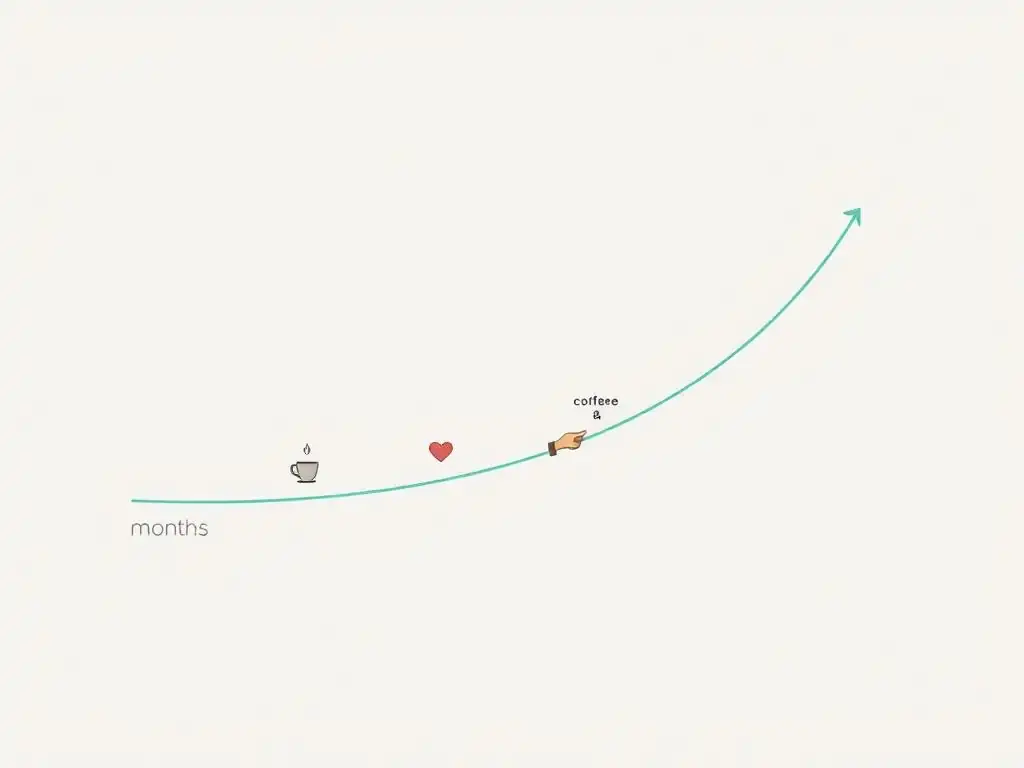
Dating after divorce in your 40s presents a unique set of circumstances. Unlike your 20s or 30s, you're likely juggling established careers, children, and possibly even existing social circles. This necessitates a dating timeline that's realistic and respects your existing commitments. Forging a new path requires patience and self-awareness.
It's not a race; it's a marathon. The key is to build a timeline that honors your personal pace and prevents burnout. Many individuals in their 40s seeking a relationship after divorce often feel the pressure to find "the one" quickly, leading to rushed decisions and potential disappointment. A tailored approach, however, allows for growth and genuine connection.
Setting Achievable Milestones for Your Dating Journey
Instead of focusing on a specific timeframe for finding a partner (e.g., "I'll be married again in a year"), concentrate on smaller, achievable milestones. These could include:
- Month 1-3: Updating your online dating profile, refining your dating app strategy, and engaging in 2-3 dates per week. This phase focuses on re-entering the dating world and building confidence. Don't expect immediate sparks; focus on practicing your communication skills and getting comfortable with the process.
- Month 3-6: Identifying your dating preferences and non-negotiables. This involves self-reflection and honest assessment of your past relationships. What worked? What didn't? What are you looking for in a partner now?
- Month 6-12: Developing deeper connections with a few compatible individuals. This might involve more meaningful conversations, exploring shared interests, and perhaps introducing the other person to close friends or family (if it feels right).
- Beyond 12 Months: Evaluating long-term compatibility and considering the possibility of a serious relationship. This stage involves honest discussions about the future, life goals, and expectations.
Remember, these are just examples. Your timeline should be flexible and adjusted to your personal circumstances and progress. The emphasis should be on quality over quantity. A meaningful connection takes time to cultivate.
Incorporating Self-Care into Your Dating Timeline
Dating, even when enjoyable, can be emotionally taxing. Burnout is a real risk, especially when navigating the complexities of dating after divorce. Therefore, integrating self-care practices into your dating timeline is crucial. This isn't merely about pampering; it's about prioritizing your mental and emotional well-being.
Consider incorporating the following:
- Regular Exercise: Physical activity releases endorphins, boosting your mood and reducing stress. Aim for at least 30 minutes of moderate-intensity exercise most days of the week.
- Mindfulness and Meditation: These practices can help you manage stress, improve focus, and cultivate self-awareness. Even 10 minutes a day can make a significant difference.
- Sufficient Sleep: Aim for 7-8 hours of quality sleep each night. Sleep deprivation can negatively impact your mood, energy levels, and decision-making abilities.
- Social Connections: Maintain strong relationships with friends and family. These connections provide support, encouragement, and a sense of belonging.
- Hobbies and Interests: Engage in activities you enjoy, even if it's just for a few minutes each day. This helps reduce stress and maintain a sense of balance.
Prioritizing self-care isn't selfish; it's essential for a successful and fulfilling dating journey. It allows you to approach dating with a clearer mind and a more positive outlook.
Managing Expectations and Avoiding Pressure
One of the biggest hurdles in dating after divorce in your 40s is managing expectations. Society often places unrealistic pressure on individuals to find a partner quickly, especially after a significant life event like divorce. This pressure can lead to rushed decisions, settling for less than you deserve, and ultimately, disappointment.
To avoid this, consider:
- Reframing Your Goals: Shift your focus from finding a partner to personal growth and self-discovery. This will reduce pressure and allow you to approach dating with a more relaxed and authentic attitude.
- Setting Boundaries: Establish clear boundaries about what you're looking for in a partner and what you're willing to tolerate. This will help you avoid wasting time on incompatible individuals.
- Practicing Self-Compassion: Be kind to yourself throughout the process. Dating can be challenging, and setbacks are inevitable. Learn from your experiences and move forward with grace.
- Seeking Support: Talk to trusted friends, family members, or a therapist about your experiences. Sharing your feelings and concerns can provide valuable support and perspective.
Remember, there's no magic formula or guaranteed timeline for finding love. Embrace the journey, celebrate your successes, learn from your setbacks, and focus on building a fulfilling life, regardless of your relationship status. The right person will appreciate the authentic you, and that's what truly matters.
Dating after divorce in your 40s presents a unique set of challenges and opportunities. The online dating landscape, while potentially daunting, offers unparalleled access to a diverse pool of potential partners. However, navigating this landscape successfully requires a strategic approach, tailored to your specific circumstances and goals. This section will delve into optimizing your profile, communicating effectively, and prioritizing safety—key elements for a positive online dating experience in your 40s. Remember, your journey is unique, and there's no one-size-fits-all answer; the goal is to create a dating timeline that works for you.
Optimizing Your Online Dating Profile for Success After Divorce
Your online dating profile is your first impression. It's crucial to present yourself authentically and attractively, showcasing your personality and what you're looking for in a partner. After divorce, it's especially important to portray a positive and forward-looking image. Avoid dwelling on past relationships; instead, focus on your present self and future aspirations.
Here are some key considerations:
- Photos: Choose recent, high-quality photos that accurately reflect your current appearance. Include a variety of shots showcasing your interests and personality. A smiling headshot is essential! Avoid overly filtered or outdated images. Consider including photos that show you engaging in hobbies or activities you enjoy.
- Bio: Write a concise, engaging bio that highlights your key qualities and interests. Be honest and genuine. Instead of listing what you don't want, focus on what you do want in a partner and what you can offer a relationship. Use humor and personality to make your profile stand out. For example, instead of "Not looking for drama," try "Seeking someone with a good sense of humor and a love for [hobby]."
- Keywords: Strategically incorporate keywords related to your interests and lifestyle. This helps your profile appear in relevant searches. Think about words that describe your ideal partner and the type of relationship you're seeking. For example, if you enjoy hiking and are looking for a long-term relationship, include words like "outdoorsy," "adventurous," "committed," and "relationship-oriented."
Remember, your profile is a constantly evolving work in progress. Regularly review and update it to reflect your current self and dating goals.
Effective Communication Strategies for Online Dating After 40
Effective communication is paramount in online dating. After divorce, you may have different communication styles or expectations. It’s important to be clear, respectful, and authentic in your interactions.
Here are some tips for effective communication:
- Be upfront about your expectations: Clearly state what you're looking for in a relationship. This saves time and avoids misunderstandings.
- Ask engaging questions: Show genuine interest in the other person by asking open-ended questions that go beyond surface-level topics.
- Respond promptly: While you don't need to be glued to your phone, responding in a timely manner shows respect and interest.
- Keep it positive: Focus on the positive aspects of your life and avoid dwelling on negative experiences.
- Be mindful of your tone: Remember that written communication can easily be misinterpreted. Use emojis sparingly and be mindful of your word choice.
Effective communication builds trust and connection, which are crucial for building a meaningful relationship.
Safety Precautions for Online Dating After Divorce
Safety should always be your top priority when online dating. Taking precautions can help you protect yourself and ensure a positive experience.
Here are some essential safety tips:
- Verify profiles: Before meeting someone in person, do your research and try to verify their profile information. Look for inconsistencies or red flags.
- Meet in public places: Always choose a well-lit, public place for your first meeting. Let a friend or family member know where you're going and when you expect to be back.
- Trust your instincts: If something feels off, don't hesitate to end the interaction. Your safety is paramount.
- Don't share personal information too early: Avoid sharing sensitive information, such as your address or financial details, until you've developed a level of trust.
- Background checks: Consider conducting a background check on potential partners before meeting them in person, especially if you are feeling apprehensive.
Prioritizing safety allows you to enjoy the online dating experience without compromising your well-being. Remember, building a successful dating timeline requires a balance of optimism, strategy, and self-protection.
Strategies for Successful Dating After Divorce in Your 40s

This section focuses on actionable strategies to navigate the dating world successfully after divorce in your 40s. Remember, there's no one-size-fits-all approach; the key is finding a rhythm that works for you. This involves self-awareness, realistic expectations, and a proactive approach to building healthy relationships.
Balancing Dating with Family and Career Responsibilities
Juggling dating with existing family and career commitments can feel overwhelming. Many individuals in their 40s have established careers, children, and other responsibilities that demand significant time and energy. Successfully integrating dating into this pre-existing structure requires careful planning and prioritization.
Consider these practical tips:
- Schedule dedicated dating time: Treat dating appointments like any other important meeting. Block out time in your calendar specifically for dates, ensuring you're fully present and not distracted by other obligations.
- Communicate openly with your family: Let your children know you're dating again, explaining it in an age-appropriate manner. This open communication fosters trust and understanding. Similarly, if you have a co-parent, maintain respectful communication regarding dating schedules, especially if it involves your children.
- Prioritize self-care: Dating can be emotionally and mentally taxing. Make sure you're prioritizing self-care activities like exercise, meditation, or spending time with friends to maintain your well-being and prevent burnout. This is crucial for maintaining a healthy perspective on the dating process itself.
- Be realistic about your availability: Don't overcommit. Be upfront about your time constraints when meeting new people. Honesty about your schedule will attract individuals who respect your boundaries and understand your life's complexities. This avoids potential disappointments and sets healthy expectations from the start.
- Utilize flexible dating options: Explore dating apps and platforms that allow for flexible communication and scheduling, such as video chats or quick coffee dates, to accommodate busy schedules. This allows for connection without requiring extensive time commitments initially.
Identifying and Addressing Dating Challenges in Your 40s
Dating in your 40s after a divorce presents unique challenges. Understanding these challenges and having strategies to address them is crucial for a positive experience.
One common challenge is the baggage from previous relationships. Many individuals carry emotional scars and unresolved issues from past marriages. Addressing these issues through therapy or self-reflection is vital before entering new relationships. Ignoring past trauma can lead to repeating negative patterns.
Another challenge is the societal pressure to "settle down" or find a "forever partner." This pressure can create undue stress and unrealistic expectations. Remember that finding a compatible partner is a process, not a race. Focus on building healthy relationships, rather than focusing solely on the end goal of marriage.
Finally, navigating the dating app landscape can be daunting. Many individuals in their 40s are new to online dating and may feel overwhelmed by the sheer number of options and potential pitfalls. Focusing on creating a genuine and authentic profile, and understanding the app's features, can significantly improve the chances of finding success. Remember to prioritize safety and be cautious when sharing personal information online.
Recognizing Red Flags and Avoiding Toxic Relationships
Recognizing red flags in potential partners is crucial for protecting your emotional well-being. Ignoring warning signs can lead to unhealthy and even abusive relationships.
Some common red flags include:
| Red Flag | Description | Impact |
|---|---|---|
| Controlling behavior | Attempts to dictate your actions, choices, or friendships. | Erosion of independence, feeling trapped, potential for abuse. |
| Disrespectful communication | Regularly uses harsh language, insults, or dismisses your feelings. | Emotional distress, damage to self-esteem. |
| Lack of accountability | Consistently avoids taking responsibility for their actions or mistakes. | Frustration, feeling unsupported. |
| Jealousy and possessiveness | Exhibits excessive jealousy or tries to control your interactions with others. | Suffocating relationship, loss of freedom. |
| Inconsistent behavior | Actions and words don't align, making it difficult to trust their intentions. | Uncertainty, anxiety, emotional instability. |
| Isolating behavior | Tries to limit your contact with friends and family. | Loss of support network, increased vulnerability to manipulation. |
| Past history of abusive relationships | A history of violent or controlling behavior in past relationships is a significant red flag. | High risk of repeating abusive patterns. |
Learning to recognize and address these red flags early on is essential for building healthy and fulfilling relationships. Remember, your happiness and well-being are paramount. Don't tolerate behavior that makes you feel uncomfortable or unsafe. Trust your instincts; if something feels wrong, it probably is.
Maintaining a Positive Mindset Throughout Your Dating Journey
Dating after divorce in your 40s can be a rollercoaster of emotions. It's crucial to cultivate a positive mindset to navigate this new chapter successfully. This isn't just about finding a partner; it's about rediscovering yourself and embracing the possibilities that lie ahead. Remember, your dating timeline is your timeline – there's no rush, and comparison to others only hinders your progress. Focusing on personal growth and self-discovery will lay a strong foundation for future relationships. This section will explore practical strategies to maintain positivity and resilience during your journey.
Celebrating Small Victories and Learning from Setbacks
The dating world, especially after a significant life change like divorce, can be unpredictable. Don't expect a perfect, linear progression. Instead, focus on celebrating small victories. Did you have a genuinely enjoyable first date? Did you feel confident in your profile picture? Did you successfully navigate a difficult conversation? These are all worthy of celebration! 🎉 Acknowledge these achievements, no matter how minor they may seem. They build momentum and reinforce positive feelings.
Equally important is learning from setbacks. Not every date will be a match, and that's okay. Analyze what didn't work – was it a communication mismatch? Different values? Different life goals? – and use this information to refine your approach. Consider keeping a journal to track your experiences, both positive and negative. This reflective process will help you grow and improve your dating strategy over time. Remember, each experience is a learning opportunity, bringing you closer to finding what you're looking for.
For example, if a date ended prematurely because of differing views on family life, you can adjust your profile to highlight your family-oriented values more prominently, or be more upfront about your priorities during initial conversations. Learning from these experiences fosters self-awareness and improves your dating effectiveness.
Building Confidence and Self-Esteem After Divorce
Divorce can significantly impact self-esteem. Rebuilding confidence is a crucial step in successful dating. Focus on self-care – prioritize activities that nourish your mind, body, and soul. This could include regular exercise, pursuing hobbies, spending time in nature, or connecting with supportive friends and family. These activities not only boost your mood but also contribute to a healthier, more confident you.
Consider professional support if needed. A therapist or counselor can provide guidance and tools to navigate the emotional challenges of divorce and rebuild self-esteem. They can help you process past experiences, identify negative thought patterns, and develop strategies for building self-worth. Remember, seeking professional help is a sign of strength, not weakness.
Investing in yourself is key. This might involve taking a class to learn a new skill, updating your wardrobe, or simply dedicating time to personal grooming. These actions demonstrate self-respect and can boost your confidence significantly. The more you invest in yourself, the more attractive and confident you'll become, both to yourself and to potential partners.
Embracing the Journey and Finding Happiness
Dating after divorce in your 40s is not just about finding a partner; it's about embracing the journey and finding happiness along the way. Focus on enjoying the process of meeting new people, exploring different connections, and expanding your social circle. This approach shifts the focus from the pressure of finding "the one" to the enjoyment of the experience itself.
Remember that happiness isn't dependent on finding a romantic partner. Prioritize your own well-being and cultivate fulfilling relationships with friends, family, and colleagues. A rich and satisfying life outside of dating will enhance your overall happiness and make you a more attractive and well-rounded individual.
Focus on building a life you love, and the right person will complement it, rather than complete it. This perspective fosters a healthier and more sustainable approach to dating, reducing pressure and increasing enjoyment. Your happiness is paramount, and building a fulfilling life for yourself is the cornerstone of successful dating in your 40s and beyond.
Reviewing and Adjusting Your Dating Timeline
Dating after divorce in your 40s is a journey, not a race. A rigid dating timeline can be counterproductive, leading to unnecessary pressure and disappointment. The key is flexibility and self-awareness. This section focuses on how to regularly evaluate your progress and adapt your approach accordingly, ensuring your dating timeline remains aligned with your emotional well-being and relationship goals. Remember, there's no "one size fits all" approach to navigating this phase of life; your timeline is uniquely yours.
Regularly Assessing Your Progress and Making Necessary Adjustments
Regular self-reflection is crucial. Consider setting aside 15-30 minutes each week to honestly evaluate your dating experience. Ask yourself:
- Am I feeling overwhelmed or pressured?
- Are my dating activities aligned with my values and goals?
- Am I meeting people who genuinely connect with me?
- Am I prioritizing my self-care and well-being amidst the dating process?
Use a journal or a simple spreadsheet to track your progress. Note the number of dates, the types of interactions you've had, and your emotional responses. For example, you might note: "Date with Mark – felt rushed, not a good connection. Date with Susan – enjoyed conversation, felt comfortable. Need to prioritize more self-care this week." This detailed tracking helps to identify patterns and make informed adjustments to your approach.
Remember, setbacks are normal. Perhaps you experienced a string of unsuccessful dates. This doesn't mean you should abandon your efforts, but rather, it's an opportunity to reflect on what you've learned and refine your strategy. Maybe you need to adjust your dating app profiles, broaden your search criteria, or focus on improving your communication skills. The goal is continuous improvement, not perfection. Embrace the iterative nature of the process – each experience is a valuable learning opportunity.
Seeking Support from Friends, Family, or Therapists
Navigating dating after divorce, particularly in your 40s, can be emotionally challenging. Don't hesitate to lean on your support system for guidance and encouragement. Friends and family can offer valuable perspectives, a listening ear, and a much-needed boost of confidence. They may even have helpful insights into your dating strategy based on their own experiences or observations.
However, sometimes, a more structured support system is beneficial. A therapist specializing in relationship dynamics can provide expert guidance and help you process any emotional baggage from your previous marriage that might be impacting your current dating life. They can offer tools and techniques to build self-esteem, manage anxiety, and improve communication skills – all crucial aspects of successful dating. Consider therapy not as a sign of weakness, but as a proactive step towards building a healthier and more fulfilling relationship with yourself and others. Prioritizing your mental well-being is paramount to a successful dating timeline after divorce.
Celebrating Your Success and Moving Forward
Remember to celebrate your accomplishments, both big and small. Did you successfully navigate a first date with someone you genuinely connected with? Did you overcome a fear of putting yourself out there? Did you learn a valuable lesson from a less-than-ideal date? Acknowledge and appreciate these milestones. This positive reinforcement will help maintain your motivation and build your confidence throughout your dating journey.
A successful dating timeline isn't just about finding a partner; it's about personal growth and self-discovery. Even if you haven't yet found "the one," celebrate the progress you've made in your self-awareness, communication skills, and overall emotional well-being. This journey is about embracing the process and learning to love yourself fully, regardless of your relationship status. Remember, the right person will appreciate the strong, confident individual you are becoming. 🎉 And that’s a success worth celebrating!
Frequently Asked Questions
How long should I wait to start dating after a divorce in my 40s?
There's no magic number. Focus on self-reflection and healing before jumping back into dating. When you feel emotionally ready, that's the right time.
What are some important considerations when creating a dating timeline?
Consider your emotional readiness, your children's needs (if applicable), and your personal goals. A gradual approach often works best.
How can I create a successful online dating profile after divorce?
Highlight your positive qualities and life experiences. Be honest and authentic in your profile and photos. Focus on what you're looking for in a partner.
What are some red flags to watch out for when dating after divorce?
Be wary of individuals who are not emotionally available, pressuring you too quickly, or avoiding serious conversations. Trust your instincts.
How can I balance dating with my other responsibilities in my 40s?
Prioritize self-care and manage expectations. Be realistic about how much time you can dedicate to dating while balancing work, family, and other commitments. Schedule dates strategically.
Final Reflection: Reclaiming Your Narrative: Dating After 40
Navigating the dating world after divorce in your 40s isn't about racing to the finish line; it's about crafting a journey that honors your unique pace and priorities. The pressure to "move on" can be immense, but this article emphasizes the importance of self-discovery and intentional dating, rather than succumbing to societal expectations or unrealistic timelines. This isn't just about finding a partner; it's about rediscovering yourself and building a fulfilling life, with or without a romantic partner.
The journey of self-discovery after divorce is a powerful one, profoundly shaping our understanding of ourselves and our desires. It's a process of healing, growth, and ultimately, empowerment. This process isn't linear; it's filled with unexpected twists and turns, moments of joy and moments of reflection. The best thing one can do when it's over is to let it go. But letting go doesn't mean forgetting. It means moving on.
This quote encapsulates the essence of navigating this phase of life – honoring the past while embracing the future with open arms and a clear vision of what you truly want.
So, as you embark on your own dating journey, remember this: there's no right or wrong timeline. Take your time, listen to your intuition, and prioritize your well-being above all else. Embrace the lessons learned, celebrate your resilience, and create a dating experience that reflects your authentic self. Don't be afraid to redefine success on your own terms. Your happiness is the ultimate goal, and your journey is uniquely yours to define.
Rediscover Your Dating Confidence: Start Your Personalized Journey Now!
Thank you for exploring the world of dating after divorce in your 40s! We hope you found valuable insights into creating a dating timeline that works for you. Now, let's put that knowledge into action.
- Prioritize Yourself: Take 15 minutes today to identify your three most important non-negotiables in a partner and write them down. This clarity will guide your decisions and boost your confidence. This is your first crucial step.
- Share Your Key Takeaway: What advice from the article resonated most with you? Share it on social media using #DatingAfter40 and tag a friend who might find it helpful.
- Explore New Dating App Features: Many dating apps offer helpful features you might not have tried. Spend a few minutes exploring a new setting or feature on your chosen platform – you might discover a whole new approach!
Ready to create your own unique and fulfilling dating journey? What's the first step you'll take to build a dating timeline that prioritizes your happiness and well-being?