
Dating in Your 50s: How to Identify Red Flags and Avoid Bad Matches

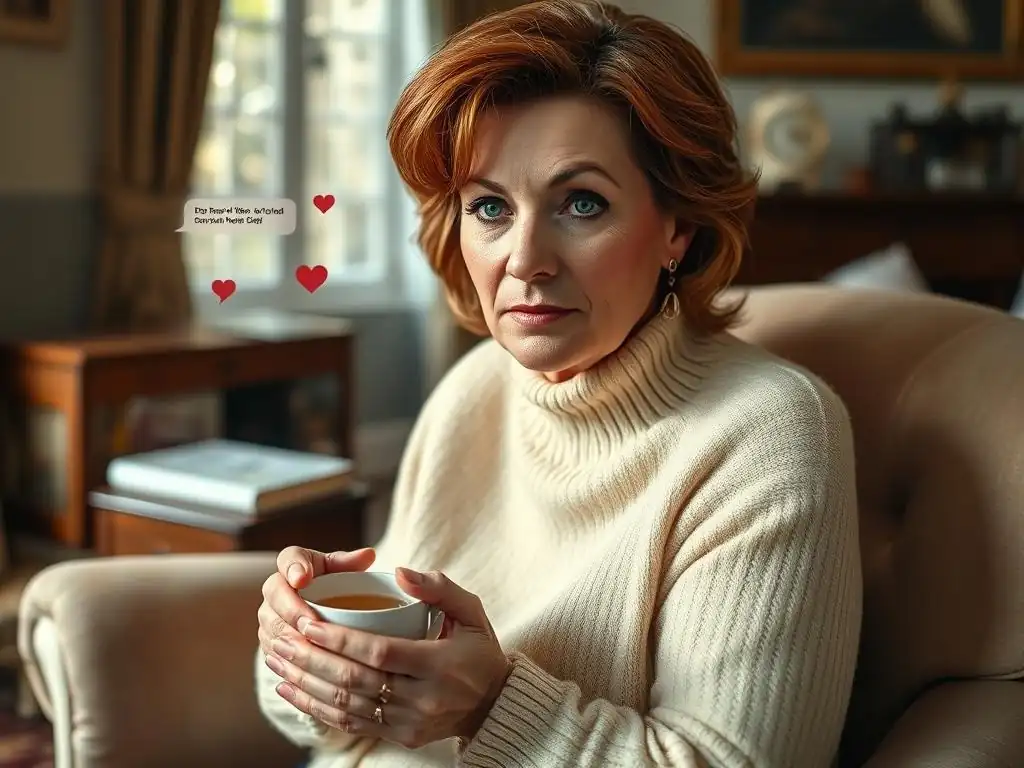
Welcome to OnlineDatingSuccess.org, your guide to navigating the exciting yet sometimes challenging world of online dating. Are you ready to find genuine connection? We understand that dating can be tricky, especially after 50. That's why we've created this resource, packed with practical advice to help you build a successful online dating profile and avoid potential pitfalls. Discover how to identify those crucial dating red flags over 50 and learn the secrets to creating meaningful relationships. Let's unlock your dating potential – explore our expert tips and start your journey to finding lasting love!
-
Recognizing Dating Red Flags Over 50: Early Warning Signs
- Financial Instability and Unexpected Expenses: Spotting Financial Red Flags in Dating
- Controlling Behavior and Manipulation Tactics in Relationships Over 50
- Disrespectful Communication Styles and Warning Signs of Future Problems
- Lack of Emotional Maturity and Emotional Availability in Later Life Dating
- Beyond the Surface: Deeper Red Flags to Watch For
- Protecting Yourself: Strategies to Avoid Bad Matches After 50
- Moving Forward: Finding Meaningful Connections After 50
-
Frequently Asked Questions
- What are some common red flags in dating over 50?
- How can I tell if someone is being dishonest in their online profile?
- What should I do if I encounter a potentially dangerous situation on a date?
- How can I avoid wasting time on incompatible matches in my 50s?
- Is it normal to feel hesitant or anxious about dating again in my 50s?
- Final Reflection: Navigating the Second Chapter of Love
- Unleash Your Dating Confidence: Take Control of Your Love Life
Recognizing Dating Red Flags Over 50: Early Warning Signs
Dating in your 50s can be an exciting new chapter, filled with the potential for meaningful connections and lasting companionship. However, navigating this landscape also requires a discerning eye. This article focuses on identifying red flags—those subtle yet significant warning signs that can help you avoid potentially damaging relationships and protect your emotional well-being. We'll explore common pitfalls specific to dating over 50, empowering you to make informed choices and build healthy, fulfilling relationships.
Understanding these red flags isn't about cynicism; it's about self-respect and setting healthy boundaries to ensure your happiness and safety. Remember, a successful relationship is built on mutual respect, trust, and open communication—anything less is a compromise you shouldn't accept. Let's delve into the key areas where caution is advised.
Financial Instability and Unexpected Expenses: Spotting Financial Red Flags in Dating
Financial issues can significantly strain any relationship, and this is especially true as we navigate the later stages of life. While you don't need a detailed financial audit on a first date, certain behaviors can signal potential problems. 🚩 Red flags might include consistent complaints about money, unrealistic spending habits, or a reluctance to discuss finances openly. Perhaps they're constantly asking for loans or financial assistance, or they frequently mention unexpected and unexplained expenses.
These behaviors could indicate a lack of financial responsibility or even a potential for financial manipulation. It's crucial to establish financial independence and boundaries from the outset. Remember, discussing finances openly and honestly is a sign of a healthy relationship, and avoiding this conversation can be a major red flag.
Don't be afraid to politely but firmly address any concerns you have early on. Consider the long-term implications of any financial entanglements before committing to a serious relationship. For example, a sudden need for a significant loan shortly after meeting could be a serious warning sign.
Controlling Behavior and Manipulation Tactics in Relationships Over 50
Controlling behavior can manifest in various subtle ways. It's not always about overt dominance; it can be disguised as "concern" or "care." 🚩 Red flags might include excessive texting or calling, attempts to isolate you from friends and family, constant criticism, or a need to control your schedule and activities. They might try to dictate your appearance or choices, subtly undermining your confidence. Gaslighting—a form of manipulation where someone makes you question your own sanity and perception of reality—is another serious red flag.
Pay attention to how they make you feel: Do you feel constantly anxious, stressed, or diminished in their presence? A healthy relationship fosters independence and mutual respect; a controlling relationship aims to dominate and control. Remember, you deserve to have your own opinions, friends, and autonomy. If you feel manipulated or controlled, trust your instincts and remove yourself from the situation.
Disrespectful Communication Styles and Warning Signs of Future Problems
Communication is the cornerstone of any successful relationship. How someone communicates with you early on is a strong indicator of how they'll treat you in the long run. 🚩 Red flags include constant negativity, interrupting you frequently, belittling your opinions, or using sarcasm and insults to put you down. They might avoid direct conversations or refuse to acknowledge your feelings. A lack of empathy and understanding is a significant concern.
Consider whether their communication style is respectful, considerate, and conducive to a healthy exchange of ideas. Do they actively listen to you, or are they primarily focused on themselves? Do they value your opinions and perspectives, or do they dismiss them? Pay close attention to these communication patterns; they are often strong predictors of future relationship dynamics. Remember, you deserve to be treated with respect and kindness in all your interactions.
Lack of Emotional Maturity and Emotional Availability in Later Life Dating
Emotional maturity is crucial at any age, but it takes on even greater significance in dating after 50. Many individuals entering this phase of life have already experienced significant life events—marriage, divorce, children, career changes, and potential loss—shaping their emotional landscape. Therefore, recognizing a lack of emotional maturity becomes paramount to avoiding heartache and wasted time. This isn't about finding someone "perfect," but rather someone equipped to handle the complexities of a mature relationship.
Signs of emotional immaturity can manifest in several ways. For example, someone who consistently blames others for their problems, struggles to take responsibility for their actions, or exhibits a pattern of manipulative behavior is displaying a lack of emotional maturity. These individuals may struggle with empathy, failing to understand or consider your feelings and perspectives.
They might also exhibit excessive defensiveness, becoming easily triggered or argumentative when confronted with criticism or differing viewpoints. This can manifest as shutting down communication completely, resorting to silent treatment, or engaging in aggressive outbursts. Look for consistent patterns of behavior rather than isolated incidents; a single mistake doesn't necessarily equate to immaturity.
Emotional availability is equally important. This refers to someone's capacity for genuine intimacy and connection. Someone who is emotionally unavailable might seem charming and engaging on the surface but struggles to form deep, meaningful connections. They might avoid discussing their feelings, keep you at arm's length emotionally, or be reluctant to commit to a serious relationship, even after a significant period of dating.
They may prioritize their own needs and desires above all else, showing little interest in your life or concerns. This can be subtle, manifesting as a lack of genuine interest in your day-to-day life, or a reluctance to share personal details about themselves. They may also be overly focused on their past relationships, constantly comparing you to ex-partners or dwelling on past hurts, preventing them from moving forward.
Remember, a healthy relationship requires two emotionally available partners who are willing to invest in the connection. Dating in your 50s should be about building a fulfilling partnership, not navigating the emotional baggage of someone unwilling or unable to participate fully. Prioritize individuals who demonstrate openness, vulnerability, and a genuine desire for a meaningful connection.
Beyond the Surface: Deeper Red Flags to Watch For

Dating in your 50s offers a unique set of challenges and rewards. While you might have a clearer sense of self and what you want in a partner, navigating the complexities of online dating still requires vigilance. This section focuses on identifying red flags that go beyond the superficial, delving into behavioral patterns and communication styles that can signal incompatibility or even potential danger. Understanding these deeper indicators can significantly improve your chances of finding a meaningful connection and avoiding potentially harmful relationships. Recognizing these "dating red flags over 50" is crucial for building a healthy and fulfilling relationship.
Inconsistencies in Their Story: Detecting Lies and Deception
Inconsistencies in a potential partner's narrative can be a major red flag. It's not about minor discrepancies, but rather significant gaps or contradictions in their life story. For instance, conflicting information about their work history, family background, or past relationships should raise concerns. Remember, honesty and transparency are fundamental to building trust. A person unwilling to be open and forthcoming about their past may be hiding something more significant.
Pay attention to details. Do their social media profiles corroborate their claims? Are there any inconsistencies between their online persona and their in-person demeanor? If you notice significant discrepancies, don't dismiss them. Gentle probing might be necessary.
For example, if they mention a long career at a specific company, you could casually ask about their role or a particular project. A fabricated story often unravels under even mild scrutiny. This isn't about being accusatory, but about ensuring you're building a relationship on a foundation of truth. Remember, "dating red flags over 50" often manifest as subtle inconsistencies that require careful observation.
Negative Attitudes and Persistent Complaints: Assessing Their Outlook on Life
A consistently negative outlook on life is a significant red flag. While everyone experiences occasional negativity, a person who perpetually complains, criticizes, or blames others for their problems may be emotionally draining and difficult to be around. This negativity can be directed at themselves, former partners, their job, or even societal issues. Listen carefully to the tone and content of their conversations. Do they find fault with everything and everyone? Do they offer solutions or simply dwell on problems?
Consider the frequency and intensity of their complaints. A few minor gripes are normal, but persistent negativity suggests underlying issues that could negatively impact your relationship. Pay attention to how they speak about their ex-partners. While it's understandable to have some negative feelings about past relationships, excessive bitterness or blaming suggests unresolved emotional baggage. A healthy perspective on life includes acknowledging challenges while maintaining optimism and resilience. This is a crucial aspect of evaluating "dating red flags over 50," as it speaks to their overall emotional health and capacity for a positive relationship.
Unrealistic Expectations and Pressuring for Commitment Too Soon
Pressuring for commitment before a genuine connection has been established is a major red flag. While excitement and attraction are natural, rushing into a serious relationship before getting to know someone properly can be problematic. Watch out for signs of intense pressure or unrealistic expectations. For instance, are they talking about marriage or moving in together after only a few dates? Are they becoming overly possessive or controlling in a short period?
This is particularly important in dating over 50, where individuals may be looking for long-term commitment. However, a healthy relationship is built on mutual respect, trust, and shared values, not on rushed decisions driven by pressure. Healthy relationships take time to develop. If someone is exhibiting controlling behavior or expressing unrealistic expectations early on, it's crucial to recognize this as a warning sign.
Prioritize your emotional well-being and avoid relationships that feel rushed or pressured. Remember, building a fulfilling relationship in your 50s requires patience and discernment. Understanding "dating red flags over 50" in this context is vital for safeguarding your emotional health and fostering a successful, lasting connection.
Lack of Respect for Boundaries and Personal Space in Dating
Respecting boundaries is paramount in any healthy relationship, and this becomes even more crucial as we navigate dating in our 50s. People at this stage of life often have established preferences and needs regarding personal space and communication styles. Ignoring these boundaries is a significant red flag indicating a potential lack of respect and consideration. This isn't just about physical space; it encompasses emotional boundaries as well.
For example, imagine someone repeatedly calling or texting incessantly despite you expressing a preference for less frequent contact. Or perhaps they push for physical intimacy before you're comfortable, disregarding your clearly stated limits. These actions demonstrate a disregard for your autonomy and emotional well-being. They might try to justify their behavior, but the underlying disrespect remains.
Remember, healthy relationships are built on mutual respect and understanding, where both individuals feel comfortable setting and maintaining their boundaries. Don't dismiss these early warning signs; they often foreshadow more serious issues down the line. Prioritizing your comfort and well-being is key to avoiding potentially damaging relationships. Learning to recognize and assert your boundaries is a crucial aspect of successful dating at any age, but especially as we become more established in our lives and know what we want and need.
Consider a real-life example: A woman in her early 50s started dating a man who, despite her repeatedly stating she preferred to communicate primarily through text messaging during the week, would call her multiple times a day at work. This not only disrupted her workday, but also showed a lack of respect for her professional life and personal preferences. This disregard for her boundaries was a clear indication of potential problems in a longer-term relationship. She wisely ended things early, avoiding a potentially stressful and frustrating situation.
This highlights the importance of recognizing and acting upon these red flags early in the dating process. Don't hesitate to end things if someone consistently disregards your boundaries, no matter how charming they might otherwise seem. Your peace of mind is invaluable.
Protecting Yourself: Strategies to Avoid Bad Matches After 50
Dating in your 50s offers a unique set of opportunities and challenges. While you might possess more self-awareness and clarity about your desires than in your younger years, navigating the complexities of online dating requires vigilance. Identifying and avoiding red flags is crucial for protecting your emotional well-being and personal safety. This section focuses on practical strategies to help you steer clear of bad matches and foster healthy connections. Understanding the nuances of dating red flags over 50 is paramount to a positive dating experience.
The Importance of Slow and Steady Dating After 50
The "slow and steady" approach isn't just a cliché; it's a powerful tool for mitigating risks in dating after 50. Rushing into intimacy or commitment can cloud your judgment and obscure potential red flags. Instead of feeling pressured to quickly find "the one," prioritize getting to know someone gradually. This allows for a more realistic assessment of compatibility and values.
Consider these points:
- Limited initial disclosures: Avoid oversharing personal details early on. Gradually reveal information as trust is built.
- Phased meetups: Start with brief, public meetings before progressing to more private dates. This minimizes vulnerability in the early stages.
- Regular check-ins with friends or family: Keep loved ones informed about your dating activities and the people you're meeting. This provides an extra layer of safety and accountability.
- Trust your intuition: If something feels off, it probably is. Don't dismiss your gut feeling, even if it's difficult to articulate why.
For example, instead of immediately revealing your financial situation or sharing intimate details about your past relationships, focus on building a connection through shared interests and casual conversations. This measured approach allows you to assess compatibility without jeopardizing your safety or emotional well-being.
Prioritizing Your Safety: Safe Dating Practices for Mature Singles
Safety should be a top priority when dating at any age, but it takes on added significance in your 50s, especially when using online dating platforms. Mature singles often have established lives and responsibilities, making them particularly vulnerable to exploitation or harm.
Here are some essential safety practices:
- Verify profiles: Be cautious of profiles that lack detail, have inconsistent information, or use stock photos.
- Meet in public places: Always choose well-lit, public locations for first dates. Avoid going to someone's home or inviting them to yours until you've established trust.
- Inform someone of your plans: Let a friend or family member know where you're going, who you're meeting, and when you expect to be home.
- Have your own transportation: Avoid relying on your date for transportation, especially on the first few dates. This ensures you maintain control and can leave whenever you feel uncomfortable.
- Trust your instincts: If a date makes you feel uneasy or unsafe, leave immediately. Your safety is paramount.
Remember, a respectful and considerate date will understand and appreciate your safety precautions. Don't feel pressured to compromise your safety for the sake of politeness. The peace of mind is worth more than any potential match.
Building Trust Gradually: A Healthy Approach to New Relationships
Trust is the foundation of any healthy relationship, and it's particularly important to cultivate trust gradually when dating in your 50s. Avoid rushing into deep commitments or revealing sensitive information before you've had a chance to truly get to know someone.
Consider these steps to build trust:
- Consistent communication: Regular communication is key to building rapport and trust. Look for consistency in their words and actions.
- Transparency and honesty: Open and honest communication is crucial. Be upfront about your expectations and boundaries.
- Shared experiences: Engaging in shared activities and experiences can help build a stronger bond and increase trust.
- Respectful boundaries: A healthy relationship respects individual boundaries. Look for someone who respects your space, time, and decisions.
- Observe their actions: Actions speak louder than words. Pay close attention to their behavior and how they treat you and others.
Building trust takes time and effort, but it's a worthwhile investment in a meaningful and lasting relationship. Don't settle for someone who makes you feel uneasy or disrespected; prioritize your emotional well-being and choose partners who value trust and mutual respect. This careful approach helps you navigate the world of "dating red flags over 50" effectively.
Seeking Support from Friends and Family During the Dating Process
Navigating the world of online dating in your 50s can be both exciting and daunting. The emotional rollercoaster of re-entering the dating scene after perhaps a long absence, or following a significant life change, can be intense. This is where the invaluable support of your friends and family comes into play. Leaning on your loved ones isn't a sign of weakness; it's a smart strategy for maintaining emotional balance and making sound judgments.
Sharing your dating experiences, both good and bad, with trusted individuals can provide much-needed perspective. They can offer a different viewpoint on situations you might be overthinking or help you identify potential red flags you might have missed. A friend's objective opinion on a new profile picture, for instance, can be surprisingly helpful. More importantly, they can provide emotional support during those inevitable moments of disappointment or frustration. Remember, dating isn't always easy, and having a strong support system can significantly ease the journey.
Consider designating a specific friend or family member as your "dating confidant." This person can act as a sounding board, offering advice and a listening ear without judgment. They can help you process your feelings and make informed decisions, preventing you from rushing into anything you might later regret. However, remember to be discerning about who you choose; select someone whose judgment you trust and who has your best interests at heart.
Importantly, the support shouldn't be one-sided. Make sure you're reciprocating the support within your relationships. Being present for your friends and family in their own lives fosters a sense of mutual care and strengthens the bonds that provide you with the emotional resilience needed to navigate the dating world. This reciprocal support network is crucial for maintaining a healthy perspective and avoiding burnout. Remember, building meaningful connections extends beyond romantic relationships; nurturing existing connections is equally valuable. This holistic approach to relationships will enhance your overall well-being and improve your dating experience.
Moving Forward: Finding Meaningful Connections After 50

Dating in your 50s offers a unique set of opportunities and challenges. While you might have more life experience and self-awareness than in your younger years, navigating the online dating world can still feel daunting. Identifying red flags early on is crucial to avoid wasting time and emotional energy on incompatible matches. But equally important is focusing on building positive connections and embracing the journey. This section offers guidance on cultivating meaningful relationships after 50, focusing on self-respect, shared values, and personal growth.
One of the most significant advantages of dating later in life is a clearer understanding of your own values and desires. This clarity allows you to be more selective and focus on finding someone who aligns with your vision for the future. Don't settle for superficial compatibility; instead, prioritize shared life goals.
Consider these questions when assessing potential partners:
- Do we share similar views on family, career, and personal growth?
- Are our financial goals and lifestyles compatible?
- Do we have overlapping interests and hobbies that could foster a fulfilling relationship?
- How do we approach conflict resolution and communication?
A strong foundation built on shared values and life goals significantly increases the chances of a long-lasting and fulfilling relationship. Avoid rushing into commitments. Take your time to get to know someone deeply and honestly assess if your long-term visions are truly compatible. Don't be afraid to ask direct questions about their future aspirations. The answers may reveal more about their character and suitability than years of casual dating. This approach is particularly important when navigating "Dating red flags over 50" as incompatibility in fundamental life aspects can lead to significant heartache later.
Maintaining Self-Respect and Confidence Throughout Your Dating Journey
Dating can be emotionally taxing, regardless of age. Maintaining self-respect and confidence is paramount, especially when encountering setbacks or rejection. Remember that a rejection doesn't reflect your worth; it simply means that person isn't the right match for you.
- Prioritize self-care: Engage in activities that nourish your mind, body, and spirit. This could include exercise, hobbies, spending time with loved ones, or pursuing personal interests.
- Surround yourself with supportive friends and family: Lean on your support network for encouragement and perspective. Their positive influence can help you maintain a healthy outlook during challenging times.
- Celebrate your accomplishments: Acknowledge your strengths and past successes. This self-affirmation helps build resilience and confidence.
- Set healthy boundaries: Don't compromise your values or needs to please someone else. Establish clear boundaries early on in the relationship to protect your emotional well-being. This is especially crucial when dealing with potential "dating red flags over 50" as respecting your own boundaries demonstrates self-worth and can deter manipulative behavior.
Maintaining a strong sense of self throughout the dating process is not just about self-preservation, but also about attracting a partner who appreciates and respects you for who you are.
Embracing the Dating Process as a Journey of Self-Discovery
Dating in your 50s, and navigating "dating red flags over 50", shouldn't be viewed solely as a quest for a partner. It's also an opportunity for self-discovery and personal growth. Embrace the journey with an open mind and a willingness to learn more about yourself and what you truly desire in a relationship.
Each interaction, whether successful or not, provides valuable insights into your preferences, needs, and communication style. Reflect on your experiences, identify patterns, and use this knowledge to refine your approach. Don't be afraid to adjust your strategies as you learn more about yourself and what you're looking for.
This process of self-reflection can lead to a deeper understanding of your strengths, weaknesses, and desires, enriching your life beyond the realm of dating. The journey of self-discovery often leads to a more authentic and fulfilling relationship with yourself, making you a more attractive and compatible partner in the long run. This positive self-awareness is a powerful tool in identifying and avoiding potential "dating red flags over 50".
Frequently Asked Questions
What are some common red flags in dating over 50?
Some common red flags include inconsistent behavior, excessive negativity, or a reluctance to meet in person. Pay attention to how they treat others and whether their words match their actions.
How can I tell if someone is being dishonest in their online profile?
Look for inconsistencies between their profile and their conversations. Reverse image search their photos and be wary of profiles lacking personal details or multiple generic stock photos. Slow and steady reveals of information are a good sign.
What should I do if I encounter a potentially dangerous situation on a date?
Trust your instincts. If something feels off, leave immediately. Let a friend or family member know your date plans, including the person's name and contact information. Have a pre-arranged safety plan in place.
How can I avoid wasting time on incompatible matches in my 50s?
Be clear about your values and relationship goals in your profile and during conversations. Don't be afraid to ask direct questions to assess compatibility. Focus on genuine connection over superficial attraction.
Is it normal to feel hesitant or anxious about dating again in my 50s?
Yes, absolutely! Dating can be challenging at any age. Acknowledge your feelings, and don't rush into anything. Take things at your own pace, prioritize self-care, and remember that finding the right person takes time.
Dating in your 50s presents a unique set of challenges, but also incredible opportunities for genuine connection. The landscape has shifted since our younger dating years; the stakes feel higher, and the desire for lasting companionship is often more profound. Understanding the red flags specific to this stage is not just about avoiding heartache; it's about safeguarding your emotional well-being and maximizing your chances of finding a truly fulfilling relationship.
The journey of dating later in life is a testament to the enduring human need for connection and belonging. It's a process of self-discovery, resilience, and ultimately, the courageous pursuit of happiness. The best love is the kind that awakens the soul and makes us reach for more, that plants a fire in our hearts and brings peace to our minds.
This quote, though not specifically about dating in one's 50s, speaks to the core desire that drives us to seek companionship at any age. The lessons learned – recognizing manipulative behaviors, setting healthy boundaries, and prioritizing self-respect – are invaluable, not just for romantic relationships, but for all aspects of life.
So, as you navigate this next chapter, remember the power you hold. You deserve a partner who cherishes you, respects your boundaries, and adds joy to your life. Take the time to reflect on your own needs and desires, learn from past experiences, and approach each new connection with both hope and discernment. Don't be afraid to walk away from anything that doesn't feel right, and remember that finding the right person is a journey worth taking, one filled with self-discovery and the potential for profound love.
Unleash Your Dating Confidence: Take Control of Your Love Life
Congratulations on taking this important step toward a fulfilling dating life in your 50s! We hope you found our advice on identifying red flags and making informed choices helpful. Now, let's put that knowledge into practice.
- Identify your non-negotiables: Create a short list of your absolute dealbreakers. This clarity will significantly simplify your dating journey.
- Share your insights: Discuss this article with a trusted friend or family member. A fresh perspective on recognizing red flags can be incredibly valuable.
- Try a new dating strategy this week: This could involve exploring a different dating app, joining a new social group, or simply being more open to meeting people in unexpected situations. Even a small change can make a big difference.
Ready to transform your dating experience? What's one small step you can take today to build your confidence?