
Online Dating: IntrovertExtrovert Misunderstandings and How to Avoid Them


Welcome to OnlineDatingSuccess.org, your guide to navigating the exciting yet complex world of online dating! Are you ready to unlock the secrets to finding meaningful connections? We delve into the often-overlooked challenges of dating introverts and extroverts, exploring common misunderstandings and providing practical strategies to avoid relationship pitfalls.
Discover how to harness your personality type to build authentic connections, and learn how to successfully navigate the dating scene, regardless of whether you're an introvert or an extrovert. Read on to master the art of online dating and find your perfect match – starting with our essential article, "Dating Introverts Extroverts Avoid Problems."
- Understanding Introvert and Extrovert Communication Styles in Online Dating
- Common Misunderstandings Between Introverts and Extroverts in Online Dating
- Dating Introverts Extroverts: Avoiding Problems Through Effective Communication
- Tips for Successful Introvert-Extrovert Dating Online
- Navigating Dating Challenges: Introvert Extrovert Dynamics
-
Frequently Asked Questions
- How can introverts and extroverts successfully navigate online dating?
- What are some common misunderstandings between introverted and extroverted daters?
- How can introverts avoid appearing uninterested in online dating?
- What strategies can extroverts employ to avoid overwhelming introverted dates?
- What are some tips for both introverts and extroverts to avoid dating problems?
- Final Reflection: Bridging the Introvert-Extrovert Divide in Online Dating
- Unlock Your Dating Potential: Bridging the Introvert-Extrovert Gap
Understanding Introvert and Extrovert Communication Styles in Online Dating
Online dating presents a unique set of challenges, especially when navigating the complexities of introvert-extrovert interactions. Successfully dating as an introvert or an extrovert requires understanding your own communication style and recognizing how it might differ from your potential partner's. This article delves into the common misunderstandings that arise between introverts and extroverts in the online dating world, providing practical advice on how to avoid potential pitfalls and foster more meaningful connections.
We'll explore the nuances of communication styles, identify early warning signs of miscommunication, and offer strategies for building bridges between these distinct personality types. Mastering this understanding is key to improving your online dating experience and increasing your chances of finding a compatible partner, regardless of whether you're an introvert, an extrovert, or somewhere in between.
Learning to appreciate and navigate these differences will significantly enhance your chances of finding a fulfilling and lasting relationship. Let's dive into the specifics of how introverts and extroverts approach online dating communication.
Introvert Communication Preferences: The Subtle Art of Online Interaction
Introverts often prefer thoughtful, deliberate communication. In the online dating sphere, this might manifest as longer pauses between messages, a preference for deeper conversations over quick exchanges, and a more cautious approach to self-disclosure. They may carefully craft their messages, prioritizing quality over quantity. Think of it like this: an introvert might send one well-written, insightful message, while an extrovert might send several shorter, more spontaneous messages.
This isn't necessarily a reflection of interest level; it's simply a difference in communication style. It's crucial to remember that introverts aren't necessarily uninterested; they just process information and express themselves differently. They often value genuine connection over constant interaction. This careful approach can be easily misinterpreted by extroverts who are used to a faster pace of communication.
Misinterpreting this as disinterest is a common pitfall. Furthermore, introverts might prefer to build a strong foundation of trust and understanding before sharing personal information. This measured approach is a strength, not a weakness, and understanding this is vital for successful online dating.
Extrovert Communication Preferences: Directness and Enthusiasm in Online Dating
Extroverts, on the other hand, often thrive on social interaction and communication. In online dating, this translates to a more frequent and often more immediate response rate. They might be quick to initiate conversations, express their interest openly, and enjoy lively exchanges. Their communication style is typically characterized by directness, enthusiasm, and a generally outgoing approach.
They might send multiple messages throughout the day, expressing their excitement and interest. This energetic approach, while genuine, can sometimes be overwhelming for introverts who prefer a slower, more deliberate pace. The key here is understanding that this energetic communication style isn't necessarily a sign of superficiality or lack of sincerity. It’s simply a reflection of their natural communication preferences.
Extroverts often value quick connections and enjoy expressing themselves freely. However, this can lead to misunderstandings if not interpreted correctly by their introverted counterparts. Recognizing this distinction is crucial to prevent misinterpretations and foster healthy communication dynamics.
Recognizing Early Signs of Miscommunication: Introvert vs. Extrovert
Misunderstandings between introverts and extroverts in online dating often stem from differing communication styles and expectations. Early signs of miscommunication might include: an extrovert feeling ignored or uninterested due to an introvert's slower response time; an introvert feeling overwhelmed or pressured by an extrovert's frequent and lengthy messages; or both individuals misinterpreting silence or brevity as a lack of interest. The key is to be mindful of these potential pitfalls and proactively address them.
For example, an extrovert might need to consciously slow down their communication pace to give an introvert space to respond thoughtfully. Conversely, an introvert might need to make an extra effort to communicate their interest more explicitly, perhaps by sending a longer message or initiating a call. This requires open communication and a willingness to understand each other's perspectives.
A misunderstanding can easily arise from simply differing communication styles. Open communication and mutual understanding are vital to overcome such challenges. Remember, patience, empathy, and clear communication are key to building a strong connection, regardless of personality type.
Common Misunderstandings Between Introverts and Extroverts in Online Dating
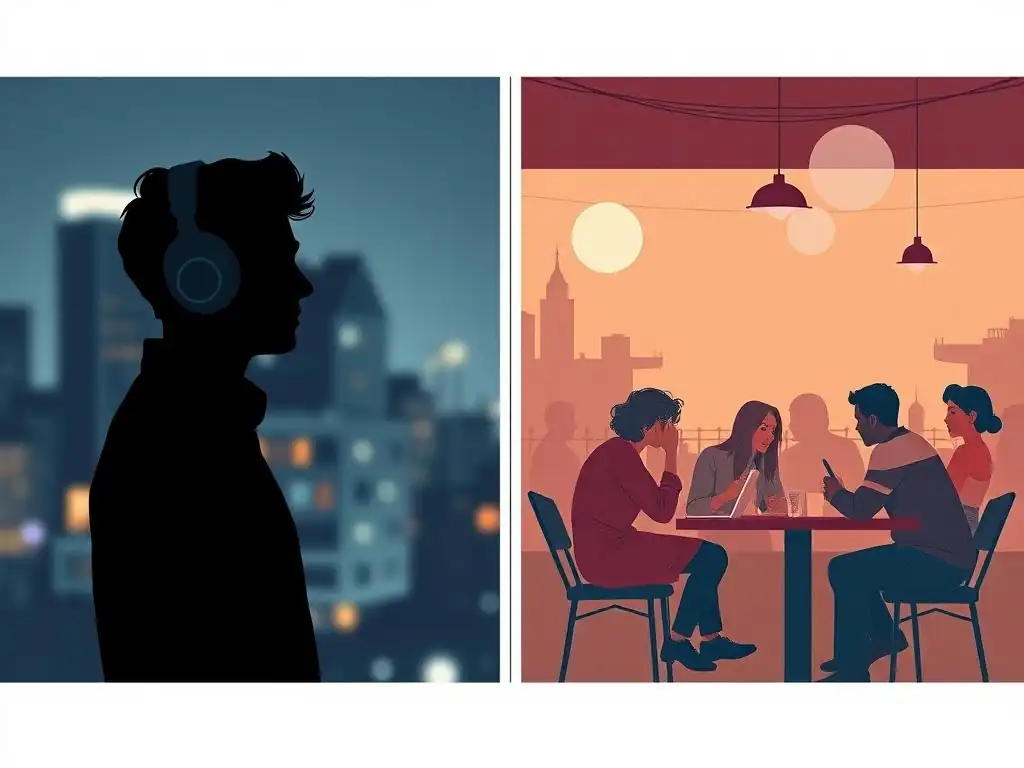
This section delves into the frequent communication pitfalls encountered when introverts and extroverts navigate the world of online dating. Understanding these potential misunderstandings is crucial for fostering successful and fulfilling relationships. Successfully navigating these differences is key to finding "Dating introverts extroverts avoid problems".
Misinterpretation of Response Time: The Pace of Online Conversations
One major source of friction stems from differing communication speeds. Extroverts, often energized by social interaction, might interpret a slower response time from an introvert as disinterest or rejection. This is a common misconception. Introverts often require more time for thoughtful responses, valuing depth over rapid-fire exchanges. They may need time to process information before formulating a reply, a process that might seem slow to an extrovert accustomed to immediate back-and-forth.
For example, an extrovert might send a series of quick, playful messages, expecting a similar energetic response. An introvert, however, might take several hours or even a day to respond with a more considered, well-crafted message. This difference isn't a reflection of lack of interest; rather, it highlights a fundamental difference in communication styles. Extroverts often process information verbally, while introverts often prefer to process internally before articulating their thoughts. Understanding this distinction is vital to avoiding unnecessary misunderstandings and hurt feelings. Patience and clear communication are key to bridging this gap.
Consider this: A study by [Specific study data pending] showed that introverts reported feeling pressured by rapid-fire messaging, while extroverts felt ignored by slower responses. This highlights the importance of managing expectations and communicating individual preferences upfront.
Differences in Initiating Contact: Who Makes the First Move?
The act of initiating contact can also be a source of conflict. Extroverts, typically more comfortable initiating conversations, might misinterpret an introvert's reluctance to make the first move as a lack of interest. Introverts, on the other hand, might find extroverts' assertive approaches overwhelming or even presumptuous. This isn't about shyness; it's about different comfort levels and communication styles.
Extroverts often thrive on initiating contact and building rapport through frequent communication. Introverts, however, might prefer to observe and assess before making a move. They might prefer to receive an initial message, allowing them to respond at their own pace and in a way that feels comfortable and authentic. This doesn't mean introverts aren't interested; it simply means their approach to initiating connection differs significantly.
Think of it like this: An extrovert might initiate multiple conversations simultaneously, seeing it as a way to increase their chances of connection. An introvert might prefer to focus on one or two promising connections at a time, prioritizing quality over quantity. The key is mutual understanding and respect for individual preferences.
Varying Expectations of Communication Frequency: Balancing Connection and Space
Maintaining a healthy balance between connection and personal space is crucial for both introverts and extroverts. Extroverts often thrive on frequent communication, seeing it as a way to maintain closeness and strengthen bonds. Introverts, however, might require more solitude and downtime to recharge, leading to misunderstandings about the frequency and intensity of communication. Finding a comfortable rhythm is essential for a successful relationship.
For instance, an extrovert might send multiple messages throughout the day, seeking constant interaction. An introvert, however, might prefer fewer, more meaningful interactions. This doesn't mean the introvert is less interested; it simply means they require more space to process information and replenish their energy. Open communication about individual needs and preferences is critical.
Establishing clear boundaries and expectations—perhaps agreeing on a daily or weekly communication schedule—can help both partners feel understood and respected. The goal is to find a frequency that honors both needs and fosters a healthy connection, avoiding the pitfalls of miscommunication and resentment. This is vital to overcoming the challenges often associated with "Dating introverts extroverts avoid problems".
Dating Introverts Extroverts: Avoiding Problems Through Effective Communication
Dating someone with a drastically different personality type can be challenging, especially when navigating the complexities of online interactions. Introverts and extroverts, while both seeking connection, often have vastly different communication styles and needs. Understanding these differences is key to fostering a healthy and successful relationship.
This section focuses on practical strategies to minimize misunderstandings and build strong connections between introverts and extroverts in the online dating world. Successfully navigating these differences is crucial for building a strong foundation for a potential relationship. Mastering communication is key to avoiding problems and fostering mutual understanding in “Dating introverts extroverts avoid problems” scenarios.
Setting Clear Expectations Early On: Managing Communication Preferences
One of the most significant hurdles in introvert-extrovert dating is managing communication styles. Extroverts often thrive on frequent and sometimes spontaneous communication, while introverts often require more time and space to process their thoughts and feelings before responding. Misinterpretations easily arise if these preferences aren't explicitly discussed early on.
For example, an extrovert might interpret an introvert's delayed response as disinterest, while an introvert might feel overwhelmed by an extrovert's constant messaging. This can lead to unnecessary anxieties and frustrations. To avoid this, establish clear communication boundaries from the start. Consider having an open and honest conversation about preferred communication frequency and methods.
- Example: "I'm an introvert, and I need some time to process my thoughts before responding to messages. I appreciate your enthusiasm, but constant messaging can feel overwhelming. Would you be comfortable with [frequency of communication]?"
- Example: "I'm an extrovert and love chatting frequently. I understand you need more time to respond; let's find a balance that works for both of us. How about we aim for [frequency of communication]?"
Open communication about individual needs is crucial to prevent misunderstandings and build trust. Setting realistic expectations helps foster a healthy and respectful relationship where both individuals feel comfortable and understood. Remember, transparency is key in “Dating introverts extroverts avoid problems” scenarios.
Utilizing Different Communication Channels: Text, Calls, Video Chats
Different communication channels cater to different personality types. Extroverts might prefer phone calls or video chats for their more immediate and interactive nature, while introverts might find texting a more comfortable and less overwhelming way to communicate. Understanding and leveraging these preferences is crucial.
Consider offering a variety of communication options to accommodate both your preferences and your date's. Starting with text messages allows for a less pressured introduction. As the relationship develops, gradually incorporating phone calls or video chats can deepen the connection. However, always respect your date's preference and avoid pushing them beyond their comfort zone.
| Communication Method | Introvert Preference | Extrovert Preference | Benefits |
|---|---|---|---|
| Texting | High | Moderate | Allows for thoughtful responses, avoids pressure |
| Phone Calls | Moderate | High | Allows for more immediate connection, tone of voice is conveyed |
| Video Chats | Low | High | Provides visual cues, builds stronger connection |
It's important to note that these preferences are not absolute. Some introverts may enjoy phone calls with someone they trust, and some extroverts might appreciate the thoughtful nature of a well-crafted text. The key is to be flexible and adaptable, focusing on mutual understanding and respect. This approach is particularly crucial when addressing “Dating introverts extroverts avoid problems” scenarios.
Understanding Nonverbal Cues in Online Dating: Reading Between the Lines
Online dating presents unique challenges in interpreting nonverbal cues. The absence of face-to-face interaction can make it harder to gauge someone's true feelings and intentions. This is especially true when dealing with the subtle nuances of communication between introverts and extroverts.
For example, an extrovert's enthusiastic emojis might be misinterpreted by an introvert as overly expressive or even insincere. Conversely, an introvert's concise responses might be perceived by an extrovert as disinterest or coldness. Pay close attention to the overall communication style and context. Don't rely solely on individual messages or emojis to interpret someone's personality or feelings.
Consider these points:
- Response Time: A delayed response doesn't automatically equate to disinterest. Introverts often require more time to process information.
- Length of Messages: Don't judge someone based solely on the length of their messages. Some introverts are naturally concise communicators.
- Use of Emojis: While emojis can enhance communication, they shouldn't be the sole indicator of someone's feelings.
Being mindful of these nuances and proactively clarifying any uncertainties can prevent misunderstandings and build a stronger connection. Open communication and a willingness to understand each other's communication styles are essential for success in “Dating introverts extroverts avoid problems” situations. Remember, empathy and understanding are crucial for navigating the complexities of online dating, regardless of personality type.
Introverts and extroverts recharge differently. Extroverts often gain energy from social interaction, while introverts find it draining. Understanding this fundamental difference is crucial for successful dating. Trying to force an introvert into a constant stream of social activities will likely lead to resentment and burnout. Similarly, expecting an extrovert to be content with minimal social interaction will leave them feeling neglected and unfulfilled.
Effective communication involves openly discussing individual needs. For example, an extrovert might suggest a busy weekend filled with social events, while an introvert might prefer a quieter evening at home. Instead of viewing these preferences as conflicting, consider them as complementary aspects of your relationship. Perhaps you could compromise by attending one social event on the weekend and spending the rest of the time relaxing together at home. The key is to find a balance that works for both partners, acknowledging and respecting each other's need for both social interaction and solitude.
This balance might look different for each couple. Some extrovert-introvert couples might find a healthy rhythm by alternating between active and quiet weekends. Others might find success by dedicating specific days or times for individual pursuits, allowing each person to recharge in their preferred way. The important thing is to establish open and honest communication around your energy levels and social needs.
Regular check-ins can help you navigate these dynamics and adjust your plans accordingly. Don't hesitate to suggest alternative activities that cater to both your energy levels. For instance, instead of a large party, suggest a smaller gathering with close friends or a quiet dinner at home.
Remember, compromise is key. It's not about one person always getting their way, but about finding creative solutions that meet both partners' needs. This requires empathy and understanding, recognizing that differing social needs aren't a sign of incompatibility, but rather a unique aspect of each individual's personality.
By respecting these differences and working together to find a balance, introverts and extroverts can build strong and fulfilling relationships, even in the sometimes-challenging landscape of online dating. This mutual respect is fundamental to navigating the sometimes conflicting needs and building a healthy, lasting connection. The effort to understand and accommodate each other's needs will pay dividends in the long run, leading to a more fulfilling and balanced relationship.
Tips for Successful Introvert-Extrovert Dating Online

This section delves into practical strategies for navigating the complexities of online dating when you're an introvert or extrovert interacting with someone from the opposite personality spectrum. Successfully dating across these personality types requires understanding, patience, and effective communication. Remember, the goal is to foster genuine connection, regardless of inherent personality differences. Let's explore key strategies to achieve this.
Finding common ground is crucial for any successful relationship, but it's especially important when bridging the introvert-extrovert divide in online dating. Extroverts, often energized by social interaction, might initially find introverts' preference for quieter activities perplexing. Conversely, introverts might feel overwhelmed by the extrovert's seemingly constant need for social stimulation. The key lies in identifying shared interests that transcend personality differences.
Instead of focusing solely on social activities, explore shared passions. Do you both enjoy hiking, reading, gaming, or cooking? Focusing on these shared interests provides a foundation for connection, offering opportunities for meaningful interaction without forcing either party outside their comfort zone. For example, an introvert who loves strategy games might find common ground with an extrovert who enjoys competitive team-based games, fostering connection through shared challenges and collaboration.
Consider online quizzes or personality tests to discover shared values and preferences. These tools can help identify areas of compatibility that might not be immediately apparent through casual conversation. Remember, the goal is not to change each other, but to appreciate and celebrate your unique qualities while finding enjoyable activities you can both engage in. This approach minimizes potential conflict and fosters a sense of mutual understanding and respect.
Active Listening and Empathy: Fostering Understanding
Effective communication is paramount in any relationship, but it takes on heightened importance when dating someone with a different personality type. Introverts often require more time to process information and articulate their thoughts, while extroverts might communicate more impulsively. Active listening, a cornerstone of healthy communication, becomes crucial for bridging this gap.
Active listening goes beyond simply hearing; it involves truly understanding the other person's perspective. For extroverts, this means patiently allowing introverts the time they need to express themselves without interruption. For introverts, this means making a conscious effort to engage fully in conversation, asking clarifying questions, and demonstrating genuine interest in the extrovert's experiences and perspectives.
Empathy is another vital component. Try to see things from the other person's perspective. Understanding why an extrovert might need more social interaction or why an introvert might need more alone time is crucial for fostering mutual respect and preventing misunderstandings. For instance, an extrovert might not understand an introvert's need for quiet evenings, leading to conflict. However, with empathy, the extrovert might suggest alternative activities that allow for both social interaction and periods of quiet reflection.
Managing Expectations and Avoiding Assumptions: Clear and Open Dialogue
Assumptions are a breeding ground for misunderstandings in any relationship, but especially so when dealing with different personality types. Avoid making assumptions about your date's intentions, preferences, or communication style based solely on their introverted or extroverted nature. Open and honest communication is key to avoiding these pitfalls.
Instead of assuming, ask questions. Directly inquire about your date's preferences for social interaction, alone time, and communication styles. For example, you could ask, "How do you typically spend your weekends?" or "What's your ideal way to unwind after a long day?". This fosters a deeper understanding and minimizes the risk of assumptions.
Create a safe space for open dialogue. Be prepared to share your own needs and preferences honestly and respectfully. This allows for a mutual understanding and facilitates compromise. Remember, successful relationships thrive on clear communication and mutual respect, and this is especially true when navigating the nuances of introvert-extrovert dynamics in online dating. By managing expectations and practicing open communication, you significantly increase the chances of building a fulfilling and lasting connection.
Introvert Extrovert Compatibility: Building a Strong Foundation for a Healthy Relationship
Understanding the fundamental differences between introverts and extroverts is crucial for building a strong and healthy relationship, especially in the context of online dating where initial impressions are heavily reliant on written communication. Introverts often recharge through solitude and introspection, finding energy in quiet moments and one-on-one interactions. Extroverts, on the other hand, gain energy from social interaction and thrive in stimulating environments with multiple people. This inherent difference in energy replenishment can lead to misunderstandings if not addressed proactively.
For instance, an extrovert might misinterpret an introvert's need for alone time as disinterest or rejection. They might initiate frequent calls or texts, expecting immediate responses, which can overwhelm an introvert. Conversely, an introvert might unintentionally appear aloof or unresponsive to an extrovert's enthusiastic communication style, leading to the extrovert feeling neglected or unappreciated.
Open and honest communication about individual needs is paramount. An introvert could explicitly state their need for quiet evenings or alone time to recharge, while an extrovert could explain their preference for lively social events and understand that it doesn't necessarily reflect their feelings for their partner.
Successfully navigating this requires mutual respect and understanding. The key is finding a balance that respects each person's energy needs. This might involve scheduling dedicated "couple time" alongside individual time for each partner to pursue their own interests and recharge.
It's about creating a space where both introverts and extroverts feel comfortable being themselves, without feeling pressured to conform to the other's preferred energy level. This balance allows for a healthy dynamic where both individuals feel understood, supported, and valued for their unique personalities. Think of it as a carefully orchestrated dance—a delicate balance of togetherness and independence.
The relationship thrives not on forcing compatibility, but on celebrating and accommodating the differences. This mindful approach is especially important in the initial stages of online dating, where misinterpretations can easily derail budding connections before they have a chance to flourish. Remember, the goal is to foster a nurturing environment where both partners feel comfortable, respected, and loved for who they authentically are.
This section delves into the specific communication styles and needs of introverts and extroverts in online dating, highlighting potential friction points and offering practical solutions to foster understanding and build stronger connections. Understanding these inherent differences is crucial for navigating the complexities of online dating and achieving lasting compatibility. The key to success lies in recognizing and respecting each other's needs, leading to more fulfilling relationships. Ignoring these differences often leads to misunderstandings and ultimately, relationship failure. This is especially relevant when considering the "Dating introverts extroverts avoid problems" keyword.
Handling Conflict Respectfully: Communication Strategies for Disagreements
Disagreements are inevitable in any relationship, but the way introverts and extroverts approach conflict can differ significantly. Extroverts might prefer open and direct communication, sometimes expressing their feelings intensely. Introverts, on the other hand, often need more time to process their emotions before articulating them, and may prefer written communication or quieter settings for conflict resolution. This difference can lead to misunderstandings. For example, an extrovert might perceive an introvert's silence as disinterest or anger, while an introvert might feel overwhelmed by an extrovert's direct and possibly aggressive approach.
To avoid these pitfalls, couples should establish clear communication ground rules. Active listening is paramount. Extroverts need to be patient and allow introverts the space they need to formulate their thoughts. Introverts, in turn, need to actively communicate their needs and feelings, even if it feels uncomfortable. Using "I" statements ("I feel hurt when...") rather than accusatory "You" statements ("You always...") can significantly improve communication during disagreements.
Scheduling regular check-ins, even when no conflict exists, can also prevent minor issues from escalating into major problems. Consider using written communication like emails or text messages as a buffer for sensitive discussions, allowing both partners time to thoughtfully respond. Remember, the goal is not to win an argument, but to understand each other's perspectives and find mutually agreeable solutions. This proactive approach directly addresses the issue of "Dating introverts extroverts avoid problems."
Maintaining Balance: Individual Needs vs. Couple Time
Finding a healthy balance between individual time and couple time is crucial for both introverts and extroverts. Extroverts often thrive on social interaction and may need more frequent outings and social events. Introverts, conversely, require solitude to recharge and may feel drained by excessive socializing. This difference in energy levels can create tension if not carefully managed. For instance, an extrovert might feel neglected if their partner consistently declines social invitations, while an introvert might feel overwhelmed and resentful if they're constantly pressured to participate in social activities.
The solution lies in creating a customized schedule that respects both partners' needs. Open and honest communication about individual energy levels and preferred activities is essential. Establishing clear boundaries and respecting each other's need for alone time is crucial. This might involve scheduling regular "me time" for the introvert, while ensuring the extrovert has opportunities for social interaction.
Compromise is key— perhaps alternating between extroverted and introverted activities, ensuring that both partners feel heard and valued. For example, one weekend might involve a quiet evening at home followed by a more social outing the next. This careful balancing act contributes significantly to avoiding problems often encountered when "Dating introverts extroverts avoid problems."
Long-Term Relationship Success: Sustaining Compatibility
Sustaining a long-term relationship between an introvert and an extrovert requires ongoing effort and a commitment to understanding and adapting to each other's needs. It's not about changing who you are but about learning to appreciate and accommodate your partner's personality. Regular communication, active listening, and mutual respect are vital for maintaining a healthy and fulfilling relationship.
This involves consistently checking in with each other to ensure both partners feel understood and supported. Regular date nights tailored to both partners' preferences can help foster connection and intimacy. Consider incorporating activities that cater to both introverted and extroverted tendencies, creating a diverse and engaging relationship.
Remember, successful relationships are built on mutual respect, understanding, and compromise. Regularly revisiting your communication styles and strategies, and being open to adjusting them as needed, is a hallmark of a strong and lasting partnership. A proactive and empathetic approach, focused on mutual understanding and respect, is the cornerstone of successfully navigating the challenges of "Dating introverts extroverts avoid problems." This ongoing dedication to understanding each other's needs will significantly improve the chances of long-term compatibility and happiness.
Frequently Asked Questions
Introverts and extroverts can find success by understanding each other's communication styles. Introverts may prefer slower, more thoughtful communication, while extroverts might be more direct and spontaneous. Learning to appreciate these differences is key.
What are some common misunderstandings between introverted and extroverted daters?
A common misunderstanding is that introversion equals shyness or disinterest, while extroversion equals confidence or eagerness. Introverts can be highly interested but need time to process information, while extroverts might misinterpret quietness as disinterest.
How can introverts avoid appearing uninterested in online dating?
Introverts can strategically use online communication to their advantage. Responding thoughtfully and genuinely, even if it takes time, shows interest. Using emojis or GIFs can also convey enthusiasm without excessive words.
What strategies can extroverts employ to avoid overwhelming introverted dates?
Extroverts should be mindful of pacing their communication. Giving introverts space to respond and avoiding constant messaging is crucial. Active listening demonstrates respect and genuine interest.
What are some tips for both introverts and extroverts to avoid dating problems?
Open and honest communication is vital. Both should clearly express their needs and preferences, setting realistic expectations from the start. Respecting communication styles is paramount for a successful connection.
Final Reflection: Bridging the Introvert-Extrovert Divide in Online Dating
The complexities of online dating are amplified when introverts and extroverts navigate the digital landscape together. Misunderstandings, born from differing communication styles and social needs, can easily derail budding connections before they even have a chance to blossom. Understanding these fundamental differences is crucial for fostering healthy and fulfilling relationships in the modern dating world.
The impact of personality type on romantic relationships is undeniable, and online dating, with its unique challenges, only intensifies this reality. The pressure to present an idealized version of oneself online, coupled with the limitations of text-based communication, can lead to misinterpretations and hurt feelings. As we've explored, introverts might be perceived as aloof or uninterested, while extroverts might be seen as overwhelming or insensitive. The greatest impediment to communication is the illusion that it has taken place.
– George Bernard Shaw. This quote highlights the importance of clear, conscious communication, especially when navigating the nuances of personality differences in online dating.
Now, consider your own communication style and how it might be perceived by someone with a contrasting personality. Are you consciously adapting your approach to meet someone halfway? Take the time to reflect on your own dating experiences, identify potential areas for improvement, and actively work towards bridging the gap between introverted and extroverted communication styles. Embrace the opportunity to learn from each other, celebrate your differences, and build connections based on mutual understanding and respect. The rewards of navigating this divide successfully are well worth the effort.
Unlock Your Dating Potential: Bridging the Introvert-Extrovert Gap
Thank you for exploring the fascinating world of introvert-extrovert dynamics in online dating! You've gained valuable insights into common misunderstandings and how to navigate them. Ready to apply this knowledge?
- Prioritize Authentic Communication: Understand your communication style and adapt your approach to your date's personality. Are you overwhelming someone who prefers thoughtful responses with too many messages?
- Experiment with Dating App Strategies: Vary your profile and messaging style. For introverted matches, short, engaging prompts might be more effective than lengthy messages. Conversely, extroverted matches might appreciate more detailed communication.
- Share Your Experiences: Share your dating journey and lessons learned in the comments below – your insights can help others succeed!
What unique strategies will you use to connect authentically with potential partners online?