
Building Trust: Emotional Security in Single Parent Dating


Ready to rewrite your online dating story? At OnlineDatingSuccess.org, we empower singles to find genuine connections. But navigating the world of online dating as a single parent presents unique challenges. That's why we've created this essential guide focusing on single parent dating safety tips, helping you build trust and prioritize emotional security while searching for a meaningful relationship. Discover how to safeguard yourself and your children, and unlock the potential for lasting love. Let's get started!
- Navigating the Dating World as a Single Parent: Key Safety Considerations
- Building Trust: Strategies for Safe Single Parent Dating
- Emotional Well-being and Dating Safety for Single Parents
-
Single Parent Dating Safety Tips: Practical Advice for Online Interactions
- Creating a Safe Online Dating Profile: Protecting Your Identity and Your Children's
- Communicating Safely Online: Avoiding Risky Behaviors and Information Sharing
- Meeting in Public Spaces: Ensuring Safety During In-Person Interactions
- Trusting Your Instincts: Recognizing and Responding to Warning Signs
- Long-Term Relationship Building: Fostering Trust and Security
-
Frequently Asked Questions
- How can single parents stay safe while online dating?
- What are some red flags to watch out for when dating as a single parent?
- How do I protect my children's privacy while dating online?
- How can I balance my dating life with my responsibilities as a single parent?
- What if I feel uncomfortable or unsafe on a date?
- Final Reflection: Cultivating Trust in the Landscape of Single Parent Dating
- Unlock Deeper Connections: Your Journey to Secure Dating Starts Now!
Dating as a single parent presents a unique set of challenges, blending the excitement of finding a potential partner with the crucial responsibility of protecting your children. This article focuses on building trust and emotional security within the context of single parent dating, offering practical safety tips to help you navigate this journey confidently and responsibly. We'll explore how to prioritize your children's well-being, protect their privacy, and establish clear boundaries with potential partners, ensuring a safe and positive dating experience for everyone involved.
Successfully integrating a new person into your family life requires careful planning and a proactive approach to safety and emotional well-being. Remember, your children's emotional security is paramount, and this guide provides the tools to help you achieve that while exploring new romantic possibilities. This is about finding love and maintaining a safe and stable environment for your family.
Prioritizing Your Children's Well-being in Online Dating
Before even considering meeting someone, it's vital to prioritize your children's emotional and physical safety. This means being mindful of how your dating life impacts them. Avoid introducing potential partners too quickly. Children can be sensitive to changes in their family dynamic, and a gradual introduction allows them to adjust at their own pace. Remember, this isn't just about your happiness; it's about building a secure and stable environment for your family.
Consider these crucial steps:
- Open Communication: Talk to your children about your dating life, adapting your approach to their age and understanding. Be honest, but avoid overwhelming them with details.
- Gradual Introductions: Suggest casual, supervised meetings before formal introductions. Let your children observe the interactions and assess the person's demeanor.
- Observing Their Reactions: Pay close attention to your children's comfort levels. If they express discomfort or reservations, listen to them and respect their feelings. Their well-being should always come first.
- Seeking Support: Don't hesitate to lean on your support network – friends, family, or even a therapist – to help navigate the emotional complexities of dating as a single parent.
Protecting Your Children's Privacy During the Dating Process
Protecting your children's privacy is non-negotiable. Avoid sharing excessive personal details about your children online or during initial interactions with potential partners. Never post pictures of your children on dating profiles without their explicit consent (age-appropriate, of course). Remember, the internet is a public space, and protecting your children's identity is crucial.
Here's a practical checklist:
| Action | Importance | Example |
|---|---|---|
| Avoid posting photos | Prevents unwanted attention and potential risks to your children's safety | Don't share images on your dating profile. |
| Limit shared information | Prevents potential stalking or harassment. | Keep details about your children's school vague. |
| Be cautious online | Protects your children from online predators | Avoid disclosing location details. |
| Screen potential partners | Ensures you're introducing trustworthy people to your children. | Check their social media presence carefully. |
Setting Boundaries: Defining Acceptable Behavior from Potential Partners
Establish clear boundaries with potential partners from the outset. This includes setting expectations regarding communication, interaction with your children, and respecting your family's privacy. Don't hesitate to communicate your boundaries firmly and confidently. Remember, you have the right to protect your family's emotional and physical safety.
Some key boundaries to consider:
- Respect for your time: Ensure they understand your commitments to your children and that your family's needs come first.
- Appropriate communication: Set expectations for how and when you'll communicate, avoiding excessive contact or late-night calls.
- Respectful interactions with your children: Potential partners should treat your children with respect and understanding.
- Privacy: Be clear about the information you're comfortable sharing about your family life.
Remember, building trust and emotional security in single parent dating requires proactive planning, open communication, and a commitment to prioritizing your children's well-being. By implementing these safety tips, you can confidently navigate the dating world while ensuring a secure and loving environment for your family.
Building Trust: Strategies for Safe Single Parent Dating

Dating as a single parent presents unique challenges, particularly when it comes to building trust and ensuring safety. It's crucial to prioritize your emotional well-being and the security of your children throughout the dating process. This section provides practical strategies for navigating the complexities of single parent dating while maintaining a healthy sense of emotional security. We will explore effective screening techniques, discuss the importance of gradual introductions to children, and emphasize the need for open communication about your dating life with your kids. Remember, prioritizing safety and emotional well-being is paramount in single parent dating.
Vetting Potential Partners: Effective Screening Techniques for Single Parents
Before introducing anyone to your children, thorough vetting is essential. This isn't about being suspicious, but rather about being proactive in protecting yourself and your family. Single parent dating safety tips often emphasize the importance of this crucial step. Consider these techniques:
- Online Presence Check: Discreetly research your date's online presence. Look for inconsistencies in their profiles or red flags like aggressive language or overtly sexual content. Remember, a lack of online presence isn't necessarily a red flag, but significant inconsistencies should raise concerns.
- Background Checks (where appropriate): Depending on how serious the relationship becomes, a background check can offer peace of mind. This can help uncover any criminal history or other concerning information. Always prioritize ethical and legal methods.
- Slow and Steady: Don't rush into anything. Take your time getting to know someone before sharing personal information or introducing them to your children. This allows you to observe their behavior and assess their character over time.
- Trust Your Intuition: This is perhaps the most important tip. If something feels off, trust your gut feeling. Don't dismiss your intuition; it often serves as a valuable warning system.
- Transparency with Friends and Family: Share information about your dates with trusted friends or family members. Let them know where you're going and who you're with. This adds an extra layer of security.
The process of vetting potential partners is a continuous one. It's not a one-time event but rather an ongoing evaluation throughout the dating process. Remember, your safety and the well-being of your children are paramount.
Managing Introductions to Your Children: A Gradual Approach
Introducing a new partner to your children is a significant step that should be approached with care and sensitivity. Rushing this process can be detrimental to both your children's emotional well-being and the development of a healthy relationship.
- Timing is Key: Wait until you feel confident and secure in the relationship before introducing your children. This ensures that the introduction is not premature and minimizes the potential for emotional upheaval for your children if the relationship doesn't work out.
- Gradual Introductions: Start with brief, supervised meetings in neutral settings. Let your children lead the pace, allowing them to adjust at their own speed. Avoid pressuring them into anything they're not comfortable with.
- Observe Interactions: Pay close attention to how your children interact with your new partner. Look for signs of comfort or discomfort. Their reactions are invaluable indicators of how they are processing this new person in their lives.
- Prioritize Your Children's Feelings: Remember, your children's emotional well-being should always come first. Be prepared for a range of reactions, from excitement to apprehension or even resistance. Validate their feelings and provide reassurance.
- Open Communication: Maintain open communication with your children throughout the process. Encourage them to express their feelings and answer their questions honestly and age-appropriately. This fosters trust and helps them feel safe and secure.
Open Communication about Dating: Talking to Your Children about Your Relationships
Open and honest communication with your children about your dating life is vital. This helps them understand what's happening and reduces any anxiety or uncertainty they might be experiencing.
- Age-Appropriate Conversations: Tailor your communication to your children's age and understanding. Use simple, clear language that they can grasp. Avoid overwhelming them with too much detail.
- Honest and Transparent: Be truthful about your dating experiences, but avoid sharing intimate details. Focus on the positive aspects of your relationships and emphasize the importance of finding someone who respects and cares for you.
- Active Listening: Encourage your children to express their thoughts and feelings. Actively listen to their concerns and address them with empathy and understanding.
- Reassurance and Support: Reassure your children that they are loved and that nothing will change their place in your life. Let them know that you are always there for them, no matter what.
- Seek Professional Guidance (if needed): If you find it difficult to navigate these conversations, consider seeking professional guidance from a therapist or counselor specializing in family dynamics. They can provide support and strategies for effective communication.
Remember, building trust in single parent dating requires patience, sensitivity, and a commitment to prioritizing the emotional well-being of both yourself and your children. By following these safety tips and maintaining open communication, you can create a safer and more secure environment for everyone involved.
Emotional Well-being and Dating Safety for Single Parents
This section focuses on the crucial intersection of emotional well-being and safety within the context of single parent dating. Navigating the online dating world as a single parent presents unique challenges, requiring a heightened awareness of personal safety and emotional boundaries. Prioritizing your emotional health is paramount to a positive and safe dating experience. This isn't just about finding a partner; it's about protecting yourself and your children.
Recognizing Red Flags: Identifying Potentially Harmful Behaviors
Identifying potentially harmful behaviors early on is crucial for single parent dating safety. Many red flags manifest subtly, requiring careful observation and self-awareness. Don't dismiss gut feelings; they often signal genuine concerns. Some key indicators of potentially harmful behavior include:
- Controlling or possessive behavior: This can range from excessive texting and calling to attempts to dictate your schedule or friendships. A healthy relationship respects individual autonomy. 💔
- Pressure to move too quickly: Rushing into intimacy or commitment before you're ready is a significant red flag. Take your time to get to know someone and build trust gradually. A rushed relationship often masks deeper issues.
- Disrespect towards your children: Any negativity or dismissiveness towards your children should be considered a major warning sign. A respectful partner will value your family unit. 👪
- Financial manipulation or exploitation: Be wary of individuals who constantly ask for financial assistance or attempt to control your finances. Maintain financial independence and transparency.
- Secrecy or evasiveness: Inconsistencies in their stories or a reluctance to share information about their life can indicate deception or hidden agendas. Trust is built on honesty and openness.
- Isolation from your support network: A partner who tries to isolate you from friends and family is attempting to exert control and weaken your support system. Maintain strong connections with your loved ones.
This isn't an exhaustive list, and the specific red flags will vary depending on the individual and the relationship. Remember, trusting your instincts is paramount. If something feels wrong, it probably is. Prioritize your safety and well-being above all else. Document any concerning behaviors and consider seeking support from trusted friends, family, or professionals. Remember, your safety and the safety of your children are the top priority in the single parent dating world.
Self-Care and Emotional Resilience: Maintaining Your Well-being During Dating
Dating, especially as a single parent, can be emotionally taxing. Maintaining your emotional well-being requires proactive self-care strategies. Prioritizing your mental and physical health is not selfish; it's essential for navigating the challenges of dating and parenthood.
- Schedule dedicated "me time": Even short periods of relaxation and self-reflection can make a significant difference. This could involve reading a book, taking a bath, or engaging in a favorite hobby. Schedule this time in your calendar, just like any other important appointment. 🧘♀️
- Maintain healthy boundaries: Learn to say "no" to requests that compromise your time, energy, or emotional well-being. Protecting your boundaries is crucial for preventing burnout and maintaining a healthy relationship with yourself and others.
- Engage in regular exercise: Physical activity releases endorphins, reducing stress and improving mood. Even a short walk can provide significant benefits. 👟
- Connect with your support system: Lean on friends, family, or support groups for emotional support and guidance. Sharing your experiences can help you process your emotions and gain valuable perspectives.
- Practice mindfulness and meditation: These techniques can help you manage stress, improve focus, and enhance emotional regulation. Even a few minutes of daily practice can yield significant results.
Remember, self-care is not a luxury; it's a necessity, especially when navigating the complexities of single parent dating. By prioritizing your well-being, you increase your resilience and ability to make healthy choices in your dating life. Remember to be kind to yourself throughout this process.
Seeking Support: Utilizing Resources for Single Parents in Dating
Navigating the complexities of single parent dating can feel isolating at times. Fortunately, numerous resources exist to provide support and guidance. Don't hesitate to reach out for help; it's a sign of strength, not weakness.
- Support groups: Connecting with other single parents who understand the unique challenges of dating can provide invaluable emotional support and practical advice. Many online and in-person groups cater specifically to single parents.
- Therapists and counselors: A therapist can provide a safe space to process your emotions, develop coping mechanisms, and gain insights into your dating patterns. They can also help you navigate difficult situations or relationships.
- Online forums and communities: Online platforms offer anonymous spaces to share experiences and seek advice from others navigating similar challenges. Be mindful of sharing personal information online.
- Friends and family: Your loved ones can offer emotional support and practical assistance. Don't hesitate to lean on them during challenging times.
Remember, seeking support is a sign of strength, not weakness. Utilizing available resources can significantly enhance your dating experience and contribute to your overall well-being. Prioritizing your emotional health and safety is essential for building healthy and fulfilling relationships. Remember, you are not alone in this journey.
Single Parent Dating Safety Tips: Practical Advice for Online Interactions
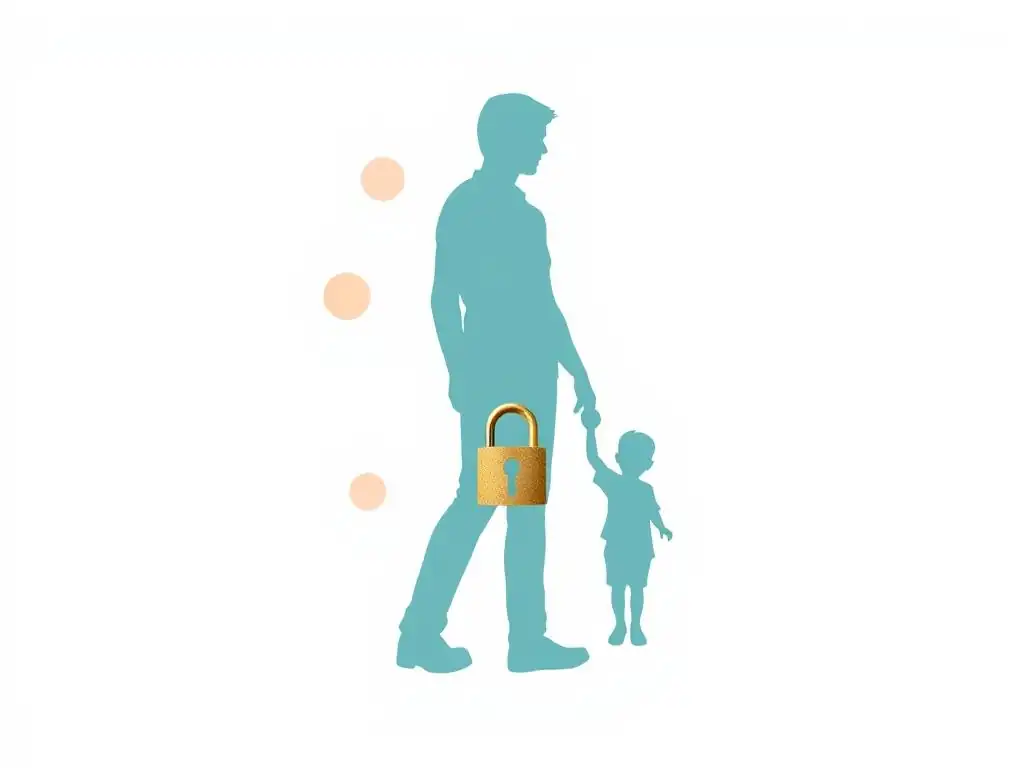
Dating as a single parent presents unique challenges, requiring a heightened awareness of safety and security. Navigating the online dating world adds another layer of complexity, but with careful planning and proactive measures, you can significantly reduce risks and increase your chances of finding a meaningful connection. This section focuses on practical strategies to enhance your safety while exploring online dating as a single parent. Remember, prioritizing your well-being and the well-being of your children is paramount. These single parent dating safety tips are designed to empower you to make informed decisions and build trust gradually.
Creating a Safe Online Dating Profile: Protecting Your Identity and Your Children's
Protecting your identity and your children's privacy is crucial when creating an online dating profile. Avoid sharing overly personal information, such as your exact address, workplace, or children's school names and ages. Instead, use general location references (e.g., "near downtown") and be vague about your children's details. A picture of you is great, but avoid photos that include your children's faces clearly visible. Consider using a profile picture that doesn't directly reveal your face. Remember, less is more when it comes to online dating safety.
Think carefully about the information you share in your profile description. While you want to present yourself authentically, avoid disclosing sensitive details that could compromise your safety. For example, instead of saying "My son plays soccer at XYZ school," you could say, "My son enjoys team sports." This provides a glimpse into your life without revealing specific details that could be used to identify you or your children. The goal is to attract genuine interest while minimizing potential risks. Use strong passwords and enable two-factor authentication wherever possible to further protect your account.
Here's a table summarizing safe practices for profile creation:
| Practice | Benefit | Example |
|---|---|---|
| Use general location details | Prevents stalkers from pinpointing your exact location. | "Near the city center" instead of "123 Main Street" |
| Omit children's details | Protects children from potential harm or unwanted attention. | Mentioning hobbies, not school names or locations. |
| Use cautious profile pics | Avoids revealing too much personal information through imagery. | Pictures that don't show your face clearly. |
| Strong passwords | Protects your account from unauthorized access. | Complex, unique passwords for each dating app. |
Communicating Safely Online: Avoiding Risky Behaviors and Information Sharing
Safe communication is key to building trust in online dating. Avoid sharing sensitive personal information, such as your financial details or social security number, with anyone you meet online, regardless of how well you think you know them. Never share explicit images or videos. Be wary of individuals who pressure you to share such content or who are overly persistent in their communication.
Remember that it's perfectly acceptable to be cautious and set boundaries. If someone makes you feel uncomfortable, block them immediately. Trust your instincts – if something feels wrong, it probably is. Start by communicating through the dating app's messaging system, and only share your phone number after you've had several positive interactions and feel comfortable doing so. Even then, consider using a Google Voice number or a similar service to maintain a layer of privacy.
It is equally important to be mindful of the information you share about your children. Avoid discussing details that could be used to identify them or put them at risk. Keep conversations focused on your interests and experiences, and gradually introduce details about your life as a single parent as you build trust.
Meeting in Public Spaces: Ensuring Safety During In-Person Interactions
Once you feel comfortable enough to meet someone in person, always choose a public place for your first few dates. Inform a trusted friend or family member about your plans, including the time, location, and the person you are meeting. Share their profile information with this person, as well. Let them know when you expect to return home. Meet in a well-lit, populated area, and avoid meeting in isolated or secluded places. Have your own transportation and don't rely on your date for a ride.
During the date, be aware of your surroundings and trust your intuition. If you feel uncomfortable at any point, excuse yourself and leave. It's perfectly acceptable to end a date early if you don't feel safe or if the person's behavior doesn't align with your expectations. Remember, your safety and well-being are paramount. Prioritize building trust gradually and don't feel pressured to rush into anything. These single parent dating safety tips are designed to help you navigate the process safely and confidently.
Trusting Your Instincts: Recognizing and Responding to Warning Signs
Navigating the world of online dating as a single parent requires a heightened sense of awareness and caution. Your safety, and the safety of your children, is paramount. Learning to trust your instincts is crucial in identifying potential red flags and protecting yourself from harmful individuals. Many people, especially those new to online dating, might dismiss uneasy feelings as mere nervousness. However, these feelings often serve as important warning signals. Don't ignore your gut feeling; it's often right.
A common warning sign is inconsistency in a potential partner's online profile and their offline behavior. For instance, someone who presents themselves as a stable, successful professional online might reveal a drastically different persona during in-person interactions. Pay attention to discrepancies in their stories, photos, or even the way they communicate. Are they evasive when you ask specific questions about their life? Do their social media accounts contradict what they've told you? These inconsistencies can be a significant red flag.
Another crucial aspect is the pace of the relationship. While genuine connections can develop quickly, an overly aggressive pursuit of intimacy or a push for a rapid commitment should raise concerns. This is especially true when children are involved. A healthy relationship develops organically, allowing for gradual trust and understanding. Beware of individuals who pressure you into revealing personal information about yourself or your children too early in the relationship. Remember, rushing into things is almost always a mistake.
Furthermore, be wary of individuals who are overly secretive about their personal lives or avoid answering direct questions. A lack of transparency can be a sign that they are hiding something, whether it be a previous relationship, financial troubles, or even a criminal record. While everyone deserves privacy, a healthy degree of openness and honesty is essential in any relationship, especially one involving children. Don't be afraid to gently probe for more information; if they become defensive or angry, it's a significant cause for concern.
Finally, pay close attention to their communication style. Is it consistently aggressive, controlling, or manipulative? Do they try to isolate you from friends and family? These are clear signs of potential abuse. Remember, healthy relationships are built on mutual respect, trust, and open communication. Any behavior that contradicts these principles should be taken very seriously. Prioritizing your emotional and physical safety is crucial, and trusting your instincts is the first step towards achieving that. If something feels wrong, it probably is. Don't hesitate to end contact and seek support from trusted friends or family members.
Long-Term Relationship Building: Fostering Trust and Security
Building a successful long-term relationship as a single parent requires a strong foundation of trust and emotional security. This isn't just about romantic feelings; it's about creating a stable and supportive environment for both yourselves and your children. Navigating the complexities of single parent dating demands careful consideration of emotional well-being, and prioritizing safety is paramount. This section focuses on strategies to cultivate trust and security within the context of your new relationship. Remember, rushing into intimacy can compromise your safety and the well-being of your children.
Open and Honest Communication: Building a Strong Foundation of Trust
Open communication is the cornerstone of any healthy relationship, but it's particularly crucial in single parent dating. Honesty from the outset about your family life, your children's needs, and your expectations for the relationship is vital. This includes openly discussing your dating history, financial situation, and any past traumas that might impact your present relationships. Avoid making promises you can't keep and be transparent about your limitations. Single parent dating safety tips often emphasize the importance of clear communication to prevent misunderstandings and potential dangers.
For example, clearly stating your boundaries regarding meeting your date's children early on can avoid future conflicts and protect everyone involved. Regular, honest conversations about your feelings, needs, and concerns will create a space of mutual understanding and trust. This transparency also helps build a strong foundation for a long-term partnership, making it easier to navigate the challenges that inevitably arise. Remember, building trust takes time; consistent honesty is key. Don't be afraid to express your vulnerabilities – it's a sign of strength, not weakness.
Compatibility extends beyond shared interests; it encompasses a shared vision for the future, particularly when children are involved. Openly discussing your values, beliefs, and expectations regarding parenting, family life, and long-term goals is essential. Do you share similar parenting styles? What are your expectations regarding discipline, education, and family traditions? Addressing these issues early on can prevent future disagreements and ensure you're on the same page regarding the direction of your relationship. Single parent dating safety tips also include finding a partner who respects your boundaries and values your family unit.
Consider creating a list of your core values and expectations for a partner. Then, engage in thoughtful conversations with your potential partner to assess compatibility. Are your long-term goals aligned? How do you envision your family structure evolving? These conversations might feel intense, but they are crucial for building a lasting relationship built on mutual respect and understanding. Remember, finding someone who shares your vision and values will contribute significantly to a secure and stable future for you and your children.
Balancing Family Life and Romantic Relationships: Creating a Supportive Environment
Successfully balancing family life and a romantic relationship requires careful planning and compromise. It's crucial to establish healthy boundaries that protect your children's emotional well-being while nurturing your new relationship. This might involve scheduling dedicated time for your partner, your children, and yourselves as a couple. Prioritizing self-care is also essential to avoid burnout and maintain a healthy equilibrium. Remember, a successful relationship shouldn't come at the expense of your children's emotional needs. Single parent dating safety tips emphasize the importance of introducing new partners gradually and carefully.
Creating a supportive environment for your children is paramount. Introducing a new partner too quickly can be disruptive and unsettling for children. Consider a gradual introduction, allowing time for your children to adjust and build a relationship with your partner at their own pace. Open communication with your children about your relationship is also crucial. Answer their questions honestly and age-appropriately, and reassure them that their needs remain your top priority. Remember, patience and understanding are key to creating a harmonious and supportive family environment. Prioritize open communication and create a supportive environment for everyone involved.
Frequently Asked Questions
How can single parents stay safe while online dating?
Prioritize safety above all else. Verify profiles, meet in public places for first dates, and always tell a friend or family member your plans. Trust your instincts – if something feels off, it probably is.
What are some red flags to watch out for when dating as a single parent?
Be wary of anyone who is overly secretive, pressures you for personal information too quickly, or seems disrespectful of your children. Avoid those who are inconsistent or unreliable in their communication. Pay attention to your gut feeling.
How do I protect my children's privacy while dating online?
Avoid sharing photos of your children on your dating profile until you've established a strong connection and trust. Never disclose your children's personal information (school, address, etc.) to anyone you meet online.
How can I balance my dating life with my responsibilities as a single parent?
Prioritize your children's needs. Be honest about your time constraints and family responsibilities with potential partners. Don't overextend yourself; find a balance that works for your entire family.
What if I feel uncomfortable or unsafe on a date?
Trust your instincts. Have an exit strategy planned. Let someone know your location and who you're with. Don't hesitate to end the date immediately if you feel uncomfortable, regardless of the circumstances.
Final Reflection: Cultivating Trust in the Landscape of Single Parent Dating
The search for love as a single parent is fraught with unique challenges, but building trust remains the cornerstone of a healthy and safe relationship. Finding genuine connection amidst the complexities of shared parenting, individual needs, and potential vulnerabilities requires careful consideration and proactive strategies. It's not just about safety; it's about creating a space where emotional security can flourish.
The journey of single parent dating profoundly impacts not only the individual but also the children involved. The emotional well-being of the entire family hinges on the choices made and the level of trust established. The most important thing a father can do for his children is to love their mother.
This sentiment, while traditionally framed, speaks to the broader need for respect, understanding, and a secure environment, regardless of the family structure. The impact of a parent's dating life on a child's sense of security cannot be overstated, highlighting the crucial role of thoughtful decision-making and prioritizing emotional safety.
You, the single parent navigating this complex landscape, hold the power to shape your dating experience. Take the time to reflect on your own needs and boundaries, prioritize self-care, and choose partners who respect your family and your journey. Don't shy away from seeking support from friends, family, or professionals. Remember, building trust is an ongoing process, requiring patience, self-awareness, and a commitment to creating a safe and loving environment for yourself and your children. Your well-being and the well-being of your family deserve nothing less.
Unlock Deeper Connections: Your Journey to Secure Dating Starts Now!
Thank you for exploring the world of emotional security in single-parent dating! We hope you found valuable insights to help you build stronger, healthier relationships. Now let's put these ideas into practice.
- Prioritize open communication: Begin a conversation with your children about your dating life, focusing on their feelings and concerns. This is crucial for building trust and a secure family environment.
- Understand your emotional needs: Take some time for self-reflection, perhaps journaling about your dating patterns and how you handle emotional vulnerability. This introspection can be incredibly powerful.
- Share this article: Let's create a supportive community where single parents feel understood and empowered. Sharing this information with other single parents can be incredibly beneficial.
What's one small step you can take today to cultivate greater emotional security in your dating life?