
LocationBased Dating: How to Stay Safe When Meeting Local Matches


Ready to transform your online dating experience? At OnlineDatingSuccess.org, we empower you to navigate the world of digital romance with confidence. But finding local connections shouldn't come at the cost of your safety. This is why we've created this essential guide on Safe Local Dating Tips, offering practical strategies to help you build meaningful connections while prioritizing your well-being. Dive in and discover how to make smart choices, protect yourself, and ultimately, find lasting love.
- Understanding the Risks of Local Dating Apps
- Safe Local Dating Tips: Before the First Meeting
- Safe Local Dating Tips: During the First Meeting
- Safe Local Dating Tips: After the First Meeting
- Building Trust and Healthy Relationships in Local Dating
- Resources and Further Information on Safe Local Dating Practices
-
Frequently Asked Questions
- How can I ensure my safety when meeting someone I met online for the first time?
- What information should I avoid sharing online before meeting someone?
- Are there any red flags I should watch out for when communicating with potential dates?
- What should I do if I feel uncomfortable or unsafe during a date?
- How can I verify the identity of someone I've met online before meeting in person?
- Final Reflection: Navigating the Local Scene Safely
- Unlock Your Safe Dating Journey: Take Control Now!
Understanding the Risks of Local Dating Apps
Online dating has revolutionized how we meet potential partners, and location-based dating apps have become increasingly popular. The convenience of connecting with singles in your immediate vicinity is undeniable. However, this convenience also introduces unique safety concerns that require careful consideration. This article provides practical, empathetic advice on how to mitigate those risks and prioritize your safety when using location-based dating apps to meet local matches.
We'll explore the potential dangers, strategies for protecting your personal information, and techniques for identifying and avoiding potential scammers. Ultimately, our goal is to empower you to navigate the world of local dating with confidence and peace of mind, fostering meaningful connections while safeguarding your well-being. Remember, a safe and positive dating experience is achievable with the right precautions.
Dangers of Meeting Strangers from Location-Based Dating Apps
Meeting strangers, even those seemingly vetted by a dating app, inherently carries risks. Location-based apps, by their nature, increase these risks. The proximity element means encounters can happen quickly and unexpectedly, leaving less time for thorough vetting. Some of the key dangers include:
- Unpredictable behavior: You're essentially inviting someone you've only interacted with digitally into your physical space or a public space you frequent. Their online persona may not accurately reflect their offline behavior. This could range from uncomfortable conversations to more serious threats.
- Stalking and harassment: Location-based apps can inadvertently reveal your location details, making you vulnerable to stalking or harassment. Even seemingly harmless information, like your neighborhood or frequent hangouts, can be exploited by malicious individuals.
- Physical assault or violence: In the worst-case scenario, meeting someone in person could lead to physical harm. It's crucial to remember that not everyone online has good intentions.
- Misrepresentation and catfishing: While dating apps have mechanisms to prevent fake profiles, they are not foolproof. Individuals can still misrepresent themselves, leading to disappointment or even dangerous situations.
Protecting Your Personal Information on Local Dating Platforms
Protecting your personal information is paramount when using location-based dating apps. Here's how to minimize your vulnerability:
- Limit shared information: Avoid sharing excessively personal details like your exact address, workplace, or full name upfront. Sharing too much too soon can make you a target.
- Reverse image search: Before meeting anyone, use a reverse image search on their profile pictures to verify their authenticity and check for potential inconsistencies.
- Use a separate email and phone number: Consider creating a dedicated email address and phone number for your dating app activities. This adds a layer of protection to your primary contact information.
- Be cautious about location sharing: Many apps offer real-time location sharing. Disable this feature unless you're actively meeting someone and have taken other necessary safety precautions.
- Review the app's privacy settings: Familiarize yourself with the app's privacy settings and adjust them to your comfort level. Understand what data the app collects and how it's used.
Recognizing and Avoiding Potential Scammers in Local Dating
Scammers are unfortunately prevalent on all online platforms, including dating apps. Learning to identify and avoid them is essential for a safe experience:
- Be wary of overly flattering profiles: Profiles that seem too good to be true often are. Inconsistencies in photos or information should raise red flags.
- Beware of requests for money: Legitimate daters will not ask you for money or financial assistance. Any request for money should be considered a major warning sign.
- Slow down the process: Don't rush into meeting someone in person. Take your time getting to know them through messaging and video calls before arranging an in-person meeting.
- Verify their information: Try to verify information they share, such as their job or where they live, using publicly available resources. Discrepancies can indicate a potential scammer.
- Trust your instincts: If something feels off or uncomfortable, it probably is. Don't hesitate to end communication or decline a meeting if you have any doubts. Your safety is the priority.
Remember, staying safe while using location-based dating apps requires vigilance and proactive measures. By following these tips, you can significantly reduce your risks and enjoy a more positive and secure dating experience. Prioritizing your safety doesn't mean you have to forgo the benefits of meeting local matches; it simply means being smart and informed.
Safe Local Dating Tips: Before the First Meeting
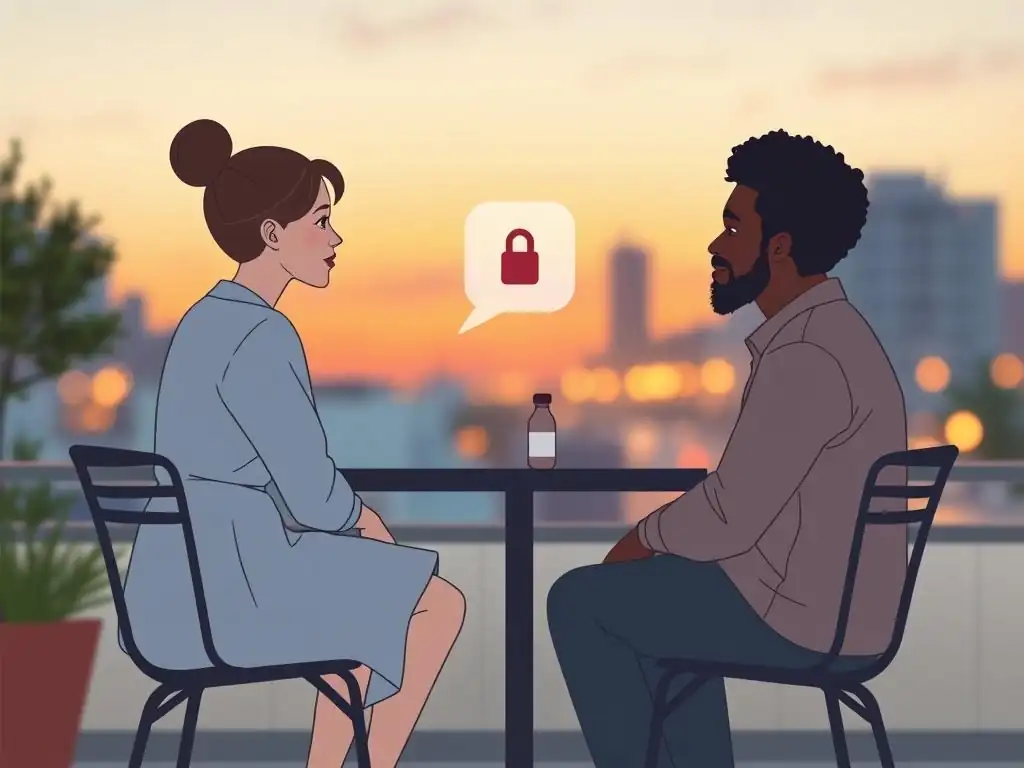
Finding love locally through dating apps offers exciting possibilities, but safety should always be your top priority. This section focuses on practical steps you can take before ever meeting a local match in person, minimizing risks and maximizing your chances of a positive experience. Remember, being proactive about safety doesn't diminish the romance; it enhances it.
Verifying Profiles: Spotting Fake Profiles and Catfishing
One of the biggest hurdles in location-based dating is navigating the potential for fake profiles and catfishing. While apps employ verification methods, they aren't foolproof. Here's how to enhance your due diligence:
- Reverse Image Search: If a profile picture seems too perfect or you have a gut feeling, perform a reverse image search using Google Images or TinEye. This can reveal if the picture is stolen from another source. Inconsistencies between the profile image and other images found through a reverse image search are a major red flag.
- Profile Inconsistencies: Scrutinize the profile for inconsistencies. Do the photos look professionally taken, unlike the rest of their profile? Does their bio contradict information in their photos? A lack of detail or overly generic descriptions can also be suspicious. Pay close attention to inconsistencies in their stated age, profession, or location.
- Limited Profile Information: Be wary of profiles with minimal information. A lack of personal details, friends, or connections can indicate an attempt to conceal their identity. A profile that is too vague or generic should raise a red flag.
- Beware of Overly Perfect Profiles: Nobody is perfect! Be wary of profiles that seem too good to be true. Perfect photos, flawless grammar, and an overly positive self-description might be signs of a fake profile.
- Ask Specific Questions: During initial conversations, subtly try to verify information from their profile. For example, if they claim to be a teacher, ask about a specific aspect of their job, or ask about a detail from their profile picture if it seems vaguely familiar.
While background checks might seem extreme, a little online investigation can provide valuable reassurance. Remember, this is about your safety and well-being.
- Social Media Check: See if you can find your match on other social media platforms (Facebook, Instagram, LinkedIn, etc.). This can help you corroborate information on their dating profile and give you a better sense of their personality and lifestyle. However, be mindful of privacy concerns and avoid overly intrusive investigations.
- Public Records Search: While comprehensive background checks require professional services, you can perform basic searches using readily available online resources to check for any serious criminal records or other red flags. Remember to always respect privacy laws and avoid accessing information that is not publicly available.
- Professional Background Checks (Optional): For serious relationships or if you feel particularly uneasy, consider using a reputable background check service. These services offer more in-depth information than public records searches, but come with a cost.
Remember, the goal is not to be overly suspicious, but to gather enough information to feel comfortable and safe. If something feels off, trust your instincts.
Communicating Safely: Red Flags and Warning Signs in Online Conversations
Before you even think about a first date, pay close attention to communication patterns. Certain red flags can signal potential danger.
- Pressure for a Quick Meeting: Be cautious if someone pressures you to meet in person too quickly, before you've had a chance to get to know them properly. Genuine connections take time to develop.
- Avoidance of Video Calls: Someone unwilling to have a video call might be hiding their true identity. This is a significant red flag and should be taken very seriously.
- Inconsistency in Stories: Pay attention to inconsistencies in their stories or narratives. Do their claims about their life and background add up? Contradictions are a major warning sign.
- Excessive Compliments or Flattery: While compliments are nice, excessive or overly flattering language can be a manipulation tactic. Be aware of this type of behavior.
- Negative or Controlling Language: Watch out for language that is negative, controlling, or overly demanding. These can be early signs of abusive behavior.
- Financial Requests: Never send money or provide financial information to someone you've only met online. This is a classic scam tactic.
By following these safe local dating tips, you can significantly reduce your risks and enjoy the exciting possibilities of location-based dating with increased confidence and peace of mind. Remember, your safety is paramount. Trust your instincts, and don't hesitate to end communication if something feels wrong.
Sharing your location is a crucial aspect of location-based dating, but it needs to be approached cautiously. The key is to balance the convenience of letting your date know where you are with prioritizing your personal safety. Avoid sharing your precise address until you've met and built a certain level of trust. Instead, focus on sharing general location information, such as the name of the establishment where you'll be meeting. This allows your date to find you without compromising your home address or revealing overly specific details about your daily routine.
Think of it like this: Would you share your home address with someone you've just met online? Probably not. The same principle applies to sharing precise location data. The initial meeting should always take place in a public, well-lit area where other people are present. This provides an added layer of security and reduces the risk of potential harm. Cafés, restaurants, or busy parks are excellent choices for first dates. Avoid secluded or isolated locations, especially at night.
Furthermore, consider the "safety in numbers" approach. If possible, meet your date in a place where you know you'll have easy access to other people. This could be a bustling coffee shop, a lively bar, or even a public event.
The presence of others acts as a deterrent and provides a sense of security. Before meeting, let a trusted friend or family member know where you're going, who you're meeting, and when you expect to be back. Sharing your real-time location with them through a location-sharing app can offer an extra layer of protection.
Remember, a little pre-planning can go a long way in ensuring a safe and enjoyable first date, helping you experience the benefits of local dating without unnecessary risks. Prioritizing your safety shouldn't diminish the excitement of meeting someone new; it enhances it. By being proactive and strategic about location sharing, you can enjoy the convenience of location-based dating while maintaining a high level of personal safety.
Safe Local Dating Tips: During the First Meeting
Finding love locally through dating apps offers exciting possibilities, but safety should always be your top priority. This section focuses on practical strategies for minimizing risks and maximizing your well-being when meeting local matches for the first time. Remember, a little preparation goes a long way in ensuring a positive and safe dating experience. Prioritizing your safety doesn't diminish the romance; it enhances it by building confidence and peace of mind.
Choosing Safe Meeting Locations for Local Dates
The location of your first date significantly impacts your safety. Avoid secluded or poorly lit areas. Instead, opt for well-populated, public places where you're likely to encounter other people. Consider these options:
- Busy Cafés or Restaurants: The bustling atmosphere provides a natural deterrent to unwanted behavior and offers an easy escape if needed. Choose places with ample seating and good visibility.
- Popular Parks During Daytime: Parks can be lovely, but stick to well-traveled paths and daylight hours. Avoid secluded areas within the park.
- Museums or Art Galleries: These venues offer a structured environment with staff present, creating a safer atmosphere.
- Shopping Malls: The high traffic and security presence in most malls provide a level of inherent safety.
Things to Avoid:
- Private residences on the first date: Never go to someone's home, or invite them to yours, for a first date. This significantly increases your vulnerability.
- Isolated or poorly lit locations: These areas offer minimal protection and can make you a target.
- Meeting places unfamiliar to you: Choose locations you've visited before, allowing you to navigate easily and confidently if needed.
Remember to always choose a location that allows for easy access to transportation and public visibility. A safe local dating experience begins with a well-considered choice of meeting place. Prioritize places where you feel comfortable and confident.
Letting Someone Know Your Plans: Sharing Your Itinerary and Check-in Procedures
Transparency with trusted friends or family members is crucial for safe local dating. Sharing your plans before and during your date enhances your safety net. Here’s how:
- Share Your Itinerary: Before heading out, inform a trusted friend or family member of your date’s name, where you're meeting, the time, and when you expect to be home. Provide contact details for your date if you feel comfortable doing so.
- Utilize Check-in Apps: Consider using apps that allow you to share your real-time location with others. Many safety apps offer features that allow for easy check-ins and location sharing. This provides an extra layer of security, allowing someone to monitor your whereabouts and intervene if necessary.
- Regular Check-ins: During your date, send periodic text updates to your contact person. A simple “Having a great time! Will be home around [time]” reassures them and provides a record of your activities.
This proactive approach ensures someone knows your whereabouts and can offer assistance if needed. Don't hesitate to utilize these safety measures; they're essential components of safe local dating. Remember, your safety is paramount, and open communication is key.
Staying Alert and Aware During Your Date: Trust Your Instincts
Maintaining awareness and trusting your instincts are paramount to a safe date. Even in seemingly safe environments, it's crucial to remain vigilant.
- Be Present and Attentive: Avoid distractions like your phone. Pay attention to your surroundings and your date's behavior.
- Trust Your Gut: If something feels off, it probably is. Don't hesitate to end the date early or ask for help if you feel uncomfortable or unsafe.
- Avoid Excessive Alcohol Consumption: Excessive drinking can impair your judgment and make you more vulnerable. Stay in control of your intake.
- Have an Escape Plan: Before the date, have a pre-arranged plan to contact a friend or family member if you need to leave quickly. Have a ride ready or know how to get home safely.
Your intuition is your strongest safety tool. Learning to recognize and respond to warning signs is critical. Prioritizing your safety shouldn't detract from enjoying your date; rather, it enhances your ability to have a positive and memorable experience. Remember, a safe and enjoyable date hinges on your awareness and preparedness. Prioritize your well-being above all else.
Transportation Safety: Driving, Ridesharing, and Public Transport Considerations
Choosing how to get to your first date when using location-based dating apps is crucial for safety. Avoid revealing too much personal information about your transportation habits. Never share your exact address or home details with someone you've only met online. Instead, suggest meeting at a public place easily accessible by various transportation methods.
Let's break down the different options and their associated safety considerations:
Driving: If you choose to drive yourself, ensure your vehicle is in good working order and you have a full tank of gas. Inform a trusted friend or family member of your plans, including the time you'll leave, the location, and the expected time of your return. Share your real-time location with them using a location-sharing app. Park in well-lit and populated areas.
Trust your instincts; if something feels off about the location, don't hesitate to leave. Always lock your car doors and keep your valuables out of sight. Remember, driving yourself gives you more control over your departure, but it also means you'll be alone for the journey home.
Ridesharing: Using ridesharing services like Uber or Lyft offers a degree of anonymity and safety. Request your ride from a safe, well-lit location. Share your ride details (driver's name, car model, license plate) with your trusted contact. Sit in the back seat and pay attention to your surroundings. Never get into a car that doesn't match the details provided by the app. If you feel unsafe at any point, you can cancel the ride and request another. Ridesharing provides convenience and a record of your journey, but it relies on the safety measures of the service itself.
Public Transport: Opting for public transport demonstrates a proactive approach to safety. Plan your route in advance and ensure you know the schedule and frequency of your chosen mode of transport. Travel during peak hours when more people are present. Avoid using headphones that completely block out your surroundings. Be aware of your belongings and your environment. While public transport is generally safe, remaining vigilant is still essential. However, relying on public transit may limit your flexibility in terms of meeting location and departure time.
Ultimately, prioritizing safety should guide your transportation choices. The best option depends on your comfort level, the specific circumstances, and the location of your date. Remember, your safety is paramount, and it's always better to err on the side of caution. Consider the pros and cons of each method carefully before making a decision. Using a combination of methods, such as taking a rideshare to the location and driving yourself back, might even provide the best balance of convenience and safety for your specific situation.
Safe Local Dating Tips: After the First Meeting

This section focuses on crucial safety measures after you've met someone from a location-based dating app. Remember, even if your first meeting went well, maintaining vigilance is key to ensuring your safety and well-being. Building a safe and positive experience in local dating requires proactive steps beyond the initial encounter. Let's explore some vital strategies for navigating this phase.
Maintaining Boundaries and Respecting Personal Space
Maintaining healthy boundaries is paramount for safe local dating. This means clearly communicating your comfort levels and respecting those of your date. Don't feel pressured to do anything you're not comfortable with, whether it's sharing personal information, accepting invitations to private locations, or engaging in physical intimacy. Remember, consent is essential and should be enthusiastic and freely given.
Here are some practical tips to help you establish and maintain healthy boundaries:
- Clearly communicate your limits: Before and during the date, be upfront about your boundaries. For example, "I'm not comfortable going back to your place tonight," or "I'd prefer to keep our conversations public until I feel more comfortable."
- Trust your instincts: If something feels off, it probably is. Don't hesitate to end the date early or change your plans if you feel uncomfortable or unsafe.
- Avoid isolated locations: Choose public places for your dates, and let a friend or family member know where you're going and when you expect to be back.
- Have a backup plan: Arrange for a friend to check in with you during your date, or have a ride ready if you need to leave quickly. This simple precaution can significantly enhance your sense of security.
- Be mindful of alcohol consumption: Excessive alcohol can impair judgment and make you more vulnerable. Limit your intake to stay in control of the situation.
Remember, establishing boundaries isn't about being unfriendly; it's about prioritizing your safety and well-being. A respectful date will understand and appreciate your need for boundaries.
Reporting Suspicious Behavior or Harassment
Even with careful planning, unexpected situations can arise. Knowing how to respond to suspicious behavior or harassment is crucial for safe local dating. It's important to remember that you are not alone and there are resources available to support you.
Here's what you should do if you experience suspicious behavior or harassment:
- Document everything: If possible, keep records of any concerning messages, photos, or interactions. This documentation can be invaluable if you need to report the incident.
- Block and report the user: Most dating apps have built-in mechanisms to block and report users who violate their terms of service. Utilize these tools immediately.
- Contact the dating app's support team: Many apps have dedicated support teams to address safety concerns. Report the incident to them and provide any relevant documentation.
- Consider reporting to law enforcement: If the behavior constitutes harassment, stalking, or assault, contact your local law enforcement agency. They can provide guidance and support.
- Reach out to trusted individuals: Talk to a friend, family member, or therapist about what happened. Sharing your experience can be a crucial step in processing the situation and receiving support.
The process of reporting varies between dating apps, but generally involves providing details of the incident and any evidence you have collected. Remember, reporting suspicious behavior is not just about protecting yourself; it also helps protect other users from potential harm. Your action can make a difference.
Reviewing and Updating Your Safety Settings on Dating Apps
Regularly reviewing and updating your safety settings on dating apps is a proactive measure that significantly enhances your safety. These settings offer various tools to control your privacy and interactions. Don't underestimate the importance of customizing these options to reflect your comfort levels and preferences.
Here are some key safety settings to review and update:
- Privacy settings: Control who can see your profile, send you messages, and view your location. Restrict access to only those you've matched with, or those you've explicitly approved.
- Location sharing: Carefully consider whether to share your precise location. Many apps offer options to share only a general area instead of your exact address.
- Communication settings: Manage how you receive messages and notifications. You might choose to disable messages from users you haven't matched with or filter out inappropriate content.
- Block and report features: Familiarize yourself with the app's mechanisms for blocking and reporting users. Know where to find these options and how to use them effectively.
- Two-factor authentication: Enable two-factor authentication to add an extra layer of security to your account. This makes it significantly harder for unauthorized individuals to access your profile.
Regularly checking and adjusting these settings based on your comfort level and the evolving dynamics of your dating experience is crucial for maintaining a safe online environment. Consider this a continuous process, not a one-time task. Your safety is always a priority.
Building Trust and Healthy Relationships in Local Dating

Building trust and fostering healthy relationships are paramount when engaging in local dating, especially when meeting matches from location-based apps. The thrill of connecting with someone nearby can be exciting, but prioritizing safety and mutual respect is crucial for a positive experience. This section focuses on practical strategies to navigate these crucial aspects of local dating, helping you build meaningful connections while safeguarding your well-being. Remember, healthy relationships are built on a foundation of open communication, mutual respect, and clear boundaries. Applying these principles can significantly increase your chances of finding a compatible and trustworthy partner.
Open Communication and Honesty: Establishing Trust with Your Match
Open and honest communication is the cornerstone of any healthy relationship, and local dating is no exception. From the initial messages to the first date, transparency is key to building trust. Don't shy away from sharing relevant details about yourself, but do so gradually. Avoid sharing overly personal information early on, especially details that could compromise your safety, such as your exact address or workplace. Instead, focus on building rapport through shared interests and meaningful conversations.
Remember, trust is earned, not given. Be wary of individuals who are evasive or unwilling to answer your questions. Inconsistencies in their stories or a reluctance to engage in open dialogue can be red flags. Pay attention to your gut feeling; if something feels off, it's important to trust your instincts and proceed with caution. This proactive approach to communication will help you identify potential problems early on and protect yourself from potentially harmful situations. Effective communication also means clearly stating your expectations and boundaries. This fosters mutual understanding and respect, creating a safer and more positive dating experience.
Respecting Boundaries and Consent: Maintaining a Healthy Relationship
Respecting boundaries and obtaining consent are fundamental aspects of any healthy relationship, particularly within the context of local dating where physical proximity increases the potential for misinterpretations. Clearly communicate your comfort levels regarding physical intimacy and emotional sharing. Always ensure you have enthusiastic consent before engaging in any physical activity. Consent should be freely given, informed, and ongoing; it can be withdrawn at any time. Never pressure or coerce your date into anything they are not comfortable with.
Remember, a healthy relationship is one built on mutual respect and understanding. This includes respecting each other’s personal space, time, and emotional needs. If your date expresses discomfort or sets a boundary, it's crucial to respect that boundary immediately. Ignoring boundaries can quickly escalate a situation and create an unsafe environment. By prioritizing consent and respecting boundaries, you contribute to a healthier and more positive dating experience for both yourself and your partner. This also helps to establish a foundation of trust and mutual respect, making the relationship more fulfilling and sustainable.
Knowing When to End a Date or Relationship: Recognizing Warning Signs
Knowing when to end a date or relationship is a crucial aspect of safe local dating. While it’s important to give relationships a chance, recognizing warning signs early on can prevent potential harm. These signs can manifest in various ways, from controlling behavior and excessive jealousy to verbal abuse or threats. If your date displays any of these behaviors, it’s essential to prioritize your safety and end the interaction immediately.
Some warning signs to be aware of include:
- Controlling behavior: Attempts to dictate your actions, choices, or who you can spend time with.
- Excessive jealousy: Unreasonable possessiveness and suspicion.
- Verbal abuse: Insults, name-calling, or belittling remarks.
- Threats: Direct or indirect threats of violence or harm.
- Disrespect of boundaries: Ignoring your stated limits or comfort levels.
- Inconsistency: Noticeable discrepancies between their words and actions.
- Pressure for intimacy: Pressuring you into physical intimacy before you're ready or comfortable.
Trust your instincts. If something feels wrong or unsafe, don't hesitate to end the date or relationship, regardless of how early it is. Your safety and well-being are paramount. Remember, a healthy relationship should be built on mutual respect, trust, and open communication—not fear or coercion. Prioritizing your safety ensures a more positive and fulfilling experience in the world of local dating.
Resources and Further Information on Safe Local Dating Practices
This section provides valuable resources to supplement your understanding of safe local dating practices. We understand that navigating the world of online dating can be daunting, and prioritizing your safety is paramount. The information below offers additional support and tools to help you confidently connect with local matches while minimizing risks. Remember, your safety is your responsibility, and proactive measures are key to a positive experience.
Helpful Websites and Organizations for Dating Safety
Many organizations are dedicated to providing information and support for online daters. These resources often offer advice on safe dating practices, handling difficult situations, and understanding legal aspects of online interactions. They often provide updated information on scams and prevalent dating safety concerns, which can significantly enhance your awareness.
Here are some examples of the types of information you might find on these websites:
- Tips for creating safe dating profiles: Learning how to avoid revealing too much personal information in your profile is crucial. These resources often offer guidance on protecting your privacy and avoiding potential risks.
- Strategies for communicating safely with matches: Understanding how to identify red flags in online communication is critical. These websites often provide examples of manipulative tactics and advice on how to respond safely and appropriately.
- Guidance on planning and conducting safe first dates: Knowing how to choose safe locations for first dates and communicating your plans to trusted friends or family is essential. These resources can offer detailed advice on these topics.
- Legal advice and resources for victims of online dating abuse: Understanding your legal rights and knowing where to seek help in case of harassment or abuse is crucial. These organizations often provide links to relevant legal resources and support networks.
While specific website names are omitted here to avoid endorsement and ensure the information remains current and accurate, a quick online search for terms like "online dating safety" or "dating safety resources" will yield many helpful results. Always verify the legitimacy and reputation of any website before relying on its information.
Apps and Tools for Enhanced Safety During Dates
Technology offers several tools to enhance safety during local dates. These apps and features can provide an extra layer of security and peace of mind. It's crucial to remember that these tools are supplemental and don't replace sound judgment and caution.
Here are some examples of functionalities and features that may be found in various apps:
| Feature | Description | Example Use Case |
|---|---|---|
| Live Location Sharing | Share your real-time location with trusted friends or family. | Share your location with a friend while on a date and update them periodically. |
| Emergency Contact | Quickly alert pre-selected contacts in case of an emergency. | Program emergency contacts with a quick-access button on a safety app. |
| Check-in System | Set a timer or check-in reminder to alert contacts if you haven't checked in within a specific timeframe. | Set a check-in for 30 minutes after your date begins. |
| Discreet Alert System | Send a silent alert to pre-selected contacts with your location without overtly alarming your date. | Discreetly alert a friend if you feel uncomfortable on a date. |
| Background Check Apps | (Use with caution and ethical considerations) Some apps allow for background checks on potential dates; however, always ensure you are using a reputable and legally compliant service. | Use a background check app only with extreme caution and after careful consideration of privacy implications. |
Remember to research and choose apps carefully, prioritizing those with strong privacy policies and positive user reviews. Always be aware of the permissions you grant to these apps and understand how they handle your personal data. No app can fully guarantee safety, but these tools can offer additional layers of protection when used responsibly and combined with careful judgment.
Frequently Asked Questions
How can I ensure my safety when meeting someone I met online for the first time?
Always meet in a public place for your first date. Let a friend or family member know where you're going and when you expect to be back. Trust your instincts; if something feels off, leave.
What information should I avoid sharing online before meeting someone?
Avoid sharing personal details like your full address, workplace address, or exact location until you've met and feel comfortable. Don't share sensitive financial information either. Keep your communication on the dating app or site as much as possible.
Are there any red flags I should watch out for when communicating with potential dates?
Be wary of anyone who is excessively secretive, pressures you to meet quickly, or asks for financial assistance. Avoid anyone who seems too good to be true or is overly complimentary too soon.
What should I do if I feel uncomfortable or unsafe during a date?
Trust your instincts. Have an exit strategy planned, like having a friend call you with a fake emergency. If you feel truly threatened, call the police immediately.
How can I verify the identity of someone I've met online before meeting in person?
While it’s impossible to fully verify someone's identity online, you can do a reverse image search on their photos and check their social media profiles for inconsistencies. You can also ask specific questions to ascertain details that may not be easily fabricated.
The rise of location-based dating apps has fundamentally changed how we connect, but this convenience comes with inherent risks. It's crucial to remember that prioritizing safety shouldn't diminish the excitement of meeting new people; rather, it should enhance it, allowing for genuine connections to flourish without fear.
The impact of location-based dating on our social landscape is undeniable, influencing how we perceive relationships, intimacy, and even personal safety. It's reshaped the dating game, offering both incredible opportunities and potential pitfalls. As we navigate this new terrain, it's vital to remember the importance of self-awareness and proactive safety measures. The greatest glory in living lies not in never falling, but in rising every time we fall.
- Nelson Mandela. This resilience applies not only to romantic pursuits but also to navigating the potential challenges of meeting strangers.
Now, consider your own dating experiences. What steps do you already take to ensure your safety? What new strategies might you adopt based on the information shared in this article? Take control of your online and offline interactions; your safety and well-being are paramount. Embrace the opportunities for connection that location-based dating offers, but always prioritize your security. Let's build a dating culture where genuine connection and safety go hand in hand.
Unlock Your Safe Dating Journey: Take Control Now!
Thank you for learning about online dating safety. We hope you found our tips helpful and empowering. Now, let's put that knowledge into practice!
Here's how to make your dating experience safer and more enjoyable:
- Prioritize your safety: Before each date, share your location with a trusted friend or family member and have a pre-arranged escape plan. This is crucial for confident and safe dating.
- Share your experience: Leave a comment below and share a safety measure you'll use on your next date. Let's build a supportive community of safe daters!
- Explore further resources: Many online resources and apps can enhance your safety during in-person meetings. Consider researching these to find tools that work best for you.
Ready for a more confident and secure dating journey? What's one small step you can take today to improve your personal safety while meeting new people?