
LocationBased Dating: Are You Aware of the Potential Downsides?


Ready to unlock the secrets to successful online dating? At OnlineDatingSuccess.org, we empower you to navigate the world of digital romance with confidence. But before you swipe right, consider this: are you fully aware of the potential pitfalls lurking within your dating app's location settings? Our expert advice on online dating location downsides, found within our "Dating App Specific Strategies" section, will reveal the surprising ways location can impact your dating journey—and how to turn those downsides into advantages. Dive in and discover how to optimize your profile and interactions for a more rewarding experience.
- Understanding the Risks of Location-Based Dating Apps
- Safety Concerns When Using Location-Based Dating Features
- The Limitations of Location-Based Matching
- Navigating the Emotional Aspects of Location-Based Dating
- Improving Your Online Dating Experience Despite Location Limitations
-
Frequently Asked Questions
- What are some downsides of using location-based dating apps?
- How can location-based features affect my online dating safety?
- Does using location-based dating always mean meeting in person sooner?
- Can I still use online dating successfully without relying on location features?
- How can I mitigate the risks associated with location-based dating?
- Final Reflection: Navigating the Geolocation Minefield of Modern Dating
- Unlock Smarter Dating: Navigate Location-Based Apps with Confidence
Understanding the Risks of Location-Based Dating Apps
Online dating has revolutionized how we meet potential partners, offering convenience and expanded reach. Location-based dating apps, in particular, have gained immense popularity by connecting users based on their proximity. While these apps offer exciting possibilities for meeting someone nearby, it's crucial to acknowledge and understand the potential downsides.
This article delves into the inherent risks associated with sharing your location data on dating platforms, exploring privacy concerns, the accuracy of geolocation, and the heightened risk of unwanted encounters. Navigating the world of location-based dating requires awareness and proactive safety measures; understanding these risks is the first step towards a safer and more positive online dating experience.
We'll examine real-world examples and provide practical advice to help you mitigate these risks and enjoy the benefits of location-based dating without compromising your safety and well-being. Let's explore the potential pitfalls and empower you to make informed decisions about your online dating journey.
Online Dating Location Downsides: Privacy Concerns and Data Security
Sharing your location with a dating app inherently involves a trade-off between convenience and privacy. The app collects and stores your precise location data, potentially revealing more than you intend. This data could be vulnerable to breaches, exposing your home address, workplace, or frequented locations to malicious actors. Furthermore, the app's privacy policy might not be as robust as you'd like, leaving your information susceptible to unauthorized access or misuse.
Consider the implications of sharing your location with a company you may not fully trust. Data breaches in similar online services have demonstrated the potential for significant harm, including identity theft and harassment. It is therefore crucial to thoroughly review the privacy policy of any location-based dating app before providing your location data.
Always be mindful of the information you share and consider the potential consequences of a data breach. Remember, it's not just about your current location; the app may also store your past location history, painting a detailed picture of your daily routines and habits. This level of detail could be misused if the data falls into the wrong hands.
Geolocation Accuracy and Its Impact on Finding Matches
While location-based dating promises to connect you with people nearby, the accuracy of geolocation technology isn't always perfect. GPS signals can be affected by various factors, such as building materials, dense foliage, or even atmospheric conditions. This can lead to inaccurate location data, potentially mismatching you with people who are further away than indicated or even displaying you in a different location altogether.
This inaccuracy can impact the quality of your matches, leading to wasted time and effort pursuing connections that are geographically unrealistic. Furthermore, some users might deliberately misrepresent their location, creating further discrepancies. Think about the frustration of traveling a significant distance to meet someone only to find the location significantly different from what the app indicated.
This inaccuracy not only impacts efficiency but also affects the trust you place in the app's functionality. Accurate location data is crucial for a successful location-based dating experience, and understanding the limitations of the technology is essential.
The Risk of Stalking and Unwanted Encounters in Location-Based Dating
One of the most significant downsides of location-based dating is the increased risk of stalking and unwanted encounters. Sharing your real-time location makes you more vulnerable to individuals with malicious intent. A stalker could use this information to track your movements, potentially putting your physical safety at risk. Moreover, the ease of meeting someone in person based on proximity can inadvertently lead to uncomfortable or even dangerous situations.
While many users have positive experiences, it's crucial to be aware of the potential for negative interactions. Consider the scenario of a first date that goes badly; having shared your precise location significantly increases the potential for unwanted contact or even harassment. This risk is heightened for women, who disproportionately experience online harassment and violence.
Therefore, exercising extreme caution, meeting in well-lit public places, and informing a friend or family member of your plans are crucial safety measures. Always prioritize your safety and trust your instincts; if a situation feels unsafe, remove yourself immediately. Remember, your safety is paramount.
Safety Concerns When Using Location-Based Dating Features

Location-based dating, while offering convenience and the chance to connect with people nearby, presents unique safety challenges. Unlike traditional online dating where initial contact is primarily virtual, location-based features immediately reveal your general vicinity, increasing the potential for unwanted encounters. This section explores these risks and offers practical strategies for mitigation. The core concern revolves around the potential for encountering individuals who misrepresent themselves or harbor malicious intent. This is amplified by the immediacy of potential face-to-face interactions.
Minimizing the Risk of Meeting Unsafe Individuals Online
The inherent risk in meeting strangers online is magnified when location data is involved. One of the most significant safety concerns is the potential for encountering individuals who are not who they claim to be. Catfishing, where someone uses fake profiles and photos to deceive others, is a prevalent issue. However, location-based apps increase the stakes because a deceptive profile can lead to a potentially dangerous in-person meeting much faster than traditional online dating.
To minimize this risk, meticulous profile verification is crucial. Look for profile details that corroborate the user's claims. Cross-referencing information across social media platforms can be helpful, but proceed with caution and prioritize your safety. Remember, always err on the side of caution; if something feels off, don't proceed with the interaction.
Trust your instincts. Furthermore, utilize the reporting features provided by the dating app itself to flag suspicious profiles or behavior. Consistent reporting helps the app maintain a safer environment for all users.
Strategies for Safer First Dates in Location-Based Dating
Even with careful profile screening, the first date always carries a degree of uncertainty. When using location-based dating, planning for a safe first meeting is paramount. Avoid secluded or isolated locations for your initial encounter. Opt for well-lit, public places with ample foot traffic, such as cafes or restaurants.
Always inform a trusted friend or family member about your date—where you're going, who you're meeting, and when you expect to be back. Sharing your location in real-time through a location-sharing app can provide an extra layer of security. During the date itself, remain aware of your surroundings and trust your intuition.
If at any point you feel uncomfortable or unsafe, don't hesitate to leave. Having a pre-arranged escape plan can be helpful, such as having a friend call you with a "fake emergency" or having a designated ride readily available. Remember, a successful date prioritizes your safety and well-being above all else.
Handling Unwanted Advances and Harassment on Location-Based Apps
Despite precautions, you might encounter unwanted advances or harassment on location-based dating apps. Knowing how to respond effectively is crucial for your safety and well-being. The first step is to firmly and clearly communicate your boundaries. If someone makes you feel uncomfortable, don't hesitate to block them immediately. Most dating apps provide robust blocking and reporting features; utilize them without hesitation.
Save any evidence of harassment, such as screenshots of messages or instances of stalking behavior. This documentation can be vital if you need to report the incident to the app or law enforcement. Never feel pressured to respond to unwanted advances or engage with someone who makes you feel unsafe. Remember, your safety is the priority.
If the harassment persists or escalates, reporting it to the app and potentially the authorities is essential. Online dating safety is a shared responsibility—reporting helps create a more secure environment for all users. Don't suffer in silence; seek support from friends, family, or professional resources if needed. 🤝
The Limitations of Location-Based Matching
Location-based matching, while seemingly convenient, presents several limitations that users of online dating apps should carefully consider. This section delves into the potential downsides associated with prioritizing proximity in your search for a partner. Understanding these limitations can significantly impact your online dating experience and increase your chances of finding a compatible and fulfilling relationship. Failing to account for these factors may lead to frustration and a less-than-optimal online dating journey. We'll explore the key drawbacks, offering practical insights to help you navigate these challenges effectively.
Online Dating Location Downsides: Reduced Dating Pool and Match Diversity
One of the most significant drawbacks of relying solely on location-based matching is the inherent reduction in the potential dating pool. By limiting your search to individuals within a specific geographical radius, you automatically exclude a vast number of potential matches who might otherwise be compatible with you.
This can lead to a significantly smaller pool of potential partners, potentially limiting your options and decreasing the chances of finding someone truly compatible. For example, if you live in a rural area with a smaller population, limiting your search to only your immediate vicinity might yield only a handful of profiles, many of which may not align with your preferences or relationship goals.
This contrasts sharply with broader searches that can expose you to a wider range of personalities and backgrounds, increasing your chances of finding a compatible partner. The smaller pool also means increased competition for the limited number of available matches.
Consider this: a study [specific information pending] on dating app usage showed that users who expanded their search radius experienced a significant increase in the number of potential matches and a higher rate of successful connections. This highlights the importance of considering the trade-off between convenience and the size and diversity of your dating pool. A slightly larger search radius could drastically improve your chances of success.
Geographic Bias and Its Influence on Dating App Experiences
Location-based dating apps can inadvertently perpetuate and amplify existing geographic biases. These biases can manifest in various ways, influencing both the types of profiles you see and the experiences you have on the app. For instance, users in densely populated urban areas might perceive a greater variety of potential matches compared to those in smaller towns or rural settings. This disparity can lead to feelings of inadequacy or frustration for those in less populated areas, impacting their overall dating app experience. Furthermore, the app's algorithm might inadvertently favor certain demographics based on location data, potentially reinforcing existing social inequalities.
Moreover, cultural and social norms can vary significantly across geographical locations. What might be considered acceptable behavior in one area could be frowned upon in another. This can lead to misunderstandings and communication challenges when interacting with individuals from different backgrounds and cultural contexts. Understanding and respecting these differences is crucial for navigating the complexities of location-based dating. The algorithm itself might also inadvertently prioritize users from certain neighborhoods or socioeconomic groups, further limiting diversity and potentially leading to a less inclusive dating experience.
The Challenges of Long-Distance Relationships Initiated Through Location-Based Apps
While location-based apps are designed to connect people nearby, they can also facilitate the initiation of long-distance relationships. However, these relationships often present unique challenges. The physical distance can make it more difficult to build a strong connection, especially in the early stages. Regular in-person meetings become more complex, requiring significant planning, time, and financial resources. This can strain the relationship, especially if one or both partners are unable to easily travel. Furthermore, the lack of spontaneous encounters and shared experiences that are characteristic of geographically close relationships can affect the intimacy and bonding process.
The success of a long-distance relationship often hinges on strong communication, mutual trust, and a shared commitment. Individuals initiating long-distance relationships via location-based apps should be prepared for the added challenges and complexities involved. Open communication about expectations, realistic planning for visits, and a shared understanding of the commitment required are crucial for navigating the potential obstacles and building a sustainable long-distance relationship. The perceived convenience of location-based apps can sometimes overshadow the significant logistical and emotional hurdles of maintaining a long-distance connection. Careful consideration of these factors is essential before embarking on such a relationship.
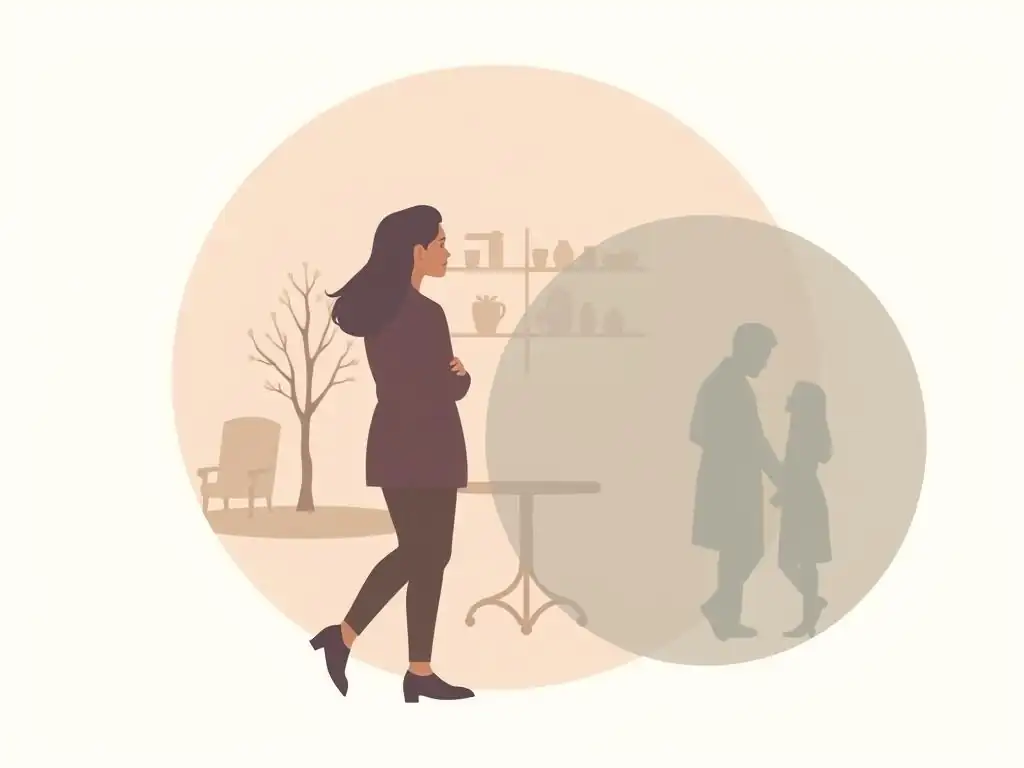
Location-based dating apps, while offering convenience and the thrill of nearby connections, introduce unique emotional challenges. The proximity of potential partners can amplify both positive and negative feelings, demanding a higher level of emotional intelligence and self-awareness. Understanding and managing these emotional nuances is crucial for a positive online dating experience. Failing to do so can lead to disappointment, frustration, and even burnout. This section will explore some key emotional aspects to consider.
Dealing with Rejection and the Proximity Factor
Rejection is an inherent part of online dating, but location-based dating can make it feel more intense. Seeing someone you've matched with around town, perhaps even at your favorite coffee shop, can magnify the sting of rejection. This proximity effect can intensify feelings of vulnerability and self-doubt.
It's vital to develop healthy coping mechanisms, like focusing on self-care, engaging in hobbies, and remembering that rejection doesn't reflect your worth. Avoid dwelling on what might have been and instead focus on moving forward. Consider journaling or talking to a friend to process your emotions; a supportive network can significantly aid in navigating these difficult feelings.
Remember, many factors contribute to compatibility, and one rejection doesn't diminish your potential for finding a meaningful connection. Rejection is a part of the process, and learning to cope with it gracefully is a sign of strength and resilience. It's also important to remember that not every match will lead to a date, let alone a relationship.
The Impact of Physical Distance on Relationship Development
While location-based dating emphasizes proximity, it's crucial to remember that "nearby" doesn't automatically equate to "convenient" for relationship development. Even if someone lives in your neighborhood, significant differences in lifestyle, schedules, or social circles can create practical barriers. For instance, someone who works long hours might struggle to find time for dates, regardless of their geographical closeness. Conversely, someone who lives just a few blocks away might feel too close for comfort, leading to a sense of being overwhelmed or suffocated.
Therefore, effective communication about expectations and boundaries is paramount. Openly discussing schedules, preferred social dynamics, and desired relationship pace can prevent misunderstandings and potential conflicts down the line. It’s also important to recognize that physical proximity doesn't guarantee emotional intimacy or compatibility. Meaningful connections require shared values, interests, and mutual respect, which transcend geographical location.
Managing Expectations in Location-Based Dating for Long-Term Relationships
Location-based dating can be exciting, but it’s essential to manage expectations, especially when seeking a long-term relationship. The ease of connecting with people nearby might lead to a faster pace of dating, which can be overwhelming. Avoid rushing into serious commitments before establishing a strong foundation of trust and understanding.
Remember that long-term relationships require more than just geographical convenience; they require emotional maturity, shared goals, and a willingness to invest time and effort. Focus on building genuine connections, prioritizing quality over quantity, and being mindful of red flags. Don't let the convenience of location overshadow the importance of compatibility and shared values.
Prioritizing communication, honesty, and mutual respect will significantly increase your chances of finding a lasting and fulfilling relationship, even within the parameters of location-based online dating. Patience and realistic expectations are key to navigating this aspect successfully. The pursuit of long-term happiness requires a thoughtful and deliberate approach.
Improving Your Online Dating Experience Despite Location Limitations
Navigating the world of online dating, especially when location plays a significant role, presents unique challenges. While location-based dating offers convenience and the opportunity to connect with people nearby, it also presents potential downsides. Understanding these limitations and proactively addressing them can significantly improve your online dating experience.
This section focuses on strategies to mitigate the negative aspects of location-based dating and maximize your chances of finding a meaningful connection, even if your options seem limited. We'll explore how to optimize your profile, refine your searches, and prioritize safety, all within the context of geographical constraints. Remember, the goal is to make the most of your local dating pool.
Optimizing Your Profile for Local Matches
Optimizing your profile for local matches involves more than just a catchy headline and a few flattering photos. It's about strategically using keywords and conveying information that resonates with people in your immediate vicinity. Consider these factors:
- Mentioning local landmarks or interests: Subtly mentioning your favorite local coffee shop, park, or even a recurring community event can attract the attention of people who share your interests and live nearby. For example, instead of simply saying "I love hiking," try "I love exploring the trails at [Local Park Name] and discovering hidden gems." This shows you're active and engaged within your community.
- Highlighting your local lifestyle: Emphasize aspects of your life that are relevant to your location. Do you enjoy frequenting local breweries? Are you involved in any community groups? Are you a regular at farmers' markets? Sharing these details paints a vivid picture of your life and helps potential matches determine compatibility based on shared local experiences.
- Using location-specific keywords: This is crucial for online dating location downsides mitigation. While avoiding overly specific information for privacy reasons is important, using keywords related to your city or region in your profile description can help your profile appear in relevant searches. For example, mentioning "exploring the vibrant nightlife of [Your City]" or "enjoying the beaches of [Your Coastal Area]" subtly incorporates location-based keywords without compromising your privacy.
- High-quality photos showcasing local activities: Include photos that reflect your local lifestyle. A picture of you at a local event, enjoying a meal at a neighborhood restaurant, or participating in a community activity provides tangible evidence of your engagement with your surroundings. This makes your profile more relatable and attractive to potential matches within your area.
Utilizing Advanced Search Filters to Refine Your Search
Most dating apps offer advanced search filters that allow you to refine your search based on various criteria, including location. Mastering these filters is essential for maximizing your chances of finding compatible matches within your desired proximity.
| Filter Category | Specific Filter Options | Impact on Search Results |
|---|---|---|
| Distance | Radius (e.g., 5 miles, 10 miles, 25 miles) | Limits results to users within a specified distance from you. |
| Age | Minimum and maximum age range | Narrows down the age range of potential matches. |
| Interests/Hobbies | Specific interests (e.g., hiking, cooking, reading) | Matches users who share your interests. |
| Relationship Goals | (e.g., Casual dating, Long-term relationship, Marriage) | Filters users based on their desired relationship type. |
Effective use of these filters significantly reduces the number of irrelevant profiles you encounter, saving you time and energy. Experiment with different filter combinations to find the optimal settings that yield the most promising matches within your local area. Remember that being too restrictive might limit your options, so finding a balance is key.
Prioritizing Safety Features and Reporting Mechanisms
Safety is paramount, especially when meeting people from your local area through online dating. Familiarize yourself with the safety features offered by your chosen dating app and utilize them proactively.
- Background checks (if available): Some apps offer background check options for added security. Consider utilizing these features for enhanced peace of mind.
- Verified profiles: Look for apps that verify user profiles to reduce the risk of encountering fake profiles or scams.
- Public profile settings: Carefully manage your privacy settings. Avoid sharing overly personal information in your profile or during initial conversations.
- Meeting in public places: Always choose well-lit and populated public spaces for your first few dates. Let a friend or family member know where you're going and when you expect to be back.
- Reporting mechanisms: Familiarize yourself with the app's reporting mechanisms and don't hesitate to report any suspicious or inappropriate behavior. Your safety is paramount, and the app's administrators can take action to ensure a safe environment for all users. Reporting helps maintain a safer online dating community and contributes to reducing online dating location downsides related to safety concerns. Don't be afraid to utilize these resources.
Remember, while location-based dating offers advantages, it's crucial to be aware of the potential drawbacks and take proactive steps to mitigate risks and enhance your overall experience. By optimizing your profile, refining your searches, and prioritizing safety, you can significantly improve your chances of finding a meaningful connection, even within the confines of your local area.
Frequently Asked Questions
What are some downsides of using location-based dating apps?
Location-based dating apps can limit your options, restricting you to a smaller pool of potential matches within a specific radius. This can be particularly problematic in less populated areas. It also raises privacy concerns.
How can location-based features affect my online dating safety?
Sharing your precise location can increase your vulnerability. Stalkers or individuals with malicious intent could potentially use this information. It's crucial to prioritize safety and privacy.
Does using location-based dating always mean meeting in person sooner?
Not necessarily. While it can facilitate quicker in-person meetings, many users still prefer building rapport online first before arranging a date, regardless of proximity. Communication and trust remain key.
Can I still use online dating successfully without relying on location features?
Absolutely! Many dating sites and apps allow you to search for matches based on other criteria, like interests, age, and lifestyle. Focusing on compatibility rather than just proximity can lead to better matches.
How can I mitigate the risks associated with location-based dating?
Prioritize safety first. Avoid sharing overly specific location details until you've established trust. Meet in public places for first dates and inform a friend or family member of your plans. Trust your intuition - if something feels off, it probably is.
The convenience of location-based dating apps is undeniable, yet the potential pitfalls lurking beneath the surface of seemingly effortless connections demand careful consideration. We've explored the ease of finding matches nearby, the thrill of spontaneous encounters, and the perceived efficiency of filtering potential partners based on proximity. However, the reality is far more nuanced, requiring a critical eye and a proactive approach to safety and genuine connection.
The impact of location-based dating on our social landscape is profound, shifting the dynamics of courtship and relationship formation in ways we are only beginning to understand. It has undeniably lowered the barriers to entry for many seeking companionship, but it has also introduced new vulnerabilities and anxieties. The ease of access can lead to superficial interactions and a devaluation of meaningful connection. As the poet Rainer Maria Rilke wisely observed: Love consists of this: two solitudes protecting and enriching each other.
This sentiment remains crucial, even—perhaps especially—in the digital age, reminding us that true intimacy transcends geographical proximity.
Consider the information you share, the precautions you take, and the expectations you set. Don't let the allure of convenience overshadow the importance of genuine connection and personal safety. You deserve to navigate the world of online dating with awareness, intention, and a commitment to your own well-being. Take the time to reflect on your experiences, learn from potential missteps, and actively cultivate relationships built on mutual respect and understanding, regardless of the distance. The journey to finding meaningful connection is worth the effort; let this reflection guide you on your path.
Thanks for exploring the potential risks of location-based dating! You've gained valuable insights to make safer, smarter choices in your dating journey. Now it's time to put that knowledge into action.
- Prioritize your safety: Carefully review your privacy settings on all your dating apps and social media accounts. Think critically about the information you share and with whom. This is crucial for confidently navigating the online dating world.
- Share your knowledge: Discuss this article with friends or family who also use dating apps. Start a conversation about responsible online dating practices. Helping others stay safe is a great way to reinforce your own good habits.
- Expand your options: Consider supplementing location-based apps with other ways of meeting people, such as joining clubs, volunteering, or attending social events in your community.
So, what proactive steps will you take today to enhance your online dating safety and experience?