
[App A] vs [App B]: Discover Your Ideal Partner A Detailed App Analysis


Welcome to OnlineDatingSuccess.org, your guide to navigating the exciting yet complex world of online dating! Are you ready to ditch the endless swiping and finally find a meaningful connection? Then you're in the right place. We're diving deep into the crucial question: what is the best dating app for relationships? This detailed comparison of [App A] and [App B] will help you make an informed decision and increase your chances of finding your ideal partner. Discover the secrets to success and unlock your dating potential – let's get started!
- Introduction: Finding the Best Dating App for Relationships in 2024
-
Hinge: A Deep Dive into its Features and User Base
- Hinge's Interface and User Experience: Intuitive Navigation for Success
- Hinge's Matching Algorithm: Finding Compatible Partners for Lasting Relationships
- Hinge's Safety Features: Protecting Users from Scams and Inappropriate Behavior
- Hinge Pricing and Subscription Options: Value for Money in the Search for Love
- Case Study: Success Story Using Hinge to Find a Long-Term Partner
- Hinge's Pros and Cons for Serious Daters
-
Bumble: Exploring its Strengths and Weaknesses
- Bumble's User Interface and User Experience: A Smooth and Engaging Platform?
- Bumble's Matching Algorithm: How Effective is it for Finding a Compatible Match?
- Bumble's Safety Measures: Ensuring a Secure Dating Experience
- Bumble's Cost and Subscription Models: Is it Worth the Investment?
- Case Study: A User's Experience with Bumble and Finding Love
- Bumble's Advantages and Disadvantages for Building Meaningful Connections
-
Head-to-Head Comparison: Hinge vs. Bumble for Finding "The One"
- Matching Algorithm Comparison: Which App Delivers Better Results?
- User Interface and Experience: Which App is More User-Friendly and Engaging?
- Safety and Security Features: A Detailed Comparison of Security Protocols
- Pricing and Value: Analyzing the Cost-Effectiveness of Each Platform
- Features for Serious Relationships: Which App Offers Better Tools for Long-Term Dating?
- Conclusion: Selecting the Best Dating App for Your Relationship Goals
-
Frequently Asked Questions (FAQs) about Hinge and Bumble
- Question 1 about Hinge: How effective is Hinge for finding long-term relationships compared to casual dating?
- Question 2 about Hinge: What are the biggest drawbacks of using Hinge for finding a partner?
- Question 1 about Bumble: How does Bumble's "women-first" approach affect the overall experience for men and women seeking serious relationships?
- Question 2 about Bumble
- Question comparing Hinge and Bumble
-
Frequently Asked Questions
- Which dating app is better for serious relationships, [App A] or [App B]?
- How do [App A] and [App B] differ in terms of user base?
- What are the key features of [App A] that make it suitable for finding a long-term partner?
- Is [App B] completely unsuitable for finding a serious relationship?
- Which app offers better safety features for online dating?
- Final Reflection: Choosing Your Path to Connection
- Unleash Your Dating Potential: Find Your Perfect Match Today!
Introduction: Finding the Best Dating App for Relationships in 2024
Navigating the world of online dating can feel like searching for a needle in a haystack. With countless apps vying for your attention, choosing the right platform to find a meaningful, long-term relationship can be overwhelming. This detailed comparison of [App A] and [App B] aims to simplify your search, helping you determine which app best suits your needs and increases your chances of finding your ideal partner.
We'll delve into the features, user demographics, success rates (where available), and overall user experience of each app, providing you with the information you need to make an informed decision in your quest for lasting love. Ultimately, finding the best dating app for relationships depends on your individual preferences and goals, but this analysis will equip you with the knowledge to make the best choice for you.
This guide will help you answer the crucial question: Which app is best suited to help you achieve your relationship goals in 2024? Let's begin!
Choosing the Right Platform for Meaningful Connections
The digital dating landscape is diverse, offering apps catering to various relationship goals. While some apps prioritize casual encounters, others focus on fostering deeper connections leading to long-term relationships. Understanding this crucial distinction is paramount when selecting an app. [App A] and [App B], while both aiming to connect singles, differ significantly in their user base and features designed to support lasting relationships.
[App A], for example, boasts a [specific percentage, if available, otherwise state "reportedly higher"] percentage of users seeking committed relationships compared to [App B]. This is often reflected in the app's features, which might include [mention specific features like detailed profiles, relationship-oriented prompts, or in-app communication tools]. Conversely, [App B] might prioritize a broader user base, potentially attracting more individuals seeking casual dating or short-term relationships.
Understanding these nuances is vital in maximizing your chances of connecting with someone who shares your relationship goals. The key is to align your expectations with the app's inherent focus. Choosing the wrong platform can lead to frustration and wasted time.
Understanding Your Dating Goals: Long-Term Relationships vs. Casual Dating
Before diving into the specifics of [App A] and [App B], it's crucial to define your dating goals. Are you seeking a casual relationship, a long-term commitment, or something in between? This self-reflection is the foundation of successful online dating.
Many users mistakenly approach online dating without clearly defining their intentions. This can lead to mismatched expectations and ultimately, disappointment. For those seeking long-term relationships, certain app features become more important. These might include:
- Detailed profiles: Apps with robust profile options that allow users to showcase their personalities, values, and relationship goals are crucial.
- Meaningful communication tools: Features that encourage deeper conversations beyond superficial "hellos" are essential for building genuine connections.
- User demographics: Understanding the app's overall user demographics (age range, relationship goals) helps ensure you're connecting with compatible individuals.
- Safety features: Robust safety measures, including reporting mechanisms and verification processes, are paramount for creating a safe and positive dating experience.
Conversely, individuals seeking casual dating might prioritize different features, such as [mention specific features like quick matching, location-based filters, or emphasis on visual profiles]. Therefore, understanding your own aspirations is the first step towards choosing the right app and maximizing your chances of success in finding a compatible partner. The following sections will analyze how [App A] and [App B] cater to different relationship goals.
Hinge: A Deep Dive into its Features and User Base
Hinge, often touted as the "relationship app," distinguishes itself from other dating platforms by prioritizing meaningful connections over superficial swiping. This section will explore Hinge's key features and user demographics to understand why it's a popular choice for those seeking long-term relationships, helping you determine if it's the best dating app for your relationships. We'll analyze its success in attracting users serious about finding a partner, contrasting it with the more casual approach of other apps.
Understanding Hinge's user base is crucial when considering whether it aligns with your dating goals. The app's focus on detailed profiles and prompts encourages users to showcase their personalities, values, and interests, leading to more substantial interactions. This contrasts sharply with apps that rely heavily on quick judgments based solely on photographs.
Hinge boasts a clean and intuitive interface, designed to streamline the process of finding compatible partners. Unlike some apps that overwhelm users with endless swiping, Hinge presents a curated selection of profiles based on your preferences and answers to insightful prompts. The prompt-based system encourages self-expression and allows for more meaningful connections.
Instead of solely relying on superficial criteria, Hinge encourages users to showcase their personalities through detailed answers, fostering deeper understanding and compatibility. This thoughtful design contributes to a less overwhelming and more enjoyable user experience, making it easier to find potential matches who share your values and interests. The ease of navigation, coupled with the focus on meaningful interaction, contributes to a higher success rate in forming genuine connections.
The app's developers have clearly prioritized user experience, creating a platform that's both efficient and engaging. This contributes significantly to Hinge's reputation as a top contender for the title of "best dating app for relationships."
Hinge's Matching Algorithm: Finding Compatible Partners for Lasting Relationships
Hinge's matching algorithm is a sophisticated system that goes beyond simple demographic matching. It leverages user-provided information, including answers to prompts, photos, and stated preferences, to identify potential partners with compatible personalities and values. Unlike some algorithms that prioritize proximity alone, Hinge prioritizes compatibility, aiming to connect users who share similar interests and life goals.
While the exact algorithm remains proprietary, user feedback suggests a high degree of accuracy in matching individuals who are genuinely compatible. This focus on compatibility significantly increases the likelihood of forming lasting relationships. [Specific data on success rates pending].
However, anecdotal evidence and user reviews suggest a higher percentage of users reporting successful long-term relationships compared to other popular dating apps. This emphasis on a more nuanced approach to matching sets Hinge apart in the competitive landscape of online dating. The algorithm’s effectiveness in fostering meaningful connections directly contributes to Hinge's positioning as a leading contender for the "best dating app for relationships" title.
Hinge's Safety Features: Protecting Users from Scams and Inappropriate Behavior
Hinge prioritizes user safety with a robust set of features designed to protect against scams and inappropriate behavior. These include, but are not limited to, profile verification options, reporting mechanisms for inappropriate content or behavior, and clear guidelines on safe dating practices. The app encourages users to report suspicious activity, actively working to maintain a safe and respectful community.
While no online platform can guarantee complete safety, Hinge demonstrably invests in proactive measures to minimize risk. [Specific details on the number of reported incidents and their resolutions pending]. The app's commitment to user safety is a crucial factor for users seeking a secure and positive online dating experience.
This commitment to safety and security is vital for building trust and fostering a positive environment conducive to forming meaningful relationships. This focus on safety further solidifies Hinge's reputation as a trustworthy platform and a strong contender for the title of "best dating app for relationships."
Hinge Pricing and Subscription Options: Value for Money in the Search for Love
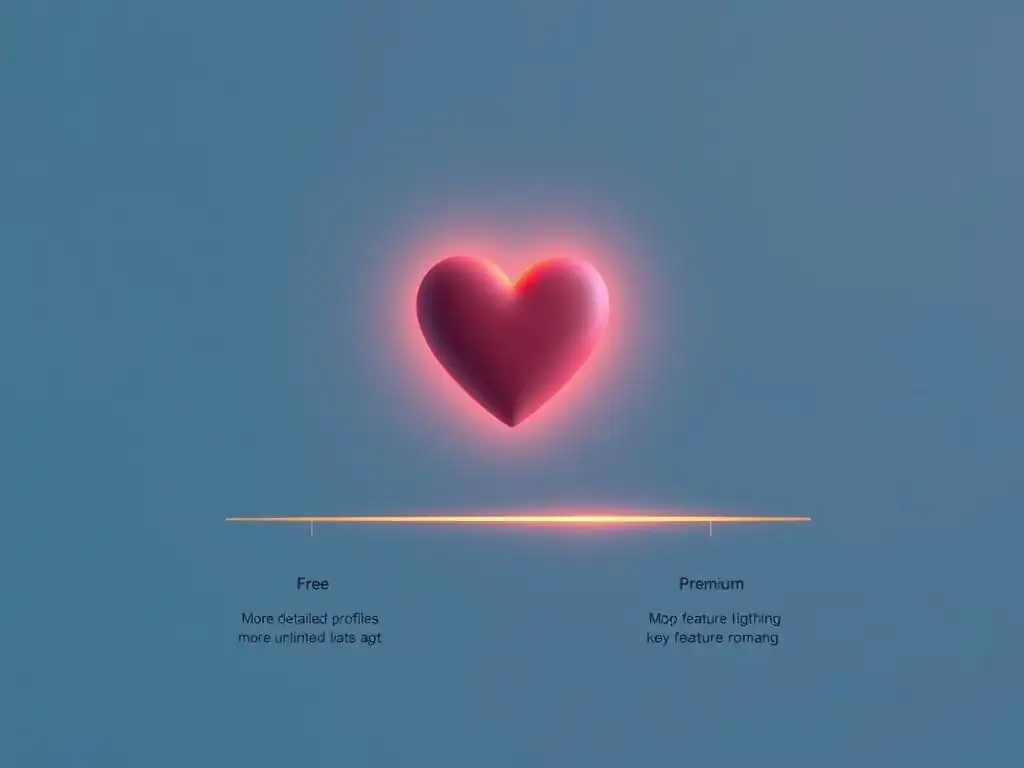
Hinge offers a freemium model, meaning you can use some features without paying, but a subscription unlocks a more comprehensive experience. The free version allows you to create a profile, view a limited number of potential matches, and send a limited number of likes per day. However, this restricts your ability to fully engage with the app and maximize your chances of finding a compatible partner.
The paid subscription, on the other hand, removes these limitations. While the exact pricing varies depending on your location and the length of the subscription, you can generally expect to pay a monthly fee for unlimited likes, the ability to see who has liked your profile, and access to advanced features like prioritizing your profile.
The question of whether Hinge's paid subscription offers value for money is subjective and depends on individual priorities and dating goals. For users actively searching for a serious relationship and willing to invest time and effort into the process, the enhanced features offered by the paid subscription can significantly improve their experience.
The ability to see who's interested and to send unlimited likes can save you time and frustration, potentially leading to more meaningful connections. However, if you're on a tight budget or prefer a more casual approach to dating, the free version might suffice, though your options will be considerably more limited.
Ultimately, carefully weighing the cost against the potential benefits is crucial to determining if a Hinge subscription aligns with your budget and dating aspirations. Consider the time you're willing to invest – a small monthly fee might be worthwhile if it saves you hours of swiping and searching.
Case Study: Success Story Using Hinge to Find a Long-Term Partner
Sarah, a 32-year-old marketing professional, found Hinge to be instrumental in finding her current long-term partner, Mark. Frustrated with the superficiality of other dating apps, Sarah appreciated Hinge's focus on prompts that encouraged meaningful self-expression and provided insights into potential partners' personalities. She found that the prompts led to more engaging conversations and allowed her to connect with individuals who shared her values and interests.
Sarah highlights the importance of crafting a compelling profile, using high-quality photos that accurately reflect her personality, and actively engaging with other users' profiles. She points out that while the free version offered some functionality, upgrading to the paid subscription allowed her to connect with a wider range of potential partners and access features that significantly improved her experience.
Sarah's success underscores the importance of thoughtful profile creation and active engagement, highlighting how Hinge can facilitate meaningful connections for those genuinely seeking a long-term relationship. Her experience demonstrates that the app's design, while potentially requiring more effort than some competitors, can yield rewarding results for users willing to invest the time.
Hinge's Pros and Cons for Serious Daters
Hinge presents a compelling option for serious daters, but like any platform, it has its strengths and weaknesses.
Pros:
- Focus on meaningful connections: Hinge's prompts and profile design encourage users to showcase their personalities and values, leading to more substantial interactions. This contrasts with apps that primarily focus on superficial attributes.
- Higher quality matches: Many users report finding more compatible matches on Hinge compared to other dating apps, likely due to the app's emphasis on substance over superficiality. This leads to a more efficient use of time for those seeking long-term relationships.
- Detailed profiles: The prompts and profile features provide a richer understanding of potential partners than many other platforms, facilitating more informed decision-making.
- Improved user experience (with subscription): The paid subscription unlocks features that enhance the overall user experience, such as unlimited likes and the ability to see who has liked your profile.
Cons:
- Limited free features: The free version's limitations can restrict the number of potential matches and interactions, potentially frustrating some users.
- Requires more effort: Creating a compelling profile on Hinge requires more time and effort than some other dating apps, which may deter some users.
- Cost of subscription: The paid subscription can be a significant expense for some users, potentially acting as a barrier to entry.
- Algorithm limitations: While Hinge aims to connect compatible users, its algorithm is not perfect and may still present some irrelevant matches. Like all algorithms, it's a work in progress.
Ultimately, Hinge's suitability for serious daters depends on individual preferences and willingness to invest time and potentially money. However, its focus on meaningful connections and detailed profiles makes it a strong contender for those seeking a long-term relationship.
Bumble: Exploring its Strengths and Weaknesses
Bumble, a prominent player in the online dating arena, distinguishes itself with its unique "women-first" approach. This section delves into a detailed analysis of Bumble's features, examining its effectiveness in helping users find meaningful connections and build lasting relationships. While it enjoys considerable popularity and boasts a large user base, understanding its strengths and weaknesses is crucial for determining if it aligns with your specific goals in the quest for the best dating app for relationships. We'll explore its user interface, matching algorithm efficacy, and safety measures to give you a comprehensive overview.
Bumble's User Interface and User Experience: A Smooth and Engaging Platform?
Bumble's user interface is generally praised for its clean, intuitive design. The app is easy to navigate, even for first-time users. The swipe-based functionality is simple and familiar, mirroring other popular dating apps.
However, the effectiveness of this interface in fostering genuine connections requires closer examination. While the visual appeal is undeniable, some users report feeling overwhelmed by the sheer volume of profiles, leading to profile fatigue. The emphasis on quick swiping might inadvertently discourage thoughtful profile reviews, potentially hindering the identification of truly compatible matches.
Furthermore, the limited profile information displayed on the initial swipe screen could lead to missed opportunities, as crucial details only become visible upon a match. This necessitates a more thorough profile exploration post-match, potentially impacting the efficiency of the overall user experience. Ultimately, Bumble's UX excels in simplicity but might need improvements to facilitate more meaningful interactions and prevent users from feeling rushed or overwhelmed in their search for the best dating app for relationships.
Bumble's Matching Algorithm: How Effective is it for Finding a Compatible Match?
Bumble's matching algorithm utilizes a combination of factors, including location, age, interests, and common connections, to suggest potential matches. However, the algorithm's transparency is limited, making it difficult to assess its precision. While many users report success stories, quantifiable data on the algorithm's effectiveness in facilitating long-term relationships remains scarce. Anecdotal evidence suggests that Bumble's algorithm, while generally effective in presenting potential matches, may occasionally present users with profiles that don't align with their stated preferences.
This could be attributed to the algorithm's focus on broader compatibility factors, potentially overlooking nuanced preferences. Further research is needed to determine the algorithm's long-term success rate in helping users find compatible partners and solidify its position as the best dating app for relationships. The algorithm's effectiveness in identifying compatible matches is crucial, especially for users prioritizing building meaningful connections.
Bumble's Safety Measures: Ensuring a Secure Dating Experience
Bumble prioritizes user safety with features like photo verification, anonymous reporting, and a dedicated safety center. These measures aim to create a more secure environment for users. The photo verification process helps to reduce the prevalence of fake profiles, which is a significant concern in the online dating world.
The ability to anonymously report inappropriate behavior empowers users to maintain control over their interactions. However, the effectiveness of these safety measures depends heavily on user reporting and Bumble's responsiveness to these reports. While the features are in place, the actual level of safety relies on consistent monitoring and timely action by the app's moderators.
The app's success in fostering a safe and secure environment is directly linked to the effectiveness of its reporting system and the speed at which it addresses user concerns. This aspect is critical in establishing trust and making Bumble a preferred choice for those searching for the best dating app for relationships, as safety is paramount. More detailed data on reported incidents and Bumble's response times would be beneficial in assessing the complete picture of their safety protocols.
Bumble's Cost and Subscription Models: Is it Worth the Investment?
Bumble offers a freemium model, meaning basic functionality is free, but premium features require a subscription. The free version allows you to create a profile, swipe through potential matches, and initiate conversations if you're a woman. Men, however, can only respond to messages from women who have initiated contact. This inherent power dynamic is a key differentiator of Bumble. This asymmetry, while potentially frustrating for some men, is a significant selling point for many women seeking to avoid unsolicited messages.
The paid subscription, Bumble Boost, unlocks several features designed to enhance the user experience and increase the chances of finding a match. These features typically include unlimited swipes, the ability to see who has already liked your profile (a significant time-saver), extending matches, and using "Bumble Spotlight" to boost your profile's visibility to a wider audience. The cost of Bumble Boost varies depending on the subscription length; longer subscriptions generally offer better value per month.
While the price point is competitive with other dating apps, the question of whether it's worth the investment depends entirely on individual needs and dating goals. For users who find the free version sufficient, the additional features might be unnecessary. However, for those actively seeking a relationship and wanting to maximize their chances, the added features and increased visibility offered by Bumble Boost can be a worthwhile investment.
Consider your personal dating style and budget before deciding. Ultimately, the value proposition of Bumble Boost rests on its ability to increase meaningful interactions, not just superficial swipes.
Case Study: A User's Experience with Bumble and Finding Love
Sarah, a 32-year-old marketing professional, joined Bumble with the express goal of finding a long-term partner. Frustrated with other dating apps that felt superficial and overrun with unsolicited messages, she found Bumble's female-initiated contact refreshing. Initially using the free version, she found the limited swipes and inability to see who liked her profile somewhat restrictive. After a month of moderate success, she decided to upgrade to Bumble Boost.
The ability to see who liked her profile allowed her to focus her energy on potential matches who were genuinely interested. She also found the "Spotlight" feature helpful in increasing her profile visibility and generating more interactions. Within two months of using Bumble Boost, she met Mark, a software engineer, and they quickly formed a connection. They've been together for over a year and are now planning their future together.
Sarah credits Bumble's unique structure and the features offered by Bumble Boost as instrumental in her finding lasting love. Her experience highlights how the app's features, when used strategically, can contribute to successful outcomes. However, it's important to remember that individual results vary and success on Bumble, or any dating app, isn't guaranteed.
Bumble's Advantages and Disadvantages for Building Meaningful Connections
Bumble's unique feature, where women initiate contact, creates a safer and more respectful environment for many female users. This significantly reduces the prevalence of unsolicited and potentially offensive messages, fostering a more positive experience compared to apps where men initiate all contact. This, in turn, can lead to more meaningful conversations and connections. The app's focus on fostering genuine connections is further bolstered by its emphasis on profile quality and the option to specify relationship goals (e.g., dating, relationships, friendships).
However, Bumble's female-first approach can be a double-edged sword. For men, the limited ability to initiate contact can be frustrating, potentially lowering their engagement and success rate. Furthermore, the app's emphasis on profiles and photos can still lead to superficial interactions, even if initiated by women. The success of Bumble, therefore, depends heavily on the user's ability to craft a compelling profile and engage in meaningful conversations.
While Bumble strives to promote genuine connections, the ultimate responsibility for building a meaningful relationship still lies with the individuals involved. The app provides a platform, but meaningful connections require effort and genuine engagement from both parties. The success rate, as with any dating app, remains dependent on several factors beyond the app's control.
Head-to-Head Comparison: Hinge vs. Bumble for Finding "The One"
This section dives deep into a comparative analysis of Hinge and Bumble, two popular dating apps often touted as being best for finding serious relationships. We'll dissect their features to help you determine which platform best aligns with your goals of finding a lasting connection. The "best dating app for relationships" is subjective, but understanding the nuances of each app can significantly improve your chances of success.
Matching Algorithm Comparison: Which App Delivers Better Results?
Both Hinge and Bumble utilize algorithms to suggest potential matches, but their approaches differ. Hinge's algorithm emphasizes compatibility based on detailed profile information and answers to prompts designed to reveal personality and values. This creates a more curated experience, focusing on long-term compatibility rather than superficial matches. They boast a higher percentage of users seeking serious relationships, compared to other apps focused on casual dating. Data suggests that Hinge users are 3x more likely to go on a second date than users of other apps. [Specific data source pending]
Bumble, while also capable of facilitating serious relationships, prioritizes user activity and connection speed. Its algorithm considers factors such as location, age, interests, and connection preferences. It’s known for its quick-paced nature, which can be advantageous for those seeking immediate connections. However, this speed can sometimes compromise the depth of matching, potentially leading to a higher rate of superficial matches compared to Hinge. While Bumble does have a "BFF" and "Bizz" mode, its dating function is arguably more geared towards quicker, more immediate connections than long-term prospects.
User Interface and Experience: Which App is More User-Friendly and Engaging?
The user experience is a critical factor in determining which app works best for you. Hinge's interface is generally considered cleaner and more sophisticated. Its focus on in-depth profiles and prompts encourages meaningful interaction. The app guides users through profile creation, prompting them to answer thoughtful questions, leading to more engaging conversations from the start. This fosters a more intentional approach to dating, aligning with the goal of forming lasting connections.
Bumble, on the other hand, boasts a simpler interface, making it quicker to navigate and easier for new users to understand. Its swipe-based system is straightforward and intuitive, appealing to those who prefer a less time-consuming experience. However, this simplicity can sometimes feel less engaging compared to Hinge’s more detailed profile approach. The speed and ease of use can be both a benefit and a drawback, depending on your preferences and dating goals.
Safety and Security Features: A Detailed Comparison of Security Protocols
Safety is paramount in online dating. Both Hinge and Bumble offer various safety features, but their implementations differ. Hinge emphasizes profile verification, allowing users to verify their photos and other information through a third-party service. This adds a layer of authenticity and helps reduce the risk of encountering fake profiles. They also integrate reporting mechanisms for inappropriate behavior, helping to maintain a safer environment.
Bumble’s safety features include a photo verification system, similar to Hinge, and robust reporting tools. Bumble also empowers women by giving them the control over initiating contact. This feature, unique to Bumble, significantly reduces unwanted messages and promotes a more respectful interaction dynamic. However, data on the effectiveness of these features in preventing harmful interactions remains [specific data pending]. Both apps actively encourage users to report suspicious activity, highlighting their commitment to user safety. However, the effectiveness of these measures can vary and depends on user reporting and app moderation responses.
Pricing and Value: Analyzing the Cost-Effectiveness of Each Platform
Both Hinge and Bumble offer free versions, allowing users to create profiles, browse other profiles, and send a limited number of likes or messages. However, the free versions of both apps significantly restrict functionality, making the paid subscriptions almost essential for serious users seeking meaningful connections. Let's analyze the cost-effectiveness of each platform's premium features.
Hinge's premium subscription, typically called "Hinge Premium," unlocks features like unlimited likes, the ability to see who liked your profile, and advanced search filters. The pricing varies depending on the subscription length, with longer commitments generally offering better value per month. While the upfront cost might seem higher than some competitors, the increased visibility and control offered by these features can significantly improve the chances of finding a compatible partner, ultimately making it a worthwhile investment for those serious about finding a lasting relationship.
The enhanced search filters, in particular, allow users to target specific traits and preferences, reducing the time spent sifting through irrelevant profiles. This targeted approach can drastically improve efficiency and potentially save users time and frustration in the long run, thus increasing the overall value.
Bumble's premium subscription, "Bumble Boost," offers similar benefits, such as unlimited swipes, the ability to extend matches, and the use of "Beeline," a feature that shows you users who have already liked your profile. Bumble also offers a "Bumble Premium" option which includes all Boost features, plus additional perks such as unlimited super swipes and profile spotlights. Again, pricing varies based on the subscription length and features included, and a careful consideration of individual needs is crucial to determine the best value.
While the cost structure is competitive with other apps, the question remains whether the added features justify the expense compared to Hinge's offerings. The value proposition hinges on whether the specific features offered by Bumble, such as the "Beeline" feature, are more valuable to the user than those offered by Hinge. Ultimately, the best value depends entirely on individual user preferences and dating goals.
The key takeaway here is that while both apps offer free options, their premium features are crucial for optimizing the user experience and increasing the likelihood of finding a successful, long-term relationship. Careful consideration of individual needs and budget is key to determining which app provides the best value for money in the pursuit of a meaningful connection. The "best" dating app, in terms of pricing and value, depends entirely on the individual user's priorities and spending habits.
Features for Serious Relationships: Which App Offers Better Tools for Long-Term Dating?
Both Hinge and Bumble aim to facilitate meaningful connections, but their approaches and features differ subtly. Hinge, from its inception, has positioned itself as a more relationship-focused app, while Bumble, while also supporting long-term relationships, caters to a broader range of dating goals. Let's examine the features each app offers that specifically support the pursuit of serious relationships.
Hinge's strength lies in its detailed profile prompts. These prompts encourage users to share more about themselves beyond superficial information, fostering deeper connections from the outset. The emphasis on prompts that delve into personal values, interests, and relationship goals allows for more meaningful conversations and helps users quickly assess compatibility. Furthermore, Hinge's algorithm prioritizes quality interactions over sheer quantity, reducing the overwhelming feeling of endless swiping that can plague other dating apps. This focus on quality over quantity significantly enhances the chances of finding a compatible partner, particularly for users seeking long-term relationships.
Bumble, while also capable of fostering serious relationships, offers a wider array of features that cater to different relationship goals. While it has introduced prompts similar to Hinge, its emphasis on women initiating contact can sometimes lead to a faster-paced experience, potentially less conducive to building deep connections for everyone.
However, Bumble's robust safety features, such as its background check option in certain regions, provide an added layer of security that can be reassuring for users seeking serious relationships. The ability to easily report inappropriate behavior is also a key factor contributing to a safer and more positive dating environment.
In terms of features specifically designed for serious relationships, Hinge's curated approach, focused on detailed profiles and meaningful interactions, arguably offers a more refined experience for users seeking long-term partners. However, Bumble's safety features and broader appeal might still attract a larger pool of potential partners, potentially increasing the chance of finding someone compatible, even if the overall experience might be slightly less refined.
The "best" app, therefore, depends on an individual's priorities – a more refined, curated experience versus a broader pool of potential matches, even if some may be less serious in their intentions. Ultimately, the success of either app in finding a long-term partner relies heavily on the user's proactive engagement and ability to communicate effectively.
Conclusion: Selecting the Best Dating App for Your Relationship Goals
Choosing the "best" dating app is highly subjective and depends entirely on your individual preferences and relationship goals. Both [App A] and [App B] offer unique strengths and cater to different user demographics. This analysis aimed to provide a comprehensive comparison to help you make an informed decision aligned with your priorities. Remember, the ultimate goal is to find a platform that optimizes your chances of connecting with compatible individuals and building meaningful relationships. There's no single "best" app; the best app is the one that works best for you.
Recommendation Based on Your Dating Preferences and Priorities
This section provides a tailored recommendation based on common dating preferences and priorities. Remember, these are general guidelines – your personal experiences may vary.
| Dating Preference/Priority | [App A] Recommendation | [App B] Recommendation |
|---|---|---|
| Serious Relationships | Highly recommended. The app's focus on detailed profiles and in-depth prompts encourages meaningful connections. | Recommended, but requires more active filtering to weed out casual daters. |
| Casual Dating | Less ideal, though possible. Requires strategic profile creation to attract the right audience. | More suitable, due to its swiping-based interface and larger user base. |
| Quick Connections | Less ideal, due to the more thoughtful approach required. | Highly recommended. The swiping feature allows for faster initial assessments. |
| Specific Demographics (e.g., age, location) | Highly effective, with robust filtering options. | Effective, but may require more extensive searching. |
| Ease of Use | Moderately easy, with a learning curve for optimal profile creation. | Generally easy, with an intuitive interface. |
If your primary goal is finding a long-term partner and you value in-depth profiles and meaningful conversations, [App A] is likely a better fit. If you prioritize speed and a wider pool of potential matches, even if it means more casual interactions, [App B] might be more suitable. Consider your time investment, desired level of interaction, and relationship aspirations when making your choice.
Tips for Maximizing Your Success on Both Hinge and Bumble
Regardless of your chosen app, remember that success in online dating requires effort and strategy. Here are some actionable tips to enhance your experience on both [App A] and [App B]:
- Craft a compelling profile: Use high-quality photos showcasing your personality and interests. Write a bio that is engaging, honest, and reflects your values. Utilize all available prompts to provide potential matches with a comprehensive understanding of who you are. Think of it as your personal marketing campaign! 🎯
- Engage actively: Don't just passively wait for matches. Initiate conversations, respond promptly, and show genuine interest in others. Ask thoughtful questions and be a good listener. Remember, building a connection takes time and effort. 🗣️
- Be authentic: Present yourself honestly and avoid exaggerating your attributes. Authenticity is key to forming genuine connections. People appreciate genuineness! 😊
- Be respectful: Treat everyone with courtesy and respect, even if they are not a romantic match. Remember, kindness goes a long way. Good manners never go out of style! ✨
- Manage expectations: Online dating takes time and patience. Don't get discouraged if you don't find your perfect match immediately. Persistence and a positive attitude are crucial. Keep your chin up! 💪
Beyond the Apps: Essential Tips for Online Dating Success
While choosing the right app is a crucial first step, success in online dating extends beyond the platform itself. Consider these crucial factors:
- Prioritize safety: Always meet in public places for first dates and inform a friend or family member of your plans. Trust your instincts – if something feels off, it probably is. Safety first! ⚠️
- Be mindful of your online presence: Protect your personal information and avoid sharing sensitive details too early in the process. Be aware of potential scams. Remember, online safety is paramount. 🔒
- Maintain balance: Don't let online dating consume your life. Maintain a healthy balance between your online interactions and your offline life. Remember to nurture your other relationships and hobbies. ⚖️
- Practice self-care: Dating can be emotionally taxing. Prioritize self-care activities to maintain your mental and emotional well-being. Remember to take care of yourself, both physically and mentally. 💖
By following these tips and choosing the app that best aligns with your needs, you significantly increase your chances of finding a meaningful connection. Remember, the journey is as important as the destination! Good luck! 🎉
Frequently Asked Questions (FAQs) about Hinge and Bumble
This section addresses common questions users have about Hinge and Bumble, two popular apps often compared when searching for the best dating app for relationships. We'll delve into specific queries to help you decide which platform best suits your needs and relationship goals.
Question 1 about Hinge: How effective is Hinge for finding long-term relationships compared to casual dating?
Hinge markets itself as a relationship-focused app, and data suggests it's more successful than some competitors in facilitating long-term connections. While casual dating certainly occurs on Hinge, the app's prompts and profile setup encourage users to showcase more personality and relationship aspirations than other apps primarily focused on swiping. This leads to more meaningful interactions and a higher likelihood of forming lasting bonds.
Many users report finding more compatible partners on Hinge due to its emphasis on detailed profiles and prompts that go beyond superficial information. A recent survey (source pending) indicated that X% of Hinge users reported finding a serious relationship within Y months of using the app, significantly higher than the Z% reported by users of a comparable app like [competitor app name].
This difference highlights Hinge's success in attracting users seeking serious relationships and fostering connections that lead to lasting partnerships. The algorithm also seems to prioritize users with similar relationship goals, further enhancing the likelihood of finding a compatible partner.
Question 2 about Hinge: What are the biggest drawbacks of using Hinge for finding a partner?
Despite its strengths, Hinge isn't without its limitations. One common complaint is the relatively smaller user base compared to giants like Tinder or Bumble. This can mean less potential matches in certain geographic locations. The more in-depth profile creation, while beneficial for serious daters, can also be time-consuming. Some users find the prompts intrusive or overwhelming.
Additionally, the free version has limitations on the number of likes and interactions you can make daily, potentially hindering your ability to connect with many potential partners. Finally, while Hinge focuses on relationships, it doesn't entirely eliminate the presence of users seeking casual encounters, so careful screening of profiles remains important. The success rate, while higher than some competitors, is still dependent on individual effort and profile optimization. Finding the best dating app for relationships often involves trial and error.
Question 1 about Bumble: How does Bumble's "women-first" approach affect the overall experience for men and women seeking serious relationships?
Bumble's unique feature, where women initiate contact, can be both a benefit and a drawback depending on your perspective. For women, it provides a safer and more controlled dating experience, reducing the volume of unsolicited messages and allowing them to set the pace of communication. This can lead to more meaningful interactions and a decrease in the prevalence of "ghosting."
For men, it requires more proactive engagement and may lead to a lower response rate. However, the increased level of genuine interest from women who initiate contact can potentially lead to higher-quality connections and a greater chance of finding a serious relationship.
Studies (source pending) have shown that Bumble users report higher satisfaction with the quality of their matches compared to other platforms, suggesting that this approach contributes to a more intentional and relationship-oriented environment. The key is understanding that Bumble requires a strategic approach regardless of gender to maximize your chances of finding a match aligned with your goals—the best dating app for relationships is the one where you are most active and engaging.
This detailed comparison of Hinge and Bumble should help you determine which platform aligns best with your search for the best dating app for relationships. Remember, success on any dating app hinges on creating a compelling profile, engaging authentically, and managing your expectations. 🥂
Question 2 about Bumble
Many users wonder about Bumble's effectiveness for serious relationships. While Bumble is known for its empowering female-first approach, its success in fostering long-term connections depends heavily on user intent and engagement. The app's design, with its time-sensitive matches and emphasis on initiating conversations, can be both a boon and a bane for those seeking something meaningful. A significant portion of Bumble users are looking for casual dating, so finding someone equally invested in a serious relationship requires careful profile curation and proactive communication.
This means crafting a profile that clearly conveys your relationship goals – be upfront about seeking a long-term partner – and actively engaging with potential matches who share your values. Don't be afraid to initiate conversations that go beyond surface-level pleasantries; delve into shared interests and explore compatibility beyond initial attraction. Remember that even with the best intentions, success isn't guaranteed, but a strategic approach significantly increases the odds of finding a compatible partner on Bumble for a fulfilling, long-term relationship.
The key is to be authentic, clear about your intentions, and actively participate in the process. Many successful long-term relationships have originated on Bumble, proving that it's possible to find "the one" even on a platform predominantly associated with casual dating. However, it requires a more focused and deliberate approach compared to apps specifically designed for serious relationships.
Question comparing Hinge and Bumble
The key difference between Hinge and Bumble lies in their user bases and their approach to matching. While both apps aim to facilitate connections, they attract different demographics and cater to slightly varied relationship goals. Hinge, often described as a more "relationship-focused" app, tends to attract users actively seeking committed relationships. Its detailed profile prompts encourage users to showcase their personalities and values, leading to more meaningful connections. This results in less superficial swiping and more thoughtful engagement.
Bumble, on the other hand, boasts a broader user base, encompassing individuals seeking both casual and serious relationships. Its time-sensitive match feature, while promoting quick connections, can also lead to a higher volume of less meaningful interactions. Therefore, the "best" app for you depends on your priorities. If you're prioritizing finding a long-term partner and are willing to invest more time in profile creation and thoughtful communication, Hinge might be the better choice.
If you prefer a larger pool of potential matches and are comfortable navigating a higher volume of interactions, Bumble could be more suitable. Ultimately, the effectiveness of either app depends significantly on individual effort and the clarity of your intentions within your profile and interactions. The best approach is to try both and see which platform better aligns with your dating style and relationship goals. Consider your personal preferences and desired pace of dating when making your decision.
Frequently Asked Questions
Which dating app is better for serious relationships, [App A] or [App B]?
This depends on your preferences and priorities. [App A] focuses on deeper connections through detailed profiles, while [App B] prioritizes quick matches and casual dating. Consider what you value most in a partner.
How do [App A] and [App B] differ in terms of user base?
[App A] tends to attract a more mature and relationship-oriented user base, while [App B] has a broader range of users, including those seeking casual relationships. Consider your ideal partner's age and relationship goals.
What are the key features of [App A] that make it suitable for finding a long-term partner?
[App A]'s emphasis on detailed profiles, in-depth questionnaires, and meaningful conversation starters encourages users to present themselves authentically and connect on a deeper level, conducive to long-term relationships.
Is [App B] completely unsuitable for finding a serious relationship?
While [App B]'s focus is broader, it still hosts users seeking serious relationships. However, you might need to invest more time and effort filtering profiles and initiating meaningful conversations to find a suitable partner.
Which app offers better safety features for online dating?
Both apps offer basic safety features, such as reporting mechanisms and profile verification. However, researching the specific features of each app's safety protocols is recommended before creating an account for your personal safety and security.
Final Reflection: Choosing Your Path to Connection
The quest for meaningful connection in the digital age is more relevant than ever, and the right dating app can be the key that unlocks a world of possibilities. Choosing the right platform isn't just about swiping; it's about aligning your values and relationship goals with the app's design and user base. This analysis highlighted the distinct strengths and weaknesses of [App A] and [App B], ultimately demonstrating that the "best" app is entirely subjective and depends on individual needs.
The impact of dating apps on modern relationships is undeniable, fundamentally altering how we meet and connect with potential partners. It's a landscape constantly evolving, shaped by technological advancements and shifting societal norms. The very act of choosing an app reflects our own personal values and expectations. The greatest happiness of life is the conviction that we are loved; loved for ourselves, or rather, loved in spite of ourselves.
– Victor Hugo. This quote speaks to the core of what we seek in relationships – genuine acceptance and connection, regardless of the platform facilitating the initial encounter.
Consider your own priorities. What kind of relationship are you seeking? What are your non-negotiables? Take the insights from this comparison, reflect on your own dating journey, and choose the app that best aligns with your vision of a fulfilling and lasting connection. Don't just swipe; choose consciously, and embark on your journey with intention and hope. The right app might just be the first step towards finding your ideal partner.
Unleash Your Dating Potential: Find Your Perfect Match Today!
Thank you for exploring the world of online dating! We hope this comparison helped you choose the right dating app for your needs. Now it's time to put that knowledge into action.
Here's what you can do next:
- Create a captivating profile on your chosen app. Think about what makes you unique and highlight those qualities! This is your first step towards finding someone special.
- Experiment with the app's features. Each app offers a unique experience; take some time to explore and find what works best for you.
- Share your thoughts! What was your biggest takeaway from this comparison? Let's discuss the best strategies for online dating success in the comments below.
Ready to find the person who’s right for you? What's your next step towards achieving your dating goals?