
Understanding the Different Levels of Commitment on Each App


Ready to unlock the secrets to finding lasting love in the digital age? At OnlineDatingSuccess.org, we empower you to navigate the world of online dating with confidence. But are you truly prepared for what you'll find? This article dives deep into the often-overlooked complexities of Dating app commitment levels, revealing how understanding the subtle nuances of each platform can dramatically increase your chances of finding a meaningful connection. Discover the hidden dynamics and learn how to choose the right app for your desired level of commitment. Let's get started!
- Navigating Commitment Levels in Online Dating: A Deep Dive
- Dating App Commitment Levels: A Comparative Analysis
- Recognizing Signals of Commitment (or Lack Thereof)
- Setting Your Expectations and Communicating Your Needs
- Staying Safe While Exploring Different Commitment Levels
- Finding Lasting Connections Despite Varying Commitment Levels
-
Frequently Asked Questions
- How do I determine the commitment level of someone on a dating app?
- Which dating apps are best for finding serious relationships?
- Are there apps specifically designed for casual dating?
- How can I gauge someone's commitment level during initial conversations?
- What if my commitment level differs from my match's?
- Final Reflection: Navigating the Spectrum of Digital Romance
- Unlock Your Dating Potential: Take the Next Step
Online dating has revolutionized how we meet potential partners, offering a vast pool of possibilities. However, this abundance of choice also introduces complexities, particularly when it comes to understanding the different levels of commitment individuals seek on various platforms. This article delves into the nuanced world of dating app commitment, exploring how expectations vary across different apps and providing practical insights to help you navigate this landscape effectively and find connections that align with your desires.
Understanding the unspoken rules and cultural norms of each app is crucial for a positive and successful online dating experience. Successfully navigating the spectrum of commitment, from casual encounters to long-term relationships, requires self-awareness, clear communication, and a realistic understanding of the platform you're using. Let's explore the spectrum of commitment levels frequently encountered in the online dating world, focusing on how these levels manifest on different apps and how to identify them.
Defining Commitment: What Does It Mean in the Context of Dating Apps?
The concept of "commitment" in online dating is far more fluid than in traditional dating scenarios. What constitutes commitment can vary dramatically depending on individual personalities, cultural backgrounds, and the specific dating app being used. For some, commitment might mean exchanging numbers after a few messages, while for others, it might involve exclusivity after several dates. On apps primarily designed for casual encounters, commitment might simply be the agreement to meet for a date.
Conversely, apps focusing on long-term relationships often imply a higher level of commitment from the outset. The key is understanding the unspoken rules and prevalent expectations within each app's user base. This requires careful observation of user profiles, communication styles, and the overall app's design and features. Consider, for example, the difference between an app that prioritizes quick matches and superficial interactions versus one that emphasizes detailed profiles and in-depth communication.
These differences significantly influence the perceived level of commitment users are seeking. Furthermore, understanding your own definition of commitment is equally important. Are you looking for something casual, or are you hoping to find a long-term partner? Clarifying your own expectations will help you choose the right platform and attract compatible matches.
The Spectrum of Commitment: From Casual Dating to Serious Relationships
The spectrum of commitment in online dating is vast, ranging from casual encounters to serious, long-term relationships. Some apps explicitly cater to casual dating, prioritizing quick connections and short-term interactions. Others focus on fostering deeper connections and facilitating the development of long-term relationships.
Understanding this spectrum is crucial for managing expectations and ensuring a positive online dating experience. For instance, an app designed for casual hookups will likely attract users less interested in long-term commitments, while an app emphasizing compatibility and shared values will attract individuals seeking more serious relationships. The level of commitment often correlates with the level of effort invested in profile creation, communication, and the overall dating process.
A user with a carefully crafted profile and detailed personal information might suggest a higher level of commitment than someone with a minimal profile and generic photos. Similarly, the frequency and depth of communication can indicate the level of commitment a user is seeking or willing to invest. Consider this table summarizing different commitment levels and their common characteristics:
| Commitment Level | Typical App Type | Communication Style | Profile Detail | Expectation of Meeting |
|---|---|---|---|---|
| Casual Encounters | Hookup apps | Brief, infrequent | Minimal | Often quick, infrequent |
| Short-Term Relationships | Dating apps with broad appeal | More frequent, superficial | Moderate | Regular, but not exclusive |
| Long-Term Relationships | Niche dating apps, relationship-focused apps | Deep, frequent | Detailed, personal | Consistent, exclusive |
The emojis below illustrate this spectrum visually: 😜 (casual) ➡️ 🥰 (serious). Understanding these nuances will help you select the right app and manage expectations effectively.
Dating App Commitment Levels: A Comparative Analysis
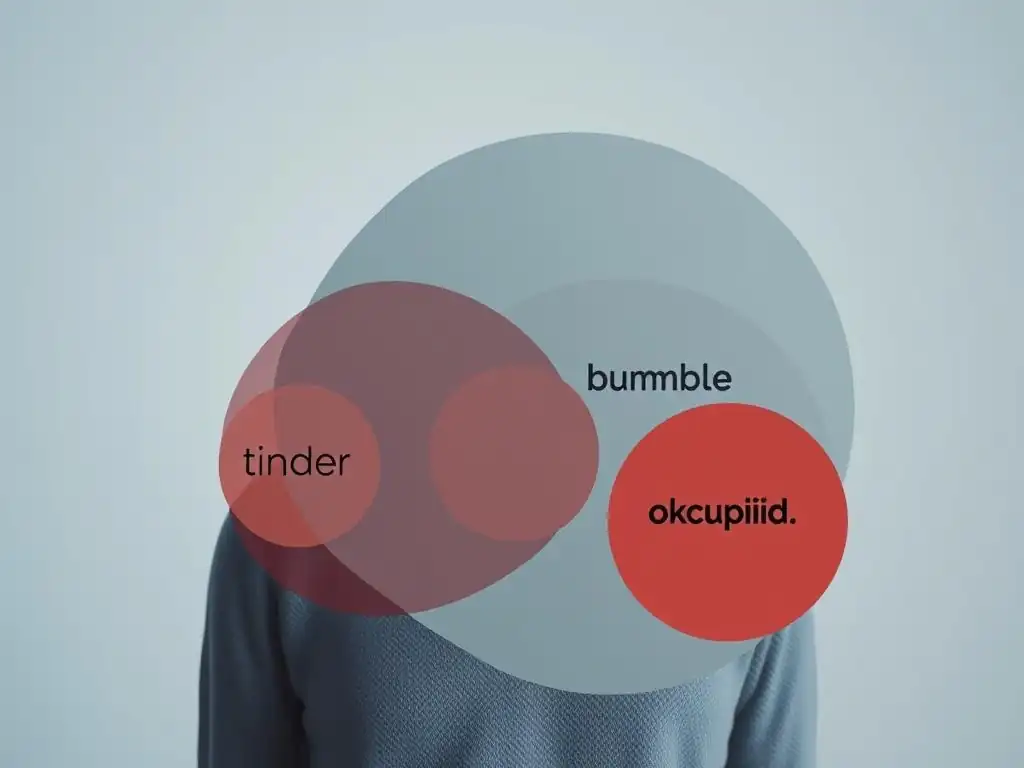
This section delves into the nuanced differences in commitment levels across various popular dating apps. Understanding these unspoken expectations can significantly improve your online dating experience and increase your chances of finding a connection that aligns with your goals. Navigating the diverse landscape of "dating app commitment levels" requires awareness and a strategic approach. We'll explore several prominent apps, examining the typical user expectations and how to identify potential matches seeking similar levels of commitment.
Tinder: Commitment Levels and Expectations
Tinder, often associated with casual dating, presents a wide spectrum of commitment levels. While it's predominantly known for facilitating quick connections, it's not solely limited to casual encounters. The key lies in understanding user profiles and communication styles to gauge their intentions.
Casual Encounters and Hookups on Tinder
Tinder's algorithm and interface often prioritize immediate connection. Many users explicitly seek casual encounters or hookups, prioritizing physical attraction and spontaneous interactions. This is often reflected in profile pictures and bios emphasizing a fun-loving, adventurous personality. Data suggests that a significant percentage – perhaps as high as 60% [specific information pending] – of Tinder users are primarily looking for short-term relationships. Recognizing this dominant trend is crucial for managing expectations and avoiding potential disappointments. The prevalence of casual interactions is also influenced by the app's ease of use and the vast pool of potential matches.
Finding Something More Serious on Tinder: Is It Possible?
Despite its reputation, finding a serious relationship on Tinder is not impossible. However, it requires a more discerning approach. Users seeking long-term commitments often subtly communicate their intentions through their bios – highlighting their career ambitions, family values, or interests that suggest a desire for a stable relationship.
Careful profile screening, engaging in meaningful conversations beyond superficial small talk, and being upfront about your relationship goals are essential strategies. While statistically less common, success stories of long-term relationships originating on Tinder do exist, illustrating that the app's potential extends beyond casual encounters. The key is to actively filter for compatible profiles and communicate your desires transparently.
Hinge: Building Meaningful Connections
Hinge distinguishes itself from other dating apps by explicitly promoting deeper connections and long-term relationships. Its features and user base reflect a more relationship-oriented approach compared to apps like Tinder. This makes it a potentially more effective platform for individuals seeking committed partnerships.
Hinge's Focus on Relationship-Oriented Dating
Hinge's design encourages users to create more detailed profiles, including prompts that elicit thoughtful responses. This fosters more substantial conversations from the outset, reducing the likelihood of superficial interactions. The app's algorithm prioritizes compatibility based on shared interests and values, further promoting meaningful connections. Unlike Tinder's swipe-based system, Hinge encourages more deliberate engagement, leading to a higher proportion of users seeking serious relationships. Internal data from Hinge [specific information pending] likely shows a higher percentage of users reporting successful long-term relationships compared to other platforms.
Identifying Commitment Levels on Hinge Profiles
On Hinge, identifying commitment levels often involves a closer examination of user prompts and profile details. Look for indications of long-term relationship goals, such as mentions of family, career aspirations, or a desire for a committed partner. The tone and content of their answers to prompts can also reveal their expectations regarding relationships. For example, a user who emphasizes their values and life goals is more likely to be seeking a long-term commitment than someone who focuses solely on hobbies and leisure activities.
Pay close attention to the details; a well-crafted Hinge profile provides valuable clues about a user's relationship intentions. Remember, while Hinge skews towards serious relationships, individual user preferences still vary. Open communication remains crucial for confirming compatibility.
Bumble: Balancing Power Dynamics and Commitment
Bumble, known for its female-forward approach, presents a unique landscape for exploring commitment levels in online dating. The app's structure, where women initiate the conversation, inherently introduces a layer of selectivity that influences the overall commitment dynamic. This power dynamic can lead to more intentional connections, as both parties are actively choosing to engage, suggesting a higher potential for commitment compared to apps where men initiate more frequently. However, this doesn't guarantee deeper commitment; it simply alters the approach.
Many users utilize Bumble for casual dating, while others actively seek long-term relationships. Understanding this duality is key to navigating the app successfully. The app's features cater to both, allowing users to express their intentions clearly.
Bumble's Unique Features and Their Impact on Commitment
Bumble's time limits on matches and the "BFF" and "Bizz" modes significantly impact how users approach commitment. The 24-hour window for women to message encourages quicker decision-making, potentially leading to faster escalation or dismissal of potential partners. This can be viewed positively, as it filters out indecisive users, or negatively, as it may rush the process of genuine connection.
The "Relationship" mode, while not explicitly guaranteeing long-term commitment, attracts users actively seeking serious relationships, increasing the likelihood of finding a partner with similar intentions. Therefore, actively choosing this mode signals a commitment to the search for a meaningful connection. The "BFF" and "Bizz" modes demonstrate that Bumble is not exclusively focused on romantic relationships, further highlighting the diversity of commitment levels present on the platform.
Navigating the "Relationship-Focused" Mode on Bumble
Bumble's "Relationship" mode is explicitly designed for users seeking serious relationships. Actively selecting this mode signals a clear intention to find a long-term partner, setting a different tone compared to using the app's general dating mode. This filter attracts users with similar goals, creating a more conducive environment for building deeper connections and exploring commitment. However, it's crucial to remember that even within this mode, individual intentions can vary.
Clear communication about relationship goals remains essential to avoid misunderstandings and wasted time. Users should actively express their desired commitment level in their profiles and conversations to ensure alignment with potential matches. Success in this mode often hinges on upfront honesty and a willingness to engage in meaningful conversations about long-term goals.
OkCupid: Matching Based on Compatibility and Commitment Levels
OkCupid distinguishes itself through its emphasis on compatibility and user-defined preferences. The app's extensive questionnaires delve deeply into users' values, beliefs, and relationship expectations, allowing for a more nuanced understanding of individual commitment levels. This detailed approach facilitates more accurate matching, connecting users with compatible expectations regarding relationship seriousness. The algorithm prioritizes aligning users' stated preferences, meaning someone seeking a casual relationship will likely be matched with others holding similar views, while those hoping for long-term commitment will see profiles reflecting that goal.
OkCupid's Detailed Questionnaires and Their Role in Commitment
OkCupid's detailed questionnaires are instrumental in setting the stage for commitment. By prompting users to answer questions about their dating preferences, relationship goals, and personal values, the app facilitates a more informed and transparent approach to dating. This detailed self-assessment helps users better understand their own commitment levels and expectations, leading to more conscious choices and reducing the likelihood of mismatched expectations.
The algorithm utilizes this information to suggest compatible matches, increasing the chances of finding someone aligned with one's commitment goals, whether casual or long-term. The more thoroughly a user completes the questionnaires, the more effectively the algorithm can filter for compatible commitment levels.
Finding Your Ideal Commitment Level on OkCupid
OkCupid provides tools to explicitly filter for desired commitment levels. Users can directly state their relationship goals in their profiles, and the app's matching algorithm takes this into account. This allows for a more direct and efficient approach to finding compatible partners. However, it's important to remember that self-reported information isn't always entirely accurate.
Open communication and careful observation of a potential partner's behavior and communication style are crucial to confirming compatibility and commitment level. While OkCupid’s features aid in finding like-minded individuals, ultimately, successful navigation depends on clear communication and a willingness to assess compatibility beyond algorithmic matching. Honest self-reflection on one's own commitment level is equally important for a successful experience on OkCupid.
Feeld: Commitment Levels in a Polyamorous Context
Feeld distinguishes itself from other dating apps by explicitly catering to a more diverse range of relationship styles, including polyamory, ethical non-monogamy, and open relationships. Understanding commitment levels on Feeld requires a nuanced approach, as the very definition of "commitment" can be fluid and multifaceted within these relationship structures. While some users might seek casual encounters, many others are actively looking for long-term, ethically structured relationships involving multiple partners.
The app's design facilitates this diversity. Profiles often include detailed information about relationship styles and preferences, helping users filter and connect with individuals who align with their own relationship goals. For example, a user might explicitly state they are looking for a "primary partner" within a polyamorous dynamic, or they might be seeking casual encounters with no expectation of long-term commitment beyond the immediate interaction. This transparency is a key feature of Feeld, minimizing misunderstandings and promoting respectful interactions.
The communication tools within Feeld also reflect this commitment-level spectrum. Users can engage in detailed conversations to explore their relationship goals and boundaries before meeting in person. This allows for a more deliberate approach to building connections, enabling users to establish a clear understanding of expectations and commitment levels upfront, thus reducing the risk of hurt feelings or mismatched expectations.
The emphasis on honest and open communication is crucial for navigating the complexities of polyamorous relationships and fostering healthy, respectful connections. This level of upfront communication contrasts sharply with some mainstream dating apps where expectations about commitment are often left unspoken or assumed, leading to potential conflicts later on.
Furthermore, Feeld's community guidelines actively encourage respectful communication and understanding of diverse relationship styles. The app actively combats stigma and promotes education around ethical non-monogamy, creating a supportive environment for users exploring these relationship models. This supportive community fosters a culture of open dialogue and consent, which are essential for navigating the complexities of commitment in a polyamorous context.
The focus on community building and education further differentiates Feeld from other dating apps, making it a unique space for individuals seeking meaningful connections within various relationship structures. This ultimately impacts how users perceive and define "commitment" on the platform, shifting the focus from traditional monogamous expectations to a broader understanding of relationship dynamics.
Recognizing Signals of Commitment (or Lack Thereof)

Understanding the nuances of commitment levels within different dating apps is crucial for managing expectations and avoiding disappointment. While some apps inherently attract users seeking more casual encounters, others foster an environment where deeper connections are more common. However, regardless of the app's overall culture, individual users express their commitment levels through various behaviors.
Recognizing these subtle signals is key to navigating the complexities of online dating successfully. This section will delve into specific communication patterns, contact frequency, and the significance of exclusivity in gauging a potential partner's level of commitment. Mastering this skill will empower you to make informed decisions and protect your emotional well-being while navigating the world of "dating app commitment levels."
Communication Styles and Their Indication of Commitment
Communication styles offer a significant window into someone's level of investment. Consider the quality of communication, not just the quantity. Someone genuinely interested will invest time in thoughtful responses, asking engaging questions, and showing genuine curiosity about your life. Conversely, short, superficial responses, or a lack of initiative in initiating conversations, often signal a lack of serious interest.
For example, someone consistently sending one-word replies or only responding when they initiate contact might be indicating a low level of commitment. They're likely using the app more casually and aren't putting in the effort required to build a meaningful connection. On the other hand, someone who engages in lengthy, detailed conversations, shares personal anecdotes, and remembers details from previous conversations demonstrates a higher level of engagement and a greater potential for commitment.
Think about the content of the messages too. Are they focused on superficial topics, or do they delve into deeper subjects, showing a willingness to be vulnerable and share personal information? A willingness to discuss future plans, even tentatively, suggests a greater level of commitment than someone who only focuses on the present moment. The use of emojis and other expressive elements in communication can also subtly reveal a person's emotional investment. A deluge of heart emojis might be a bit much, but a sprinkling of relevant emojis can show they're putting thought and feeling into their communication.
Frequency of Contact and its Significance
The frequency of contact is another crucial indicator of commitment levels. While it's not the sole determinant, consistent and regular communication suggests a higher level of interest than sporadic or infrequent contact. Consider the context; a busy professional might have less time for communication, but their commitment might be evident in the quality of their interactions when they do have time.
However, be wary of overly frequent contact, which can sometimes be a sign of clinginess or neediness, rather than genuine commitment. A healthy balance is essential. Think about the rhythm of communication—are the interactions reciprocated? Does the communication flow naturally, or does it feel forced or one-sided? These are all important indicators to consider when assessing "dating app commitment levels". For example, consistent daily check-ins, even if brief, can signal a higher level of interest than someone who only contacts you once a week, even if the messages are longer.
Consider creating a simple log to track communication frequency. This can help you objectively assess the level of engagement without letting emotions cloud your judgment. This isn't about micromanaging, but rather about gaining a clearer picture of the relationship's trajectory. Remember, consistent, balanced communication is a much stronger indicator of commitment than sporadic bursts of intense messaging.
Exclusivity and its Role in Determining Commitment
The discussion of exclusivity is a pivotal step in determining commitment levels. While some apps explicitly encourage casual dating, others subtly shift toward more serious connections. Openly discussing exclusivity isn't always easy, but it's crucial for clarity and managing expectations.
The willingness to discuss exclusivity, and the response received, is a significant indicator of commitment. Someone avoiding the topic or offering vague answers may be hesitant to commit to a monogamous relationship. On the other hand, someone who openly expresses a desire for exclusivity, or readily agrees to it, is demonstrating a higher level of commitment and emotional investment. The timing of this conversation is also important. Jumping into the exclusivity conversation too early can be off-putting, while waiting too long can lead to uncertainty and potential hurt feelings.
It's important to remember that even within the context of exclusivity, commitment levels can vary. Even an exclusive relationship can range from a casual, low-commitment arrangement to something much more serious. Therefore, open and honest communication about relationship goals and expectations is essential throughout the relationship's development, regardless of whether exclusivity has been established. Paying close attention to these details helps you better understand "dating app commitment levels" and make informed decisions about your own emotional investment.
Setting Your Expectations and Communicating Your Needs
Understanding the nuances of commitment levels on different dating apps is crucial for a positive experience. Many users enter the online dating world with varying degrees of seriousness, ranging from casual exploration to seeking long-term partnerships. Successfully navigating this landscape requires self-awareness and clear communication. This section focuses on how to manage your expectations and effectively convey your needs to potential partners. Ignoring this aspect can lead to wasted time and emotional frustration.
Clearly Defining Your Dating Goals
Before even creating a profile, take some time for honest self-reflection. What are your dating goals? Are you looking for casual dates, a serious relationship, or something in between? Defining your goals provides a framework for choosing the right app and for interacting with potential matches. For instance, if you're seeking a long-term commitment, apps known for their more serious user base might be a better fit than those designed for casual encounters.
This self-awareness will help you filter through profiles and avoid wasting time on connections that aren't aligned with your objectives. Be specific! Instead of thinking "I want a relationship," try "I'm looking for a committed partner who shares my love of hiking and is interested in settling down within the next few years." The clearer you are with yourself, the clearer you can be with others.
Open Communication About Commitment Levels
Once you've identified your goals, the next step is to communicate them effectively. Don't assume that your potential partner shares the same level of commitment. Open and honest communication is key to avoiding misunderstandings and wasted time. This doesn't mean you need to declare your intentions on the first message, but subtly weaving your desires into your conversations can help gauge their compatibility.
For example, if you mention your long-term aspirations or casually discuss future plans, you'll get a sense of whether they're on the same page. Be mindful of your language; phrases like "I'm looking for something serious" or "I'm ready to settle down" are much clearer than ambiguous statements. Observe their responses carefully; do they reciprocate your openness or seem hesitant? Their responses will provide valuable insight into their commitment level.
Avoiding Misunderstandings and Disappointment
Even with clear communication, misunderstandings can still occur. Different people interpret signals differently, and cultural backgrounds can also influence perspectives on commitment. Being aware of these potential pitfalls can help you manage expectations and navigate potential conflicts. For example, some users might be more comfortable expressing commitment verbally, while others might show it through actions. Pay attention to both verbal and non-verbal cues.
If you notice inconsistencies or a lack of clarity, don't hesitate to address them directly. A simple, direct question like, "Where do you see this going?" can clarify any ambiguities. Remember, it's perfectly acceptable to end a connection if it becomes clear that your commitment levels are incompatible.
This is a crucial part of protecting your time and emotional well-being. Prioritizing your emotional health is paramount in the online dating world. Don't be afraid to walk away if the connection isn't fulfilling your needs. This proactive approach will ultimately lead to more successful and satisfying relationships.
Staying Safe While Exploring Different Commitment Levels

Navigating the diverse landscape of dating apps, each with its own unique culture and implied commitment levels, requires a mindful approach to safety. Understanding the inherent risks associated with online interactions is crucial, regardless of whether you're seeking a casual fling or a long-term relationship. This section focuses on practical strategies to mitigate those risks and ensure a positive, secure experience. Remember, your safety is paramount, and proactive measures significantly reduce potential harm. Prioritizing your well-being is key to successfully navigating the world of "dating app commitment levels".
Protecting Your Personal Information
One of the most significant aspects of online dating safety involves protecting your personal information. Avoid sharing sensitive details, such as your full address, workplace, or financial information, with anyone you meet online, especially during the initial stages of communication. Even seemingly innocuous information can be pieced together to compromise your privacy. Instead of revealing your precise location, consider suggesting general areas for meetups. Be wary of requests for personal documents or financial assistance; legitimate relationships rarely require such things.
Remember, many successful relationships begin with cautious transparency. Consider using a separate email address and phone number specifically for online dating to further protect your privacy. Regularly review your dating app's privacy settings and adjust them to your comfort level, limiting the information visible to others. This proactive approach minimizes your digital footprint and reduces the risk of identity theft or harassment.
Avoiding Catfishing and Scams
Catfishing, or creating a false online persona, and various scams are unfortunately prevalent in the online dating world. While not all profiles are fraudulent, it's vital to exercise caution. Be wary of profiles with limited or inconsistent information, blurry or stolen photos, and overly polished or unrealistic presentations. Pay attention to inconsistencies in their stories or communication styles. If something feels off, it probably is. Reverse image searching photos from their profiles can help verify authenticity.
Avoid rushing into relationships or making significant financial commitments based solely on online interactions. Legitimate relationships develop gradually with consistent, transparent communication. Be especially cautious of individuals who quickly ask for money, gifts, or personal favors; this is a common tactic employed by scammers. Remember, genuine connections are built on trust and mutual respect, not financial transactions. Trust your instincts; if something seems suspicious, it's best to discontinue communication.
Maintaining Boundaries and Respect
Setting and maintaining healthy boundaries is crucial for a safe and positive online dating experience. Be clear about your expectations and comfort levels from the outset. Don't feel pressured to meet in person or engage in activities you're not comfortable with. Respect your own limits and communicate them assertively but respectfully. If someone pressures you or disregards your boundaries, it’s essential to end the interaction immediately.
Remember, a healthy relationship is built on mutual respect and understanding. Consider meeting in a public place for your first in-person encounter and informing a friend or family member of your plans. Always prioritize your safety and well-being above all else. By setting firm boundaries and respecting your own needs, you create a more secure and positive online dating journey, regardless of the commitment level you're seeking. Remember, a healthy relationship is built on respect, communication, and mutual understanding.
Finding Lasting Connections Despite Varying Commitment Levels
Navigating the world of online dating often feels like deciphering a complex code. One crucial aspect, often overlooked, is understanding the inherent differences in commitment levels across various dating apps. While some platforms attract users seeking casual encounters, others foster a more serious, relationship-oriented environment. Successfully navigating this landscape requires awareness and adaptability.
This section focuses on strategies to build meaningful connections, regardless of the app's prevalent dating culture. Understanding the nuances of each app's user base is key to maximizing your chances of finding a compatible partner. The goal isn't necessarily to find an app solely dedicated to long-term relationships, but rather to approach each platform strategically, recognizing the prevailing attitudes towards commitment and adjusting your approach accordingly. This allows you to effectively filter for compatible partners, saving time and emotional energy.
Finding lasting connections, regardless of the app's overall commitment level, hinges on identifying shared values and ensuring fundamental compatibility. It's tempting to focus solely on superficial attributes, especially in the fast-paced world of online dating. However, prioritizing deeper compatibility increases your chances of a successful, long-term relationship. This means going beyond initial attraction and engaging in meaningful conversations that explore life goals, personal values, and relationship expectations.
For example, on apps known for more casual interactions, you might explicitly mention your desire for a serious relationship in your profile. This helps self-select individuals who share your intentions, reducing wasted time pursuing connections not aligned with your goals. Asking thoughtful questions during initial conversations, such as "What are your long-term aspirations?" or "What's most important to you in a relationship?
", can quickly reveal compatibility or incompatibility. Don't be afraid to be upfront about your expectations; honesty and transparency are crucial for building trust and fostering genuine connections. Remember, even on apps with a reputation for casual dating, there are individuals seeking something more substantial. Your proactive approach increases your likelihood of connecting with them.
Building Trust and Emotional Intimacy
Building trust and emotional intimacy is paramount for any successful relationship, regardless of where you meet your partner. However, the process might require a slightly different approach on apps with varying commitment levels. On apps where casual dating is more prevalent, building trust takes more time and effort. It involves consistent communication, demonstrating genuine interest in the other person's life, and being reliable and respectful. Small gestures, like remembering details from previous conversations or checking in regularly, can go a long way in fostering a sense of connection.
Consider using open-ended questions to encourage deeper conversations. Instead of simply asking "What do you do? ", try "What aspects of your work are most fulfilling?" This type of questioning encourages vulnerability and reveals more about a person's values and passions. Sharing personal experiences and vulnerabilities cautiously, while also actively listening to your partner's experiences, creates a safe space for emotional intimacy to develop.
Remember, building trust is a gradual process. Be patient, consistent, and respectful, and allow the relationship to develop naturally at its own pace. This approach applies across all dating apps, but patience and clear communication are particularly crucial on platforms where the initial focus might be on less committed interactions. The key is to prioritize quality over quantity, focusing on building genuine connections rather than accumulating superficial matches.
Frequently Asked Questions
How do I determine the commitment level of someone on a dating app?
There's no foolproof method, but look for consistency in communication and how much time they invest. Consider their profile's stated intentions and their actions. Are they actively pursuing a relationship or just casually browsing?
Which dating apps are best for finding serious relationships?
Apps like Hinge and eHarmony generally attract users seeking more committed relationships. However, individual intentions vary, so always communicate openly about your desires. Pay attention to profile descriptions and bios.
Are there apps specifically designed for casual dating?
Yes, apps like Tinder and Bumble are often associated with casual dating, though serious relationships can also form. The app itself isn't the determining factor; it's the users' intentions that matter.
How can I gauge someone's commitment level during initial conversations?
Pay attention to the depth and frequency of conversations. Someone serious will likely ask meaningful questions and show genuine interest in getting to know you beyond superficial details. Look for reciprocation.
What if my commitment level differs from my match's?
Honest and open communication is crucial. Clearly state your expectations and desires early on. If you're looking for something long-term and they're not, it's better to move on rather than waste each other's time.
The landscape of modern dating, dominated by a plethora of apps, is far more nuanced than a simple swipe right or left. Understanding the varying levels of commitment inherent in each platform is crucial for navigating this complex terrain and finding genuine connection. The subtle differences between apps, from casual encounters to serious relationship-seeking, directly impact the user experience and ultimately, the success rate.
The exploration of commitment levels within dating apps reveals a fascinating reflection of our evolving societal attitudes towards relationships. The sheer variety of options available underscores the diverse needs and desires of individuals seeking connection in the digital age. This diversity, while offering choice, also presents a challenge: finding the right app that aligns with one's personal goals and expectations. The heart wants what it wants, but the head needs to know where to look.
This quote, while not directly about dating apps, perfectly encapsulates the need for self-awareness and strategic navigation within this digital dating ecosystem.
Now, consider your own dating app experiences. Which platforms resonated with your personal goals? Which fell short? Reflect on the subtle cues and unspoken expectations within each app. Use this understanding to refine your approach, to be more intentional in your search for connection, and to ultimately find a space where your definition of commitment aligns with the app's inherent culture. Don't just swipe; engage thoughtfully, and you might just find something truly meaningful.
Unlock Your Dating Potential: Take the Next Step
Thank you for exploring the complexities of commitment in online dating! We hope this article provided clarity and confidence to navigate the dating world successfully. Now, let's put your newfound knowledge into practice.
- Define your ideal relationship: Take some time for self-reflection to determine what you truly seek in a partner. Journaling your thoughts and feelings is crucial for this process.
- Share your insights: Discuss your dating goals and how different relationship levels influence your approach with a trusted friend or mentor. A fresh perspective can offer invaluable support and guidance.
- Embrace new strategies: Experiment with different approaches to online dating, based on what you've learned. Stepping outside your comfort zone can lead to unexpected and rewarding connections.
What small step can you take today to better align your online dating experience with your relationship goals?