
Swipe Right for Love: How Psychological Biases Influence Your Choices


Ready to unlock the secrets to online dating success? Forget endless swiping and frustrating interactions. At OnlineDatingSuccess.org, we empower you to navigate the world of online dating with confidence. This article dives into the fascinating world of online dating profile psychology, revealing how subtle psychological biases shape your choices and those of potential matches. Discover how understanding these biases can dramatically improve your chances of finding a meaningful connection—are you ready to rewrite your dating story?
- Understanding Online Dating Profile Psychology: The Power of First Impressions
- Decoding the Algorithm: How App Design Influences Choices
- Optimizing Your Profile to Combat Biases
- Beyond the Profile: Navigating Interactions with Psychological Awareness
-
Frequently Asked Questions
- How does psychology affect my online dating profile choices?
- What are some common cognitive biases in online dating?
- Can I use psychology to improve my online dating profile?
- How can I avoid falling prey to psychological biases when viewing other profiles?
- What role does the "matching algorithm" play in online dating psychology?
- Final Reflection: Unmasking the Algorithm of Attraction
- Unlock Your Dating Potential: Take Control of Your Choices
Understanding Online Dating Profile Psychology: The Power of First Impressions
Navigating the world of online dating can feel like deciphering a complex code. Millions of profiles compete for attention, each vying for a swipe right. But the choices we make—those seemingly instantaneous judgments based on a few photos and a brief bio—aren't always rational.
This article delves into the fascinating interplay between psychology and online dating, exploring how cognitive biases significantly influence our decisions and ultimately shape our online dating experiences. Understanding these biases can empower you to create a more effective profile, interpret others' profiles more accurately, and increase your chances of finding a meaningful connection. We'll examine how seemingly small details can drastically impact perceptions and how awareness of these psychological mechanisms can significantly improve your online dating success.
Learning to recognize and mitigate the effects of these biases is key to navigating the complexities of online dating and achieving your relationship goals. This exploration of online dating profile psychology will equip you with the knowledge to optimize your profile and make more informed choices, ultimately leading to more successful connections. Let's dive into the specifics of how our minds play tricks on us in the digital dating world.
The Halo Effect and Online Dating Profiles: Attractiveness Bias in Online Dating
The halo effect is a well-documented cognitive bias where a positive impression in one area influences our overall perception of a person. In online dating, this often manifests as an "attractiveness bias." If someone is deemed physically attractive, we tend to unconsciously attribute other positive qualities to them—intelligence, kindness, humor—even if there's no evidence to support these assumptions.
Studies have shown that attractive online dating profiles receive significantly more attention and messages, regardless of the actual content of the profile itself. This bias can lead to missed opportunities, as individuals with less conventionally attractive photos might be overlooked, despite possessing desirable personality traits and compatibility. For example, a profile with a stunning profile picture might receive numerous messages even if the written description is vague or unengaging.
Conversely, a profile with a less striking photo might go unnoticed, even if the description is witty and insightful. This highlights the crucial role of presentation in online dating and the need to counteract this bias by crafting a compelling profile that goes beyond just the visual. Remember, a well-written profile can often compensate for a less-than-perfect photo, showcasing your personality and values.
The Horns Effect: How Negative Information Skews Perceptions
The opposite of the halo effect is the horns effect, where a negative impression in one area colors our overall perception. A single negative detail—a slightly awkward photo, a grammatical error in the bio, or even a perceived lack of humor—can overshadow positive aspects of an online dating profile. This bias can be particularly detrimental, as it can lead to premature rejection based on superficial details.
For instance, a profile might include a great description and interesting hobbies, but a slightly blurry photo might be enough to cause a potential match to swipe left. This underscores the importance of careful profile curation and the need to present yourself in the most positive and accurate light.
Minimizing negative impressions through high-quality photos, well-written text, and careful attention to detail is crucial in mitigating the horns effect and ensuring your profile is perceived holistically. The key is to present a balanced, positive image that accurately reflects your personality and avoids easily avoidable negative impressions.
Confirmation Bias: Seeking Validation in Online Dating Profiles
Confirmation bias is the tendency to seek out and interpret information that confirms pre-existing beliefs. In online dating, this can manifest in several ways. For example, if you believe you're only attracted to a certain type of person, you might unconsciously focus on profiles that match that ideal, ignoring profiles that might offer unexpected compatibility.
Similarly, you might interpret ambiguous information in a way that confirms your existing preferences, overlooking red flags or inconsistencies. This can hinder the discovery of potential partners who don't perfectly fit your preconceived notions. To counteract confirmation bias, it's crucial to approach online dating with an open mind, actively seeking out profiles that challenge your assumptions.
Try broadening your search criteria and giving profiles a chance that might not initially align with your typical preferences. By actively working against confirmation bias, you open yourself up to a wider range of potential connections and increase your chances of finding a truly compatible partner. Be mindful of your own biases and actively challenge them to unlock a more fulfilling online dating experience.
Decoding the Algorithm: How App Design Influences Choices
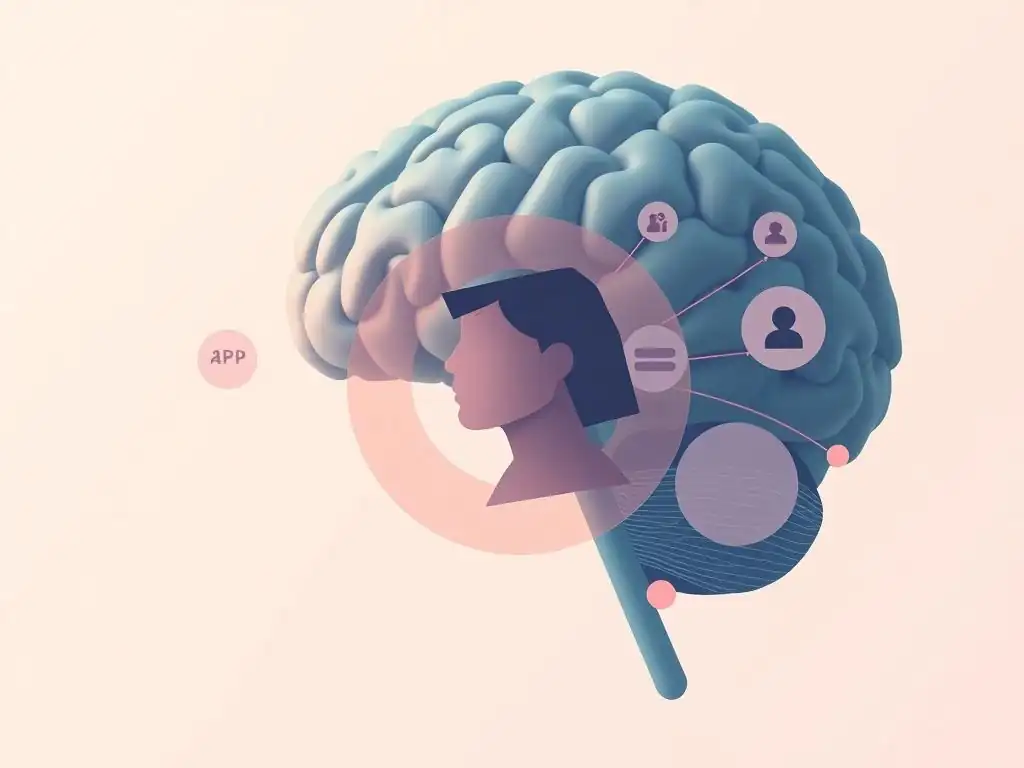
Online dating profile psychology isn't just about your photos and bio; it's deeply intertwined with the design of the dating apps themselves. The algorithms and user interfaces subtly, and sometimes not-so-subtly, manipulate our choices, leveraging psychological principles to keep us engaged (and paying). Understanding these mechanisms is crucial to optimizing your online dating experience and achieving your relationship goals. This section will delve into several key design elements and their impact on your decision-making process, specifically focusing on how app design leverages online dating profile psychology.
The Mere-Exposure Effect: Familiarity Breeds Attraction (or Does It?)
The mere-exposure effect suggests that repeated exposure to a stimulus increases liking. Dating apps exploit this by showing you the same profiles repeatedly, especially if you've interacted with them (liked, commented, etc.). While this can lead to increased familiarity and a higher chance of a connection, it's crucial to be aware of this manipulation. You might find yourself swiping right on someone not because of genuine attraction, but simply because their profile has become a familiar sight.
The algorithm essentially uses the mere-exposure effect to improve engagement, thereby increasing the app's profitability. However, this can lead to inefficient swiping and potentially missed opportunities with profiles you haven't been repeatedly shown. Consider this: are you truly attracted to this person, or are you simply becoming conditioned to like them due to repeated exposure?
The Choice Overload Problem: Too Many Options, Too Few Matches
Dating apps often boast millions of users, presenting a seemingly endless sea of potential partners. Paradoxically, this abundance of choice can lead to analysis paralysis and decision fatigue. The choice overload problem suggests that having too many options can actually decrease satisfaction and increase the likelihood of making no choice at all. Instead of feeling empowered by the vast selection, users can feel overwhelmed, leading to less swiping, fewer matches, and ultimately, frustration.
This is a significant aspect of online dating profile psychology, as it demonstrates how the sheer volume of profiles can negatively impact the user experience. Consider strategically using filters to narrow down your search, focusing on specific criteria that are important to you. This will combat the overwhelming nature of the choice overload problem and improve your chances of finding a compatible match.
The Endowment Effect: Why You Overvalue Your Own Profile
The endowment effect describes our tendency to place a higher value on things we own or possess. This applies to online dating profiles as well. We invest time, effort, and emotional energy into crafting our profiles, selecting photos, and writing our bios.
This investment leads us to overvalue our own profiles and, consequently, believe we deserve a higher caliber of match than might be objectively warranted. This can manifest as unrealistic expectations, leading to disappointment and frustration when matches don't meet our inflated standards. This is a critical aspect of online dating profile psychology, as it highlights a common cognitive bias that can hinder success.
To mitigate the endowment effect, try to objectively evaluate your profile, seeking feedback from trusted friends or using profile optimization tools. Remember, a successful online dating profile isn't just about your perception; it's about attracting the attention of others. A balanced perspective, free from the bias of the endowment effect, is crucial for creating an effective profile.
Optimizing Your Profile to Combat Biases
Online dating profile psychology is a fascinating field, revealing how subtle biases significantly impact the success of your profile. Understanding these biases is crucial for optimizing your chances of connecting with compatible partners. This section focuses on practical strategies to mitigate the negative effects of these biases and create a profile that attracts the right kind of attention. We'll explore how seemingly minor details can dramatically alter how others perceive you.
Crafting a Profile that Minimizes Negative Biases
Negative biases, such as confirmation bias (seeking information confirming pre-existing beliefs) and negativity bias (giving more weight to negative information), are prevalent in online dating. To counter these, ensure your profile is positive and showcases your best qualities without exaggeration. Avoid overly negative or self-deprecating language. For example, instead of writing "I'm a bit awkward sometimes," try "I'm a genuine person who enjoys deep conversations and getting to know people."
Small tweaks in wording can make a big difference. Furthermore, be mindful of the halo effect – the tendency to assume positive qualities based on one positive trait. Highlighting one key strength, such as your kindness or sense of humor, can positively influence the perception of other aspects of your personality. Remember, first impressions are crucial; make yours count!
Using Images to Your Advantage: Visual Perception and Online Dating
Visual perception plays a monumental role in online dating. Studies show that profile pictures are often the first and sometimes only thing potential matches will see. Therefore, strategic image selection is paramount. Avoid blurry or poorly lit photos; invest in high-quality images that showcase you in a flattering light. Diversity is key; include a variety of photos that reflect different aspects of your personality and lifestyle.
A solo shot, a picture with friends, and a photo showcasing a hobby can offer a more well-rounded view of who you are. Consider the background of your photos; a cluttered or unappealing background can detract from your overall presentation. Pay attention to your attire; dress appropriately for the context of the picture and project the image you want to convey. Remember, your photos are a visual narrative; make it compelling! Consider professional photography for maximum impact.
Showcasing Your Best Self: Authentic Presentation and Self-Perception
Authenticity is key to long-term success in online dating. While presenting your best self is important, avoid misrepresentation. Inflating your achievements or creating a false persona will only lead to disappointment down the line. Instead, focus on showcasing your genuine personality and interests. Use descriptive language to paint a vivid picture of your hobbies and passions; for example, instead of saying "I like hiking," say "I love exploring the wilderness, particularly the challenging trails in [specific location]." This level of detail adds depth and personality.
Remember, self-perception is closely linked to how others perceive you. If you project confidence and self-assuredness, you are more likely to attract positive attention. Maintain a positive and optimistic tone throughout your profile, reflecting your best self. This positive energy is contagious and will attract similarly positive individuals. Building a profile that accurately reflects your authentic self will lead to more meaningful connections.
Once you've crafted the perfect online dating profile – a testament to your understanding of online dating profile psychology – the real work begins: interacting with potential matches. This stage is rife with psychological biases that can hinder your progress, even with a stellar profile. Understanding these biases is crucial for fostering genuine connections and avoiding disappointment. This section will equip you with the knowledge to navigate these interactions more effectively, moving beyond superficial swiping and towards meaningful relationships.
Managing Expectations: Realistic Goals in Online Dating
The initial excitement of online dating can easily inflate our expectations. We might fall prey to the confirmation bias, seeking out information that confirms our pre-existing beliefs about a potential partner, while ignoring contradictory evidence. For instance, overlooking red flags in early messages because you're fixated on a few positive traits. Or, conversely, dismissing someone completely based on a minor detail, due to a preconceived notion of what constitutes an ideal partner.
To combat this, set realistic goals. Instead of searching for "the one," focus on building genuine connections with people who share your values and interests. Remember that online dating is a process, not a race. Consider creating a list of non-negotiables and desirable traits, prioritizing compatibility over immediate infatuation. This proactive approach helps manage expectations and prevents disappointment stemming from unrealistic ideals fueled by online dating profile psychology. Be patient and allow time for connections to develop naturally. The journey towards a meaningful relationship is rarely instant; it takes time and effort to build trust and understanding.
Recognizing and Avoiding Cognitive Biases in Messaging
Online communication presents unique challenges. The absence of nonverbal cues can lead to misinterpretations and amplify existing biases. The availability heuristic – overestimating the likelihood of something based on its accessibility in memory – can influence your judgment of potential partners. For example, if you've had several negative experiences with a particular personality type, you might prematurely dismiss anyone exhibiting similar traits, even if they possess other positive qualities. Similarly, the halo effect, where a positive impression in one area influences your opinion in others, can lead you to overlook flaws.
To mitigate these biases, consciously analyze your responses. Are you making assumptions based on limited information? Are you letting past experiences cloud your judgment? Practice active listening and seek clarification when needed. Remember, text can easily be misinterpreted; emojis can help, but they're not a substitute for clear communication. Pay attention to the content of messages, not just the tone. Engage in meaningful conversations that reveal personality and values, rather than superficial exchanges. This mindful approach helps filter biases and fosters more authentic interactions.
Building Genuine Connections: Beyond Superficial Attraction
While initial attraction is important, lasting relationships require more than just a pretty picture or a witty opening line. The mere-exposure effect suggests that repeated exposure to someone increases liking. However, relying solely on this effect can be misleading. Spending excessive time messaging without moving towards an offline meeting can create a false sense of intimacy, delaying the crucial step of truly getting to know someone.
Therefore, prioritize authentic engagement. Look beyond superficial characteristics and aim for deeper connections. Ask insightful questions that reveal personality and values. Seek common ground, but also embrace differences. Remember that building genuine connections requires effort and vulnerability.
Don't be afraid to express your true self, flaws and all. Online dating profile psychology highlights the importance of presenting an accurate image, but remember that authenticity extends beyond your profile; it's how you interact and connect with others that truly matters. Consider initiating offline meetings sooner rather than later to move beyond the superficial and foster a more genuine connection. This approach will lead to more fulfilling and lasting relationships.
Frequently Asked Questions
How does psychology affect my online dating profile choices?
Online dating profile choices are heavily influenced by cognitive biases. We tend to favor profiles that confirm our pre-existing beliefs and overlook profiles that challenge them. Understanding these biases can help you create a more effective profile.
What are some common cognitive biases in online dating?
Common biases include the availability heuristic (overestimating the frequency of things easily recalled), confirmation bias (seeking information confirming beliefs), and the halo effect (assuming attractive people have other positive traits). Being aware of these biases is crucial.
Can I use psychology to improve my online dating profile?
Absolutely! By understanding these biases, you can optimize your profile to be more appealing. For example, showcasing your authentic self and using high-quality photos can combat the halo effect and increase your chances of success.
How can I avoid falling prey to psychological biases when viewing other profiles?
Actively challenge your initial impressions. Don't let a single picture or short bio dictate your perception. Look for substance beyond superficial aspects and engage in meaningful communication to assess compatibility.
What role does the "matching algorithm" play in online dating psychology?
Matching algorithms use psychological principles to suggest potential matches based on shared interests and preferences. However, these algorithms are not perfect and should be seen as a starting point, not a definitive guide. Critical thinking remains essential.
Final Reflection: Unmasking the Algorithm of Attraction
The seemingly simple act of swiping left or right on a dating app is far more complex than it appears; it's a microcosm of our inherent psychological biases shaping our perceptions of love and connection. Understanding these biases is not just an academic exercise; it's crucial for navigating the modern dating landscape and fostering healthier, more authentic relationships.
The impact of confirmation bias, the halo effect, and other cognitive shortcuts on our dating choices is profound. We often seek out partners who reinforce our pre-existing beliefs, overlooking potentially compatible individuals who don't fit our idealized image. The heart wants what it wants,
they say, but often, what it wants is shaped by unconscious processes we need to understand to make conscious choices. This exploration into online dating profile psychology has illuminated how deeply ingrained these biases are, influencing not only our initial selections but also the long-term trajectory of our relationships.
Now, consider your own dating experiences. Have you ever found yourself drawn to someone who superficially matched your ideal, only to discover a mismatch in values or personality? Take a moment to reflect on the biases that might be influencing your choices. By becoming aware of these patterns, you can actively challenge them, expand your horizons, and ultimately increase your chances of finding a truly compatible partner. Don't let the algorithm dictate your destiny; take control of your romantic narrative.
Unlock Your Dating Potential: Take Control of Your Choices
Thank you for exploring how psychological biases affect your online dating experience! We hope you gained valuable insights into making more conscious and effective choices. Now let's put that knowledge into action.
Here's how to start swiping smarter today:
- Identify and challenge your biases: Reflect on your dating choices. What consistently attracts you? Are there any recurring preferences you should question? This self-reflection is crucial for growth.
- Broaden your search: Step outside your comfort zone and explore profiles that don't initially match your typical preferences. You might be surprised by what you find!
- Discuss this with a friend: Share your dating experiences and help each other identify hidden biases. A fresh perspective can be invaluable for self-improvement!
Ready to swipe with a newfound understanding and unlock your full dating potential? What bias are you most determined to overcome today?