
The Swipe and Your Identity: How Dating Apps Shape Your SelfPerception

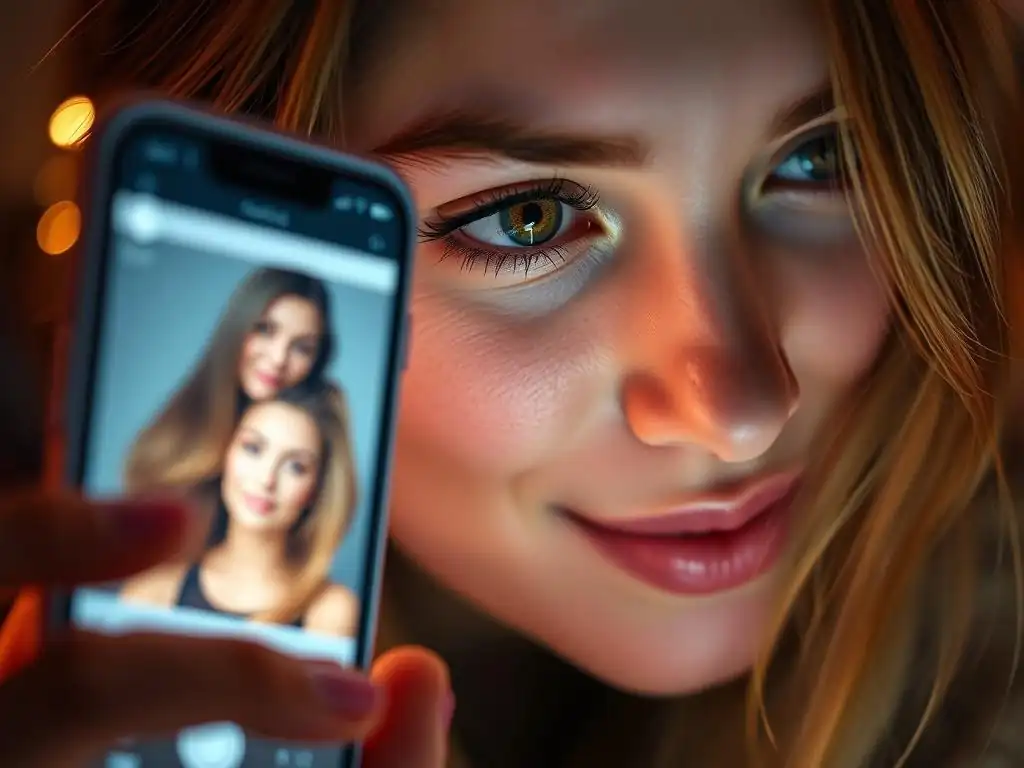
Welcome to OnlineDatingSuccess.org, your guide to navigating the exciting yet often challenging world of online dating. Are you ready to unlock your dating potential? We delve into the intriguing connection between your online presence and your self-worth, exploring the powerful impact of dating app self-perception. Discover how the way you present yourself online can dramatically shape your experiences and ultimately lead to more meaningful connections. Read on to uncover the secrets to crafting a profile that reflects your authentic self and attracts the right matches.
- Dating App Self-Perception Impact: Introduction to the Online Dating Paradox
- The Algorithm's Influence on Your Self-Esteem: Understanding the Feedback Loop
- Crafting Your Online Identity: Presentation and Self-Perception
- Navigating Rejection and Maintaining a Healthy Self-Image
- Beyond the Swipe: Building Authentic Connections and Self-Acceptance
- Frequently Asked Questions
- Final Reflection: Reclaiming Your Narrative in the Age of Swiping
- Rediscover Your Dating Power: Take Control of Your Online Identity
Dating App Self-Perception Impact: Introduction to the Online Dating Paradox
The rise of online dating has fundamentally altered how we perceive ourselves and others in the romantic sphere. No longer confined to chance encounters or mutual friends, our romantic prospects are now curated through carefully crafted profiles, filtered photographs, and fleeting interactions. This digital landscape, while offering unprecedented access to potential partners, presents a unique paradox: the very tools designed to facilitate connection can inadvertently shape our self-perception in unpredictable and sometimes detrimental ways.
This article delves into the complex relationship between online dating apps and self-esteem, exploring how the constant feedback loop of likes, matches, and messages can influence our sense of self-worth and impact our overall well-being. We'll examine how the curated nature of online dating profiles contributes to unrealistic expectations and social comparison, and how these factors can ultimately affect our approach to relationships both online and offline.
Understanding this interplay between technology and self-perception is crucial for navigating the online dating world successfully and fostering healthy relationships. The quest for connection shouldn't come at the cost of our self-esteem; this article aims to provide tools and insights to help you maintain a balanced perspective while using dating apps.
The Allure and Anxiety of the Swipe: Initial Attraction and Self-Doubt
The initial swipe, a seemingly simple gesture, holds immense weight in the online dating ecosystem. The anticipation before the swipe, the split-second judgment based on a profile picture and a brief bio, and the subsequent reaction (or lack thereof) can significantly impact our self-esteem. A flurry of matches can inflate our ego, creating a sense of validation and desirability. Conversely, a string of rejections can trigger feelings of inadequacy and self-doubt, leading to a negative self-perception.
This constant cycle of affirmation and rejection can be emotionally taxing, particularly for individuals already struggling with low self-esteem. The curated nature of profiles—highlighting only the most flattering aspects of one's life—further exacerbates this issue, fostering unrealistic comparisons and a sense of falling short. Many users find themselves caught in a loop of editing their profiles, tweaking their photos, and agonizing over every detail, constantly seeking external validation rather than focusing on genuine self-acceptance.
This constant striving for perfection can be exhausting and detrimental to mental well-being. The pressure to present an idealized version of oneself online can lead to feelings of anxiety and disconnect from one's true identity. 💔
Defining Self-Perception in the Context of Online Dating
Self-perception, in the context of online dating, refers to how individuals view themselves based on their experiences and interactions within the digital dating environment. This perception is not solely based on inherent self-esteem but is dynamically shaped by the feedback received through likes, matches, messages, and rejections. It's a complex interplay between one's pre-existing self-image and the constantly evolving online persona crafted for the dating app. Several factors contribute to this dynamic self-perception:
- Social Comparison: The constant exposure to other users' profiles inevitably leads to social comparison. Users often find themselves comparing their physical appearance, achievements, and lifestyle to those of others, potentially leading to feelings of inadequacy or envy. This is amplified by the curated nature of online profiles, which often present an unrealistic and idealized representation of reality.
- Confirmation Bias: The tendency to seek out and interpret information that confirms pre-existing beliefs about oneself is particularly relevant in online dating. Users might interpret positive feedback as confirmation of their attractiveness and desirability, while negative feedback reinforces negative self-perceptions.
- External Validation: The reliance on external validation through likes and matches can become a primary source of self-worth. Individuals may become overly dependent on external affirmation, neglecting their internal sense of self-worth and leading to a precarious self-esteem.
Understanding these factors is crucial in navigating the complexities of online dating and maintaining a healthy self-perception. The key is to recognize the curated and often unrealistic nature of online profiles and to prioritize self-acceptance over external validation. Remember that a dating app is just a tool, and your self-worth should not hinge on the number of matches or messages received. 😊
The Algorithm's Influence on Your Self-Esteem: Understanding the Feedback Loop
The seemingly simple act of swiping left or right on a dating app initiates a complex feedback loop that significantly impacts self-esteem. Dating app algorithms, designed to maximize engagement, often prioritize superficial metrics like photo attractiveness and brief profile descriptions. This prioritization creates a system where validation is primarily determined by the number of matches and likes received, rather than genuine connection or personal attributes.
This can lead to a distorted self-perception, where self-worth becomes inextricably linked to the algorithm's assessment of desirability. The constant stream of judgments, whether explicit (a rejection) or implicit (a lack of matches), contributes to a precarious emotional state, leaving users vulnerable to feelings of inadequacy and self-doubt.
The more time spent on these platforms, the stronger this feedback loop becomes, potentially leading to a cycle of seeking validation through superficial adjustments to one's profile rather than focusing on genuine self-improvement. This continuous loop of seeking external validation can be particularly damaging to mental well-being.
Rejection and its Impact on Self-Worth in Online Dating
Rejection in online dating, amplified by the immediate and often impersonal nature of the platform, can be particularly harsh. Unlike traditional dating scenarios, where rejection might be more subtle or indirect, dating apps provide instant feedback – a swift swipe left, or the absence of a match. This immediacy can lead to feelings of humiliation and insignificance, especially if it becomes a recurring experience. Studies show that repeated rejections on dating apps can significantly lower self-esteem and increase feelings of anxiety and depression.
The constant exposure to numerous profiles, each representing a potential rejection, can create a sense of competition and inadequacy, further exacerbating negative self-perception. It's crucial to remember that a rejection on a dating app doesn't reflect your inherent worth; it's simply a mismatch in preferences or compatibility. Developing coping mechanisms to deal with rejection is essential for maintaining a healthy self-image while using dating apps.
The Pursuit of Validation Through Likes and Matches
The dopamine rush associated with receiving likes and matches reinforces the addictive nature of dating apps. This positive reinforcement fuels a cycle of seeking external validation, tying self-worth to superficial metrics. The more likes and matches a user receives, the more their self-esteem may increase, creating a dependence on the approval of others. Conversely, a lack of engagement can lead to feelings of inadequacy and worthlessness.
This constant pursuit of validation can detract from focusing on personal growth and genuine self-acceptance. Individuals might spend excessive time curating their profiles, meticulously selecting photos and crafting the perfect bio, all in an attempt to maximize their chances of receiving likes and matches. This process, while seemingly harmless, can be a symptom of a deeper issue – a reliance on external validation for self-worth. Finding healthy ways to build self-esteem independent of dating app metrics is crucial for long-term well-being.
How Algorithm Design Affects User Behavior and Self-Image
Dating app algorithms, while designed to enhance user experience, can inadvertently contribute to negative self-perception. The prioritization of visual appeal often leads users to focus excessively on their physical appearance, neglecting other aspects of their personality and character. This can result in a distorted self-image, where self-worth is solely determined by physical attractiveness, as judged by others.
Furthermore, the algorithms' emphasis on superficial metrics can reinforce societal beauty standards, leading to feelings of inadequacy and body image issues, especially among users who don't conform to these standards. The algorithms, in essence, shape user behavior by rewarding certain traits and penalizing others, inadvertently impacting how users perceive themselves and their value. Understanding these algorithmic biases is crucial for navigating the dating app landscape with a healthy and realistic self-perception.
The constant exposure to idealized profiles can also contribute to unrealistic expectations and feelings of inadequacy. Focusing on the algorithm's limitations and prioritizing genuine connection over superficial metrics is crucial for maintaining a positive self-image.
Crafting Your Online Identity: Presentation and Self-Perception
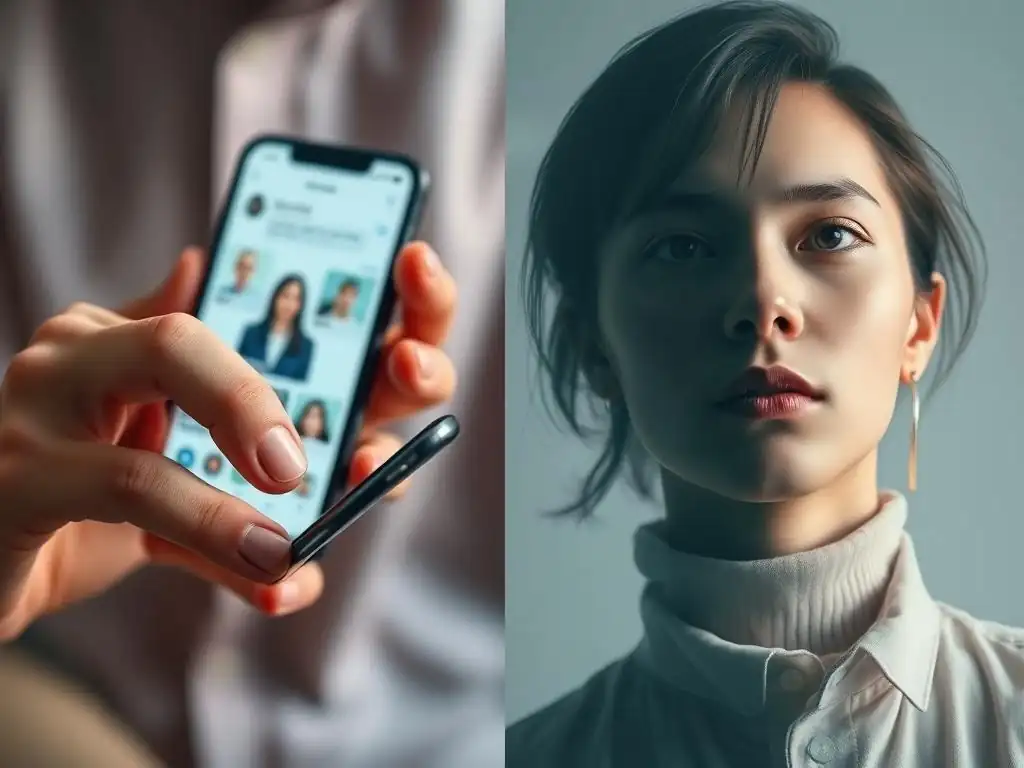
This section delves into the intricate relationship between online dating profiles and the shaping of self-perception. The curated nature of these profiles, designed to attract potential partners, often leads to a complex interplay between the presentation of an idealized self and the maintenance of a genuine identity. Understanding this dynamic is crucial for navigating the world of online dating successfully and maintaining a healthy sense of self. The impact of dating apps on self-perception is a significant factor affecting user experience and overall well-being.
Profile Picture Psychology: First Impressions and Self-Presentation
Your profile picture is the first, and often most impactful, element users encounter. It's the visual representation of your online identity and significantly influences how others perceive you. Research suggests that individuals tend to choose photos that reflect their desired self-image, often presenting a slightly idealized version of themselves. This is not inherently negative, but it's important to maintain a balance between presenting a polished image and remaining authentic. A photo showcasing genuine happiness and reflecting your personality is far more effective than a heavily filtered or overly posed image.
Consider the following:
- Lighting: Good lighting dramatically improves the quality of your photo, making you look more approachable and attractive.
- Background: A clean, uncluttered background helps focus attention on you. Avoid distracting elements.
- Expressions: A genuine smile is far more appealing than a forced pose. Consider multiple photos showcasing different expressions and activities.
- Attire: Dress in a way that reflects your personality and the type of partner you're seeking. Avoid overly revealing or inappropriate clothing.
Choosing the right profile pictures is a significant aspect of dating app self-perception impact. The feedback received, both positive and negative, can influence how you view yourself and your dating prospects.
Bio Composition and Self-Disclosure: Honesty vs. Idealization
The bio section offers a chance to expand on your profile picture and provide more context about your personality, interests, and goals. However, the temptation to present an idealized version of oneself is strong. While highlighting your best qualities is important, overly embellished or dishonest bios can lead to disappointment and ultimately damage your self-esteem. Striking a balance between presenting your best self and remaining truthful is crucial for building genuine connections.
The key is to be authentic. Focus on aspects of your personality that you value and that you believe are important in a relationship. Instead of listing a laundry list of accomplishments, try to convey your personality and values through storytelling.
Using humor and self-deprecation appropriately can also make your bio more engaging and relatable. For example, instead of writing “I love to travel,” you could write “My passport is more worn than my favorite pair of jeans – ask me about my most memorable adventure!” This approach fosters a more genuine and relatable connection. This directly contributes to the dating app self-perception impact, shaping how you perceive your own desirability and self-worth.
The Impact of Messaging Style on Perceived Self-Value
Your messaging style significantly impacts your online dating experience and your self-perception. Consistent rejection, even if based on superficial factors, can negatively impact your self-esteem. Conversely, positive interactions and successful matches can boost your confidence and self-worth. Therefore, cultivating a positive and respectful communication style is essential.
Consider these factors:
- Confidence: Project confidence in your messages without being arrogant.
- Respect: Treat potential matches with respect, regardless of whether you're interested in pursuing a relationship.
- Authenticity: Be yourself! Don't try to be someone you're not to impress others.
- Humor: Use humor appropriately to make your messages more engaging. Avoid offensive or inappropriate jokes.
The way you communicate online directly reflects on your self-perception. By prioritizing respectful and authentic communication, you create a positive feedback loop that enhances your self-esteem and improves your overall dating experience. This is a key aspect of the dating app self-perception impact, emphasizing the importance of mindful communication in shaping one's self-image within the online dating environment. Remember, the goal is to build genuine connections, and that begins with a healthy and positive self-image.
Online dating, while offering exciting possibilities for connection, also presents a unique landscape of potential rejection. The constant stream of profiles, the immediacy of the "swipe," and the often-anonymous nature of initial interactions can significantly impact self-perception. Understanding how to navigate this aspect is crucial for maintaining a healthy self-image and fostering positive online dating experiences. The key lies in shifting the focus from the outcome of each swipe to the process of self-discovery and growth. This means recognizing that rejection doesn't reflect your inherent worth, but rather the complex and often subjective nature of online dating compatibility.
Developing Resilience in the Face of Online Dating Rejection
Rejection is an inevitable part of online dating. The sheer number of profiles and the ease of moving on to the next potential match can create a sense of disposability. However, developing resilience is key. This involves cultivating a mindset that views rejection not as a personal failure, but as a natural part of the process. Here are some practical strategies:
- Practice self-compassion: Treat yourself with the same kindness and understanding you would offer a friend facing similar experiences. Acknowledge that rejection is painful, but it doesn't define you.
- Focus on your strengths: Instead of dwelling on rejections, make a list of your positive qualities and accomplishments. Remind yourself of your value beyond the dating app.
- Set realistic expectations: Understand that not every profile will be a match, and that's okay. Lowering expectations can reduce the sting of rejection.
- Diversify your activities: Don't let online dating consume your life. Engage in hobbies, spend time with friends and family, and pursue personal goals to maintain a balanced perspective.
- Seek support: Talking to a trusted friend, family member, or therapist can provide valuable emotional support and perspective during challenging times. Sharing your experiences can help normalize the feelings associated with online dating rejection.
Strategies for Managing Negative Feedback and Maintaining Self-Esteem
Negative feedback, whether explicit or implicit (e.g., lack of response), can be particularly damaging to self-esteem in the context of online dating. The immediacy of the platform can amplify feelings of inadequacy. However, effective strategies can help manage these feelings:
- Challenge negative self-talk: When negative thoughts arise, actively challenge their validity. Ask yourself: "Is this thought really true? Is there another way to look at this situation?"
- Focus on your profile's strengths: Regularly review your dating profile and ensure it accurately reflects your personality and interests. A well-crafted profile increases your chances of attracting compatible matches.
- Seek constructive criticism: Ask a trusted friend or family member for honest feedback on your profile and messaging style. Constructive criticism can help identify areas for improvement.
- Remember the algorithm: Dating app algorithms are complex and often unpredictable. A lack of matches doesn't necessarily reflect your desirability.
- Take breaks: If you find yourself feeling consistently discouraged, step away from the app for a while. Give yourself time to recharge and regain perspective.
Recognizing Signs of Negative Self-Perception and Seeking Support
Persistent negative self-perception stemming from online dating experiences can manifest in various ways. Recognizing these signs is crucial for seeking appropriate support. These signs may include:
- Increased self-criticism: Constantly focusing on perceived flaws and shortcomings.
- Avoidance of social interaction: Withdrawing from social activities due to fear of rejection.
- Low self-esteem: A persistent feeling of inadequacy or unworthiness.
- Depression or anxiety: Experiencing symptoms such as sadness, hopelessness, or excessive worry.
- Changes in behavior: Noticeable shifts in sleeping patterns, eating habits, or energy levels.
If you're experiencing any of these signs, don't hesitate to seek professional help. A therapist or counselor can provide guidance and support in managing negative self-perception and building a healthier self-image. Remember, seeking help is a sign of strength, not weakness. Prioritizing your mental well-being is essential for navigating the complexities of online dating and fostering fulfilling relationships. The journey to finding love online should be positive and empowering, not detrimental to your self-worth.
Beyond the Swipe: Building Authentic Connections and Self-Acceptance
Dating apps, while offering a convenient avenue for meeting potential partners, can significantly impact our self-perception. The constant cycle of swiping, matching, and messaging can subtly, and sometimes not-so-subtly, shape how we view ourselves. This section explores strategies to mitigate the negative effects and cultivate a healthier relationship with both online dating and our own self-image. Understanding the potential downsides of relying solely on app-based validation is crucial for building genuine self-esteem and fostering authentic connections. The impact of dating app usage on self-perception is a complex issue, and addressing it requires a multifaceted approach.
The Importance of Offline Interactions for Self-Growth
The relentless feedback loop of dating apps—the likes, the matches, the messages (or lack thereof)—can become a primary source of self-worth. This reliance on external validation is detrimental to long-term well-being. A crucial step towards mitigating this negative impact is to prioritize offline interactions. Engaging in activities outside the digital realm allows for more genuine connections and provides opportunities for self-discovery independent of app-based metrics.
For example, joining a book club, volunteering for a cause you care about, or taking a class can foster a sense of belonging and self-worth unrelated to romantic pursuits. These experiences offer a richer understanding of your own capabilities and passions, fostering a more robust sense of self. Remember, your value extends far beyond the parameters of a dating app profile.
Think about it: how many times have you spent hours meticulously crafting the perfect profile, only to feel deflated by a lack of matches? This cycle of investment and disappointment can be emotionally draining. By shifting your focus to offline activities, you build resilience and cultivate a sense of self-worth that isn't contingent on the approval of strangers on a screen.
Focusing on Personal Growth and Self-Acceptance Outside of Dating Apps
The impact of dating apps on self-perception is amplified when we fail to prioritize personal growth and self-acceptance. Many individuals become overly focused on presenting an idealized version of themselves online, neglecting their own personal development. This can lead to feelings of inadequacy and dissatisfaction, further impacting their self-esteem.
To counteract this, it's essential to actively pursue personal growth goals that are independent of romantic relationships. This could involve anything from learning a new skill to pursuing a hobby, improving physical fitness, or engaging in therapy. The key is to focus on self-improvement for your benefit, rather than as a means to attract a partner.
Consider setting specific, measurable, achievable, relevant, and time-bound (SMART) goals. For instance, instead of vaguely wanting to "improve your fitness," aim to "run a 5k in three months." These concrete goals provide a sense of accomplishment and boost self-confidence, regardless of your dating app activity. Remember, a strong sense of self is the foundation of healthy relationships.
Cultivating a Healthy Relationship with Technology and Online Dating
Maintaining a healthy relationship with technology and online dating requires mindful engagement. This means setting boundaries and limits on your app usage. Avoid spending excessive time scrolling or checking for notifications. Instead, allocate specific time slots for using dating apps and stick to them.
Consider taking breaks from the apps entirely for periods of time to focus on other aspects of your life. This conscious detachment helps you regain perspective and prioritize your overall well-being. Additionally, it’s important to cultivate a critical eye towards the curated reality presented on dating apps. Remember that profiles often showcase idealized versions of individuals, and that the experience of online dating is rarely representative of real-life interactions.
The impact of dating app self-perception is undeniable; however, by consciously managing your engagement and prioritizing personal growth, you can navigate the digital dating world with greater self-awareness and emotional resilience. Remember that your worth is intrinsic, independent of likes, matches, or messages. A healthy self-image is cultivated through self-compassion, personal growth, and meaningful connections both online and offline.
Frequently Asked Questions
How do dating apps affect my self-esteem?
Dating apps can impact self-esteem both positively and negatively. Positive impacts include increased confidence from matches and interactions. However, negative impacts can arise from rejection and comparison with other users. Managing expectations is key.
Does using dating apps change how I view myself?
Yes, the constant feedback loop of likes, matches, and messages can shape your self-perception. Frequent rejection might lead to self-doubt, while consistent positive interactions can boost self-esteem. Be mindful of your online interactions and their effect on your self-worth.
Can dating apps create unrealistic expectations about relationships?
Absolutely. Dating apps often present an idealized version of relationships, leading to unrealistic expectations about partners and relationships. Remember that profiles are curated and may not reflect the full reality of a person.
How can I protect my self-esteem while using dating apps?
Focus on building a positive self-image before engaging with dating apps. Limit time spent comparing yourself to others. Remember that rejection is part of the process, and it doesn't reflect your worth. Prioritize self-care.
What if dating apps are negatively impacting my mental health?
If you find dating apps are consistently harming your mental health, consider taking a break or limiting your usage. Prioritize self-care and consider talking to a therapist or counselor if needed. Your well-being is paramount.
Final Reflection: Reclaiming Your Narrative in the Age of Swiping
The pervasive influence of dating apps on self-perception isn't just a millennial problem; it's a societal shift impacting how we understand our worth and value. The constant stream of judgments, both explicit and implicit, within these digital spaces profoundly shapes our self-image, often in ways we don't fully realize until it's too late. This isn't about demonizing technology, but about understanding its power and reclaiming our agency within it.
The pressure to present a curated, idealized version of ourselves online has created a culture of comparison and self-doubt that extends far beyond the app itself. This relentless pursuit of validation through likes and matches can lead to a distorted sense of self, leaving us feeling inadequate and constantly striving for an unattainable ideal. As bell hooks eloquently stated, Self-love is not self-centeredness; it is self-acceptance.
This quote serves as a powerful reminder that our worth isn't determined by the number of right swipes we receive. We must actively cultivate self-compassion and resist the urge to define ourselves solely through the lens of online validation.
You hold the power to redefine your relationship with dating apps. Consider this: how can you use these platforms in a way that supports your self-esteem, rather than eroding it? Challenge the curated perfection you see online, remembering that everyone presents a carefully constructed image. Prioritize genuine connection over superficial validation, and remember that your worth is inherent, independent of any algorithm or fleeting online interaction. Take control of your narrative, and build a self-perception grounded in self-love and acceptance.
Rediscover Your Dating Power: Take Control of Your Online Identity
Thanks for exploring the world of online dating and self-perception! We hope you've gained valuable insights into how dating apps can shape your identity. Now let's put that knowledge to work. Ready to create a more authentic and empowered online presence?
- Craft your ideal dating profile: Reimagine your profile, highlighting what truly makes you unique and attractive. Think about what quirky detail best captures your essence. What small, unexpected fact reveals your personality?
- Reflect on your dating app usage: Consider areas for improvement and refine your approach. Are you presenting the image you want to project? Are you being true to yourself? Are you actively engaging with potential matches?
- Share your experience!: Join the conversation by sharing your thoughts and experiences in the comments below – let's build a supportive community!
What small change will you make to your online dating profile today to better reflect the wonderful person you are?