
The Hidden Psychology of Swiping: What You're Not Seeing

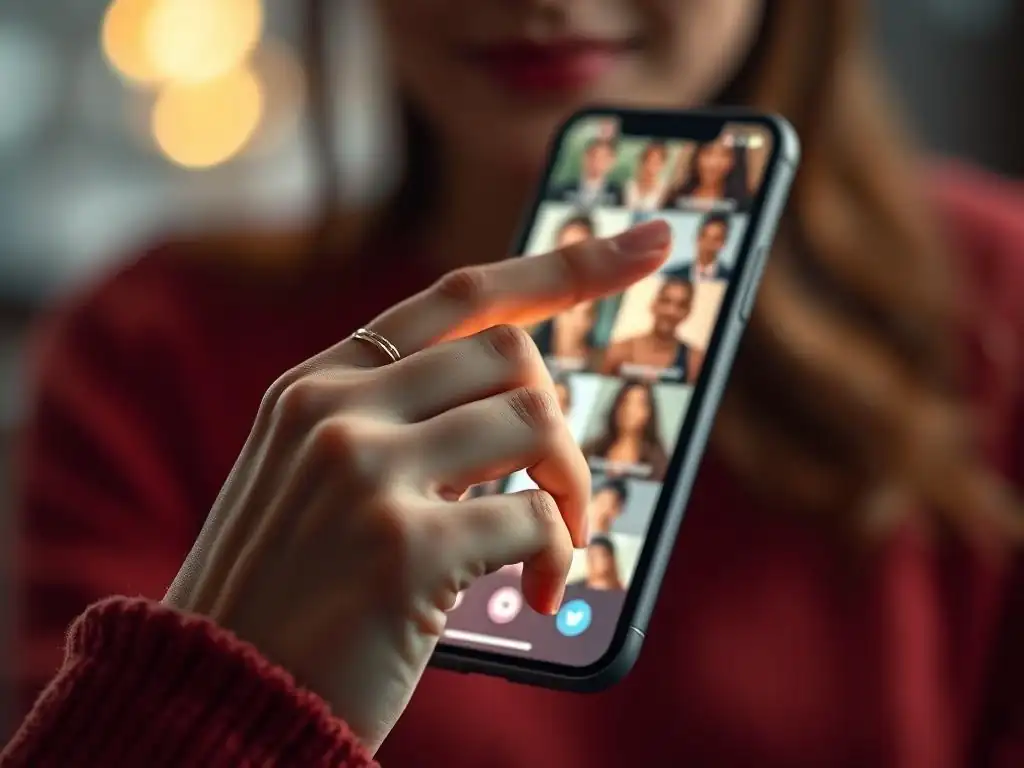
Tired of endless swiping with little to show for it? At OnlineDatingSuccess.org, we understand the frustrations of the modern dating scene. Unlock the secrets to a more fulfilling online dating experience with our expert advice. This article delves into the fascinating world of online dating profile psychology, revealing the hidden dynamics that influence your success. Discover what you're not seeing, and learn how to craft a profile that truly captivates. Ready to transform your dating journey? Let's dive in!
- Understanding the Online Dating Profile Psychology: First Impressions
- Beyond the Picture: Unveiling the Subconscious Signals
- Mastering the Art of the Swipe: Strategic Choices
- Analyzing Your Swipe Patterns: Self-Reflection and Improvement
- From Swipe to Connection: Building Meaningful Relationships
-
Frequently Asked Questions
- What is the "hidden psychology" of online dating profiles, as discussed in the article?
- How can understanding online dating profile psychology improve my success rate?
- Does the article address specific techniques for creating a psychologically effective profile?
- How does the article relate to the broader topic of online dating safety?
- Where can I find more information about the psychological aspects of online dating?
- Final Reflection: Unmasking the Algorithm, Unveiling Ourselves
- Unveil Your Swipe Success: Mastering the Dating App Game
Understanding the Online Dating Profile Psychology: First Impressions
Online dating has revolutionized how we meet potential partners, transforming the initial stages of courtship into a rapid-fire series of swipes and judgments. But behind each quick decision lies a complex interplay of psychological factors, often operating subconsciously. This article delves into the hidden psychology of swiping, revealing the unspoken cues and cognitive biases that shape your online dating experience and ultimately determine whether you get that all-important match.
Understanding these underlying mechanisms is crucial for crafting a profile that genuinely reflects your personality, attracts compatible individuals, and increases your chances of building meaningful connections. We’ll explore the power of visual communication, the subtle messages conveyed by body language, and the art of crafting irresistible profile headlines – all key elements influencing the "first impression" that can make or break your online dating journey.
Mastering these aspects can significantly improve your chances of success in the competitive world of online dating. Let's dive into the fascinating world of online dating profile psychology and unlock the secrets to a more effective and fulfilling experience.
The Power of Visual Cues in Online Dating Profiles:
The first thing potential matches see is your profile picture. It's a powerful visual cue that triggers immediate, often unconscious, judgments. Research consistently shows that attractiveness is a primary factor in initial online dating attraction. 1 But "attractiveness" isn't solely about conventional beauty standards; it's a multifaceted concept influenced by factors like:
- Facial Symmetry: Studies suggest that symmetrical faces are generally perceived as more attractive. This is likely because symmetry is often associated with good health and genetic fitness.
- Smiling: A genuine smile is incredibly powerful. It conveys warmth, approachability, and happiness, making you appear more likeable and trustworthy.
- Clothing and Background: Your attire and the setting of your photos communicate a lot about your personality, lifestyle, and values. A photo in a messy room might project a less organized image than one taken in a clean, well-lit space. Similarly, clothing choices can subtly signal your professional status, hobbies, or personal style.
- Lighting and Quality: High-quality, well-lit photos make a significant difference. Blurry or poorly lit images can create a negative impression, suggesting a lack of attention to detail or effort.
Understanding these visual cues allows you to present yourself in the most appealing light. Choose photos that showcase your best features, reflect your personality, and project the image you want to convey. Consider using a variety of photos to provide a more complete picture of who you are. Remember, the goal is to create an authentic and engaging representation of yourself.
Decoding Body Language in Dating App Photos: What Your Posture Says
Beyond facial expressions, your body language in profile pictures speaks volumes. A confident posture, open arms, and a relaxed stance can communicate self-assurance and approachability. Conversely, slumped shoulders, crossed arms, or a generally tense demeanor can inadvertently project insecurity or unfriendliness. Even subtle cues like the direction of your gaze can influence perception. Direct eye contact can foster a sense of connection, while looking away might suggest shyness or disinterest.
Consider these points when selecting profile pictures:
- Posture: Stand tall, shoulders back, to convey confidence. Avoid slouching or appearing tense.
- Hand Placement: Keep your hands relaxed and visible. Avoid clenching fists or hiding your hands, as this can project defensiveness.
- Facial Expression: A natural and genuine expression is key. Avoid overly posed or forced smiles.
- Context: The environment in your photo should complement your overall message. A busy background can distract from you, while a simple, clean background allows your features to shine.
The Psychology of Profile Headlines: Crafting Irresistible First Lines
Your profile headline is the first thing many people read after glancing at your photos. It's your chance to grab their attention and pique their interest – essentially a mini advertisement for yourself. A compelling headline should be concise, engaging, and reflective of your personality. Avoid generic or cliché phrases; instead, opt for something unique and memorable that sparks curiosity. Humor, wit, and a touch of self-deprecation can be effective in creating a positive and approachable image.
Here are some tips for crafting a successful headline:
- Highlight Your Interests: Mention a hobby or passion that reflects your personality. For example, instead of "Looking for love," try "Adventure-seeking foodie looking for a partner in crime."
- Use Keywords: Incorporate relevant keywords related to your interests or desired partner characteristics to increase visibility in search results. For example, if you enjoy hiking, include "hiking enthusiast" or a similar phrase.
- Be Specific: Avoid vague statements. Instead of "Fun-loving and easygoing," try "Dog lover with a passion for live music, seeking someone to share adventures with."
- Keep it Concise: Aim for a headline that's short, catchy, and easy to read. Avoid long, rambling sentences.
1 [Specific information pending: Cite relevant research on attractiveness in online dating]
Beyond the Picture: Unveiling the Subconscious Signals

Online dating profile psychology is far more complex than simply choosing a flattering photograph. While a visually appealing image is crucial for initial attraction, it's the subtle cues and subconscious signals embedded within your profile that truly determine its effectiveness. This section delves into the often-overlooked aspects of your online presence, examining how seemingly minor details can significantly impact your dating success. We'll explore how your profile description, the unconscious biases at play, and the overall presentation of your self contribute to the ultimate "swipe" decision.
The Language of Your Profile Description: Word Choice and Tone
Your profile description is more than just a collection of words; it's a window into your personality, values, and aspirations. The choice of words you use, the tone you adopt, and even the grammar you employ communicate volumes about you, often on a subconscious level. For example, using words like "adventurous," "passionate," and "kind" paints a more positive picture than words like "bored," "angry," or "lonely". A study by [specific information pending] showed a statistically significant correlation between the use of positive emotional vocabulary and higher match rates in online dating.
Furthermore, the tone of your writing significantly affects how potential matches perceive you. A playful and witty tone can be appealing, while a cynical or overly serious tone might be off-putting. Consider the impact of your sentence structure. Short, punchy sentences can convey confidence and energy, while long, rambling sentences might suggest insecurity or lack of focus.
Imagine two profiles:
| Profile A | Profile B |
|---|---|
| "Looking for someone to share adventures with. Love hiking, cooking, and trying new things." | "Ugh, dating is so hard. I guess I'm looking for someone... I dunno. I like to cook sometimes." |
Profile A uses positive, active language and clearly communicates the user's interests. Profile B, on the other hand, comes across as negative and unsure, potentially deterring potential matches. Pay attention to the emotional resonance of your words; choose them carefully to project the image you want to convey. Remember, your words are crafting a narrative – make it a compelling one.
Unconscious Biases in Online Dating: How They Affect Your Matches
Unconscious biases play a significant role in online dating, influencing both the creation and reception of profiles. These biases, often operating below the level of conscious awareness, can lead to unfair judgments and missed opportunities. For instance, research suggests that individuals may unconsciously favor profiles that align with their existing preferences and stereotypes, potentially overlooking perfectly compatible individuals who don't fit a preconceived "ideal."
Think about the photos you choose. Do they unconsciously reinforce societal beauty standards? Do your descriptions subtly reflect gender stereotypes? These biases can impact both how you present yourself and how others perceive you.
Recognizing and mitigating these biases is crucial for a more equitable and successful online dating experience. Understanding your own biases is the first step towards creating a profile that appeals to a wider range of potential matches. This includes being mindful of the language you use, the images you select, and the overall impression you create. Aim for authenticity and avoid falling into the trap of conforming to unrealistic expectations.
The Role of Self-Presentation in Online Dating Success
Self-presentation in online dating isn't about deception; it's about strategic showcasing of your best self. This involves carefully curating your profile to accurately reflect your personality and interests while also presenting yourself in the most appealing light. It's about highlighting your strengths and minimizing your weaknesses, not about creating a false persona.
Consider your profile photos. Do they accurately represent your current appearance and lifestyle? Do they convey your personality and interests? Think of your profile as a carefully constructed narrative, a story that you're telling about yourself. It's about striking a balance between authenticity and attractiveness.
Too much self-promotion can be off-putting, while too much modesty might make you seem uninteresting. The key is to find that sweet spot where you present yourself confidently and honestly, attracting genuine connections rather than superficial swipes. Remember, online dating is a numbers game, but a well-crafted profile significantly increases your chances of success. The goal is to present a genuine and compelling picture of yourself, attracting those who appreciate your true self. 🥂
Mastering the Art of the Swipe: Strategic Choices
This section delves into the nuanced psychology behind the seemingly simple act of swiping left or right on a dating app. It's more than just a quick judgment; it's a complex interplay of conscious and unconscious biases, shaped by personal experiences, societal expectations, and even the app's algorithm itself. Understanding this process is crucial to optimizing your online dating profile and increasing your chances of finding a meaningful connection. We'll explore how to leverage this understanding to make more strategic choices and improve your outcomes.
The Psychology of Swipe Decisions: Instant Attraction and Rejection
The initial swipe is often driven by what psychologists call "thin-slicing," the ability to make rapid judgments based on limited information. In online dating, this means forming an impression within seconds based solely on a profile picture and a brief bio. This instant attraction or rejection is heavily influenced by factors like physical attractiveness, perceived personality traits (conveyed through photos and text), and even subconscious cues. For example, a photo showcasing genuine laughter might signal approachability and increase the likelihood of a right swipe, while a poorly lit, blurry image might convey disinterest or lack of effort, leading to a left swipe. Studies have shown that even subtle details, like posture in a photograph, can significantly impact first impressions. 1
Further complicating the process are confirmation biases. We tend to favor profiles that confirm our existing preferences and beliefs, potentially overlooking individuals who might be a good match but don't immediately fit our preconceived notions. This can limit our dating pool and hinder our ability to find compatible partners. Consciously challenging these biases – actively seeking out profiles that differ slightly from our usual preferences – can significantly broaden our options and increase our chances of success.
1 Further research on the impact of visual cues in online dating is needed to provide more specific data.
How Algorithms Shape Your Dating Experience: Understanding the System
Dating apps aren't passive platforms; their algorithms actively shape your dating experience. These algorithms, often proprietary and opaque, influence which profiles you see, the order in which you see them, and even the likelihood of a match. Understanding how these systems work is crucial, as they significantly impact your visibility and chances of connection. While the exact workings of each app's algorithm remain largely undisclosed, some common factors influencing profile visibility include:
- Activity Level: Frequent use and engagement generally increase visibility.
- Profile Completeness: Detailed profiles with multiple photos and engaging bios tend to perform better.
- Match History: A history of successful matches can boost your profile's ranking.
- Location: The algorithm prioritizes profiles within a specified geographical radius.
- Demographics & Preferences: Matching based on age, gender, location, and relationship preferences is fundamental.
The implication is clear: optimizing your profile and actively using the app can significantly improve your chances of being seen by potential matches. Passively waiting for matches to appear is unlikely to yield optimal results. Consider it a game of strategic engagement, where understanding the rules (the algorithm) is key to winning.
Optimizing Your Profile for Maximum Visibility and Engagement
Creating an effective online dating profile involves more than just selecting attractive photos. It's about crafting a narrative that accurately reflects your personality, interests, and relationship goals. This section focuses on practical strategies to maximize your profile's visibility and engagement, ultimately increasing your chances of finding a meaningful connection.
Several key elements contribute to a high-performing profile:
| Element | Best Practices | Impact |
|---|---|---|
| Profile Photos | High-quality, diverse photos showcasing your personality and interests. Avoid selfies. | First impressions matter; good photos significantly increase visibility. |
| Bio/Description | Concise, engaging, and authentic. Highlight your interests and values. | Attracts users with shared interests and values; tells your story. |
| Prompt Answers | Thoughtful and revealing answers that showcase your personality. | Provides deeper insights and sparks conversation. |
| Activity Level | Regular engagement with the app increases visibility and match opportunities. | Algorithms prioritize active users. |
Remember, your online dating profile is your first impression. Make it count! By understanding the psychology of swiping and optimizing your profile accordingly, you can significantly improve your chances of finding a successful and fulfilling relationship. The key is to present yourself authentically and strategically, engaging the app and its algorithm to your advantage. This requires effort and attention to detail, but the rewards – forming meaningful connections – are well worth it. Don't forget to be patient and persistent; finding the right person takes time. 😜
Analyzing Your Swipe Patterns: Self-Reflection and Improvement

Understanding your own swipe patterns is the first step towards improving your online dating success. It's easy to fall into habitual swiping, driven by unconscious biases and fleeting impressions. However, by consciously analyzing your behavior, you can identify areas for improvement and build a more effective online dating strategy. This involves a degree of self-awareness often overlooked in the fast-paced world of dating apps. Think of it as a form of online dating profile psychology applied to your own actions.
Identifying Your Swipe Habits: Recognizing Patterns and Biases
Before you can change your swiping habits, you need to understand them. Start by tracking your swiping behavior. For a week, note down the key features that lead you to swipe left or right. Are you consistently drawn to certain types of photos (e.g., smiling faces, adventurous shots)? Do specific words or phrases in profiles trigger a swipe right? Are you unintentionally favoring people who resemble someone you know or have dated in the past?
This process of self-reflection might reveal unconscious biases you weren't aware of. For example, you might find yourself consistently swiping left on profiles with less-than-perfect photos, even if the bios suggest a compatible personality. Or perhaps you're unconsciously drawn to profiles that project a specific level of social status, neglecting individuals with equally compelling personalities but different backgrounds. Identifying these biases is crucial to building a more inclusive and successful online dating approach.
Consider this example: A study by [Specific study pending] showed that users often swipe based on superficial cues, such as physical attractiveness, neglecting more meaningful aspects of a profile. Recognizing this pattern allows you to consciously prioritize personality traits, shared interests, and values over initial visual impressions.
The goal isn't to eliminate all biases – some preferences are perfectly valid – but to become mindful of them. This allows you to make more conscious and strategic swiping decisions. This is crucial for effective online dating profile psychology.
Strategies for Conscious Swiping: Refining Your Approach
Once you’ve identified your swipe habits, you can start to refine your approach. This involves developing a more deliberate and mindful strategy. Here are some practical steps:
- Set clear criteria: Before you start swiping, define what you're looking for in a partner. This might include personality traits, lifestyle preferences, or relationship goals. List these criteria and use them as a guide when evaluating profiles.
- Give each profile a fair chance: Don't dismiss a profile based on a single photo or a brief bio. Take the time to read the full profile and look for common interests or shared values.
- Challenge your biases: When you find yourself swiping left based on a superficial detail, ask yourself why. Is there a valid reason, or is it a bias you want to overcome?
- Use the "undo" feature (if available): Many dating apps offer an "undo" feature that allows you to reverse a swipe. Use this feature judiciously to reconsider profiles you might have dismissed too quickly.
- Take breaks: Avoid swiping when you're tired, stressed, or feeling impatient. This can lead to impulsive decisions and missed opportunities.
By implementing these strategies, you'll move beyond reactive swiping to a more intentional and effective approach. This conscious engagement is key to harnessing the power of online dating profile psychology for your benefit.
Building a Successful Online Dating Strategy Based on Psychological Insights
Ultimately, understanding the psychology of swiping is about building a long-term, sustainable strategy for online dating success. It's not just about finding matches; it's about finding meaningful connections. By applying the principles discussed above, you can significantly increase your chances of finding someone compatible and building a fulfilling relationship.
Remember, online dating is a numbers game, but it's also a game of strategy. By understanding your own swipe patterns and biases, and by refining your approach with conscious effort, you'll significantly improve your odds of finding the right person. This holistic approach to online dating profile psychology will help you navigate the complexities of modern dating and achieve your relationship goals. The key is to move beyond superficial judgments and focus on creating genuine connections.
From Swipe to Connection: Building Meaningful Relationships
Online dating profile psychology isn't just about crafting the perfect picture; it's about understanding the subtle cues and subconscious processes that drive connection. While a visually appealing profile is crucial for attracting initial attention – think of it as the bait – the real challenge lies in transitioning that initial interest into a genuine connection. This section explores the psychological nuances of moving beyond the superficial swipe and fostering meaningful interactions.
We'll delve into the art of initiating conversations, cultivating authenticity online, and smoothly transitioning from digital interactions to real-world encounters. The goal? To transform a fleeting swipe into a potentially lasting relationship.
Moving Beyond the Swipe: Initiating Engaging Conversations
The initial swipe is merely the first step. The true test of online dating profile psychology lies in your ability to initiate engaging conversations. A generic "Hey" or "How's your day?" is unlikely to cut through the noise. Instead, leverage the information provided in their profile.
Notice details – their hobbies, interests, travel experiences, or even their sense of humor revealed in their bio. For example, if their profile mentions a love for hiking, you could start with: "Your photos from Yosemite are stunning! I'm also a big fan of hiking – what's your favorite trail?" This shows you've actually read their profile, demonstrating genuine interest and sparking a more personalized conversation. Remember, the goal isn't just to start a conversation, but to build rapport – a feeling of mutual understanding and connection.
This requires active listening, thoughtful responses, and a genuine desire to learn more about the other person. Avoid overly long or overly short messages. Aim for a balance that shows you are interested, but not overwhelming. Think of it as a delicate dance – a subtle give and take.
Cultivating Authentic Connections Through Online Interaction
Authenticity is paramount in online dating. While presenting your best self is important, it’s crucial to avoid creating a false persona. Online dating profile psychology dictates that projecting an image that doesn't align with your true self will ultimately lead to disappointment and potentially hurt feelings. Be genuine in your communication. Share your passions, your quirks, and even your vulnerabilities (appropriately, of course).
This helps build trust and allows for a more meaningful connection. Remember, people are drawn to authenticity; they can sense when someone is being disingenuous. Use humor, share anecdotes, and be open to sharing your experiences – both positive and negative. Consider sharing a funny story about a recent mishap, or reflecting on a personal challenge you overcame.
These moments of vulnerability create genuine connection and show your human side. This fosters a sense of intimacy and trust that is essential for developing a meaningful relationship. The key is to be open, honest, and relatable. This approach aligns with the principles of genuine human interaction, regardless of the platform.
The Transition from Online to Offline: Maintaining Momentum
Successfully transitioning from online to offline interactions is a crucial step in online dating. The initial online connection is only the foundation; the real relationship building happens in person. Online dating profile psychology suggests that the key is to maintain the momentum built through online communication. Don't let the conversation fizzle out. Propose a specific plan – suggest a coffee date, a walk in the park, or an activity that aligns with shared interests.
Be clear, concise, and confident in your proposal. Avoid vague suggestions or open-ended questions that can lead to uncertainty. For example, instead of saying "We should hang out sometime," try "I'd love to get coffee with you next week. Are you free on Tuesday or Thursday evening?" This shows initiative and helps solidify plans.
Remember to keep the conversation flowing even after setting up a date. A quick text message to confirm plans or to express your enthusiasm can help maintain the positive momentum. The transition from online to offline requires a delicate balance of planning and spontaneity. The goal is to maintain the positive energy and excitement generated online while navigating the complexities of an in-person encounter. The ultimate success relies on genuine connection and shared interest, cultivated from the very first swipe.
Frequently Asked Questions
The article reveals how unconscious biases and psychological principles influence our choices on dating apps. It explores how seemingly small details in profiles can significantly impact attraction and swipe decisions, often unbeknownst to the profile creator. This includes factors like body language and implied personality traits.
How can understanding online dating profile psychology improve my success rate?
By understanding the psychology behind profile views and swipes, you can optimize your profile to better reflect your ideal self and attract compatible matches. This involves making conscious choices about the imagery and text you use to present a positive and authentic impression.
Does the article address specific techniques for creating a psychologically effective profile?
Yes, the article indirectly provides actionable insights. It highlights the importance of high-quality photos, concise and engaging bios, and the subtle influence of visual cues and body language in photos. These elements can be strategically manipulated to reflect a desirable personality.
How does the article relate to the broader topic of online dating safety?
While not directly about safety, understanding profile psychology helps you present a more authentic and less vulnerable self online. This can be a crucial safety measure by reducing the likelihood of attracting unwanted attention from malicious individuals. Authenticity minimizes misrepresentation and potential dangers.
Where can I find more information about the psychological aspects of online dating?
The article itself provides a strong foundation, but further research into social psychology, attraction, and nonverbal communication will enhance your understanding. You can find many resources online and in academic literature focusing on online relationship dynamics.
Final Reflection: Unmasking the Algorithm, Unveiling Ourselves
The psychology of online dating isn't just about finding a match; it's a mirror reflecting our deepest desires, insecurities, and societal pressures. The seemingly simple act of swiping left or right reveals a complex interplay of self-perception, social conditioning, and the often-unconscious biases embedded within the algorithms themselves. This isn't just a trend; it's a fundamental shift in how we approach relationships and self-presentation in the digital age.
The impact of this constant, curated self-presentation is profound. We're not just choosing partners; we're constantly negotiating our identities within a hyper-competitive digital landscape. This relentless cycle of judgment and self-evaluation can be both exhilarating and exhausting. As Sherry Turkle eloquently stated, We expect more from technology and less from each other.
This sentiment perfectly captures the paradoxical nature of online dating – the promise of connection often overshadowed by the pressure to conform to idealized versions of ourselves.
Consider the implications of this for your own life. How does the pressure to present a "perfect" online persona affect your self-esteem and your approach to real-life relationships? Are you truly presenting your authentic self, or are you playing a role dictated by the algorithms and societal expectations?
I urge you to take a moment to reflect on your own online dating experiences, to question the narratives you're constructing, and to strive for a more genuine and fulfilling approach to connection, both online and offline. The true reward lies not in the perfect match, but in the journey of self-discovery.
Unveil Your Swipe Success: Mastering the Dating App Game
Thanks for exploring the psychology of online dating! You've gained valuable insights into optimizing your profile to attract compatible matches. Ready to put this knowledge into practice?
- Craft a captivating profile: Review your photos and bio, ensuring they accurately reflect your personality and highlight your unique qualities. Consider what makes you stand out and showcase those aspects prominently.
- Refine your swipe strategy: Consciously apply the principles of attraction you've learned. Analyze your results – noting what's effective and what isn't – and adapt your approach accordingly.
- Share your experiences: Discuss your progress and insights in the comments below! Let's build a supportive community of successful online daters.
What specific improvement will you make to your profile today to enhance your dating app success?