
How Dating App Algorithms Work: A Beginner's Guide to Matching


Ready to unlock the secrets of online dating success? At OnlineDatingSuccess.org, we empower you to navigate the world of digital romance with confidence. Forget the frustration and wasted swipes – we'll help you build a compelling profile, master the art of communication, and prioritize your safety. But first, let's demystify the process itself: this article dives deep into the Dating app algorithm explained, revealing how these systems work and how you can leverage that knowledge to find your perfect match. Dive in and discover how to significantly improve your online dating experience!
- Understanding Dating App Algorithms: A Deep Dive
- Beyond Basic Matching: Advanced Algorithm Features
- Optimizing Your Profile for Algorithm Success
- Ethical Considerations and Transparency in Dating App Algorithms
- Frequently Asked Questions
- Final Reflection: Decoding the Algorithm, Reclaiming Your Love Life
- Unlock Your Dating App Potential: Take Control of Your Matches!
Understanding Dating App Algorithms: A Deep Dive
Navigating the world of online dating can feel like deciphering a complex code, especially when it comes to understanding how dating apps connect you with potential matches. This comprehensive guide will demystify the inner workings of dating app algorithms, providing you with a beginner-friendly explanation of how these systems function and how you can optimize your profile and activity to increase your chances of finding a meaningful connection. We'll explore the key factors that influence match suggestions, the role of your behavior, and ultimately, how to leverage this knowledge to improve your online dating experience.
Understanding these algorithms isn't about gaming the system; it's about empowering you to make informed decisions and present your best self to potential partners. Think of it as learning the language of the app to speak more effectively to the people you want to meet.
This knowledge will help you to better understand why you see certain profiles and how to increase your visibility to the right people. Let's dive in!
Decoding the Mystery: How Matching Algorithms Function
Dating app algorithms are sophisticated systems designed to connect users based on a variety of factors. While the exact algorithms used by each app are proprietary and kept secret, the general principles are largely consistent. At their core, these algorithms aim to maximize user engagement and satisfaction by presenting users with profiles that they're likely to find appealing. This is often achieved through a combination of:
- Profile Similarity: The algorithm compares your profile information (age, location, interests, photos, etc.) with other users' profiles to identify potential matches. The more similarities detected, the higher the probability of a suggested match.
- User Preferences: Your stated preferences, such as desired age range, distance, and relationship goals, significantly influence the matches presented. The algorithm prioritizes profiles that align with your expressed preferences.
- Machine Learning: Many modern dating apps leverage machine learning to continuously improve the accuracy of their algorithms. This means the algorithm learns from your past interactions (likes, dislikes, messages sent, etc.) to refine its suggestions over time. The more you use the app, the better it gets at understanding your preferences.
- Behavioral Signals: Beyond stated preferences, the algorithm also considers your implicit preferences, such as the types of profiles you engage with, the people you interact with, and how often you use the app.
Think of it like this: the algorithm is constantly learning and adapting to your behavior, trying to present you with matches it believes you'll be interested in. It's a dynamic process that evolves as you use the app.
Key Factors Influencing Match Suggestions: Location, Age, and Preferences
Several key factors heavily influence the matches a dating app suggests. Understanding these factors can help you optimize your profile and increase your chances of connecting with compatible individuals.
- Location: Proximity is usually a significant factor. Most apps prioritize users within a certain radius of your location. This makes it easier to meet people locally and arrange in-person dates. Adjusting your search radius can broaden or narrow your pool of potential matches.
- Age: The age range you specify in your profile settings directly impacts the age of the profiles you see. Be realistic and specific in your preferences to avoid receiving irrelevant suggestions.
- Preferences: Your stated preferences—relationship goals (casual dating, serious relationship, marriage), interests, lifestyle choices, and even your preferred communication styles—are crucial. The more detail you provide, the better the algorithm can understand your ideal partner and present suitable matches. Be honest and thorough when completing your profile. Providing detailed information about your hobbies and interests is crucial to attracting like-minded individuals. For example, specifying your love for hiking or your passion for a particular type of music can significantly improve the quality of your matches.
| Factor | Impact on Match Suggestions | Optimization Tip |
|---|---|---|
| Location | Determines geographical proximity of potential matches. | Adjust your search radius to broaden or narrow your options. |
| Age | Filters potential matches based on your specified age range. | Be realistic and specific in your age preferences. |
| Preferences | Determines compatibility based on shared interests and goals. | Complete your profile thoroughly and honestly. |
The Role of User Behavior in Algorithm Optimization: Activity and Engagement
Your activity and engagement within the app significantly influence the algorithm's learning process. The more actively you use the app, the more data the algorithm collects to understand your preferences. This data-driven approach allows the algorithm to refine its suggestions over time, ultimately leading to more relevant and successful matches.
- Regular Use: Consistent use of the app provides the algorithm with valuable data. The more frequently you log in, like profiles, and send messages, the better the algorithm understands your preferences.
- Profile Completeness: A thorough and well-crafted profile provides the algorithm with more information to work with. The more detail you provide, the more accurately the algorithm can match you with compatible users.
- Engagement with Matches: Interacting with suggested matches (liking profiles, sending messages, responding to messages) provides valuable feedback to the algorithm. This feedback helps the algorithm refine its understanding of your preferences and improve the quality of its suggestions.
- Swiping Behavior: Your swiping patterns (left or right swipes) directly influence future suggestions. Consistent swiping behavior helps the algorithm learn what kind of profiles you find appealing and what you don't.
Remember, the algorithm isn't a magic bullet. It's a tool designed to assist you in finding compatible matches. Active participation and honest profile completion are key to maximizing its effectiveness. By understanding how the algorithm works and adjusting your profile and activity accordingly, you'll significantly improve your chances of finding success in the world of online dating.
How Algorithms Prioritize Certain Profiles: Understanding the "Popularity" Factor
Dating apps don't simply match you with anyone who meets your basic criteria. They employ sophisticated ranking systems that prioritize certain profiles over others. A significant factor in this prioritization is what the app deems "popularity." This isn't necessarily about the number of likes or messages a user receives, although that plays a role. Instead, it's a more nuanced calculation that considers a variety of engagement metrics. Think of it as a complex scoring system.
One key element is profile activity. Users who frequently log in, update their profiles, and actively engage with the app are generally ranked higher. The algorithm interprets this activity as a sign of genuine interest and commitment to finding a match. Conversely, inactive profiles tend to slip down the rankings, as the algorithm assumes they might be less invested in the process. This is a crucial aspect of the "popularity" score because it helps the app surface profiles that are more likely to respond and engage in meaningful interactions.
Another contributing factor is profile completeness. Apps often reward users who provide comprehensive information about themselves. This includes adding multiple photos, filling out the bio section thoroughly, and completing the various preference settings. A complete profile signals to the algorithm that the user is serious about finding a compatible partner and is willing to put in the effort. This leads to a higher "popularity" score and increased visibility within the app's matching system. In essence, the more effort you put into crafting a robust profile, the more likely you are to be prioritized.
The algorithm also analyzes user interactions. This isn't just about the number of likes or messages, but also the quality of those interactions. A user who consistently receives positive feedback, such as likes, matches, and meaningful conversations, will likely score higher on the "popularity" scale.
This reflects a positive user experience and indicates that the profile is well-received by other users. Conversely, profiles associated with negative interactions, such as reports or blocks, might be penalized, leading to a lower ranking. The algorithm is constantly learning and adapting based on user behavior, refining its understanding of what constitutes a "popular" and desirable profile.
Furthermore, some algorithms incorporate factors related to profile quality. This means assessing things like the clarity and attractiveness of photos, the quality of writing in the bio, and the overall coherence and appeal of the profile as a whole. A well-crafted, visually appealing profile is more likely to attract attention, leading to higher engagement and boosting the profile's popularity score.
This is an important aspect of the algorithm's assessment, as it highlights the importance of creating a profile that accurately reflects your personality and makes a positive first impression. The algorithm rewards profiles that are genuinely engaging and attractive to other users. Remember, a well-optimized profile is key to enhancing your visibility and chances of success on dating apps.
Beyond Basic Matching: Advanced Algorithm Features

Dating apps don't just match you based on proximity and basic profile information anymore. Modern algorithms leverage sophisticated techniques to increase the likelihood of successful matches. This section delves into some of these advanced features, moving beyond the simple "swipe right" paradigm and exploring the intricate workings of contemporary dating app matching systems. Understanding these nuances can significantly improve your online dating experience and increase your chances of finding a compatible partner. This goes beyond simply explaining the dating app algorithm; it's about understanding how to work with it.
Advanced Matching Algorithms: Personality and Interest-Based Matching
Many dating apps now incorporate personality tests or detailed questionnaires to gather information beyond superficial profile details. These questionnaires often utilize established psychological models, such as the Big Five personality traits (openness, conscientiousness, extraversion, agreeableness, and neuroticism), to create a more comprehensive profile of each user. This rich data allows for far more nuanced matching. Instead of solely matching based on age and location, the algorithm can identify compatible personalities and shared interests, predicting long-term compatibility with greater accuracy.
For example, an algorithm might prioritize matching an introverted user with someone who values quiet evenings and meaningful conversations over someone who prefers loud parties and bustling social scenes. Similarly, shared interests, indicated through detailed profile sections or responses to specific questions, are weighted heavily in the matching process. This detailed approach moves beyond simple keyword matching, analyzing the depth and context of user-provided information.
This leads to more meaningful connections and reduces the number of superficial matches. Think of it like this: instead of just looking for the same hobbies, the algorithm analyzes why you enjoy those hobbies and whether those motivations align with potential matches.
Predictive Modeling: Forecasting Compatibility and Relationship Success
Beyond simply matching users based on shared characteristics, some advanced dating app algorithms utilize predictive modeling to forecast the likelihood of a successful relationship. This involves sophisticated statistical techniques that analyze user data, interaction patterns, and even communication styles to predict long-term compatibility. These models consider a multitude of factors, including the frequency and quality of communication, the length of conversations, and the type of content exchanged.
For instance, an algorithm might identify a higher probability of success for matches who consistently engage in thoughtful conversations, express genuine interest in each other's lives, and plan virtual or in-person dates. Conversely, matches characterized by superficial interactions, infrequent communication, or negative interactions might be assigned a lower probability of success. While these predictions are not guarantees, they provide valuable insights into the potential for a meaningful connection, helping users prioritize their time and energy on matches with a higher likelihood of success. This aspect of the dating app algorithm explained highlights the evolving sophistication of these systems.
The Impact of Machine Learning on Dating App Matches
Machine learning (ML) plays a crucial role in the continuous improvement of dating app algorithms. ML algorithms are trained on massive datasets of user interactions and relationship outcomes, allowing them to constantly refine their matching processes and improve their predictive accuracy over time. This means that the algorithm is constantly learning and adapting, becoming more effective at identifying compatible matches as more data becomes available.
The use of ML allows for personalized recommendations and dynamic adjustments to the matching process based on individual user behavior. For example, if a user consistently interacts positively with a specific type of profile, the algorithm will learn to prioritize similar matches in the future. Conversely, if a user consistently swipes left on a certain type of profile, the algorithm will adjust its recommendations to reduce the frequency of showing similar profiles.
This iterative process of learning and adaptation is what sets modern dating app algorithms apart and makes them increasingly effective at connecting compatible individuals. The evolution of these systems is ongoing, constantly being refined to better serve the user's needs.
Optimizing Your Profile for Algorithm Success
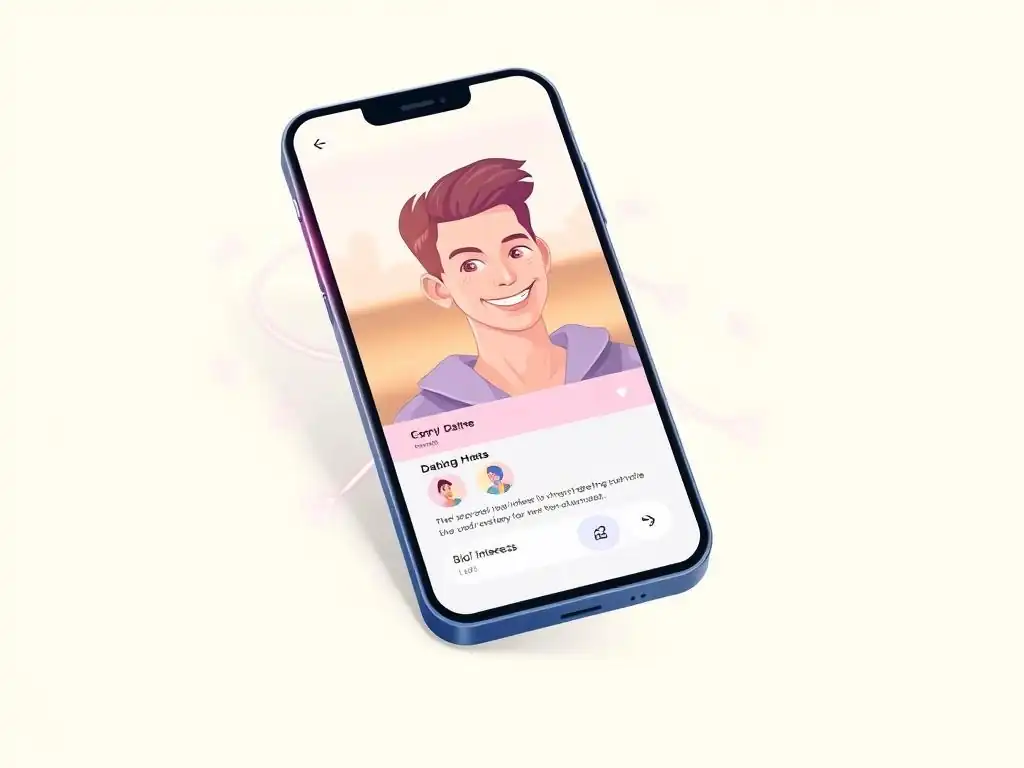
Understanding how dating app algorithms work is crucial for maximizing your chances of finding a compatible match. These algorithms aren't magic; they're complex systems designed to connect users based on various factors. Optimizing your profile to align with these factors significantly increases your visibility and the likelihood of successful matches.
Think of it as search engine optimization (SEO), but for romance! This section will break down key strategies to improve your profile's performance within the dating app ecosystem. Remember, the goal is to present the best version of yourself to the algorithm, increasing the chances it will show your profile to the right people.
Crafting a Compelling Profile: Keywords and Visual Appeal
Your profile is your digital first impression. It's the storefront for your personality, interests, and aspirations. Dating app algorithms analyze your profile text and images to determine who you might be compatible with. Therefore, using relevant keywords and crafting visually appealing content are paramount.
Consider adding keywords that accurately reflect your interests and lifestyle. Instead of simply stating "I like to travel," specify "I love exploring Southeast Asian cultures" or "I'm passionate about backpacking through national parks." The more specific you are, the better the algorithm can match you with like-minded individuals. Think about the kind of person you're looking for and use similar language to describe yourself.
Visual appeal is equally important. A high-quality profile picture is essential. The algorithm often prioritizes profiles with clear, well-lit photos. Avoid blurry or low-resolution images. Consider using a variety of pictures to showcase different aspects of your personality and lifestyle. A picture of you hiking, attending a concert, or engaging in a hobby will paint a fuller picture than a simple selfie. Remember, a picture is worth a thousand words – and a thousand matches!
Strategic Photo Selection: Maximizing Your Visibility
The photos you choose significantly impact your profile's success. The algorithm analyzes various factors related to your photos, including quality, composition, and even the emotional expressions captured. A diverse range of photos showcasing various aspects of your life is significantly more appealing than a series of similar images.
Think about creating a visual narrative. Include a clear headshot, a full-body shot, and several photos showcasing your interests and hobbies. Avoid overly posed or filtered photos; authenticity is key. A genuine smile goes a long way! Studies show profiles with smiling individuals receive significantly more engagement. Consider A/B testing different photos to see which ones perform better. This involves uploading different sets of photos and tracking which ones lead to more matches or interactions.
Showcasing Your Personality: Writing an Engaging Bio
Your bio is your opportunity to tell your story and connect with potential matches on a deeper level. While the algorithm analyzes keywords, it also looks for engaging and well-written text. Avoid generic statements like "looking for someone fun and adventurous." Instead, provide specific examples of your adventures or what "fun" means to you.
For example, instead of "I love to cook," try "I'm passionate about Italian cuisine and love experimenting with new recipes. My friends always rave about my homemade pasta." This adds detail and personality. Humor is also a powerful tool; use it strategically to make your bio stand out. However, avoid overly sarcastic or negative tones. Remember to proofread carefully! Typos and grammatical errors can create a negative impression. A well-written, engaging bio significantly enhances your profile's appeal, increasing your chances of attracting compatible matches. The algorithm rewards profiles that are both visually appealing and textually engaging.
Leveraging App Features: Boosting Your Profile's Reach
Understanding how dating app algorithms work is only half the battle. The other half involves actively using the app's features to maximize your profile's visibility. Many apps offer features designed to increase your chances of being seen by potential matches, and ignoring these is like leaving money on the table. Think of these features as strategic tools in your quest for connection. Mastering them will significantly increase your chances of finding someone compatible.
One crucial aspect is utilizing the app's boosting options. Many apps allow you to temporarily boost your profile, pushing it higher in search results for a limited time. This is particularly useful if you're new to the app or haven't had much interaction recently.
While these boosts often come at a cost (either through in-app purchases or subscriptions), the potential return on investment – increased visibility and more matches – can be substantial. Consider it a smart investment in your dating journey. Remember to analyze the results after each boost to determine if it's a worthwhile strategy for you long term.
Beyond boosts, actively engaging with the app's features is essential. This includes regularly updating your profile, adding new photos, and completing the prompts or questionnaires provided. Each completed section provides the algorithm with more data to match you with compatible users, improving the quality and relevance of your matches. Think of it like filling out a detailed application—the more information you provide, the better the chances of a positive outcome. Regular updates also signal to the algorithm that you're an active and engaged user, making your profile more appealing.
Finally, don't underestimate the power of using the app's communication tools. Sending messages, liking profiles, and participating in the app's community features (if available) all contribute to your overall activity level. A more active profile is more likely to be shown to other users, increasing your chances of connecting with someone special. This active engagement shows the algorithm that you're serious about finding a connection and increases your visibility significantly.
Think of it as a positive feedback loop: more engagement leads to more visibility, leading to more matches, and further boosting your engagement. So, dive in and start interacting! The more you use the app's features strategically, the more effective your profile will become.
Ethical Considerations and Transparency in Dating App Algorithms
Dating apps, while offering exciting possibilities for connection, raise important ethical questions surrounding their algorithms. Understanding how these algorithms function is crucial not only for maximizing your chances of success but also for navigating the ethical landscape they create. Transparency, or the lack thereof, is a significant concern. Many apps are opaque about their matching processes, leaving users to guess at the factors influencing their matches.
This lack of transparency can lead to frustration and a sense of unfairness. A more ethical approach would involve greater openness about the criteria used, allowing users to better understand and potentially adjust their profiles accordingly. This would foster trust and empower users to make informed decisions.
Addressing Bias in Matching Algorithms: Promoting Inclusivity
One of the most pressing ethical concerns is the potential for bias in dating app algorithms. These algorithms are trained on vast datasets of user data, and if this data reflects existing societal biases (e.g., racial, gender, or age biases), the algorithm will likely perpetuate and even amplify these biases. For example, a study [specific information pending] might reveal that certain demographics are consistently shown fewer profiles or receive fewer matches than others, irrespective of their profile quality.
This is a serious issue with significant implications for inclusivity. Addressing this requires a multi-pronged approach: rigorous auditing of algorithms for bias, the implementation of fairness-aware machine learning techniques, and careful curation of the datasets used to train these algorithms. Promoting inclusivity requires actively working to mitigate these biases, ensuring a more equitable experience for all users.
This includes carefully considering the features used in matching and actively seeking feedback from diverse user communities to identify and rectify potential biases. The goal is to create algorithms that are not only effective but also just and equitable.
Understanding Data Privacy and Security Concerns
Dating app algorithms rely on vast amounts of personal data, raising significant privacy and security concerns. This data can include location, photos, communication history, and even personality traits inferred from user behavior. The potential for misuse or unauthorized access to this sensitive information is a real threat. Ethical considerations dictate that apps must implement robust security measures to protect user data from breaches and unauthorized access.
Furthermore, users should be fully informed about what data is being collected, how it is being used, and with whom it is being shared. Transparency in data handling practices is paramount. The use of encryption, data anonymization techniques, and clear privacy policies are essential for building user trust and ensuring responsible data handling.
Regular security audits and compliance with relevant data protection regulations (like GDPR) are crucial steps toward responsible algorithm design and deployment. Users should be empowered to control their data, with options to delete their profiles and data at any time. The ethical implications of data breaches and unauthorized data access are severe, potentially leading to identity theft, harassment, or other forms of harm.
The Future of Dating App Algorithms: AI and Personalized Experiences
The future of dating app algorithms is likely to involve increased use of artificial intelligence (AI) and machine learning. AI could lead to more personalized matching experiences, with algorithms that learn and adapt to individual user preferences over time. This could potentially improve the success rate of dating apps by more effectively connecting compatible individuals.
However, this also raises new ethical challenges. AI algorithms can be complex and difficult to understand, making it harder to identify and address biases or unintended consequences. The increased personalization of the user experience also raises concerns about filter bubbles and echo chambers, potentially limiting exposure to diverse profiles and hindering the formation of meaningful connections outside of one's pre-existing preferences.
The ethical development of AI-powered dating apps requires careful consideration of these potential pitfalls, along with ongoing monitoring and evaluation of their impact. Striking a balance between personalized experiences and promoting inclusivity and diverse connections will be crucial in shaping the future of online dating. The ethical use of AI in this context requires continuous vigilance and a commitment to responsible innovation.
Frequently Asked Questions
How do dating app algorithms work?
Dating app algorithms use a complex system to match users based on various factors. These include location, age, interests, and profile activity. The goal is to connect compatible individuals.
What factors influence my matches?
Your profile completeness, photos, and activity level significantly influence your matches. The algorithm also considers your stated preferences and past interactions.
Can I manipulate the algorithm to get more matches?
While you can't directly manipulate the algorithm, you can improve your chances by optimizing your profile to accurately reflect your personality and preferences. Being active on the app also helps.
Is the algorithm truly random?
No, the algorithm is designed to be predictive, not random. It uses data to find potential matches based on your profile and behavior, increasing your chances of finding someone compatible.
How often does the algorithm update?
The algorithm is constantly updating based on new user data and interactions. Regular profile updates and app usage will help you stay visible and increase your chances of finding a match.
Final Reflection: Decoding the Algorithm, Reclaiming Your Love Life
Understanding how dating app algorithms work is no longer a niche pursuit; it's a crucial skill for navigating the modern dating landscape. The seemingly random nature of matches is, in fact, meticulously engineered, and recognizing this power dynamic is the first step towards reclaiming agency in your search for connection.
The influence of these algorithms extends far beyond the individual user experience; they shape our perceptions of desirability, reinforce existing biases, and ultimately impact how we approach relationships. The technology we use shapes our understanding of the world, and the world we understand shapes the technology we use.
This cyclical relationship between technology and perception is particularly potent in the context of dating apps, where algorithms subtly curate our realities. We must be aware of this influence to avoid being passively shaped by it.
So, what now? Don't let the algorithm dictate your romantic destiny. Take what you've learned here – the understanding of matching systems, the awareness of potential biases, and the knowledge of how to optimize your profile – and use it to your advantage. Be intentional, be authentic, and be proactive in your search for connection. The algorithm may suggest matches, but it's you who decides who deserves a chance. Embrace the power of conscious choice and rewrite your dating story.
Unlock Your Dating App Potential: Take Control of Your Matches!
Congratulations on gaining a deeper understanding of dating app algorithms! This knowledge is key to boosting your dating success. Let's put it to work.
- Optimize your profile: Carefully review your photos and bio, highlighting what makes you unique and attractive. Experiment with different versions to see which performs best. This is crucial for attracting better matches.
- Refine your search: Adjust your search filters to broaden or narrow your search, discovering new potential matches and helping you pinpoint your ideal partner. You might be surprised by the results!
- Share your expertise: Help your friends navigate the world of dating apps by sharing your newfound knowledge of how algorithms work. It's a rewarding way to make a difference.
What creative profile changes will you implement to increase your chances of connecting with someone special?