
Dating Profile Advice for People with Disabilities: Attract Understanding and Love


Ready to rewrite your dating profile and unlock a world of connection? At OnlineDatingSuccess.org, we empower you to find meaningful relationships. But crafting the perfect profile isn't always easy. This is especially true if you're looking for advice on how to present your disability authentically and attract understanding partners. Discover how to highlight your strengths and create a profile that reflects your unique personality and attracts the right kind of attention. Let's dive into our expert advice on dating profile disability advice and transform your online dating experience!
- Showcasing Your Strengths: Crafting a Positive Dating Profile with a Disability
- Photography: Presenting Yourself Authentically and Attractively
- Writing a Compelling Bio: Attracting Compatible Partners
- Safety and Privacy: Protecting Yourself Online
- Finding the Right Dating Platform: Choosing a Disability-Inclusive Community
- Managing Expectations and Rejection: Maintaining a Positive Outlook
- Building Meaningful Connections: Moving Beyond the Profile
-
Frequently Asked Questions
- How can I mention my disability on my dating profile without feeling vulnerable?
- What if potential matches are uncomfortable with my disability?
- Should I include photos that show my disability?
- How can I write a profile that attracts understanding and empathy?
- What are some good conversation starters related to disability?
- Final Reflection: Finding Love, Embracing Authenticity
- Unleash Your Authentic Charm: Craft a Profile That Shines
Showcasing Your Strengths: Crafting a Positive Dating Profile with a Disability
Navigating the world of online dating can be challenging for everyone, but individuals with disabilities often face unique hurdles. This article provides practical advice on creating a dating profile that authentically showcases your strengths, attracts understanding partners, and ultimately helps you find meaningful connections. We'll explore how to highlight your abilities and interests, use positive language to project confidence, and determine the best way to address your disability openly and honestly.
Remember, your disability is just one aspect of who you are – a rich and multifaceted individual with unique experiences and perspectives. This guide will empower you to present yourself in a way that reflects your true self and attracts someone who appreciates you for all that you are.
Let's work towards creating a dating profile that not only reflects your personality but also attracts the right kind of attention, leading to fulfilling relationships. This is about finding love and connection, and we're here to help you achieve that.
Highlighting Your Abilities and Interests: Focus on What You Offer
Instead of focusing on limitations, emphasize your abilities and passions. What are you good at? What do you enjoy doing? Think about your hobbies, interests, and skills. Are you a talented musician, a passionate writer, a skilled cook, or an avid hiker?
Showcase these aspects of your personality. For example, instead of saying "I use a wheelchair," you could say, "I'm an avid wheelchair basketball player and love exploring accessible travel destinations." This approach shifts the focus from your disability to your active and engaging lifestyle. Remember, your profile is a window into your life, so let your passions shine through!
Use vivid language to describe your interests and hobbies. The more engaging your profile is, the more likely you are to attract someone who shares your interests or is simply captivated by your enthusiasm. Consider adding details about your daily life and activities to paint a complete and engaging picture of who you are. This will help potential matches to see beyond your disability and connect with the real you.
Positive Language and Self-Description: Project Confidence and Positivity
The language you use in your profile significantly impacts the impression you make. Using positive and confident language is crucial. Avoid self-deprecating humor or negative self-talk. Instead, focus on your strengths and positive qualities. For example, instead of writing "I'm a bit clumsy sometimes," try "I'm a fun-loving person who always keeps things interesting!" A positive attitude is infectious and attractive. This doesn't mean ignoring challenges, but rather framing them in a way that showcases your resilience and strength.
Think about your personality traits: are you kind, funny, intelligent, creative? Highlight these aspects of yourself. Use strong verbs and descriptive adjectives to create a vibrant and engaging profile. Remember, your profile is your first impression – make it count! Use emojis 😊 to add personality and warmth to your text. A positive and confident tone will attract people who appreciate your strength and optimism.
Addressing Your Disability Openly and Honestly: Choosing the Right Approach
How and when you disclose your disability is a personal choice. Some people prefer to mention it upfront in their profile, while others wait until they've connected with someone on a more personal level. There's no right or wrong answer. However, it's important to be honest and authentic. If you choose to mention your disability in your profile, do so in a positive and matter-of-fact way.
Avoid overly detailed explanations or apologies. A simple, concise statement is often best. For example, you could write: "I use a wheelchair and enjoy exploring the world through accessible adventures." This approach is direct, honest, and invites genuine connection. If you choose to wait to disclose, be prepared for the conversation when it arises.
Remember, honesty builds trust and strengthens relationships. Openness and transparency are key to forming meaningful connections. Consider including information about accessibility needs, not as a limitation, but as a practical detail for potential matches to consider. This helps set realistic expectations and ensures everyone feels comfortable and respected.
Photography: Presenting Yourself Authentically and Attractively
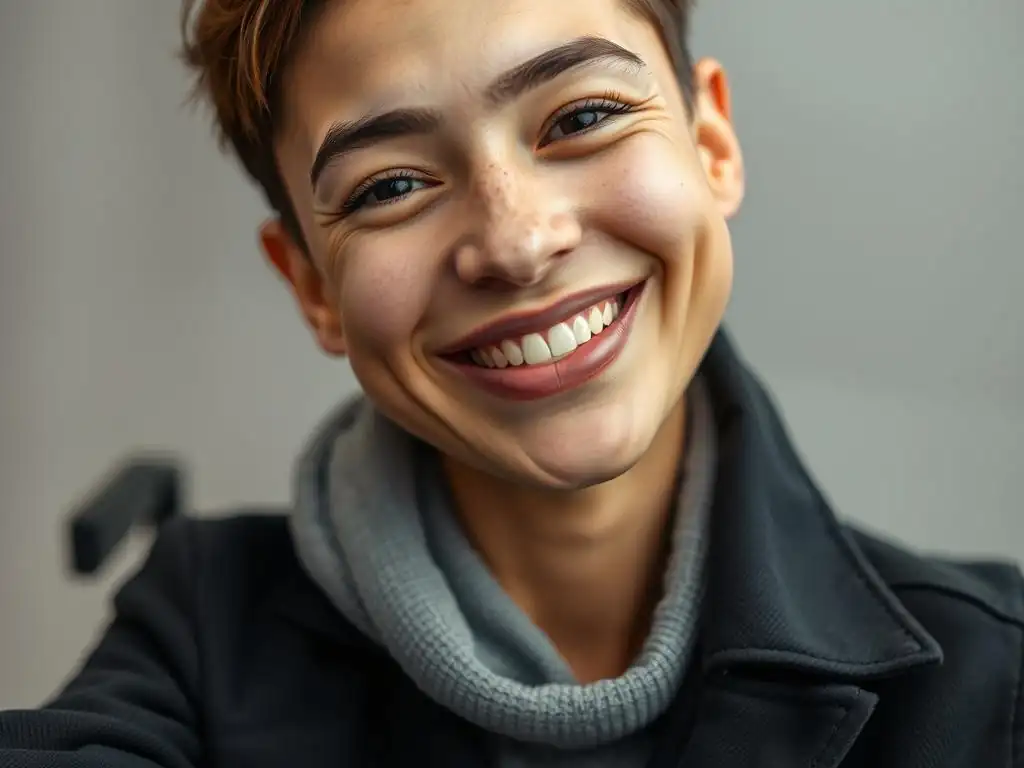
This section focuses on the crucial role of photography in your online dating profile, specifically for individuals with disabilities. Remember, your photos are often the first impression you make, so presenting yourself authentically and attractively is key to attracting potential matches who understand and appreciate you for who you are. High-quality, well-chosen photos can significantly increase your chances of connecting with someone special. This isn't about masking your disability; it's about showcasing your vibrant personality and unique strengths. Effective photography for online dating profiles requires careful consideration of several key factors, as detailed below.
Choosing the Right Photos: Showcasing Your Personality and Accessibility
Choosing the right photos is paramount. Avoid blurry, poorly lit, or awkwardly cropped images. Instead, opt for clear, well-lit photos that showcase your best features and personality. Think about what aspects of your life you want to highlight. Do you love hiking?
Include a photo of you enjoying a scenic trail. Are you a talented musician? Show off your instrument! These photos demonstrate your interests and hobbies, giving potential matches a glimpse into your life beyond your dating profile. Remember to include photos that subtly or naturally showcase aspects of your disability, if you are comfortable doing so.
This could be as simple as showing you using assistive technology or participating in an activity you enjoy, adapted for your needs. This demonstrates self-acceptance and confidence, which are incredibly attractive qualities. Diversity in your photos is key; don't just use selfies! Aim for a mix of solo shots, group photos with friends, and pictures that show you engaged in activities you love. This provides a more complete and engaging picture of who you are.
Capturing Your Best Self: Tips for Great Dating Profile Pictures
The goal is to present yourself in the best possible light, both literally and figuratively. Good lighting is essential; natural light is often the most flattering. Avoid harsh shadows and backlighting. Consider the background of your photos; keep it simple and uncluttered to avoid distracting from you. A clean, neutral backdrop works best. Dress comfortably and confidently in clothing that reflects your personality. Remember to smile!
A genuine smile is incredibly attractive and conveys warmth and approachability. Before posting, review your photos critically. Ask a trusted friend or family member for their honest opinion; a fresh perspective can be invaluable. Consider experimenting with different angles and poses to find what works best for you. Remember, authenticity shines through, so be yourself! Don't try to be someone you're not; embrace your unique qualities. Your confidence and genuine self will be far more attractive than any perfectly posed photograph.
Accessibility in Photos: Ensuring Inclusivity and Understanding
For individuals with disabilities, it's important to consider how your photos communicate your accessibility needs and preferences. This doesn't mean you need to explicitly label every aspect of your disability. Instead, focus on presenting a holistic picture of your life, including how you navigate your world.
For example, if you use a wheelchair, include photos that show you confidently moving around in your chair, engaged in activities you enjoy. If you have a visual impairment, you might include a photo with a guide dog or a description in your profile explaining your visual impairment and how it impacts your life. Remember, the goal is not to define yourself solely by your disability, but to show potential matches that you live a full and active life.
Transparency and honesty are key; be upfront about any accessibility considerations in your profile description, creating an environment of understanding and mutual respect from the start. The right photos, coupled with an honest and open profile, will help you connect with people who appreciate you for who you are. This approach will attract individuals who are genuinely interested in getting to know you and building a meaningful relationship.
Writing a Compelling Bio: Attracting Compatible Partners
Creating a dating profile that resonates with potential partners requires more than just a great photo. Your bio is your opportunity to showcase your personality, interests, and values – the essence of who you are. A compelling bio goes beyond simple statements; it paints a picture, sparking curiosity and encouraging connection. For individuals with disabilities, this is particularly important, as it allows you to control the narrative and present yourself authentically.
Remember, your bio is your first impression, so make it count! Effective bios are concise, engaging, and highlight what makes you unique. Think about what aspects of your personality you want to emphasize and how you can convey them in a way that is both informative and inviting. Avoid clichés and generic statements; instead, opt for specific details and anecdotes that illustrate your character.
For example, instead of saying "I love to travel," you could say, "My dream trip is to explore the ancient ruins of Machu Picchu, and I'm always up for an adventure!" This level of detail provides potential matches with something concrete to connect with and sparks conversation. The key is to be genuine and let your personality shine through. Authenticity is far more attractive than perfection.
Writing a Disability-Inclusive Bio: Sharing Your Story Authentically
When crafting your bio, consider how you want to address your disability. There's no single "right" way, and the level of detail you share is entirely your choice. Some individuals prefer to mention their disability upfront, while others choose to focus on their interests and personality first. The most crucial aspect is to be honest and comfortable with your disclosure. If you choose to mention your disability, do so in a positive and empowering way.
Focus on your strengths and how your disability has shaped your perspective. Avoid self-deprecating humor or language that might be perceived as seeking pity. For example, instead of saying, "I'm disabled, but I'm still a great guy," try something like, "Navigating life with [disability] has taught me resilience and a deep appreciation for the little things. I love [hobby] and am always looking for new adventures."
This approach emphasizes your positive qualities and resilience, showcasing your strength of character. Remember, you're not defining yourself by your disability; you're sharing a part of your life story. This allows potential matches to understand you better and appreciate your unique experiences. Authenticity breeds connection, so be true to yourself.
Beyond your disability, your bio should highlight the aspects of your life that are important to you. What are your passions? What are your values? What kind of relationship are you seeking? Addressing these questions will help you attract individuals who share your interests and values, increasing the likelihood of a successful connection.
For instance, if you're passionate about environmental conservation, mention it! If you value honesty and kindness above all else, let that shine through. If you're looking for a long-term relationship built on mutual respect and understanding, say so. This specificity helps filter out incompatible matches and attracts individuals who are genuinely aligned with your vision for a relationship. Consider using keywords related to your hobbies and interests.
For example, if you enjoy hiking, mention it! This helps potential matches find you more easily and sparks conversation. Remember, shared interests and values form the foundation of strong and lasting relationships. Highlighting these elements in your bio is crucial for attracting compatible partners. The more specific you are, the better.
Using Humor and Wit: Making Your Profile Engaging and Approachable
Injecting humor and wit into your bio can make it more engaging and approachable. A well-placed joke or witty observation can instantly capture attention and make you stand out from the crowd. However, it's important to ensure your humor is appropriate and aligns with your personality. Avoid offensive or insensitive jokes, especially those that could perpetuate harmful stereotypes.
Instead, use humor to showcase your personality and sense of self-awareness. A self-deprecating joke can be particularly effective, demonstrating your ability to laugh at yourself and your imperfections. For example, you could say something like, "I'm not always clumsy, but when I am, it's usually epic." This type of humor is relatable and disarming, making you seem more approachable and human.
Remember, humor is subjective, so choose jokes that you genuinely find funny and that reflect your personality. A genuine laugh is far more attractive than a forced one. The key is to be yourself, be authentic, and let your personality shine through. A little humor can go a long way in creating a positive and engaging profile.
Safety and Privacy: Protecting Yourself Online
Finding love online is exciting, but prioritizing your safety and privacy is paramount, especially when navigating the complexities of online dating as a person with a disability. This section offers practical advice to help you create a secure and positive online dating experience. Remember, your well-being is the top priority.
This advice applies regardless of the type of disability you may have, focusing on general online safety best practices tailored to the unique vulnerabilities that can exist in online dating. Successfully implementing these strategies will significantly increase your chances of a positive and safe online dating experience while finding genuine connections.
Online Dating Safety Tips for People with Disabilities: Prioritizing Your Well-being
Online dating presents unique challenges for everyone, but individuals with disabilities may face additional vulnerabilities. It's crucial to be proactive in protecting yourself. This involves more than just common sense; it requires a thoughtful approach to managing your online interactions.
First and foremost, never share personally identifying information too early in the process. This includes your full address, workplace, exact location, or the names and locations of family members. Wait until you've met someone in person and built a level of trust before disclosing such sensitive details. Consider using a separate email address specifically for online dating to maintain a level of privacy and control.
Secondly, be cautious about sharing photos. Avoid pictures that reveal too much about your daily routine or location. Avoid photos that explicitly show your home address or other easily identifiable landmarks. Think carefully about what information a picture might unintentionally convey.
Thirdly, always meet in a public place for the first date. Inform a trusted friend or family member about your plans, including the time, location, and the person you are meeting. Share their contact information with your trusted friend or family member as well. This extra precaution provides an added layer of safety and peace of mind.
Finally, trust your instincts. If something feels off or unsafe, don't hesitate to end the conversation or interaction. Remember, your safety and comfort are paramount. There are many other potential matches out there, and it's better to err on the side of caution.
Protecting Your Personal Information: Maintaining Privacy and Security
Protecting your personal information is critical in online dating. It's not just about preventing identity theft; it's about maintaining control over your personal narrative and ensuring a safe online experience. This includes being mindful of the information you share on your profile and in your communications.
Avoid using your full legal name on your dating profile. A nickname or variation of your name can offer a level of anonymity while still allowing potential matches to connect with you. Furthermore, be selective about the information you share in your profile description. Avoid mentioning overly specific details about your life that could be used to identify you or your location.
Use strong and unique passwords for all your online dating accounts and other related services. Avoid reusing passwords across multiple platforms. Consider using a password manager to help you generate and securely store strong, unique passwords for each account.
Regularly review your privacy settings on all dating platforms to ensure that you are only sharing the information that you are comfortable with. Understand the implications of each setting before adjusting them. Be aware of the platform's policies regarding data collection and usage.
Remember, being cautious and proactive about your safety and privacy is not about being distrustful; it's about being informed and empowered. By following these guidelines, you can create a more secure and positive online dating experience, increasing your chances of finding a meaningful connection.
Finding the Right Dating Platform: Choosing a Disability-Inclusive Community
Finding the right online dating platform is crucial for anyone, but especially for individuals with disabilities. Not all platforms are created equal when it comes to fostering inclusive environments and understanding. Choosing wisely can significantly increase your chances of connecting with someone who appreciates and respects your unique needs and experiences. This section will guide you through the process of identifying dating platforms that prioritize inclusivity and cater to diverse abilities. Remember, the goal is to find a space where you feel comfortable and confident expressing yourself authentically.
Researching Dating Apps and Websites: Finding the Best Fit for You
Before diving in, dedicate time to researching various dating apps and websites. Don't just rely on advertising; delve deeper. Look for platforms that explicitly mention inclusivity in their marketing materials or user agreements. Many general dating sites now offer options to specify accessibility needs or preferences in profiles, but some niche platforms are entirely dedicated to fostering connections within specific disability communities.
Consider these key factors during your research:
- User Reviews: Read reviews from users with disabilities. Look for comments regarding the platform's accessibility features, the community's overall attitude towards diversity, and the effectiveness of the site in facilitating meaningful connections. Pay attention to both positive and negative feedback to get a balanced perspective.
- Accessibility Features: Does the platform offer features like screen reader compatibility, keyboard navigation, alt text for images, and options for users with various forms of visual or auditory impairments? A truly inclusive platform prioritizes accessibility for all users.
- Community Guidelines: Review the platform's community guidelines. Do they explicitly prohibit discrimination based on disability? Are there mechanisms in place for reporting harassment or discrimination? Strong community guidelines are essential for creating a safe and welcoming environment.
- Profile Options: Does the platform allow for detailed profile descriptions that go beyond superficial information? Can you clearly and comfortably communicate your disability and its impact on your life, if you choose to do so? The ability to express yourself fully is vital.
Connecting with Disability-Specific Communities: Expanding Your Dating Pool
While many mainstream dating platforms are becoming more inclusive, connecting with disability-specific communities can offer unique advantages. These communities often provide a safe space where individuals can freely discuss their experiences, share common challenges, and connect with others who understand. This shared understanding can lead to more meaningful and empathetic relationships.
Several options exist for finding these communities:
- Dedicated Dating Apps and Websites: Several apps and websites cater specifically to individuals with disabilities. These platforms often have built-in features that facilitate communication and understanding. Researching and joining these can significantly increase your chances of finding someone who shares your experiences and perspectives.
- Online Forums and Support Groups: Numerous online forums and support groups provide a space for individuals with disabilities to connect and share experiences. While not strictly dating platforms, these communities can be excellent resources for meeting potential partners who share similar backgrounds and interests. Many individuals find love through friendships formed within these supportive communities.
- Social Media Groups: Facebook and other social media platforms host groups dedicated to various disabilities and related interests. These groups can be a great way to connect with like-minded individuals and expand your social circle, potentially leading to romantic connections.
Remember, building meaningful connections takes time and effort. Be patient, be yourself, and focus on finding a platform where you feel comfortable and respected. The right dating platform can be a powerful tool in your journey to finding understanding and love.
Managing Expectations and Rejection: Maintaining a Positive Outlook
Online dating, even for those without disabilities, involves a degree of rejection. It's crucial to approach the process with realistic expectations and a resilient mindset. For individuals with disabilities, navigating this aspect might require extra self-compassion and proactive strategies. Remember, your worth isn't determined by the number of matches or messages you receive. Focus on building a profile that authentically represents you, and let your personality shine through. The right people will appreciate you for who you are.
Dealing with Negative Interactions: Developing Resilience and Self-Compassion
Unfortunately, negative experiences can occur. Some individuals might react negatively to information about your disability in your profile, or they might make insensitive remarks during conversations. These interactions are not a reflection of your worth; they reflect their own biases and lack of understanding. Develop strategies for handling such situations. This might include:
- Blocking and reporting: Don't hesitate to block users who are disrespectful or harassing. Most dating platforms offer reporting mechanisms to help keep the community safe.
- Self-care: Prioritize self-care activities, such as spending time with loved ones, engaging in hobbies, or practicing mindfulness. These activities help you recharge and maintain a positive outlook.
- Seeking support: Connect with support groups or online communities specifically designed for individuals with disabilities navigating dating. Sharing experiences and receiving encouragement can be incredibly helpful.
- Reframing negative experiences: Try to view negative interactions as opportunities for growth and learning. They can help you refine your profile and communication style, ultimately leading to more positive connections.
Remember, your resilience is a strength. Don't let negative experiences define your online dating journey. Focus on the positive interactions and celebrate your progress. The journey might involve some bumps in the road, but the destination—finding a meaningful connection—is worth the effort.
Celebrating Your Successes: Focusing on Positive Experiences
While rejection is a part of online dating, it's equally important to acknowledge and celebrate your successes. Every positive interaction, every meaningful conversation, every connection made – these are all victories. Keep a journal or create a digital record to document these positive experiences. This can help boost your confidence and remind you of your progress.
Consider these ways to celebrate your successes:
- Acknowledge small wins: Did you get a compliment on your profile? Did you have a genuinely engaging conversation with someone? These are all achievements worthy of recognition.
- Treat yourself: Reward yourself for your efforts. This could be anything from a relaxing bath to a favorite meal – anything that makes you feel good.
- Share your successes: Talk to a trusted friend or family member about your positive experiences. Sharing your journey with others can provide support and encouragement.
By focusing on the positive aspects of your online dating experience, you'll build confidence and maintain a positive outlook, increasing your chances of finding a fulfilling and loving relationship. Remember, your journey is unique and valuable, and every step forward is a success. 🎉
Building Meaningful Connections: Moving Beyond the Profile
This section focuses on strategies to build genuine connections after creating a compelling dating profile. Remember, your profile is just the first step; genuine connection requires effort and authentic communication. Many individuals seeking "dating profile disability advice" often overlook this crucial post-profile stage. Let's explore how to cultivate meaningful interactions and build rapport with potential partners. The key is to be proactive, transparent, and respectful.
Communicating Effectively: Building Rapport and Trust
Effective communication is paramount in online dating, especially when navigating the complexities of disclosing a disability. Transparency is key, but it should be approached strategically. Avoid overwhelming potential matches with a lengthy explanation upfront. Instead, integrate relevant details naturally into the conversation. For example, if your disability affects your mobility, you might casually mention your love for accessible hiking trails or adaptive sports. This subtly introduces the topic without making it the sole focus of your interaction.
Remember, building trust takes time. Be patient and understanding. Not everyone will immediately grasp the nuances of your experience, and that's okay. Focus on shared interests and values, allowing your personality to shine through. Authenticity is more attractive than perfection. Engage in active listening and show genuine interest in your match's life. Ask open-ended questions and respond thoughtfully to their answers. This demonstrates respect and fosters a sense of connection.
Here are some tips for effective communication:
- Be upfront, but choose your moment: Don't feel pressured to disclose everything immediately. Let the conversation flow naturally, and find an organic opportunity to share relevant information.
- Use humor when appropriate: Humor can be a great icebreaker and help to diffuse any awkwardness.
- Be direct, but kind: If someone asks a question you're uncomfortable answering, politely redirect the conversation.
- Don't be afraid to ask for clarification: If you're unsure about something, it's perfectly acceptable to ask for clarification.
- Focus on your strengths and passions: Highlight the aspects of your life that bring you joy and fulfillment. This will help to create a positive and engaging interaction.
Developing Healthy Relationships: Cultivating Lasting Connections
Building a healthy relationship requires ongoing effort and commitment from both individuals. Once you've established a connection with someone, it's important to nurture that connection through consistent communication and shared experiences. This applies equally to those seeking "dating profile disability advice" and those who don't. Remember that healthy relationships are built on mutual respect, trust, and understanding.
Consider these points for cultivating lasting connections:
- Open and honest communication: Continue to communicate openly and honestly about your feelings, needs, and experiences. This fosters intimacy and strengthens the bond between you and your partner.
- Shared activities and interests: Engage in activities that you both enjoy. This helps to build a shared history and creates positive memories.
- Mutual support and understanding: Offer each other support and understanding during challenging times. This shows that you value the relationship and are committed to making it work.
- Respect for boundaries: Respect each other's boundaries and personal space. This is essential for maintaining a healthy and balanced relationship.
- Regular check-ins: Regularly check in with each other to ensure that you're both happy and fulfilled in the relationship. This can be as simple as a quick text message or a longer conversation.
Remember, finding love and building meaningful relationships is a journey, not a destination. Be patient, be yourself, and celebrate the progress you make along the way. The right person will appreciate you for who you are, disability and all. 🥂
Frequently Asked Questions
How can I mention my disability on my dating profile without feeling vulnerable?
Focus on how your disability shapes your life positively, showcasing your strengths and resilience. You can mention your interests and activities, highlighting your independence and adaptability. Don't dwell on limitations.
What if potential matches are uncomfortable with my disability?
It's important to remember that not everyone will be a match, and that's okay. Focus on attracting people who appreciate your authenticity and are open-minded. Respect their responses and move on.
Should I include photos that show my disability?
Consider including natural photos that reflect your daily life. This allows potential matches to see you as you are and fosters genuine connection. Authenticity is key.
How can I write a profile that attracts understanding and empathy?
Highlight your personality, passions, and values, rather than solely focusing on your disability. Use positive language and showcase your unique qualities. Emphasize your independence and what you're looking for in a partner.
Instead of directly addressing your disability, try sharing a positive experience or asking about their interests. Let the conversation flow naturally, and the topic may arise organically later on. Focus on building genuine connection.
Final Reflection: Finding Love, Embracing Authenticity
The quest for meaningful connection transcends physical limitations; authenticity and self-acceptance are the most powerful dating profile magnets. In a world increasingly focused on visual perfection, it's crucial to remember that genuine connection stems from shared values, empathy, and understanding. This article aimed to empower individuals with disabilities to craft dating profiles that reflect their unique strengths and personalities, attracting partners who value them for who they truly are.
Creating a dating profile that honestly represents your lived experience as a person with a disability is a powerful act of self-love and empowerment. It's about reclaiming the narrative and refusing to let societal biases dictate your self-worth. This journey of self-discovery and representation is ongoing, constantly evolving as we challenge preconceived notions and celebrate the beauty of diversity. The most beautiful people we have known are those who have known defeat, known suffering, known struggle, known loss, and have found their way out of the depths.
– Elisabeth Kübler-Ross. This quote resonates deeply, highlighting the resilience and strength inherent in navigating life's challenges, qualities that make for rich and fulfilling relationships.
Now, consider your own dating profile. Does it truly reflect the vibrant, multifaceted person you are? Are you showcasing your strengths, your passions, and your unique perspective? Take the time to craft a profile that speaks to your heart, that attracts individuals who appreciate your authenticity and embrace your whole self. Don't be afraid to be vulnerable, to be honest, to be you. The right person will see beyond any perceived limitations and will cherish the incredible person you are.
Unleash Your Authentic Charm: Craft a Profile That Shines
Thank you for exploring how to create a dating profile that truly reflects your unique personality and strengths! We hope you've gained valuable insights to help you connect with someone who appreciates and understands you. Now, let's put those insights into action:
- Craft a compelling profile: Rewrite your profile, focusing on your passions and what makes you special. Highlight your strengths, and clearly and confidently express your needs and desires.
- Share your story: Share your experiences—not just as someone with a disability, but as a whole person with a unique and compelling life story. This will foster deeper connections.
- Join our community: Share your updated profile and connect with others who share similar experiences in our online forum. Let's learn and grow together! [Link to forum would be here]
Ready to attract someone who values you for who you are? What's the first change you'll make to your profile today?