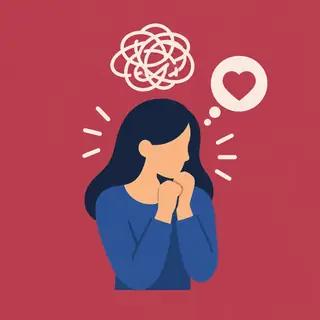
Seeking Professional Help for Dating Anxiety: Your Path to Confident Connections
If dating anxiety feels overwhelming—triggering racing thoughts, avoidance, or physical symptoms like sweating and nausea—you don’t have to face it alone. Seeking professional help for dating anxiety is a powerful, evidence-based step toward rewiring your nervous system and building lasting confidence. At OnlineDatingSuccess.org, we guide you through therapy options, coaching programs, and self-help tools tailored to online and offline dating scenarios. Whether you’re battling fear of rejection, social anxiety, or past relationship trauma, professional support can transform your dating experience from dread to excitement. This subcategory unpacks how to choose the right expert, what to expect in sessions, and how to integrate professional insights into your daily dating routine.
🔍 Types of Professionals Who Specialize in Dating Anxiety
Not all mental health experts are created equal when it comes to dating anxiety. Licensed therapists (LCSW, LMFT, or PsyD) offer deep-rooted cognitive behavioral therapy (CBT) or exposure therapy, ideal for chronic anxiety patterns. Certified dating coaches focus on practical skills like conversation starters, profile optimization, and approach strategies—great for situational nerves. Meanwhile, psychiatrists can prescribe short-term anti-anxiety medication if symptoms are severe. You’ll also find specialized anxiety counselors who blend mindfulness with attachment theory. Before booking, verify credentials, read reviews specifically about dating-related issues, and ask about their experience with online dating platforms. Matching your specific needs—whether it’s fear of judgment or lack of assertiveness—ensures you get targeted, actionable help rather than generic advice.
For many, the best approach combines a therapist for emotional healing and a coach for tactical dating skills. For instance, a therapist can help you unpack why you panic before a first date from a previous toxic relationship, while a coach teaches you to craft a funny opening message on Hinge. Many professionals now offer virtual sessions, making it easier to fit help into busy schedules. Look for providers who mention “dating anxiety” or “social anxiety” prominently in their bios—that signals tailored expertise. Don’t hesitate to schedule initial consultations with two or three candidates; this helps you compare rapport, methodology, and pricing before committing.
🧠 What to Expect in Therapy or Coaching Sessions
Your first session typically involves an assessment: the therapist or coach will ask about your dating history, anxiety triggers, and goals (e.g., “go on two dates per month without panic”). From there, you’ll collaboratively create a plan. Cognitive Behavioral Therapy (CBT) helps you identify negative thought patterns like “I’m boring” or “They’ll reject me,” replacing them with balanced, realistic reframes. Exposure therapy gradually introduces anxiety-inducing scenarios—starting with writing a profile, then messaging someone, then a low-pressure coffee date. Coaches often assign homework, such as recording yourself practicing a conversation or swiping with a timer to reduce overthinking. Most sessions last 50–60 minutes, with weekly or biweekly frequency; some clients see progress in 6–12 sessions, while deeper traumas may require longer support.
You’ll leave each session with concrete coping tools, like box breathing for pre-date jitters or a “rejection script” to reframe a non-response. Many professionals also use role-playing exercises to simulate first-date conversations, helping you think on your feet. Importantly, you’ll learn to separate anxiety from intuition—just because you feel nervous doesn’t mean there’s danger. As you practice these skills, your brain forms new neural pathways, reducing amygdala overactivation. Real-world tasks like scheduling one date per week become part of your growth plan. Tracking your progress in a journal—noting panic levels from 1–10 before and after—reinforces wins and highlights areas needing more work.
💡 How to Choose Between Therapy, Coaching, or Self-Help
Deciding where to invest your time and money depends on severity and budget. If anxiety causes you to cancel dates or feel paralyzed for days, therapy is non-negotiable—it addresses underlying issues like generalized anxiety disorder or past rejection trauma. Coaching suits those who can function but lack confidence or strategy; it’s action-oriented and often less expensive. Self-help—books, apps, and online courses—works as a supplement or first step, but lacks personalized feedback. Hybrid models (e.g., a therapist + a group workshop) offer balanced support. Ask professionals about their cancellation policies and whether they accept insurance; many coaches offer sliding scales. Also, check if they provide email support between sessions, which is helpful for high-anxiety moments before a date.
To make the right choice, list your top three dating fears—say, messaging first, physical intimacy, or rejection. If these fears stem from childhood neglect, therapy is best. If they stem from inexperience or poor dating app etiquette, a coach can directly fix that. Some people start with a self-assessment quiz like the Social Interaction Anxiety Scale (SIAS) to gauge severity. Remember, professional help is an investment in your relational health, not a failure. Many online dating success stories begin with a single therapy session that breaks a cycle of avoidance. Even one or two sessions can provide a roadmap, and you can continue independently while revisiting the professional after major milestones.
📱 Integrating Professional Strategies into Online Dating Apps
Once you have expert guidance, apply it directly to platforms like Tinder, Bumble, or Match. Therapists often recommend time-boxing app usage, say 15 minutes daily, to prevent obsessive swiping that spikes anxiety. Coaches may advise writing a profile that highlights conversational hooks—like “Ask me about my kayaking mishap”—to make opening messages easier. Use pre-scripted icebreakers from your sessions to reduce decision paralysis. For example, instead of “Hey,” try “Your hiking photo is great—what’s the most scenic trail you’ve done?” Professional advice often includes mirroring your date’s energy, so don’t overthink response timing. Some experts suggest practicing mindful swiping: only message matches you genuinely feel excited about, not out of obligation.
Track what works by noting which strategies reduce your peak anxiety before hitting “send.” If a coach taught you the “rejection reframe,” write a sticky note next to your laptop: “A no is just a redirection.” For app-induced rumination, set a rule: after two back-and-forth messages, suggest a video call to move things forward—reducing the pressure of indefinite texting. Professionals often emphasize quality over quantity; it’s better to have four deep conversations than twenty shallow ones. Apply exposure steps: first, upload a profile photo you feel proud of, then like someone outside your “type,” and eventually accept a low-stakes virtual date. Each step desensitizes your nervous system, building resilience that carries into in-person meetings.
❤️ Overcoming Stigma and Prioritizing Your Mental Health
Many people hesitate to seek professional help due to shame—“I should handle this myself” or “Therapy is for broken people.” But dating anxiety is a common, treatable condition, not a character flaw. Normalizing help-seeking is a form of self-respect. Just as you’d hire a personal trainer for fitness, you can hire a dating anxiety specialist for relational fitness. Reputable professionals maintain confidentiality, so no one knows you’re in sessions unless you tell them. Some clients fear that being in therapy makes them “too needy” for a partner—the opposite is true; addressing anxiety shows emotional maturity. OnlineDatingSuccess.org encourages viewing this as a proactive, empowering adventure. You’re not seeking a quick fix but building lifelong confidence that benefits every interaction, from dates to friendships.
To reduce stigma, talk openly with trusted friends—you might find others share the same struggles. Many professionals now offer group therapy specifically for dating anxiety, where you can practice social skills in a safe, judgment-free setting. This also combats loneliness, a common driver of anxiety. If cost is a concern, look for university training clinics or online platforms like BetterHelp with financial aid. Remember, investing in mental health has a ripple effect: reduced panic, better communication, and more authentic connections. As you progress, you’ll become an advocate for your own well-being, modeling for future partners that seeking help is a strength. The stigma begins to dissolve when you realize anxiety doesn’t define who you are or your capacity for love.
Frequently Asked Questions
How many therapy sessions do I need for dating anxiety?
Most people notice improvement in 6–12 weekly sessions, though this varies. CBT-based treatments often show results within 8–10 sessions, while deeper trauma may require 20+. Many therapists also provide “stepping-down” plans, where you reduce frequency to monthly check-ins. Consistency matters more than duration—practice homework and real-world dates accelerate progress.
Can a dating coach replace a therapist for anxiety?
Not if you have clinical anxiety or panic attacks. Coaches offer practical skills but aren’t trained to treat mental health disorders. For mild to moderate situational anxiety, a coach can be effective. However, if you experience avoidance, depression, or flashbacks, see a licensed therapist first, then consider adding a coach for strategy.
What if I can’t afford professional help?
Explore sliding-scale therapists at community clinics, online platforms with low-cost tiers (e.g., Open Path Collective), or employee assistance programs (EAP) offering free short-term sessions. Free support groups via NAMI or anxiety-focused nonprofits also provide guidance. Self-help workbooks like “The Shyness and Social Anxiety Workbook” are affordable supplements.
Will my therapist judge me for using dating apps?
No—modern therapists are well-versed in online dating’s upsides and challenges. Many even specialize in digital-age relationships. They understand apps can trigger anxiety and will work with you, not against them. You can openly discuss swipe fatigue, ghosting, or profile perfectionism without fear of shame.
How do I know if professional help is actually working?
You’ll notice concrete shifts within 4–6 weeks: fewer panic symptoms before messages, ability to go on dates without cancelling, and using coping tools like deep breathing. Track your anxiety scores and date-attempt frequency weekly. Also, you’ll feel less isolated—more empowered to initiate conversations and recover from rejections faster.