The "I'm So Unique" Claim: Recognizing a Lack of Authenticity Online
🤔 Tired of online dating disappointments? Learn to spot fake dating profiles by recognizing the "I'm so unique" red flag. Authenticity is…
Read article
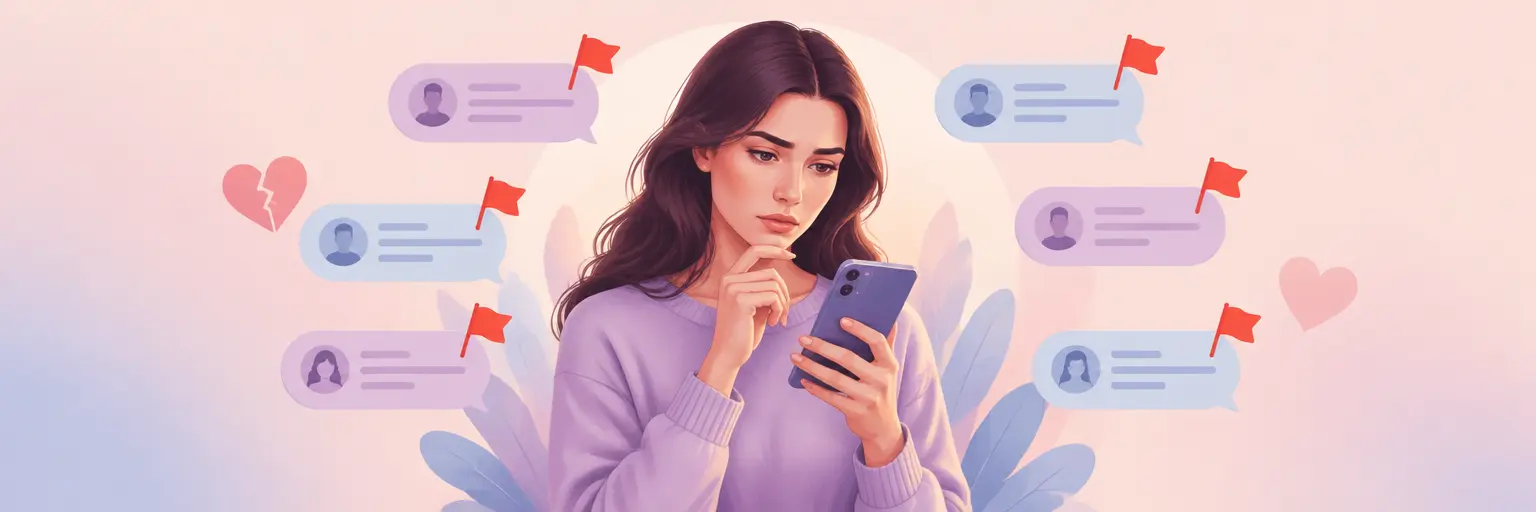
Spotting the warning signs early can save you time, heartache, and even your safety. In the fast-paced world of online dating, communication is your first window into a person’s true intentions—and knowing which phrases, behaviors, or response patterns are red flags is essential for any savvy dater. From love-bombing and excessive flattery to vague answers, disappearing acts, or pushy requests for personal details, these digital cues often reveal deeper incompatibilities or even manipulative tendencies. At OnlineDatingSuccess.org, we equip you with the practical communication strategies to filter out dishonesty, set firm boundaries, and recognize when a promising match is actually a potential problem. Learn how to read between the lines, ask the right follow-up questions, and trust your instincts—so you can focus your energy on genuine, respectful connections that lead to meaningful relationships. Whether you’re new to the app scene or a seasoned pro, mastering these red-flag detectors will transform your online dating experience from stressful to successful. 🚩💬

🤔 Tired of online dating disappointments? Learn to spot fake dating profiles by recognizing the "I'm so unique" red flag. Authenticity is…
Read article
🤔 Tired of endless cancellations and flaky matches? Learn to spot online dating avoidance excuses—from "busy schedules" to "tech issues"—and confidently navigate…
Read article
😊 Learn to spot fake online dating compliments! This excerpt reveals how to identify insincere flattery in online dating profiles and messages,…
Read article
🤔 Learn to identify manipulative tactics in online dating. This excerpt explores subtle signs of control in online messages, helping you navigate…
Read article
🤔 Unresponsive matches? Learn what online dating ignored messages mean and discover crucial red flags to avoid wasted time and potential heartbreak.…
Read article
🤔 Navigating online dating requires recognizing inappropriate advances. This article helps you identify and address overly sexual messages, empowering you to create…
Read article
🤔 Avoid online dating red flags in messaging by spotting "too serious too soon" signals. Overly intense or possessive early communication can…
Read article
🤔 Decoding the frustrating dance of online dating inconsistent communication is key. Learn to identify inconsistent messaging patterns, understand their potential causes,…
Read article
🤔 Protecting your privacy is crucial for online dating safety. This article reveals the secrets online daters use to avoid oversharing personal…
Read article
🤔 Is your online dating profile attracting the wrong kind of attention? Learn to spot unserious daters using our expert tips on…
Read article
🤔 Tired of dating someone who always seems "busy"? Learn to identify avoid commitment dating red flags like inconsistent communication, vague future…
Read article
🤔 Dwelling on past relationships in your online dating profile screams baggage. Constant negativity about exes is a major online dating ex…
Read articleWhen you’re exploring the world of online dating, effective communication is the bridge between a promising profile and a real-life connection. However, not all conversations are created equal. This subcategory, Online Dating Communication Red Flags, is your essential guide to recognizing warning signs early in your digital interactions—from evasive answers and excessive flattery to pressure tactics and inconsistent stories. By learning to identify these cues, you protect your emotional well-being, avoid toxic matches, and save time for genuinely compatible partners. Here, we break down the most common and critical red flags, empowering you to communicate with confidence and clarity.
One of the first red flags in online dating communication is when a match pushes for personal details, your phone number, or an in-person meeting before you feel comfortable. Aggressive messaging often includes repeated demands, guilt-tripping, or ignoring your boundaries. This behavior signals a lack of respect for your pace and consent, which can escalate to manipulative or controlling patterns offline. Recognizing this early helps you avoid unnecessary stress and potential safety risks. Trust your instincts—if a conversation feels rushed or pressuring, it’s a clear sign to slow down or disengage. Healthy communication thrives on mutual patience and comfort.
Additionally, aggressive messaging can manifest as excessive follow-ups when you don’t reply immediately. While occasional enthusiasm is normal, constant pinging with “Are you there?” or “Why aren’t you answering?” suggests insecurity or possessiveness. This behavior often stems from a desire for control rather than genuine interest. When you spot this pattern, it’s wise to set firm boundaries or politely end the conversation. Remember, a respectful match will value your time and autonomy. By identifying pushy communication early, you protect your emotional energy and filter out individuals who aren’t aligned with healthy relationship dynamics.
Another common red flag is when your match provides vague, contradictory, or evasive responses about their life, job, or intentions. For example, they might dodge questions about their daily routine or give different answers about their hobbies across chats. This inconsistency often indicates dishonesty or hidden agendas, such as catfishing, married individuals, or those seeking validation rather than connection. Pay attention to details—if their stories shift, or they refuse to answer simple questions, it’s a warning sign that they may not be forthcoming. Trustworthy communication requires transparency and alignment between words and actions.
Vague answers also appear when someone avoids discussing future plans, such as meeting in a public place or video calling. They might say, “Let’s see how things go,” or deflect with humor whenever you ask about logistics. This evasiveness can be a tactic to keep you hooked without any commitment. Over time, it leads to frustration and wasted emotional investment. To protect yourself, ask clarifying questions and observe if they answer directly. If you notice a pattern of vagueness, it’s best to move on rather than chase clarity. Honest matches welcome straightforward conversations and show consistency in what they share.
Love bombing—overwhelming you with compliments, declarations of affection, or future fantasies within days—is a classic online dating red flag. While initial excitement is normal, an avalanche of “You’re my soulmate” or “I’ve never felt this way before” shortly after matching is often a manipulative strategy to build rapid emotional dependency. This tactic can make you feel special but blinds you to potential flaws or red flags. Genuine connections develop gradually, allowing trust to be earned. If someone rushes intimacy through words alone, be cautious; they may be seeking control or validation rather than a real partnership. Healthy love respects time and boundaries.
Excessive flattery often comes with an ulterior motive, such as pushing for financial help, intimate photos, or a fast meeting. The flattery is designed to lower your defenses, making you more likely to comply with their requests. You might notice they praise your looks, intelligence, or compatibility excessively, even without knowing you deeply. This behavior is a red flag because it’s disproportionate to your actual connection. To guard yourself, keep conversations grounded in factual questions about each other’s lives. If the praise feels overwhelming, step back and ask, “Why is this person idealizing me so quickly?” A balanced match will appreciate you as a whole person, not just a fantasy object.
Communication red flags also include subtle or overt disrespect, such as mocking your interests, making rude jokes about your appearance, or criticizing your lifestyle choices. These comments, even if disguised as humor, indicate a lack of fundamental respect. In online dating, respectful banter is fine, but constant negativity or belittling signals an unhealthy interaction style. This behavior can erode your self-esteem and set a precedent for future mistreatment. It’s crucial to recognize that you deserve kindness and courtesy in every conversation. If a match makes you feel small, that’s a prime reason to unmatch or block them immediately. Your emotional safety takes priority over politeness.
Derogatory comments may also target your gender, race, or background, which is never acceptable regardless of context. Such statements are instant disqualifiers because they reveal deep-seated biases and a lack of emotional intelligence. Additionally, watch for backhanded compliments like “You’re pretty for your age” or “You’re smarter than most people on this app.” These undermine your confidence while feigning praise. When you encounter disrespect, it’s best to document the conversation and end contact. Remember that online dating should feel uplifting, not degrading. By filtering out negativity early, you create space for kind and supportive matches who treat you with dignity.
Another significant red flag is when someone insists on moving the conversation to WhatsApp, Snapchat, or a phone call within the first few messages, especially before establishing basic trust. While transitioning off the dating app is natural, doing so prematurely can expose you to a lack of accountability and facilitate harassment or phishing. Scammers often use off-platform contact to avoid detection by dating site moderators. They may pressure you with excuses like “I hate this app” or “I want to hear your voice.” Recognize this as a sign that they might have something to hide. A respectful match will be willing to build rapport on the platform first and agree to a timeframe that feels safe for you.
Moreover, demanding off-platform contact is often a precursor to requesting sensitive information or photos that you wouldn’t normally share. They might use the shift to send unsolicited explicit messages or attempt to persuade you into intimate exchanges. This is a violation of consent and a classic grooming tactic. To stay safe, set a strict rule: only share contact details after several meaningful conversations and a video call. If someone becomes angry or pushy when you decline, that’s a clear red flag. Your comfort and privacy are non-negotiable. Trustworthy individuals will respect your boundaries without coercion, proving their intentions are genuine.
Gaslighting in online dating communication occurs when a match denies their own words, twists your statements, or makes you question your memory or feelings. For example, they might say, “I never said that, you must be misreading,” after an obvious contradictory statement. This manipulation erodes your confidence and makes you more dependent on them for validation. Early on, you might notice subtle blame-shifting, where they accuse you of being “too sensitive” when you address a valid concern. This red flag signals a toxic dynamic that can lead to emotional abuse. Acknowledge that healthy communication involves owning mistakes, not deflecting blame onto you.
Emotional manipulation also appears through guilt-tripping or playing the victim. They might say, “If you really liked me, you’d reply faster,” or “I’m struggling, but your needs are more important.” This tactic makes you feel responsible for their happiness, forcing you to overcompensate. Over time, you may feel drained or anxious about their reactions. If you notice these patterns, trust your gut and consider ending the conversation. Genuine partners encourage open dialogue, not psychological games. By recognizing gaslighting and manipulation early, you safeguard your mental health and avoid falling into a cycle of self-doubt. Prioritize matches who communicate with clarity and accountability.
Trust your instinct and prioritize your safety. Politely but firmly state your boundaries, then disengage if the behavior persists. You can also block and report the user on the dating platform. Your well-being outweighs the need for politeness.
No. Genuine compliments are specific, measured, and based on real conversation. Love bombing involves excessive, vague, or premature praise aimed at creating dependency. Watch for intensity and speed—not every compliment is a red flag.
There’s no universal timeline, but a safe guideline is to have multiple text conversations and at least one video chat before sharing your phone number. Insist on your comfort level; a trustworthy match will respect your pace.
Shyness may affect communication style, but shy people still answer direct questions with coherent, consistent details. Vague answers that avoid specifics and change over time indicate dishonesty or hidden agendas, not mere shyness.
Bring it up calmly and directly, using “I” statements, such as “I feel uncomfortable when our plans stay unclear.” Observe their response—an apologetic and clear answer is positive; defensiveness or blame-shifting is a major red flag.