Introvert-Extrovert Compatibility in Online Dating: Finding Your Perfect Balance
In the diverse world of online dating, the dynamic between introverts and extroverts can be both a challenge and a beautiful opportunity. Understanding how these personality types interact—from initial messaging to long-term relationships—is crucial for building meaningful connections. This subcategory explores practical strategies, psychological insights, and real-world advice to help you navigate the nuances of introvert-extrovert compatibility, ensuring your profile attracts the right match and your conversations lead to genuine chemistry.
🔄 Decoding the Personality Spectrum: More Than Just Labels
When you dive into introvert-extrovert compatibility, you must first recognize that these are not binary categories but a spectrum. An introvert might enjoy socializing in small doses, while an extrovert may seek quiet reflection at times. Your online dating success hinges on understanding your own baseline energy needs and how they interact with a potential partner’s. Use personality quizzes (like the Myers-Briggs) as a starting point, but don’t let them define your interactions. Instead, focus on behavioral cues in profiles—such as activity preferences or communication styles—to gauge compatibility beyond the introvert/extrovert label.
For introverts, this means embracing your thoughtful nature as an asset, not a flaw. For extroverts, it’s about respecting boundaries and learning to listen more than you speak. Online dating platforms offer a low-pressure environment to test these dynamics: you can observe how someone responds to your messages, whether they initiate conversations, or how they describe their ideal weekend. By recognizing that compatibility is fluid, you avoid pigeonholing yourself or others, opening the door to surprising and rewarding matches that blend different energy types harmoniously.
💬 Communication Styles: Bridging the Messaging Gap
Effective communication is the bedrock of introvert-extrovert compatibility, especially in the early stages of online dating. Introverts often prefer deeper, slower-paced conversations that allow for thoughtful replies, while extroverts thrive on frequent, lively exchanges. Your profile bio and initial messages should reflect this awareness—an extrovert can tone down excessive enthusiasm to avoid overwhelming an introverted match, while an introvert can make a conscious effort to ask open-ended questions that invite more expressive responses. This balance fosters mutual respect and prevents misinterpretation of silence as disinterest.
Moreover, recognize that video calls and voice notes serve as intermediate steps between texting and in-person meetings. A well-timed video date can bridge the gap, letting an extrovert show their energetic side and an introvert feel safe in a controlled environment. Use these tools to discuss preferences for future communication—whether it’s daily check-ins or deeper weekend conversations. By explicitly agreeing on your preferred interaction frequency, you create a sustainable rhythm that honors both personalities, reducing anxiety and building trust from the very first “hello.”
🎯 Profile Optimization: Attracting Your Perfect Counterpart
Your dating profile is your digital handshake, and for introvert-extrovert compatibility, it must clearly signal your energy type. An introvert should highlight interests that showcase depth—like reading, hiking, or creative hobbies—while an extrovert might emphasize social adventures, group activities, or a love for spontaneity. Use specific examples in your bio, such as “I enjoy quiet coffee dates where we can talk for hours” versus “I’m always up for a last-minute road trip with friends.” This clarity helps algorithms and human viewers alike to self-select, drawing in matches who appreciate your natural rhythm rather than trying to change it.
Additionally, photos play a pivotal role in conveying your social energy. Introverts should avoid overly crowded group shots that obscure your individuality; instead, choose one-on-one or solo images that show you in your element. Extroverts can include action shots from parties or travel, but ensure at least one calm, smiling photo to signal approachability. Remember, the goal is not to suppress your personality but to present it authentically. This transparency reduces wasted chats and increases the likelihood of attracting someone who finds your introversion or extroversion genuinely attractive, setting the stage for a balanced partnership.
🌟 Navigating First Dates: Planning for Both Comfort Zones
When an introvert and extrovert meet for the first time, the choice of venue can make or break the experience. For introvert-extrovert compatibility, prioritize settings that allow for both interaction and downtime—like a quiet café with outdoor seating, a museum with wandering space, or a walk in a park. These environments let an introvert feel less pressure to perform, while an extrovert can still engage with the world around them. During the date, practice active listening: introverts should share their inner world, and extroverts should consciously create pauses for their partner to speak without interruption.
Preparation also matters. Extroverts should plan a few conversational topics in advance to avoid dominating the dialogue, while introverts can prepare a small list of questions to keep the flow going when nerves strike. It’s helpful to agree on a time limit for the first meeting—perhaps 90 minutes—so that both parties know there’s an exit strategy if energy levels wane. After the date, follow up within 24 hours with a message that acknowledges your enjoyment and gently asks about the other person’s experience. This respectful debrief builds a foundation of emotional safety, essential for turning a first date into a promising connection.
🛠️ Building Long-Term Harmony: Habits and Boundaries
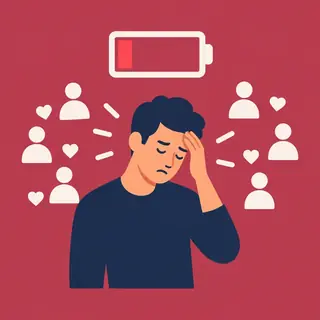
Sustaining an introvert-extrovert relationship beyond the initial spark requires intentional habits that honor both worlds. Establishing “alone time” rituals is vital—an introvert may need an hour to decompress after social events, while an extrovert might require regular social outings to recharge. Create a shared calendar that includes both quiet nights in and lively gatherings, ensuring neither partner feels deprived. Openly discuss your social batteries: use a simple scale of 1-10 to communicate your energy levels before committing to plans, reducing resentment and fostering empathy.
Boundaries are equally crucial. Extroverts should resist pushing their introverted partner into larger social circles, while introverts must avoid isolating an extrovert from their social network. Compromise might involve attending half of a party or alternating who chooses weekend activities. Regularly schedule “relationship check-ins” to address imbalances before they fester. With practice, your differences become complementary—the introvert brings depth and reflection, the extrovert adds spontaneity and connection. This synergy not only strengthens your bond but also models a healthy, adaptive partnership for others in online dating communities.
Frequently Asked Questions
Can introverts and extroverts truly be compatible in online dating?
Yes, absolutely. Compatibility is less about matching personality types and more about mutual respect, communication, and willingness to adapt. Many successful relationships thrive on the balance between introverts’ depth and extroverts’ social energy. The key is openly discussing your needs and creating routines that support both, such as scheduling downtime and social activities together.
Should I put “introvert” or “extrovert” in my dating profile?
It’s wise to subtly indicate this trait—not as a label, but through interests and activity descriptions. For example, write “I enjoy intimate dinners and deep conversations” (introvert) or “I love group hikes and spontaneous hangouts” (extrovert). This attracts like-minded users without limiting your matches, and it sparks authentic conversations about your social preferences.
How do I handle the silence when an introvert doesn’t reply quickly?
Understand that introverts often need time to craft thoughtful responses, not silence as rejection. If you’re an extrovert, avoid sending multiple follow-ups; instead, wait 24-48 hours before a gentle nudge. If the pattern persists, ask politely about their preferred communication speed. Mutual patience turns this potential friction into a respectful communication style.
What are the best first date ideas for an introvert-extrovert pair?
Choose an activity that allows for conversation but also has a natural break, like visiting an art exhibit, walking a botanical garden, or trying a coffee tasting. These environments calm introverts with low sensory overload while letting extroverts engage with a new setting. Avoid loud bars or crowded restaurants, which can overwhelm introverts and make connection harder.
How can we resolve conflicts about socializing frequency?
Create a compromise by designating “social energy budgets.” For instance, agree that each partner can attend a certain number of solo social events per month, and plan shared events that balance both needs—like a small dinner party where introverts can step away. Use regular check-ins to adjust the plan, and always validate each other’s need for recharge rather than labeling it as clingy or distant.