How to Identify Attachment Styles in Online Profiles
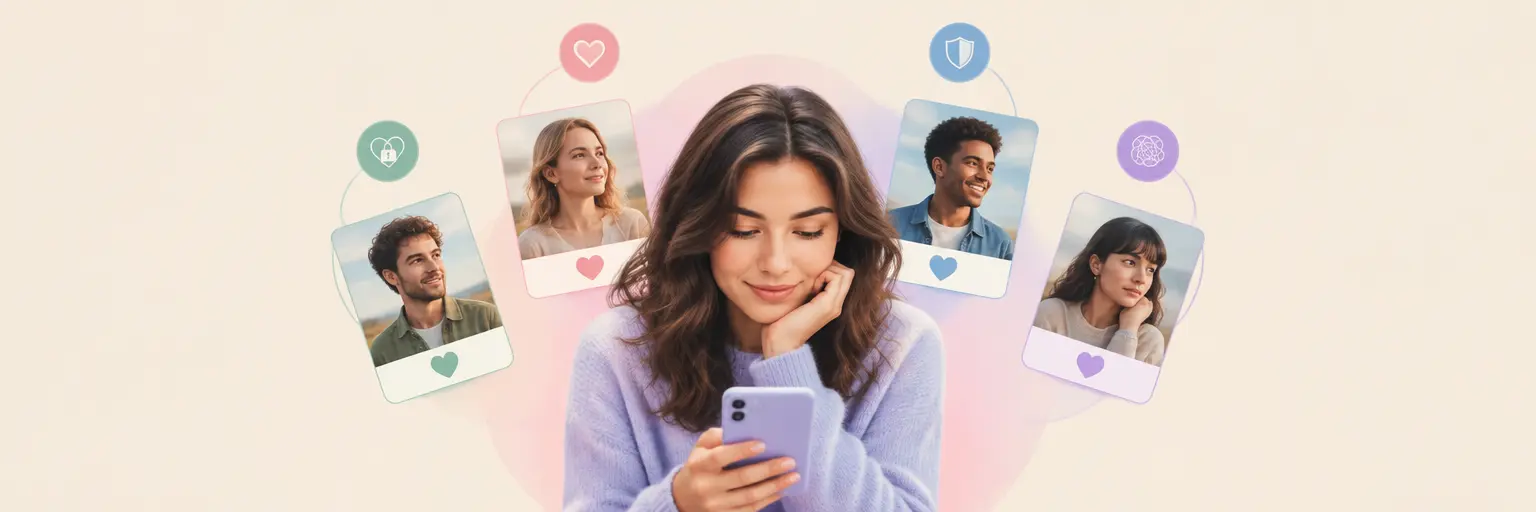
When you swipe through dating apps, every bio, photo, and prompt response is a tiny window into a person’s emotional blueprint. Learning how to identify attachment styles in online profiles can transform your dating experience—helping you spot secure partners, avoid anxious-avoidant traps, and build healthier connections from the first message. This guide breaks down the subtle signals hidden in profile language, photo choices, and communication patterns, so you can date with clarity and intention.
📝 Bio Language: The Direct Clues
Attachment style leaks through the words people choose. A secure individual often writes bios that are warm, balanced, and specific—“Love hiking, Sunday brunches, and deep conversations about travel.” They mention hobbies without exaggeration and show comfort with both independence and closeness. Anxious profiles tend to over-explain, seek validation (“Looking for my missing puzzle piece”), or use hesitant phrases like “maybe” or “hopefully.” Avoidant profiles often employ sarcasm, dismissive humor (“Here for a good time, not a long time”), or emphasize extreme independence (“Don’t need anyone, but you can try”).
Look for emotional tone rather than just content. Secure profiles feel grounded; they don’t need to prove anything. Anxious bios often include excessive emojis or exclamation marks to appear extra friendly, while avoidant bios may feel cold or overly casual. Also check for consistency—a secure person’s bio matches their photos and prompts, while an avoidant might say one thing and show another. Finally, pay attention to relationship goals: secure people state what they want clearly (casual or serious), while anxious or avoidant traits often show in vagueness or extreme demands.
📸 Photo Patterns: Visual Attachment Signals
Photos are a goldmine for attachment cues. Secure individuals typically feature a mix of solo shots and genuine social interactions—laughing with friends, hugging family, or engaging in hobbies. They smile naturally and make eye contact, projecting comfort in their own skin. Anxious daters often have overly curated, posed photos, sometimes with too many group shots (to seem popular) or excessive filters (seeking approval). Avoidant individuals frequently post dramatic landscapes, solo adventure shots (mountaintops, solo travel), or photos with sunglasses or turned-away bodies—signals of independence and emotional distance.
Consider the balance in photo selection. Secure profiles show life balance—work, play, friendships, alone time. Anxious profiles may have zero solo photos or every photo with the same friend, hinting at codependency. Avoidant profiles often have zero photos with others, reinforcing their “lone wolf” narrative. Also, caption context matters: a secure person might caption a group photo “Best friends’ wedding,” while an avoidant might caption a solo shot “Me vs. the world.” These small details reveal how someone views relationships and connection.
💬 Prompt Answers: Deeper Behavioral Insights
Dating app prompts like “My love language is…” or “The way to my heart is…” offer direct attachment data. Secure people answer thoughtfully and specifically—“Acts of service, but I also love a good surprise adventure.” They show self-awareness and mutual give-and-take. Anxious individuals often answer with excessive romanticism (“Soulmate vibes only”) or worry (“I need constant reassurance, just being honest”). Avoidant responses are often flippant or dismissive (“Good luck figuring that out”) or emphasize lack of need (“I’m an island”).
Pay attention to reciprocity in answers. Secure prompts show balance—what they give and what they want. Anxious answers lean heavily on what they need from a partner, often without offering much back. Avoidant answers often joke about commitment or emphasize self-sufficiency. Also, notice emotional vocabulary: secure people use words like “trust,” “respect,” and “growth,” while anxious profiles use “forever,” “obsessed,” or “clingy,” and avoidant ones might use “free,” “space,” or “no drama.” These linguistic markers are surprisingly reliable predictors.
🔍 First Message Style: Immediate Attachment Signals
How someone opens the conversation reveals their attachment approach. A secure person sends a personalized greeting referencing your profile—“Loved your hiking photo, I’m planning a trip to the Alps too.” They ask open-ended questions and show genuine curiosity. Anxious individuals often send overly eager, long messages with multiple questions, or they open with compliments that feel intense (“You’re the most beautiful person I’ve ever seen”). Avoidant daters might send a late, casual “Hey” or a low-effort remark, or they may not message at all despite matching.
Evaluate pacing—secure people reply at a consistent, reasonable speed, neither instant nor days later. Anxious daters often reply within seconds and may double-text if you don’t respond quickly. Avoidant individuals often delay replies intentionally to appear busy or uninterested. Also, conversational balance matters: secure people ask questions and share about themselves equally, while anxious people dominate with questions or overshare, and avoidant people deflect personal inquiries. These early patterns often persist into the relationship.
📊 Red Flags & Green Flags: Quick Attachment Checklist
To make identification easier, create a mental checklist. Green flags for secure attachment include: specific, positive bio content; a mix of solo and social photos; thoughtful prompt answers; consistent communication; and respectful, curious first messages. Yellow flags for anxious attachment include: excessive pleading or self-deprecating humor (“I’m a mess, but loyal”), too many group photos without clear identity, overly romantic language, and rapid-fire messaging. Red flags for avoidant attachment include: sarcastic or dismissive bios, only solo travel photos, refusal to answer prompts seriously, delayed responses, and messages that deflect emotional topics.
Remember, attachment styles exist on a spectrum, and one profile may show mixed signals. Also consider context—someone new to dating might seem anxious, while a seasoned dater might seem avoidant. The goal isn’t to diagnose but to calibrate your expectations. A secure profile makes it easy to build trust; an anxious profile may need more reassurance; an avoidant profile may require more patience. Use this checklist to filter early and save your emotional energy for matches with healthy potential.
Frequently Asked Questions
Can I accurately identify attachment style just from a profile?
Not with 100% certainty, but profiles provide strong initial signals. Words, photos, and message style reflect personality patterns. However, attachment styles can shift with context and self-awareness. Use profile clues as a starting point, then verify through deeper conversations and in-person interactions before making assumptions.
What if someone’s profile shows both anxious and avoidant traits?
That’s common—many people have a fearful-avoidant (disorganized) style, which mixes both. Look for which pattern dominates in conflict or intimacy discussions. If a profile says “I want real connection” but also “I need my space,” they may struggle with closeness. Approach with patience and clear communication to see how they respond to vulnerability.
How do I avoid stereotyping people based on profile clues?
Use clues as hypotheses, not verdicts. Everyone writes bios differently based on mood, platform, or cultural background. Always pair profile analysis with actual dialogue. Ask open-ended questions about past relationships and emotional needs. People can also change their attachment style with therapy or secure partnerships, so stay flexible.
What’s the best way to ask about attachment style without seeming weird?
Bring it up naturally during conversation. For example: “I read this article about how people show care differently—what’s your love language?” Or, after a few dates: “I’m curious, how do you usually handle disagreements?” Frame it as curiosity, not diagnosis. Most secure people welcome emotional topics; avoidant ones may deflect—that response itself is informative.
Should I filter out everyone with an avoidant profile?
No—attachment styles are not deal-breakers by default. Avoidant partners can become secure with self-awareness and a patient partner. However, if you yourself are anxious, dating a highly avoidant person may trigger your fears. Assess your own attachment needs first. If you value frequent reassurance, a secure or mildly anxious partner may be a better match than a strong avoidant.