
Anxious Attachment? Discover How to Manage Triggers on Dating Apps


Dive into the world of online dating without the overwhelm! At OnlineDatingSuccess.org, we empower you to find meaningful connections. Feeling the pressure of dating apps? Our expert advice on how to manage dating app anxiety will help you navigate the emotional landscape and build confidence in your search for love. Discover practical strategies to overcome your anxieties and unlock the potential for a fulfilling relationship. Let's get started!
- Understanding Anxious Attachment and Dating App Triggers
- Strategies to Manage Dating App Anxiety
- Healthy Communication Strategies While Dating Online
- Leveraging Dating App Features to Reduce Anxiety
- Seeking Professional Support for Dating App Anxiety
- Building Confidence and Resilience in Online Dating
-
Frequently Asked Questions
- How can I manage anxiety related to dating apps?
- What are some common triggers for anxiety on dating apps?
- Are there specific strategies to reduce anxiety before using dating apps?
- How do I manage the anxiety of messaging someone new on a dating app?
- What should I do if I experience a negative interaction on a dating app?
- Final Reflection: Reclaiming Your Dating App Experience
- Unlock Your Dating App Confidence: Take Control Now
Understanding Anxious Attachment and Dating App Triggers
Navigating the world of online dating can be challenging for anyone, but individuals with anxious attachment styles often face unique hurdles. This article delves into the specific anxieties and triggers that individuals with anxious attachment experience within the context of dating apps, providing practical strategies to manage these challenges and foster healthier online dating experiences. We'll explore how to recognize your attachment style, identify common triggers, and ultimately, learn to manage your anxiety to create more positive and fulfilling connections.
Understanding the interplay between anxious attachment and online dating is crucial for building healthier relationships, both online and offline. This guide offers empathetic support and actionable advice to help you navigate this complex landscape with greater confidence and self-awareness. Learning to manage dating app anxiety is a journey, and we're here to guide you every step of the way.
Recognizing Your Anxious Attachment Style in Online Dating
Individuals with anxious attachment often exhibit specific behaviors and thought patterns in online dating. These can include constantly checking for new messages, overanalyzing every interaction, feeling insecure about the other person's intentions, and experiencing intense fear of rejection. They might send numerous messages without receiving a response, leading to feelings of worthlessness and inadequacy.
For example, someone with anxious attachment might send multiple messages in rapid succession, then become consumed with worry if they don't receive an immediate reply. This behavior stems from a deep-seated fear of abandonment and a need for constant reassurance. This isn't about being "needy," but rather a manifestation of a deeply ingrained attachment pattern.
Recognizing these patterns is the first step towards managing them effectively. Understanding your own behavior in the context of your attachment style allows for more self-compassion and targeted strategies for improvement. Consider journaling your experiences and reactions on dating apps to identify recurring patterns and triggers.
Identifying Common Dating App Triggers for Anxious Attachment
Several aspects of online dating can act as triggers for individuals with anxious attachment. These triggers often exacerbate feelings of insecurity and anxiety.
- Slow or inconsistent responses: A delayed response can be interpreted as rejection or disinterest, leading to intense rumination and self-doubt.
- Lack of initiation: If the other person isn't initiating communication frequently, it can fuel feelings of inadequacy and fear of abandonment.
- Ambiguous messages: Vague or unclear communication can lead to overthinking and attempts to decipher hidden meanings, causing further anxiety.
- Seeing others' profiles: Comparing oneself to other users on the app can trigger feelings of inadequacy and low self-worth.
- The "ghosting" phenomenon: The sudden and unexplained disappearance of someone you've been communicating with can be particularly devastating for someone with anxious attachment.
- Online profiles themselves: Even the process of creating and updating a dating profile can be a source of significant anxiety, fuelled by a desire for validation and approval.
The intensity of these triggers varies from person to person, but recognizing them is crucial for developing coping mechanisms. Think about which aspects of online dating cause you the most stress and anxiety. Making a list can help you identify patterns and develop strategies to manage those triggers.
The Link Between Online Dating Anxiety and Attachment Style
The relationship between anxious attachment and online dating anxiety is complex but significant. Anxious attachment stems from early childhood experiences that shape our expectations and behaviors in relationships. Individuals with anxious attachment often crave intimacy and closeness but fear rejection and abandonment. Online dating, with its inherent uncertainties and potential for rejection, can significantly amplify these anxieties.
The impersonal nature of online communication, lack of immediate feedback, and the sheer volume of potential partners can create an overwhelming experience. This feeling of being lost in a sea of possibilities exacerbates the fear of not being chosen, leading to increased anxiety and a heightened sense of insecurity. Understanding this link is key to developing effective strategies for managing anxiety and building healthier relationships. By acknowledging the impact of your attachment style, you can begin to develop healthier coping mechanisms and expectations in online dating.
Strategies to Manage Dating App Anxiety
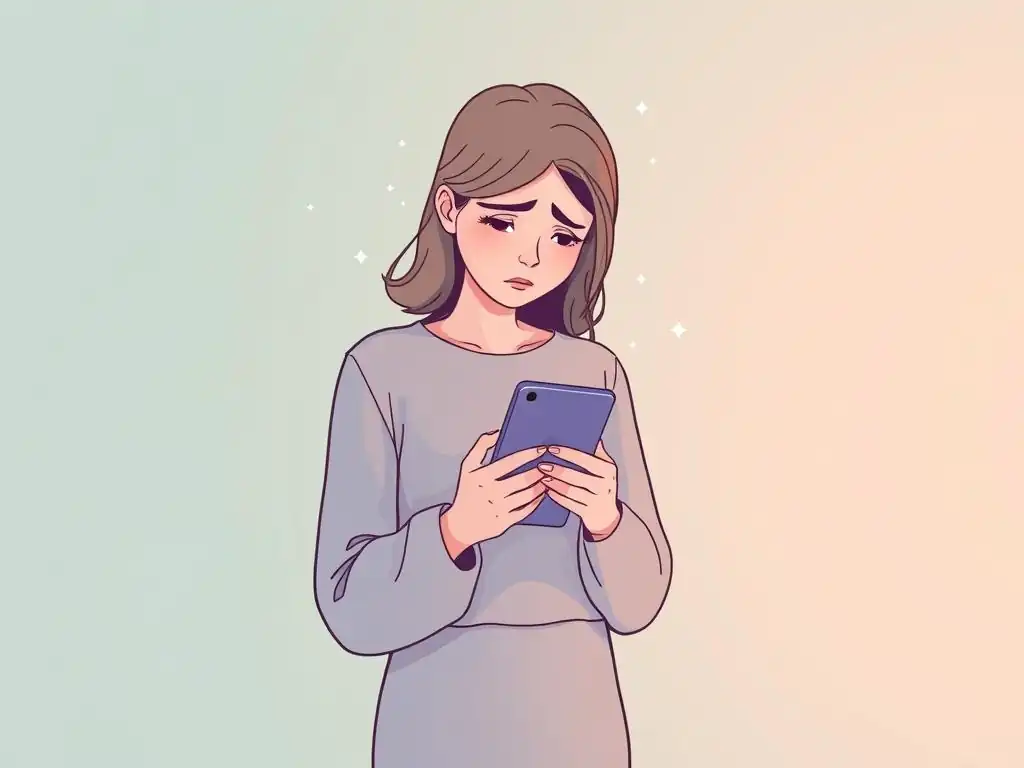
This section provides practical strategies to help you manage anxiety triggered by online dating apps. We'll explore techniques to minimize exposure to triggers, develop coping mechanisms for difficult moments, and manage expectations to create a healthier online dating experience. Remember, managing dating app anxiety is a journey, not a destination. Be patient with yourself and celebrate your progress.
Minimizing Exposure to Triggers: Setting Healthy Boundaries on Dating Apps
One of the most effective ways to manage dating app anxiety is to minimize your exposure to potential triggers. This doesn't mean abandoning online dating altogether, but rather implementing healthy boundaries to protect your mental well-being. Consider these strategies:
- Time Limits: Set specific times for checking dating apps. Avoid mindless scrolling throughout the day. For example, dedicate 30 minutes in the evening to review messages and profiles. Sticking to a schedule prevents the apps from becoming an all-consuming activity.
- App Notifications: Turn off push notifications. Constant alerts can heighten anxiety and create a sense of urgency. Check your apps intentionally rather than reacting to every notification.
- Profile Selection: Be selective about the profiles you engage with. If a profile evokes negative feelings or triggers insecurities, move on. Don't force interactions that leave you feeling drained or anxious.
- Content Filtering: Utilize the app's filtering options to tailor your search to your preferences. This helps to reduce the volume of profiles you see, making the experience less overwhelming. Focus on profiles that align with your values and relationship goals.
- Social Media Detox: Consider taking breaks from social media, as comparing yourself to others can exacerbate anxiety. Remember that curated online personas often don't reflect reality.
Developing Coping Mechanisms for Trigger Moments
Even with careful boundary setting, trigger moments will inevitably occur. Developing effective coping mechanisms is crucial for navigating these challenges. Here are some suggestions:
- Mindfulness and Deep Breathing: When feeling overwhelmed, practice mindfulness techniques, such as deep breathing exercises. Focus on your breath and the present moment to calm your nervous system. Even a few minutes of deep breathing can make a significant difference.
- Self-Compassion: Treat yourself with kindness and understanding. Remember that everyone experiences setbacks in dating. Avoid self-criticism and focus on self-compassion. Acknowledge your feelings without judgment.
- Distraction Techniques: Engage in activities that distract you from negative thoughts and feelings. This could include listening to music, reading a book, exercising, or spending time with loved ones. Find healthy distractions that work for you.
- Journaling: Writing down your thoughts and feelings can help process emotions and gain perspective. Journaling can be a valuable tool for identifying patterns and triggers.
- Seek Support: Talk to a trusted friend, family member, or therapist about your experiences. Sharing your feelings can provide emotional support and reduce feelings of isolation. Professional help can be particularly beneficial in managing anxious attachment.
Managing Expectations and Avoiding Idealization on Dating Apps
Unrealistic expectations and idealization are significant contributors to dating app anxiety. It's crucial to approach online dating with a realistic perspective and avoid putting individuals on pedestals.
- Realistic Expectations: Remember that online dating is a numbers game. Not every interaction will lead to a successful connection. Avoid placing excessive pressure on each interaction. Focus on building genuine connections rather than chasing perfection.
- Avoid Idealization: Avoid idealizing potential partners based on limited information. Remember that online profiles often present a curated version of reality. Focus on getting to know someone authentically before forming strong opinions.
- Focus on Self-Improvement: Rather than focusing solely on finding a partner, prioritize self-improvement. This includes working on personal goals, nurturing hobbies, and building self-esteem. A strong sense of self will reduce reliance on external validation.
- Set Clear Goals: Define your relationship goals and values before starting online dating. This will help you identify compatible partners and avoid wasting time on incompatible matches. Having clear goals can reduce feelings of uncertainty and frustration.
- Celebrate Small Victories: Acknowledge and celebrate your progress. Each step you take towards managing your anxiety is a victory. Focus on your strengths and resilience. Remember that progress, not perfection, is the key to success. 🎉
Remember, managing dating app anxiety is a personal journey. What works for one person might not work for another. Experiment with different strategies and find what best suits your needs. Be patient with yourself and celebrate your progress along the way.
Healthy Communication Strategies While Dating Online
Navigating the world of online dating with anxious attachment can feel like walking a tightrope. Misinterpretations, delayed responses, and the sheer volume of potential interactions can easily trigger anxiety. However, mastering healthy communication is key to managing these triggers and fostering more positive experiences. This section focuses on practical strategies to improve communication and reduce anxiety within the online dating sphere.
The goal is not to eliminate all anxiety (which is unrealistic! ), but to equip you with tools to navigate it more effectively. Remember, effective communication is a skill honed over time, and self-compassion is crucial throughout the process.
Communicating Your Needs and Boundaries Effectively
Open and honest communication is paramount. Anxious attachment often leads to people-pleasing and a reluctance to express needs. However, in the context of online dating, clearly stating your preferences and boundaries reduces ambiguity and prevents potential misunderstandings that fuel anxiety. Start by identifying your non-negotiables. These could include things like:
- Frequency of communication: Do you prefer daily check-ins, or are you comfortable with less frequent contact?
- Relationship goals: Are you looking for a casual relationship, something serious, or something in between?
- Dating etiquette: Do you prefer phone calls before meeting in person? What are your expectations regarding ghosting or slow responses?
Once you've identified these needs, practice articulating them clearly and directly. Avoid passive-aggressive language or hints. For example, instead of saying, "I'm kind of busy this week," try, "I'm not available for a date this week, but I'd love to connect next week." This direct approach minimizes misinterpretations and reduces the chance of triggering your anxiety later. Remember, setting boundaries is a sign of self-respect, not selfishness. It protects your emotional well-being and attracts partners who appreciate your honesty and self-awareness. Practice makes perfect – the more you communicate your needs, the easier it becomes.
Responding to Rejection and Avoiding Catastrophizing
Rejection is an inevitable part of online dating. For those with anxious attachment, rejection can trigger intense feelings of self-doubt and worthlessness. It's crucial to develop coping mechanisms to manage these feelings and avoid falling into the trap of catastrophizing – exaggerating the significance of a single negative event.
Consider these strategies:
- Reframe rejection: Instead of viewing rejection as a personal failure, view it as a mismatch in compatibility. Not everyone will be a good fit, and that's okay.
- Practice self-compassion: Treat yourself with the same kindness and understanding you would offer a friend going through a similar experience.
- Challenge negative thoughts: When you experience negative self-talk after rejection, actively challenge those thoughts. Are they truly accurate or are they exaggerations fueled by anxiety?
- Focus on self-improvement: Use rejection as an opportunity for growth. Reflect on the experience, identify areas for improvement in your profile or communication style, and move forward with renewed confidence.
Remember that a single rejection does not define your worth. It's a temporary setback, not a permanent failure. Celebrate your resilience and continue to pursue your dating goals with a healthy perspective.
Building Self-Compassion and Self-Care Practices
Self-compassion is the cornerstone of managing anxiety in online dating. It involves treating yourself with kindness, understanding, and acceptance, especially during challenging times. Cultivating self-care practices is essential for building resilience and reducing vulnerability to anxiety triggers.
Here are some practical self-care strategies:
- Mindfulness and meditation: Regular mindfulness practice can help you become more aware of your thoughts and feelings, allowing you to manage them more effectively.
- Physical activity: Exercise releases endorphins, which have mood-boosting effects.
- Healthy diet and sleep: Proper nutrition and sufficient sleep are fundamental to mental and emotional well-being.
- Social connection: Spend time with supportive friends and family members who can offer encouragement and understanding.
- Hobbies and interests: Engage in activities that bring you joy and help you relax.
Prioritizing self-care is not selfish; it's essential for your overall well-being and your success in online dating. By nurturing yourself, you build a stronger foundation for healthy relationships and a more positive dating experience. Remember to be patient and kind to yourself throughout this process. Managing anxiety is a journey, not a destination. 🎉
Leveraging Dating App Features to Reduce Anxiety
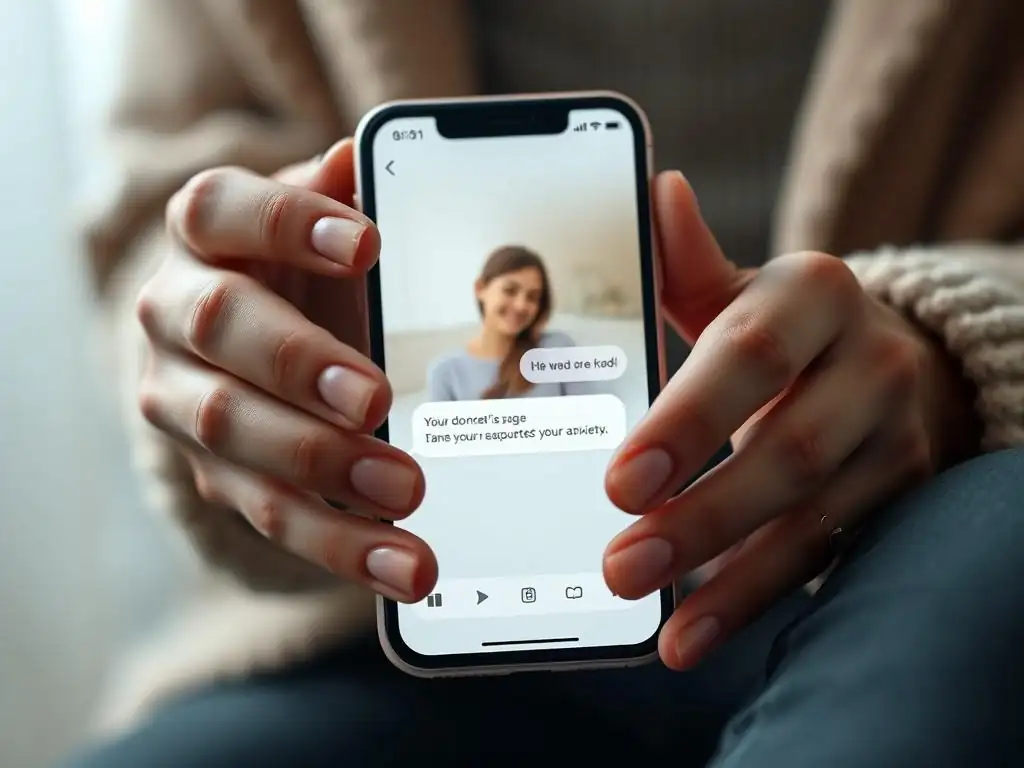
Dating apps, while designed to connect people, can also be significant sources of anxiety for those with anxious attachment styles. However, understanding and utilizing the built-in features of these apps can significantly mitigate these triggers. By proactively managing your app experience, you can cultivate a more positive and less overwhelming online dating journey. This section focuses on practical strategies for harnessing app functionality to manage your "manage dating app anxiety".
Utilizing App Settings to Control Notifications and Visibility
One of the most effective ways to reduce dating app anxiety is to carefully manage your notifications and visibility settings. Constant pings and notifications can create a sense of urgency and overwhelm, especially if you're already prone to anxious thoughts. Most dating apps offer granular control over these settings. For example, you can:
- Customize notification preferences: Turn off notifications for likes, messages, or matches until you're ready to engage. This prevents the constant stream of alerts from contributing to your anxiety. Consider scheduling specific times to check your app, rather than reacting to every notification in real-time.
- Control your profile visibility: Many apps allow you to temporarily pause your profile or limit its visibility. This is a powerful tool for managing anxiety during stressful periods or when you need a break from the app. This doesn't mean quitting; it's a healthy way to take a breather.
- Manage who can see your profile: Some apps allow you to filter who can see your profile based on factors like age, location, or other criteria. This helps you control the number of interactions you receive, potentially reducing the feeling of being overwhelmed.
Remember, taking control of your app's settings is a form of self-care. Experiment with different settings to find what works best for you and your anxiety levels. The goal is to create a more manageable and less stressful experience.
Choosing the Right Dating App for Your Needs and Preferences
Different dating apps cater to different user demographics and preferences. Choosing an app aligned with your personality and dating goals is crucial for managing anxiety. Apps with large user bases can be particularly overwhelming for individuals with anxious attachment, leading to feelings of comparison and inadequacy.
Consider these factors when selecting a dating app:
- App size and user base: Smaller, niche dating apps often provide a less overwhelming experience than massive platforms. A smaller pool of potential matches can make the process feel less daunting.
- App features: Some apps prioritize in-depth profiles and meaningful connections, while others focus on quick swiping and superficial interactions. Choose an app that aligns with your desire for a slower, more deliberate approach to dating.
- App culture and user demographics: Research the app's overall culture and the type of users it attracts. Select an app that promotes respectful communication and genuine connections, reducing the likelihood of encountering negative or triggering interactions.
Focusing on Quality Over Quantity: Strategic App Usage
The pressure to constantly engage on dating apps can exacerbate anxiety. Instead of focusing on the number of matches or messages, prioritize quality interactions. This shift in perspective can significantly reduce stress and improve your overall dating experience.
Here are some strategies for a more mindful approach:
- Set realistic expectations: Avoid comparing yourself to others or setting unrealistic goals. Remember that finding a meaningful connection takes time and patience.
- Prioritize meaningful conversations: Instead of sending generic messages, focus on engaging in genuine conversations that reveal your personality and interests. This approach reduces the pressure to constantly seek validation through superficial interactions.
- Take breaks from the app: Regularly stepping away from dating apps allows you to process your emotions and avoid feeling overwhelmed. Schedule breaks throughout the day or week, and don't feel obligated to constantly check for new messages. This is crucial for managing "manage dating app anxiety".
- Practice self-compassion: Be kind to yourself throughout the process. Online dating can be challenging, and it's okay to experience setbacks or moments of anxiety. Acknowledge your feelings without judgment, and remember that you're not alone in this experience. 🎉
This mindful approach to dating app usage can significantly contribute to managing anxiety and creating a more positive online dating experience. Remember, it's a marathon, not a sprint!
Seeking Professional Support for Dating App Anxiety

Navigating the world of online dating can be challenging for anyone, but individuals with anxious attachment styles often face amplified anxieties and triggers. While self-help strategies are valuable, professional support can provide crucial tools and personalized guidance to effectively manage dating app anxiety and build healthier relationship patterns. This section explores the benefits of seeking professional help and how to find the right therapist to support your journey.
The Benefits of Therapy for Managing Anxious Attachment
Therapy offers a safe and structured environment to explore the root causes of your dating app anxiety. This isn't simply about managing symptoms; it's about understanding the underlying anxious attachment patterns that fuel these feelings. A therapist can help you:
- Identify and Challenge Negative Thought Patterns: Anxious attachment often involves negative self-talk and catastrophic thinking. Therapy helps you recognize these patterns and replace them with more realistic and positive self-perceptions. For example, instead of assuming a lack of response means rejection, you learn to consider alternative explanations (e.g., they're busy, their phone died).
- Develop Healthy Coping Mechanisms: Therapy equips you with practical strategies to manage anxiety triggers, such as mindfulness techniques, relaxation exercises, and emotional regulation skills. These tools become your arsenal for navigating the potentially stressful aspects of online dating.
- Improve Communication Skills: Effective communication is vital for building healthy relationships. Therapy helps you communicate your needs and boundaries more clearly, both online and offline, reducing misunderstandings and minimizing anxiety.
- Set Realistic Expectations: Online dating can create unrealistic expectations, leading to disappointment and increased anxiety. Therapy helps you set realistic goals and expectations, fostering a more balanced and sustainable approach to finding a partner.
- Build Self-Esteem and Confidence: Anxious attachment often stems from low self-esteem. Therapy focuses on building self-compassion and self-acceptance, enhancing your overall confidence and making you more resilient to the ups and downs of online dating.
Finding a Therapist Specializing in Attachment Issues
Finding the right therapist is a crucial step. Not all therapists specialize in attachment theory, so seeking someone with specific expertise is essential for effective treatment. Look for therapists with experience in:
- Attachment-Based Therapy: This approach focuses specifically on understanding and addressing attachment patterns and their impact on relationships.
- Cognitive Behavioral Therapy (CBT): CBT is highly effective in managing anxiety by identifying and modifying negative thought patterns and behaviors.
- Emotionally Focused Therapy (EFT): EFT helps individuals understand and process their emotions related to attachment, fostering more secure and fulfilling relationships.
When searching for a therapist, consider:
- Their Credentials and Experience: Look for licensed professionals with experience working with anxious attachment.
- Their Therapeutic Approach: Ensure their approach aligns with your preferences and needs.
- Client Testimonials and Reviews: Reading reviews can provide valuable insights into a therapist's effectiveness and approach.
Integrating Therapy Techniques into Your Online Dating Experience
The goal of therapy isn't just to manage anxiety; it's to integrate the learned skills into your daily life, including your online dating experience. This might involve:
- Mindful Messaging: Practicing mindfulness while crafting messages and responding to matches can help you avoid impulsive or anxious reactions.
- Setting Boundaries: Learning to set healthy boundaries online protects your emotional well-being and prevents over-investment in early stages.
- Self-Compassion Breaks: Incorporating self-compassion breaks throughout the online dating process helps you manage setbacks and maintain a positive perspective.
- Reviewing and Reflecting: Regularly reviewing your online dating experiences with a therapist allows for ongoing support and adjustment of strategies.
Remember, integrating therapy into your online dating journey is an ongoing process. It requires consistent effort and self-awareness, but the rewards – healthier relationships and reduced anxiety – are well worth the investment. With the right support, you can navigate the world of online dating with greater confidence and emotional resilience.
Building Confidence and Resilience in Online Dating
Online dating, even for the most confident individuals, can trigger anxieties. For those with anxious attachment, this can be amplified significantly. Building confidence and resilience is crucial for managing these triggers and fostering positive experiences. This involves a multi-pronged approach focusing on self-compassion, proactive strategies, and consistent self-improvement. Learning to manage your expectations and celebrating small victories are key components of this process. Remember, progress, not perfection, is the goal. The journey to managing dating app anxiety is a marathon, not a sprint.
Celebrating Small Wins and Focusing on Progress
Many with anxious attachment styles tend to focus on their perceived failures rather than their successes. This negativity can be self-perpetuating, leading to a cycle of anxiety and self-doubt. To combat this, actively celebrate even the smallest achievements. Did you send a message to someone you found interesting? 🎉 That's a win!
Did you receive a positive response? That's another win! Did you have a pleasant, even brief, conversation? That’s a significant step forward. Keep a journal or use a digital tracker to record these small wins.
This tangible record can help you see your progress over time and counter the negative self-talk that often accompanies anxious attachment. Focusing on progress, rather than perfection, shifts your perspective from immediate outcomes to the overall trajectory of your online dating journey. This fosters a sense of accomplishment and reinforces your self-efficacy. Remember, consistency is key. Even small, consistent actions contribute significantly to your overall success.
Reframing Negative Thoughts and Self-Talk
Negative self-talk is a common symptom of anxious attachment and can significantly exacerbate anxiety in online dating. Thoughts like "They won't like me," "I'll mess this up," or "I'm not good enough" are typical examples. To manage dating app anxiety, learn to identify and reframe these negative thoughts. Challenge their validity.
Are these thoughts based on facts or assumptions? Often, they are based on fear and insecurity rather than objective reality. For example, instead of "They won't like me," try reframing it as "They might not like me, and that's okay. It doesn't reflect my worth."
Practice self-compassion. Treat yourself with the same kindness and understanding you would offer a friend facing similar challenges. This cognitive restructuring takes time and practice, but it's a powerful tool for managing anxiety and improving your overall well-being. Consider incorporating mindfulness techniques, such as meditation or deep breathing exercises, to further reduce stress and enhance your ability to manage negative thoughts.
Developing a Positive Self-Image and Self-Esteem
A strong sense of self-worth is fundamental to navigating the challenges of online dating, especially for those with anxious attachment. Building a positive self-image isn't about becoming someone you're not; it's about recognizing and appreciating your inherent value. Focus on your strengths and accomplishments. What are you proud of? What are your unique qualities?
Make a list and refer to it regularly. Engage in activities that bring you joy and fulfillment. These could be hobbies, spending time with loved ones, or pursuing personal growth goals. These activities boost your self-esteem and provide a sense of purpose independent of online dating.
Remember that your worth is not determined by your romantic success or lack thereof. You are valuable and deserving of love and happiness regardless of your dating experiences. Seeking professional support from a therapist or counselor can provide additional guidance and support in developing a healthier self-image and managing anxious attachment. This proactive approach can significantly improve your overall well-being and enhance your online dating experience.
Frequently Asked Questions
Dating apps can be overwhelming. Try limiting your app usage time, focusing on self-care techniques like exercise or meditation, and remember to be kind to yourself.
What are some common triggers for anxiety on dating apps?
Common triggers include receiving no matches, negative interactions, fear of rejection, and pressure to present a perfect image. Identifying your specific triggers is the first step to managing them.
Are there specific strategies to reduce anxiety before using dating apps?
Yes! Engage in relaxation exercises before opening the app, set realistic expectations, and focus on your self-worth, regardless of app activity.
How do I manage the anxiety of messaging someone new on a dating app?
Start with short, friendly messages, focusing on shared interests. Don't overthink your messages and remember that it's okay if they don't respond immediately. Prioritize your own well-being.
What should I do if I experience a negative interaction on a dating app?
Block and report any inappropriate behavior. Take a break from the app if needed, and reach out to a trusted friend or family member for support. Remember that one negative experience doesn't define your worth.
Final Reflection: Reclaiming Your Dating App Experience
The pervasive nature of dating apps in modern romance means that managing anxiety within this digital landscape is no longer a niche concern, but a crucial skill for navigating healthy relationships. The anxieties triggered by swiping, messaging, and the inherent uncertainties of online dating are real, and understanding their roots is the first step towards reclaiming your power and agency.
The impact of social media and dating apps on our self-perception and emotional well-being is undeniable. We are constantly bombarded with curated images of "perfection," leading to feelings of inadequacy and fueling the anxieties discussed throughout this article. Comparison is the thief of joy.
This quote rings especially true in the context of online dating, where the constant exposure to others' seemingly flawless profiles can easily undermine our self-esteem. It's crucial to remember that what we see online is often a carefully constructed facade, and that true connection thrives on authenticity, not perfection.
You now possess the tools to navigate the complexities of dating apps with greater self-awareness and emotional resilience. Take a moment to reflect on your own experiences: What triggers your anxiety? How can you proactively manage these triggers? Remember, building healthy relationships starts with building a healthy relationship with yourself. Embrace self-compassion, set boundaries, and prioritize your mental well-being. The journey to finding meaningful connection begins with you.
Unlock Your Dating App Confidence: Take Control Now
Thanks for exploring anxious attachment and its impact on dating apps! You've learned practical strategies to manage triggers and develop healthier dating habits. Ready to apply this new knowledge?
- Prioritize self-care: Incorporate daily mindfulness practices, such as meditation, journaling, or mindful walks. Even 15 minutes a day can significantly reduce anxiety before using dating apps.
- Experiment with a new approach: Gradually implement the mindful dating strategies discussed in the article, focusing on one area of improvement at a time. Track your progress and observe how your interactions change.
- Share your experiences: Let us know in the comments which strategy you'll prioritize to manage anxiety on dating apps, and what surprised you most about the process.
What small step can you take today to boost your confidence while dating online?