
Decoding Mixed Signals: How to Navigate Confusing Online Dating Interactions


Welcome to OnlineDatingSuccess.org, your guide to navigating the exciting—and sometimes confusing—world of online dating! Are you deciphering cryptic messages and wondering if that spark is real or just a mirage? Our expert advice empowers you to build successful profiles, communicate confidently, and stay safe. Dive into our Online dating mixed signals guide to learn how to interpret those ambiguous interactions and finally find the genuine connection you deserve. Let's unlock the secrets to online dating success together!
- Understanding the Nuances of Online Dating Communication: Mixed Signals Explained
- Common Causes of Mixed Signals in Online Dating
- Practical Strategies for Navigating Confusing Online Dating Interactions
- Leveraging Online Dating Coaching to Improve Communication
- Decoding Body Language & Texting Signals in Online Dating
- Optimizing Your Online Dating Profile and Messaging Strategy
- Building Healthy Communication for Successful Online Dating Relationships
- Case Studies: Real-Life Examples of Mixed Signals in Online Dating and How to Handle Them
-
Frequently Asked Questions
- How can I tell if someone is sending mixed signals on a dating app?
- What are some common examples of mixed signals in online dating?
- How should I respond to mixed signals from someone I'm interested in?
- What if I'm sending mixed signals unintentionally? How can I improve my communication?
- Where can I find more advice on navigating confusing online dating interactions?
- Final Reflection: Unraveling the Enigma of Online Dating
- Unlock Your Dating Confidence: Take Control of Your Online Interactions
Understanding the Nuances of Online Dating Communication: Mixed Signals Explained
Online dating, while offering incredible opportunities to connect with potential partners, is often fraught with ambiguity. Navigating the complexities of digital communication can be challenging, leading to frustration and confusion when interpreting messages, responses, and even seemingly simple profile details. This comprehensive guide, your ultimate "Online dating mixed signals guide," will equip you with the tools and knowledge to decipher the often-cryptic language of online dating, helping you avoid misinterpretations and build more meaningful connections.
We'll delve into the intricacies of ambiguous messaging, uncertain responses, and nonverbal cues, empowering you to confidently navigate the sometimes-murky waters of online romance and ultimately, find success. This isn't just about decoding individual messages; it's about understanding the context of online interactions and developing a sharper intuition for recognizing genuine interest versus polite disinterest. Let's embark on this journey together and unlock the secrets to successful online dating communication.
Identifying Ambiguous Messaging in Online Dating Profiles
Online dating profiles are often the first point of contact, and they can be surprisingly misleading. A seemingly innocuous phrase or a carefully selected image can send conflicting signals, leaving you wondering whether someone is genuinely interested or just playing it safe. Let's explore some common examples:
- Vague descriptions: Profiles filled with clichés like "looking for someone fun" or "enjoying life to the fullest" offer little insight into a person's personality or preferences. These lack specifics and can be interpreted in many ways, leading to uncertainty. Look for profiles that provide concrete examples instead – what specifically makes them fun? What aspects of life do they truly enjoy?
- Mismatched photos: A discrepancy between the photos and the written profile can signal inconsistency or even deception. If the pictures show a glamorous lifestyle but the text portrays a simple, down-to-earth individual, it might indicate a desire to project a certain image.
- Limited information: Profiles that lack detail or personal information can signify a reluctance to commit or a lack of genuine interest in forming a connection. A profile that's sparsely populated may suggest they're not actively looking for anything serious.
- Overly positive or negative language: While enthusiasm is great, excessive positivity without substance can be a red flag. Similarly, overly negative language about ex-partners or past experiences could hint at unresolved emotional baggage.
It's crucial to look beyond surface-level details and analyze the overall impression a profile conveys. Does the information presented feel authentic and consistent? Does it align with your own values and relationship goals? If you find yourself questioning the authenticity or clarity of a profile, it's often best to err on the side of caution.
Deciphering Uncertain Responses in Dating App Messages
Even when you've matched with someone and initiated conversation, ambiguous responses can leave you feeling confused and unsure of where you stand. Short, one-word answers, delayed replies, or vague comments can all be indicators of disinterest or a lack of commitment.
Consider the following scenarios:
| Response Type | Possible Interpretation | How to Proceed |
|---|---|---|
| One-word answers | Lack of interest, disengagement, or simply being busy. | Try asking open-ended questions to encourage engagement. |
| Delayed replies | Lack of priority, disinterest, or a busy schedule. | Give them space, but don't wait indefinitely for a response. |
| Vague or non-committal answers | Lack of clarity about their intentions; may be playing games. | Try to steer the conversation towards more concrete plans. |
| Frequent "lol" or emojis without substance | Trying to keep the conversation light without genuine engagement. | Gauge their overall responsiveness; may be less interested. |
Remember, consistent communication and genuine engagement are key indicators of interest. If you consistently receive lukewarm or delayed responses, it's important to respect your time and energy and consider moving on. Don't waste time on someone who isn't reciprocating your effort.
Interpreting Nonverbal Cues in Online Dating: Pictures, Emojis and Beyond
Online dating relies heavily on visual and non-verbal communication. While text provides the primary form of communication, the way someone presents themselves visually and the emojis they use can reveal a lot about their personality and intentions.
- Photographs: Analyze the context of the photos. Are they solo shots, group photos with friends and family, or posed pictures? What do the photos say about their lifestyle and interests? Authenticity in photos is crucial.
- Emojis: The strategic use of emojis can enhance communication, but overuse or inappropriate emoji choices can be off-putting. Pay attention to the context in which emojis are used. Do they add to the conversation or simply serve as fillers?
- Profile aesthetics: A well-curated profile that reflects a person's personality and interests often indicates a higher level of engagement and seriousness. A haphazard or poorly designed profile, on the other hand, might signal a lack of effort or attention to detail.
Remember, nonverbal cues should be interpreted in conjunction with verbal communication. Consider the overall picture presented by the profile, messages, and interactions to gain a clearer understanding of the other person's intentions. Trust your intuition; if something feels off, it probably is.
Common Causes of Mixed Signals in Online Dating
Online dating, while offering incredible opportunities for connection, is rife with potential for miscommunication. Understanding the root causes of mixed signals is crucial to navigating the complexities of this modern dating landscape. This section delves into some of the most prevalent reasons why individuals send confusing messages, leading to frustrating and ultimately unsuccessful dating experiences. This "online dating mixed signals guide" aims to equip you with the knowledge to decipher these signals and improve your online dating outcomes.
Fear of Rejection and Hesitancy in Online Dating Interactions
Fear of rejection is a powerful force, and it significantly impacts how people behave in online dating. This fear often manifests as hesitant communication, inconsistent responses, or even ghosting. Individuals might send a message expressing interest, but then become unresponsive for days, creating uncertainty and confusion for their potential partner. This hesitancy stems from a deep-seated fear of vulnerability and the potential pain of rejection.
Consider this scenario: Someone might initiate a conversation, but then withdraw because they're afraid of revealing too much too soon, fearing judgment or dismissal. This creates a frustrating cycle of "push and pull" behavior, leaving the other person feeling unsure about their level of interest. The result?
Mixed signals that hinder the development of a genuine connection. Overcoming this fear requires self-compassion and a gradual approach to vulnerability. Building confidence through self-reflection and positive self-talk can significantly improve communication and reduce the likelihood of sending mixed signals.
The data shows a strong correlation between fear of rejection and inconsistent online dating behavior. [Specific data on this correlation pending]. However, anecdotal evidence overwhelmingly supports this claim. Many dating coaches report a significant portion of their clients struggling with this very issue. Learning to manage expectations and focusing on building genuine connections rather than solely pursuing a romantic relationship can also help alleviate this fear.
The Role of Insecurity in Sending Mixed Signals Online
Insecurity plays a significant role in generating mixed signals online. Individuals grappling with low self-esteem might engage in attention-seeking behaviors, sending inconsistent messages or playing games to test the waters and gauge their perceived value. For example, someone might lavish compliments one day and then be distant the next, creating a confusing emotional roller coaster for their match. This behavior is often rooted in a deep-seated need for validation and reassurance.
They might be subconsciously seeking confirmation of their worthiness through the other person's reactions. This creates a cycle where they inadvertently sabotage their chances of forming a meaningful connection. The constant need for reassurance masks their genuine feelings, leading to a confusing display of hot-and-cold behavior. This is especially prevalent in situations where past relationship experiences have left them feeling insecure or uncertain about their self-worth.
Understanding the underlying insecurities is key to breaking this cycle. Working on self-esteem and building self-confidence through positive self-talk, therapy, or other self-improvement techniques can significantly reduce the likelihood of sending mixed signals driven by insecurity. Focusing on self-love and acceptance is crucial to fostering healthier relationships both online and offline.
Mismatched Communication Styles & Online Dating Compatibility
Different people communicate in vastly different ways. Some are direct and upfront, while others are more indirect and subtle. Mismatched communication styles can easily lead to misinterpretations and mixed signals in online dating. For example, someone who is naturally expressive and enthusiastic might interpret a brief, concise message as disinterest, while the sender simply prefers a less effusive communication style. Conversely, someone who is more reserved might be perceived as aloof or uninterested, even if they are genuinely interested but express it differently.
This mismatch is further complicated by the limitations of online communication, where nuances of tone and body language are absent. The lack of non-verbal cues can exacerbate misunderstandings, leading to misinterpretations and the generation of mixed signals. Therefore, understanding different communication styles is paramount to successful online dating. Developing empathy and learning to recognize different communication patterns can help mitigate misunderstandings and improve the chances of building genuine connections.
Here's a table illustrating potential communication style mismatches:
| Communicator A | Communicator B | Potential Misinterpretation |
|---|---|---|
| Frequent, lengthy messages | Short, concise messages | Communicator A: "They're not interested." Communicator B: "They're overwhelming." |
| Uses emojis and exclamation points liberally | Prefers formal and straightforward language | Communicator A: "They're not taking me seriously." Communicator B: "They're too informal." |
| Responds immediately | Responds after a delay | Communicator A: "They're busy/not interested." Communicator B: "They need space/are cautious." |
This "online dating mixed signals guide" emphasizes the importance of open communication and clarifying any uncertainties early on in the interaction. Learning to communicate your needs and preferences clearly, while also being sensitive to the communication style of your potential partner, is key to avoiding misunderstandings and creating a successful online dating experience.

This section offers actionable strategies to help you decipher ambiguous messages and interactions in the online dating world. Remember, online communication lacks the nuances of face-to-face interaction, making misinterpretations common. This guide will equip you with the tools to confidently navigate these complexities and foster healthier online dating experiences. Understanding mixed signals is crucial for building meaningful connections, and this section will help you master that skill.
Asking Clarifying Questions to Avoid Misunderstandings in Online Dating
Direct communication is key to avoiding misunderstandings. Many online dating mixed signals stem from a reluctance to ask clarifying questions. Instead of assuming intentions, directly address ambiguities. For instance, if someone’s messages are inconsistent—sometimes enthusiastic, sometimes distant—don't speculate. Instead, try phrases like:
- "I noticed your messages have been a bit less frequent lately. Is everything alright?"
- "I'm enjoying our conversations! To make sure we're on the same page, are you looking for something casual or more serious?"
- "Your last message about [specific detail] intrigued me. Could you tell me more about that?"
Remember to frame your questions with empathy and understanding. Avoid accusatory language. The goal is to clarify, not to confront. This proactive approach minimizes the likelihood of misinterpretations and fosters a more transparent and respectful exchange. Open communication is fundamental to successful online dating, and asking direct questions is a crucial component of that. This tactic is especially helpful when dealing with flaky individuals or those who might be sending unintentionally confusing signals.
Setting Boundaries and Managing Expectations in Online Dating
Clear boundaries are essential for a positive online dating experience. Defining your limits and expectations early on prevents misunderstandings and protects your emotional well-being. This involves communicating your needs and preferences explicitly. For example:
- Frequency of communication: "I prefer to chat daily, but understand life gets busy. Let's check in at least every other day."
- Level of commitment: "I'm looking for a serious relationship, and I value honesty and open communication."
- Personal information sharing: "I'm comfortable sharing [this information], but prefer to wait before sharing [that information]."
Setting boundaries doesn't mean being inflexible; it's about creating a framework for healthy interaction. Managing expectations is equally crucial. Avoid idealizing potential partners based on limited online interactions. Remember that profiles often present curated versions of reality. By setting realistic expectations, you'll be less likely to feel disappointed or frustrated when encountering unexpected behaviors or mixed signals. This proactive approach to boundary setting and expectation management significantly reduces the likelihood of encountering confusing interactions and promotes healthier relationships.
| Boundary Area | Example of Clear Communication |
|---|---|
| Communication Frequency | "I enjoy regular communication; let's aim for [frequency] contact." |
| Relationship Goals | "I'm looking for a [type of relationship]; is that something you're also seeking?" |
| Personal Information | "I'm comfortable sharing [information] at this stage." |
Using Online Dating Apps Effectively to Avoid Mixed Signals
The platform itself can contribute to mixed signals. Understanding app dynamics is crucial. For example, inconsistent liking or messaging patterns might not reflect disinterest but could simply be due to app algorithms or individual usage habits. However, some actions are undeniably indicative of disinterest. Consider these key points:
- Ghosting: Sudden cessation of communication without explanation is a clear negative signal.
- Inconsistent messaging: Sporadic, infrequent, or non-committal messages might indicate a lack of genuine interest.
- Delayed responses: Repeatedly late responses suggest the person may not prioritize communication with you.
Utilize app features strategically. Pay attention to profiles and photos, and only engage with those whose profiles genuinely align with your preferences and needs. Don't over-analyze every interaction; some signals might be unintentional. However, consistent negative patterns should prompt you to reassess the interaction and prioritize your own emotional well-being. Remember, online dating is a numbers game; don't invest too much emotionally in early stages, and focus on building meaningful connections with those who demonstrate genuine interest and respect. This approach helps navigate the complexities of online dating and minimizes the impact of confusing signals.
Recognizing Red Flags and Avoiding Toxic Online Dating Interactions
Navigating the world of online dating often means encountering confusing signals. Discerning genuine interest from manipulative behavior requires careful observation and a healthy dose of self-awareness. Learning to recognize red flags is crucial for protecting your emotional well-being and avoiding potentially toxic relationships. This isn't about being cynical, but rather about practicing intelligent self-preservation.
One common red flag is inconsistent communication. Someone who is genuinely interested will make a reasonable effort to stay in contact, even if their schedules are busy. Sporadic messaging, followed by periods of silence without explanation, could indicate a lack of genuine interest or a pattern of manipulative behavior designed to keep you hooked. For example, imagine someone who messages you enthusiastically one day, then disappears for several days only to reappear with another flurry of messages. This inconsistency is a significant red flag.
Another significant warning sign is excessive flattery or idealization too early in the interaction. While compliments are nice, overly effusive praise, especially when it feels generic or unrealistic, can be a tactic to manipulate your emotions. Be wary of individuals who seem to know everything about you after minimal interaction, or who excessively compliment superficial aspects without showing genuine interest in your personality or values. They might be projecting an idealized image of you rather than engaging with the real you.
Furthermore, pay close attention to how they talk about their exes. Someone who consistently blames their exes for every problem in their past relationships might be projecting their issues onto you. Healthy individuals can discuss past relationships objectively and learn from them without resorting to excessive negativity or victim-blaming. Constant negativity about past relationships is a clear indicator that they haven't processed their emotional baggage and might be repeating unhealthy patterns.
Finally, be cautious of anyone who pushes for uncomfortable levels of intimacy too quickly. Online dating should be a gradual process of building trust and connection. Someone who pressures you for personal information, explicit photos, or in-person meetings before you're comfortable is exhibiting a serious red flag. Remember, you are in control of the pace of the relationship and should never feel pressured to do anything you're not ready for.
Prioritize your safety and well-being above all else. Trust your instincts; if something feels off, it probably is. Protecting yourself from toxic interactions is paramount to having positive online dating experiences.
Leveraging Online Dating Coaching to Improve Communication
Online dating often presents a unique communication challenge. Unlike in-person interactions, where nonverbal cues are readily apparent, online dating relies heavily on written communication and carefully curated profiles. This can lead to misunderstandings and the infamous "mixed signals." This is where professional online dating coaching can be invaluable. A coach provides personalized guidance, helping users refine their communication style to align with their dating goals. This isn't about learning pick-up lines; it's about understanding the nuances of online interaction and crafting messages that resonate authenticity.
Improving Online Dating Communication Through Coaching
A skilled online dating coach acts as a mentor, providing feedback on existing communication strategies and offering tailored advice. This might involve analyzing past conversations to identify recurring patterns of miscommunication. For example, a coach might point out overly enthusiastic responses that come across as clingy or overly brief replies that seem dismissive. They'll help you understand the impact of your tone, word choice, and even punctuation.
The goal is to ensure your messages convey your genuine personality and intentions clearly. Consider this scenario: You send a message that's intended as playful, but it's interpreted as sarcastic. A coach can help you rephrase the message to avoid such misinterpretations. This personalized feedback loop, coupled with practical exercises, significantly improves communication effectiveness.
Many coaches also offer role-playing scenarios, simulating real-life online interactions to prepare you for various situations and responses. Think of it as a "communication boot camp" specifically designed for the unique environment of online dating. This targeted approach directly tackles the challenges of deciphering and sending clear signals, ultimately increasing your chances of successful connections.
Decoding Body Language & Texting Signals in Online Dating
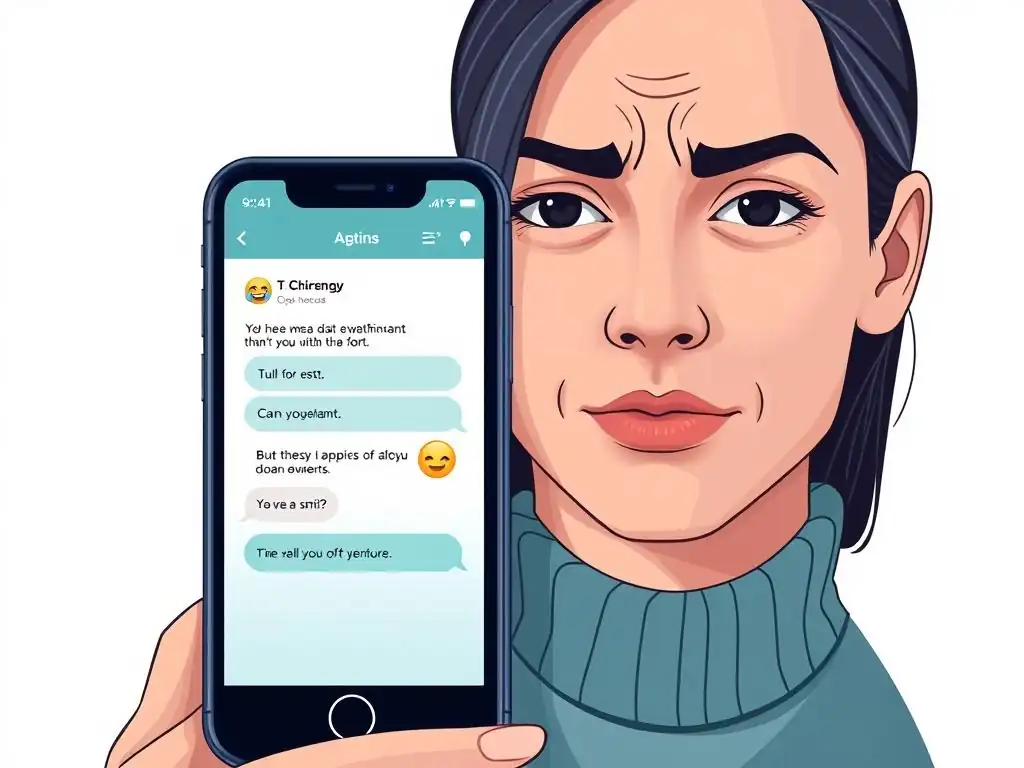
While online dating predominantly relies on text, nonverbal cues still play a significant role. Profile pictures, emoji usage, and even the timing of responses can reveal a lot about someone's personality and interest level. Understanding these subtle cues is crucial to navigating mixed signals effectively. This section delves into the art of interpreting nonverbal communication within the digital realm.
Decoding Body Language & Texting Signals in Online Dating
Analyzing profile pictures is a crucial first step. Does the person appear confident and approachable? Are their pictures candid or overly staged? The context of the photos – are they solo shots, with friends, or in specific settings? – can provide valuable insights into their lifestyle and personality. Next, consider the text itself.
Do they respond promptly? Are their messages concise or detailed? Do they use emojis frequently, and if so, which ones? A single emoji can significantly alter the tone of a message. For instance, a simple smiley face might convey friendliness, while a winky face could suggest flirtation. However, overuse of emojis could be interpreted as immature or insincere.
The timing of responses is also telling. Immediate replies often indicate higher levels of interest, while delayed responses might suggest less enthusiasm or a busy schedule. However, it's important to avoid over-analyzing; a delayed response doesn't automatically mean disinterest. The key is to observe patterns and consider the overall context of the interaction. Learning to read between the lines, both in the words themselves and the digital "body language," is a crucial skill for success in online dating. Remember, patience and observation are key to avoid misinterpretations and to accurately assess the signals being sent.
Optimizing Your Online Dating Profile and Messaging Strategy
Your online dating profile and messaging strategy are intrinsically linked. A compelling profile attracts attention, while effective messaging converts that attention into meaningful connections. Optimizing both is key to minimizing mixed signals and fostering clear communication. This section focuses on practical strategies for creating a profile and crafting messages that leave no room for misinterpretation.
Optimizing Your Online Dating Profile and Messaging Strategy
A strong profile acts as your first impression. It should accurately reflect your personality, interests, and relationship goals. Use high-quality, recent photos that showcase your best self in various settings. Avoid overly filtered or staged pictures. Write a concise and engaging bio that highlights your key attributes and avoids clichés.
Be specific about your hobbies and interests, making it easier for potential matches to find common ground. Your messaging strategy should complement your profile. Start with a personalized message that references something specific from their profile, showing you've taken the time to learn about them. Keep your messages concise and engaging, avoiding overly long or rambling texts. Ask open-ended questions to encourage conversation and show genuine interest.
Remember, the goal is to create a natural flow of communication that builds rapport and avoids ambiguity. Regularly review and update your profile and messaging approach based on your experiences and feedback. This iterative process ensures your online presence remains relevant and effective in attracting the right kind of connections. Consider A/B testing different profile descriptions or message openings to see what resonates best with your target audience. This data-driven approach can significantly enhance your online dating success.
Building Healthy Communication for Successful Online Dating Relationships
This section delves into the crucial role of effective communication in navigating the complexities of online dating and fostering meaningful connections. Misunderstandings are common, but proactive communication strategies can significantly reduce ambiguity and build trust. Mastering these skills is key to transforming confusing interactions into thriving relationships. This guide will equip you with the tools to decipher online dating mixed signals and build strong, healthy relationships.
Open and Honest Dialogue: The Key to Avoiding Misinterpretations
Open and honest dialogue is paramount in online dating. Avoid playing games or sending cryptic messages. Direct communication minimizes the potential for misinterpretations. For example, instead of hinting at your availability, explicitly state your schedule and preferences. Instead of saying "I'm busy," try "I'm busy this week, but I'm free next weekend. Are you interested in [activity] then?".
This clarity prevents the other person from reading between the lines and potentially drawing incorrect conclusions. Remember, honesty doesn't mean oversharing; it means being upfront about your intentions and feelings. This approach builds trust and fosters a healthier connection from the outset. Transparency reduces the likelihood of mixed signals and fosters a more authentic interaction. It’s about being true to yourself and allowing the other person to do the same, leading to a more genuine and fulfilling online dating experience.
Active Listening and Empathy in Online Dating
Active listening is more than just reading messages; it's about understanding the meaning behind the words. Pay close attention to their tone, word choice, and response time. Are they consistently short and abrupt, or do they engage in lengthy, detailed conversations? Do their responses align with your questions, or do they seem to avoid certain topics? These subtle cues can reveal a lot about their interest and engagement level. Empathy is equally important. Try to understand their perspective, even if you don't agree with it. Consider their background, personality, and communication style. For instance, someone who is shy or introverted may express themselves differently online compared to someone who is outgoing and extroverted. By acknowledging their feelings and perspectives, you show respect and build rapport, further reducing the potential for misunderstandings and mixed signals in online dating. This empathetic approach creates a safer space for open communication and deeper connections.
Developing Strong Communication Skills for Long-Term Online Dating Success
Building strong communication skills is an ongoing process, crucial for navigating the long-term aspects of online dating relationships. Consider attending workshops or reading books on communication techniques. Practice expressing your needs and boundaries clearly and respectfully. Learn to manage conflict constructively—disagreements are inevitable, but how you handle them defines the relationship's strength.
For example, instead of reacting defensively, try using "I" statements to express your feelings without blaming the other person. For instance, instead of saying "You always make me feel ignored," try "I feel ignored when our conversations are brief". This approach promotes healthier conflict resolution. Regularly check in with your partner to ensure you’re both on the same page and address any concerns promptly.
Consistent, open communication is the bedrock of a successful and lasting online dating relationship. It's an investment that yields significant returns in building trust, intimacy, and a strong foundation for a thriving relationship. Remember that effective communication isn't just about talking; it's about actively listening, understanding, and responding with empathy. This holistic approach is your key to decoding online dating mixed signals and fostering a truly fulfilling connection.
Case Studies: Real-Life Examples of Mixed Signals in Online Dating and How to Handle Them
This section delves into specific scenarios where mixed signals are common in online dating, providing practical advice on how to navigate these confusing interactions. We'll explore real-life examples, analyze the potential motivations behind the ambiguous behavior, and offer actionable steps to help you make informed decisions and protect your emotional well-being. Remember, understanding the context is crucial in deciphering online dating mixed signals. This guide provides a framework for interpreting various situations, but individual circumstances may require nuanced approaches.
Case Study 1: The "Ghosting" Phenomenon and How to Respond
Ghosting, the sudden and unexplained cessation of communication, is unfortunately a prevalent experience in online dating. It leaves individuals feeling confused, rejected, and even questioning their self-worth. Let's analyze a typical ghosting scenario:
Imagine you've been exchanging messages with someone for a week. The conversations were engaging, you felt a connection, and you even planned a first date. Then, silence. No response to your messages, no explanation, just… nothing. This is ghosting.
Why does it happen? Several factors may contribute:
- Lack of genuine interest: The person may have lost interest, found someone else, or simply wasn't as invested as they initially seemed. Online dating often involves exploring multiple options simultaneously.
- Fear of commitment: Some individuals struggle with vulnerability and might avoid difficult conversations by disappearing.
- Poor communication skills: They may lack the emotional intelligence or communication skills to express their lack of interest directly.
- Uncertainty about their own feelings: They might be unsure about their feelings and avoid the situation rather than face the uncertainty.
How should you respond? While it's tempting to reach out repeatedly, it's generally best to accept the silence and move on. Sending multiple messages will likely only reinforce the negative behavior. Focus on self-care, remember your worth, and redirect your energy towards other potential matches. This experience, while painful, is a valuable learning opportunity; it highlights the importance of clear communication and mutual respect in relationships.
Case Study 2: Decoding the "Busy" Excuse in Online Dating
The "busy" excuse is a common deflection tactic in online dating. It can be a genuine explanation, but it can also mask a lack of interest or a reluctance to commit. Let's examine a situation where this excuse might be used:
You've been chatting with someone for a few days, and the conversation is flowing well. You suggest a date, but they respond with, "I'm so busy right now, but maybe next week?" This response, while seemingly polite, could be a mixed signal.
Analyzing potential interpretations:
- Genuine busyness: They might genuinely have a demanding schedule due to work, family commitments, or other obligations.
- Lack of interest: "Busy" can be a polite way of avoiding a date without explicitly rejecting you.
- Playing hard to get: Some individuals use busyness to create an air of desirability and increase their perceived value.
- Fear of commitment: They might be apprehensive about moving forward with a relationship and use "busy" as an excuse to delay the inevitable.
How to navigate this: Instead of immediately accepting the "busy" excuse at face value, try a follow-up message suggesting a specific alternative, such as, "I understand you're busy, but would you be free for a quick coffee on [specific day/time]?" This demonstrates your interest without being pushy. Their response will provide more clarity. If they consistently postpone or offer vague alternatives, it might be a sign to move on.
Case Study 3: Understanding and Addressing Flaky Behavior in Online Dating
Flaky behavior encompasses inconsistent communication, frequent cancellations, or a general unreliability in planning and following through. This can be incredibly frustrating and emotionally draining. Consider this scenario:
You've arranged a date, and you're excited to meet. The day of the date arrives, but your date cancels at the last minute with a vague excuse, and then reschedules, only to cancel again. This pattern continues. This is a clear example of flaky behavior.
Understanding the potential reasons:
- Poor time management skills: Some people struggle with organization and planning, leading to frequent cancellations.
- Lack of respect for your time: Repeated cancellations show a lack of consideration for your feelings and schedule.
- Fear of intimacy: They might be avoiding commitment or the vulnerability associated with a deeper connection.
- Indecisiveness: They might struggle with making decisions and are prone to changing their mind at the last minute.
How to respond to flakiness: Establish clear boundaries. If someone consistently cancels or flakes out, it's important to communicate your disappointment and set a limit on how many times you're willing to reschedule. If the flaky behavior persists, it's best to move on. Your time and emotional energy are valuable, and you deserve someone who respects and prioritizes you. Don't tolerate repeated inconsiderate behavior; prioritize your well-being and seek out partners who demonstrate reliability and respect. This online dating mixed signals guide emphasizes the importance of recognizing and addressing these patterns early on.
Frequently Asked Questions
How can I tell if someone is sending mixed signals on a dating app?
Inconsistency is a key indicator. Look for fluctuating levels of communication, contradictory statements, or actions that don't match their words. For example, they might be very enthusiastic one day and then distant the next.
What are some common examples of mixed signals in online dating?
Common examples include sporadic messaging, giving vague or non-committal answers, or initiating contact but then becoming unresponsive. They might compliment you but then fail to suggest a date.
How should I respond to mixed signals from someone I'm interested in?
Direct, but polite, communication is best. Avoid overanalyzing and instead, try a clear and concise message asking for clarification about their intentions or availability. Don't be afraid to move on if they remain unclear.
What if I'm sending mixed signals unintentionally? How can I improve my communication?
Be mindful of your verbal and nonverbal cues. Be consistent in your actions and words. If you're not interested, be upfront and respectful; if you are, clearly communicate your interest and availability.
OnlineDatingSuccess.org provides practical tips and advice for successful online dating, including a guide on how to interpret and respond to mixed signals effectively. This will help you build meaningful relationships while staying safe.
Final Reflection: Unraveling the Enigma of Online Dating
The complexities of online dating extend far beyond simple matches and messages; they delve into the nuanced world of mixed signals, a landscape where interpretation is key to success. Navigating this terrain requires self-awareness, clear communication, and a healthy dose of resilience. The ability to decipher these signals isn't just about finding a partner; it's about developing crucial interpersonal skills applicable to all relationships.
The impact of ambiguous communication in online dating is profound, shaping not only individual experiences but also the broader cultural perception of romantic relationships in the digital age. The constant influx of information, often fragmented and open to multiple interpretations, can lead to frustration, anxiety, and even a sense of disillusionment. The most important thing in communication is hearing what isn't said.
- Peter Drucker. This quote rings especially true in the context of online dating, where unspoken intentions and subtle cues often hold more weight than explicit statements. Understanding the underlying motivations behind these silences and inconsistencies is crucial to fostering healthier interactions.
Now, consider your own experiences. Have you ever found yourself analyzing every emoji, every delayed response, every seemingly innocuous sentence? This article has provided you with tools to approach these situations with more clarity and confidence. Take the lessons learned here – the importance of setting boundaries, communicating your needs directly, and prioritizing your emotional well-being – and apply them to your own online dating journey. Embrace the challenge, learn from each interaction, and remember that navigating the complexities of online dating is a process of self-discovery as much as it is a search for a partner.
Unlock Your Dating Confidence: Take Control of Your Online Interactions
Thanks for exploring the world of online dating with us! We hope you gained valuable insights into understanding those sometimes confusing signals. Now it's time to put your new knowledge into practice.
Here's how you can confidently navigate the dating scene:
- Master the art of clear communication: Practice expressing your needs and desires directly and honestly. This is the single most impactful step you can take to improve your online dating experience.
- Share your insights: Discuss this article with friends or family—comparing notes can refine your approach. A fresh perspective is invaluable!
- Craft personalized messages: Choose a profile that interests you, and instead of a generic greeting, write a message based on something specific you read in their profile. Show genuine interest and avoid clichés.
Ready to rewrite your online dating story? What's one specific communication strategy you'll implement this week?