
Boost Your Dating Game: Mastering the Art of LocationBased Matches


Tired of endless swiping with disappointing results? At OnlineDatingSuccess.org, we're dedicated to helping you find genuine connections. Unlock the secrets to a more successful online dating experience, starting with mastering your location settings. Discover how strategically using best dating app location settings can dramatically increase your chances of meeting compatible singles. Read on to learn how to optimize your profile and significantly improve your dating game!
- Understanding Location Settings on Dating Apps: Optimizing Your Profile for Local Matches
- Expanding Your Dating Horizons: Strategic Use of Location-Based Features
- Avoiding Common Mistakes with Location Settings
- Location-Based Dating: Maximizing Your Success
-
Frequently Asked Questions
- How do location settings impact my online dating experience?
- What is the optimal radius for my location settings?
- Can I use location settings to find people in specific cities or neighborhoods?
- Are there any risks associated with sharing my precise location on dating apps?
- How can I change my location settings on popular dating apps?
- Final Reflection: Navigating Love in a Hyper-Connected World
- Unlock Your Dating Potential: Find Your Perfect Match Today!
Understanding Location Settings on Dating Apps: Optimizing Your Profile for Local Matches
Navigating the world of online dating can feel like traversing a vast, uncharted territory. But with the right tools and strategies, finding meaningful connections becomes significantly easier. This article focuses on mastering location-based matching, a crucial aspect of many popular dating apps.
We'll explore how optimizing your location settings can dramatically improve your chances of meeting compatible singles in your area. Understanding and effectively utilizing your app's location features is key to boosting your dating game and increasing the quality of your matches. We'll delve into the best practices for setting your location radius, the impact of location accuracy on matching algorithms, and how to troubleshoot common location-related problems.
This guide is designed to help you leverage location-based features to their fullest potential, ultimately leading to more successful and fulfilling dating experiences. Mastering these settings is paramount for anyone seeking to maximize their chances of finding a compatible partner using location-based dating apps, and is directly related to finding the best dating app location settings for your needs.
Best Dating App Location Settings: Radius and Accuracy
Choosing the right radius for your location settings is a delicate balance. A radius that's too small might limit your potential matches, while one that's too large could lead to an overwhelming number of profiles from geographically distant individuals, making it harder to connect with those nearby. Consider your lifestyle and dating goals when setting your radius. Do you prefer to date within walking distance, or are you open to meeting someone who lives a bit further away?
Many apps allow you to adjust this radius, typically ranging from a few kilometers to several hundred. Experiment to find the sweet spot that balances proximity with the number of potential matches. Accuracy is equally important. Ensure your app has access to your precise location to avoid mismatches based on inaccurate location data.
This often involves granting the app permission to use your device's GPS and location services. Remember, the more precise your location data, the better the app’s algorithms can connect you with compatible singles in your immediate vicinity. Using the best dating app location settings involves finding the perfect balance between radius and accuracy.
Impact of Location Accuracy on Matching Algorithms: High Accuracy vs. Low Accuracy Profiles
The accuracy of your location significantly impacts how dating app algorithms match you with potential partners. High-accuracy profiles, those with precisely defined locations, are prioritized by many algorithms. This means your profile is more likely to appear in the search results of users within your specified radius. Conversely, low-accuracy profiles, often resulting from inaccurate GPS data or denied location permissions, may be less visible to potential matches. This can significantly reduce your chances of connecting with someone nearby.
Think of it like this: a blurry photo is less likely to attract attention than a sharp, clear one. Similarly, an imprecise location makes your profile less discoverable. Prioritizing location accuracy is therefore crucial for maximizing your visibility and increasing your chances of finding a compatible partner. The difference between a high-accuracy and low-accuracy profile can be substantial, impacting the number of potential matches you receive.
Troubleshooting Location Issues: Inaccurate GPS and App Permissions
Experiencing inaccurate location data or a lack of matches despite having location services enabled? Here's a breakdown of common issues and how to resolve them:
- Inaccurate GPS: Ensure your device's GPS is functioning correctly. Check for GPS signal strength and try turning it off and on again. Sometimes, restarting your phone can resolve minor GPS glitches. Consider if you are in an area with poor GPS reception (e.g., dense buildings, underground).
- App Permissions: Double-check that the dating app has the necessary permissions to access your location. Navigate to your phone's settings, find the app, and verify that location access is enabled. Some apps require specific permissions for background location access, which may impact the accuracy of your location even when the app isn't actively open.
- Background App Refresh: Ensure that the background app refresh is enabled for the dating app. This allows the app to update your location regularly, ensuring accuracy. This setting is often found within the phone’s operating system settings.
- Outdated App Version: An outdated app version may have bugs affecting location services. Update your app to the latest version to benefit from bug fixes and performance improvements.
- Device-Specific Issues: In rare cases, device-specific issues can interfere with location accuracy. If you've tried all the above steps and still face issues, consider contacting the app's support team or checking for known issues related to your device model. Remember, a functioning GPS and correct app permissions are foundational to successful location-based matching.
Remember, optimizing your location settings is a crucial step towards maximizing your online dating success. By understanding the nuances of radius, accuracy, and troubleshooting, you'll be well-equipped to navigate the world of location-based matches with confidence and achieve your dating goals.
Expanding Your Dating Horizons: Strategic Use of Location-Based Features

This section dives deep into leveraging location settings on dating apps to maximize your chances of finding compatible partners. Mastering these features isn't just about casting a wider net; it's about strategically targeting your search for a more effective and fulfilling online dating experience. Understanding how to optimize your location settings is crucial for anyone seeking to improve their online dating success. Finding the best dating app location settings involves more than just enabling GPS; it's about understanding the nuances and using them to your advantage.
Targeting Specific Neighborhoods: Refining Your Search for Ideal Matches
Many dating apps allow you to specify not just your city, but also specific neighborhoods or even zip codes. This granular control is invaluable for refining your search. For example, if you're looking for someone who shares your love of outdoor activities, focusing your search on neighborhoods with nearby parks or hiking trails significantly increases your chances of finding a compatible match. Similarly, if you prefer a vibrant nightlife, targeting areas known for their bars and restaurants can yield better results.
Consider this example: Let's say you live in a large city like Los Angeles. Instead of searching the entire sprawling metropolis, you could narrow your search to specific neighborhoods like Silver Lake, known for its artistic community, or Venice Beach, known for its active beach culture. This targeted approach allows you to connect with individuals who share a similar lifestyle and preferences, increasing the likelihood of meaningful connections. Think about your ideal partner's lifestyle and tailor your location settings accordingly. This precision significantly improves the quality of your matches over simply using broad location parameters.
Location-based features on dating apps can extend beyond simply finding people nearby; they can help you discover shared interests. Many apps integrate with local event listings or social media feeds, showing you events happening near your specified location. This allows you to identify potential matches who might be attending the same concert, festival, or even a local brewery tasting.
Imagine finding a match who also enjoys craft beer. By setting your location to include areas with popular breweries, you're not only increasing your chances of meeting someone nearby, but also someone who shares a specific interest. This shared interest provides an immediate conversation starter and a potential first date location.
This strategy transcends simply finding proximity; it helps you discover shared activities and passions, laying the groundwork for stronger connections. The key is to be thoughtful about the types of events and locations you choose to target – aligning them with your interests and the type of person you’re hoping to meet.
The Benefits of Location-Based Dating: Increased Meeting Opportunities
The advantages of utilizing location-based features in your online dating strategy are clear. Firstly, it significantly increases the chances of meeting someone in person. Focusing on a specific geographic area reduces the distance barrier, making spontaneous dates and meetups much more feasible. This is particularly beneficial for those who value in-person connection and want to move beyond the initial online interaction quickly.
Moreover, location-based dating can lead to more organic and authentic connections. By targeting specific areas and events, you’re more likely to encounter individuals who share your lifestyle and interests, leading to more genuine and lasting relationships. It's a proactive approach that moves beyond simply swiping through profiles; it involves actively participating in your community and increasing your chances of encountering compatible individuals organically. This approach is far more likely to yield meaningful connections than simply casting a wide net across a vast geographical area. The best dating app location settings are those that reflect your lifestyle and desired connection.
Avoiding Common Mistakes with Location Settings
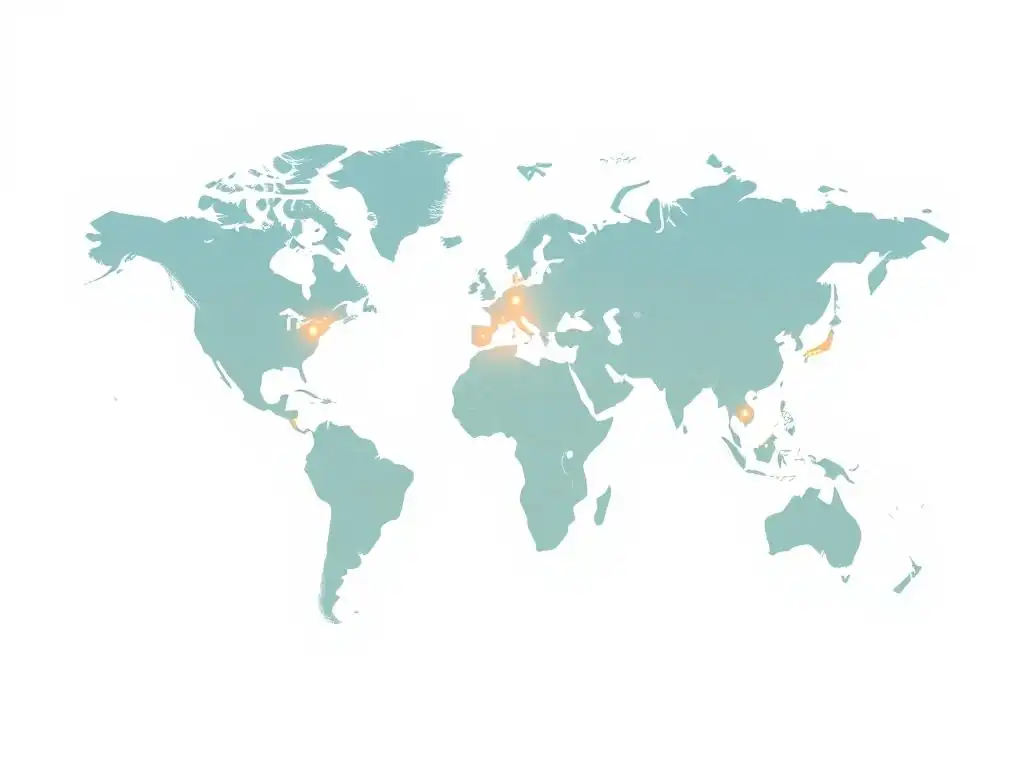
This section focuses on the pitfalls to avoid when optimizing your location settings on dating apps, directly impacting your chances of finding compatible matches. Mastering these settings is crucial for achieving the best results in your online dating journey. Getting it wrong can lead to missed opportunities or, worse, privacy breaches.
Common Pitfalls: Overly Restrictive Radius and Privacy Concerns
Many users, eager to find a local match, make the mistake of setting an excessively small radius. While this might seem like a way to filter out unsuitable matches, it drastically limits your pool of potential partners. Think about it: your ideal match might live just outside your self-imposed boundary, and you'd never know it. A slightly larger radius significantly increases your chances of connecting with someone compatible, even if they aren't right next door.
Another frequent issue is overlooking privacy concerns. Sharing your precise location with strangers can be risky. While dating apps have safety features, it's important to be cautious. Some apps allow you to share your general location (e.g., city or neighborhood) rather than your exact coordinates, offering a balance between visibility and privacy. Consider the level of information you're comfortable sharing and adjust your settings accordingly. Remember, safety should always be a top priority. Don't feel pressured to share more location data than you're comfortable with.
Balancing Privacy and Visibility: Striking the Right Balance with Location Sharing
Finding the optimal balance between privacy and visibility requires careful consideration of your dating goals and comfort levels. For example, if you're looking for a long-term relationship, you might be willing to expand your search radius, increasing your chances of encountering a compatible match even if they are further away. However, if your priority is casual dating, a smaller radius might be more suitable.
Consider experimenting with different radius settings to find what works best for you. Start with a slightly larger radius than you initially intended and observe the quality and quantity of matches you receive. If you're overwhelmed with less-than-ideal matches, gradually reduce the radius. Conversely, if you're not receiving enough matches, consider expanding your search area. Remember, this is a process of trial and error, and the optimal settings will vary depending on your location and the app you're using. Regularly review and adjust your settings based on your experiences.
Best Practices for Location Settings: Regularly Check Accuracy, Adjust Radius Based on Goals, Review App Permissions
To ensure optimal performance and safety, adopting these best practices is essential for maximizing your dating app experience. These tips will help you fine-tune your location settings for success.
- Regularly Check Accuracy: Your phone's GPS might be inaccurate, leading to matches outside your desired area or excluding potential partners within it. Periodically verify your location settings on the app and make adjustments as needed. Consider using Wi-Fi to improve accuracy, especially in areas with weak GPS signals.
- Adjust Radius Based on Goals: As previously discussed, your dating goals significantly influence the ideal radius. For casual dating, a smaller radius might suffice. For long-term relationships, expanding the radius can significantly improve your chances of finding a compatible match. Don't be afraid to experiment and find what works best for you.
- Review App Permissions: Regularly review the location permissions granted to your dating apps. Ensure that the app only accesses the location data necessary for its functionality and that no unnecessary permissions have been granted. This protects your privacy and reduces the risk of unauthorized access to your location information. Remember, you have control over what data you share; don't hesitate to revoke unnecessary permissions.
By carefully considering these points and implementing the best practices outlined above, you can significantly improve your chances of finding meaningful connections while safeguarding your privacy. Remember, finding the "best dating app location settings" is a personalized journey; what works for one person might not work for another. Experimentation and adaptation are key to achieving success.
Location-Based Dating: Maximizing Your Success
This section delves into the strategic use of location settings on dating apps to enhance your dating experience. Mastering these settings can significantly improve your chances of connecting with compatible individuals nearby, leading to more meaningful interactions and potentially, successful relationships. Understanding how to effectively leverage your location is key to unlocking the full potential of location-based dating. Finding the best dating app location settings is more than just turning the feature on; it's about strategic optimization.
Leveraging Location to Plan First Dates: Choosing Safe and Public Meeting Spots
Choosing the right first date location is crucial, especially when meeting someone from a dating app. Location-based matching inherently brings a geographical element into play, making careful planning essential. Prioritize safety and opt for well-lit, public places where you feel comfortable and secure.
Consider these options:
- Coffee shops: A classic and casual choice, offering a relaxed atmosphere for conversation. Look for busy, well-known establishments during daytime hours.
- Museums or art galleries: Provides a stimulating environment and conversation starters. The public nature of these locations adds an extra layer of security.
- Parks (during the day): A nice option for a sunny day, but always choose a well-traveled area with other people nearby. Avoid secluded areas.
- Restaurants: A more formal setting, but allows for a structured interaction. Choose a restaurant that's familiar to you and located in a safe area.
Remember to always inform a friend or family member of your plans, including the time, location, and the person you're meeting. Sharing your location in real-time through a location-sharing app can also provide an extra layer of security. Always trust your instincts; if something feels off, don't hesitate to leave. Prioritizing your safety should always be the top priority.
Safety Considerations: Meeting Someone for the First Time in a Public Place
Safety should be paramount when using location-based dating apps. While meeting in public is a significant step towards safety, it's crucial to take further precautions. Avoid secluded areas, even if they seem romantic. Always meet in a well-populated area with plenty of people around.
Here's a checklist to ensure a safer first date:
- Meet in a busy, public place: This reduces the risk of unwanted incidents.
- Tell someone your plans: Let a friend or family member know where you're going, who you're meeting, and when you expect to be back.
- Have your own transportation: This gives you the freedom to leave whenever you feel uncomfortable.
- Limit alcohol consumption: Avoid impairing your judgment.
- Trust your instincts: If something feels wrong, don't hesitate to leave.
- Be aware of your surroundings: Pay attention to your environment and who is around you.
Remember, a successful date is a safe date. Don't compromise your safety for the sake of a date. Your well-being is far more important than any potential romantic connection. A little caution goes a long way in ensuring a positive experience. Taking these steps will significantly improve your safety while using location-based dating apps.
Analyzing Your Location-Based Match Results: Refining Your Strategy
Analyzing your match results is crucial to optimizing your location settings. If you're not getting the results you want, it's time to refine your approach. Consider the following factors:
- Radius: Experiment with different radius sizes. A smaller radius might yield more geographically relevant matches, while a larger radius casts a wider net.
- Frequency of use: Consistent app usage increases your visibility and chances of matching.
- Profile quality: A compelling profile with high-quality photos and engaging descriptions increases your attractiveness to potential matches.
- Time of day: Some apps see more activity during specific times. Experiment with different login times.
- Demographics: Consider if your preferred demographics are prevalent in your current location radius. You might need to adjust your location or search criteria accordingly.
Let's illustrate with an example: If you're primarily getting matches outside your desired distance, you may need to reduce your radius. Conversely, if you're getting very few matches, you might need to expand your radius or reassess your profile's appeal. Regularly review and adjust your location settings based on your results to maximize your success on location-based dating apps. Data analysis is key to finding the best dating app location settings for your individual circumstances. Remember, the goal is to find a balance between maximizing your reach and ensuring your matches are geographically convenient and safe.
Frequently Asked Questions
How do location settings impact my online dating experience?
Your location settings directly influence who you see and who sees you. By adjusting your radius, you control the geographical area from which potential matches are drawn. This is crucial for finding compatible people nearby.
What is the optimal radius for my location settings?
The ideal radius depends on your willingness to travel and the density of singles in your area. Start with a moderate radius (e.g., 20-30 miles) and adjust based on your results and comfort level. Experimentation is key!
Can I use location settings to find people in specific cities or neighborhoods?
Most dating apps allow you to search within specific cities or zip codes, though the exact functionality varies. Carefully review your app's settings to optimize your search parameters.
Are there any risks associated with sharing my precise location on dating apps?
While convenient, sharing your exact location presents some privacy risks. Consider using a slightly broader radius rather than pinpoint accuracy to balance convenience and safety.
How can I change my location settings on popular dating apps?
The process varies slightly per app (Tinder, Bumble, Hinge, etc.). Check the app's settings menu – usually under "profile," "preferences," or a similar section – to find the location settings and make adjustments. Consult the app's help section if needed.
The ability to curate your dating experience through location-based app settings is no longer a luxury; it's a necessity in today's fast-paced digital landscape. Mastering this skill empowers you to take control of your romantic journey, significantly increasing your chances of finding meaningful connections. The power to choose who and where you meet is transformative.
The impact of location-based dating extends far beyond simply finding a date; it reflects a broader shift in how we connect and build relationships. It speaks to our desire for control, for authenticity, and for finding compatibility not just in personality, but also in lifestyle and proximity. Geography is destiny,
a phrase often attributed to various sources, rings truer than ever in the digital age of dating. The choices we make regarding our location settings directly influence the types of connections we forge, shaping our experiences and ultimately, our narratives of love and connection.
Now, consider your own dating journey. What are your location preferences? How do they reflect your values and aspirations? I encourage you to experiment with your app settings, to be mindful of the choices you make, and to approach the process with intentionality. Don't just swipe; connect. Don't just search; discover. The world of dating is vast, but with the right tools and a thoughtful approach, you can navigate it with confidence and find the love you deserve.
Unlock Your Dating Potential: Find Your Perfect Match Today!
Thank you for exploring the world of location-based dating! We hope you've gained valuable insights into finding a compatible partner. Now it's time to put that knowledge into practice.
- Optimize your profile: Review your profile photos and description, ensuring they accurately reflect who you are and highlight your unique personality. This is crucial for attracting compatible matches.
- Broaden your search: Try slightly expanding your search area to meet more people. You might be surprised at who you discover!
- Share your discoveries: Discuss this information with friends and family—sharing dating tips and experiences can be fun and rewarding. You might even help a friend find their perfect match!
Ready to elevate your dating experience? What's the first step you'll take today to improve your location-based dating strategy?