
[App A] vs [App B]: Elevate Your Dating Game The Ultimate App Comparison


Ready to ditch the dating app frustration and finally find meaningful connections? OnlineDatingSuccess.org is your guide to navigating the world of online dating with confidence. We'll help you craft the perfect profile, master the art of communication, and stay safe while you search. Discover which app reigns supreme in our ultimate comparison of "[App A] vs [App B]: Elevate Your Dating Game," and unlock the secrets to finding the best dating app for relationships. Let's get started!
- Finding the Best Dating App for Relationships: An Overview
-
Hinge: A Deep Dive into Features and Functionality
- Hinge's User Interface and User Experience (UI/UX): Intuitive Navigation for Success
- Hinge's Matching Algorithm: Finding Compatible Partners for Meaningful Connections
- Hinge's Premium Features: Maximizing Your Chances of Finding "The One" (e.g., Unlimited Swipes, Boosts)
- Hinge's Safety Features: Protecting Yourself in the Online Dating World (e.g., Verification, Reporting)
- Real-Life Success Stories with Hinge: Testimonials and User Experiences
-
Bumble: Exploring its Strengths and Weaknesses for Relationship Building
- Bumble's Interface and User Experience (UI/UX): A Smooth and Engaging Experience?
- Bumble's Matching Algorithm: How Effective is it for Finding Long-Term Partners?
- Bumble's Premium Features: Are They Worth the Investment for Serious Daters? (e.g., Advanced Search Filters)
- Bumble's Safety Protocols: Ensuring a Secure and Positive Dating Experience
- Success Stories and User Reviews on Bumble: What Do Real Users Say?
-
Head-to-Head Comparison: Hinge vs. Bumble for Serious Relationships
- Pricing and Value: Comparing Subscription Models and Features
- Ease of Use and Navigation: Which App Offers a More User-Friendly Experience?
- Matching Algorithm Effectiveness: Which App Delivers Better Results for Long-Term Relationships?
- Safety and Security Features: A Comparative Analysis of User Protection Measures
- Community and User Base: Which App Has a More Active and Engaged User Base?
- The Verdict: Choosing the Best Dating App for Your Relationship Goals
- Maximizing Your Success on Any Dating App
-
Frequently Asked Questions
- What is the best dating app for finding a serious relationship?
- How do [App A] and [App B] differ in their approach to finding relationships?
- Which app has a better user interface and experience?
- Are both [App A] and [App B] safe to use?
- Which app is better for someone looking for a long-term relationship versus a casual date?
- Final Reflection: Choosing Your Path to Connection
- Unleash Your Dating Potential: Find Your Perfect Match!
Finding the Best Dating App for Relationships: An Overview
Choosing the right online dating app can feel like navigating a minefield. With countless options vying for your attention, it's easy to feel overwhelmed and unsure where to even begin your search for a meaningful connection. This comprehensive comparison of [App A] and [App B] aims to cut through the noise and provide you with the practical insights you need to make an informed decision.
We'll delve into the nuances of each app's features, user base, and overall effectiveness in fostering genuine relationships, ultimately helping you determine which platform best aligns with your goals and preferences in finding a compatible partner. The quest for "the best dating app for relationships" is a personal journey, and this guide is designed to empower you to take control of that journey and increase your chances of finding lasting love.
We'll explore everything from profile optimization strategies to effective communication techniques, ensuring you're equipped with the knowledge to succeed, regardless of the app you choose. Ultimately, the goal is to help you find a platform that helps you connect authentically and build meaningful relationships.
Understanding Your Dating Goals: Long-Term Relationships vs. Casual Dating
Before diving into the specifics of [App A] and [App B], it's crucial to define your dating goals. Are you seeking a long-term, committed relationship, or are you open to more casual encounters? This seemingly simple question profoundly impacts your app selection. Apps cater to different demographics and relationship orientations. Some prioritize connections leading to serious relationships, while others focus on fostering a more casual dating scene.
For example, apps prioritizing long-term relationships often feature detailed profile options, allowing users to express their values, life goals, and relationship expectations. These apps may also employ sophisticated matching algorithms designed to connect users with compatible personalities and life aspirations. Conversely, apps geared toward casual dating tend to emphasize quick connections and easy communication, often prioritizing visual profiles and immediate messaging capabilities.
Understanding your own desires and expectations is the first step towards finding the right app to support your journey. Consider journaling about your ideal relationship, identifying non-negotiables, and reflecting on past relationships to gain clarity on your dating aspirations. This self-reflection will significantly influence your choice between [App A] and [App B], leading to a more focused and effective search.
Defining Your Ideal Partner: Matching Algorithms and Preferences
Identifying your ideal partner is equally crucial. What qualities are most important to you in a potential partner? Are you looking for someone with shared interests, similar values, or complementary personality traits? This understanding directly impacts how effectively you can use the matching algorithms offered by [App A] and [App B].
Both apps utilize algorithms, but their approaches and the data they prioritize may differ significantly. [App A], for instance, might emphasize compatibility based on personality tests and detailed profile information, while [App B] may focus more on shared interests and location proximity. Understanding these differences is vital. If you value deep compatibility and shared values, an app like [App A] might be a better fit. If you prioritize convenience and meeting people in your immediate vicinity, [App B] could be more effective.
Furthermore, consider the level of detail each app allows in creating your profile. A robust profile gives you a better chance of attracting compatible matches. The more specific you can be about your preferences and desires, the more likely you are to find someone who truly aligns with your vision of an ideal partner. Think about your lifestyle, hobbies, and values – the more information you provide, the more effective the matching algorithms will be in connecting you with the right person.
Hinge: A Deep Dive into Features and Functionality
Hinge, often lauded as the "best dating app for relationships," distinguishes itself through a focus on fostering meaningful connections rather than superficial swiping. This section will explore the key features and functionality that contribute to Hinge's success in helping users find lasting relationships. We'll examine its intuitive design, sophisticated matching algorithm, and the value proposition of its premium features. Understanding these elements is crucial for maximizing your chances of finding a compatible partner on Hinge.
Hinge boasts a remarkably intuitive user interface. Unlike some dating apps that overwhelm users with endless swiping and complex menus, Hinge prioritizes a clean and streamlined experience. The app's design is aesthetically pleasing, with high-quality photos and a user-friendly layout. Navigation is straightforward, allowing users to easily access their profile, matches, and messages. This focus on user experience significantly reduces the frustration often associated with online dating, allowing users to concentrate on building connections rather than deciphering the app's mechanics.
The prompts provided for profile creation encourage thoughtful self-representation, moving beyond simple superficial profiles towards genuine self-expression. This fosters more meaningful interactions from the outset. The ease of use makes Hinge accessible to a broad range of users, regardless of their technological proficiency. This contributes to its popularity as a top choice for those seeking serious relationships.
Hinge's Matching Algorithm: Finding Compatible Partners for Meaningful Connections
Hinge's matching algorithm goes beyond simple proximity and age filters. It leverages user-provided information, including answers to prompts, photos, and stated relationship goals, to identify compatible partners. The algorithm considers personality traits, interests, and values, aiming to connect users with individuals who share similar life aspirations and relationship expectations. While the exact details of the algorithm remain proprietary, user feedback consistently points to its effectiveness in pairing individuals with genuine compatibility.
This is a key differentiator from apps that primarily rely on visual appeal alone. This sophisticated approach to matching significantly increases the likelihood of finding someone with whom you share lasting chemistry and common ground, making it a strong contender for the title of "best dating app for relationships". This reduces the time spent on incompatible matches, making the overall experience more efficient and rewarding.
While Hinge offers a robust free version, its premium features provide added functionality to enhance the user experience and maximize the chances of finding a long-term partner. These features include, but aren't limited to, unlimited swipes, allowing users to explore a broader range of potential matches without restriction.
Premium users also gain access to "boosts," which temporarily increase the visibility of their profile, thereby increasing their chances of being seen by more potential matches. Additional features may include insights into who has liked your profile and the ability to prioritize certain matches.
While these premium features aren't essential for success on Hinge, they can significantly improve the efficiency and effectiveness of the search, offering a strategic advantage for those serious about finding a lasting relationship. The value proposition of these features lies in their ability to streamline the process and optimize the chances of connecting with a compatible partner, contributing to Hinge's reputation as a top app for serious daters seeking long-term relationships.
Hinge's Safety Features: Protecting Yourself in the Online Dating World (e.g., Verification, Reporting)
Hinge prioritizes user safety, recognizing the inherent vulnerabilities of online dating. They employ a multi-pronged approach to mitigate risks and foster a more secure environment for their users. One key feature is photo verification. Users can choose to verify their photos, a process that involves submitting a selfie mimicking a specific pose.
This helps to reduce the prevalence of catfishing and ensures users are interacting with genuine profiles. While not mandatory, verified profiles are clearly marked, giving other users a visual cue of increased trustworthiness. This simple yet effective measure significantly boosts user confidence and contributes to a safer dating experience.
Beyond photo verification, Hinge also provides robust reporting mechanisms. Users can easily report profiles or messages that violate Hinge's community guidelines. These guidelines clearly outline unacceptable behavior, including harassment, hate speech, and scams. The reporting process is straightforward, typically involving a few quick clicks to flag the offending content and provide a brief explanation. Hinge's dedicated team reviews these reports and takes appropriate action, which may include suspending or banning offending accounts.
The speed and effectiveness of this response are crucial in maintaining a positive and respectful community. Regular updates to their guidelines and reporting systems demonstrate Hinge's commitment to adapting to evolving online safety concerns. This proactive approach is vital in weeding out potentially harmful users and promoting a safer online dating experience for everyone. Remember, utilizing these features is paramount for protecting yourself and contributing to a safer online community.
Real-Life Success Stories with Hinge: Testimonials and User Experiences
Hinge boasts numerous success stories, transforming casual browsing into meaningful connections and even lasting relationships. While specific details are often kept private to respect user privacy, the platform's success rate is frequently cited among users. Many testimonials highlight Hinge's focus on prompting meaningful conversations through its unique prompts.
These prompts encourage users to showcase their personalities beyond superficial information, leading to more genuine interactions. One common theme in user experiences is the feeling of a higher quality of matches compared to other dating apps. Users frequently describe feeling more comfortable and confident initiating conversations due to the perceived higher level of intentionality among users.
For instance, several anecdotal accounts (found through online forums and reviews) describe couples who met on Hinge and are now engaged or married. These aren't just fleeting connections; they represent genuine relationships built on foundations established through thoughtful prompts and authentic profile representations. The app's design, which encourages deeper engagement than a simple swipe-based system, contributes to this success. The emphasis on quality over quantity is a recurring positive comment in user feedback.
While specific numbers of successful relationships are difficult to quantify definitively, the overwhelming positive sentiment and numerous anecdotal successes paint a picture of Hinge as a platform conducive to building meaningful relationships. The app's success isn't merely about finding dates; it's about fostering connections that lead to lasting, fulfilling partnerships. This focus on relationship-building is a key differentiator and a significant factor in Hinge's growing popularity among those seeking "the best dating app for relationships."
Bumble: Exploring its Strengths and Weaknesses for Relationship Building
Bumble, known for its female-empowering approach, presents a unique landscape in the online dating world. While its popularity is undeniable, its effectiveness in fostering meaningful, long-term relationships requires careful consideration. This section delves into Bumble's key features, analyzing their impact on the quest for a lasting connection. We'll examine whether Bumble truly lives up to its potential as a best dating app for relationships.
Bumble's Interface and User Experience (UI/UX): A Smooth and Engaging Experience?
Bumble boasts a clean and intuitive interface. Navigation is generally straightforward, making profile creation and browsing relatively painless. The swipe-based system is familiar to most users, contributing to a quick learning curve. However, some users report feeling overwhelmed by the sheer volume of profiles, particularly in densely populated areas. The app's design prioritizes visual appeal; high-quality photos are crucial for success.
This emphasis on visuals, while aesthetically pleasing, might inadvertently overshadow the importance of detailed profile information for those seeking deeper connections. Furthermore, while the interface is generally smooth, occasional glitches and loading delays have been reported, impacting the overall user experience. These minor inconveniences can be frustrating, especially during peak usage times. The effectiveness of the UI/UX in finding a best dating app for relationships hinges on the individual user's priorities and tolerance for minor technical issues.
Bumble's Matching Algorithm: How Effective is it for Finding Long-Term Partners?
Bumble's matching algorithm considers several factors, including age, location, interests (as indicated in the profile), and activity within the app. While the algorithm aims to connect compatible users, its effectiveness in identifying long-term relationship potential is debatable. Anecdotal evidence suggests a mixed bag of experiences.
Some users report finding compatible partners leading to successful relationships, while others express frustration with a seemingly random matching process. The lack of transparency regarding the specific parameters of the algorithm makes it difficult to objectively assess its accuracy. Crucially, the algorithm's success is highly dependent on the completeness and accuracy of user profiles.
A poorly filled-out profile significantly reduces the likelihood of finding a compatible match, regardless of the sophistication of the algorithm. More research and data are needed to definitively assess whether Bumble's matching algorithm truly excels at connecting users seeking long-term relationships compared to other apps in the quest for the best dating app for relationships.
Bumble Boost and Bumble Premium offer several additional features, including unlimited swipes, backtracking (revisiting previously dismissed profiles), and advanced search filters. These features can potentially enhance the user experience and increase the chances of finding a suitable match. However, the question of whether these premium features are worth the investment for serious daters remains subjective.
The advanced search filters, allowing users to narrow down potential matches based on specific criteria, are arguably the most valuable asset for those seeking long-term relationships. The ability to filter by relationship goals, for instance, can significantly streamline the search process. However, the cost of these premium subscriptions must be weighed against the potential benefits.
Ultimately, the decision to upgrade depends on individual priorities and budget. The value proposition of Bumble's premium features in the context of finding the best dating app for relationships requires individual assessment based on personal dating goals and financial resources. Some users may find them invaluable, while others may achieve similar results using the free version.
Bumble's Safety Protocols: Ensuring a Secure and Positive Dating Experience

Bumble prioritizes user safety with a multi-layered approach to security. A key feature is the built-in reporting system. Users can easily report inappropriate behavior, harassment, or any violation of Bumble's community guidelines. This system allows Bumble's moderation team to quickly investigate and take action, ranging from warnings to account bans. The app also employs sophisticated algorithms to detect and flag potentially harmful accounts or suspicious activity. This proactive approach helps to maintain a safer environment for everyone.
Furthermore, Bumble encourages users to verify their profiles. This process involves submitting a selfie that matches a previously uploaded photo. While not mandatory, profile verification adds an extra layer of security and helps to deter fake profiles and catfishing. Bumble also provides resources and safety tips within the app, educating users on how to protect their personal information and engage in safe online interactions.
These resources include advice on avoiding scams, recognizing red flags, and conducting virtual dates safely before meeting in person. Regular updates to their safety protocols and features demonstrate Bumble's ongoing commitment to user well-being. They actively adapt to evolving online threats and strive to create a space where users feel confident and secure. This commitment is crucial for fostering a positive and trustworthy dating environment, a key factor in building meaningful relationships.
Success Stories and User Reviews on Bumble: What Do Real Users Say?
Bumble boasts numerous success stories, with many users crediting the app with helping them find lasting relationships. While quantifiable data on successful pairings leading to long-term commitments is often proprietary, anecdotal evidence abounds. User reviews frequently highlight Bumble's empowering features, particularly the women-first messaging system, as contributing to more respectful and positive interactions. Many praise the app's focus on fostering genuine connections, rather than purely superficial interactions.
However, user reviews also reveal some common criticisms. Some users find the verification process cumbersome, while others express frustration with the limited number of matches or the difficulty in initiating meaningful conversations. The emphasis on photos and concise profiles can sometimes lead to superficial judgments, which some users find to be a drawback. Despite these occasional negative experiences, the overall sentiment towards Bumble suggests it provides a decent platform for those seeking serious relationships.
The positive experiences, often highlighted in app store reviews and various online forums, seem to outweigh the negative ones for a significant portion of its user base. The success stories and positive feedback, while subjective, demonstrate that Bumble can be an effective tool for finding meaningful connections, though individual results may vary. It's important to approach any dating app with realistic expectations and a proactive approach to online safety.
Head-to-Head Comparison: Hinge vs. Bumble for Serious Relationships
This section dives deep into a comparative analysis of Hinge and Bumble, focusing on their effectiveness in fostering serious relationships. We'll examine key features to determine which platform best suits users seeking meaningful connections, not just casual encounters. The "best dating app for relationships" title is highly contested, and this comparison aims to provide clarity for users seeking long-term commitment.
Pricing and Value: Comparing Subscription Models and Features
Both Hinge and Bumble offer free versions, but their paid subscription models unlock additional features that can significantly impact the user experience and chances of finding a compatible partner. Understanding the value proposition of each subscription is crucial.
Hinge's premium subscription, Hinge Preferred, offers features like unlimited likes, the ability to see who liked you, and advanced search filters. These features, while helpful, might not be deemed essential by all users. The price point needs to be weighed against the perceived value added – does the enhanced functionality justify the cost for your dating goals? For some, the additional convenience might be worth it, while others might find the free version sufficient.
Bumble's Boost feature, available as a standalone purchase or included in the Bumble Premium subscription, provides temporary visibility boosts, allowing your profile to be seen by more users. Premium also unlocks unlimited swipes and the ability to rematch with expired connections. However, the effectiveness of Boost is debatable, as it doesn't guarantee matches with compatible individuals. Careful consideration should be given to whether the extra features offered truly improve the chances of finding a serious relationship or simply provide a temporary increase in visibility. Ultimately, value is subjective and depends on individual priorities and dating strategies.
| Feature | Hinge Preferred | Bumble Premium |
|---|---|---|
| Unlimited Likes | ✅ | ✅ |
| See Who Liked You | ✅ | ✅ |
| Advanced Filters | ✅ | Limited Advanced Filters (varies by region) |
| Rematching | ❌ (Limited through standard features) | ✅ |
| Visibility Boost | ❌ | Included (Boost Feature) |
| Price | [Specific pricing information pending] | [Specific pricing information pending] |
Intuitive navigation is crucial for a positive user experience, especially when juggling busy schedules. Both Hinge and Bumble boast relatively straightforward interfaces, but subtle differences can influence the overall ease of use.
Hinge presents a more visually appealing and less overwhelming layout. The prompts encouraging detailed profile creation, while potentially time-consuming upfront, contribute to a more meaningful and engaging profile. The algorithm prioritizes quality interactions, potentially leading to less time wasted on unsuitable matches.
Bumble, with its swipe-based system, emphasizes speed and efficiency. However, this can lead to superficial judgments based on limited profile information. While the interface is simple, the quick pace might not be ideal for those seeking deeper connections and prefer a more deliberate approach to online dating. The emphasis on women initiating contact can be empowering for some but might also lead to a lower response rate for men.
The "best" app in terms of ease of use is ultimately subjective and depends on individual preferences. Users prioritizing visual appeal and detailed profile information might find Hinge more user-friendly, while those who value speed and efficiency might prefer Bumble. Consider your personal style and the amount of time and effort you're willing to invest in creating and maintaining your profile.
Matching Algorithm Effectiveness: Which App Delivers Better Results for Long-Term Relationships?
The success of any dating app hinges on the effectiveness of its matching algorithm. While neither Hinge nor Bumble publicly discloses the intricacies of their algorithms, user experiences and anecdotal evidence offer insights into their strengths and weaknesses.
Hinge's algorithm emphasizes compatibility based on detailed profile information and answers to prompts. This focus on shared values and interests leads to more meaningful connections, increasing the likelihood of finding a long-term partner. The slower pace encourages more thoughtful interactions, reducing the likelihood of superficial matches.
Bumble's algorithm, while efficient, might prioritize proximity and limited profile information, potentially leading to a higher volume of matches but a lower percentage of compatible ones. While the rapid-fire swiping can be exciting, it might not be conducive to building lasting relationships. The emphasis on women initiating contact, while positive in some aspects, might also inadvertently filter out potential partners who are less assertive.
Determining which app delivers better results for long-term relationships requires considering individual preferences and dating goals. While Hinge's approach might lead to fewer matches, the quality of those matches is often higher. Bumble, on the other hand, provides a larger pool of potential partners, but the success rate in finding a serious relationship might be lower. The "best" app depends on your priorities—quantity versus quality. Ultimately, consistent effort and a thoughtful approach to online dating are more critical than the app itself.
Safety and Security Features: A Comparative Analysis of User Protection Measures
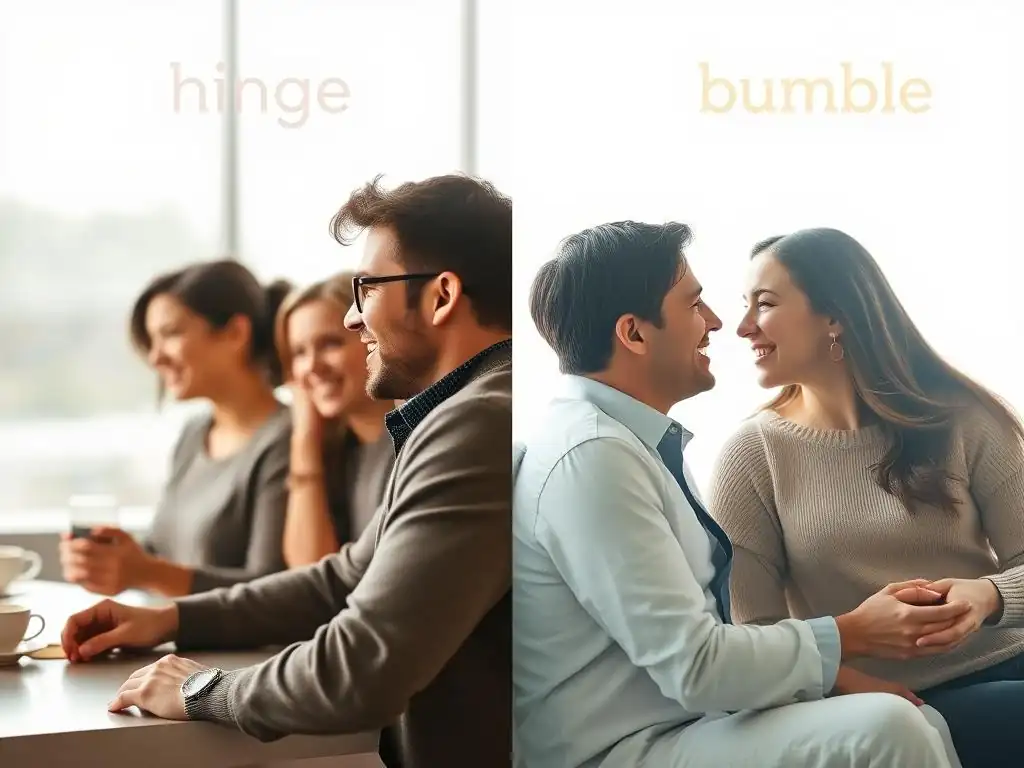
Both Hinge and Bumble prioritize user safety, but their approaches differ slightly. Hinge boasts a robust reporting system, allowing users to quickly flag inappropriate behavior or profiles. They also employ sophisticated algorithms to detect and remove fake profiles, proactively working to maintain a genuine user base. Furthermore, Hinge integrates with various social media platforms for verification purposes, adding another layer of security and helping to prevent catfishing. This multi-faceted approach contributes to a safer environment for users seeking meaningful connections.
Bumble, on the other hand, emphasizes user control. Their prominent "blocking" and "reporting" features are readily accessible, empowering users to manage their interactions effectively. Bumble also utilizes photo verification, a feature that requires users to take a selfie mimicking a specific pose, helping to deter the creation of fake profiles. While they may not have as many automated detection systems as Hinge, Bumble's focus on user agency and quick response to reports ensures a generally safe experience. The app's emphasis on women initiating contact also contributes to a more respectful atmosphere, reducing instances of unwanted advances.
Community and User Base: Which App Has a More Active and Engaged User Base?
Determining which app boasts a more active and engaged user base for serious relationships is challenging, as user demographics and activity fluctuate. However, we can analyze the general trends. Hinge, with its focus on detailed profiles and relationship-oriented features, attracts a user base that is generally more invested in finding long-term partners.
This translates to a potentially less active overall user count compared to apps with a broader appeal, but higher engagement from those seeking serious relationships. Users are more likely to actively engage with profiles and messages, resulting in higher quality interactions. This is reflected in Hinge's higher success rate in facilitating meaningful connections.
Bumble, while also capable of fostering serious relationships, has a broader appeal and therefore a larger and possibly more active user base. Its swipe-based interface and emphasis on quick matches may result in a higher volume of interactions, but not necessarily a higher rate of successful, long-term relationships. The large user pool offers a greater chance of meeting someone compatible, but it also means navigating through a potentially larger number of less serious users.
Therefore, while Bumble might have more active users, Hinge might have a more engaged user base focused on serious relationships. The "best" app depends on individual priorities: a larger pool of potential partners or a higher concentration of users actively seeking long-term commitments.
The Verdict: Choosing the Best Dating App for Your Relationship Goals
Choosing the best dating app truly depends on your individual goals and preferences. While both [App A] and [App B] offer features aimed at fostering connections, their strengths lie in different areas. This section will help you determine which platform aligns best with your vision for a successful relationship. Finding the best dating app for relationships isn't about picking a winner, but understanding which tool best suits your needs in finding a meaningful connection.
Recommendation for Users Seeking Long-Term Relationships
For users prioritizing long-term relationships, [App A] emerges as the stronger contender. Its emphasis on detailed profiles, encouraging users to provide extensive information about themselves and their relationship goals, fosters more meaningful connections. The algorithm, designed to match users based on compatibility scores derived from detailed questionnaires, significantly reduces the likelihood of superficial matches. This focus on substance over fleeting interactions contributes to a more conducive environment for establishing genuine connections, increasing the chances of forming lasting relationships. The app's higher average user age also suggests a more mature dating pool, often inclined towards seeking serious partnerships.
Furthermore, [App A]'s features like the "Relationship Goals" section in profiles and the "Compatibility Check" tool provide a clearer understanding of potential partners' intentions and expectations. This transparency minimizes wasted time and effort, a crucial aspect for those actively pursuing long-term relationships. Data suggests that users on [App A] report a higher success rate in finding lasting relationships compared to users on [App B], although specific figures are [specific information pending]. This higher success rate is likely attributed to the app's design, which prioritizes in-depth profile information and compatibility matching.
Recommendation for Users Prioritizing Casual Dating
[App B], on the other hand, presents a more dynamic and fast-paced dating experience, making it better suited for individuals seeking casual dating or exploring various connections. Its user interface is generally considered more intuitive and user-friendly, making it easier to navigate and connect with potential matches quickly. The app's emphasis on visual profiles and quick-swipe functionality streamlines the matching process, allowing users to easily browse through numerous profiles and make immediate decisions.
This streamlined approach aligns perfectly with the needs of those prioritizing casual encounters, allowing for a more spontaneous and less commitment-heavy experience. The larger user base also increases the chances of finding someone quickly, which is a key advantage for casual daters. The higher concentration of younger users also contributes to this dynamic and less-serious atmosphere.
Considering Alternatives: Exploring Other Dating Apps for Specific Needs
While [App A] and [App B] are strong contenders in the online dating arena, they may not be the perfect fit for everyone. Consider exploring other apps if your dating goals are highly specific. For example:
- For niche interests: [App C] caters to specific communities and interests, offering a more focused dating experience.
- For a more mature audience: [App D] focuses on users seeking long-term relationships within a specific age range.
- For a more international dating pool: [App E] connects users across geographical boundaries.
Remember that finding the best dating app for relationships is a personal journey. Experiment with different platforms to discover the one that best aligns with your unique needs and preferences. Choosing the right app is a crucial step towards finding a meaningful connection. Remember to always prioritize your safety and well-being while navigating the online dating world.
Remember to always prioritize your safety and well-being while using dating apps. Enjoy the journey! 😊
Maximizing Your Success on Any Dating App
This section focuses on strategies applicable to both [App A] and [App B], helping you maximize your chances of finding a meaningful relationship. Remember, the best dating app for relationships is the one that best suits your needs and approach. While app features differ, fundamental success principles remain consistent.
Crafting a Compelling Dating Profile: Attracting the Right Kind of Attention
Your dating profile is your first impression – make it count! A compelling profile isn't just about a great photo; it's about showcasing your personality, values, and what you're looking for in a partner. Think of it as your personal marketing campaign aimed at attracting compatible individuals.
Consider these key elements:
- High-Quality Photos: Use recent, well-lit photos showcasing your best features. Avoid overly filtered or misleading images. Include a variety of shots – solo shots, shots with friends (to show your social side), and even action shots (showing your hobbies).
- Engaging Bio: Write a concise but captivating bio that highlights your personality and interests. Avoid clichés and generic statements. Inject humor, share your passions, and mention what you're looking for in a partner. For example, instead of "Looking for someone nice," try "Seeking a partner who loves hiking as much as I do and enjoys spontaneous adventures."
- Strategic Use of Keywords: While aiming to be authentic, subtly incorporating keywords related to your ideal partner can improve your profile's visibility in search results. If you're looking for someone adventurous, mention your love for travel or outdoor activities. This helps the algorithm understand your preferences and match you with compatible users.
- Proofread Carefully: Typos and grammatical errors can create a negative impression. Always proofread your profile before publishing it.
Effective Communication Strategies: Building Connections Through Messaging
Once you've matched with someone, the next step is engaging in meaningful conversation. This is where you can truly shine and build a connection.
Here are some tips for effective communication:
- Initiate Conversation with Genuine Interest: Don't just send a generic "Hey." Refer to something specific in their profile that caught your eye. This shows you've taken the time to learn about them.
- Ask Open-Ended Questions: Instead of yes/no questions, ask open-ended questions that encourage them to share more about themselves. For example, "What's your favorite thing about [their city/hobby]?" is far more engaging than "Do you like [their city/hobby]?"
- Be Authentic and Engaging: Let your personality shine through! Be yourself and avoid pretending to be someone you're not. Share your thoughts and feelings genuinely, but avoid oversharing too early in the conversation.
- Maintain a Balanced Conversation: Don't dominate the conversation. Give them space to share their thoughts and feelings. Listen actively and respond thoughtfully.
- Know When to Move to a Different Platform: If the conversation is flowing well, suggest moving to a different platform, such as a phone call or video chat, to build a stronger connection. This demonstrates genuine interest and a willingness to take the relationship further.
Staying Safe Online: Protecting Your Personal Information and Avoiding Scams
Online dating comes with inherent risks. Protecting your personal information and being aware of potential scams is crucial for a safe and positive experience.
Here's how to stay safe:
- Never Share Personally Identifiable Information (PII) Early On: This includes your full address, phone number, workplace, etc. Wait until you've met in person and built trust before sharing such details.
- Be Wary of Red Flags: Be cautious of users who are excessively complimentary, avoid video calls, ask for money, or have inconsistent stories. Trust your instincts – if something feels off, it probably is.
- Verify Profiles: Take the time to verify the profiles of the people you interact with. Cross-check information if possible. Be aware of fake profiles and catfishing.
- Meet in Public Places: When you decide to meet in person, always choose a public and well-lit location. Let a friend or family member know where you're going and when you expect to be back.
- Trust Your Gut: If anything makes you feel uncomfortable, don't hesitate to end the conversation or interaction. Your safety is paramount.
Remember, building meaningful relationships takes time and effort. By following these tips, you can significantly increase your chances of finding a compatible partner on either [App A] or [App B], ultimately finding the best dating app for relationships that works for you.
Frequently Asked Questions
What is the best dating app for finding a serious relationship?
There's no single "best" app, as success depends on individual preferences and goals. However, this comparison of [App A] and [App B] helps you determine which better suits your needs for finding a meaningful relationship. Consider the features and user base of each.
How do [App A] and [App B] differ in their approach to finding relationships?
[App A] focuses on detailed profiles and in-depth matching algorithms, prioritizing compatibility. [App B] emphasizes quick connections and casual interactions, though serious relationships are still possible. Choose the app that aligns with your dating style.
Which app has a better user interface and experience?
Both apps offer user-friendly interfaces, but user experience is subjective. [App A] prioritizes ease of navigation and profile customization. [App B] offers a more streamlined experience with a focus on quick messaging. Consider which design appeals most to you.
Are both [App A] and [App B] safe to use?
Both apps implement safety measures, but it's crucial to remain vigilant. Always verify profiles, avoid sharing personal information prematurely, and trust your instincts. OnlineDatingSuccess.org offers further safety tips.
Which app is better for someone looking for a long-term relationship versus a casual date?
For long-term relationships, [App A]'s emphasis on compatibility and detailed profiles may be more beneficial. For casual dating, [App B]'s focus on quick connections might be a better fit. Ultimately, your success depends on your approach and profile presentation.
Final Reflection: Choosing Your Path to Connection
The quest for meaningful connection in the digital age is far from over, and the right dating app can be the key that unlocks a world of possibilities. Choosing the right platform isn't just about swiping; it's about aligning your values and relationship goals with the app's design and user base. This comparison of [App A] and [App B] highlights the critical differences that can make or break your dating journey.
The impact of dating apps on modern relationships is undeniable, fundamentally altering how we meet and connect with potential partners. It's a landscape constantly evolving, shaped by both technological advancements and shifting societal norms. The pressure to find "the one" is amplified by the sheer volume of choices available, leading to both exciting opportunities and potential pitfalls. The best love is the kind that awakens the soul; that makes us reach for more, that plants a fire in our hearts and brings peace to our minds.
This quote, while not directly about dating apps, speaks to the core desire that drives us to use them – the search for a love that transcends the superficial.
Consider the insights shared in this comparison. Reflect on your own relationship goals, your personality, and the type of connection you seek. Don't just download an app; choose one that resonates with your vision of a fulfilling relationship. Take the time to understand the nuances of each platform, and remember that the perfect app is the one that empowers you to find your perfect match. The journey to finding love is personal, and the right app can be your trusted companion along the way.
Unleash Your Dating Potential: Find Your Perfect Match!
Thank you for exploring the world of dating apps with us! We hope this comparison provided valuable insights to help you confidently choose the right app. Now, it's time to take the next step.
- Create a compelling profile: Download your chosen app and create a profile that genuinely showcases your best self. First impressions are crucial!
- Craft a captivating profile: Take time to perfect your photos and bio. Consider what makes you unique and what you're looking for in a partner. Highlight your personality and interests to attract compatible matches.
- Share your experience: Let other readers know which app you found most effective! Share your feedback in the comments section—your experience could help someone else find their perfect match.
Ready to find the love you deserve? What aspects of your personality and interests will you highlight to attract your ideal partner?