
The "I'm So Unique" Claim: Recognizing a Lack of Authenticity Online


Tired of endless swiping and disappointing dates? At OnlineDatingSuccess.org, we empower you to navigate the world of online dating with confidence. This website is your guide to creating a truly authentic profile, mastering communication, and staying safe. But first, let's tackle something crucial: learning to spot fake dating profiles. Our latest article, "The 'I'm So Unique' Claim: Recognizing a Lack of Authenticity Online," reveals the subtle (and not-so-subtle) signs that someone isn't who they seem. Ready to unlock the secrets to genuine connections? Dive in and discover how to avoid scams and find your perfect match.
-
Spotting Fake Dating Profiles: The "Unique" Red Flag
- Identifying Generic or Vague Profiles: A Lack of Specific Details
- Excessively Positive Self-Descriptions: Beware of Unrealistic Perfection
- Inconsistencies and Contradictions in Profile Information: Cross-Referencing for Authenticity
- Reverse Image Search: Verifying Profile Pictures and Avoiding Catfishing
- Beyond the Profile: Recognizing Inconsistent Communication
- How to Respond to Suspicious Profiles: Protecting Yourself Online
- Building Authentic Connections: Tips for Genuine Online Dating
-
Frequently Asked Questions
- How can I spot a fake dating profile on OnlineDatingSuccess.org?
- What are some common signs of a fake profile designed to scam people?
- Why do people create fake dating profiles?
- How important is verifying information on dating profiles before meeting in person?
- What should I do if I suspect I've encountered a fake profile on OnlineDatingSuccess.org?
- Final Reflection: Unveiling Authenticity in a Digital World
- Unmask Your Authentic Self: Take Control of Your Online Presence
Spotting Fake Dating Profiles: The "Unique" Red Flag
Navigating the world of online dating requires a keen eye for detail and a healthy dose of skepticism. While genuine connection is the ultimate goal, the prevalence of fake profiles necessitates a cautious approach. This article focuses on a common red flag often overlooked: the overused and often disingenuous claim of "uniqueness."
Many fake profiles attempt to lure in unsuspecting users with grandiose statements of individuality, masking a lack of authenticity behind a veneer of exceptionalism. Learning to identify these profiles is crucial for protecting yourself from scams, disappointment, and potential harm. This guide will equip you with the tools to spot these deceptive tactics and navigate the online dating landscape with greater confidence and safety, ultimately helping you to spot fake dating profiles more effectively.
We'll explore several key indicators, providing you with practical strategies to distinguish genuine profiles from fabricated ones. Remember, genuine connection thrives on authenticity – don't settle for less.
Identifying Generic or Vague Profiles: A Lack of Specific Details
One of the most significant giveaways of a fake profile is a lack of specific details. Authenticity shines through in the specifics. Think about it: a truly unique individual will have unique experiences, interests, and perspectives. Generic statements like "I love to travel" or "I'm looking for someone kind and funny" are far too common and lack the concrete details that paint a vivid picture of a real person.
Instead, look for profiles that offer specific examples. For instance, instead of "I love to travel," a genuine profile might say, "I recently backpacked through Southeast Asia for three months, and my favorite memory was [specific anecdote]." The more specific and detailed the profile, the more likely it is to be authentic.
Pay close attention to the use of stock photos and generic descriptions. Fake profiles often rely on readily available images and clichés, lacking the personal touch that reveals true personality. Conversely, a genuine profile will showcase a variety of photos illustrating different aspects of the individual’s life and personality. Look for photos showcasing genuine emotions and activities, not just perfectly posed shots.
Remember, the devil is in the details – or rather, the lack thereof. The absence of specific details is a strong indicator that you might be dealing with a fake profile. Consider the level of effort put into the profile; a rushed, generic profile is a major red flag.
Excessively Positive Self-Descriptions: Beware of Unrealistic Perfection
Another hallmark of fake profiles is an excessive focus on positive self-description, often bordering on unrealistic perfection. While confidence is attractive, an overwhelming amount of self-praise, devoid of any self-awareness or vulnerability, should raise suspicion. Be wary of profiles that use superlatives excessively ("the most amazing," "the best," "incredibly beautiful"). Genuine individuals acknowledge both their strengths and weaknesses. A balanced portrayal of oneself, including both positive and negative attributes, is a much more realistic and trustworthy presentation.
Consider the language used. Does the profile sound too good to be true? Are there unrealistic claims of success, wealth, or attractiveness? A profile filled with boastful language and extravagant claims often masks a lack of genuine substance. Remember, true confidence doesn't require constant self-promotion. A balanced and honest self-assessment is far more compelling and trustworthy than a carefully constructed façade of perfection. Authenticity shines through in the nuances and complexities of a person's character, not in a flawless, unrealistic portrayal.
Inconsistencies and Contradictions in Profile Information: Cross-Referencing for Authenticity
Finally, carefully examine the profile for any inconsistencies or contradictions. Do the photos match the written description? Do the stated interests align with the overall presentation? A discrepancy between the image projected and the information provided is a major warning sign. For example, a profile claiming to be an avid outdoorsman might use only indoor photos or lack any mention of specific outdoor activities. Such inconsistencies suggest a lack of authenticity and might indicate a fabricated profile.
To further investigate, try cross-referencing information provided in the profile with other online sources. If the profile claims a specific profession or affiliation, check if this information can be verified independently. While not always conclusive, this extra step can provide valuable insights into the profile's credibility.
Remember, a consistent and verifiable profile is a much stronger indicator of authenticity than one riddled with inconsistencies and contradictions. Don't hesitate to take the time to cross-reference information; it could save you from a potentially unpleasant experience. A thorough examination can help you effectively spot fake dating profiles and ensure a safer online dating experience.
Reverse Image Search: Verifying Profile Pictures and Avoiding Catfishing
Reverse image searching is a powerful tool in your arsenal for spotting fake dating profiles. Many scammers use stolen photos—often from models, actors, or even entirely unrelated individuals. A simple reverse image search can quickly reveal if a profile picture is being used elsewhere online. This is crucial in identifying potential catfishing attempts, where someone is misrepresenting their identity and appearance. The process is straightforward: upload the profile picture to a reverse image search engine (like Google Images, TinEye, or Yandex Images) and see where else that image appears.
If the image shows up on multiple stock photo websites, modeling portfolios, or other unrelated profiles, it's a significant red flag. Don't just rely on one search engine; use several for a more comprehensive check. The more places the image appears unrelated to the profile's purported owner, the higher the likelihood of a fake profile. Remember, a genuine profile is less likely to have its photos appearing widely across the internet in unrelated contexts. This method is a first line of defense against deceptive profiles and helps you prioritize your time and energy on genuine connections.
Be aware, however, that sophisticated scammers might use slightly altered images to evade detection, so consider additional verification methods alongside reverse image searching. Pay attention to inconsistencies – a picture that looks professionally taken might clash with a low-quality background in other photos. This discrepancy can be another indicator of a fraudulent profile. Ultimately, a thorough reverse image search is a vital step in verifying a profile's authenticity and protecting yourself from potential heartache and scams.
Beyond the Profile: Recognizing Inconsistent Communication

This section delves into the subtle yet significant inconsistencies in communication that often betray a lack of authenticity in online dating profiles. While a carefully crafted profile might initially seem appealing, inconsistencies in messaging can reveal a disingenuous persona. Learning to spot these red flags is crucial for protecting yourself and fostering genuine connections. This section focuses on identifying manipulative communication styles often employed by those seeking to deceive or exploit others. Remember, genuine connection takes time, and rushing the process is a major red flag.
Over-the-Top Compliments and Flattery: A Sign of Insincere Engagement
Generic, overly effusive compliments are a classic sign of a fake or insincere profile. Instead of genuine appreciation for specific aspects of your profile or personality, these individuals will often resort to sweeping statements. For example, "You're the most beautiful woman I've ever seen!" or "You're absolutely perfect!"
lack specificity and feel impersonal. Authentic compliments are tailored and specific; they highlight something unique that they genuinely noticed and appreciate. They might comment on a specific interest mentioned in your profile, a detail in your photo, or a particular quality expressed in your writing style. Look for compliments that feel generic and lack depth—these are often a hallmark of insincerity and a potential red flag to spot fake dating profiles.
Consider this example: Instead of "You're gorgeous! ", a genuine compliment might be "I love your sense of humor in your profile; the [mention specific example from profile] made me laugh out loud." The difference is stark. The latter shows genuine engagement with your profile and personality, while the former is a generic, potentially manipulative tactic. Pay attention to the quality of the compliments, not just the quantity.
Pressure for Instant Intimacy: Identifying Red Flags in Early Communication
Another key indicator of a potentially fake profile is the rapid escalation of intimacy in communication. Genuine connections develop gradually, built on mutual trust and respect. Individuals pushing for explicit conversations, sharing inappropriate photos prematurely, or suggesting meeting in person before establishing a basic level of comfort are displaying a major red flag.
This behavior often suggests a lack of genuine interest in getting to know you and may mask ulterior motives. Remember, healthy relationships are built on a foundation of trust and respect, not rushed intimacy. This is particularly important when attempting to spot fake dating profiles which may be driven by exploitative intentions.
Think about it: Would you trust someone who pressures you for personal information or intimate details before even learning your favorite color? Probably not. This is a critical element when learning how to spot fake dating profiles, because these profiles often prioritize immediate gratification over genuine connection. Establish clear boundaries and never feel pressured to do anything that makes you uncomfortable.
Avoidance of Specific Questions: Detecting Evasive Behavior and Deception
Evasive answers or a consistent avoidance of direct questions is another significant warning sign. Authentic individuals are generally open and willing to share information about themselves, within reason and at their own pace. However, those with fake profiles often struggle to maintain a consistent narrative. When you ask specific questions about their life, hobbies, or experiences, their responses might be vague, contradictory, or suspiciously generic. They might deflect your questions, change the subject, or offer only superficial answers. This evasiveness can be a strong indicator of deception.
For instance, if you ask about their job and they give a vague answer like "I work in business," but can't elaborate on their specific role or company, it could be a red flag. Similarly, inconsistent details across various messages or a reluctance to answer simple questions about their daily life should raise concerns. Remember, genuine connection involves open and honest communication. Persistent evasiveness should be viewed as a critical element when you are trying to spot fake dating profiles. Trust your instincts; if something feels off, it likely is.
Unrealistic Expectations and Promises: Recognizing Unlikely Scenarios
Unrealistic expectations and promises are a significant red flag in online dating communication, often indicative of a fake profile or, at the very least, someone with distorted perceptions of relationships. These individuals might paint a picture of a perfect life, filled with lavish vacations, high-earning careers, and an impossibly charming personality. The key is to discern between genuine optimism and blatant fabrication.
A healthy level of ambition is expected, but claims that are demonstrably improbable should raise immediate concern. For instance, someone claiming to be a successful CEO who spends their days hiking the Himalayas and their nights at exclusive galas is likely exaggerating, if not outright lying. This level of inconsistency should be a major warning sign.
Remember, it's perfectly acceptable to have high standards and seek a partner who aligns with your values and aspirations. However, be wary of profiles that promise a fairytale romance without any realistic grounding. Focus on the specifics; inconsistencies in their narratives are crucial. A person claiming to be a world-renowned surgeon who uses poor grammar and misspells common words is a glaring example of a possible deception. These discrepancies between their self-portrayal and their actual communication style should trigger further scrutiny. Such profiles often lack substance and are designed to attract attention quickly, rather than build genuine connection.
Pay attention to the details. Do their stories seem too good to be true? Do they boast about achievements without any supporting evidence or credible details? Do their descriptions contradict information elsewhere in their profile or their subsequent communication? These are all vital questions to ask yourself when assessing the authenticity of someone's claims.
Remember, genuine connections are built on mutual trust and transparency; excessive boasting and improbable narratives are often a smokescreen for something less genuine. Trust your intuition; if something feels off, it probably is. Prioritize profiles that demonstrate a realistic and balanced portrayal of themselves, avoiding overly embellished or unrealistic portrayals of their lives. A healthy relationship is built on honest communication, not fantastical claims. Don't fall for the "too good to be true" trap; prioritize authenticity over perfection.
How to Respond to Suspicious Profiles: Protecting Yourself Online
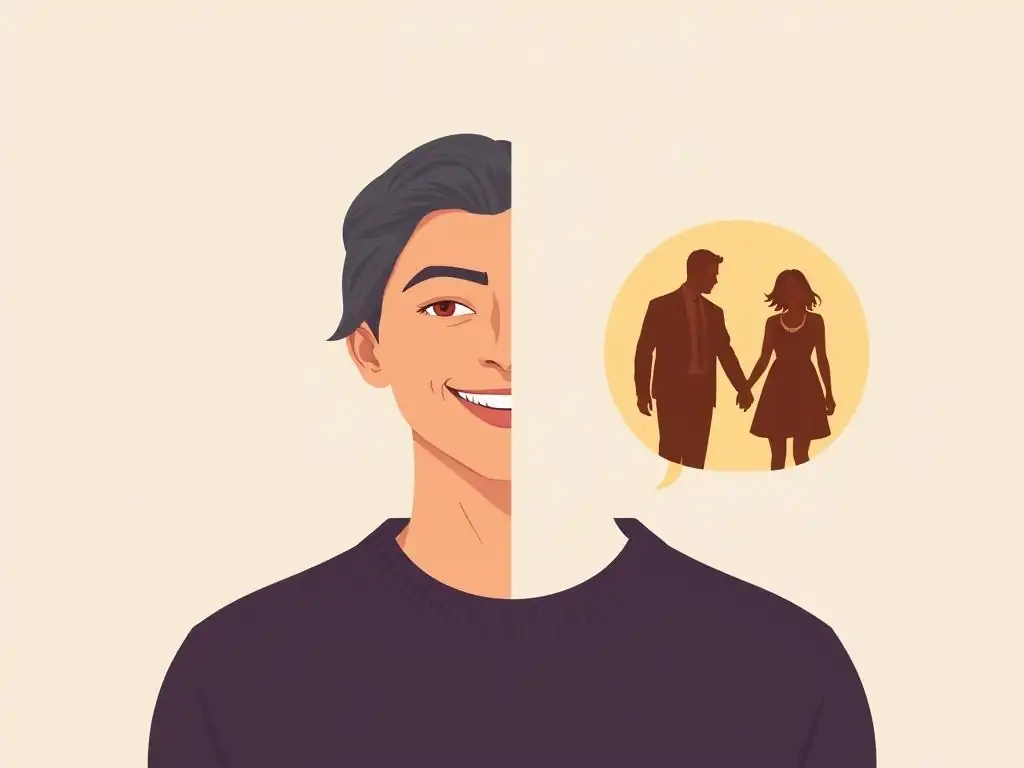
This section focuses on practical steps you can take when encountering profiles that raise red flags, helping you effectively spot fake dating profiles and protect your well-being online. Remember, your safety and peace of mind are paramount. Navigating the world of online dating requires vigilance and a proactive approach to identifying potential risks.
Don't Engage Further: The Importance of Ignoring Suspicious Profiles
The most crucial step when you suspect a profile is inauthentic is to simply not engage. Avoid responding to messages, liking photos, or initiating contact. Any interaction, even a negative one, can unintentionally encourage the person behind the fake profile. Think of it like this: ignoring suspicious behavior is akin to refusing to feed a troll – it deprives them of the attention they crave and reduces their potential to cause harm. Ignoring a fake profile is not only self-protective but also contributes to a healthier online dating environment by discouraging deceitful behavior.
Many individuals create fake profiles for various reasons, ranging from malicious intent to simply seeking attention. By refusing to participate in any interaction, you deny them the opportunity to further their scheme, whether that involves phishing for personal information, catfishing, or other harmful activities. This simple act of non-engagement can significantly decrease your risk of becoming a victim. Remember, your time and energy are valuable – don't waste them on profiles that lack authenticity.
Reporting Suspicious Activity: Contributing to a Safer Online Dating Environment
Beyond ignoring suspicious profiles, actively reporting them is a critical step in combating inauthenticity within online dating platforms. Most dating sites and apps provide reporting mechanisms for users to flag profiles that violate their terms of service. These terms often cover fake profiles, scams, and other forms of inappropriate behavior. Using these tools is crucial for maintaining a safer online environment for everyone. Think of reporting as a form of community service – you're contributing to a cleaner and more trustworthy space for genuine connections.
When reporting, be as detailed as possible. Include specific examples of why you suspect the profile is fake. This might include inconsistencies in photos, unusual language in messages, requests for money, or an overall feeling of unease. The more information you provide, the better equipped the platform is to take action.
Consider documenting the profile (screenshots are helpful) before reporting, in case you need to reference it later. This proactive approach helps platforms improve their detection mechanisms and contribute to a more secure online dating experience for all users. The goal is to help spot fake dating profiles and make the platform safer for everyone.
Focus on Genuine Connections: Prioritizing Authenticity in Online Dating
While effectively spotting fake dating profiles is vital, remember that the ultimate goal of online dating is to build genuine connections. Prioritize profiles that feel authentic and showcase genuine personality and interests. Be wary of profiles that are overly perfect, lack personal details, or seem too good to be true. Authenticity is often revealed through small details—a slightly imperfect photo, a mention of a quirky hobby, or a willingness to share vulnerabilities.
Remember, building strong, meaningful relationships requires trust and transparency. By focusing your energy on authentic connections, you increase your chances of finding someone who shares your values and desires a genuine relationship. Don't settle for less; your time and effort deserve to be invested in meaningful interactions. Prioritize your well-being and remember that a healthy online dating experience begins with a commitment to authenticity, both in your own profile and in the profiles you choose to engage with. This will help you avoid falling victim to scams and focus on creating positive and lasting connections.
Building Authentic Connections: Tips for Genuine Online Dating
Finding genuine connections in the world of online dating requires a keen eye for authenticity. Spotting fake dating profiles and avoiding inauthentic individuals is crucial for a positive experience. This section provides practical strategies to help you build relationships based on trust and shared values, rather than fabricated personas. The key is to prioritize genuine engagement, fostering connections that are both meaningful and safe. Remember, building a successful online dating experience hinges on being true to yourself and recognizing red flags that indicate a lack of authenticity.
Highlighting Your True Self: Creating an Honest and Engaging Profile
Creating a profile that accurately reflects your personality and interests is the first step in attracting genuine connections. Avoid generic statements or overly idealized descriptions. Instead, focus on showcasing your unique qualities and passions. For example, instead of writing "I love to travel," elaborate on specific travel experiences, mentioning a favorite destination or a memorable trip. This level of detail adds depth and makes your profile more engaging.
Similarly, instead of saying "I'm funny," share an anecdote that showcases your sense of humor. Consider using specific examples to illustrate your hobbies and interests. Do you enjoy cooking? Mention your favorite dish or a recent culinary adventure.
Are you a bookworm? Name a few authors or genres you enjoy. These specifics help potential matches connect with you on a deeper level and assess your authenticity. Remember, a genuine profile is more likely to attract genuine connections, making it easier to spot fake dating profiles that lack this level of detail and depth.
Once you've established initial contact, focus on initiating conversations that go beyond superficial pleasantries. Ask open-ended questions that encourage genuine responses and reveal your date's personality. Instead of asking "What do you do? ", try asking "What aspects of your work are most fulfilling?"
This type of question encourages a more thoughtful and revealing response. Actively listen to their answers and contribute to the conversation with insightful comments and questions. This shows genuine interest and helps build rapport. Pay attention to inconsistencies in their responses or a reluctance to delve deeper into personal details; these could be red flags indicating a lack of authenticity.
Look for shared interests and values as a foundation for a lasting connection. Finding common ground is key to building a meaningful relationship, both online and offline. The more you engage in genuine conversations, the easier it becomes to spot fake dating profiles based on their superficial or evasive responses.
Maintaining Healthy Boundaries: Protecting Your Personal Information and Safety
Protecting your personal information and safety is paramount in online dating. Avoid sharing sensitive details like your full address, workplace, or financial information until you have established trust and met in person. Be wary of individuals who pressure you to share private information too quickly or who seem overly eager to meet without first engaging in meaningful conversations.
This is a classic sign of a potentially fake dating profile or a dangerous individual. Before meeting someone offline, do your due diligence; verify their identity through social media or mutual acquaintances if possible. Meet in a public place for your first meeting, and inform a friend or family member of your plans, including the time, location, and the person you're meeting.
Trust your instincts; if something feels off, don't hesitate to end the interaction. Prioritizing your safety and security is crucial to having a positive and successful online dating experience. Remember, your safety is paramount, and being cautious helps you spot fake dating profiles and protect yourself from potential harm.
Frequently Asked Questions
How can I spot a fake dating profile on OnlineDatingSuccess.org?
Look for profiles lacking specific details, filled with stock photos, or boasting unrealistic accomplishments. Inconsistencies in their story or a lack of personal information are also red flags.
What are some common signs of a fake profile designed to scam people?
Be wary of profiles that quickly ask for money, personal information, or press you to move the conversation off the dating site very quickly. These are major warning signs.
Why do people create fake dating profiles?
Reasons vary, from catfishing to scamming for financial gain, or simply to boost their ego. Some may even use fake profiles to harass others.
How important is verifying information on dating profiles before meeting in person?
It's crucial to verify information whenever possible. Don't rush into meeting someone; research their profile, check for inconsistencies, and communicate cautiously before arranging an in-person date.
What should I do if I suspect I've encountered a fake profile on OnlineDatingSuccess.org?
Report the profile to the dating site's administrators immediately. Do not engage further with the suspected fake profile and be extra cautious with your personal information.
Final Reflection: Unveiling Authenticity in a Digital World
The pervasive nature of inauthenticity online, particularly in dating profiles, demands a critical eye and a commitment to genuine connection. We've explored the various tactics used to create idealized, often deceptive, online personas, highlighting the detrimental effects on trust and genuine relationships. This isn't just a minor inconvenience; it's a significant obstacle to forming meaningful connections in our increasingly digital world.
The pressure to present a perfect online image is immense, impacting not only romantic relationships but also our broader sense of self and societal expectations. The internet is a powerful tool, but it can also be a breeding ground for deception. We must learn to discern truth from fabrication.
This quote underscores the importance of cultivating media literacy and critical thinking skills to navigate the complexities of online interactions. The constant bombardment of curated perfection can lead to feelings of inadequacy and self-doubt, reinforcing the need for a more honest and transparent online environment.
You, the reader, now hold the power to reshape your online experiences. Don't just passively consume; actively engage in critical evaluation of the information you encounter. Challenge the idealized images you see, and prioritize genuine connection over superficial perfection. By embracing authenticity in your own online presence and demanding it from others, you contribute to a healthier and more meaningful digital landscape. Let's work together to build a future where online interactions are built on honesty and respect.
Unmask Your Authentic Self: Take Control of Your Online Presence
Thanks for exploring the complexities of authenticity in online dating! We hope you gained valuable insights into recognizing genuine connections. Now it's time to put this knowledge into practice.
- **Craft a compelling dating profile that truly reflects you. ** Go beyond surface-level descriptions and showcase your passions, quirks, and values. Highlight what makes you unique and express it authentically.
- Share this article with a friend navigating the online dating world. A little support can go a long way!
- **Engage with the comments below. ** What are your biggest challenges in presenting your true self online? Let's discuss!
Ready to ditch the pretense and attract genuine connections? What small step can you take today to be more authentic in your online dating profile?