
Get the Matches You Want: A Deep Dive into Dating App Filter Options


Tired of endless swiping with disappointing results? At OnlineDatingSuccess.org, we believe finding love online shouldn't be a guessing game. This website is your guide to navigating the world of online dating with confidence. Unlock the secrets to crafting a compelling profile, mastering effective communication, and—crucially—optimizing your search with the best dating app filter settings. Discover how to transform your dating app experience from frustrating to fulfilling. Let's dive in and find your perfect match!
-
Understanding the Power of Dating App Filters: Optimizing Your Search
- Mastering Distance Filters for Local Connections
- Refining Age Preferences: Finding Your Ideal Match Range
- Exploring Gender and Relationship Type Filters: Defining Your Search
- The Importance of Height Filters: Finding Compatibility
- Leveraging Lifestyle Filters: Matching Values and Interests (e.g., Pets, Smoking, Drinking)
- Best Dating App Filter Settings: A Step-by-Step Guide
- Advanced Filter Techniques for Maximizing Match Quality
- Beyond Filters: Optimizing Your Dating App Profile for Success
- Case Study: How Optimized Filters Led to a Successful Match
-
Frequently Asked Questions
- What are the most important filter settings on dating apps?
- How do I avoid wasting time with incompatible matches using filters?
- Can using too many filters be detrimental to my online dating experience?
- Are there any hidden filter options I should know about?
- How often should I adjust my dating app filter settings?
- Final Reflection: Unlocking Connection Through Strategic Filtering
- Unlock Your Dating App Potential: Find Your Perfect Match!
Understanding the Power of Dating App Filters: Optimizing Your Search
Online dating can feel overwhelming. With millions of potential matches, finding compatible partners who align with your preferences can seem like searching for a needle in a haystack. However, most dating apps offer powerful filtering tools that significantly streamline this process.
This article serves as your comprehensive guide to mastering dating app filter settings, helping you refine your search and connect with individuals who genuinely match your ideal partner profile. We'll explore the nuances of each filter option, providing practical advice and real-world examples to ensure you get the most out of your online dating experience. Learning to effectively utilize these filters is crucial to maximizing your chances of finding meaningful connections, saving you valuable time and energy in the long run.
By the end of this article, you'll be confident in setting the best dating app filter settings to attract compatible matches and increase your chances of online dating success. Let's dive in! 🎉
Mastering Distance Filters for Local Connections
Finding local connections is key for many online daters. The distance filter is crucial for this. Most apps default to a fairly wide radius, often showing potential matches many miles away. This can lead to wasted time and effort messaging people you're unlikely to meet in person.
For example, if you're only interested in meeting someone within a reasonable commuting distance, say, 20 miles, setting your filter accordingly is essential. Consider your personal transportation, lifestyle, and willingness to travel when setting this radius. Don't be afraid to experiment! Try decreasing the distance gradually to see how it affects the number of potential matches.
A smaller radius can lead to a more focused pool of potentially compatible individuals who are geographically closer to you. Remember that proximity significantly impacts the feasibility of meeting up, so optimizing this filter is a critical step. Furthermore, consider the density of your area. In a densely populated urban center, a smaller radius might still yield many matches, while in a more rural area, you might need a wider radius.
Refining Age Preferences: Finding Your Ideal Match Range
Age is a significant factor in compatibility for many individuals. Dating apps allow you to specify a preferred age range, helping you focus on people within your desired demographic. However, it’s important to be realistic and open-minded. Consider what age ranges you're genuinely comfortable with and avoid setting overly restrictive parameters that might exclude potentially great matches.
For instance, instead of setting a very narrow age range (e.g., 28-30), consider a slightly broader range (e.g., 26-32) to increase your options. Remember, compatibility goes beyond just age; shared values, interests, and life goals are equally important. Setting an age range that's too narrow could limit your opportunities to connect with someone amazing who falls just outside your initial boundaries. Experiment and adjust your age range as you gain more experience and understanding of what you're looking for.
Exploring Gender and Relationship Type Filters: Defining Your Search
Many dating apps allow you to specify your preferred gender(s) and relationship type. This is a fundamental aspect of defining your search parameters. Be clear and honest about your preferences. Whether you're looking for a romantic relationship, a casual friendship, or something else entirely, selecting the appropriate filter ensures that you're connecting with people who share your intentions. Similarly, specifying your gender preferences helps the app show you only profiles that align with your sexuality.
Remember that some apps offer more nuanced options beyond binary gender choices, reflecting a growing inclusivity in online dating. Take advantage of these options to ensure your search is as comprehensive and representative of your preferences as possible. Being upfront about your relationship goals from the outset avoids potential misunderstandings and wasted time. This transparency increases the likelihood of forming genuine and compatible connections.
The Importance of Height Filters: Finding Compatibility
Height is a surprisingly significant factor for many people in online dating. While some might argue it's superficial, the reality is that height preferences often reflect deeply rooted compatibility issues. For example, someone who prioritizes a taller partner might subconsciously seek a sense of security or protection, while someone preferring a partner of similar height might value equality and shared experiences. Ignoring height filters completely can lead to a frustrating experience, filled with matches where the fundamental physical aspect of height creates an immediate disconnect.
Therefore, using height filters effectively is not about superficiality; it's about efficiently narrowing down potential matches to those who are more likely to align with your personal preferences and expectations. This saves you time and emotional energy in the long run, allowing you to focus on connecting with people on a deeper level. Consider carefully your own height preference – are you flexible? Do you have a hard limit?
Honest self-reflection on this seemingly small detail can significantly improve your dating app experience. Remember, the goal is to find someone compatible, and height preferences, while subjective, are a valid part of that equation. Using the height filter strategically can help you find matches who are not only visually appealing but also more likely to be compatible with your overall vision of a relationship.
Leveraging Lifestyle Filters: Matching Values and Interests (e.g., Pets, Smoking, Drinking)
Lifestyle filters are powerful tools for finding compatibility beyond the superficial. They allow you to screen potential partners based on key aspects of their daily lives that often reflect their values and priorities. For example, filtering for "no smokers" can save you the potential disappointment of discovering a significant incompatibility early on. Similarly, if having pets is important to you, filtering for individuals who also have or love animals ensures you're connecting with people who share a crucial aspect of your lifestyle.
Preferences around drinking can also be significant; someone who prioritizes a sober lifestyle might not be a good match for someone who enjoys frequent nights out drinking. These filters aren't about judgment; they're about efficiency and self-awareness. By using them effectively, you significantly increase your chances of finding someone whose lifestyle aligns with yours, reducing the likelihood of future conflict or mismatched expectations. Think about what aspects of your lifestyle are non-negotiable and which are flexible.
Then, use the filters to reflect your priorities, creating a pool of potential partners who are already more compatible with your everyday life. This thoughtful approach not only saves you time but also helps build a foundation for a healthier, more sustainable relationship. Remember to be honest with yourself about your preferences and use the filters to match your values, not to exclude entire groups of people unnecessarily.
Best Dating App Filter Settings: A Step-by-Step Guide
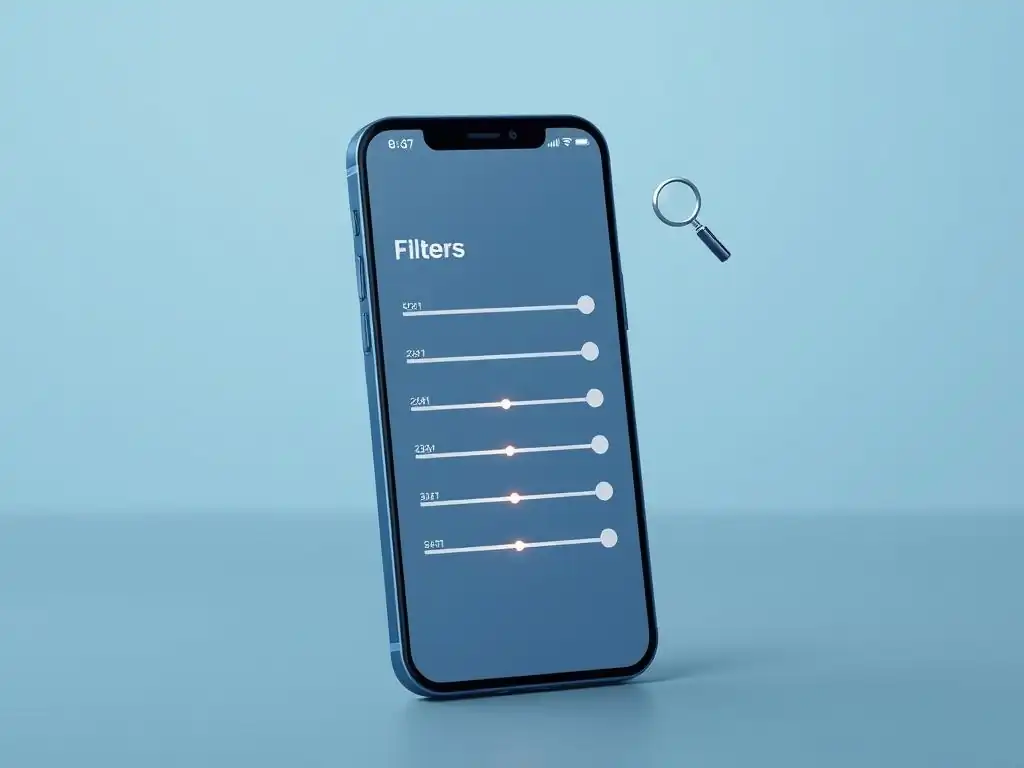
This section delves into the specifics of optimizing your dating app filter settings to maximize your chances of finding compatible matches. Mastering these settings is crucial for efficient online dating and can significantly improve your experience. Think of these filters as your personal dating app sieve, helping you sift through potential partners to find those most aligned with your preferences. Let's explore how to fine-tune these crucial settings.
Choosing Your Ideal Distance Radius for Dating App Success
Choosing the right distance radius is a balancing act. Too small, and you might miss out on great people just outside your immediate area. Too large, and you'll be overwhelmed with profiles from far-flung locations, making meeting up logistically challenging. Consider your commute, willingness to travel, and the density of your local population.
Many dating apps default to a 100-mile radius. This is often too broad. Start by experimenting with smaller radii. A 25-mile radius is a good starting point for many. Think about your daily routine: Could you realistically meet someone who lives 25 miles away, factoring in work, social commitments, and potential traffic?
If you live in a densely populated urban area, a smaller radius might be preferable to avoid being swamped with options. In contrast, someone in a rural area might need a wider radius to find a sufficient pool of potential matches. Remember, you can always adjust this setting later based on your experience. Regularly reviewing your matches and the distances involved will help you optimize this crucial filter.
Consider these factors when setting your distance radius:
- Commute: How far are you willing to travel for a date?
- Transportation: Do you have reliable transportation?
- Population Density: Is your area densely populated or more rural?
- Lifestyle: How often are you willing to travel for dates?
Refining Age Parameters: How to Define Your Target Age Range
Defining your ideal age range is personal and depends on your individual preferences and dating goals. However, avoid setting an excessively narrow range, as this can significantly limit your potential matches. A too-wide range, on the other hand, can lead to an overwhelming number of profiles to sift through. Finding the sweet spot requires careful consideration.
Consider the following when setting your age range:
- Your Age: Typically, people tend to date within a few years of their own age. However, there's no hard and fast rule!
- Maturity Levels: Consider what stage of life you're in and what you're looking for in a partner.
- Life Goals: Are your life goals aligned with those of people in a particular age range?
- Experimentation: Don't be afraid to experiment with different age ranges to see what works best for you. Start with a slightly broader range than you might initially think, and then narrow it down based on your experiences. For example, start with a +/- 5-year range and adjust from there.
Here's a table showing some common age ranges and their potential implications:
| Age Range | Potential Implications |
|---|---|
| +/- 2 years | Very narrow; may limit potential matches significantly. |
| +/- 5 years | A good starting point for many users. |
| +/- 10 years | A wider range; may result in a large number of profiles. |
| 20+ years | Extremely broad; may be overwhelming. |
Remember, the best age range is the one that yields the most compatible matches for you.
Selecting Gender and Relationship Preferences Effectively
This section focuses on the gender and relationship preference filters. These filters are fundamental to finding compatible matches. Accuracy is paramount; selecting your preferences incorrectly can lead to wasted time and potentially frustrating experiences.
Most dating apps offer a range of options beyond simply "male" or "female." Many include options such as "transgender," "non-binary," and others, reflecting the diverse spectrum of gender identities. Selecting the appropriate options ensures your profile is visible to the people you're interested in.
Similarly, specifying your desired relationship type is crucial. Options often include:
- Casual Dating
- Serious Relationship
- Marriage
- Friendship
Choosing the right relationship type filter helps you attract individuals who share your relationship goals. Being upfront about your intentions saves time and avoids mismatched expectations. Selecting multiple options might seem like a good idea, but it can sometimes dilute your profile's visibility and make it harder for potential matches to understand what you're looking for. Consider carefully which option best describes your current dating goals. You can always adjust this later.
Accurate selection of both gender and relationship preferences is crucial for a positive and efficient online dating experience. Be mindful of the options available and choose those that genuinely reflect your preferences. Remember, honesty and clarity are key to success in online dating.
The Impact of Height Filters on Match Quality
Height is a frequently used filter in online dating, and its impact on match quality is a complex issue. While some users find specifying a height range essential for compatibility, others argue it's superficial and potentially exclusionary. The effectiveness of height filters depends heavily on individual preferences and dating goals. For example, a user prioritizing physical attraction might find height a crucial factor, leading them to filter out potential matches outside their preferred range.
This approach, however, risks missing out on compatible individuals who possess other desirable qualities. Conversely, someone focusing on personality and shared interests might place less emphasis on height, leading to a broader and potentially more diverse pool of potential matches. Studies on dating app usage suggest that height filters, while popular, don't always correlate directly with long-term relationship success. Ultimately, the "best" approach is highly personalized.
Experimentation and reflection on past dating experiences can help users determine whether prioritizing height in their filters yields positive results or limits their opportunities. Consider whether your height preferences reflect genuine compatibility criteria or simply a superficial preference. Remember that a successful online dating experience often involves balancing specific preferences with an open mind. Focusing solely on height might lead to a smaller, less diverse pool of potential partners, potentially hindering the discovery of meaningful connections.
Advanced Filtering: Lifestyle Preferences, Education, and More
Beyond the basics of age, location, and height, many dating apps offer advanced filtering options that significantly refine your search. These features allow you to specify preferences related to lifestyle, education, career, and even religious or political views. Leveraging these advanced filters can drastically improve the quality of your matches by pre-selecting individuals who share your values and life goals. For instance, filtering by education level can help you connect with individuals who have similar intellectual interests and career aspirations.
Similarly, specifying lifestyle preferences, such as fitness level or dietary habits, can help you find matches who share your active lifestyle or health-conscious approach. Consider carefully which lifestyle factors are most important to you and how aligning these preferences through filtering can contribute to more meaningful connections. However, remember that over-filtering can be counterproductive. Being too specific might drastically reduce your potential matches, limiting your opportunities to discover unexpected compatibility.
Striking a balance between detailed filtering and maintaining a reasonably broad pool of potential matches is key to maximizing the effectiveness of these advanced features. Experimentation and a willingness to adjust your filter settings based on your experiences are essential to finding the optimal balance that caters to your preferences without unduly restricting your search. The best dating app filter settings are, therefore, those that effectively reflect your priorities while still allowing for serendipitous discoveries.
Advanced Filter Techniques for Maximizing Match Quality

This section delves into sophisticated strategies for leveraging dating app filters to significantly improve the quality of your matches. We'll move beyond the basics, exploring techniques that go beyond simple age and location parameters to uncover truly compatible partners. Mastering these techniques will help you refine your search and dramatically reduce wasted time swiping through profiles that don't align with your desires. Optimizing your best dating app filter settings is key to achieving this.
Combining Filters for More Precise Results: A Synergistic Approach
Simply selecting individual filter options isn't always enough. The real power lies in combining filters synergistically. For example, filtering by age (let's say 28-35) is a good start, but combining this with filters for education level (e.g., college graduate), lifestyle preferences (e.g., enjoys hiking, loves to cook), and even specific interests (e.g., into sustainable living, avid reader) dramatically refines your pool of potential matches. This approach moves beyond superficial attributes and targets individuals with a deeper compatibility.
Imagine you're looking for someone with a shared interest in sustainable living. Instead of just hoping to find it organically in profiles, you strategically combine age filters (30-40), location filters (within 20 miles), and crucially, a filter for interests that explicitly mentions "sustainability," "eco-friendly," or "environmentalism." This combination dramatically increases your chances of finding someone who genuinely shares your values. This is a superior approach to simply hoping for a match with compatible interests through random swiping.
Think of it like building a detailed profile of your ideal partner, then using the filters to systematically eliminate those who don't fit the criteria. The more specific and well-thought-out your filter combinations, the more likely you are to find high-quality matches aligned with your preferences.
The Art of Filter Iteration: Adapting Your Search Based on Results
The best dating app filter settings aren't static; they're dynamic. Your initial filter choices might not yield the desired results. The key is to iterate: analyze your matches (or lack thereof), adjust your filters accordingly, and repeat the process. This iterative approach is crucial for fine-tuning your search and learning what truly works for you.
Let's say you initially set your age range broadly (25-40) but find that most of your matches fall within the younger end of the spectrum. This indicates you might want to narrow your age range, perhaps to 28-35, to attract more individuals closer to your ideal age. Similarly, if you're not getting enough matches with a specific interest filter, you might need to broaden that filter or try different keywords related to that interest.
This iterative process requires patience and a willingness to experiment. Keep detailed notes on your filter settings and the results you obtain – this will help you identify patterns and optimize your search over time. It's a learning curve, but understanding this principle will greatly improve your dating app experience. Don't be afraid to experiment; it’s part of finding the best dating app filter settings for you.
Avoiding Filter Overload: Finding the Balance Between Specificity and Reach
While precise filtering is beneficial, it's crucial to avoid filter overload. Using too many restrictive filters can severely limit your potential matches, leading to a sparse or nonexistent pool of candidates. The goal is to find the optimal balance between specificity and reach – a sweet spot that maximizes the chances of finding compatible partners without being overly restrictive.
Consider the Pareto Principle (80/20 rule): Focus on the 20% of filters that yield the most significant impact. Prioritize filters based on your non-negotiable preferences (e.g., age range, location) and then strategically add a few more filters related to key lifestyle or interest factors. Avoid overly niche filters unless you have a very specific and unusual preference.
For example, filtering for a specific height or body type might be too restrictive for some. Instead, focus on factors that generally correlate with compatibility, such as shared interests, lifestyle preferences, and values. Remember, the aim is to find meaningful connections, not to create a perfectly curated, but ultimately unachievable, ideal. Finding that perfect balance is key to unlocking your dating app success.
Understanding Filter Limitations: Factors Beyond Your Control
While mastering dating app filters significantly improves your chances of finding compatible matches, it's crucial to acknowledge their inherent limitations. No filter, however sophisticated, can guarantee perfect matches or eliminate all undesirable interactions. Several factors lie beyond the control of even the most meticulously crafted filter settings.
One key limitation is the inherent subjectivity of profiles. Users often present idealized versions of themselves, either consciously or unconsciously. Photos might be outdated, descriptions might be embellished, and stated preferences might not accurately reflect real-world behavior. Even with robust filters, you might encounter discrepancies between a profile's presentation and a person's actual personality or intentions. This emphasizes the importance of thorough communication and getting to know potential matches beyond the initial profile information. Remember, the best "filter" is often your own judgment and intuition during the initial communication phase.
Another significant limitation stems from the algorithm's inherent biases. Dating apps utilize complex algorithms to suggest matches, and these algorithms, while constantly being refined, can still exhibit biases based on factors like location, age, and even the order in which profiles are viewed. These biases, often unintentional, can limit the diversity of matches presented, even with broad filter settings.
It's vital to remember that the algorithm is a tool, and you should actively explore profiles beyond those automatically suggested to you, thereby expanding your potential pool of compatible partners. Think of it as a starting point, not the final word on who might be a good match for you.
Finally, the sheer volume of users on most dating apps makes it impossible for filters to perfectly isolate ideal matches. Even with precise filter criteria, you'll likely be presented with a sizable number of profiles, each requiring individual assessment. This highlights the importance of efficient profile browsing techniques and prioritizing the quality of interactions over sheer quantity.
Focus on engaging with profiles that genuinely pique your interest, rather than passively scrolling through endless options. Remember, the goal isn't just to accumulate matches, but to find meaningful connections. Strategic use of filters helps narrow the field, but the final selection process remains a deeply personal and nuanced one.
Beyond Filters: Optimizing Your Dating App Profile for Success
Even with the best dating app filter settings, your profile is the first impression. A poorly constructed profile can negate even the most meticulously crafted filter selections. Think of filters as a sieve—they help you find potential matches, but it's your profile that determines whether those matches will actually connect with you. Therefore, optimizing your profile is crucial for maximizing your success. This section focuses on how to make your profile irresistible to the right people, regardless of your chosen filter parameters.
Creating a Compelling Profile: Attracting the Right Matches
Your profile is your digital storefront. It needs to be visually appealing, easy to understand, and accurately represent who you are. Avoid generic statements like "looking for someone fun and adventurous." Instead, be specific! What kind of adventures are you seeking? What does "fun" look like to you?
Consider using a compelling headline. Instead of just your name, try something like, "Software Engineer seeking hiking buddies and intellectual conversations," or "Foodie and bookworm looking for a connection over shared passions." This immediately gives potential matches a glimpse into your personality and interests.
Think about your target audience. If you've set your filters to target a specific age range, occupation, or lifestyle, your profile should reflect that. If you're targeting professionals, maintain a professional tone. If you're looking for adventurous types, showcase your outdoor activities. Consistency between your filters and profile content is key.
Remember the power of keywords! While you shouldn't stuff your profile with keywords, organically incorporating terms related to your interests and desired partner characteristics can improve your discoverability within the app's search algorithms. For example, instead of simply stating "I love to travel," you could say "I'm passionate about exploring new cultures and recently returned from a backpacking trip through Southeast Asia."
High-Quality Photos: Showcasing Your Best Self
Your photos are arguably the most important element of your profile. They're the first thing people see, and they often determine whether someone will even bother to read your bio. High-quality photos increase your chances of getting noticed. So, ditch the blurry selfies and poorly lit group shots.
Here's a checklist for your photos:
| Photo Type | Description | Tips |
|---|---|---|
| Primary Profile Pic | Your best, most flattering, and most representative photo. | Smile naturally, good lighting, clear background, show your personality. |
| Full Body Shot | Shows your physique and overall appearance. | Wear something you feel confident in, good posture, engaging background, avoid overly posed shots. |
| Activity Photo | Shows you engaging in a hobby or interest. | Choose activities that reflect your personality and interests, high-quality photo, clear and focused. |
| Lifestyle Photo | Shows you in your natural environment (e.g., at home, traveling, with friends). | Natural lighting, show your personality, avoids staged photos, and conveys genuine happiness. |
| Optional: Pet Photo | If you have a pet, include a photo of you with your pet. | Shows compassion and responsibility, a great conversation starter. |
Avoid these common photo mistakes:
- Photos with exes or other people who aren't clearly identifiable.
- Poorly lit or blurry images.
- Photos that are too old or don't accurately represent your current appearance.
- Excessive selfies.
- Photos with distracting backgrounds.
Remember, your photos should showcase your best self, but importantly, remain authentic and genuine. This helps attract matches who genuinely appreciate you for who you are.
Crafting a Bio That Resonates: Expressing Your Personality and Values
Your bio is your opportunity to tell your story and connect with potential matches on a deeper level. It's where you share your personality, interests, and values. Avoid clichés and generic statements. Instead, focus on what makes you unique.
Think of your bio as a conversation starter. Ask a question at the end to encourage interaction. For example: "What's your favorite hidden gem in the city?" or "What's the most interesting book you've read recently?"
Use humor appropriately. A well-placed joke can make your profile more memorable and approachable. However, avoid offensive or inappropriate humor.
Be honest and authentic. Don't try to be someone you're not. Your genuine personality will attract the right people. Authenticity is key to building meaningful connections. Remember, the goal is to find someone who appreciates you for you. The right people will appreciate your genuine self, even if it's not perfectly aligned with every idealized image.
Finally, proofread! Typos and grammatical errors can make your profile look unprofessional and less appealing.
Active Engagement: Maximizing Your App Usage
Active engagement is crucial for maximizing your success on dating apps. It's not enough to simply create a profile and wait for matches to roll in. Think of these apps as dynamic marketplaces; the more actively you participate, the greater your visibility and chances of connecting with compatible individuals. This involves more than just swiping; it's about strategic interaction and consistent presence.
One key aspect of active engagement is consistent logins. Regularly checking the app, even if it's just for a few minutes each day, keeps your profile fresh in the algorithm's view. Many apps prioritize users who are frequently active, increasing your chances of appearing in more suggested matches. Think of it like this: if you only visit a store once a month, you're less likely to be noticed by the staff than someone who pops in daily. The same principle applies to dating apps.
Beyond simply logging in, engaging with potential matches is paramount. This doesn't necessarily mean sending a lengthy, overly-formal message to every single person you like. Instead, focus on thoughtful interactions. Start with a simple, personalized greeting that references something specific from their profile. This shows that you've taken the time to learn about them, rather than sending a generic "Hey" message. Responding promptly to messages is also critical; showing interest and maintaining a conversation demonstrates your genuine engagement and increases the likelihood of a successful connection.
Furthermore, utilizing all app features contributes to active engagement. Many apps offer features beyond basic swiping, such as "Stories," "Live," or other interactive elements. Participating in these features increases your profile's visibility and allows you to showcase your personality in a more dynamic way. It’s a great way to stand out from the crowd and attract the attention of potential matches.
Remember, the goal is to make yourself easily discoverable and to present yourself as a genuinely active and engaged user. Don't be afraid to experiment and find what works best for you. The more effort you put in, the more rewarding your experience will likely be. The best dating app filter settings are only half the battle; active engagement is what truly clinches it.
Case Study: How Optimized Filters Led to a Successful Match
This case study details how carefully adjusting dating app filter settings dramatically improved the quality of matches for a user, ultimately leading to a successful, long-term relationship. We'll analyze the iterative process of filter refinement, highlighting the impact of specific choices on match quality and connection rates. This exemplifies the power of understanding and utilizing the "best dating app filter settings" for achieving your online dating goals.
Initial Filter Settings and Challenges
Our subject, let's call her Sarah, initially approached online dating with broad filter settings. She believed a wider net would yield more potential matches. Her initial filters included a wide age range (25-45), a broad location radius (50 miles), and minimal requirements regarding height, education, or lifestyle preferences. This resulted in a high volume of matches, but many proved incompatible.
She felt overwhelmed by the sheer number of profiles, many of which lacked common ground or shared interests. The sheer volume led to dating app fatigue, with many messages going unanswered and dates resulting in little connection. This demonstrates the common pitfall of assuming more matches inherently equates to better matches.
The experience highlighted the importance of carefully considering which filters to prioritize and how to refine them for optimal results. She felt frustrated by the time investment with little return in terms of meaningful connections. This is a typical experience for many users who begin with overly-broad dating app filter settings.
Refining the Approach: Iterative Filter Adjustments
After several weeks of unsatisfactory results, Sarah decided to refine her filter settings. She meticulously analyzed the profiles of those she'd connected with and those she hadn't. This self-reflection process revealed patterns. She discovered she was consistently drawn to profiles that mentioned a love for hiking, indicated a preference for dogs, and highlighted a commitment to fitness. She also found that while age was initially less important, the most compatible matches were within a narrower 10-year age range (30-40).
Based on these observations, Sarah iteratively adjusted her filters. She narrowed her age range, significantly reduced her location radius to 20 miles, and added specific keywords related to her interests (hiking, dogs, fitness) into the search criteria. She also adjusted her preferences to reflect a higher level of education and career stability. This more targeted approach drastically reduced the number of daily matches, but the quality of profiles increased significantly.
She noticed a marked improvement in the conversations, with more shared interests and deeper connections forming. This example underscores the value of iterative adjustments, using data from previous interactions to inform future filter refinements. This process, though initially time-consuming, proved far more efficient in the long run.
Results: Increased Match Quality and Connection Rate
The refined filter settings produced a remarkable shift in Sarah's online dating experience. The number of daily matches decreased, but the quality of matches soared. She found herself engaging in more meaningful conversations, scheduling more dates, and experiencing a higher success rate in terms of forming genuine connections.
Within two months of implementing the refined filters, Sarah met her current partner, a match that aligned perfectly with her revised criteria. Their shared interests, fostered by the targeted filter settings, laid the foundation for a strong and lasting relationship. This demonstrates the significant impact of optimized filter settings on achieving successful matches and building meaningful connections through online dating.
It exemplifies how the "best dating app filter settings" are not universally applicable, but rather, a personalized approach based on individual preferences and iterative refinement. This case study proves that focusing on quality over quantity, through strategic filter adjustments, can lead to significantly improved results in online dating.
Lessons Learned: Strategies for Continued Success
After achieving a successful match using optimized filter settings, it's crucial to understand the lessons learned and implement strategies for continued success. This isn't just about finding a match; it's about finding the right match and building a lasting connection. The initial success with refined filters highlights the importance of understanding your dating preferences and translating them into actionable parameters within the app. This process of self-reflection is arguably more valuable than the match itself.
One key takeaway is the iterative nature of filter optimization. What worked once might not work again. People's profiles, preferences, and even the algorithms themselves change over time. Regularly reviewing and adjusting your filters based on your experiences and evolving desires is essential. Perhaps you initially focused solely on age and location, but after a few interactions, you realized shared interests are more important to you. Adapting your filters to reflect these newfound priorities is key to finding more compatible partners.
Furthermore, the success wasn't solely reliant on the filters. Effective communication and genuine engagement played a significant role. Even with the perfect match suggested by your optimized filters, building a connection requires active participation. Responding thoughtfully to messages, initiating conversations, and showcasing your personality are all crucial elements. Think of the filters as a highly effective screening process; they present you with potential matches, but it's up to you to nurture those connections. The filters brought the right people to your attention, but genuine connection requires effort and investment from both sides.
Finally, remember that online dating is a journey, not a destination. There will be matches that don't work out, and that's okay. Analyze these experiences to further refine your filter strategy. Did you overlook a crucial detail in your filter settings? Did your communication style need adjustment?
Each interaction, successful or not, provides valuable data points that can inform your approach and lead to even more effective filter optimization in the future. The continuous refinement of your filters, coupled with mindful engagement, increases the likelihood of finding a truly compatible partner. The journey itself is a learning experience, allowing for continuous improvement and a higher probability of long-term success. Don't be afraid to experiment and adapt your approach based on your evolving needs and experiences. 🎉
Frequently Asked Questions
What are the most important filter settings on dating apps?
The most crucial settings are age range, location, and relationship goals. Refining these first helps you target compatible matches. Don't be afraid to be specific!
How do I avoid wasting time with incompatible matches using filters?
Utilize filters for dealbreakers, like smoking habits, or desired family size. Clearly stating your preferences upfront saves you and potential matches time and frustration. Be honest with yourself about your non-negotiables.
Can using too many filters be detrimental to my online dating experience?
Yes, being too restrictive can limit your pool significantly. Start with a few key filters and gradually add more. Experiment to find the balance between specificity and opportunity.
Some apps offer advanced filters based on lifestyle choices, interests, or even education level. Explore all settings within each app—you might find hidden gems. Read the app's help section for a complete understanding.
How often should I adjust my dating app filter settings?
Review and adjust your filters periodically, based on your experiences and evolving preferences. What works initially might need tweaking as you gain clarity on what you want. Regular evaluation is key.
Final Reflection: Unlocking Connection Through Strategic Filtering
The power of thoughtful filtering on dating apps isn't just about finding a match; it's about crafting a more intentional and fulfilling dating experience. In a world saturated with choices, the ability to curate your search effectively becomes paramount, transforming the often-overwhelming landscape of online dating into a more manageable and potentially rewarding journey.
The impact of dating app algorithms and filter options extends far beyond the individual user; it shapes the very fabric of modern relationships. By understanding how these tools function, we gain agency over our dating lives, moving beyond passive scrolling and into active participation in shaping our romantic futures. The most important thing in life is to learn how to give out love, and to let it come in.
– Morrie Schwartz. This quote, while not explicitly about dating apps, speaks to the core of what we've explored: the importance of intentionality and openness in the pursuit of connection.
Now, consider your own dating app strategy. Are you actively utilizing filters to refine your search, or are you letting the algorithm dictate your potential matches? Take a moment to reflect on how you can leverage the tools at your disposal to create a more authentic and rewarding experience. Don't just swipe; choose – choose the filters that align with your values, choose the conversations that spark genuine interest, and choose to approach online dating with intention and self-awareness. The journey to finding a meaningful connection begins with you.
Unlock Your Dating App Potential: Find Your Perfect Match!
Thanks for exploring the world of dating app filters with us! You've gained valuable knowledge to significantly improve your dating experience. Ready to put this new expertise to the test?
- Refine your filters today: Re-evaluate your current filter settings. Experiment with subtle adjustments to attract a wider range of compatible profiles. This is a crucial step towards finding better matches!
- Share your best filter tips: What surprising filter combinations have yielded the best results for you? Share your insights with the OnlineDatingSuccess.org community in the comments below! Your experience could help others achieve dating app success.
- Challenge your filter assumptions: Are you clinging to filters based on outdated beliefs or past disappointments? Consider broadening your horizons and trying a new approach.
What's one small filter adjustment you can make right now to boost your dating app success?